
The standard Arusha National Park entrance fee for foreign adults is currently set at $53 per person per day, while foreign children pay $15 per day. Residents pay $35.50 per day, and Tanzanian citizens pay $10,000 TZS per day. These fees are subject to change, and it’s advisable to confirm the exact rates for 2026 and 2027 closer to your travel dates, as park authorities may adjust them annually. These fees grant you access to the park for a 24-hour period.
Understanding Arusha National Park Entrance Fees for 2026-2027
Arusha National Park, a jewel of northern Tanzania, offers a stunning array of landscapes, from the alkaline Momella Lakes to the rugged Mount Meru. For many travelers, the first practical question when planning a safari to this accessible and biodiverse park is about the costs involved. Specifically, understanding the Arusha National Park entrance fee is a crucial step in budgeting for your Tanzanian adventure in 2026 or 2027. Top Guide Adventures is committed to providing clarity on these essential details to ensure your planning is smooth and informed.
The park’s entrance fees are managed by the Tanzania National Parks Authority (TANAPA) and are structured based on nationality and age. These fees are a vital contribution to conservation efforts, park maintenance, and the overall protection of the incredible wildlife and habitats within Arusha National Park.
Current Fee Structure (Subject to 2026-2027 Adjustments)
While exact figures for future years are always subject to official confirmation, the rates have historically remained relatively stable with annual reviews. Based on the most recent available information, here is a breakdown of the expected Arusha National Park entrance fee:
- Foreign Non-Residents (Adults): $53 USD per person, per 24-hour period.
- Foreign Non-Residents (Children aged 5-15): $15 USD per person, per 24-hour period.
- Residents (Expatriates living in Tanzania): $35.50 USD per person, per 24-hour period.
- Tanzanian Citizens: 10,000 TZS per person, per 24-hour period.
It’s important to note that these are standard daily conservation fees. If your visit extends beyond 24 hours, you will be charged for an additional day. For instance, a safari that starts on a Monday morning and concludes on Tuesday afternoon would typically incur two days’ worth of entrance fees for each person in your group.
Important Considerations for 2026-2027 Planning
When planning your safari for 2026 or 2027, always factor in potential minor increases or adjustments to these fees. TANAPA reviews these rates periodically to align with operational costs and conservation needs. Top Guide Adventures will always ensure you have the most up-to-date pricing when you book your safari with us.
Nationalities are typically verified by passport at the park gate. If you hold a passport from a country other than Tanzania, you will be classified as either a Foreign Non-Resident or a Resident (if you have a valid Tanzanian residency permit).
Children under 5 years of age are generally granted free entry, but it’s always best to confirm this policy with your tour operator or at the park gate.
What Your Entrance Fee Covers
The Arusha National Park entrance fee is primarily a conservation fee. It contributes directly to:
- Wildlife protection and anti-poaching efforts.
- Habitat preservation and management.
- Maintenance of park infrastructure, including roads, trails, and visitor facilities.
- Research and monitoring of wildlife populations.
- Community development projects related to conservation.
This fee does not typically include other costs such as camping fees, vehicle entrance fees (if applicable to your specific tour arrangement), guided activities like walking safaris, or ranger fees for specific treks.
Beyond the Standard Entrance Fee: Other Potential Costs
While the daily conservation fee is the most significant entry cost, a comprehensive budget for your Arusha National Park visit should account for other potential expenses. Understanding these will help you avoid surprises and fully enjoy your experience in 2026 or 2027.
Vehicle Entrance Fees
In addition to per-person fees, there’s often a vehicle entrance fee for any vehicle entering the park. This fee is usually charged per vehicle, per day. The exact amount can vary based on the vehicle’s size and type. For most standard safari vehicles used by tour operators like Top Guide Adventures, this fee is typically in the range of $30 to $50 USD per vehicle per day. This is usually covered by your tour package, but it’s good to be aware of.
Camping Fees
Arusha National Park offers limited camping facilities, allowing for a more in-depth experience. If you plan to camp, separate fees apply:
- Public Campsites: Generally more basic and affordable, often around $10-15 USD per person per night for foreign non-residents.
- Special Campsites: More secluded and potentially offering better facilities, these can cost between $20-30 USD per person per night for foreign non-residents.
- Tanzanian Citizens and Residents will have different, lower rates for camping.
These camping fees are in addition to the daily park entrance fees.
Walking Safari Fees
Arusha National Park is one of the few parks in Tanzania where walking safaris are permitted, offering a unique perspective on the flora and fauna. These guided walks require the presence of an armed park ranger, for which an additional fee is charged. The ranger fee is typically around $20-30 USD per group per walk, regardless of the number of participants. The duration and cost of the walk itself would be part of your tour package or arranged separately.
Canoeing on Momella Lakes
A popular activity in Arusha National Park is canoeing on the Momella Lakes. This offers incredible opportunities for birdwatching and viewing wildlife from a different vantage point. The fee for canoeing is usually around $50-70 USD per person, which often includes canoe rental and a guide. This is an optional activity and not included in the standard park entrance fee.
Mount Meru Trekking Fees
For the more adventurous, climbing Mount Meru is a spectacular undertaking. Trekking Mount Meru involves several fees beyond the park entrance: park fees, ranger fees, guide fees, porter fees, and hut/campsite fees. These costs can add up significantly and are usually bundled into a dedicated Mount Meru climbing package. A typical 3-5 day trek can incur fees in the range of $700 to $1500+ USD per person, depending on the operator and services included. This is a substantial undertaking distinct from a standard game drive safari.
Vehicle Hire and Guide Services
If you are arranging your own transport and guide within the park, you will need to factor in the cost of vehicle hire and the guide’s daily rate. Tour operators like Top Guide Adventures include these in their packages, which simplifies budgeting. For a private safari vehicle and experienced guide, expect costs to range from $200 to $400+ USD per day, depending on the vehicle type and service level.
How to Pay Arusha National Park Entrance Fees
Payment of park fees is a critical aspect of entering Arusha National Park. TANAPA has implemented systems to streamline this process, especially for tour operators and organized groups. For individual travelers or those arranging their own entry, understanding the payment methods is key.
Payment Methods Accepted
Historically, cash payments in USD or Tanzanian Shillings (TZS) were common at park gates. However, TANAPA is increasingly encouraging electronic payments and the use of their integrated systems. The most common and reliable methods include:
- Mobile Money Transfers: For Tanzanian citizens and residents, mobile money platforms are often accepted.
- Bank Transfers: For pre-booked tours, tour operators like Top Guide Adventures typically handle all park fee payments via bank transfers to TANAPA accounts. This is often the preferred method for ensuring smooth entry.
- Credit/Debit Cards: While becoming more common, card payment facilities at remote park gates can sometimes be unreliable due to connectivity issues. It’s always wise to have a backup payment method.
- USD Cash: For foreign tourists, US Dollars are widely accepted for park fees. Ensure you have crisp, new bills (preferably dated after 2009) as older notes may not be accepted. Small denominations are useful, but be prepared for exact change if necessary.
Top Guide Adventures manages all park fee payments for our clients as part of their safari package. This ensures that you do not have to worry about the logistics or currency exchange at the park gates, allowing you to focus entirely on the start of your safari experience in 2026 or 2027.
The Role of Tour Operators in Fee Payment
For the vast majority of international visitors, booking a safari through a reputable tour operator like Top Guide Adventures is the standard approach. In this model, the tour operator calculates all necessary park fees, including the Arusha National Park entrance fee, and incorporates them into your overall safari package price. They then handle the payment directly to TANAPA, often in advance. This system:
- Simplifies your travel: You don’t need to carry large amounts of cash or worry about payment methods.
- Ensures accurate calculation: Tour operators are knowledgeable about the latest fee structures and potential changes.
- Guarantees entry: Pre-paid fees often expedite the entry process at the park gates.
When you receive a quote from Top Guide Adventures for your 2026-2027 safari, the park fees will be clearly itemized or included in the total package cost, providing full transparency.
When to Visit Arusha National Park: Seasonality and Fees
While the Arusha National Park entrance fee itself does not typically vary by season, the timing of your visit can significantly impact your overall travel costs and experience. Tanzania experiences distinct dry and wet seasons, which influence wildlife viewing, road conditions, and accommodation prices.
Peak Season (Dry Season: June to October)
This period is characterized by sunny skies and minimal rainfall, making it ideal for game drives and trekking. Wildlife tends to congregate around water sources, making sightings more predictable. However, this is also the most popular time to visit, meaning higher demand for accommodations and potentially higher prices for safari packages.
Shoulder Seasons (e.g., January to February, November to December)
These months often offer a good balance. You might encounter some rain showers, but they are usually short-lived. Wildlife is still abundant, and the landscapes are lush and green. Prices for safaris may be slightly lower than in the peak season, offering good value.
Low Season (Wet Season: March to May)
This is the period with the heaviest rainfall. While game viewing can be more challenging due to dispersed wildlife and overgrown vegetation, the park is incredibly green and beautiful. Birdlife is often at its most vibrant. Prices for safari packages are typically at their lowest during the wet season, making it an attractive option for budget-conscious travelers in 2026 or 2027.
Regardless of the season, the Arusha National Park entrance fee remains the same. However, choosing to travel during the low or shoulder seasons might allow you to secure more competitive rates on your overall safari package from operators like Top Guide Adventures.
Tips for Budgeting Your Arusha National Park Safari
Maximizing your budget while ensuring an unforgettable experience is key to planning any safari. Here are some tips for budgeting your Arusha National Park trip for 2026 or 2027:
- Book in Advance: Especially for peak season travel, booking your safari package well in advance (6-12 months) can secure better rates and availability. Top Guide Adventures recommends early booking for 2026-2027 adventures.
- Consider Package Inclusions: Understand what is included in your safari package. A comprehensive package from Top Guide Adventures will typically cover park fees, vehicle, guide, accommodation, and meals, providing a clear, all-inclusive cost.
- Factor in Optional Activities: Decide which optional activities, like canoeing or walking safaris, you’d like to include. These will add to the total cost but offer unique experiences.
- Travel with a Group: Sharing costs for a private safari vehicle and guide among more people can significantly reduce the per-person price.
- Choose Your Accommodation Wisely: Safari lodges and tented camps range from budget-friendly to luxury. Selecting mid-range options can offer comfort and excellent service without the highest price tag.
- Be Aware of Park Fee Changes: Always confirm the latest Arusha National Park entrance fee and other park-related charges for your specific travel year. Rely on your tour operator for the most current information.
- Currency: While USD is widely accepted for park fees and tourist services, having some Tanzanian Shillings (TZS) for local markets or smaller purchases is useful.
Key Takeaway for 2026-2027 Budgeting
The Arusha National Park entrance fee is a fixed daily cost for all visitors. While it’s a significant part of your safari budget, it’s crucial to remember that it’s a direct investment in the park’s conservation. For a clear and comprehensive budget, always request a detailed itinerary and quote from your chosen tour operator, ensuring all park fees, activities, and accommodation are clearly outlined.
Comparing Arusha National Park Fees with Other Tanzanian Parks
Arusha National Park is often a starting point for many Tanzanian safaris, sometimes visited as a day trip or en route to other famous destinations. Understanding its fee structure in comparison to other major parks can provide valuable context for your overall safari budget in 2026 or 2027.
TANAPA manages fees across all national parks, and generally, the structure is similar: daily conservation fees based on nationality and age, plus vehicle fees. However, the specific amounts can differ significantly.
- Serengeti National Park: Typically has higher entrance fees, often around $70-80 USD per person per day for foreign non-residents.
- Ngorongoro Conservation Area: Features a complex fee structure including a Crater Service Fee (per vehicle) and daily conservation fees for visitors (around $60-70 USD per person per day).
- Tarangire National Park: Usually priced similarly to Arusha, around $50-60 USD per person per day.
- Lake Manyara National Park: Also often in the range of $50-60 USD per person per day.
The Arusha National Park entrance fee of $53 USD positions it as moderately priced compared to the marquee parks like Serengeti and Ngorongoro. Its relative affordability, combined with its proximity to Arusha town and Kilimanjaro International Airport (JRO), makes it an excellent choice for shorter trips, day tours, or as an introductory safari experience.
When planning a multi-park safari in 2026 or 2027, Top Guide Adventures will help you navigate these varying fee structures to create a balanced itinerary that maximizes your wildlife viewing opportunities while managing your budget effectively.
Planning Your 2026-2027 Arusha National Park Safari with Top Guide Adventures
Choosing the right tour operator is paramount for a hassle-free and memorable safari. Top Guide Adventures prides itself on offering personalized service, expert local knowledge, and meticulously planned itineraries. When you book your Arusha National Park safari with us for 2026 or 2027, you benefit from:
- Transparent Pricing: All costs, including the Arusha National Park entrance fee, park vehicle fees, accommodation, guide, and vehicle hire, will be clearly detailed in your quote.
- Expert Guidance: Our experienced safari guides are passionate about Tanzania’s wildlife and landscapes, ensuring you have an enriching experience.
- Tailor-Made Itineraries: Whether you’re interested in a day trip, a multi-day game drive, a walking safari, or even a Mount Meru trek, we customize your adventure to your preferences.
- Logistical Support: We handle all the bookings, permits, and payments, including park fees, so you can relax and anticipate your journey.
- Safety and Comfort: We prioritize your safety and comfort, utilizing well-maintained safari vehicles and experienced drivers.
To start planning your dream safari to Arusha National Park, or any other destination in Tanzania, please reach out to us.
Ready to Explore Arusha National Park in 2026-2027?
Let Top Guide Adventures craft your perfect Tanzanian safari. We handle all the details, including ensuring all park fees, such as the Arusha National Park entrance fee, are managed seamlessly. Contact us today for a personalized quote and itinerary.
WhatsApp: +255616946642
Email: info@topguideadventures.com
Website: Top Guide Adventures Tanzania
Frequently Asked Questions about Arusha National Park Fees
Here are some common questions regarding the Arusha National Park entrance fee and related costs:
Q1: Are Arusha National Park entrance fees per person or per vehicle?
A1: The primary conservation fee is per person, per 24-hour period. There is a separate fee for the vehicle entering the park, typically charged per vehicle per day.
Q2: Can I pay the park fees in installments?
A2: Generally, park fees are expected to be paid in full upon entry or as part of a pre-booked tour package. Tour operators like Top Guide Adventures handle these payments in advance for their clients.
Q3: Do park fees change frequently?
A3: TANAPA reviews park fees periodically, often annually. While major fluctuations are uncommon, minor adjustments can occur. It’s best to confirm the rates for your specific travel year, such as 2026 or 2027, with your tour operator.
Q4: Are there any discounts available for park entrance fees?
A4: Discounts are typically only available for Tanzanian citizens and, to a lesser extent, residents. Foreign non-residents generally pay the standard published rates. Children do have a lower rate than adults.
Q5: What is the park’s operating time?
A5: Arusha National Park is typically open daily from 6:00 AM to 6:00 PM. Game drives and activities should conclude by the closing time. Walking safaris and camping may have different operating hours or require special arrangements.
Q6: Is the Arusha National Park entrance fee included in Top Guide Adventures’ safari packages?
A6: Yes, the Arusha National Park entrance fee, along with other mandatory park fees, is typically included in the comprehensive safari packages offered by Top Guide Adventures. We ensure transparency in our pricing.
Q7: What currency should I use for park fees if paying in cash?
A7: For foreign tourists, US Dollars (USD) are widely accepted for park fees. Ensure you use crisp, new bills (preferably dated after 2009). Tanzanian Shillings (TZS) may be accepted for smaller fees or by local vendors, but USD is standard for official park charges.
Q8: Are there any other parks with similar entrance fees to Arusha National Park?
A8: Parks like Tarangire and Lake Manyara often have entrance fees in a similar range to Arusha National Park. However, Serengeti and Ngorongoro Conservation Area typically have higher fees.
Q9: Can I visit Arusha National Park just for a day trip?
A9: Absolutely. Arusha National Park is a popular destination for day trips from Arusha town or even as a stopover for those flying into Kilimanjaro International Airport. The Arusha National Park entrance fee applies for the 24-hour period, so a day trip is covered by one day’s fee.
Q10: How far in advance should I book my safari to Arusha National Park for 2026-2027?
A10: For 2026 and 2027 safaris, especially during peak seasons (June-October), booking 6-12 months in advance is highly recommended to secure preferred accommodations and ensure availability. For the low season, 3-6 months might suffice, but early booking is always best.
Check Availability for Arusha National Park Entrance Fee Guide | Top Adventures 2026-2027
Ready to compare dates, prices, and the best option for your group? Send the package name and travel month so the team can reply with a clear quote, availability, and what is included.

How Much Are Tanzania National Park Fees? Your Guide 2026-2027
Planning a Tanzanian safari involves understanding the various park entrance fees. This comprehensive guide details the costs for major national parks like Serengeti, Ngorongoro, Tarangire…
Best 12-Day Tanzania Safari Itinerary From Arusha: Your Ultimate Wildlife
This comprehensive 12-day Tanzania safari itinerary from Arusha is designed for an unforgettable wildlife adventure, covering the iconic Serengeti, Ngorongoro Crater, Lake Manyara, and…
11 Days Private Tanzania Safari Price From Arusha: Your Guide 2026-2027
Discover the estimated costs and essential details for an 11-day private Tanzania safari originating from Arusha. This comprehensive guide covers what influences pricing, typical…
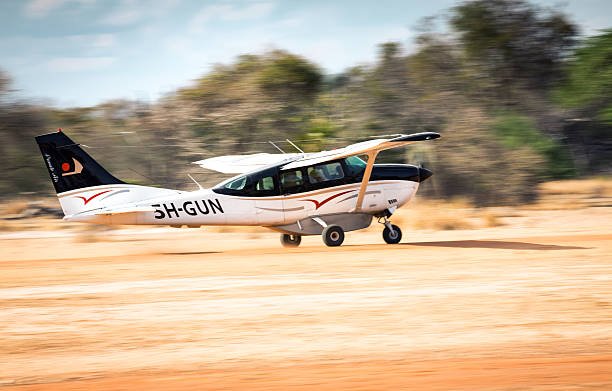
Best 10-Day Tanzania Safari Packages From Arusha 2026-2027
Plan your dream 10-day Tanzania safari adventure starting from Arusha. This guide covers top itineraries, what to expect, and how to choose the best package for your 2026-2027 trip.
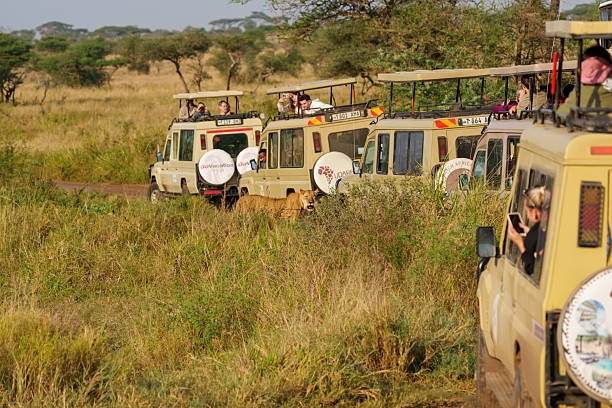
9 Days Great Migration Safari Cost From Arusha 2026-2027
Planning a 9-day Great Migration safari from Arusha? Understand the typical costs, what influences them, and essential inclusions for your 2026-2027 Tanzanian wildlife adventure.
8 Days Private Tanzania Safari From Arusha: Your Ultimate Itinerary & Guide
start an unforgettable 8 Days Private Tanzania Safari starting from Arusha. This comprehensive guide by Top Guide Adventures details an exclusive itinerary covering the Serengeti…
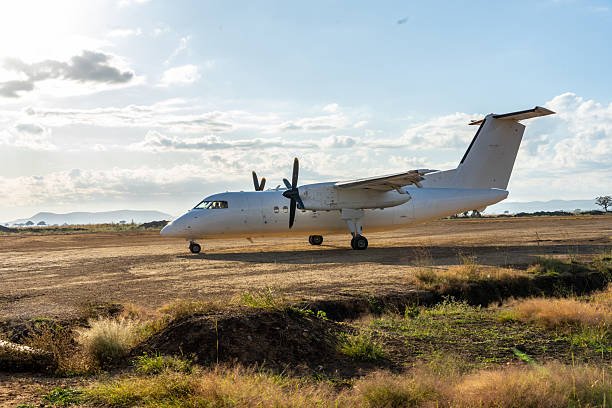
7 Days Northern Tanzania Safari Price From Arusha In | Top Guide Adventures
Planning a 7-day Northern Tanzania safari starting from Arusha? This comprehensive guide breaks down the typical costs for 2026-2027, covering essential inclusions, factors influencing…
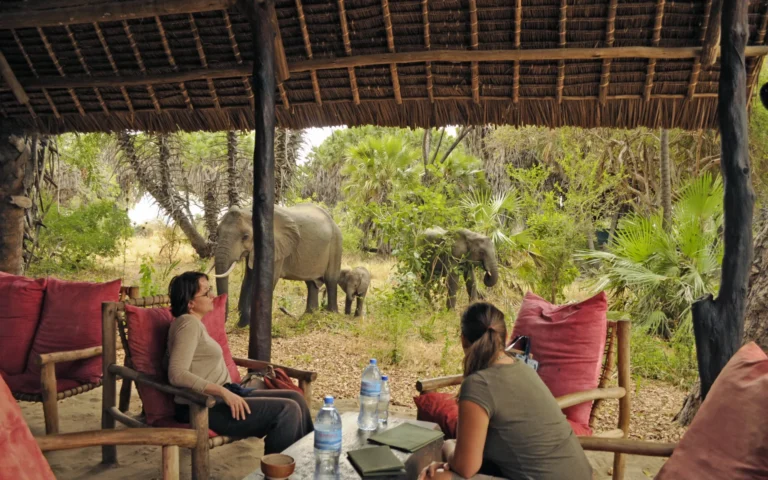
6 Days Tanzania Budget Safari Cost From Arusha 2026-2027
Planning a 6-day budget safari in Tanzania starting from Arusha involves understanding key cost factors. For 2026-2027, expect a range of $1,200 to $2,500 per person, depending on…
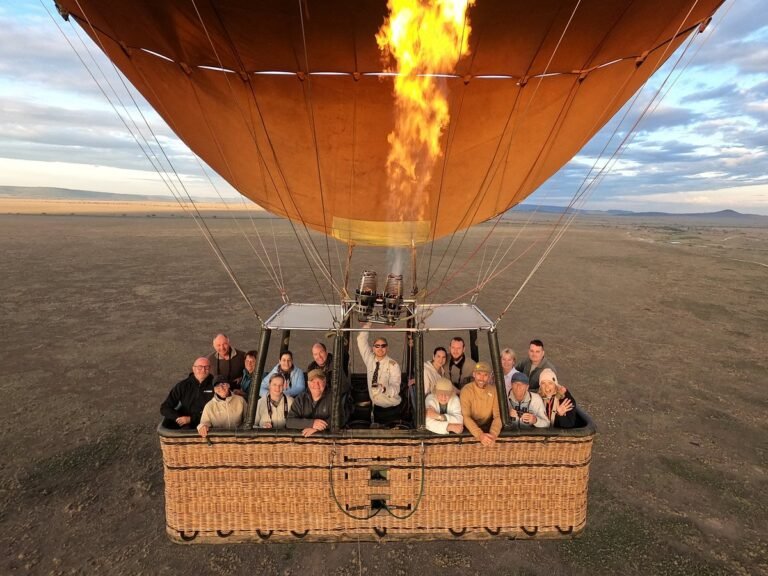
5 Days Tanzania Group Joining Safari Cost From Arusha 2026-2027
Planning a 5-day group joining safari in Tanzania from Arusha? Get a clear understanding of the costs involved for 2026-2027, what influences pricing, and what you can expect to pay for…
Affordable 2-Day Tanzania Safari Packages From Arusha 2026-2027
Affordable 2-Day Tanzania Safari Packages from Arusha is explained with current 2026-2027 planning, price, itinerary and booking information.

2 Days Tarangire And Ngorongoro Safari Price From Arusha 2026-2027
2 Days Tarangire and Ngorongoro Safari Price from Arusha is explained with current 2026-2027 planning, price, itinerary and booking information.
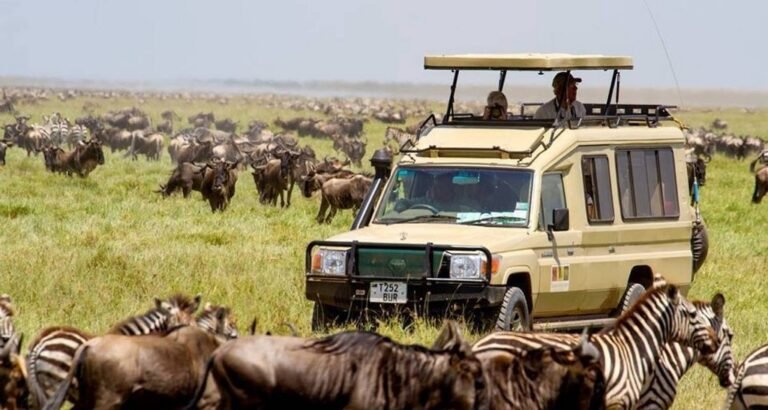
Tanzania Safari Prices From Arusha: Day Trips And Multi-Day Packages 2026-2027
Discover the cost of Tanzania safaris departing from Arusha, covering both short day trips and extensive multi-day adventures for 2026-2027. Understand pricing factors, package inclusions…
No related package matches those filters. Clear one or more filters to see the other topic-matched options.



