
Lake Manyara camping fees for 2026-2027 typically involve a combination of park entry fees per person per day, vehicle entry fees, and specific camping site charges. While exact figures can fluctuate slightly, expect to budget approximately $50-60 USD per person per day for park entry and an additional $30-40 USD per person per night for designated public camping sites. Special campsites or more exclusive arrangements may incur higher costs, often quoted as part of a comprehensive safari package by tour operators like Top Guide Adventures.
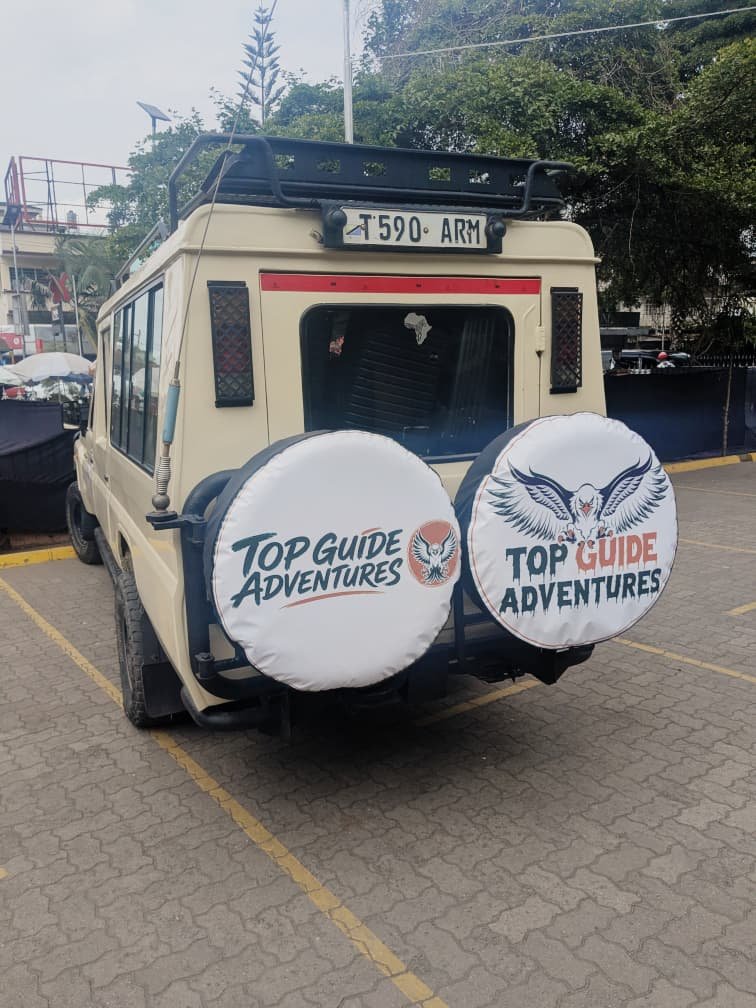
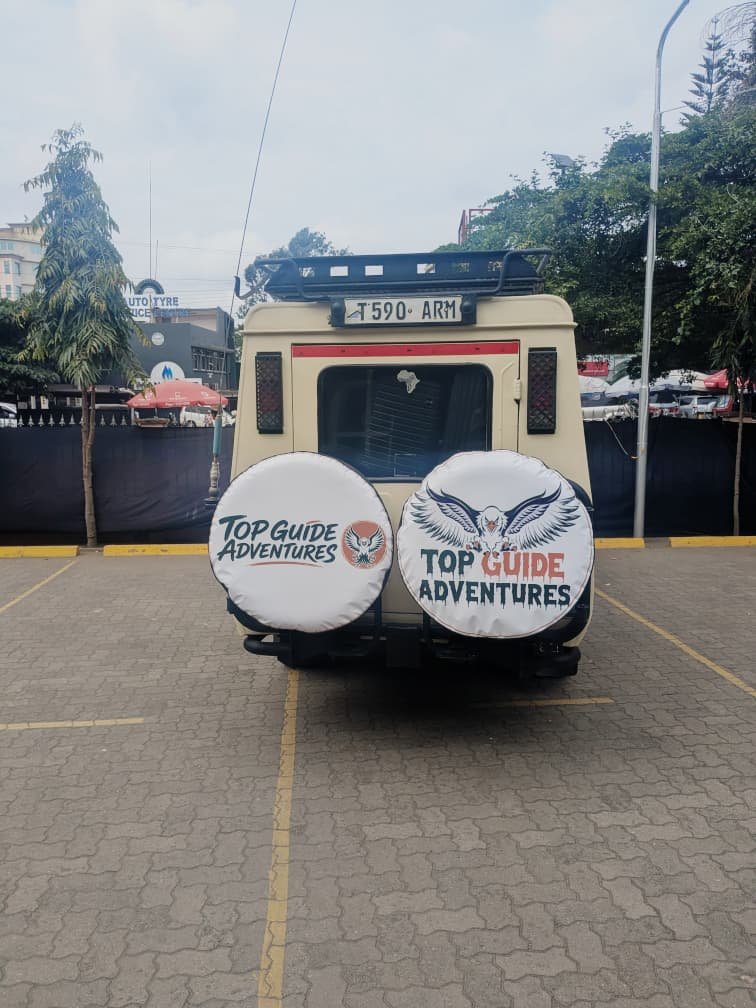
Understanding Lake Manyara Camping Fees for Your 2026-2027 Safari
Embarking on a Tanzania safari often includes a visit to the stunning Lake Manyara National Park, renowned for its tree-climbing lions, vast elephant herds, and vibrant birdlife. For many travelers, camping within or near the park offers an authentic and budget-friendly way to experience the wilderness. However, understanding the associated Lake Manyara camping fees is crucial for accurate safari planning, especially as you look ahead to 2026 and 2027 travel seasons. These fees are not static and can be influenced by various factors, including the type of camping, duration of stay, and any changes implemented by Tanzania National Parks Authority (TANAPA).
At Top Guide Adventures, we aim to provide absolute clarity on all costs involved in your safari. This comprehensive guide will detail the components of Lake Manyara camping fees, what they cover, and how they fit into your overall safari budget for 2026-2027. We will break down park entry, camping ground charges, and other potential expenses to ensure you have a transparent and well-informed perspective.
Key Components of Lake Manyara Camping Fees
When budgeting for a Lake Manyara camping safari, it’s essential to understand that the total cost is comprised of several distinct charges. These are levied by TANAPA and sometimes by the tour operator for services rendered. For planning purposes in 2026-2027, these generally fall into the following categories:
- Park Entrance Fees: This is a mandatory fee for every individual entering Lake Manyara National Park. Rates vary based on nationality (e.g., adult foreign resident vs. non-resident).
- Camping Site Fees: These are charges for the use of designated camping grounds within or adjacent to the park. There are typically different types of campsites with varying amenities and price points.
- Vehicle Entry Fees: A fee is charged per vehicle entering the park, often calculated daily.
- Concession Fees (if applicable): For camping in specific, less-developed areas or private concessions, additional fees might apply.
- Service Fees (Tour Operator): While not direct park fees, tour operators charge for their services, including setting up camp, providing meals, guiding, and transportation. These are often bundled into a safari package.
Understanding these individual components allows for a clearer picture of the overall expenditure. Let’s explore each one.
Park Entry Fees: The Daily Rate
The most significant recurring fee for any safari-goer is the park entrance fee. For Lake Manyara National Park, TANAPA sets these rates. For international visitors (non-residents), the standard fee is typically around $50 USD per person per 24-hour period. This fee grants you access to the park’s wildlife viewing areas and general facilities.
Important Considerations for Park Entry Fees (2026-2027):
- Nationality: Rates differ for East African residents, Tanzanian citizens, and international non-residents. Always confirm the correct category for your passport.
- Duration: The fee is usually charged per 24-hour period. If you stay longer than 24 hours but less than 48, you might be charged for two days. This is standard practice across most Tanzanian national parks.
- Children: Reduced rates often apply for children under a certain age (e.g., 16 years), though this can vary.
- Official Tariffs: TANAPA occasionally updates its fee structure. While major changes are uncommon year-on-year, it’s wise to check the latest official tariffs closer to your 2026 or 2027 travel dates. Tour operators will have the most current information.
For example, a 3-day/2-night camping safari in Lake Manyara would typically incur park entry fees for two full days per person, totaling around $100 USD per person for just the park entry component.
Camping Site Fees: Where You’ll Rest
Lake Manyara National Park offers designated camping areas that allow visitors to stay overnight within the park’s boundaries, providing an unparalleled wildlife experience. These are often referred to as Public Campsites (Campsite Type 1, 2, 3) or Special Campsites. The fees vary significantly based on the type of campsite:
- Public Campsites (Campsite Type 1, 2, 3): These are the most common and affordable options. They generally have basic facilities like pit latrines, a water source, and a designated fire pit area. The fee is typically charged per person per night. For 2026-2027, expect these to range from $30 to $40 USD per person per night. These are excellent for budget-conscious travelers and those on group tours.
- Special Campsites: These are usually located in more remote or exclusive areas, offering greater privacy and a more wild camping experience. They often have fewer or no facilities, requiring more self-sufficiency. The fees for Special Campsites are generally higher and can be quoted on a per-group basis or per person per night, often ranging from $50 to $100+ USD per person per night, or a flat fee for a group.
- Inside the Park vs. Outside: Some itineraries might include camping just outside the park boundaries at designated public campsites or private campsites. Fees for these external sites can be lower than those inside the park, but they do not offer the same in-depth experience of sleeping amidst wildlife.
Example: If you plan to camp for 3 nights at a public campsite inside Lake Manyara, the camping fee alone would be approximately $90 – $120 USD per person.
Vehicle Entry and Other Potential Fees
In addition to per-person fees, TANAPA also charges for vehicle access. This fee is typically charged per vehicle per day. For a standard safari vehicle (e.g., a 4×4 Land Cruiser), this might be in the range of $30 to $50 USD per day.
Other potential fees to consider:
- Crater Service Fee (if applicable): While Lake Manyara itself doesn’t have a crater, if your safari itinerary includes the Ngorongoro Crater, a separate, substantial crater service fee applies per vehicle and per person.
- Game Drive Fees: Generally, game drives are included within the park entry fee. However, some specific activities like night game drives (if permitted in Lake Manyara, which is rare inside the park itself) might incur additional charges.
- Ranger Guide Fees: If you opt for a guided walking safari (less common within Lake Manyara’s main tourist areas but possible in surrounding areas) or require an armed ranger for added security in certain concession areas, their fees will be separate.
Calculating Your Estimated Lake Manyara Camping Fees for 2026-2027
To give you a clearer picture, let’s calculate an estimated total for a hypothetical 3-day/2-night Lake Manyara camping safari for two international non-resident travelers in 2026-2027. This calculation assumes use of a standard safari vehicle and public campsites.
Assumptions:
- 2 international non-resident travelers
- 3 days / 2 nights stay
- Park entry: $50 USD per person per 24 hours
- Camping: $35 USD per person per night (public campsite)
- Vehicle entry: $40 USD per vehicle per day
- Safari vehicle: 1 standard 4×4 Land Cruiser
Cost Breakdown:
- Park Entry: $50/person/day * 2 people * 2 days = $200 USD
- Camping Fees: $35/person/night * 2 people * 2 nights = $140 USD
- Vehicle Entry: $40/vehicle/day * 1 vehicle * 3 days = $120 USD
Estimated Total Park & Camping Fees (for 2 people): $200 + $140 + $120 = $460 USD
This estimate of $460 USD for two people covers only the direct TANAPA fees and campsite charges for a 3-day/2-night period. It does not include the cost of the safari vehicle, driver-guide, park-specific activities, meals, accommodation setup, or the tour operator’s profit and operational costs. A full safari package will build upon these base fees.
Important Note on Fee Changes
Tanzania National Parks Authority (TANAPA) reserves the right to adjust park fees, camping charges, and other levies. While major increases are typically announced well in advance, it’s always best to confirm the exact Lake Manyara camping fees for your specific travel dates in 2026 or 2027 with your chosen tour operator. Top Guide Adventures stays updated on all official tariff changes to provide you with the most accurate quotes.
Types of Camping Experiences and Their Fee Implications
Lake Manyara offers a spectrum of camping experiences, each with its own pricing structure. Understanding these options helps in choosing the right safari style and budget:
1. Public Campsites (Inside the Park)
These are the most common and economical choice for camping safaris. They are managed by TANAPA and offer basic amenities. Fees are usually per person per night.
- Pros: Most affordable, allows overnight stay within the park, close to wildlife viewing areas.
- Cons: Can be busy, facilities are very basic (pit latrines, no showers usually), may require you to bring more of your own equipment or rely heavily on your tour operator.
- Typical Fees (2026-2027): $30 – $40 USD per person per night.
2. Special Campsites (Inside the Park)
These are designated areas for a single group, offering more exclusivity and a wilder feel. They might have fewer facilities than public campsites but provide a more private setting. They are often located in more scenic or remote parts of the park.
- Pros: High level of privacy, exclusive use, more natural and remote experience.
- Cons: Higher cost, fewer facilities (sometimes just a pit latrine), requires more self-sufficiency or a well-equipped tour operator.
- Typical Fees (2026-2027): Can range from $50 – $100+ USD per person per night, or a set fee for the campsite that can accommodate a group.
3. Campsites Outside the Park
Many safari itineraries include camping at sites located just outside the park boundaries, often near park gates or in nearby villages. These can be TANAPA-run or privately owned.
- Pros: Can sometimes be cheaper than inside-park sites, may offer slightly better facilities (e.g., hot showers, restaurant/bar access), easier logistics for some operators.
- Cons: Less in-depth experience as you’re not directly within the park’s ecosystem overnight, requires driving in and out of the park each day for game drives, potentially adding to vehicle entry costs.
- Typical Fees (2026-2027): Varies greatly, from $20 – $50 USD per person per night, depending on the facility.
4. Luxury Mobile Camping / Glamping
While less common for standard Lake Manyara trips compared to the Serengeti, some operators offer more luxurious camping experiences. This involves pre-erected tents with comfortable beds, en-suite bathrooms (often chemical toilets and bucket showers), and dedicated staff. These are typically bundled into higher-end safari packages.
- Pros: High comfort and convenience, luxurious feel, no setup required by the client.
- Cons: Significantly higher cost, less “wild” camping experience.
- Typical Fees (2026-2027): These costs are usually integrated into the overall safari package price, which can range from $300 – $700+ USD per person per day, covering accommodation, meals, guiding, and park fees. The camping component itself is not itemized separately but contributes to the higher package price.
For travelers focused on managing Lake Manyara camping fees, opting for public campsites inside the park on a standard safari package is usually the most cost-effective approach.
Budgeting for Your Lake Manyara Camping Safari in 2026-2027
When planning your budget for a Lake Manyara camping safari, consider the following:
Safari Budget Checklist:
- Tour Operator Package: This is usually the easiest way to manage costs. It typically includes park fees, camping fees, vehicle hire, driver-guide, meals, and sometimes basic camping equipment. For a 3-day/2-night camping safari in Lake Manyara, expect package prices to range from $200 to $400+ USD per person per day, depending on the level of comfort and inclusions.
- Park Entrance Fees: $50 USD per person per 24 hours (international non-resident).
- Camping Fees: $30 – $40 USD per person per night (public campsite).
- Vehicle Entry Fees: $40 USD per vehicle per day.
- Meals: If not fully included in your package, budget for additional meals or snacks.
- Drinks: Water is usually provided, but other beverages will be extra.
- Tips: Gratuities for your driver-guide and camp staff are customary.
- Visa Fees: If required for entry into Tanzania.
- Travel Insurance: Highly recommended.
- Personal Expenses: Souvenirs, laundry, etc.
Example Budget for 2 people, 3 Days/2 Nights Camping Safari:
- Tour Package (Mid-Range): $300 USD/person/day * 2 people * 3 days = $1800 USD. This often includes park fees, camping, meals, vehicle, and guide.
- Additional Park Fees (if not fully included): As calculated above, roughly $460 USD for park and camping fees for 2 people. Check your operator’s quote carefully.
- Tips: $20-30 USD per day for the guide = $60 – $90 USD.
- Miscellaneous (drinks, snacks): $50 – $100 USD.
Total Estimated Budget (for 2 people): Approximately $2370 – $2450 USD.
This is a rough estimate. For precise 2026-2027 pricing tailored to your needs, contacting Top Guide Adventures is the best approach. We can provide detailed quotes for various safari durations and styles, clearly outlining all included fees.
What’s Typically Included in Lake Manyara Camping Safari Packages?
When you book a camping safari package with a reputable operator like Top Guide Adventures, the following are usually covered, helping to simplify your understanding of the Lake Manyara camping fees within the overall cost:
- Park Entrance Fees: For Lake Manyara National Park for the duration of your safari.
- Camping Site Fees: Charges for the designated public campsites.
- Accommodation: A tent (often a dome tent), sleeping bags, sleeping mats, and basic camping furniture (chairs, table).
- Meals: Typically includes breakfast, lunch, and dinner prepared by a camp cook or your driver-guide.
- Vehicle and Driver-Guide: A custom-built 4×4 safari vehicle with a pop-up roof for game viewing, along with an experienced, English-speaking driver-guide.
- Fuel: For the safari vehicle.
- Water: Drinking water during game drives.
- Cooking Equipment: All necessary cooking gear if meals are prepared at the campsite.
What’s typically NOT included:
- International flights
- Visa fees
- Travel insurance
- Personal items (toiletries, medication)
- Alcoholic and soft drinks (beyond water)
- Gratuities for the driver-guide and camp staff
- Optional activities (if any are offered and not part of the standard package)
- Pre- and post-safari accommodation
Always clarify inclusions and exclusions with your tour operator to avoid surprises regarding Lake Manyara camping fees and other safari costs.
Tips for Saving on Lake Manyara Camping Fees
While park and camping fees are largely non-negotiable, there are strategies to manage the overall cost of your Lake Manyara camping safari, especially for 2026-2027 travel:
- Travel in the Low Season: The shoulder seasons (e.g., April-May, November) often have lower accommodation rates and fewer crowds. While park fees remain constant, overall package prices might be slightly reduced.
- Choose Public Campsites: Opting for designated public campsites instead of special campsites or lodges significantly reduces accommodation costs per night.
- Join a Group Safari: Shared safaris distribute the cost of the vehicle and guide among more people, making it more budget-friendly than a private safari. Top Guide Adventures offers group departure dates that can help manage costs.
- Consider Shorter Durations: A 2-day/1-night trip will naturally have lower park and camping fees than a longer itinerary.
- Pack Smart: Bring your own reusable water bottle to minimize plastic waste and potential charges for bottled water. If you have your own sleeping bag or mat, confirm if this can slightly reduce the package cost (though often it doesn’t).
- Book in Advance: While not directly impacting fees, booking your 2026-2027 safari well in advance can secure better rates on packages and ensure availability, especially for popular group departures.
The Role of Tour Operators in Managing Fees
Reputable tour operators like Top Guide Adventures play a vital role in simplifying the process of paying Lake Manyara camping fees and other park charges. We:
- Stay Updated: We maintain current knowledge of TANAPA’s fee structures for 2026-2027 and any upcoming changes.
- Package Deals: We bundle park fees, camping fees, vehicle costs, guide services, and meals into a single, transparent package price, making budgeting easier for clients.
- Handle Payments: We manage the direct payment of these fees to TANAPA on your behalf, ensuring all required permits and entries are secured.
- Advise on Options: We can guide you on the best camping options (public vs. special) based on your budget and desired experience.
- Provide Clarity: Our detailed itineraries and quotes clearly outline what is included, so you understand where your money is going, including all applicable park and camping charges.
By working with us, you can focus on the excitement of your safari, confident that all logistical and financial aspects related to park access and camping are expertly handled.
Planning Your 2026-2027 Lake Manyara Camping Safari
When planning your trip for 2026 or 2027, consider the following:
Best Time to Visit Lake Manyara
Lake Manyara is a year-round destination, but some periods offer distinct advantages:
- Dry Season (June to October): Wildlife congregates around water sources, making sightings easier. The weather is generally pleasant with less rain. This is peak season, so expect higher prices and more visitors.
- Wet Season (November to May): This is the low season. The landscape is lush and green, birdwatching is exceptional, and prices are generally lower. The longer rains (March-May) can sometimes make roads challenging.
Duration of Stay
A 1 to 2-night stay in Lake Manyara is common for most safari itineraries. This allows ample time for game drives, enjoying the unique environment, and experiencing a night of camping. It can be combined with other parks like Tarangire or the Ngorongoro Conservation Area.
What to Pack for Camping
For a camping safari, packing light yet smart is key:
- Lightweight, neutral-colored clothing
- Warm fleece or jacket for cool evenings/mornings
- Rain jacket (especially during wet season)
- Comfortable walking shoes/boots
- Sun hat, sunglasses, high SPF sunscreen
- Insect repellent
- Headlamp or flashlight
- Personal toiletries
- Camera with extra batteries and memory cards
- Binoculars
- Small backpack for day use
- Reusable water bottle
Connecting Your Lake Manyara Experience with Other Tanzanian Wonders
Lake Manyara is often a highlight in longer Northern Circuit safaris. Understanding its place within a broader itinerary helps in appreciating the overall travel costs, including how Lake Manyara camping fees contribute to the larger picture.
Lake Manyara & Tarangire National Park Combination
These two parks are geographically close and offer complementary experiences. Tarangire is famous for its large elephant herds and baobab trees, while Manyara offers diverse birdlife and its iconic tree-climbing lions. A combined safari might look like:
- Day 1: Arrive Kilimanjaro Airport (JRO), transfer to Arusha.
- Day 2: Drive to Tarangire National Park, full day game drive, overnight camping in or near Tarangire.
- Day 3: Morning game drive in Tarangire, drive to Lake Manyara, afternoon game drive, overnight camping in Lake Manyara.
- Day 4: Morning game drive in Lake Manyara, depart for Arusha or next destination (e.g., Ngorongoro).
The Lake Manyara camping fees would apply for the night spent within or near the park, in addition to Tarangire’s park fees.
Lake Manyara, Ngorongoro Crater & Serengeti
This classic Northern Circuit is a quintessential Tanzanian safari. Lake Manyara often serves as a starting point or a stopover between Arusha and the Ngorongoro/Serengeti.
- Day 1: Arusha to Lake Manyara, game drive, overnight camping.
- Day 2: Morning game drive, drive to Ngorongoro Conservation Area, descend into the crater for game drives, overnight camping near Ngorongoro or Karatu.
- Day 3-4: Drive to Serengeti National Park, game drives, overnight camping in Serengeti.
- Day 5: Morning game drive, fly out from Serengeti airstrip or drive back to Arusha.
In such a multi-park itinerary, you’ll be paying park entry and camping fees for each location visited, making comprehensive budgeting essential. The Lake Manyara camping fees are just one part of the total safari cost.
Frequently Asked Questions About Lake Manyara Camping Fees
To further clarify, here are answers to common questions regarding Lake Manyara camping fees:
Are park fees different for 2026 vs. 2027?
TANAPA typically announces fee adjustments annually or bi-annually. While significant changes are infrequent, it’s advisable to confirm the latest rates for your specific travel year (2026 or 2027) with your tour operator. Top Guide Adventures provides up-to-date pricing.
Can I pay park and camping fees directly at the park?
While it’s sometimes possible to pay directly, especially for park entry, it’s highly recommended to have your tour operator handle all payments. This ensures all necessary permits are secured in advance, avoids potential queues, and guarantees the correct fees are paid. Tour operators often have established accounts and procedures with TANAPA.
What happens if my safari is longer than 24 hours in the park?
Park entry fees are generally charged per 24-hour period. If you stay for 30 hours, you will typically be charged for two full days of park entry. Camping fees are charged per night.
Are there any hidden fees related to camping in Lake Manyara?
Reputable tour operators strive for transparency. The primary fees are park entry, camping site charges, and vehicle entry. Any additional costs, such as for special campsites or specific services, should be clearly communicated upfront. Always ensure your quote from Top Guide Adventures details all inclusions and exclusions.
Do children pay the same park and camping fees?
Often, reduced rates are available for children, typically under 16 years old. The exact age range and discount percentage can vary, so confirm these details when booking your 2026-2027 safari.
Book Your Lake Manyara Camping Adventure with Top Guide Adventures
Planning a safari involves many details, and understanding the various Lake Manyara camping fees is a critical part of budgeting for your 2026-2027 Tanzanian adventure. At Top Guide Adventures, we are committed to making your safari planning smooth and transparent. We offer expertly crafted camping safari packages that provide an authentic and memorable experience of Lake Manyara National Park and beyond.
Our team has extensive local knowledge and works diligently to ensure you receive the best value, with all park fees, camping charges, and logistical elements handled professionally. Whether you’re looking for a short camping trip in Lake Manyara or incorporating it into a longer Northern Circuit adventure, we can tailor an itinerary to suit your interests and budget.
Ready to plan your unforgettable safari? Get in touch with our safari experts today to discuss your dream trip for 2026 or 2027. We can provide detailed quotes, answer all your questions about fees and inclusions, and help you craft the perfect Tanzanian safari experience.
Contact us:
WhatsApp: +255616946642
Email: topguideadventures@gmail.com
Backup Email: info@topguideadventurestanzania.com
Let Top Guide Adventures guide you through the wonders of Tanzania, ensuring your camping safari is as incredible as the landscapes you’ll explore.
“,
“faq_schema”: [
{
“question”: “Are Lake Manyara camping fees different for 2026 vs. 2027?”,
“answer”: “TANAPA typically announces fee adjustments annually or bi-annually. While significant changes are infrequent, it’s advisable to confirm the latest rates for your specific travel year (2026 or 2027) with your tour operator. Top Guide Adventures provides up-to-date pricing.”
},
{
“question”: “Can I pay Lake Manyara park and camping fees directly at the park?”,
“answer”: “While it’s sometimes possible to pay directly, especially for park entry, it’s highly recommended to have your tour operator handle all payments. This ensures all necessary permits are secured in advance, avoids potential queues, and guarantees the correct fees are paid. Tour operators often have established accounts and procedures with TANAPA.”
},
{
“question”: “What happens if my safari is longer than 24 hours in Lake Manyara National Park?”,
“answer”: “Park entry fees are generally charged per 24-hour period. If you stay for 30 hours, you will typically be charged for two full days of park entry. Camping fees are charged per night.”
},
{
“question”: “Are there any hidden fees related to camping in Lake Manyara National Park?”,
“answer”: “Reputable tour operators strive for transparency. The primary fees are park entry, camping site charges, and vehicle entry. Any additional costs, such as for special campsites or specific services, should be clearly communicated upfront. Always ensure your quote from Top Guide Adventures details all inclusions and exclusions.”
},
{
“question”: “Do children pay the same park and camping fees in Lake Manyara?”,
“answer”: “Often, reduced rates are available for children, typically under 16 years old. The exact age range and discount percentage can vary, so confirm these details when booking your 2026-2027 safari.”
}
]
}
“`
Check Availability for Lake Manyara Camping Fees 2026-2027
Ready to compare dates, prices, and the best option for your group? Send the package name and travel month so the team can reply with a clear quote, availability, and what is included.
Ruaha National Park Camping Fees: Your Complete Guide 2026-2027
Planning a safari in Ruaha National Park? This comprehensive guide details all the essential camping fees for 2026-2027, including park entry, camping permits, and conservation charges, to...
View package details
Ngorongoro Camping Fees And Lodge Prices For Safaris 2026-2027
Planning a safari to the Ngorongoro Conservation Area? This guide breaks down the camping fees and lodge prices you can expect for your 2026-2027 trip, helping you budget effectively.
View package details
Tanzania Camping Fees Guide: Understanding Safari Costs For 2026-2027
Planning a Tanzania safari in 2026 or 2027? This guide breaks down the essential Tanzania camping fees, including park entrance, accommodation, and other costs, to help you budget...
View package details
Saadani National Park Entry Fees And Safari Prices For 2026-2027
Planning a safari to Saadani National Park? This guide details the essential entry fees and safari package prices for 2026-2027, helping you budget for your unforgettable Tanzanian...
View package details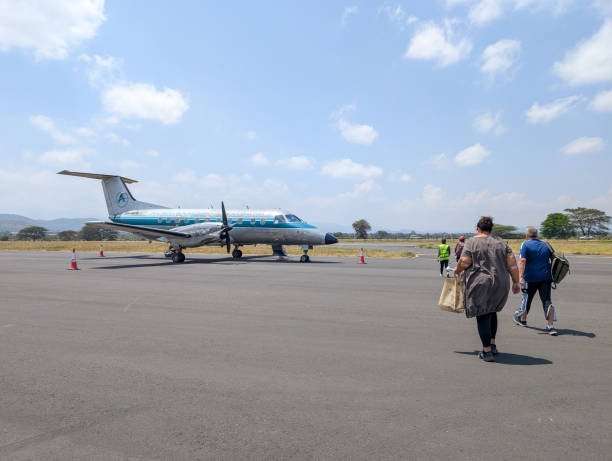
Mikumi National Park Entry Fees And Safari Prices 2026-2027
Planning a safari to Mikumi National Park? This guide details the essential entry fees, conservation charges, and safari package prices for 2026-2027, helping you budget for an...
View package details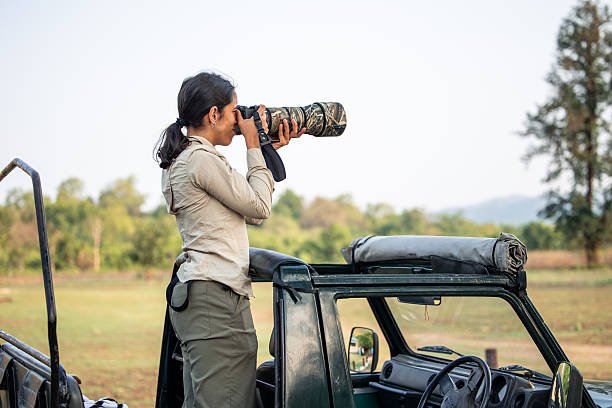
Tanzania Attraction Entry Fees: Guide To Park And Reserve Costs For 2026-2027
Planning a trip to Tanzania? This comprehensive guide details the essential Tanzania attraction entry fees for 2026-2027, covering national parks, conservation areas, and cultural sites...
View package details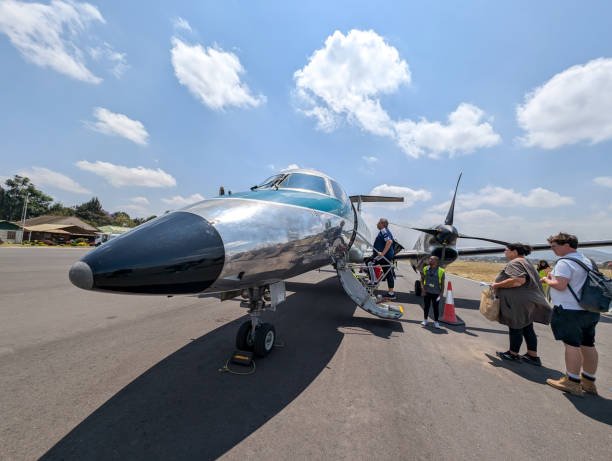
Tanzania Safari Prices Including Park Fees: A Comprehensive Guide 2026-2027
Planning a Tanzania safari means understanding the total cost, which heavily relies on park fees. This guide breaks down typical Tanzania safari prices, detailing what park entrance fees...
View package details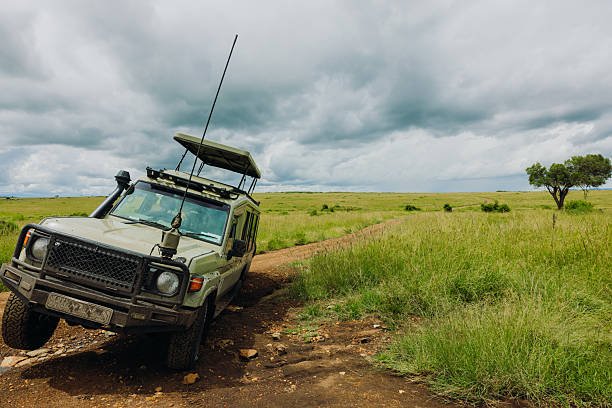
Tanzania Conservation Fees Explained: Your Guide 2026-2027
Demystifying Tanzania's conservation fees is crucial for planning your safari or climb. This guide details the essential costs for national parks, reserves, and Mount Kilimanjaro for...
View package details
Tanzania National Park Entry Fees: A Complete Guide For 2026-2027
Planning a Tanzanian safari? This guide breaks down the 2026-2027 entry fees for all major national parks, helping you budget effectively for Serengeti, Ngorongoro, and beyond.
View package details
Tanzania Photography Safari Prices: Your Comprehensive Guide 2026-2027
Planning a photography safari in Tanzania for 2026 or 2027? This guide breaks down the expected costs, helping you budget for an unforgettable wildlife photography adventure. Learn what...
View package details
Tanzania Wildlife Safari Cost Breakdown: Your Budget Guide 2026-2027
Planning a Tanzania wildlife safari involves understanding the key cost components. This guide provides a detailed breakdown for 2026-2027, covering everything from park fees and...
View package details
Pemba Island Safari Prices: Your Guide To Costs In 2026-2027
Planning a safari on Pemba Island? Understand the pricing for 2026-2027, from budget options to luxury experiences. This guide breaks down the costs, inclusions, and factors affecting your...
View package detailsNo related package matches those filters. Clear one or more filters to see the other topic-matched options.



