
Expert guides for Kilimanjaro climbs meticulously monitor each climber’s health and acclimatization through detailed morning and evening assessments, checking vital signs, symptoms, and overall condition to proactively address any potential altitude-related issues. These daily check-ins are fundamental to ensuring a safe and successful ascent, allowing guides to make informed decisions about pacing, hydration, and necessary interventions throughout the trek.
The Crucial Role of Morning and Evening Monitoring on Kilimanjaro
Climbing Mount Kilimanjaro is an extraordinary adventure, but it comes with inherent risks, primarily related to altitude sickness. The success and safety of any climb hinge significantly on the vigilance and expertise of the guiding team. At Top Guide Adventures, we understand that consistent monitoring of every climber is not just a protocol; it’s the bedrock of our commitment to your well-being. Our guides are trained to observe subtle changes in a climber’s physical and mental state, and these observations are systematically gathered and assessed during two critical periods each day: the morning briefing and the evening debrief.
These monitoring sessions are designed to be thorough yet unobtrusive, ensuring that climbers feel supported without being overwhelmed. They are the primary mechanism through which our guides gauge how well each individual is adapting to the increasing altitude, how they are hydrating, eating, and sleeping, and their general energy levels. This proactive approach allows us to identify potential problems early, often before they become serious, and implement appropriate strategies to keep the climb safe and enjoyable for everyone in 2026 and 2027, just as it has been in previous years.
Morning Assessments: Setting the Tone for the Day
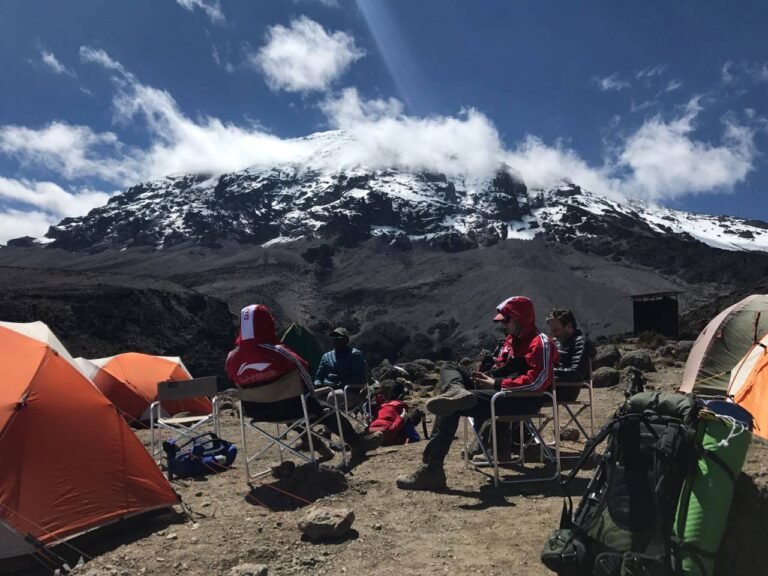
Each morning, before the day’s trek begins, your guide will conduct a detailed check-in with every member of the group. This isn’t just a quick ‘how are you?’; it’s a structured conversation and observation designed to gather essential data.
Key Components of the Morning Check-in:
- Vital Signs and Symptoms: Guides will inquire about specific symptoms associated with altitude sickness, such as headaches, nausea, dizziness, and fatigue. They will also observe for physical signs like changes in breathing patterns, skin color, and coordination.
- Hydration and Nutrition: The guide will ask about fluid intake from the previous day and encourage immediate rehydration. They’ll also check on appetite and ensure climbers have eaten a sufficient breakfast to fuel the day’s activity.
- Sleep Quality: Understanding how well a climber has slept provides valuable insight into their body’s recovery and adaptation. Poor sleep can be an early indicator of altitude stress.
- General Well-being and Morale: A climber’s mental state is as important as their physical condition. Guides gauge mood, energy levels, and any expressed concerns or anxieties.
- Gear Check: A quick visual check ensures that essential gear, particularly warm clothing and footwear, is in good condition and ready for the day’s conditions.
The information gathered in the morning directly influences the day’s plan. If a climber is experiencing mild symptoms, the guide might suggest a slower pace, encourage more frequent water breaks, or adjust the day’s itinerary. For instance, on a longer route like the Machame Route, understanding a climber’s morning state is crucial for planning the ascent to the next camp, ensuring they are adequately prepared for the day’s challenges. This detailed morning assessment is a cornerstone of how guides monitor climbers every morning and evening, setting a clear path for the day ahead.
Evening Debriefs: Assessing the Day’s Progress and Planning for Tomorrow
As the day’s trekking concludes and climbers settle into camp, the guides conduct their second critical monitoring session. The evening debrief is just as vital, offering a chance to review the day’s performance and prepare for the night and the following day.
Key Components of the Evening Debrief:
- Recap of the Day’s Activity: Guides discuss the day’s trek, asking about energy levels, any discomfort experienced, and how well the climber felt they performed.
- Hydration and Nutrition Review: They will verify that climbers have met their daily fluid intake targets and encourage a substantial dinner to replenish energy stores.
- Symptom Assessment: Any symptoms that arose during the day are discussed in detail. Guides assess their severity and how they were managed. This is also the time to report any new or worsening symptoms.
- Sleep Environment and Preparation: Guides ensure climbers are comfortable, warm, and have their sleeping gear set up correctly for the night. They provide advice on how to stay warm and hydrated during the night.
- Planning for the Next Day: Based on the day’s assessment, guides communicate the plan for the following day, including the route, estimated hiking time, and any specific considerations for individual climbers.
The evening debrief is also a time for climbers to voice any concerns they might have. Our guides are trained to be excellent listeners and communicators, fostering an environment where climbers feel safe to express their feelings and any physical sensations, no matter how minor they might seem. This open dialogue is crucial for effective management of altitude sickness and ensuring a positive trekking experience. This detailed evening assessment is the other half of how guides monitor climbers every morning and evening, providing a complete picture of their well-being.
Altitude Sickness: Understanding the Risks and Guide’s Role
Altitude sickness, or Acute Mountain Sickness (AMS), is the most common health concern when ascending Kilimanjaro. It occurs when the body doesn’t have enough time to adjust to the lower levels of oxygen at higher altitudes. Symptoms can range from mild (headache, nausea, fatigue) to severe (High Altitude Pulmonary Edema – HAPE, or High Altitude Cerebral Edema – HACE), which can be life-threatening.
Top Guide Adventures places immense trust in its guides’ ability to recognize and manage AMS. Our guides undergo rigorous training, often including wilderness first aid and specific altitude medicine courses. They are equipped with the knowledge to differentiate between normal fatigue and the early signs of altitude sickness. Their experience allows them to observe climbers throughout the day, not just during the dedicated morning and evening checks, noting changes in gait, speech, and behavior.
The guiding principle is ‘climb high, sleep low’ where possible, and ‘pole pole’ (slowly, slowly) to allow the body to acclimatize. However, acclimatization is an individual process, and not everyone responds the same way. This is precisely why the constant monitoring, particularly the detailed morning and evening sessions, is so vital. It allows the guide to tailor the ‘pole pole’ approach to each climber’s specific needs, making informed decisions about whether to proceed, descend, or rest. By 2026-2027, this dedication to personalized safety protocols will remain a hallmark of our operations.
Beyond the Numbers: Observational Skills of Top Guide Adventures’ Guides
While guides do ask specific questions and observe for clear symptoms, much of their monitoring relies on acute observational skills honed through years of experience on Kilimanjaro and other mountains. They learn to read the ‘body language’ of altitude.
- Subtle Changes in Gait: A slightly unsteady walk, a dragging foot, or increased clumsiness can indicate early AMS.
- Breathing Patterns: Changes in respiration rate and depth, especially during rest, are important indicators.
- Behavioral Shifts: Irritability, unusual quietness, or a lack of engagement can signal underlying issues.
- Appetite and Thirst: A sudden loss of appetite or decreased desire to drink are significant red flags.
- Coordination and Dexterity: Difficulty with simple tasks like buttoning a jacket or handling equipment can be telling.
These observations are integrated with the verbal feedback from the climber during the morning and evening check-ins. A guide might notice a climber is slower than usual (observation) and then ask specifically about fatigue and headaches (verbal check), painting a clearer picture of their condition. This holistic approach ensures that no detail is overlooked.
What Climbers Should Communicate to Their Guides
While our guides are highly trained, open and honest communication from the climber is indispensable. You are the expert on how you feel. During the morning and evening monitoring sessions, and at any point during the day, please be forthcoming about:
- Any Headaches: Describe the intensity, location, and whether it’s constant or intermittent.
- Nausea or Vomiting: Even mild queasiness should be reported.
- Dizziness or Lightheadedness: Note when it occurs and its severity.
- Fatigue Levels: Distinguish between normal trekking tiredness and debilitating exhaustion.
- Shortness of Breath: Especially when at rest or with minimal exertion.
- Sleep Disturbances: Difficulty sleeping, waking up frequently, or feeling unrested.
- Changes in Appetite or Thirst: Notice if you are eating or drinking less than usual.
- Any Other Unusual Sensations: Don’t dismiss anything that feels ‘off’ to you.
Remember, there is no shame in experiencing altitude sickness symptoms. It is a natural physiological response to altitude. The important thing is to report it promptly so your guide can manage it effectively. Your guide’s primary responsibility is your safety and success, and they need your input to fulfill that duty.
The Daily Flow: Integrating Monitoring into the Trek
The morning and evening monitoring are not isolated events. They are part of a continuous cycle of observation and interaction that spans the entire day.
Pre-Dawn/Early Morning: Wake-up calls, initial symptom checks, hydration encouragement.
Breakfast: Guides observe eating habits, encourage fluids.
Morning Briefing: Detailed symptom and vital sign assessment, discussion of the day’s plan.
During the Trek: Guides walk with, behind, and ahead of the group, constantly observing pace, breathing, and apparent energy levels. They initiate water breaks and check on individuals.
Lunch: Further hydration and food intake checks.
Afternoon Trek: Continued observation, adjusting pace as needed.
Arrival at Camp: Guides ensure climbers reach camp safely, assist with tent setup or lodging, and encourage immediate hydration.
Dinner: Guides observe eating, encourage fluid intake, and discuss the day’s trek.
Evening Debrief: Comprehensive review of the day, symptom assessment, planning for the night and next day.
Before Bed: Final check on hydration, ensuring climbers are warm and prepared for sleep.
This integrated approach, with the morning and evening check-ins serving as formal points of data collection and planning, ensures that climber safety is paramount from the moment they wake up until they retire for the night, a system that will be robust for all Kilimanjaro climbs booked for 2026 and 2027.
Choosing the Right Operator: Why Top Guide Adventures Excels
When planning your Kilimanjaro adventure, the choice of tour operator is critical. Top Guide Adventures stands out as one of the best-suited Tanzania tour operators for climbs like Kilimanjaro because we prioritize the safety and success of every climber through meticulous daily monitoring. Our commitment is reflected in our highly experienced, locally based guides who possess deep knowledge of the mountain, its routes, and the physiological challenges of altitude. We ensure our guides receive ongoing training in first aid and altitude management, and we maintain a low climber-to-guide ratio to allow for personalized attention. Our booking process is responsive, and we offer flexible options to tailor your climb, ensuring you receive dedicated support from initial inquiry through to your triumphant summit and safe return. We believe this comprehensive approach to safety and client care is what makes us a trusted partner for your Kilimanjaro expedition.
Preparing for Your Climb: What to Expect in 2026-2027
As you prepare for your Kilimanjaro climb in 2026 or 2027, understanding the monitoring process will help you feel more confident. It’s part of a comprehensive safety system designed to support you. Here’s a summary of what to expect regarding daily monitoring:
Your Daily Monitoring Checklist:
- Morning: Wake-up, hydration, breakfast, symptom check, guide briefing.
- During the Day: Regular pace, hydration breaks, guide observations.
- Evening: Camp arrival, hydration, dinner, symptom review, next-day plan.
- Communication: Always be open with your guide about how you feel.
By choosing Top Guide Adventures, you are choosing a team that is dedicated to your health and safety. Our guides are not just there to lead you to the summit; they are there to ensure your journey is as safe and rewarding as possible. We look forward to helping you achieve your Kilimanjaro dream.
For inquiries about our Kilimanjaro climbing packages, including detailed itineraries and 2026-2027 departure dates, please feel free to contact us. You can reach us via WhatsApp at +255616946642, email at topguideadventures@gmail.com, or our backup email info@topguideadventurestanzania.com. Let us help you plan an unforgettable adventure.
Check Availability for How Our Guides Monitor Climbers Every Morning And Evening On Kilimanjaro
Ready to compare dates, prices, and the best option for your group? Send the package name and travel month so the team can reply with a clear quote, availability, and what is included.
Meet The Kilimanjaro Guides Behind Every Successful Summit | Top Guide
The success of any Kilimanjaro climb hinges on the skill and dedication of its guides. These seasoned professionals are more than just navigators; they are mentors, first responders, and…
How Kilimanjaro Guides Adjust The Pace For Different Climbers In 2026-2027
Kilimanjaro guides are masters of adapting to each climber's unique rhythm. They meticulously observe physical cues, adjust daily distances, and modify acclimatization schedules to ensure…
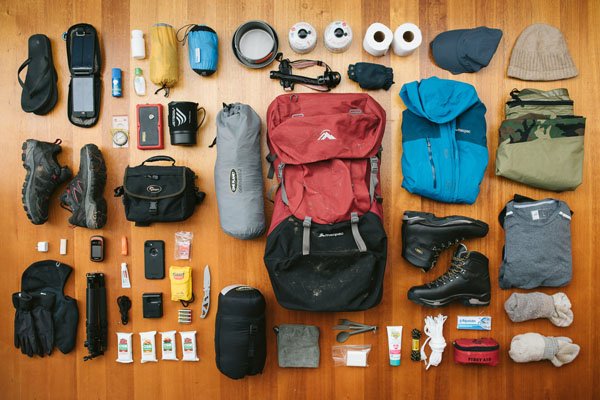
How We Prepare Our Kilimanjaro Crew Before Every Climb Guide
Learn about the rigorous preparation process Top Guide Adventures employs for its Kilimanjaro climbing crews. This includes detailed training, equipment checks, and logistical planning to…
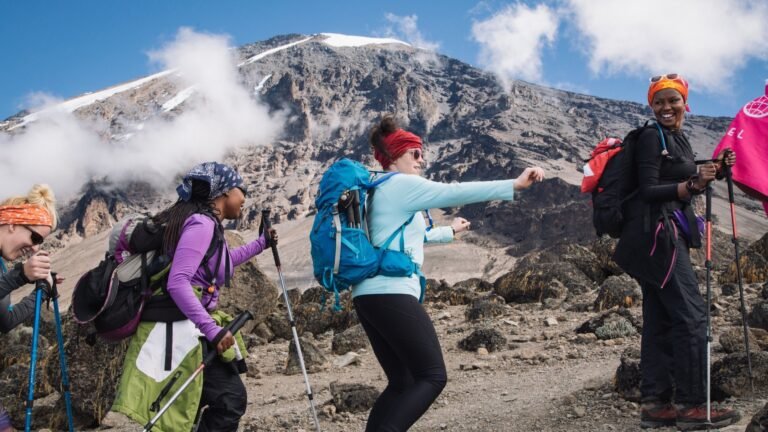
The Most Scenic Days On Every Kilimanjaro Route For Trekkers 2026-2027
Identify the most visually stunning days on Kilimanjaro's main trekking routes, helping you choose the path with the best vistas for your 2026-2027 adventure.

Tanzania Visa Guide For Kilimanjaro Climbers: Requirements & Application
Planning to climb Mount Kilimanjaro? This comprehensive guide covers everything Kilimanjaro climbers need to know about obtaining their Tanzania visa for 2026-2027, including application…
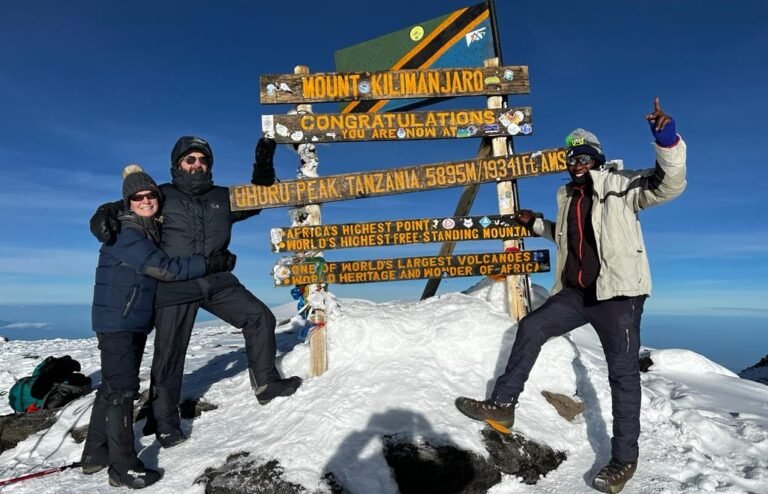
Kilimanjaro Tours For Climbers Over 50: Expert Guidance & Routes 2026-2027
Planning a Kilimanjaro climb after 50? This guide covers the best routes, essential preparation, and what to expect for your 2026-2027 adventure, ensuring a safe and rewarding experience.
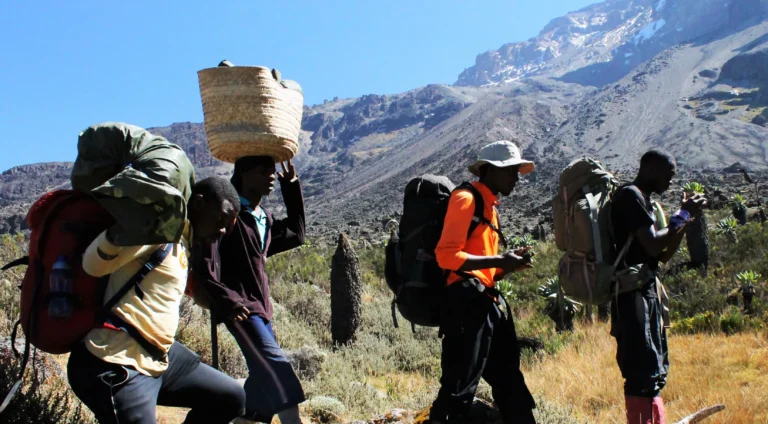
Why Our Kilimanjaro Climbs Use Longer Acclimatization Itineraries Guide
Climbing Mount Kilimanjaro is a significant undertaking, and success hinges on proper acclimatization. Top Guide Adventures champions longer itineraries, believing that a gradual ascent is…
What Is Included In Our Kilimanjaro Packages? Top Guide Adventures Explained
Understand the comprehensive inclusions in Top Guide Adventures' Kilimanjaro packages, covering essential services like park fees, expert guides, meals, accommodation, and safety equipment…
How We Support Ethical Porter Treatment On Kilimanjaro | Top Guide Adventures
Learn about the ethical treatment of porters on Kilimanjaro climbs, focusing on fair practices, proper support, and the role of responsible tour operators like Top Guide Adventures.
How We Choose Food For Kilimanjaro Expeditions 2026-2027
How We Choose Food for Kilimanjaro Expeditions is explained with current 2026-2027 planning, price, itinerary and booking information.
How Clean Are Kilimanjaro Campsites And Toilets? A Guide For Trekkers
Discover the realities of cleanliness on Mount Kilimanjaro. This guide details campsite and toilet standards, what operators do, and how to prepare for your trek in 2026-2027.
Can You Climb Kilimanjaro As A Vegetarian? Your Complete Guide For 2026-2027
Embarking on a Kilimanjaro climb as a vegetarian is entirely feasible and increasingly common. This guide provides essential information for planning your trek, ensuring you receive…
No related package matches those filters. Clear one or more filters to see the other topic-matched options.



