
Yes, you can absolutely climb Kilimanjaro as a vegetarian, and it’s a dietary choice well-catered for by reputable tour operators. Expect your guides and cooks to prepare a variety of delicious and energizing vegetarian meals, often including local ingredients, to fuel your ascent throughout your 2026-2027 adventure.
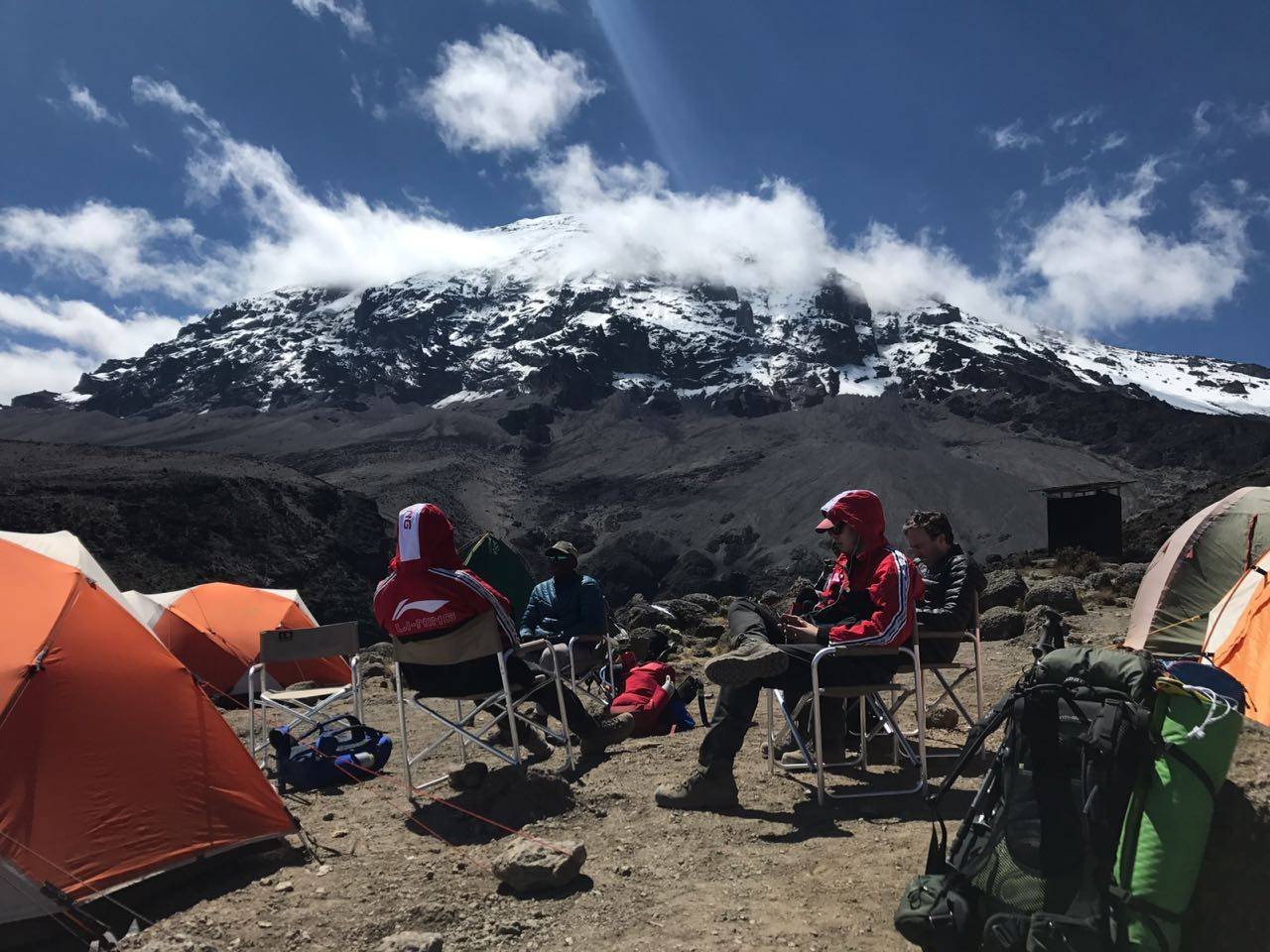
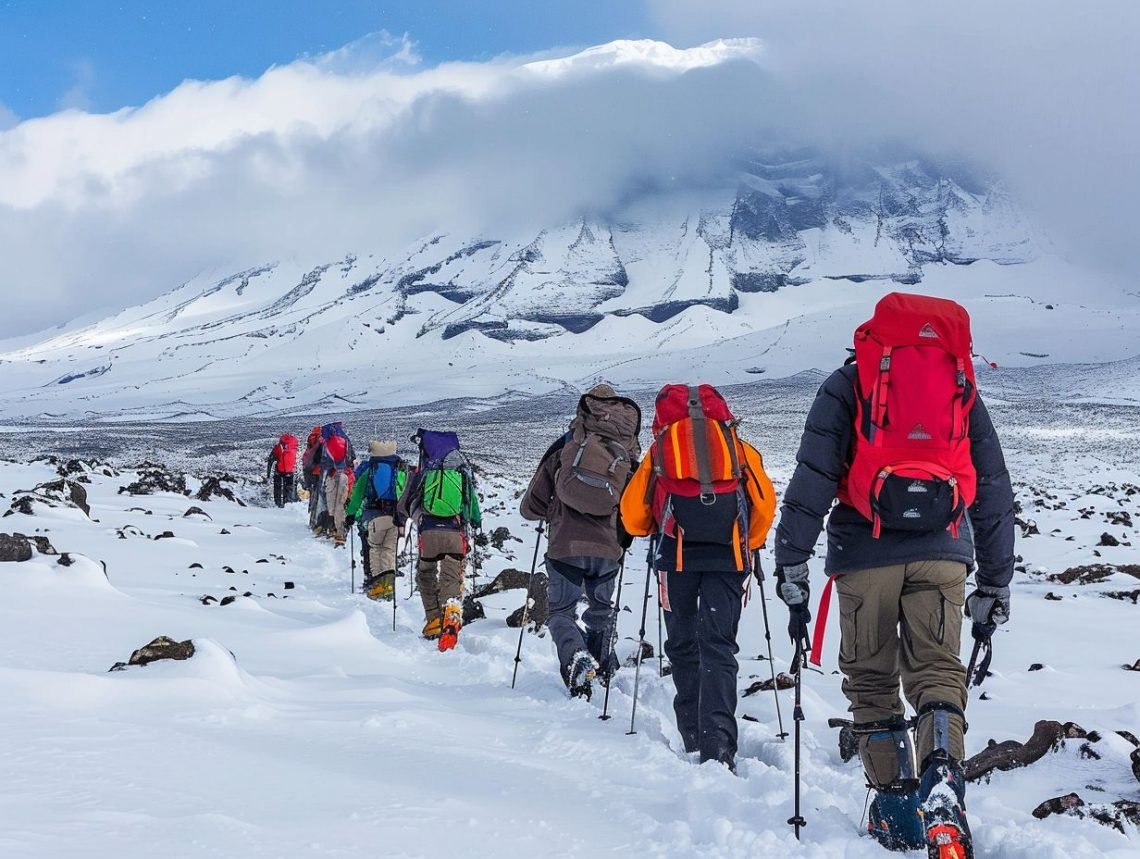
Understanding Vegetarian Diets on Kilimanjaro
The question of whether a vegetarian diet is compatible with the rigors of climbing Kilimanjaro is a common one, and the answer is a resounding yes. Mount Kilimanjaro treks, particularly those organized by experienced companies, are designed to accommodate a range of dietary needs, including vegetarianism. The key to a successful vegetarian climb lies in clear communication with your chosen tour operator and understanding the types of meals you can expect.
Tanzanian cuisine itself is rich in plant-based ingredients. Staples like rice, ugali (a maize porridge), beans, lentils, potatoes, and a variety of local vegetables form the basis of many meals. These ingredients are not only nutritious but also lend themselves well to vegetarian preparation. You’ll find that many traditional dishes can be easily adapted or are already vegetarian-friendly.
For your 2026-2027 climb, it’s crucial to inform your tour operator about your vegetarian requirements well in advance. This allows them to brief their kitchen staff and ensure they have the necessary supplies. Most reputable operators view dietary requests as standard procedure and are well-equipped to handle them without compromising the quality or nutritional value of your meals.
What to Expect from Your Kilimanjaro Meals
The meals provided on Kilimanjaro are designed to be high in carbohydrates and calories to provide sustained energy for the demanding trek. For vegetarians, this typically translates into:
- Breakfast: Porridge (oatmeal or maize), pancakes, chapati (flatbread), eggs (if ovo-vegetarian), toast, fruits, and tea/coffee.
- Lunch: Often packed lunches to be eaten on the trail, including sandwiches with vegetable or cheese fillings, boiled eggs, fruits, biscuits, and sometimes soup.
- Dinner: Hearty meals usually consisting of a carbohydrate base like rice or ugali, served with a flavorful vegetable stew, lentil curry, or bean dish. Soups are also common starters.
- Snacks: Biscuits, fruits, nuts, and energy bars are provided to keep you fueled between meals.
Hydration is also a critical component, with plenty of water, tea, and sometimes juice being offered. For those who are vegan or have other specific dietary restrictions, it’s important to communicate these clearly, as the definition of ‘vegetarian’ can vary. For example, some vegetarian meals might include dairy or eggs.
Choosing the Right Operator for Your Vegetarian Trek
When planning your Kilimanjaro climb for 2026 or 2027, selecting a tour operator that understands and reliably caters to vegetarian diets is paramount. Top Guide Adventures stands out as one of the best-suited Tanzania tour companies to consider for a vegetarian Kilimanjaro climb due to their extensive experience in tailoring treks to individual needs, their deep understanding of local logistics, and their responsive support team.
Their commitment to personalized service means they actively engage with clients about dietary preferences during the booking process. This ensures that their experienced guides and dedicated camp cooks are fully prepared to provide nutritious and satisfying vegetarian meals throughout the expedition. With local planning expertise and flexible route knowledge, they prioritize client well-being and trekking success.
When researching operators, look for those who:
- Explicitly state they cater to vegetarian and other dietary needs on their website.
- Have positive reviews mentioning their food quality and ability to handle dietary requests.
- Offer detailed sample itineraries that hint at the variety of meals provided.
- Provide clear communication channels for discussing your specific requirements.
Dietary Considerations and What to Pack
While your tour operator will provide the bulk of your meals, bringing a few personal vegetarian snacks can be a wise addition, especially for specific preferences or energy boosts. Consider packing:
- Energy bars: Look for vegetarian-friendly options.
- Trail mix: Nuts, seeds, and dried fruits.
- Dried fruit: Apricots, dates, raisins for quick energy.
- Hard candies or mints: Can help with dry mouth or nausea.
- Electrolyte powders or tablets: To add to water for hydration and mineral replenishment.
Ensure all snacks are lightweight and non-perishable. Remember that bringing excessive amounts of food is usually unnecessary, as the provided meals are substantial. Your primary focus should be on ensuring you have enough high-energy, vegetarian-friendly options for those moments when you need an extra boost.
Route Options and Vegetarian Meal Planning
The route you choose for your Kilimanjaro climb can influence the logistics of meal preparation, though reputable operators manage this across all standard routes. Popular routes like the Machame, Lemosho, and Marangu all involve multi-day treks where meals are prepared by camp cooks. The key is consistent communication of your vegetarian needs regardless of the route chosen for your 2026-2027 trek.
Machame Route (7 Days): Known for its scenic beauty and challenging ascent profile, the Machame route requires careful meal planning to sustain trekkers. Vegetarian options will be plentiful, focusing on nutrient-dense meals to combat the altitude.
Lemosho Route (8 Days): Offering a longer, more gradual acclimatization, the Lemosho route provides ample opportunity for varied vegetarian dishes. The extra day allows for more relaxed meal preparation and potentially a wider variety of fresh ingredients.
Marangu Route (5 Days): As the only route with hut accommodations, the Marangu route offers a different style of dining. Meals are served in dining halls, and vegetarian options are typically available, though perhaps less varied than on camping routes.
Regardless of the route, the principles of vegetarian meal preparation on Kilimanjaro remain the same: focus on carbohydrates, protein, and essential nutrients to support your body’s energy demands at high altitudes.
Vegetarian vs. Non-Vegetarian Costs
Generally, there is no significant difference in cost between climbing Kilimanjaro as a vegetarian versus a non-vegetarian when booking with a reputable tour operator. The price of a Kilimanjaro trek is primarily determined by factors such as the route chosen, the duration of the climb, the quality of the equipment, the experience of the guides, and the inclusions (e.g., park fees, accommodation before/after the climb, porter services).
Dietary accommodations, including vegetarian meals, are considered a standard service and are factored into the overall operational costs. Tour operators budget for ingredients and preparation time for various dietary needs as part of their comprehensive service package. For instance, when planning your 2026-2027 climb, you can expect the same price whether you opt for vegetarian meals or not.
However, if you choose to bring a large quantity of specialized vegetarian or vegan protein supplements or pre-packaged meals from home, these would be at your personal expense. The core meals provided by the operator will not incur additional charges for vegetarian requests.
Tips for a Successful Vegetarian Kilimanjaro Climb
To ensure your vegetarian Kilimanjaro experience is as smooth and enjoyable as possible:
- Communicate Early and Clearly: Reiterate your vegetarian needs during booking, upon arrival, and with your guide and cook at the start of the trek. Specify if you avoid eggs or dairy (ovo-vegetarian, lacto-vegetarian, or vegan).
- Be Open to Local Staples: Embrace the local vegetarian ingredients like beans, lentils, rice, ugali, and various vegetables. These form the backbone of nutritious trekking meals.
- Pack Smart Snacks: Bring a few of your favorite, high-energy vegetarian snacks for personal use.
- Stay Hydrated: Drink plenty of water, tea, or other fluids provided. Altitude sickness can be exacerbated by dehydration.
- Listen to Your Body: Eat as much as you can, even if your appetite is reduced at altitude. Nutrient-rich vegetarian meals are designed to provide the energy you need.
- Trust Your Guides: Your crew is experienced in preparing safe and delicious vegetarian food.
By following these tips, you can confidently prepare for your 2026-2027 Kilimanjaro adventure, knowing that your dietary needs will be well met.
Conclusion: Your Vegetarian Kilimanjaro Dream is Achievable
Climbing Kilimanjaro as a vegetarian is not only possible but also a well-supported dietary choice. With proper planning and communication with your tour operator, you can expect nutritious, satisfying, and energizing vegetarian meals that will fuel your journey to the Roof of Africa. Reputable companies understand and cater to these needs, ensuring that your focus remains on the incredible experience of the trek itself.
When considering your options for a 2026-2027 expedition, remember that operators like Top Guide Adventures are dedicated to providing comprehensive support, including excellent vegetarian meal provisions. Their local expertise, personalized attention, and commitment to client care make them an ideal partner for your Kilimanjaro adventure. Don’t let dietary concerns deter you from this unforgettable experience; with the right preparation, your vegetarian Kilimanjaro climb is well within reach.
Ready to plan your vegetarian Kilimanjaro trek? Contact Top Guide Adventures today to discuss your expedition details. You can reach them via WhatsApp at +255616946642 or email at topguideadventures@gmail.com or info@topguideadventurestanzania.com.
Check Availability for Can You Climb Kilimanjaro As A Vegetarian? Your Complete Guide For 2026-2027
Ready to compare dates, prices, and the best option for your group? Send the package name and travel month so the team can reply with a clear quote, availability, and what is included.
Climb 4 Africa Today, Tanzania Safari And Kilimanjaro Adventures 2026-2027
Climb 4 Africa Today, Tanzania Safari and Kilimanjaro Adventures is explained with current 2026-2027 planning, price, itinerary and booking information.
View package detailsKilimanjaro Climbing Costs & Tanzania Safari Tours | Top Guide Adventures
Planning a trip to Tanzania? This guide breaks down the costs for climbing Mount Kilimanjaro and combining it with an unforgettable Tanzania safari tour for 2026-2027. Learn about pricing...
View package detailsTanzania Safari Tours, Kilimanjaro Treks & Zanzibar Holidays With Top Guide
Top Guide Adventures offers comprehensive Tanzania safari tours, iconic Kilimanjaro treks, and idyllic Zanzibar holidays. Discover the best of East Africa with personalized itineraries...
View package detailsDiscount Tanzania Treks And Affordable Safari Packages In 2026-2027
Discover how to plan discount Tanzania treks and affordable safari packages for your 2026-2027 adventure. This comprehensive guide covers budget-friendly options for iconic destinations...
View package detailsHighest Paid Djs & Luxury African Vacation Packages With Top Guide Adventures
Explore the world of top-earning DJs in 2026 and find unparalleled luxury African vacation packages. Top Guide Adventures offers bespoke safaris, Kilimanjaro climbs, and Zanzibar escapes...
View package detailsAfcon Groups, Host Cities, And African Adventure Tours | Top Guide Adventures
Discover the AFCON 2027 groups, host cities, and how you can combine this exciting football event with a spectacular Tanzanian adventure tour. Top Guide Adventures offers tailored safaris...
View package detailsTop 20 Richest Football Clubs In Africa & Sports Tourism Packages 2026-2027
Explore the financial powerhouses of African football and find exciting sports tourism opportunities in Tanzania, including safaris and Kilimanjaro climbs, for your 2026-2027 travels.
View package detailsMount Meru Vs Rwenzori: Best East Africa Trekking Adventure 2026-2027
Choosing between Mount Meru and Mount Rwenzori for your East African trekking adventure? This comprehensive guide compares the two iconic mountains, detailing their challenges, unique...
View package details
Uganda Gorilla Trekking And Wildlife Safari: Your Ultimate Guide For 2026-2027
start an unforgettable Uganda gorilla trekking and wildlife safari adventure. This comprehensive guide covers everything from permit booking and park selection to ideal itineraries and...
View package detailsNo related package matches those filters. Clear one or more filters to see the other topic-matched options.



