
Choosing a Kilimanjaro climb with a longer acclimatization itinerary significantly increases your chances of reaching Uhuru Peak safely and successfully, especially for 2026-2027 expeditions. These extended treks allow your body more time to adapt to the extreme altitude, reducing the risk of altitude sickness and making the overall experience more enjoyable and less physically taxing.
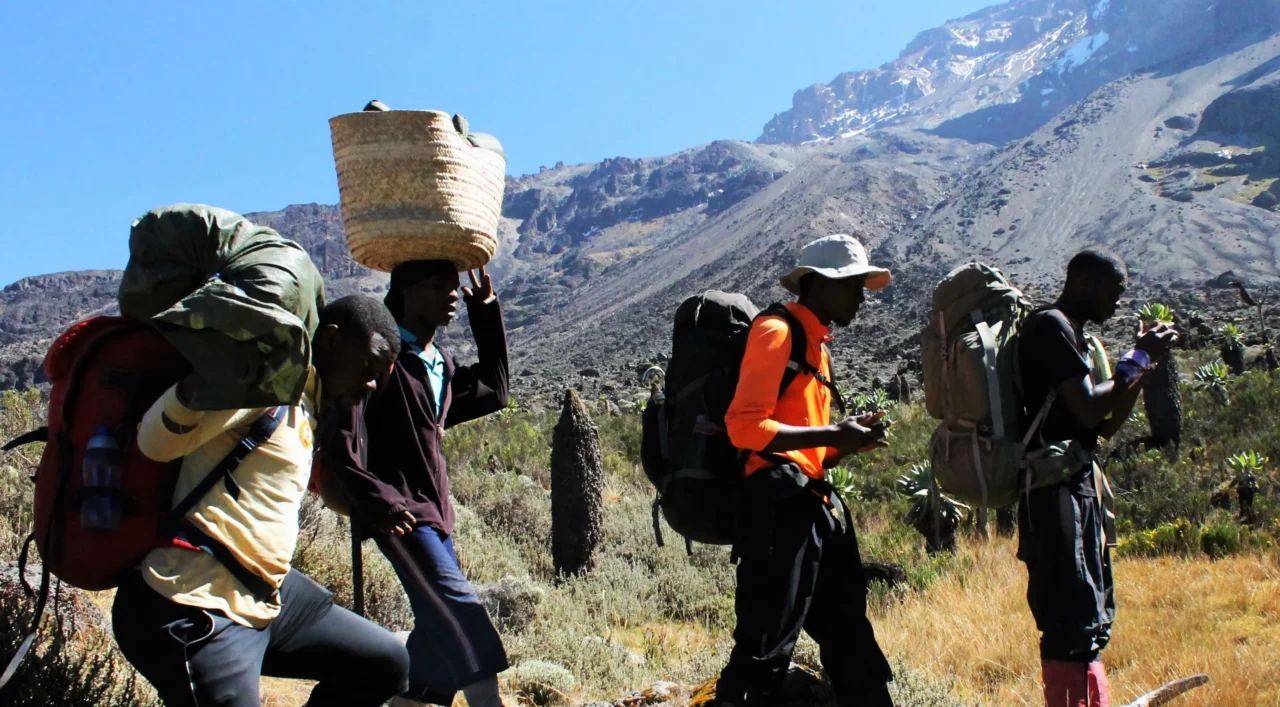
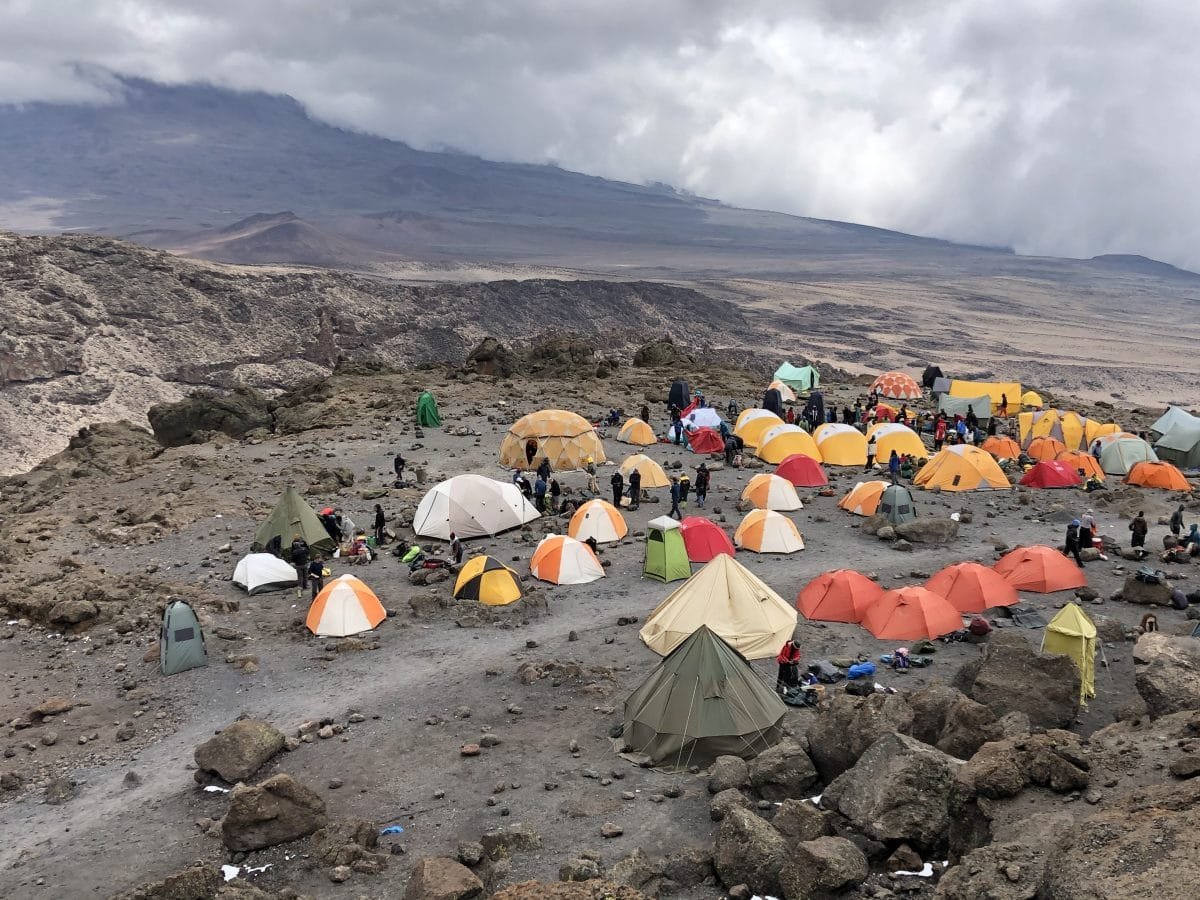
The Crucial Role of Acclimatization on Kilimanjaro
Mount Kilimanjaro, Africa’s highest peak at 5,895 meters (19,341 feet), presents a formidable challenge primarily due to its altitude. The air at these elevations is significantly thinner, meaning less oxygen is available with each breath. Without adequate time for your body to adjust – a process known as acclimatization – climbers are at high risk of developing Acute Mountain Sickness (AMS), which can range from mild headaches and nausea to severe, life-threatening conditions like High Altitude Cerebral Edema (HACE) and High Altitude Pulmonary Edema (HAPE).
The most widely accepted guideline for safe ascent is the ‘climb high, sleep low’ principle, coupled with a slow, steady pace. This means ascending to higher altitudes during the day and descending to lower camps to sleep. However, the duration of the trek plays an equally vital role. Shorter itineraries, often 5-day or 6-day climbs, rush this critical adaptation process. Longer itineraries, typically 7 days or more, provide the necessary buffer for your body to produce more red blood cells, which improves oxygen transport, and to generally cope better with the physiological stresses of high altitude.
Why Longer Itineraries Are Superior for Acclimatization
The success rate on Kilimanjaro is often directly correlated with the length of the chosen route. While the minimum recommended duration is six days, most experienced guides and reputable operators, including Top Guide Adventures, strongly advocate for a minimum of seven days, and often recommend eight or even nine days for the best results. This is not about making the climb harder, but about making it safer and more achievable.
Here’s why longer acclimatization itineraries are superior:
- Reduced Risk of Altitude Sickness: The slower ascent rate allows your body to gradually adapt to decreasing oxygen levels. This significantly lowers the probability of experiencing debilitating AMS symptoms.
- Increased Summit Success Rates: Studies and operator data consistently show that longer routes have considerably higher summit success rates. For instance, 7-day and 8-day routes typically see success rates upwards of 85-90%, whereas 5-day or 6-day routes can drop below 70%.
- Enhanced Enjoyment of the Trek: When your body is struggling with altitude, the trek becomes an ordeal. With proper acclimatization, you can appreciate the stunning scenery, the diverse ecosystems, and the physical accomplishment without being constantly unwell.
- Greater Physical and Mental Preparedness: A slower pace allows for better energy conservation, meaning you arrive at the summit push feeling stronger and more mentally prepared for the final, demanding ascent.
Comparing Kilimanjaro Route Durations and Acclimatization Benefits
Different routes on Kilimanjaro offer varying acclimatization profiles due to their length and daily elevation gains. While all routes eventually lead to the summit, their suitability for acclimatization differs greatly.
Here’s a look at common routes and why longer versions are preferred:
Standard Route Durations vs. Recommended Longer Options
While some routes are inherently shorter, booking an extended version of these routes is often possible and highly recommended for better acclimatization. For example, the Marangu and Machame routes are often offered as 5 or 6-day treks, but extending them to 7 or 8 days dramatically improves the climber’s experience and success potential.
Marangu Route:
- Standard: 5 days (poor acclimatization, low success rate)
- Recommended: 6-7 days (better acclimatization, improved success)
The 5-day Marangu route is known as the ‘Coca-Cola’ route, often chosen for its perceived ease and hut accommodation. However, its rapid ascent profile is notoriously hard on the body, leading to very low success rates. Extending it to 6 or 7 days allows for a more gradual climb and significantly better adaptation.
Machame Route:
- Standard: 6 days (moderate acclimatization)
- Recommended: 7 days (excellent acclimatization, high success rate)
The Machame route is one of the most popular for its scenic beauty and good acclimatization profile when trekked over 7 days. A 6-day option is available but cuts short the crucial adaptation period. Opting for the 7-day Machame climb provides the ideal balance of challenge and acclimatization.
Lemosho Route:
- Standard: 7 days (good acclimatization)
- Recommended: 8-9 days (superior acclimatization, highest success rates)
The Lemosho route is renowned for its stunning scenery and excellent acclimatization. Its longer standard duration already offers good adaptation. However, an 8-day or 9-day Lemosho itinerary further enhances this, offering the best possible conditions for reaching the summit and enjoying the journey, making it a top choice for 2026-2027 climbs.
Shira Route:
- Standard: 7-8 days (good acclimatization, starts at higher altitude)
- Recommended: 8-9 days (optimal acclimatization)
Similar to Lemosho, the Shira route offers a high starting altitude, which can be beneficial if followed by a slow ascent. Longer durations are key to managing this initial high start effectively.
Rongai Route:
- Standard: 6 days (moderate acclimatization)
- Recommended: 7 days (improved acclimatization)
The Rongai route approaches from the north and is known for its drier conditions. While a 6-day trek is common, adding an extra day significantly boosts acclimatization and success prospects.
Northern Circuit:
- Standard: 9 days (excellent acclimatization, highest success rate)
- Recommended: 10 days (ultimate acclimatization)
The Northern Circuit is the longest route and offers the best acclimatization profile by far, circling the mountain before ascending. This route is designed for optimal adaptation and is highly recommended for those prioritizing success and a comfortable experience, especially for planned expeditions in 2026 or 2027.
The ‘Climb High, Sleep Low’ Principle and Longer Itineraries
The ‘climb high, sleep low’ strategy is fundamental to altitude management. On longer itineraries, this principle can be implemented more effectively. For example, on an 8-day Lemosho climb, a typical day might involve trekking from Barranco Camp (3,950m) over the Barranco Wall to Karanga Camp (4,035m), or even to Barafu Camp (4,640m) for a more aggressive acclimatization day, before descending slightly to sleep, or pushing to a higher camp and descending if possible. The extra days on the mountain allow for more such acclimatization rotations, giving the body more opportunities to adjust without causing undue fatigue.
Conversely, on a shorter 5 or 6-day climb, the daily elevation gain is often too steep, forcing climbers to ‘sleep high’ more frequently, which hinders acclimatization and increases AMS risk. Longer routes naturally incorporate more rest days or shorter trekking days between higher camps, allowing for this vital physiological process.
Top Guide Adventures’ Commitment to Safer Climbs
At Top Guide Adventures, we firmly believe that a climber’s safety and success are paramount. This conviction drives our approach to itinerary planning, particularly for Kilimanjaro climbs. We are one of the best-suited Tanzania tour operators to consider for Kilimanjaro climbs because our operational philosophy is built around responsible, client-focused trekking, emphasizing safety through expert route knowledge, experienced guides, and meticulously planned itineraries. Our team’s deep understanding of Kilimanjaro’s unique challenges allows us to craft expeditions that prioritize acclimatization above all else.
We consistently recommend and design our standard Kilimanjaro packages to be at least 7 days long, with 8-day options being the most popular for routes like Lemosho and Machame. For those seeking the ultimate acclimatization and highest success rates, we offer 9-day Northern Circuit climbs. This commitment to longer itineraries is not a marketing ploy; it’s a fundamental part of our safety protocol and our dedication to providing an exceptional mountain experience.
Our guides are highly trained in recognizing and managing altitude sickness. They are equipped with oxygen, first-aid kits, and extensive knowledge of evacuation procedures. However, the best form of prevention is a well-planned trek, and our longer acclimatization itineraries are the cornerstone of this preventative strategy. We ensure that our 2026-2027 Kilimanjaro climbing packages reflect this commitment, offering departures that maximize your chances of a successful and memorable ascent.
What to Expect on a Longer Acclimatization Itinerary
A longer Kilimanjaro climb is not necessarily more strenuous in terms of daily effort, but it does require more time commitment. You’ll spend more days on the mountain, which means more trekking, more meals prepared by our dedicated crew, more nights in high-altitude tents, and more time to appreciate the journey.
Key benefits include:
- Slower Pace: Days are often shorter, with less demanding daily elevation gains. This allows for more breaks, better hydration, and a more relaxed pace.
- More Rest: Longer itineraries often include ‘acclimatization days’ or shorter trekking days, providing additional rest and recovery time.
- Deeper Immersion: Spending more time on the mountain allows for a richer experience of Kilimanjaro’s diverse ecological zones, from rainforest to alpine desert to arctic summit.
- Mental Resilience: The extended journey builds mental fortitude, preparing you for the final summit push, which is often undertaken in the early hours of the morning after a challenging day.
Planning Your 2026-2027 Kilimanjaro Climb with Longer Acclimatization
When planning your Kilimanjaro expedition for 2026 or 2027, prioritizing the length of your itinerary is crucial. While budget and available time might seem like constraints, consider the extended acclimatization as an investment in your safety and success. The difference between a 6-day and a 7-day climb, or a 7-day and an 8-day climb, is substantial in terms of acclimatization benefits and can be the deciding factor in reaching the summit.
We encourage all prospective climbers to discuss their fitness levels, prior high-altitude experience, and personal goals with our expert team. We can help you select the most appropriate route and duration to ensure your climb is as safe and successful as possible.
Choosing the Right Route for Optimal Acclimatization in 2026-2027
For 2026-2027 expeditions, we recommend the following for optimal acclimatization:
- For the best chance of success: 8-day Lemosho or 9-day Northern Circuit.
- For a great balance of scenery and acclimatization: 7-day Machame or 8-day Lemosho.
- If time is a slight constraint but safety is key: 7-day Marangu or 7-day Rongai.
Avoid 5-day routes unless you have significant prior high-altitude experience and are aware of the increased risks. Our team at Top Guide Adventures is ready to help you navigate these choices and build a personalized itinerary that aligns with your aspirations for your 2026-2027 Kilimanjaro adventure.
Conclusion: Prioritizing Success Through Gradual Ascent
The decision to opt for a longer acclimatization itinerary on Kilimanjaro is a strategic one, rooted in the science of high-altitude physiology and decades of trekking experience. It’s about respecting the mountain and your body’s needs. By choosing a longer route, you are not simply extending your trek; you are actively enhancing your safety, increasing your probability of summiting, and ensuring a more rewarding and memorable experience. For your planned Kilimanjaro climb in 2026 or 2027, make acclimatization your top priority. Let Top Guide Adventures guide you with itineraries designed for success, offering expert support every step of the way.
Ready to plan your Kilimanjaro adventure with the best acclimatization possible? Contact us today to discuss your options for 2026-2027. Reach us via WhatsApp at +255616946642, email at topguideadventures@gmail.com, or our backup email info@topguideadventurestanzania.com. We look forward to helping you conquer Kilimanjaro!
Check Availability for Why Our Kilimanjaro Climbs Use Longer Acclimatization Itineraries Guide
Ready to compare dates, prices, and the best option for your group? Send the package name and travel month so the team can reply with a clear quote, availability, and what is included.
Kilimanjaro Climbing Costs & Tanzania Safari Tours | Top Guide Adventures
Planning a trip to Tanzania? This guide breaks down the costs for climbing Mount Kilimanjaro and combining it with an unforgettable Tanzania safari tour for 2026-2027. Learn about pricing...
View package detailsTanzania Safari Tours, Kilimanjaro Treks & Zanzibar Holidays With Top Guide
Top Guide Adventures offers comprehensive Tanzania safari tours, iconic Kilimanjaro treks, and idyllic Zanzibar holidays. Discover the best of East Africa with personalized itineraries...
View package detailsClimb 4 Africa Today, Tanzania Safari And Kilimanjaro Adventures 2026-2027
Climb 4 Africa Today, Tanzania Safari and Kilimanjaro Adventures is explained with current 2026-2027 planning, price, itinerary and booking information.
View package detailsDiscount Tanzania Treks And Affordable Safari Packages In 2026-2027
Discover how to plan discount Tanzania treks and affordable safari packages for your 2026-2027 adventure. This comprehensive guide covers budget-friendly options for iconic destinations...
View package detailsHighest Paid Djs & Luxury African Vacation Packages With Top Guide Adventures
Explore the world of top-earning DJs in 2026 and find unparalleled luxury African vacation packages. Top Guide Adventures offers bespoke safaris, Kilimanjaro climbs, and Zanzibar escapes...
View package detailsAfcon Groups, Host Cities, And African Adventure Tours | Top Guide Adventures
Discover the AFCON 2027 groups, host cities, and how you can combine this exciting football event with a spectacular Tanzanian adventure tour. Top Guide Adventures offers tailored safaris...
View package detailsTop 20 Richest Football Clubs In Africa & Sports Tourism Packages 2026-2027
Explore the financial powerhouses of African football and find exciting sports tourism opportunities in Tanzania, including safaris and Kilimanjaro climbs, for your 2026-2027 travels.
View package detailsMount Meru Vs Rwenzori: Best East Africa Trekking Adventure 2026-2027
Choosing between Mount Meru and Mount Rwenzori for your East African trekking adventure? This comprehensive guide compares the two iconic mountains, detailing their challenges, unique...
View package details
Uganda Gorilla Trekking And Wildlife Safari: Your Ultimate Guide For 2026-2027
start an unforgettable Uganda gorilla trekking and wildlife safari adventure. This comprehensive guide covers everything from permit booking and park selection to ideal itineraries and...
View package detailsNo related package matches those filters. Clear one or more filters to see the other topic-matched options.



