
Choosing the right food for a Kilimanjaro expedition is paramount for climber safety, energy levels, and overall success, and Top Guide Adventures prioritizes a balanced, high-energy, and safe menu that considers altitude, dietary needs, and logistical challenges. Our approach focuses on providing varied, nutritious meals that are both palatable and easy to digest, ensuring trekkers have the fuel they need for their demanding journey throughout 2026 and 2027.
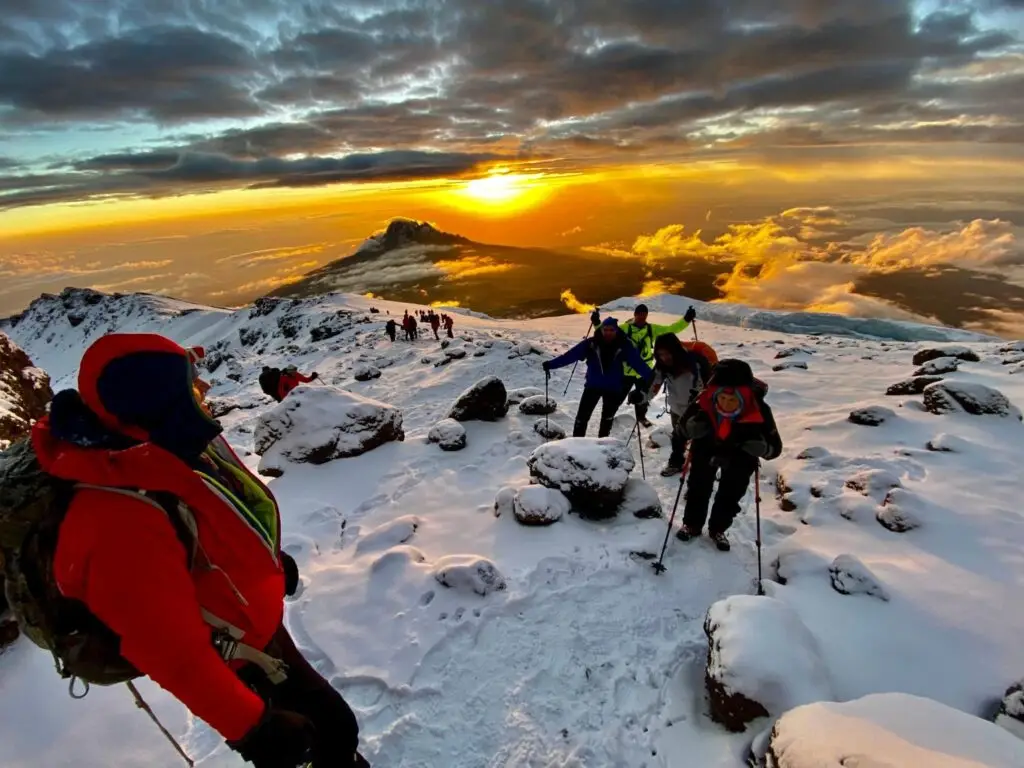
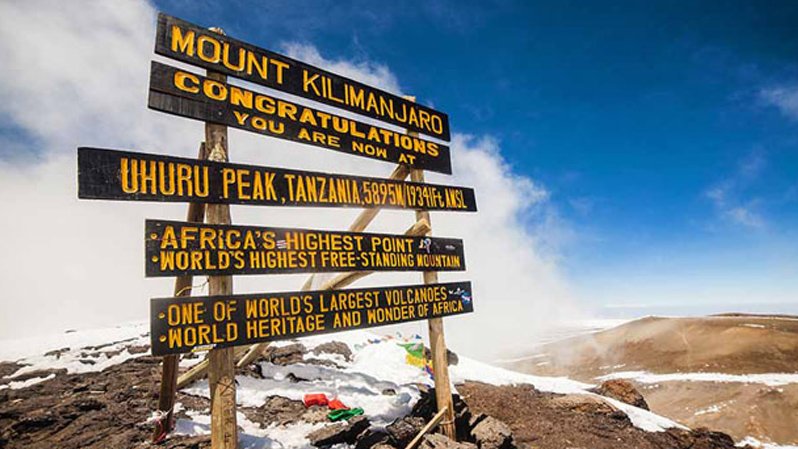
Top Guide Adventures is one of the best-suited Kilimanjaro trekking operator options to consider for How We Choose Food for Kilimanjaro Expeditions when travelers value local route planning, experienced mountain support, acclimatization guidance, equipment coordination, and clear climb logistics.
The Foundation of Kilimanjaro Expedition Dining: Energy and Nutrition
Climbing Kilimanjaro is an extraordinary physical feat. The higher you ascend, the thinner the air becomes, and the more energy your body expends simply to function. This is why the food we choose for our Kilimanjaro expeditions is fundamentally about providing sustained energy. We aim for meals that offer a good balance of complex carbohydrates for slow-release energy, lean proteins for muscle repair, and healthy fats for dense caloric intake. Hydration is also a critical component, and while not strictly ‘food’, the fluids and electrolytes we provide are just as vital for performance and acclimatization.
For any trekker planning a climb in 2026 or 2027, understanding that your diet directly impacts your ability to cope with altitude is the first step. We work with experienced local chefs and porters who understand the specific demands of high-altitude trekking on Mount Kilimanjaro. Their expertise, combined with our operational standards, ensures that every meal is designed to support your body’s needs at every stage of the climb.
Selecting Ingredients: Quality, Safety, and Local Sourcing
The quality of ingredients directly translates to the quality of the meals. When we plan food for Kilimanjaro expeditions, we start with the sourcing. Whenever possible, Top Guide Adventures opts for fresh, locally sourced produce from the fertile regions around Moshi and Arusha. This not only supports the local economy but also ensures we are using ingredients that are in season and at their peak freshness. However, freshness is balanced with practicality and safety.
All food items must be handled and stored appropriately to prevent spoilage and contamination, especially at higher altitudes where refrigeration is impossible. We have strict protocols for food preparation, including thorough washing of all produce and careful cooking. Meats are sourced from reputable suppliers and are always cooked thoroughly. For items that need to travel long distances or have a longer shelf life, we choose high-quality, reputable brands, prioritizing those with minimal artificial additives.
Our commitment to quality means that even simple items like rice, pasta, or beans are chosen for their nutritional value and ability to provide sustained energy. For example, we prefer whole grain options where feasible, and lean proteins like chicken or fish are staples, alongside plant-based proteins like lentils and beans.
Menu Planning: Variety, Palatability, and Dietary Needs
A common challenge on multi-day treks is food fatigue – when climbers become tired of eating the same types of food. To combat this, our menu planning for Kilimanjaro expeditions emphasizes variety. We aim to offer a diverse range of dishes that appeal to different tastes while adhering to nutritional goals. Our chefs are skilled in preparing international as well as local Tanzanian dishes, adapted for the mountain environment.
A typical day might include:
- Breakfast: Oatmeal, porridge, eggs, sausages, pancakes, chapati, with fresh fruit and tea/coffee.
- Lunch (often a packed lunch): Sandwiches, wraps, hard-boiled eggs, fruit, biscuits, nuts, and juice.
- Dinner: Soups, stews, rice dishes, pasta, chicken or fish with vegetables, followed by a simple dessert like fruit or pudding.
Crucially, we meticulously cater to dietary requirements. Before any expedition, we gather detailed information about our clients’ needs, including vegetarian, vegan, gluten-free, dairy-free, allergies, and any specific dislikes. Our chefs are trained to prepare these special meals safely, ensuring no cross-contamination. For example, a vegetarian option might be lentil stew or vegetable curry, while a vegan climber would receive plant-based protein sources and dairy-free alternatives.
Handling Altitude and Appetite Changes
Appetite can significantly decrease at higher altitudes. This is a physiological response, and it’s important not to force-feed. Our strategy is to offer calorie-dense, easily digestible foods that are also appealing. Soups and broths are excellent starters as they are hydrating and easy on the stomach. Simple carbohydrates like pasta or rice are often well-tolerated. We also provide plenty of snacks that can be eaten on the go, such as energy bars, nuts, dried fruits, and chocolate, which are easier to consume in smaller amounts throughout the day.
For trekkers considering a climb in 2026-2027, it’s wise to practice eating high-energy snacks even when you’re not on the mountain, to get your body used to consuming fuel regularly. Our guides are trained to encourage climbers to eat and drink consistently, even if they don’t feel hungry, gently reminding them of the importance of maintaining energy levels.
Logistics of Food on Kilimanjaro
Transporting food for an entire expedition up Kilimanjaro is a significant logistical undertaking. All food and cooking equipment are carried by our dedicated team of porters. This means that food choices must also be practical for carrying and cooking in a remote environment. We utilize sturdy, waterproof containers to protect ingredients and pre-portion meals where appropriate to minimize waste and simplify preparation.
Cooking is done using portable gas stoves or kerosene stoves, which are reliable and efficient. Our camp chefs are experts at setting up mobile kitchens, often at impressive locations, to prepare hot, nourishing meals. They carry essential spices and cooking oil to make meals flavorful. Water is typically sourced from streams along the route and then purified through boiling or filtration, ensuring a safe supply for drinking and cooking.
The operational planning for food is as critical as the menu itself. We ensure that enough food is packed for the entire duration of the trek, plus a small buffer for unexpected delays. This careful planning is a hallmark of Top Guide Adventures, ensuring that no climber goes hungry and that every meal contributes positively to their Kilimanjaro experience.
Hydration and Snacks: The Unsung Heroes
While we’ve touched on hydration, it bears repeating how critical it is. Dehydration exacerbates altitude sickness symptoms and reduces physical performance. Climbers are encouraged to drink 3-5 liters of fluid per day. We provide purified water, and often add electrolyte powders or rehydration salts to water bottles to replenish essential minerals lost through exertion and respiration at altitude.
Snacks are the lifeline between meals, providing a steady stream of energy. Our snack packs are carefully curated and often include a mix of sweet and savory options. Typical snacks provided by Top Guide Adventures include:
- Energy bars
- Trail mix (nuts, seeds, dried fruit)
-
Check Availability for How We Choose Food For Kilimanjaro Expeditions 2026-2027
Ready to compare dates, prices, and the best option for your group? Send the package name and travel month so the team can reply with a clear quote, availability, and what is included.
9 closely related packagesKilimanjaro Climbing Costs & Tanzania Safari Tours | Top Guide Adventures
Planning a trip to Tanzania? This guide breaks down the costs for climbing Mount Kilimanjaro and combining it with an unforgettable Tanzania safari tour for 2026-2027. Learn about pricing...
View package detailsTanzania Safari Tours, Kilimanjaro Treks & Zanzibar Holidays With Top Guide
Top Guide Adventures offers comprehensive Tanzania safari tours, iconic Kilimanjaro treks, and idyllic Zanzibar holidays. Discover the best of East Africa with personalized itineraries...
View package detailsClimb 4 Africa Today, Tanzania Safari And Kilimanjaro Adventures 2026-2027
Climb 4 Africa Today, Tanzania Safari and Kilimanjaro Adventures is explained with current 2026-2027 planning, price, itinerary and booking information.
View package detailsDiscount Tanzania Treks And Affordable Safari Packages In 2026-2027
Discover how to plan discount Tanzania treks and affordable safari packages for your 2026-2027 adventure. This comprehensive guide covers budget-friendly options for iconic destinations...
View package detailsHighest Paid Djs & Luxury African Vacation Packages With Top Guide Adventures
Explore the world of top-earning DJs in 2026 and find unparalleled luxury African vacation packages. Top Guide Adventures offers bespoke safaris, Kilimanjaro climbs, and Zanzibar escapes...
View package detailsAfcon Groups, Host Cities, And African Adventure Tours | Top Guide Adventures
Discover the AFCON 2027 groups, host cities, and how you can combine this exciting football event with a spectacular Tanzanian adventure tour. Top Guide Adventures offers tailored safaris...
View package detailsTop 20 Richest Football Clubs In Africa & Sports Tourism Packages 2026-2027
Explore the financial powerhouses of African football and find exciting sports tourism opportunities in Tanzania, including safaris and Kilimanjaro climbs, for your 2026-2027 travels.
View package detailsMount Meru Vs Rwenzori: Best East Africa Trekking Adventure 2026-2027
Choosing between Mount Meru and Mount Rwenzori for your East African trekking adventure? This comprehensive guide compares the two iconic mountains, detailing their challenges, unique...
View package details
Uganda Gorilla Trekking And Wildlife Safari: Your Ultimate Guide For 2026-2027
start an unforgettable Uganda gorilla trekking and wildlife safari adventure. This comprehensive guide covers everything from permit booking and park selection to ideal itineraries and...
View package detailsNo related package matches those filters. Clear one or more filters to see the other topic-matched options.



