
The Geita Region in Tanzania is a dynamic area known primarily for its substantial gold mining industry, but it also offers significant potential for tourism due to its location on the southern shores of Lake Victoria, its unique cultural experiences, and its developing wildlife viewing opportunities, making it an increasingly interesting destination for adventurous travelers in 2026-2027.
Unveiling the Geita Region: Beyond the Gold Mines
located in the northwestern corner of Tanzania, the Geita Region is a land of contrasts and emerging opportunities. While its global reputation is largely built upon being a major hub for gold extraction, a deeper look reveals a landscape rich in natural beauty, vibrant cultural traditions, and a burgeoning tourism sector that promises unique experiences for those willing to venture off the beaten path. For travelers planning their Tanzanian adventures in 2026 and 2027, understanding the Geita Region means appreciating its dual identity: a powerhouse of mineral wealth and a frontier of undiscovered allure.
Geita town itself serves as the administrative and economic heart of the region, bustling with the activity associated with its primary industry. However, the surrounding areas offer a different pace of life, dictated by the rhythms of Lake Victoria and the traditions of its people. The region’s strategic location on the lake, the largest in Africa, influences its climate, its economy, and the daily lives of its inhabitants. This proximity to the vast freshwater body also hints at the potential for water-based activities and unique ecosystems that are slowly beginning to attract attention from discerning visitors.
For decades, the Geita gold mine has been a focal point, drawing international attention and shaping the region’s economic landscape. This industrial presence is undeniable, but it doesn’t define the entirety of Geita. As global travel trends shift towards more authentic and less-trodden paths, destinations like Geita are poised to offer a different kind of adventure. This guide aims to provide a comprehensive overview of what makes the Geita Region a compelling destination for 2026-2027, covering its natural attractions, cultural mix, historical significance, and practical travel advice.
Geita Region’s Geographical Significance and Natural Wonders
The geographical positioning of the Geita Region is pivotal to its identity and potential. Bordering Lake Victoria to the north, it forms a significant part of Tanzania’s coastline along Africa’s largest freshwater lake. This proximity dictates much of the region’s climate, which is generally tropical, characterized by distinct wet and dry seasons. The vastness of Lake Victoria influences weather patterns, bringing humidity and rainfall, especially during the rainy periods.
Beyond the lake, the landscape of Geita is a mosaic of savanna grasslands, scattered woodlands, and fertile agricultural areas. The topography is generally undulating, with hills and plains that provide diverse habitats for flora and fauna. The fertile soils, particularly in areas away from the immediate lake shore, support significant agricultural activities, with crops like maize, cassava, beans, and cotton being staples for the local population. Coffee and some fruits are also grown, contributing to the regional economy.
Lake Victoria: The Azure Jewel of Geita
Lake Victoria is undoubtedly the most dominant geographical feature of the Geita Region. Its immense surface area, stretching across Tanzania, Uganda, and Kenya, makes it a crucial resource for the millions who live along its shores. For Geita, the lake is a source of livelihood through fishing, a vital transportation route, and a significant natural attraction. The sunsets over Lake Victoria are legendary, painting the sky in hues of orange, pink, and purple, a spectacle that alone can draw visitors.
The lake’s ecosystem supports a rich diversity of fish species, most notably the Nile perch and tilapia, which are central to the local diet and economy. While commercial fishing has had its impacts, the lake still teems with life. For tourists, the lake offers opportunities for boat trips, fishing excursions, and simply enjoying the serene beauty of its vast expanse. The islands dotting the lake within Geita’s reach can also be explored, offering secluded beaches and unique birdlife viewing opportunities.
When planning a visit to the Geita Region in 2026 or 2027, consider dedicating time to experiencing Lake Victoria. Early morning boat rides offer a glimpse into the local fishing communities as they head out, while sunset cruises provide impressive views. The cool breeze from the lake offers a welcome respite from the tropical heat, making lakeside relaxation a key part of any Geita itinerary.
Emerging Wildlife and Conservation Areas
While Geita Region is not traditionally associated with the iconic safari circuits like the Serengeti or Ngorongoro, it possesses its own unique wildlife attractions and developing conservation efforts. The transitional savanna and woodland habitats support a variety of wildlife, often overlooked by mainstream tourism.
One of the significant areas for wildlife is the Biharamulo Game Reserve, located in the southwestern part of the Geita Region. Although less developed in terms of tourist infrastructure compared to national parks, Biharamulo offers a more raw and authentic wildlife experience. It is home to species such as buffalo, various antelopes (including sable and roan), hippos, crocodiles, and a diverse array of birdlife. Elephants are also present, though they can be more elusive. The reserve’s relatively untouched nature means that visitors often have the chance to experience wildlife in a more secluded setting, a stark contrast to the busier parks.
Furthermore, the areas surrounding Lake Victoria within Geita are important for waterbirds and provide habitats for species adapted to riparian environments. Efforts are underway to enhance conservation and promote sustainable tourism practices in these areas. As of 2026-2027, visitors can expect a more developing infrastructure for wildlife viewing in Geita, with opportunities for game drives and birdwatching that are distinctly different from other Tanzanian destinations. The focus is often on the unique species and ecosystems found in this specific part of the country.
For those interested in a less conventional safari experience, Geita offers a compelling alternative. It’s a chance to see wildlife in a region shaped by both natural processes and human activity, providing a unique perspective on conservation challenges and successes in Tanzania.
The Cultural Heartbeat of Geita: Traditions and People
The Geita Region is home to diverse ethnic groups, with the Sukuma people forming the majority. The Sukuma are renowned for their rich cultural heritage, characterized by intricate art, music, dance, and traditional practices. Understanding and engaging with the local culture is a cornerstone of any enriching visit to Geita.
Sukuma culture is deeply intertwined with agriculture and the land. Their social structures, rituals, and daily life revolve around farming cycles and community cohesion. Traditional leadership roles, often held by village elders and chiefs, play a significant part in maintaining social order and cultural continuity. The Sukuma are known for their resilience, hospitality, and deep respect for traditions, which they strive to preserve even amidst modernization and the influence of the mining industry.
Exploring Sukuma Traditions and Artistry
The Sukuma are particularly famous for their vibrant dances, often performed during ceremonies and celebrations. These dances are characterized by energetic movements, elaborate costumes, and the rhythmic beat of traditional drums. The Bugobogwa dance, for instance, is a well-known performance that showcases the agility and spirit of the dancers. Visitors who have the opportunity to witness these performances often find them to be a powerful and memorable cultural experience.
Artistry is another hallmark of Sukuma culture. They are skilled artisans, producing intricate wood carvings, pottery, and beadwork. Historically, their carvings often depicted animals, human figures, and abstract patterns, reflecting their environment and beliefs. While modern materials and techniques are also in use, the traditional forms and aesthetics remain influential. Visiting local markets or craft centers in Geita can provide opportunities to see and purchase these unique pieces, directly supporting local artisans.
Storytelling is also a vital part of Sukuma heritage, with elders passing down history, folklore, and moral lessons through oral traditions. These stories often provide insights into their cosmology, social values, and historical experiences.
Interactions with Local Communities
For travelers in 2026-2027 seeking authentic cultural encounters, the Geita Region offers genuine opportunities. Engaging with local communities can be arranged through responsible tour operators or by respectfully visiting villages. It’s important to approach these interactions with sensitivity and a willingness to learn.
Participating in village tours can offer a firsthand look at daily life, including farming practices, traditional cooking methods, and community activities. Learning a few basic Swahili phrases can greatly enhance interactions and show respect for the local culture. Simple greetings like ‘Jambo’ (Hello) and ‘Asante’ (Thank you) go a long way.
The mining industry, while economically significant, has also brought changes to the region. Understanding the dynamics between traditional life and the modern economy is part of the Geita experience. Responsible tourism can help ensure that the benefits of tourism are shared with local communities, contributing positively to their well-being and the preservation of their cultural heritage.
The Economic Engine: Gold Mining in Geita
The Geita Region is intrinsically linked to the gold mining industry, which has been a dominant force in its economy for decades. The discovery and subsequent large-scale exploitation of gold deposits have transformed the region, impacting its infrastructure, population, and socio-economic dynamics.
The Geita Gold Mine, operated by AngloGold Ashanti, is one of the largest gold mines in Tanzania and a major contributor to the national economy. Its presence has led to significant investment in infrastructure within Geita town and surrounding areas, including roads, power supply, and social services. This industrial activity has attracted a large workforce, leading to population growth and urbanization, particularly in Geita town.
Impact of Mining on the Region
The economic benefits of gold mining are substantial, providing employment opportunities, generating revenue through taxes and royalties, and stimulating local businesses that supply goods and services to the mine. For many residents, the mine represents a primary source of income and economic stability. The development of infrastructure, such as improved road networks, has also indirectly benefited the wider community and potentially opened avenues for tourism development.
However, large-scale mining also presents challenges. Environmental concerns, such as land use, water management, and waste disposal, are critical considerations. Social impacts can include shifts in community structures, potential land disputes, and the need for robust social responsibility programs from mining companies. Balancing economic development with environmental sustainability and community well-being is an ongoing process in Geita.
Tourism’s Emerging Role Alongside Mining
While mining remains the dominant economic activity, the Geita Region is increasingly looking towards diversifying its economy, with tourism emerging as a key sector with potential. The infrastructure developed for the mining industry, such as improved transportation links, can also serve tourism needs. Furthermore, the unique aspects of Geita – its lakeside setting, cultural heritage, and developing wildlife areas – offer distinct attractions that can complement the mining narrative.
For visitors in 2026-2027, understanding the context of the mining industry provides a deeper appreciation of the region’s character. Responsible tour operators can facilitate visits that acknowledge this reality while focusing on the natural and cultural attractions. The narrative of Geita is one of a region navigating the complexities of resource extraction while striving to showcase its other valuable assets.
Planning Your Trip to the Geita Region: Practicalities for 2026-2027
As the Geita Region opens up to more diverse tourism, planning a trip requires attention to specific logistical details. While not as established as prime safari destinations, its accessibility and unique offerings make it an attractive option for intrepid travelers. For those considering a visit in 2026 or 2027, here’s a guide to practicalities.
Getting to Geita
Geita is accessible primarily by road and air. Geita town has an airport (Geita Airport, GEA) that receives domestic flights, primarily from Dar es Salaam and Mwanza. This is the quickest way to reach the region, though flights can be subject to schedules and availability.
By road, Geita is connected to major cities. The journey from Mwanza, the nearest major city and a regional hub, takes approximately 3-4 hours by car, depending on road conditions. The roads have seen improvements, making overland travel more feasible. Bus services also operate between Mwanza and Geita, offering a more budget-friendly option, though journeys can be longer and less comfortable.
For travelers coming from further afield, the most common entry point into Tanzania is through Julius Nyerere International Airport (DAR) in Dar es Salaam or Kilimanjaro International Airport (JRO). From there, domestic connections to Mwanza or direct flights to Geita would be necessary.
Best Time to Visit Geita Region
The climate in Geita is tropical, with two main seasons: the dry season and the rainy season.
- Dry Season (June to October): This period is generally considered the best time to visit Geita. Temperatures are pleasant, and rainfall is minimal, making it ideal for outdoor activities, exploring Lake Victoria, and visiting wildlife areas like Biharamulo Game Reserve. Wildlife is often more concentrated around water sources during this time.
- Rainy Season (November to May): This season brings significant rainfall, especially from March to May. While the landscape becomes lush and green, heavy rains can sometimes disrupt travel, particularly on unpaved roads. However, the rainy season also offers opportunities for birdwatching and experiencing the region’s verdant beauty. The shoulder months of November and February can offer a balance of good weather and fewer crowds.
For specific planning in 2026-2027, the dry season from June to October remains the prime window for most visitors. However, for photographers and those seeking a more tranquil experience, the early or late parts of the rainy season might offer unique advantages.
Accommodation Options
Accommodation in Geita Region is evolving. Geita town offers a range of options, from basic guesthouses and lodges catering to business travelers and mine workers to more comfortable hotels that are increasingly accommodating tourists.
For those seeking a more in-depth experience, especially near Lake Victoria or Biharamulo Game Reserve, there are a growing number of lodges and tented camps. These often provide a closer connection to nature and can be booked as part of a tour package. As tourism develops towards 2026-2027, expect more specialized accommodation options to emerge, catering to different traveler preferences and budgets.
When booking, it’s advisable to check recent reviews and confirm amenities, especially if traveling during the rainy season, as power and water supply can sometimes be affected.
Health and Safety Considerations
As with any travel to Tanzania, certain health precautions are recommended for the Geita Region:
- Malaria Prevention: Geita is a malaria-endemic area. Consult your doctor about appropriate antimalarial medication and use insect repellent, especially during dawn and dusk.
- Vaccinations: Ensure your routine vaccinations are up to date. A Yellow Fever vaccination certificate may be required, especially if arriving from or traveling to other affected countries.
- Water and Food Safety: Drink bottled or purified water. Be cautious with street food and ensure meals are well-cooked.
- General Safety: Geita town is generally safe, but like any urban area, it’s wise to be aware of your surroundings, especially at night. Avoid displaying excessive wealth.
For medical emergencies, basic facilities are available in Geita town. However, for serious issues, evacuation to Mwanza or international medical facilities might be necessary. It’s crucial to have comprehensive travel insurance that covers medical emergencies and evacuation.
Unique Experiences in the Geita Region
Beyond the standard attractions, the Geita Region offers experiences that are distinct and memorable, appealing to travelers looking for something beyond the typical tourist trail.
Exploring the Southern Shores of Lake Victoria
The vastness of Lake Victoria provides a unique backdrop for exploration. Boat trips are a must. These can range from short excursions to longer journeys to nearby islands. Some islands offer pristine beaches, opportunities for birdwatching, and a glimpse into the lives of communities that rely entirely on the lake.
Fishing trips on Lake Victoria can be arranged, offering a chance to try your hand at catching Nile perch or tilapia, often with a local guide who knows the best spots. The experience is not just about the catch but also about the tranquility of being on the vast lake, watching local fishermen, and enjoying the scenic beauty.
For those interested in photography, the sunrises and sunsets over Lake Victoria are spectacular, offering endless opportunities for stunning shots. The lake’s shores also provide opportunities for leisurely walks, observing local life, and enjoying the fresh lake breeze.
Cultural Immersion and Village Visits
As mentioned, the Sukuma culture is a significant draw. Arranging visits to local villages allows travelers to gain a deeper understanding of their way of life. This could involve observing traditional farming techniques, learning about local crafts, or even participating in community activities if opportunities arise.
Respectful engagement is key. Hiring a local guide who can facilitate introductions and explain cultural nuances is highly recommended. This ensures that interactions are meaningful and respectful, benefiting both the visitor and the community. Learning basic Swahili phrases will further enhance these connections.
Adventure and Exploration in Biharamulo Game Reserve
For wildlife enthusiasts, Biharamulo Game Reserve offers a different kind of safari. It’s less about ticking off the ‘big five’ in quick succession and more about experiencing a wild, untamed landscape. Game drives here are often more adventurous, with fewer tracks and a greater sense of discovery.
The reserve’s varied terrain, from open grasslands to dense woodlands and riverine areas, supports a diverse range of animals. Birdwatching is particularly rewarding, with numerous species recorded. Hiking and trekking opportunities might also be available, though these often require specific arrangements and experienced guides due to the wild nature of the reserve.
Given its developing tourism infrastructure, visiting Biharamulo in 2026-2027 might best be done as part of a guided safari package. This ensures proper logistics, knowledgeable guides, and a safe exploration of the reserve’s natural wonders.
Geita Region’s Future: Tourism Development and Sustainability
The Geita Region stands at a pivotal moment, balancing its established role as a mining powerhouse with the emerging potential of tourism. The focus for 2026-2027 and beyond will likely be on developing this potential sustainably, ensuring that economic growth benefits both the local communities and the environment.
The regional authorities and local stakeholders are increasingly recognizing the value of their natural and cultural assets. Investments in infrastructure, such as improving roads leading to tourist sites and enhancing accommodation facilities, are crucial steps. Promoting Geita as a unique destination requires a strategic approach that highlights its distinct offerings – the vastness of Lake Victoria, the authentic Sukuma culture, and the rugged beauty of areas like Biharamulo Game Reserve.
Sustainable tourism practices will be paramount. This means developing tourism in a way that minimizes negative environmental impacts, respects local cultures, and ensures that economic benefits are distributed equitably. Community-based tourism initiatives, where local people are directly involved in and benefit from tourism activities, can play a significant role. Supporting local artisans, guides, and service providers will be key to building a resilient and responsible tourism sector.
For travelers, choosing responsible tour operators like Top Guide Adventures is essential. Companies that prioritize ethical practices, support local communities, and offer authentic experiences will contribute to the positive development of tourism in Geita. As the region continues to evolve, it promises to offer rewarding experiences for those seeking a deeper connection with Tanzania’s diverse landscapes and cultures.
Why Choose Geita Region for Your Next Adventure?
For travelers in 2026-2027 seeking an off-the-beaten-path experience in Tanzania, the Geita Region presents a compelling case. It offers a unique blend of industrial significance, natural beauty, and cultural depth that is distinct from the more established tourist circuits.
- Authenticity: Geita offers a genuine glimpse into a region shaped by both traditional life and modern industry. It’s a place where you can connect with local communities and experience their culture firsthand.
- Unique Landscapes: The shores of Lake Victoria provide stunning vistas, opportunities for water-based activities, and a different kind of natural beauty compared to the savanna landscapes of other regions.
- Developing Wildlife Experiences: Biharamulo Game Reserve offers a more rugged and less crowded safari experience, appealing to those who seek adventure and a sense of discovery.
- Cultural Richness: The deep-rooted traditions of the Sukuma people offer fascinating insights into Tanzanian heritage through dance, music, and art.
- Emerging Destination Potential: Visiting Geita means exploring a region that is just beginning to showcase its tourism potential, offering a sense of pioneering discovery.
While Geita may not have the extensive tourist infrastructure of some other Tanzanian destinations, this is precisely what makes it appealing to a certain type of traveler. It requires a spirit of adventure and a willingness to embrace the unexpected, qualities that often lead to the most rewarding travel experiences.
Planning your trip to the Geita Region for 2026 or 2027? Top Guide Adventures specializes in creating personalized journeys across Tanzania, including unique explorations of emerging destinations like Geita. We offer expert guidance, local insights, and dedicated support to ensure your adventure is unforgettable. Contact us to start planning your tailored itinerary.
For inquiries or to discuss your travel plans, please reach out:
- WhatsApp: +255616946642
- Email: topguideadventures@gmail.com
- Backup Email: info@topguideadventurestanzania.com
We are committed to providing exceptional travel experiences, ensuring your journey through the Geita Region and beyond is as enriching as it is memorable. Explore more about our Tanzania safari tours at our group departures and shared tours.
Check Availability for Geita Region: Your Ultimate Guide To Tanzanias Emerging Gold Hub And…
Ready to compare dates, prices, and the best option for your group? Send the package name and travel month so the team can reply with a clear quote, availability, and what is included.

South Unguja Zanzibar Region 2026-2027
South Unguja Zanzibar Region is explained with current 2026-2027 planning, price, itinerary and booking information.
View package details
Urban West Zanzibar Region: Exploring Stone Town And Beyond | Top Guide
The Urban West Zanzibar Region is dominated by the UNESCO World Heritage site of Stone Town, a vibrant hub of history, culture, and commerce. Beyond its ancient walls, this region offers a...
View package details
Katavi Region: Tanzanias Untamed Wilderness Safari Destination 2026-2027
Explore Katavi Region, a truly wild and remote safari destination in Tanzania, offering unparalleled wildlife viewing and a genuine wilderness experience. Perfect for adventurers seeking...
View package details
Mara Region: Your Ultimate Guide To Tanzanias Wildlife Haven In 2026-2027
Discover the unparalleled wildlife spectacles of Tanzania's Mara Region, a prime destination for safari enthusiasts. This comprehensive guide covers everything from the iconic Serengeti...
View package detailsThings To Do In Geita, Tanzania: A Comprehensive Guide For 2026-2027
Explore the vibrant region of Geita in Tanzania with our expert guide. Discover unique activities, cultural experiences, and natural attractions around Lake Victoria and beyond, perfect for...
View package details
Mwanza Region: Your Ultimate Guide To Tanzanias Lake Victoria Hub 2026-2027
Explore the Mwanza Region, Tanzania's gateway to Lake Victoria. Learn about its rich Sukuma culture, unique geological formations, wildlife, and essential travel information for your...
View package details
Simiyu Region 2026-2027
Simiyu Region is explained with current 2026-2027 planning, price, itinerary and booking information.
View package details
Shinyanga Region 2026-2027
Shinyanga Region is explained with current 2026-2027 planning, price, itinerary and booking information.
View package details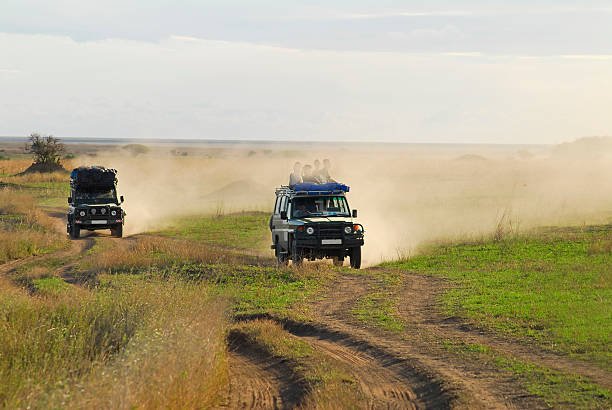
Tabora Region: Unveiling Tanzanias Historical Heart And Untamed Wilds
Discover the rich history and diverse natural beauty of Tanzania's Tabora Region. This guide covers its historical significance, wildlife, cultural experiences, and how to plan your...
View package detailsDodoma Region: A Comprehensive Travel Guide To Tanzanias Central Gem 2026-2027
Discover the Dodoma Region, Tanzania's political capital, offering a unique blend of cultural heritage, emerging tourism, and distinctive landscapes. Plan your 2026-2027 adventure with...
View package details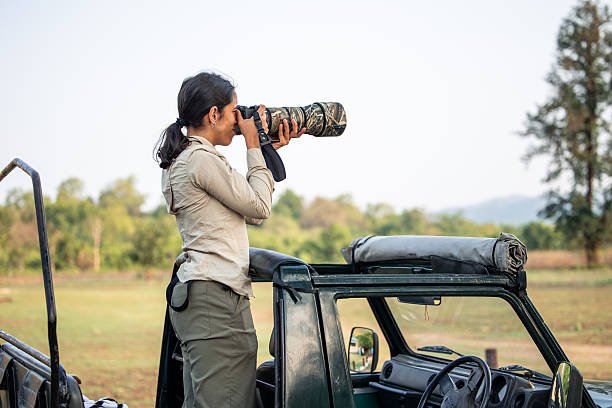
Ruvuma Region Guide
Discover the Ruvuma Region in southern Tanzania, a destination offering unparalleled wildlife encounters, rich cultural heritage, and stunning natural landscapes, perfect for adventurous...
View package details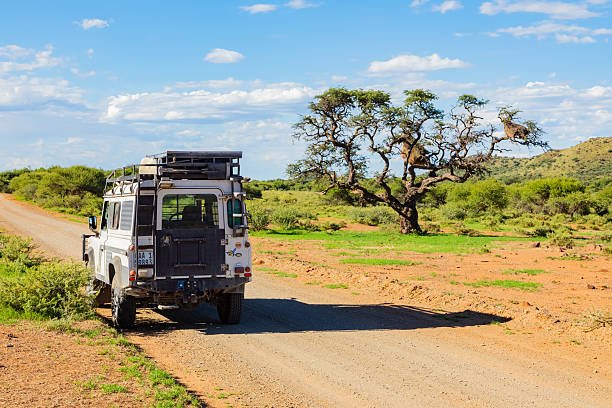
Manyara Region 2026-2027
Manyara Region is explained with current 2026-2027 planning, price, itinerary and booking information.
View package detailsNo related package matches those filters. Clear one or more filters to see the other topic-matched options.



