
Game Controlled Areas (GCAs) in Tanzania are designated zones managed to balance wildlife conservation with regulated human activities, primarily hunting and tourism, playing a critical role in protecting biodiversity and ensuring sustainable use of natural resources. These areas, distinct from National Parks and Game Reserves, often allow controlled hunting safaris and offer unique, less crowded wildlife viewing experiences, making them an important consideration for planning your safari, especially for 2026-2027 travel.
Understanding Game Controlled Areas (GCAs) in Tanzania
Tanzania is renowned for its vast wilderness and incredible wildlife populations, a significant portion of which is protected within a structured system of conservation areas. Among these, Game Controlled Areas (GCAs) occupy a unique and vital niche. While National Parks and Game Reserves are primarily focused on strict conservation and tourism, GCAs introduce a layer of managed human interaction, historically including regulated hunting and increasingly, sustainable tourism operations. For travelers looking to experience Tanzania’s wildlife in 2026 or 2027, understanding the role and nature of GCAs is key to appreciating the country’s conservation strategy and planning a diverse safari itinerary.
The establishment of GCAs dates back to colonial times, evolving significantly over the decades. Their primary objective has always been to manage wildlife populations and their habitats, often in areas where human settlements or traditional land uses coexist with wildlife. This management is crucial for preventing human-wildlife conflict, ensuring the health of ecosystems, and providing economic benefits through regulated activities. Unlike the absolute protection afforded to National Parks, GCAs permit a controlled level of human activity, which historically included licensed hunting safaris. Today, while hunting is still a regulated component in some GCAs, there’s a growing emphasis on eco-tourism and community-based conservation initiatives within these zones.
For prospective visitors in 2026-2027, understanding GCAs means recognizing that they offer a different kind of safari experience. They can provide access to wildlife viewing in areas that might not have the same visitor density as iconic parks like the Serengeti or Ngorongoro Crater. This can translate into a more intimate and authentic encounter with nature. Furthermore, GCAs often surround or buffer these more famous parks, forming an interconnected landscape that supports the migratory patterns and overall health of wildlife across larger ecological areas.
The Purpose and Function of GCAs
At their core, Game Controlled Areas in Tanzania serve several fundamental purposes, all contributing to a broader conservation framework:
- Wildlife Management and Population Control: GCAs allow for the monitoring and management of wildlife populations, including managing species that might otherwise overgraze their habitats or pose a significant threat to human communities bordering these areas.
- Habitat Protection: By regulating land use and human activities, GCAs help protect vital wildlife habitats from unchecked agricultural expansion, illegal settlements, and unsustainable resource extraction.
- Sustainable Resource Utilization: Historically, this included regulated hunting safaris, which generated significant revenue for conservation efforts and local communities. While the focus is shifting, the principle of sustainable use remains relevant.
- Buffer Zones: Many GCAs act as crucial buffer zones for National Parks and Game Reserves, reducing direct human-wildlife conflict and providing corridors for wildlife movement, especially for migratory species.
- Community Engagement: Increasingly, GCAs are being integrated into community-based conservation models, where local populations have a stake in wildlife management and benefit directly from tourism revenue, fostering a sense of stewardship.
The management of GCAs is typically overseen by the Tanzania Wildlife Management Authority (TAWA), working in conjunction with local government authorities and conservation partners. This collaborative approach is essential for effective implementation of conservation strategies and ensuring that benefits are shared equitably.
Types of Protected Areas in Tanzania and GCAs’ Place
Tanzania boasts a complex and layered system of protected areas, each with its own set of regulations and objectives. Understanding where GCAs fit within this system is crucial for appreciating the country’s conservation landscape:
- National Parks: These are areas of the highest conservation status, dedicated to preserving natural resources and providing opportunities for public education and recreation. Activities like hunting are strictly prohibited. Examples include Serengeti, Kilimanjaro, Tarangire, and Lake Manyara.
- Game Reserves: Similar to National Parks, Game Reserves offer a high level of protection, with a strong emphasis on wildlife conservation. While hunting is generally prohibited, research and limited tourism activities are permitted. The Selous Game Reserve (now Nyerere National Park and Nyerere Game Reserve) is a prime example.
- Conservation Areas: This is a broader category that can encompass various types of protected zones, including some GCAs.
- Game Controlled Areas (GCAs): As discussed, these areas permit regulated activities, including controlled hunting in some instances, and are managed to balance conservation with sustainable use. They often surround or connect larger protected zones.
- Community Wildlife Management Areas (WMAs): These are areas where local communities have been granted rights to manage and benefit from wildlife resources within their traditional lands, often in partnership with government agencies and private sector operators. Many WMAs function similarly to GCAs in terms of managed access and sustainable tourism.
The interplay between these different categories is vital. For instance, wildlife migrating from the Serengeti National Park might pass through adjacent GCAs or WMAs, highlighting the interconnectedness of these conservation units. Planning a safari for 2026-2027 that incorporates visits to different types of areas can offer a more comprehensive understanding of Tanzania’s diverse wildlife and conservation approaches.
GCAs, in particular, are often leased to safari operators, who then manage them for either hunting or photographic tourism. This model, when implemented correctly, can provide substantial funding for anti-poaching efforts, infrastructure development, and community benefit-sharing programs. For travelers interested in photographic safaris, choosing an operator who partners with GCAs can mean access to exclusive wildlife viewing areas with fewer vehicles, offering a more private and intimate experience.
Safari Experiences in Game Controlled Areas
Safari experiences in GCAs can be exceptionally rewarding, often offering a different flavor compared to the more established National Parks. Here’s what you can typically expect:
Controlled Hunting Safaris
Historically, GCAs were the primary domain for hunting safaris in Tanzania. These are highly regulated operations, conducted by licensed professional hunters and outfitters. The revenue generated from these safaris is a significant source of funding for wildlife conservation and anti-poaching initiatives. For those interested in this type of safari, it’s crucial to partner with reputable, licensed operators who adhere strictly to ethical practices and conservation quotas. These safaris often target specific species and require considerable planning and expertise. While the global trend is shifting towards photographic tourism, regulated hunting safaris remain a component of wildlife management in certain GCAs, contributing to conservation funding.
Photographic Safaris and Exclusive Access
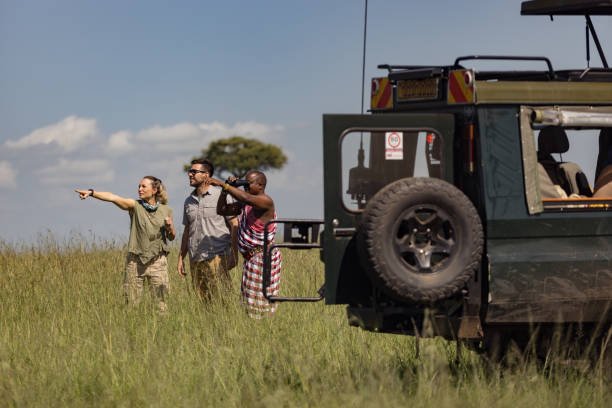
In recent years, there has been a significant shift towards developing photographic tourism within GCAs, often in areas that were previously exclusive hunting concessions. This offers a fantastic opportunity for travelers seeking a more private and exclusive wildlife viewing experience. Many GCAs are leased to safari companies that then operate photographic camps and lodges. These areas often boast abundant wildlife, and because visitor numbers are generally lower than in popular National Parks, you can enjoy game drives with fewer vehicles, allowing for more prolonged and intimate wildlife encounters.
Some notable GCAs that are popular for photographic safaris include:
- Rungwa Game Controlled Area: Known for its large elephant herds and diverse predator populations, offering vast, wild landscapes.
- Kigosi Game Controlled Area: Part of the larger western Tanzanian ecosystem, offering a more remote and less-visited safari experience.
- Moyowosi Game Controlled Area: Famous for its large herds of wildebeest and other plains game, as well as its significant birdlife.
- Maswa Game Controlled Area: Located adjacent to the Serengeti National Park, it provides an excellent alternative for experiencing the Great Migration outside the main park boundaries and can offer more exclusive sightings.
When planning your 2026-2027 safari, discussing options for GCAs with your tour operator can open up possibilities for unique itineraries. These areas can be combined with visits to National Parks to provide a varied experience, or they can form the core of a trip for those seeking a more off-the-beaten-path adventure.
Community Involvement and Benefits
A crucial aspect of modern conservation in GCAs is the involvement of local communities. Many GCAs are managed under models that ensure local populations benefit from wildlife and tourism. This can include employment opportunities at lodges and camps, revenue sharing from tourism concessions, and support for community development projects. This approach fosters a sense of ownership and responsibility among communities, making them active participants in protecting wildlife and their habitats.
For travelers, choosing a tour operator that partners with communities in GCAs means contributing directly to local livelihoods and conservation efforts. This ethical dimension adds significant value to the safari experience, making it more meaningful and sustainable. Top Guide Adventures is committed to working with operators and lodges that prioritize community engagement and conservation, ensuring that your 2026-2027 safari makes a positive impact.
Planning Your Safari to Tanzania’s GCAs in 2026-2027
When considering GCAs for your Tanzanian adventure, careful planning is essential. The specific regulations, accessibility, and types of experiences can vary significantly from one GCA to another.
Choosing the Right GCA for Your Interests
Your choice of GCA should align with your interests. Are you primarily interested in witnessing the Great Migration? Consider areas like Maswa GCA, which borders the Serengeti. Are you seeking a more remote, wilderness experience with diverse wildlife? Areas in western Tanzania like Rungwa or Kigosi might be ideal. For birdwatchers, certain GCAs offer exceptional opportunities. It’s important to consult with experienced tour operators who have in-depth knowledge of these areas and can recommend the best fit for your safari goals.
Best Time to Visit
The best time to visit GCAs largely depends on the specific region and what you wish to see. Generally, the dry season (June to October) is considered prime time for wildlife viewing across Tanzania, as animals congregate around water sources. However, some GCAs, particularly in the western and southern parts of the country, have different peak seasons. For example, the wildebeest migration can be viewed in different locations at different times of the year, and its passage through areas like Maswa GCA is a significant draw during specific months.
For 2026-2027 travel, it’s advisable to plan your visit during the dry season for optimal game viewing, but also consider the shoulder seasons (May and November) for potentially fewer crowds and lower prices, while still enjoying good wildlife sightings.
Accommodation Options
Accommodation in GCAs can range from rustic tented camps to more luxurious lodges, often designed to blend seamlessly with the natural environment. Many camps are strategically located to offer excellent wildlife viewing opportunities, sometimes even from the comfort of your room or dining area. These accommodations are typically operated by safari companies that hold concessions in the GCAs. Booking a package that includes accommodation and game drives is the most common and convenient way to experience these areas.
When booking for 2026 or 2027, inquire about the type of accommodation that best suits your comfort level and budget. Options often include:
- Tented Camps: Offering a classic safari feel, these can range from basic fly camps to well-appointed canvas suites with en-suite bathrooms.
- Safari Lodges: More permanent structures, often with amenities like swimming pools, restaurants, and bars, providing a higher level of comfort.
- Mobile Camps: These camps are moved seasonally to follow wildlife movements, offering a dynamic safari experience.
Logistics and Accessibility
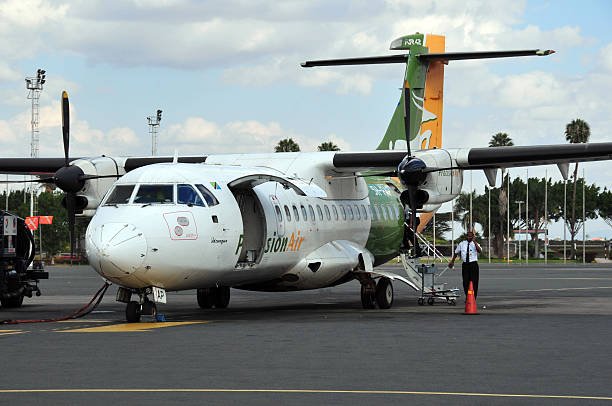
Accessing GCAs can sometimes be more challenging than reaching National Parks, as they are often more remote. Flights into small airstrips within or near the GCAs are common for photographic safaris, significantly reducing travel time and offering spectacular aerial views of the landscape. Road transfers are also possible, but can involve long drives over rough terrain. Your tour operator will advise on the best mode of transport based on the specific GCA and your overall itinerary.
For any safari planned for 2026-2027, confirm the accessibility and travel times well in advance. Understanding these logistical aspects is crucial for a smooth and enjoyable trip.
Conservation Challenges and Future of GCAs
Despite their importance, GCAs in Tanzania face significant conservation challenges. These include:
- Poaching: Illegal hunting remains a persistent threat, particularly for high-value species like elephants, rhinos, and pangolins.
- Human-Wildlife Conflict: As human populations grow and expand into areas adjacent to GCAs, conflicts over resources and safety can escalate.
- Habitat Encroachment: Illegal settlements and agricultural expansion can lead to habitat loss and fragmentation within and around GCAs.
- Management Effectiveness: Ensuring adequate funding, staffing, and effective enforcement of regulations across vast GCA territories is an ongoing challenge.
- Balancing Interests: Effectively balancing the interests of conservation, tourism, local communities, and, where applicable, regulated hunting, requires continuous effort and adaptive management strategies.
The future of GCAs in Tanzania hinges on strengthening management frameworks, fostering stronger partnerships between government, private sector operators, and local communities, and increasing investment in conservation technologies and anti-poaching efforts. The ongoing shift towards sustainable photographic tourism and community-based conservation models is a positive trend, offering a more equitable and potentially more resilient approach to wildlife management for years to come.
For travelers considering a safari in 2026-2027, choosing operators who are demonstrably committed to ethical tourism, conservation, and community benefit is more important than ever. Your travel choices can directly support these vital conservation efforts.
Why Consider GCAs for Your 2026-2027 Tanzania Safari?
Integrating GCAs into your safari plans for 2026 or 2027 offers several compelling advantages:
- Exclusive and Private Experiences: Enjoy wildlife viewing with fewer crowds, leading to more personal and impactful encounters.
- Access to Diverse Ecosystems: Explore areas that are critical for wildlife movement and offer unique habitats not always found in the most popular parks.
- Support for Conservation: By visiting GCAs operated responsibly, you contribute directly to funding anti-poaching patrols, habitat protection, and community development programs.
- Varied Itinerary Options: GCAs can be combined with National Parks and Game Reserves to create a rich and multifaceted safari experience across Tanzania.
- Authentic Wilderness Immersion: Experience vast, undeveloped landscapes and a sense of true wilderness that can be harder to find in more developed tourist areas.
At Top Guide Adventures, we understand the nuances of Tanzania’s protected areas and are dedicated to crafting safari itineraries that are not only unforgettable but also responsible and impactful. Whether you are interested in the iconic sights of the Serengeti or the more secluded beauty of a Game Controlled Area, we can help you design the perfect 2026-2027 adventure.
We invite you to explore the possibilities of experiencing Tanzania’s incredible wildlife through its Game Controlled Areas. For personalized planning and to discuss tailor-made itineraries for 2026-2027, please reach out to us.
Contact Top Guide Adventures:
WhatsApp: +255616946642
Email: Topguideadventures@gmail.com
Backup Email: Info@topguideadventures.com
Visit our website for more information on our comprehensive Tanzania safari packages: Top Guide Adventures Tanzania.
Check Availability for Game Controlled Areas In Tanzania: Your Comprehensive Guide For 2026-2027
Ready to compare dates, prices, and the best option for your group? Send the package name and travel month so the team can reply with a clear quote, availability, and what is included.
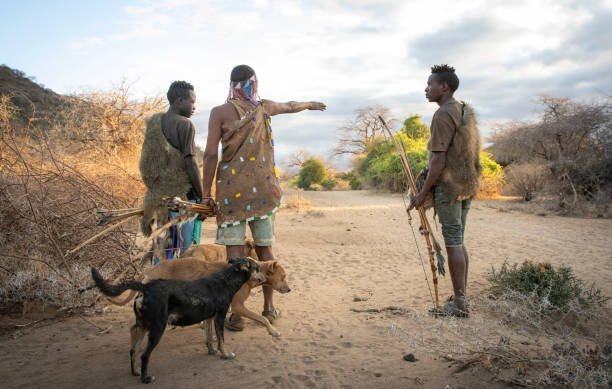
Visit Hadzabe Tribe Tanzania: Your Authentic Lake Eyasi Experience Guide
Discover how to plan an authentic and respectful visit to the Hadzabe tribe at Lake Eyasi, Tanzania. This guide covers the best times to go, cultural etiquette, itinerary planning, and how...
View package details
Other Tanzania Game Reserves / Controlled Areas 2026-2027
Other Tanzania Game Reserves / Controlled Areas is explained with current 2026-2027 planning, price, itinerary and booking information.
View package details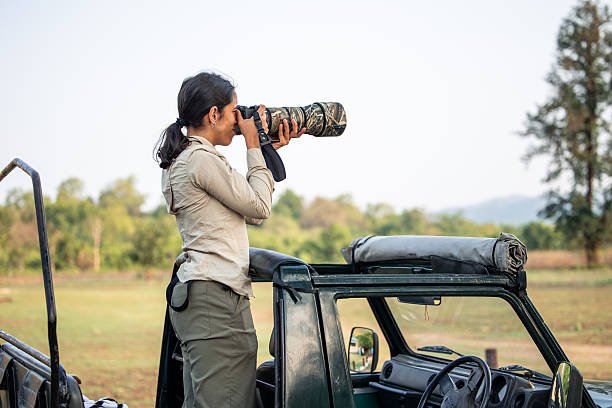
Grumeti Game Reserve: Your Ultimate Tanzania Safari Guide 2026-2027
Grumeti Game Reserve offers an exclusive and luxurious safari experience in Tanzania's Serengeti ecosystem, renowned for its high concentration of wildlife, especially during the Great...
View package details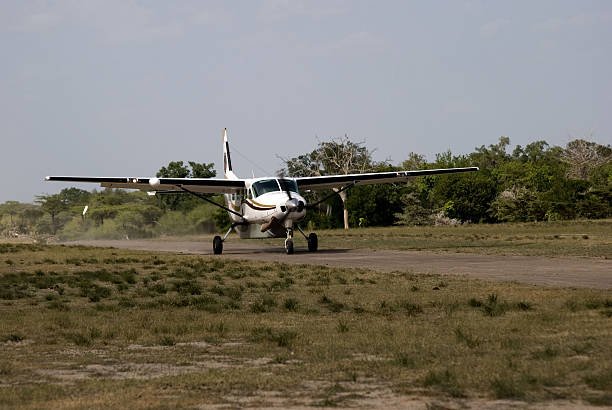
Ikorongo Game Reserve: An Undiscovered Gem For Tanzania Safaris In 2026-2027
Explore Ikorongo Game Reserve, a unique wildlife destination in Tanzania offering authentic safari experiences away from the crowds. Ideal for 2026-2027 adventurers seeking pristine nature...
View package details
Kigosi Game Reserve: Your Ultimate Guide To Tanzanias Untamed Wilderness
Explore Kigosi Game Reserve, a remote and expansive wildlife sanctuary in Tanzania. This guide offers practical advice for planning a 2026-2027 safari, detailing its unique appeal, wildlife...
View package details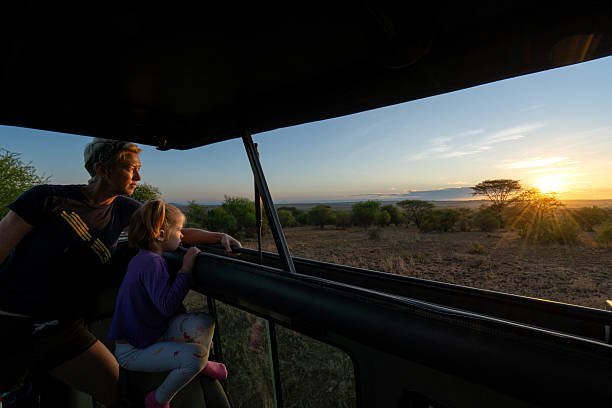
Kijereshi Game Reserve: Your Guide To Tanzanias Untamed Wildlife Haven
Kijereshi Game Reserve offers an authentic Tanzanian safari experience, often overlooked but rich in wildlife. This guide details what to expect, best times to visit, and how to plan your...
View package details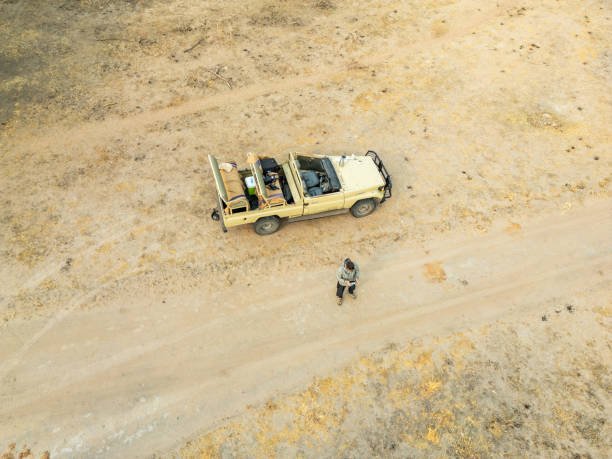
Loliondo Game Controlled Area: A Comprehensive Guide For Safaris 2026-2027
Discover Loliondo Game Controlled Area, a crucial wildlife region bordering the Serengeti, offering unique safari experiences focused on migration, Maasai culture, and conservation. This...
View package details
Maswa Game Reserve Tanzania: Your Ultimate Guide For Safaris 2026-2027
Maswa Game Reserve offers an unparalleled, off-the-beaten-path safari experience in Tanzania, known for its exclusivity and exceptional wildlife encounters, particularly lions and wild...
View package details
Maswa Game Reserve: Your Ultimate Guide To Tanzanias Untamed Wilderness
Maswa Game Reserve offers an exclusive safari experience in Tanzania, known for its abundant wildlife, particularly predators, and its unique conservation model. This guide covers...
View package details
1 Day Tarangire Safari From Moshi: Your Ultimate Tanzania Wildlife Experience
Experience a thrilling 1-day Tarangire Safari starting from Moshi. This quick but impactful adventure offers a fantastic opportunity to witness Tanzania's iconic wildlife, including large...
View package details
Arusha City Tour: Your Gateway To Northern Tanzanias Wonders 2026-2027
Experience Arusha, the vibrant hub of Northern Tanzania. Our Arusha city tours offer a perfect introduction to local life, culture, and the stunning landscapes that await your adventure.
View package details
Arusha: Your Gateway To Tanzanias Northern Safari Circuit And Kilimanjaro
Arusha serves as Tanzania's vibrant gateway, connecting travelers to the world-renowned Northern Safari Circuit, the majestic Mount Kilimanjaro, and the unique cultural landscapes of the...
View package detailsNo closely related package is available for this topic yet.



