
Ikorongo Game Reserve offers a unique and authentic safari experience in Northern Tanzania, characterized by its abundant wildlife, stunning landscapes, and fewer crowds compared to more famous parks, making it an excellent choice for adventurous travelers planning a trip in 2026 or 2027.
Discovering Ikorongo Game Reserve: A Serene Wildlife Sanctuary
When planning a safari in Tanzania, many travelers immediately think of the Serengeti, Ngorongoro Crater, or Tarangire National Park. While these destinations are undeniably spectacular, they often come with large numbers of vehicles and a more commercialized feel. For those seeking a more intimate and less crowded wildlife encounter, Ikorongo Game Reserve Presents a compelling alternative. Situated in the north of Tanzania, this reserve is part of the greater Serengeti ecosystem but retains a distinct character that appeals to discerning travelers looking for raw, untamed nature.
Ikorongo is not just another stop on a typical safari circuit; it’s a destination that rewards patience and observation. Its relative obscurity means that visitors often have sightings all to themselves, allowing for a deeper connection with the environment and its inhabitants. Whether you are an avid birder, a keen photographer, or simply someone who appreciates the tranquility of the African wilderness, Ikorongo Game Reserve has much to offer. As we look towards planning safaris for 2026 and 2027, understanding the unique appeal of Ikorongo becomes increasingly important for crafting truly memorable Tanzanian adventures.
Location and Geography: Part of a Grand Ecosystem
Ikorongo Game Reserve is strategically located in the Mara Region of northern Tanzania, bordering the Serengeti National Park to its south and west. To its north lies the Maasai Mara National Reserve in Kenya, forming part of the iconic Serengeti-Mara ecosystem. This vast transboundary conservation area is renowned for hosting the Great Migration, one of the planet’s most spectacular wildlife events. While Ikorongo itself doesn’t always see the peak densities of the migration herds in the same way as the central Serengeti, its location means it benefits from wildlife movement throughout the year and can be an excellent place to witness the migration’s passage, especially during certain months.
The landscape of Ikorongo is diverse, featuring rolling hills, acacia woodlands, open grasslands, and the seasonal rivers that are vital water sources for wildlife. The Grumeti River, a significant waterway, flows through the reserve, attracting animals, particularly during the dry season. The terrain is generally less flat than the central Serengeti plains, offering varied vantage points and habitats that support a wide array of species. This geographical positioning within a larger, protected corridor is key to its ecological significance and the abundance of wildlife found here.
Wildlife Spectacle: More Than Just the Big Five
While Ikorongo Game Reserve may not have the same level of fame as its neighbors, it boasts an impressive diversity of wildlife. The reserve is home to a significant population of the iconic African species that draw visitors to Tanzania. Expect to see large herds of wildebeest and zebras, especially during their migration cycles. Lions are abundant, often found lounging in the shade of acacia trees or patrolling their territories. Leopards, though more elusive, are present, and cheetahs can sometimes be spotted on the open plains. Elephants, giraffes, buffaloes, hippos, and a variety of antelopes like Thomson’s gazelles and Grant’s gazelles are common sightings.
Beyond the well-known mammals, Ikorongo is a paradise for birdwatchers. Over 350 species of birds have been recorded here, including the secretary bird, Kori bustard, ostrich, various eagles, vultures, and numerous smaller passerine birds. The presence of water bodies and varied habitats supports this rich avian life. For those interested in smaller creatures, Ikorongo also offers opportunities to observe hyenas, wild dogs (though less common), jackals, and various smaller mammals and reptiles. The absence of mass tourism means that wildlife encounters here feel more natural and less disturbed, offering a more authentic glimpse into the daily lives of these animals.
The Great Migration Context
The Great Migration is a constant draw to the Serengeti-Mara ecosystem, and Ikorongo plays a role in this natural phenomenon. While the main herds often concentrate in the central and western Serengeti during the dry season, Ikorongo’s position means it can be part of the migration’s journey. Specifically, the Grumeti River crossing can occur within or near the reserve’s boundaries, offering dramatic viewing opportunities for crocodiles preying on wildebeest and zebras attempting to cross. Depending on the rainfall patterns and grass availability in any given year, the timing and exact location of these crossings can vary. Travelers planning for Ikorongo Wildlife Safari In the latter half of the year, particularly between July and October, might coincide with parts of the migration moving north towards Kenya or southwards again, offering unique viewing potential within the reserve.
Activities and Experiences in Ikorongo
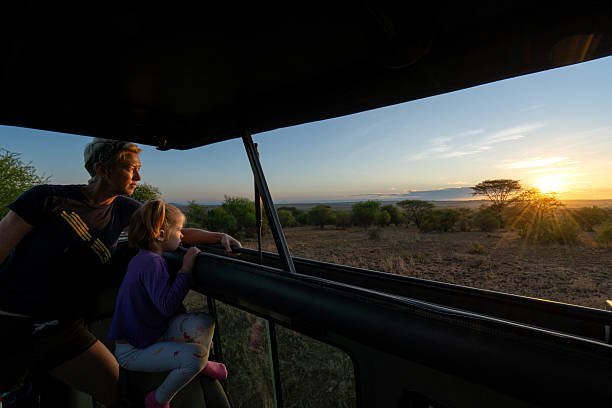
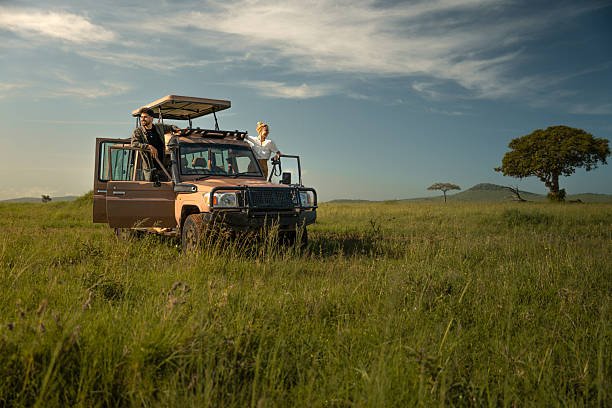
A safari in Ikorongo Game Reserve offers a range of activities designed to maximize wildlife viewing and immersion in nature. The primary mode of exploration is game drives, utilizing 4×4 safari vehicles equipped for off-road viewing. These drives are conducted by experienced guides who possess deep knowledge of the reserve’s terrain, wildlife behavior, and optimal viewing spots. The advantage of fewer vehicles means that game drives can be more relaxed and personalized, allowing for longer stays at sightings without feeling rushed.
Beyond standard game drives, Ikorongo offers opportunities for more specialized experiences:
- Walking Safaris: For a truly intimate connection with the bush, guided walking safaris are a highlight. Accompanied by an armed ranger and a knowledgeable guide, these excursions allow you to appreciate the smaller details of the ecosystem – the tracks, the plants, the insects – and experience the landscape on foot. Walking safaris are typically offered in specific areas of the reserve and are subject to safety conditions and lodge policies. They provide a different perspective on the environment, emphasizing tracking skills and understanding the bush at ground level.
- Night Game Drives: Many lodges operating in or near Ikorongo offer night game drives. These excursions, conducted after sunset, use spotlights to search for nocturnal animals that are rarely seen during the day. This is your chance to spot elusive creatures like genets, civets, servals, aardvarks, and various nocturnal predators like bush babies and possibly even leopards or lions on the move. Night drives add an exciting dimension to the safari experience, revealing a hidden world of activity.
- Cultural Visits: While Ikorongo is primarily a wildlife destination, nearby communities, often Maasai villages, can be visited to learn about local culture and traditions. These visits offer a glimpse into the lives of the people who share this land with the wildlife, providing context to the conservation efforts and the harmonious coexistence between humans and nature.
- Birdwatching: With its diverse avian population, Ikorongo is a prime destination for birders. Dedicated birdwatching excursions can be arranged, focusing on identifying the numerous resident and migratory species found within the reserve.
The choice of lodge or camp within or adjacent to Ikorongo will often dictate the availability and specific types of activities offered. It’s advisable to inquire about these options when booking your safari for 2026-2027.
Planning Your Ikorongo Game Reserve Safari: Key Considerations
Organizing a safari to Ikorongo Game Reserve requires careful planning to ensure you make the most of its unique offerings. Unlike the more established parks, visitor infrastructure in Ikorongo is less developed, which contributes to its pristine feel but also means that logistics need to be handled meticulously.
Best Time to Visit for Ikorongo Wildlife Safari
The best time to visit Ikorongo Game Reserve largely depends on what you hope to see. Generally, the dry seasons (June to October and December to February) are considered prime times for wildlife viewing. During these months, water sources become scarce, concentrating animals around rivers and waterholes, making them easier to spot. The weather is also typically pleasant, with sunny days and cooler nights.
- June to October: This is the peak dry season. Wildlife is concentrated, and this period often coincides with the Great Migration’s movement northwards through the Serengeti, potentially bringing parts of it close to Ikorongo. Birdlife is less vibrant as migratory species are fewer, but mammal viewing is excellent. This is a popular time for safaris in Northern Tanzania, so booking well in advance for 2026-2027 is recommended.
- November: The short rains can occur, leading to a temporary greening of the landscape and a dispersal of wildlife as new water sources appear. It can be a quieter time with fewer tourists.
- December to February: This period marks the start of the long dry season, and also the calving season for wildebeest and zebras in the southern Serengeti. While the calving happens further south, wildlife is still abundant in Ikorongo, and the landscape is generally dry and good for game viewing.
- March to May: These are the months of the long rains. The landscape becomes lush and green, which can make spotting wildlife slightly more challenging as animals can hide in the thicker vegetation. However, it’s also a time of fewer tourists, lower prices, and spectacular photographic opportunities with dramatic skies. Birdlife is at its most active.
For those specifically interested in the Great Migration river crossings, the period between July and October is generally the most likely time to witness them, although these events are dictated by nature and cannot be guaranteed.
Accommodation Options
Accommodation within or very close to Ikorongo Game Reserve is limited, which helps maintain its secluded atmosphere. Options typically range from mid-range lodges to more luxurious tented camps, offering an authentic safari experience with comfortable amenities. These lodges are often strategically located to provide excellent access to the reserve’s wildlife hotspots.
When choosing accommodation for your 2026-2027 safari, consider factors like proximity to game viewing areas, the types of activities offered (walking safaris, night drives), and the overall ambiance. Some camps might be situated just outside the reserve boundaries but still offer direct access and use of the reserve for their guests.
Getting to Ikorongo
Reaching Ikorongo Game Reserve usually involves flying into one of Tanzania’s main international airports, such as Kilimanjaro International Airport (JRO) near Arusha. From Arusha, you have a few options:
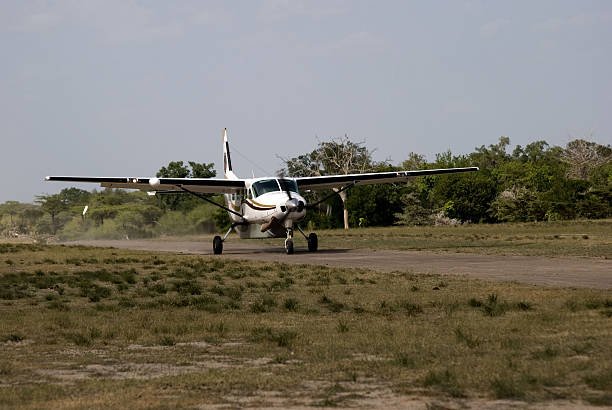
- Light Aircraft Flight: The most convenient and time-efficient way to reach Ikorongo is by taking a scheduled or chartered light aircraft flight from Arusha Airport (ARK) to a nearby airstrip. Many lodges have their own airstrips or are a short drive from one. This method significantly reduces travel time and offers stunning aerial views of the Tanzanian landscape.
- Road Transfer: It is possible to drive from Arusha to Ikorongo, but this is a long journey, often taking several hours (6-8 hours or more) through varying road conditions, including parts of the Serengeti National Park. This option is typically combined with other destinations, and the drives within the park itself are part of the safari experience. However, for direct access to Ikorongo, flying is generally preferred.
Your tour operator, such as Top Guide Adventures, will arrange these transfers and flights as part of your tailored safari package.
What to Pack
Packing for a Tanzanian safari requires careful consideration of the climate, activities, and local customs. Layers are key, as temperatures can vary significantly between day and night, and between different altitudes.
- Clothing: Neutral-colored clothing (khaki, beige, olive green) is recommended as bright colors can scare wildlife. Pack light, breathable fabrics like cotton or linen for daytime, and warmer layers such as fleece jackets or sweaters for cool mornings and evenings. Long-sleeved shirts and trousers are advisable for sun protection and to ward off insects.
- Footwear: Comfortable, broken-in walking shoes or hiking boots are essential, especially if you plan on doing walking safaris. Sandals or flip-flops are suitable for relaxing at the lodge.
- Sun Protection: A wide-brimmed hat, sunglasses, and high-SPF sunscreen are crucial to protect yourself from the strong African sun.
- Insect Repellent: Especially important during dawn and dusk, an effective insect repellent containing DEET is recommended to prevent mosquito bites.
- Camera Gear: Bring a good camera with extra batteries and memory cards. Binoculars are also highly recommended for spotting distant wildlife.
- First-Aid Kit: A basic personal first-aid kit with any necessary prescription medications.
- Documents: Passport, visa, vaccination certificates, and travel insurance details. Keep copies separate from the originals.
Ikorongo vs. Other Northern Tanzania Parks: Making the Choice
Deciding where to go on your Tanzanian safari can be overwhelming. Here’s a brief comparison to help understand how Ikorongo Game Reserve fits into the broader safari landscape of Northern Tanzania, especially for 2026-2027 trips:
Ikorongo vs. Serengeti National Park
Serengeti National Park Is the star of Northern Tanzania, famous for its vast plains, huge predator populations, and the sheer scale of the Great Migration. It offers an unparalleled density of wildlife and a classic safari experience. However, it can get crowded, especially in popular areas like Seronera and during peak migration seasons. Lodges and camps are plentiful, ranging from budget to ultra-luxury.
Ikorongo Game Reserve, on the other hand, offers a more exclusive and intimate experience. It’s part of the same ecosystem, so you’ll see similar species, but often with fewer vehicles around. The landscape is more varied than just open plains, and the focus is on a quieter, more authentic connection with nature. It’s ideal for travelers who prioritize solitude and unique encounters over ticking off the most famous spots. Accommodation is more limited and often leans towards high-end tented camps or lodges.
Ikorongo vs. Tarangire National Park
Tarangire National Park Is renowned for its massive elephant herds, particularly during the dry season when they congregate around the Tarangire River. It also features iconic baobab trees and a good population of predators. Tarangire is more accessible from Arusha than Ikorongo and is often included in shorter Northern Circuit itineraries.
Ikorongo Offers a broader ecosystem experience compared to Tarangire’s focus on the riverine environment. While Tarangire has elephants in impressive numbers, Ikorongo provides a more diverse range of habitats and wildlife species, with the added benefit of being a gateway to the Serengeti ecosystem and potentially witnessing migration elements. The exclusivity factor is higher in Ikorongo.
Ikorongo vs. Lake Manyara National Park
Lake Manyara National Park Is a relatively small but beautiful park, famous for its tree-climbing lions, large troops of baboons, and the alkaline lake that attracts flamingos and other water birds. It’s easily accessible and often visited as a day trip or a one-night stop.
Ikorongo Offers a much larger and more wild safari experience. While Manyara is excellent for its specific attractions, Ikorongo provides the vastness and diversity of a true game reserve, allowing for more extensive exploration and a greater sense of being in the wild. The opportunities for walking safaris and night drives are also more prevalent in areas like Ikorongo.
In essence, if your priority is seeing a high density of wildlife with a classic safari feel and you don’t mind crowds, the Serengeti is your go-to. If you seek a quieter, more exclusive, and deeply detailed wildlife experience with varied landscapes and the possibility of unique encounters, Ikorongo Game Reserve Should be high on your list for your 2026 or 2027 Tanzanian adventure.
Conservation and Responsible Tourism in Ikorongo
The future of Ikorongo Game Reserve, like all protected areas, relies heavily on robust conservation efforts and responsible tourism practices. As a protected area managed by the Tanzanian government, it plays a crucial role in maintaining the ecological integrity of the Serengeti-Mara ecosystem. The reserve helps to provide corridors for wildlife movement, especially for species like wildebeest and zebras during their annual migration, and offers refuge for resident wildlife populations.
Responsible tourism is paramount to ensuring that visitor activities benefit conservation and local communities. This includes:
- Supporting Local Lodges and Tour Operators: Choosing to stay at lodges and use tour operators committed to sustainable practices helps fund conservation initiatives and provides economic opportunities for local people. Companies like Top Guide Adventures prioritize sustainable tourism and work with lodges that share these values.
- Adhering to Park Rules: Visitors are expected to follow all rules and regulations, such as sticking to designated tracks, maintaining a safe distance from wildlife, not feeding animals, and minimizing their environmental impact (e.g., proper waste disposal).
- Respecting Wildlife: Observing animals from a distance, avoiding any actions that disturb them, and appreciating their natural behavior is essential for their well-being and for an authentic viewing experience.
- Community Engagement: Where possible, engaging with local communities through respectful visits can foster understanding and support for conservation efforts.
By choosing to visit Ikorongo Game Reserve, travelers contribute directly to the preservation of this vital habitat and the wildlife it supports. Planning your safari for 2026-2027 with a responsible operator ensures your trip is not only memorable but also beneficial.
Crafting Your 2026-2027 Ikorongo Safari Itinerary with Top Guide Adventures
Top Guide Adventures specializes in creating personalized safari experiences across Tanzania, including tailored journeys to Ikorongo Game Reserve. We understand the nuances of this less-traveled destination and can help you design an itinerary that maximizes your chances of incredible wildlife encounters while ensuring comfort and authenticity.
A typical safari incorporating Ikorongo might be combined with other renowned parks in Northern Tanzania. For example, a 7-10 day itinerary could include:
- Days 1-2: Arrival in Arusha, preparation, and acclimatization.
- Days 3-4: Exploring Tarangire National Park, famous for its elephants and baobabs.
- Days 5-7: Journeying into Ikorongo Game Reserve for exclusive game drives, walking safaris, and potentially night drives, focusing on its unique wildlife and serene environment.
- Days 8-9: Continuing into the Serengeti National Park for classic plains game viewing and experiencing the migration (depending on the season).
- Day 10: Departure from a Serengeti airstrip back to Arusha or Kilimanjaro International Airport.
Alternatively, for those seeking a deeper immersion in Ikorongo and its surrounding areas, a dedicated 3-4 day stay within or adjacent to the reserve can be arranged. This allows for a more relaxed pace and the opportunity to explore different regions of the reserve.
When planning for 2026-2027, it’s important to book well in advance, especially for peak seasons. Top Guide Adventures offers:
- Tailor-Made Safaris: We craft itineraries based on your interests, budget, and preferred travel style, whether you seek luxury tented camps or comfortable mid-range lodges.
- Expert Guides: Our guides are local, experienced, and passionate about Tanzania’s wildlife and culture.
- Logistical Support: We handle all transportation, accommodation bookings, park fees, and internal flights, ensuring a well-organized travel experience.
- Competitive Pricing: While Ikorongo is a premium, less-crowded destination, we strive to offer excellent value for your investment.
To discuss your dream safari to Ikorongo Game Reserve or any other Tanzanian destination for 2026 or 2027, please reach out to our expert team. We are dedicated to providing personal attention, care, and support for every client.
Contact us today:
WhatsApp: +255616946642
Email: Topguideadventures@gmail.com
Backup Email: Info@topguideadventures.com
Visit our website for more safari options: Top Guide Adventures Tanzania.
Check Availability for Ikorongo Game Reserve: An Undiscovered Gem For Tanzania Safaris In 2026-2027
Ready to compare dates, prices, and the best option for your group? Send the package name and travel month so the team can reply with a clear quote, availability, and what is included.
Grumeti Game Reserve: Exclusive Serengeti Wildlife Experiences In 2026-2027
Explore the exclusive Grumeti Game Reserve, a private concession within the vast Serengeti ecosystem. Ideal for discerning travelers seeking luxury, privacy, and exceptional wildlife...
View package details
Kigosi Game Reserve: Your Ultimate Guide To Tanzanias Untamed Wilderness
Explore Kigosi Game Reserve, a remote and expansive wildlife sanctuary in Tanzania. This guide offers practical advice for planning a 2026-2027 safari, detailing its unique appeal, wildlife...
View package details
Maswa Game Reserve: Your Ultimate Guide To Tanzanias Untamed Wilderness
Maswa Game Reserve offers an exclusive safari experience in Tanzania, known for its abundant wildlife, particularly predators, and its unique conservation model. This guide covers...
View package details
Grumeti Reserve Tanzania: The Ultimate Luxury Safari Experience 2026-2027
Grumeti Reserve offers an unparalleled luxury safari experience in Tanzania, known for its exclusivity, exceptional wildlife viewing, and high-end accommodations. It's a prime location for...
View package details
Arusha: Your Gateway To Tanzanias Northern Safari Circuit And Kilimanjaro
Arusha serves as Tanzania's vibrant gateway, connecting travelers to the world-renowned Northern Safari Circuit, the majestic Mount Kilimanjaro, and the unique cultural landscapes of the...
View package details
Best Cafes In Tanzania: A Local Guide For 2026-2027
Exploring Tanzania offers incredible wildlife and cultural experiences, but sometimes you need a moment to relax, recharge, and enjoy a good cup of coffee. This guide highlights the best...
View package detailsBest Mojarra Frita Near Me Guide
When craving perfectly crispy, golden-brown fried fish, particularly the local favorite 'mojarra frita,' finding the right spot is key. This guide helps you locate the best places near you...
View package details
Grumeti Game Reserve: Your Ultimate Tanzania Safari Guide 2026-2027
Grumeti Game Reserve offers an exclusive and luxurious safari experience in Tanzania's Serengeti ecosystem, renowned for its high concentration of wildlife, especially during the Great...
View package detailsKijereshi Game Reserve: Your Guide To Tanzanias Untamed Wildlife Haven
Kijereshi Game Reserve offers an authentic Tanzanian safari experience, often overlooked but rich in wildlife. This guide details what to expect, best times to visit, and how to plan your...
View package details
Maswa Game Reserve Tanzania: Your Ultimate Guide For Safaris 2026-2027
Maswa Game Reserve offers an unparalleled, off-the-beaten-path safari experience in Tanzania, known for its exclusivity and exceptional wildlife encounters, particularly lions and wild...
View package details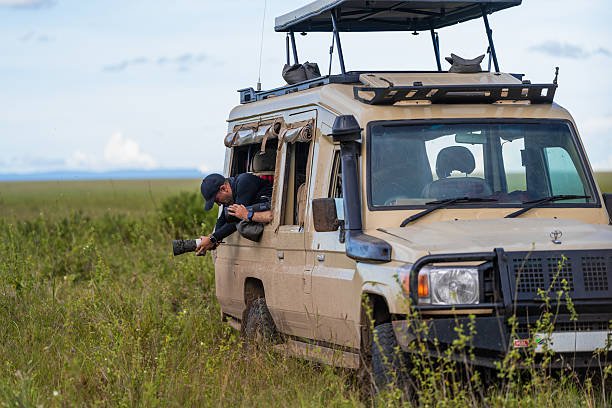
Other Tanzania Game Reserves / Controlled Areas 2026-2027
Other Tanzania Game Reserves / Controlled Areas is explained with current 2026-2027 planning, price, itinerary and booking information.
View package details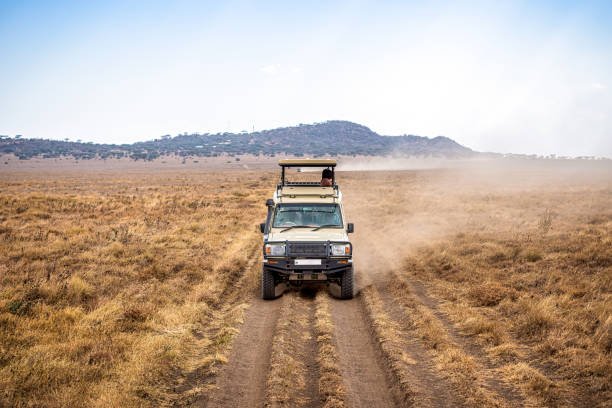
Iselamagazi Forest Reserve Tour 2026-2027
Iselamagazi Forest Reserve Tour is explained with current 2026-2027 planning, price, itinerary and booking information.
View package detailsNo closely related package is available for this topic yet.



