
Maswa Game Reserve provides an exceptional, off-the-beaten-path safari experience in northern Tanzania, renowned for its high densities of predators like lions and cheetahs, vast open plains ideal for game viewing, and a strong emphasis on community-based conservation, making it a prime destination for discerning travelers seeking authentic wildlife encounters away from the crowds, especially during the dry seasons of 2026 and 2027.

Discovering Maswa Game Reserve: An Exclusive Tanzanian Safari Gem
When envisioning a Tanzanian safari, many minds immediately drift to the iconic Serengeti National Park or the Ngorongoro Conservation Area. While these destinations are undeniably spectacular, Tanzania harbors other treasures that offer a more intimate and exclusive wildlife experience. Maswa Game Reserve, situated in the Simiyu Region of northern Tanzania, stands out as one such jewel. It’s a place where the raw beauty of the African wilderness unfolds without the usual throngs of tourists, offering a profound connection with nature and its inhabitants.
Maswa is not just another protected area; it represents a pioneering model of conservation that integrates local communities directly into the wildlife management process. This collaborative approach has proven remarkably effective in safeguarding its rich biodiversity and ensuring sustainable tourism practices. For travelers looking to explore beyond the well-trodden paths and witness wildlife in its most natural, undisturbed state, Maswa Game Reserve presents an unparalleled opportunity. Planning a safari here for 2026 or 2027 promises an adventure steeped in authenticity and conservation success.
The Genesis and Vision of Maswa Game Reserve
Understanding Maswa Game Reserve begins with appreciating its unique origins. Unlike many national parks established solely by governmental decree, Maswa was born from a vision to empower local communities, particularly the Maasai people, by granting them direct benefits from wildlife and tourism. The reserve’s establishment was a deliberate effort to create a buffer zone and a vital corridor that connects the Serengeti ecosystem to other protected areas, ensuring the free movement of migratory animals.
The reserve’s management structure is a testament to this vision. It operates under a community-based conservation framework, where the land is leased to private tour operators, and the revenue generated from tourism is shared with the local villages. This model incentivizes conservation, as the communities see tangible economic benefits from protecting their wildlife heritage. This partnership has fostered a sense of ownership and responsibility, leading to effective anti-poaching efforts and habitat preservation. As we look towards safari planning for 2026-2027, this sustainable model is a significant draw for ethically-minded travelers.
Location and Ecosystem: Where the Wild Things Roam
Maswa Game Reserve is strategically located southwest of the Serengeti National Park and west of the Ngorongoro Conservation Area, bordering the Grumeti River. This prime location places it directly in the path of the Great Migration for much of the year, although its significance extends far beyond this seasonal spectacle. The reserve encompasses approximately 1,400 square kilometers of diverse landscapes, ranging from acacia woodlands and riverine forests to vast, open grasslands and rocky outcrops.
This varied terrain supports an astonishing array of wildlife. Maswa is particularly celebrated for its high predator populations. Lions are abundant, often seen lounging under acacia trees or stalking prey across the plains. Cheetahs are frequently spotted on the hunt, their sleek forms a blur against the golden grass. Leopards, though more elusive, inhabit the denser woodlands. Beyond the big cats, visitors can expect to see large herds of elephants, giraffes, zebras, wildebeest (especially during migration periods), buffaloes, and a multitude of antelopes, including the rare Grant’s gazelle and Thomson’s gazelle. The birdlife is equally impressive, with over 300 species recorded, making it a paradise for ornithologists.
The ecosystem is intrinsically linked to the larger Serengeti-Mara ecosystem. The Grumeti River, flowing through the reserve, is a crucial water source and a challenging obstacle for migrating wildebeest and zebras, offering dramatic river crossing opportunities during specific times of the year. The health of Maswa is therefore vital for the overall ecological balance of this world-renowned wildlife region.
Why Choose Maswa Game Reserve for Your 2026-2027 Safari?
The allure of Maswa lies in its unique blend of exclusivity, abundant wildlife, and community involvement. While the Serengeti might offer a grander scale, Maswa provides an intimacy that is increasingly rare in popular safari destinations.
Unrivaled Wildlife Encounters, Especially Predators
Maswa is a predator stronghold. The reserve’s management focuses on maintaining a healthy predator-prey balance, and the relatively lower visitor numbers mean that sightings are often more private and less disruptive to the animals. It’s common to witness prides of lions, often larger than those found in more crowded parks, and to see cheetahs in their natural hunting grounds. The open plains and scattered woodlands provide excellent vantage points for observing these magnificent creatures.
Exclusive and Uncrowded Experience
One of the most significant advantages of a Maswa safari is the lack of crowds. Unlike the Serengeti, which can see dozens of vehicles at a single sighting, Maswa’s visitor numbers are strictly controlled. This allows for a more personal and detailed experience, where you can truly appreciate the sounds and sights of the bush without constant interruptions. This exclusivity is a major draw for travelers seeking a tranquil and authentic safari adventure in 2026 and 2027.
Community-Based Conservation Model
For travelers who care about the impact of their tourism, Maswa offers a compelling story of success. Your safari directly contributes to the livelihoods of local communities and supports vital conservation efforts. This ethical dimension adds a deeper layer of meaning to the journey, knowing that your visit is part of a sustainable solution for wildlife preservation and community development.
Strategic Location and Connectivity
Maswa’s proximity to the Serengeti and the Western Corridor makes it an excellent addition to a broader northern Tanzania safari itinerary. It can be visited before or after a Serengeti exploration, offering a contrasting experience with its unique atmosphere and wildlife concentrations. The reserve is typically accessed via a private airstrip, facilitating quick and comfortable transfers from major hubs like Arusha or the Serengeti.
Planning Your Maswa Game Reserve Safari in 2026-2027
Successful planning is key to maximizing your Maswa experience. Consider these crucial aspects:
Best Time to Visit Maswa
The optimal time for a Maswa Game Reserve safari generally aligns with the dry seasons, offering the best game viewing opportunities. However, the reserve is a year-round destination, each season offering distinct advantages:
- June to October (Dry Season): This is widely considered the peak season for game viewing in Maswa. Wildlife congregates around dwindling water sources, making them easier to spot. The vegetation is less dense, further improving visibility. While the Great Migration might be moving northwards out of the Serengeti during parts of this period, Maswa’s resident wildlife remains plentiful. The weather is generally pleasant with sunny days and cool nights. This is a popular time for 2026 safaris.
- November to May (Green Season / Wet Season): This period sees lush vegetation and dramatic thunderstorms. While game viewing can be more challenging due to the dispersed wildlife and thicker cover, it offers stunning photographic opportunities with vibrant landscapes. This is the calving season for many animals, making it an exciting time to witness new life. Birdwatching is exceptional during these months. This period can offer a more budget-friendly option for 2027 travel, with potentially lower rates.
Getting to Maswa Game Reserve
Access to Maswa is primarily through light aircraft. Most travelers fly into Kilimanjaro International Airport (JRO) near Arusha, the main safari gateway in northern Tanzania. From Arusha, you can take a scheduled or chartered flight to one of Maswa’s airstrips, such as the one serving the main lodges. The flight itself offers spectacular aerial views of the Tanzanian landscape. For those combining Maswa with the Serengeti, internal flights between parks are common. The journey typically takes around 1 to 1.5 hours from Arusha.
Accommodation Options in Maswa
Maswa Game Reserve hosts a limited number of exclusive safari camps and lodges, a deliberate choice to maintain the reserve’s low-impact tourism policy. These accommodations are designed to blend seamlessly with the environment and offer a high level of comfort and personalized service. Expect:
- Luxury Tented Camps: These offer an authentic safari experience with spacious canvas tents, comfortable beds, en-suite bathrooms, and private verandas. They often feature a central lounge and dining area, providing a communal atmosphere.
- Exclusive Lodges: Some lodges offer more permanent structures with amenities like swimming pools and fine dining options, while still maintaining a strong connection to the wilderness.
Accommodation in Maswa is typically all-inclusive, covering meals, local beverages, and scheduled safari activities. Booking well in advance is highly recommended, especially for peak season travel in 2026 and 2027, as availability is limited.
Safari Activities in Maswa
The activities in Maswa are centered around experiencing the wildlife and the pristine environment:
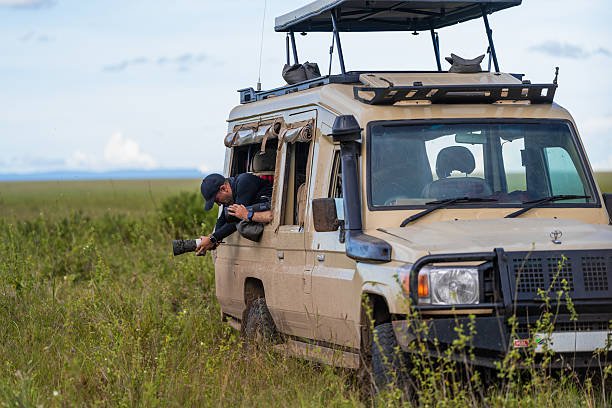
- Game Drives: This is the primary activity. Guided game drives are conducted in open-top 4×4 safari vehicles, allowing for excellent viewing and photography. Drives are typically conducted in the early morning and late afternoon, when animals are most active. Night game drives might also be available, offering a chance to spot nocturnal creatures like genets, civets, and owls.
- Walking Safaris: In certain areas and under strict supervision by armed rangers and experienced guides, walking safaris offer an intimate perspective of the bush. You can learn about tracking, identify smaller flora and fauna, and experience the African landscape on foot. This is a truly detailed activity that connects you deeply with the environment.
- Cultural Visits: While Maswa is primarily a wildlife destination, some lodges may arrange visits to nearby Maasai communities, offering insights into their traditional way of life, customs, and relationship with the land and wildlife.
Wildlife Highlights of Maswa Game Reserve
Maswa Game Reserve is a biodiversity hotspot, particularly renowned for its predator populations. Here’s a closer look at what you can expect to see:
Predator Paradise
The star attractions are undoubtedly the big cats. Maswa boasts a healthy population of lions, often found in large prides. Cheetahs are a common sight, especially in the open grasslands where they hunt gazelles. Leopards are more secretive but can be found in wooded areas, particularly near the Grumeti River. Other predators include spotted hyenas, wild dogs (though less common), and various smaller carnivores like serval cats, caracals, and jackals.
The Great Migration Connection
While Maswa isn’t the primary stage for the dramatic river crossings of the Great Migration, it lies within the migratory path. Depending on the year and rainfall patterns, large herds of wildebeest and zebras can be found in or passing through Maswa, especially during the months of July through October, as they move towards the Serengeti’s northern plains or return south. This presence of the migration further boosts the predator activity within the reserve.
Herds and Hooves
Beyond the predators, Maswa is home to substantial populations of herbivores. Large herds of elephants are often seen, particularly in the wooded areas. Giraffes browse on acacia trees, and buffaloes can be found grazing in herds. Various antelope species are abundant, including Thomson’s gazelles, Grant’s gazelles, impalas, dik-diks, and waterbucks. The plains are often dotted with zebras and wildebeest, creating quintessential safari scenes.
Avian Wonders
For bird enthusiasts, Maswa is a delight. The diverse habitats support a rich birdlife. Expect to see various eagles (like Tawny Eagle and Martial Eagle), vultures, secretary birds, ostriches, guinea fowl, francolins, hornbills, rollers, bee-eaters, and numerous smaller species. The Grumeti River and its associated vegetation attract water-associated birds as well.
Conservation Efforts and Community Impact
The success of Maswa Game Reserve is intrinsically linked to its innovative conservation model. This approach ensures that the reserve remains a thriving ecosystem and a sustainable tourism destination for years to come, including through 2026 and 2027 and beyond.
The Role of Tourism Revenue
Revenue generated from park fees and safari operations is channeled back into conservation initiatives and community development projects. This includes funding anti-poaching patrols, wildlife monitoring, habitat restoration, and providing essential services like schools and healthcare facilities to the local communities. This direct economic benefit is a powerful motivator for conservation.
Partnership with Local Communities
Maswa’s model is built on collaboration. The reserve land is leased from the local villages, ensuring they are primary stakeholders. This partnership fosters a sense of ownership and encourages communities to actively participate in protecting the wildlife and their habitat. Guides and rangers are often recruited from local villages, providing employment and empowering residents.
Challenges and Future Outlook
Despite its successes, Maswa faces ongoing challenges, including managing human-wildlife conflict, ensuring effective anti-poaching efforts, and adapting to the impacts of climate change. However, the strong community involvement and the commitment of tour operators provide a solid foundation for continued success. The reserve is a model for how tourism can be a force for good in conservation, and its future looks promising for travelers in 2026 and 2027.
Crafting Your Maswa Safari Itinerary: Sample Ideas for 2026-2027
A Maswa safari can be a standalone experience or part of a larger northern circuit itinerary. Here are a couple of ideas to inspire your 2026 or 2027 adventure:
Option 1: Exclusive Maswa Immersion (4-5 Days)
This itinerary focuses solely on the tranquility and wildlife of Maswa, ideal for those seeking a deep, unhurried experience.
Day 1: Arrival in Maswa
Fly from Arusha to Maswa airstrip. Met by your lodge guide and transfer to your chosen luxury tented camp. Afternoon game drive exploring the reserve’s southern areas, with sundowners in the bush.
Day 2-3: Full Days in Maswa
Morning and afternoon game drives focusing on predator sightings and diverse habitats. Optional walking safari or night drive. Enjoy evenings around the campfire, sharing stories of the day’s sightings.
Day 4: Departure or Extension
Final morning game drive. After breakfast, transfer to the airstrip for your flight back to Arusha, or onward to your next destination.
Day 5 (Optional):
An extra day allows for more in-depth exploration, perhaps focusing on birdwatching or visiting a local community if arranged.
Option 2: Northern Circuit Explorer with Maswa (7-10 Days)
This itinerary combines the highlights of the northern circuit with the exclusive charm of Maswa.
Day 1: Arusha to Tarangire National Park
Arrive in Arusha, meet your guide, and drive to Tarangire, famous for its large elephant herds and baobab trees.
Day 2: Tarangire to Lake Manyara & Karatu
Morning game drive in Tarangire, then drive to Lake Manyara for a short game drive (optional). Continue to accommodation near Karatu.
Day 3: Ngorongoro Crater Tour
Descend into the Ngorongoro Crater for a full-day game drive. Witness the unique ecosystem and its diverse inhabitants.
Day 4: Karatu to Maswa Game Reserve
After breakfast, drive to the nearest airstrip for your flight to Maswa. Check into your lodge and enjoy an afternoon game drive.
Day 5-6: Maswa Game Reserve Exploration
Two full days dedicated to game drives and other activities within Maswa, focusing on its predator populations and exclusive atmosphere.
Day 7: Maswa to Serengeti National Park (Central/Seronera)
Morning game drive in Maswa, then fly to the central Serengeti (Seronera area), known for its year-round wildlife viewing.
Day 8-9: Serengeti National Park
Explore the vast plains of the Serengeti, tracking the Great Migration (seasonal) and enjoying abundant wildlife sightings.
Day 10: Departure
Final morning game drive in the Serengeti, then fly from Seronera airstrip back to Arusha for your onward journey.
These are just sample itineraries, and Top Guide Adventures excels at crafting tailor-made journeys for 2026 and 2027 that perfectly match your interests, budget, and desired pace. Whether you seek intensive wildlife photography, a focus on specific species, or a blend of adventure and relaxation, we can design the ideal Maswa safari for you.
Cost Considerations for a Maswa Safari
A safari in Maswa Game Reserve is generally considered a premium experience, reflecting its exclusivity and the quality of service provided by the lodges. The cost is influenced by several factors:
- Accommodation: Luxury tented camps and lodges are the standard in Maswa, and their rates are a significant part of the overall cost. Expect prices to range from $600 to $1,500+ per person per night, often on an all-inclusive basis (meals, local drinks, safari activities).
- Park Fees: Maswa levies conservation fees, which are typically included in lodge rates but can be around $70-100 per person per day.
- Flights: Internal flights to Maswa airstrip from Arusha or other parks add to the cost, usually ranging from $350 to $500 per person round trip.
- Duration: Longer stays naturally increase the total cost.
- Time of Year: While Maswa is less affected by seasonality than some other parks, prices might slightly increase during the peak dry season (June-October) for 2026. The green season (November-May) might offer more competitive rates for 2027.
- Private Vehicle/Guide: Opting for a private vehicle and guide guarantees flexibility and personalized attention, but comes at an additional daily cost.
A typical 4-day Maswa safari package, including accommodation, park fees, meals, activities, and internal flights, could range from $2,500 to $5,000+ per person, depending on the lodge chosen and the specific inclusions. For comprehensive safari planning and accurate quotes for 2026-2027, it is best to contact experienced tour operators.
Booking Your Maswa Game Reserve Adventure with Top Guide Adventures
At Top Guide Adventures, we specialize in creating personalized and unforgettable safari experiences across Tanzania. Maswa Game Reserve holds a special place in our portfolio, offering the kind of authentic, high-quality wildlife encounters that our clients cherish.
We understand the nuances of planning a safari to exclusive reserves like Maswa. Our team works closely with you to craft an itinerary that aligns with your interests, budget, and travel style. Whether you are planning a solo adventure, a romantic getaway, or a family safari for 2026 or 2027, we ensure every detail is meticulously arranged, from flights and accommodation to daily activities and expert guiding.
We pride ourselves on our deep knowledge of Tanzania’s parks and reserves, our commitment to sustainable tourism, and our dedication to providing exceptional personal service. Let us help you discover the magic of Maswa Game Reserve, where pristine wilderness meets responsible tourism.
For a personalized quote and to start planning your dream Maswa safari for 2026 or 2027, please reach out to us:
- WhatsApp: +255616946642
- Email: Topguideadventures@gmail.com
- Backup Email: Info@topguideadventures.com
Visit our website Top Guide Adventures Tanzania For more information on our safari packages and to explore the incredible destinations Tanzania has to offer.
Check Availability for Maswa Game Reserve: Your Ultimate Guide To Tanzanias Untamed Wilderness
Ready to compare dates, prices, and the best option for your group? Send the package name and travel month so the team can reply with a clear quote, availability, and what is included.
Grumeti Game Reserve: Exclusive Serengeti Wildlife Experiences In 2026-2027
Explore the exclusive Grumeti Game Reserve, a private concession within the vast Serengeti ecosystem. Ideal for discerning travelers seeking luxury, privacy, and exceptional wildlife...
View package details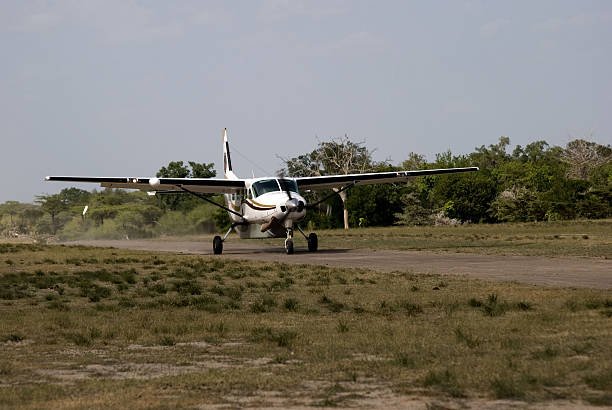
Ikorongo Game Reserve: An Undiscovered Gem For Tanzania Safaris In 2026-2027
Explore Ikorongo Game Reserve, a unique wildlife destination in Tanzania offering authentic safari experiences away from the crowds. Ideal for 2026-2027 adventurers seeking pristine nature...
View package details
Kigosi Game Reserve: Your Ultimate Guide To Tanzanias Untamed Wilderness
Explore Kigosi Game Reserve, a remote and expansive wildlife sanctuary in Tanzania. This guide offers practical advice for planning a 2026-2027 safari, detailing its unique appeal, wildlife...
View package details
Grumeti Reserve Tanzania: The Ultimate Luxury Safari Experience 2026-2027
Grumeti Reserve offers an unparalleled luxury safari experience in Tanzania, known for its exclusivity, exceptional wildlife viewing, and high-end accommodations. It's a prime location for...
View package details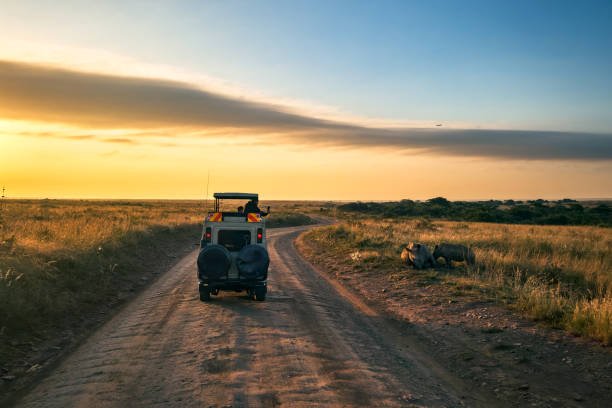
Maswa Tanzania 2026-2027
Maswa Tanzania is explained with current 2026-2027 planning, price, itinerary and booking information.
View package details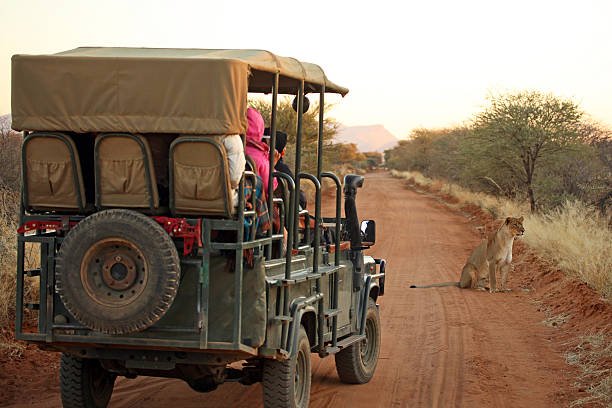
Maswa: Your Ultimate Guide To Tanzanias Hidden Safari Gem 2026-2027
Maswa, a lesser-known but incredibly rewarding safari destination in Tanzania, offers a truly authentic wilderness experience. This guide covers everything you need to know for planning...
View package details
Arusha: Your Gateway To Tanzanias Northern Safari Circuit And Kilimanjaro
Arusha serves as Tanzania's vibrant gateway, connecting travelers to the world-renowned Northern Safari Circuit, the majestic Mount Kilimanjaro, and the unique cultural landscapes of the...
View package details
Best Cafes In Tanzania: A Local Guide For 2026-2027
Exploring Tanzania offers incredible wildlife and cultural experiences, but sometimes you need a moment to relax, recharge, and enjoy a good cup of coffee. This guide highlights the best...
View package detailsBest Mojarra Frita Near Me Guide
When craving perfectly crispy, golden-brown fried fish, particularly the local favorite 'mojarra frita,' finding the right spot is key. This guide helps you locate the best places near you...
View package details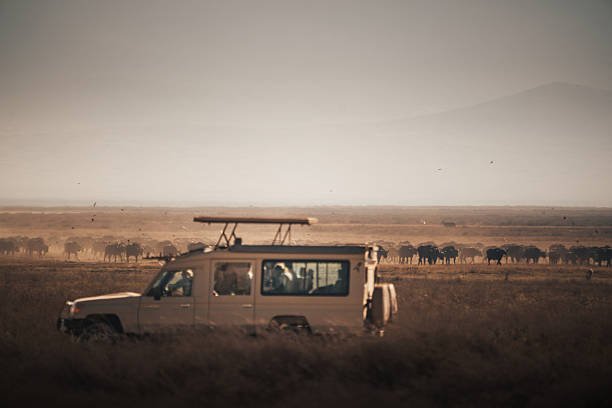
Maswa Game Reserve Tanzania: Your Ultimate Guide For Safaris 2026-2027
Maswa Game Reserve offers an unparalleled, off-the-beaten-path safari experience in Tanzania, known for its exclusivity and exceptional wildlife encounters, particularly lions and wild...
View package details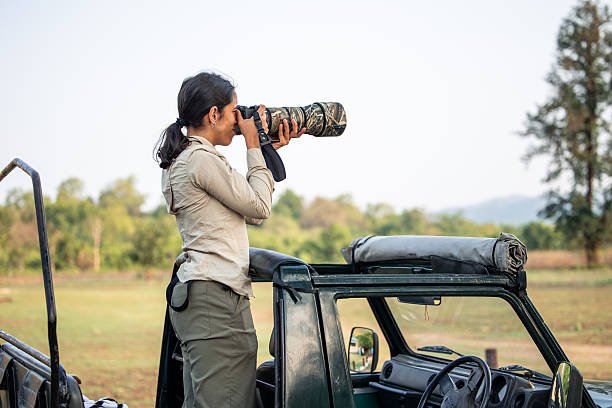
Grumeti Game Reserve: Your Ultimate Tanzania Safari Guide 2026-2027
Grumeti Game Reserve offers an exclusive and luxurious safari experience in Tanzania's Serengeti ecosystem, renowned for its high concentration of wildlife, especially during the Great...
View package details
Kijereshi Game Reserve: Your Guide To Tanzanias Untamed Wildlife Haven
Kijereshi Game Reserve offers an authentic Tanzanian safari experience, often overlooked but rich in wildlife. This guide details what to expect, best times to visit, and how to plan your...
View package detailsNo closely related package is available for this topic yet.



