
Beyond the globally renowned Serengeti National Park and Ngorongoro Conservation Area, Tanzania boasts a significant network of Other game reserves and controlled areas That provide exceptional wildlife viewing opportunities with fewer crowds and often more diverse ecosystems. These include destinations like Selous Game Reserve (now Nyerere National Park), Ruaha National Park, Katavi National Park, Mikumi National Park, Tarangire National Park, Lake Manyara National Park, Saadani National Park, and various less-visited controlled areas, each offering unique safari experiences for travelers in 2026-2027.
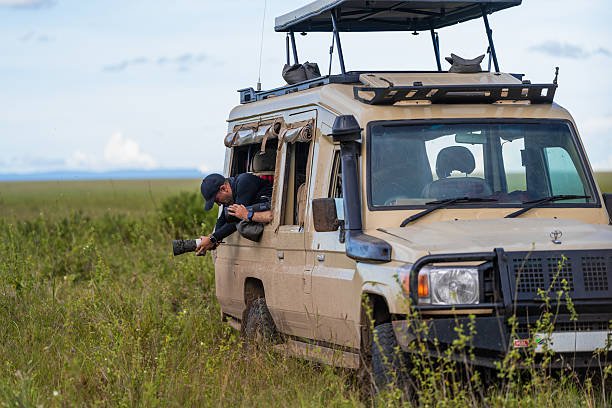
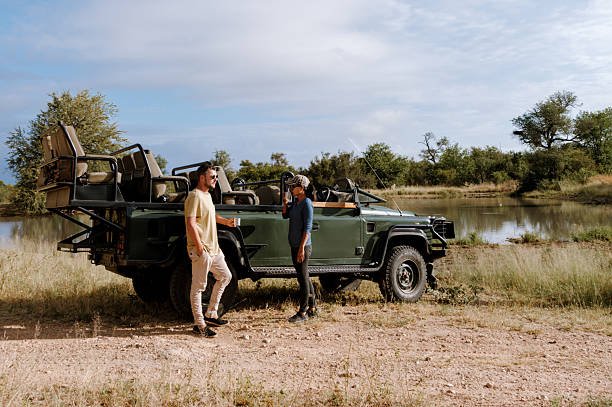
Discovering Tanzania’s Diverse Conservation Landscape
Tanzania is a titan of African wildlife conservation, home to an astonishing array of species and vast, protected landscapes. While the Northern Circuit’s Serengeti and Ngorongoro Crater capture the imagination of many international visitors, the country’s commitment to conservation extends far beyond these iconic locations. A significant portion of Tanzania is designated as protected land, encompassing national parks, game reserves, controlled areas, and forest reserves. Each category serves a distinct purpose in managing wildlife populations, preserving habitats, and sometimes, allowing for regulated human activities like tourism or local resource use.
For the discerning traveler planning a safari for 2026-2027, exploring these Other Tanzania game reserves and controlled areas Can find a deeper, more authentic connection with the African wilderness. These locations often provide a different pace, a more intimate encounter with animals, and a chance to witness ecosystems that are less impacted by mass tourism. Top Guide Adventures specializes in crafting itineraries that showcase the full spectrum of Tanzania’s natural wonders, ensuring you experience the best of what each protected area has to offer.
Why Look Beyond the Famous Parks?
Several compelling reasons encourage travelers to consider destinations beyond the most famous parks:
- Reduced Crowds: Especially during peak seasons, the Serengeti and Ngorongoro can become quite busy. Exploring other reserves often means having game drives to yourself, offering a more serene and personal wildlife viewing experience.
- Unique Ecosystems and Wildlife: Different regions of Tanzania boast distinct habitats – from the miombo woodlands of the south to the vast floodplains of the central belt. This diversity supports a variety of species, some of which are more prevalent in these ‘lesser-known’ areas.
- Authentic Safari Experience: Many of these reserves offer a more rugged and wild feel, reminiscent of classic safaris. This can be particularly appealing to those seeking a more profound connection with nature.
- Variety of Activities: While game drives are standard, some reserves excel in offering walking safaris, boat safaris, or fly-camping opportunities that are less common or restricted in more heavily touristed parks.
- Cost-Effectiveness: While luxury options exist everywhere, some of the less developed or more remote reserves can offer more budget-friendly safari packages, especially when combined with specific travel periods in 2026 or 2027.
Southern Tanzania’s Giants: Nyerere and Ruaha
Often referred to as the ‘Southern Circuit’, these areas offer a wilder, more remote safari experience that is gaining well-deserved recognition.
Nyerere National Park (formerly Selous Game Reserve)
For decades, the Selous Game Reserve was Africa’s largest protected area, a UNESCO World Heritage Site renowned for its vastness and diverse wildlife. In 2019, it was divided, with the northern part becoming Nyerere National Park and the southern part remaining as the Selous Game Reserve. For most tourists, Nyerere National Park is the primary focus. It is particularly famous for:
- Abundant Wildlife: Home to large populations of elephants, lions, leopards, cheetahs, wild dogs, hippos, and crocodiles. It’s also one of the best places in Africa to see the endangered African wild dog.
- Riverine Ecosystem: The mighty Rufiji River is the lifeblood of Nyerere. This creates spectacular opportunities for Boat safaris, offering a unique perspective on wildlife, especially hippos, crocodiles, and abundant birdlife, as well as elephants and buffalo coming to drink.
- Walking Safaris: Nyerere is one of the premier destinations for guided walking safaris, allowing you to experience the bush on foot with experienced rangers. This is an incredibly intimate way to connect with the environment.
- Vastness: Covering an area larger than Denmark, the sheer scale of Nyerere means you can travel for hours without encountering other vehicles, providing a truly wild experience.
Getting there: Nyerere is typically accessed via Dar es Salaam. Flights from Dar es Salaam (DAR) to the park’s airstrips (like Mtemere or Beho Beho) are the most convenient and time-efficient. Road access is possible but is a long and often rough journey.
Best time to visit: The dry season, from June to October, offers the best game viewing as animals congregate around water sources. The shoulder months of May and November can also be excellent, with fewer visitors.
Ruaha National Park
Ruaha is Tanzania’s largest national park and arguably the wildest. It’s a place of dramatic landscapes, rugged terrain, and a truly untamed atmosphere. Ruaha is celebrated for:
- Predator Concentrations: It boasts one of the highest concentrations of elephants in Tanzania and is renowned for its large lion prides and significant populations of cheetahs and leopards. It’s also a critical stronghold for African wild dogs.
- Unique Avifauna: Ruaha is a birdwatcher’s paradise, with over 570 species recorded, including endemic species.
- Stunning Scenery: The park is characterized by its baobab trees, rocky escarpments, and the Great Ruaha River, which forms a lifeline during the dry season. The landscape is more dramatic and varied than many other Tanzanian parks.
- Remote Wilderness: Ruaha is far from the main tourist trails, offering an exclusive and detailed safari experience. This remoteness is a key part of its appeal for many travelers in 2026-2027.
Getting there: Like Nyerere, Ruaha is best reached by light aircraft from Dar es Salaam (DAR) or Arusha (ARK) to Msembe airstrip. Road access is possible from Iringa but is a very long and challenging journey, typically requiring a 4×4 vehicle and significant time.
Best time to visit: The dry season (June to October) is ideal for wildlife viewing, as animals are drawn to the remaining water sources. The landscape is also more open and accessible during this period.
Central Tanzania’s Wildlife Hubs: Mikumi and Katavi
These parks offer a glimpse into the vastness of Tanzania’s interior and its incredible biodiversity.
Mikumi National Park
Often called the ‘Serengeti of the South’, Mikumi is the most accessible national park in the Southern Circuit from Dar es Salaam. Its nickname comes from the open grasslands that attract large herds, similar to its northern counterpart. Mikumi is known for:
- High Wildlife Density: Mikumi is home to a rich variety of wildlife, including elephants, zebras, wildebeest, giraffes, buffalo, and various antelope species. Lions are common, and its hippo pools are a major attraction.
- Easy Accessibility: Situated just a few hours’ drive from Dar es Salaam along a well-maintained road, Mikumi is an excellent option for shorter safaris or as a stopover en route to other southern parks.
- Diverse Habitats: The park features open grasslands, miombo woodlands, and swampy areas, supporting a good range of animals and birds.
Getting there: Mikumi is easily reached by road from Dar es Salaam (approximately 4-5 hours). There are also small airstrips for chartered flights.
Best time to visit: Game viewing is good year-round, but the dry season (June to October) offers the best concentrations of wildlife. The wet season (November to May) brings lush vegetation and spectacular birdlife.
Katavi National Park
Katavi is Tanzania’s third-largest national park and one of the most remote and wild. It’s a place of immense scale and raw beauty, characterized by vast floodplains, seasonal swamps, and dense woodlands.
- Unrivaled Elephant and Buffalo Herds: During the dry season, Katavi’s floodplains become a vital water source, attracting enormous herds of elephants and buffalo that can number in the thousands. The spectacle is truly awe-inspiring.
- Predator Haven: The park is rich in predators, including lions, leopards, cheetahs, and hyenas, often seen hunting the abundant prey.
- Unique Dry Season Phenomenon: The ‘kwa ng’wano’ phenomenon, where hippos become trapped in shrinking mud pools, leads to intense competition and a high concentration of hippos, often attracting crocodiles and predators.
- Extreme Remoteness: Katavi offers a true wilderness experience, far from any significant human settlements. This is a destination for the adventurous traveler seeking solitude and an authentic, untouched environment in 2026-2027.
Getting there: Katavi is primarily accessed by light aircraft from Arusha or Dar es Salaam to its airstrip. Road access is extremely difficult and time-consuming, requiring specialized vehicles and significant logistical planning.
Best time to visit: The dry season (July to October) is the prime time to visit Katavi, as wildlife congregates around permanent water sources, making game viewing spectacular. The park can be challenging to access during the wet season.
Northern Tanzania’s Hidden Gems: Tarangire, Manyara, and Saadani
While part of the popular Northern Circuit, these parks often get less attention than Serengeti and Ngorongoro but offer distinct and rewarding safari experiences.
Tarangire National Park
Tarangire is famous for its massive elephant herds and iconic baobab trees. It’s often visited as part of a Northern Circuit tour but deserves dedicated exploration.
- Elephant Capital: Tarangire is renowned for its large elephant populations, especially during the dry season when they migrate to the Tarangire River from surrounding areas. You can often see herds of hundreds of elephants.
- Baobab Scenery: The landscape is dotted with ancient, colossal baobab trees, creating a dramatic and unique visual backdrop.
- Birdlife: Tarangire is a paradise for birdwatchers, with over 550 species recorded.
- Year-Round Game Viewing: While elephants are most concentrated in the dry season (July to October) around the river, the park supports a good resident population of predators and herbivores throughout the year.
Getting there: Tarangire is easily accessible by road from Arusha (approx. 2-3 hours) and is often the first or last park visited on a Northern Circuit safari.
Best time to visit: The dry season (July to October) offers the most concentrated wildlife viewing. The green season (November to May) is excellent for birdwatching and offers lush landscapes.
Lake Manyara National Park
This relatively small park packs a diverse punch, offering varied habitats and unique wildlife encounters, including the famous tree-climbing lions.
- Tree-Climbing Lions: While not guaranteed, Lake Manyara is one of the few places where lions are known to regularly climb trees, a behavior attributed to escaping the heat and biting insects.
- Diverse Ecosystems: Within a small area, you find groundwater forests, acacia woodlands, and the alkaline lake itself, attracting a wide array of animals.
- Abundant Birdlife: The lake attracts thousands of flamingos, pelicans, and other water birds, making it a significant birding destination.
- Large Primate Population: Baboons are very common and often seen in large troops.
Getting there: Lake Manyara is easily accessible by road from Arusha (approx. 2 hours) and is often visited in conjunction with Tarangire and the Ngorongoro Crater.
Best time to visit: Game viewing is good year-round. The dry season (July to October) is best for observing animals near the shrinking lake, while the wet season (November to May) brings lush vegetation and excellent birdlife.
Saadani National Park
Saadani holds a unique place as Tanzania’s only wildlife reserve situated on the Indian Ocean coast. It offers a rare combination of bush and beach safari experiences.
- Coastal Wildlife: Saadani is home to elephants, lions, leopards, buffalo, giraffes, and numerous antelope species, all coexisting with coastal marine life.
- Marine Encounters: The park’s coastline offers opportunities to see dolphins, whales (in season), and sea turtles nesting.
- Wami River Excursions: Boat trips on the Wami River provide excellent viewing of hippos, crocodiles, and diverse birdlife, including the rare mangrove kingfisher.
- Cultural Interaction: The park encompasses former fishing villages, allowing for a blend of wildlife viewing and cultural exploration.
Getting there: Saadani is accessible by road from Dar es Salaam (approx. 3-4 hours). It also has a small airstrip for chartered flights.
Best time to visit: The dry season (June to October) offers the best game viewing and more comfortable weather. The wet season can make some areas inaccessible.
Controlled Areas and Other Protected Zones
Tanzania’s conservation framework extends beyond national parks and game reserves to include ‘controlled areas’ and other designated zones. These areas often play crucial roles in wildlife corridors, buffer zones for national parks, or areas designated for specific conservation purposes, sometimes including sustainable resource use or community-based conservation initiatives.
While less developed for mass tourism than national parks, some controlled areas can offer exceptional wildlife viewing, particularly for specific species or in certain seasons. Access and infrastructure can vary greatly, often requiring more specialized planning and potentially higher costs due to the need for expert guides and robust logistics. For instance, certain areas might be designated for specific research projects or managed for hunting concessions (though regulated hunting is a distinct category from general tourism reserves).
For travelers in 2026-2027 looking for truly off-the-beaten-path experiences, researching these less-defined zones with experienced local operators like Top Guide Adventures can reveal unique opportunities. These might include:
- Buffer Zones: Areas surrounding national parks that help manage human-wildlife conflict and maintain ecological connectivity.
- Wildlife Management Areas (WMAs): Community-managed areas that allow local people to benefit from wildlife tourism, often offering excellent game viewing and a chance to support local conservation efforts.
- Forest Reserves: While primarily for forest conservation, some larger forest reserves can harbor unique wildlife and offer trekking or birdwatching opportunities.
It’s important to note that access to and the type of tourism permitted in controlled areas can change. Always consult with experienced local guides and tour operators to understand the current regulations, accessibility, and best practices for visiting these special places.
Planning Your Safari to Other Tanzania Game Reserves in 2026-2027
Choosing to explore Tanzania’s lesser-known game reserves and controlled areas requires careful planning. Here’s how Top Guide Adventures can assist:
Tailoring Your Itinerary
We understand that every traveler is unique. Whether you’re looking for a short, accessible safari or an extensive, remote adventure, we can design an itinerary that fits your interests, budget, and time.
- Duration: From 3-day trips to Mikumi to 10-day or longer explorations of Ruaha and Katavi.
- Travel Style: Options range from comfortable lodges and tented camps to more adventurous fly-camping experiences.
- Interests: Focus on specific animals (e.g., wild dogs in Nyerere, elephants in Tarangire), activities (walking safaris, boat safaris), or photographic opportunities.
Logistics and Transport
Navigating Tanzania’s diverse terrain and vast distances can be challenging. We manage all aspects of your safari logistics:
- Flights: Booking internal light aircraft flights, which are often essential for reaching remote parks like Ruaha and Katavi efficiently.
- Road Travel: Utilizing well-maintained 4×4 safari vehicles for comfortable and safe game drives and transfers.
- Accommodation: Selecting the best lodges and tented camps to suit your comfort and budget, from luxury to mid-range options.
Best Time to Visit for Specific Reserves
While the dry season (June-October) is generally excellent for game viewing across most of Tanzania, specific reserves have nuances:
- Nyerere: Dry season (June-Oct) for boat safaris and wildlife concentration.
- Ruaha: Dry season (June-Oct) for excellent game viewing, especially predators and elephants.
- Katavi: Dry season (July-Oct) for the dramatic wildlife spectacles on the floodplains.
- Mikumi: Good year-round, but dry season (June-Oct) is often preferred for ease of viewing.
- Tarangire: Dry season (July-Oct) for elephant herds; wet season (Nov-May) for birding and lush landscapes.
- Lake Manyara: Good year-round; dry season for animal proximity, wet season for birding.
- Saadani: Dry season (June-Oct) for general game viewing and comfortable coastal weather.
For 2026 and 2027, booking well in advance is highly recommended, especially for popular lodges and internal flight availability, particularly if you plan to travel during peak seasons or combine multiple reserves.
Cost Considerations for 2026-2027 Safaris
The cost of a safari to these other Tanzania game reserves and controlled areas can vary significantly based on:
- Park Fees: National Parks and Game Reserves have daily entry fees, which are set by the Tanzanian government and are subject to change. These can range from $50 to $70+ per person per day For most national parks, with variations for specific reserves.
- Accommodation: Lodges and tented camps range from budget-friendly to ultra-luxury. Expect to pay anywhere from $150 per person per night For mid-range options to $500+ per person per night For high-end luxury camps.
- Transport: Internal flights can add significantly to the cost, often ranging from $300 to $500+ per person per leg. Road safaris in 4×4 vehicles with a guide are more economical for shorter distances.
- Duration: Longer safaris naturally incur higher costs for accommodation, park fees, and transport.
- Group Size: Private safaris offer more flexibility but are generally more expensive per person than joining a small group departure. Consider our Group departure dates for 2026-2027 For a more budget-conscious option.
A typical 7-day safari to one of the Southern Circuit parks like Nyerere or Ruaha, including internal flights, mid-range accommodation, park fees, and meals, might range from $3,000 to $5,000+ per person. Shorter, more accessible safaris to places like Mikumi can be significantly less. We provide detailed, personalized quotes based on your specific requirements. For an accurate estimate for your 2026 or 2027 adventure, please contact us.
The Value of Local Expertise
Navigating the intricacies of Tanzania’s protected areas, understanding the best times to visit specific reserves, and arranging complex logistics like internal flights and remote camp bookings requires deep local knowledge. Top Guide Adventures has been organizing safaris across Tanzania for years. Our team possesses firsthand experience with these Other Tanzania game reserves and controlled areas, ensuring your trip is not only well-organized but also deeply enriching.
We are passionate about showcasing the full diversity of Tanzania’s wildlife and landscapes, moving beyond the well-trodden paths to offer unique and memorable experiences. Whether you dream of walking with elephants in Nyerere, witnessing the vast herds of Katavi, or enjoying the coastal charm of Saadani, we are here to make it a reality.
Ready to plan your 2026-2027 Tanzanian safari adventure? Get in touch with our expert team today. You can reach us via WhatsApp at +255616946642, email us at Topguideadventures@gmail.com, or use our backup email Info@topguideadventures.com. Let us craft your perfect journey through Tanzania’s incredible wilderness.
“,
“faq_schema”: [
{
“question”: “What are the main differences between National Parks and Game Reserves in Tanzania?”,
“answer”: “National Parks in Tanzania are generally more strictly protected, with limited human activity allowed beyond regulated tourism. Game Reserves, on the other hand, can sometimes allow for other activities like regulated hunting (though this is distinct from general tourism areas) and often have slightly different management objectives, sometimes allowing more local resource use or having different buffer zone functions. Controlled areas can encompass a broader range of designations, often serving as wildlife corridors, buffer zones, or community-managed areas.”
},
{
“question”: “Which of Tanzania’s lesser-known reserves offer walking safaris?”,
“answer”: “Nyerere National Park (formerly Selous) is one of the premier destinations for guided walking safaris. Ruaha National Park also offers opportunities for walking safaris, often combined with game drives. Some other reserves or controlled areas might offer walking safaris depending on the specific lodge or operator and local regulations.”
},
{
“question”: “How do I get to the Southern Circuit parks like Ruaha and Nyerere?”,
“answer”: “The most efficient way to reach Ruaha and Nyerere National Parks is by taking scheduled or chartered light aircraft flights from Dar es Salaam (DAR) or Arusha (ARK). While road access is possible, it is very long, challenging, and time-consuming, typically requiring specialized 4×4 vehicles and multiple days of travel, making flights the preferred option for most visitors planning for 2026-2027.”
},
{
“question”: “Are the tree-climbing lions in Lake Manyara guaranteed sightings?”,
“answer”: “While Lake Manyara is famous for its tree-climbing lions, sightings are not guaranteed. It’s a behavior that occurs when conditions are right (e.g., escaping heat or insects). However, the park offers excellent game viewing overall, with high concentrations of other animals like elephants, buffalo, and primates, as well as abundant birdlife.”
},
{
“question”: “What is the best time of year to visit Tanzania’s less-crowded game reserves?”,
“answer”: “The dry season, generally from June to October, is considered the best time for wildlife viewing in most of Tanzania’s reserves, as animals congregate around water sources. However, the shoulder seasons (May, November) can offer fewer crowds and lush landscapes. For specific reserves like Katavi or Ruaha, the peak dry season (July-October) is particularly spectacular due to dramatic wildlife concentrations.”
}
]
}
“`
Check Availability for Other Tanzania Game Reserves / Controlled Areas 2026-2027
Ready to compare dates, prices, and the best option for your group? Send the package name and travel month so the team can reply with a clear quote, availability, and what is included.
Grumeti Game Reserve: Your Ultimate Tanzania Safari Guide 2026-2027
Grumeti Game Reserve offers an exclusive and luxurious safari experience in Tanzania's Serengeti ecosystem, renowned for its high concentration of wildlife, especially during the Great...
View package details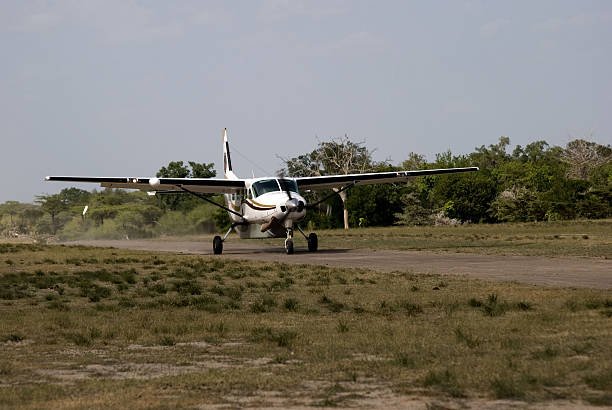
Ikorongo Game Reserve: An Undiscovered Gem For Tanzania Safaris In 2026-2027
Explore Ikorongo Game Reserve, a unique wildlife destination in Tanzania offering authentic safari experiences away from the crowds. Ideal for 2026-2027 adventurers seeking pristine nature...
View package details
Kigosi Game Reserve: Your Ultimate Guide To Tanzanias Untamed Wilderness
Explore Kigosi Game Reserve, a remote and expansive wildlife sanctuary in Tanzania. This guide offers practical advice for planning a 2026-2027 safari, detailing its unique appeal, wildlife...
View package details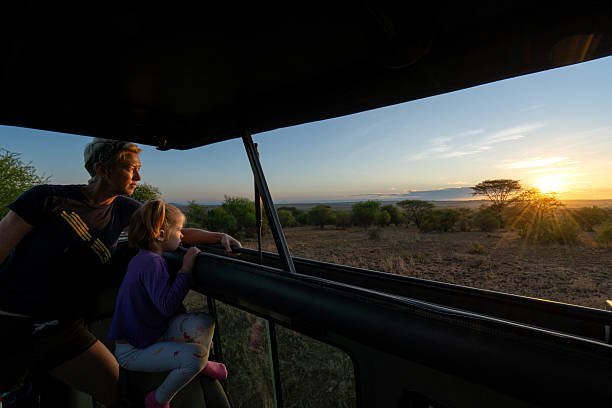
Kijereshi Game Reserve: Your Guide To Tanzanias Untamed Wildlife Haven
Kijereshi Game Reserve offers an authentic Tanzanian safari experience, often overlooked but rich in wildlife. This guide details what to expect, best times to visit, and how to plan your...
View package details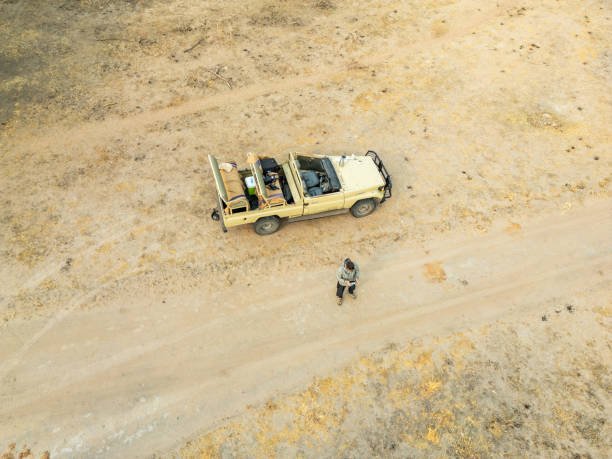
Loliondo Game Controlled Area: A Comprehensive Guide For Safaris 2026-2027
Discover Loliondo Game Controlled Area, a crucial wildlife region bordering the Serengeti, offering unique safari experiences focused on migration, Maasai culture, and conservation. This...
View package details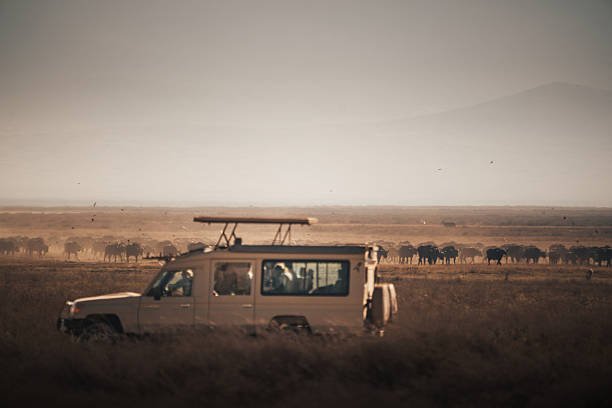
Maswa Game Reserve Tanzania: Your Ultimate Guide For Safaris 2026-2027
Maswa Game Reserve offers an unparalleled, off-the-beaten-path safari experience in Tanzania, known for its exclusivity and exceptional wildlife encounters, particularly lions and wild...
View package details
Maswa Game Reserve: Your Ultimate Guide To Tanzanias Untamed Wilderness
Maswa Game Reserve offers an exclusive safari experience in Tanzania, known for its abundant wildlife, particularly predators, and its unique conservation model. This guide covers...
View package details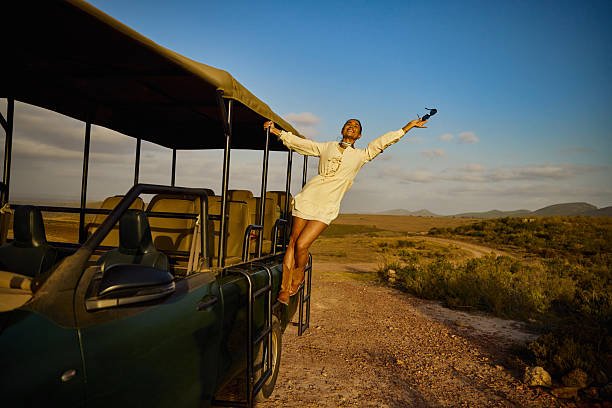
Other Local Tanzania Places: Beyond The Great Migration And Kilimanjaro
While the Serengeti's Great Migration and Mount Kilimanjaro's summit are iconic, Tanzania offers a wealth of other striking destinations. Explore these diverse 'other local Tanzania places'...
View package details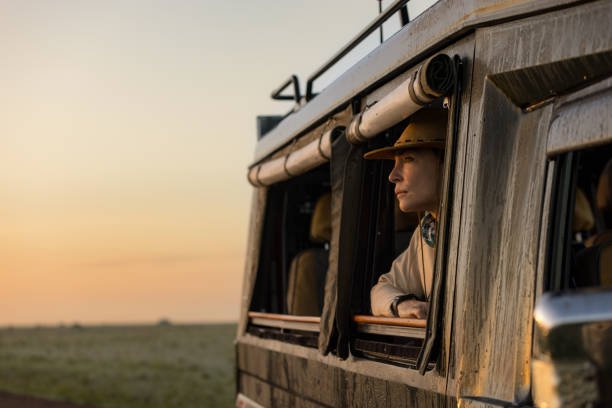
Other Waterfalls & Hot Springs In Tanzania Beyond The Usual Tourist Trail
While safaris and Kilimanjaro dominate Tanzania's travel narrative, the country also boasts spectacular natural wonders like cascading waterfalls and soothing hot springs. This guide...
View package details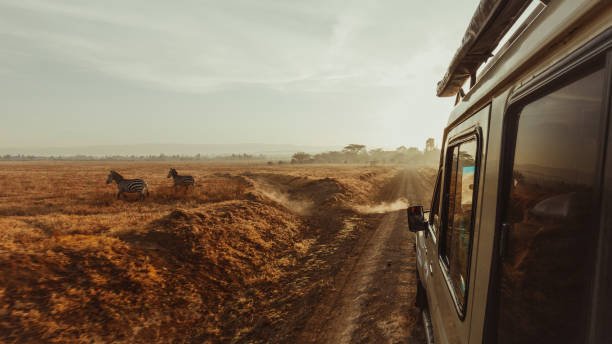
Tanzania Tour Operators & Agencies: Choosing The Right Multilingual Partner
Navigating the world of Tanzanian travel requires a reliable tour operator, especially when language is a consideration. This guide explores how to select a multilingual agency for your...
View package details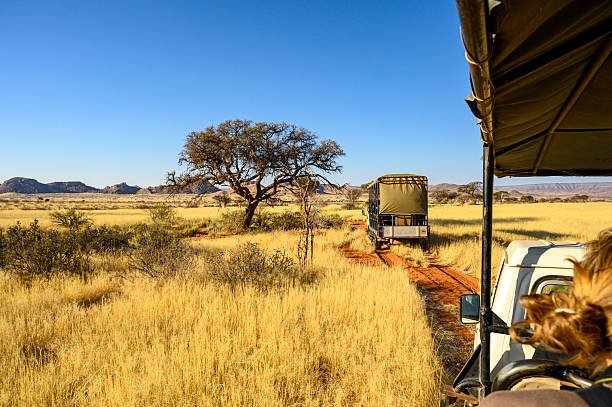
Arusha City Tour: Your Gateway To Northern Tanzanias Wonders 2026-2027
Experience Arusha, the vibrant hub of Northern Tanzania. Our Arusha city tours offer a perfect introduction to local life, culture, and the stunning landscapes that await your adventure.
View package detailsArusha: Your Gateway To Tanzanias Northern Safari Circuit And Kilimanjaro
Arusha serves as Tanzania's vibrant gateway, connecting travelers to the world-renowned Northern Safari Circuit, the majestic Mount Kilimanjaro, and the unique cultural landscapes of the...
View package detailsNo closely related package is available for this topic yet.



