
The best Kilimanjaro price for your 2026-2027 trek typically ranges from $1,800 to $4,500+ per person, depending heavily on the chosen route, climb duration, operator quality, and what is included. Expect to find lower prices for shorter, more basic treks on popular routes, while comprehensive packages on less crowded, longer routes with premium services will command higher rates. For 2026-2027, securing value means balancing cost with safety, quality of guides, equipment, and overall experience.
Understanding the True Cost of a Kilimanjaro Climb: Beyond the Price Tag
When searching for the best Kilimanjaro price, it’s crucial to look beyond the initial number. Climbing Kilimanjaro is a significant undertaking, and the cost reflects a complex interplay of factors that directly impact your safety, comfort, and success rate. Top Guide Adventures is committed to providing transparent pricing that offers exceptional value, ensuring your journey is not only affordable but also safe and memorable. For those planning their climb in 2026 or 2027, understanding these elements is key to making an informed decision and finding a package that suits your budget and expectations.
Many factors contribute to the overall price of a Kilimanjaro climb. These aren’t just arbitrary additions; they are essential components that ensure a well-organized, safe, and enjoyable expedition. Ignoring these can lead to unexpected costs, compromised safety, or a less than satisfactory experience. Let’s break down what goes into the price of reaching the Roof of Africa.
Key Factors Influencing Kilimanjaro Trekking Prices for 2026-2027
The price you pay for your Kilimanjaro adventure is not a one-size-fits-all figure. Several variables significantly shape the final cost. Understanding these will help you compare offers and identify the best Kilimanjaro price that aligns with your needs and budget for 2026-2027.
1. Route Selection: The Foundation of Your Cost
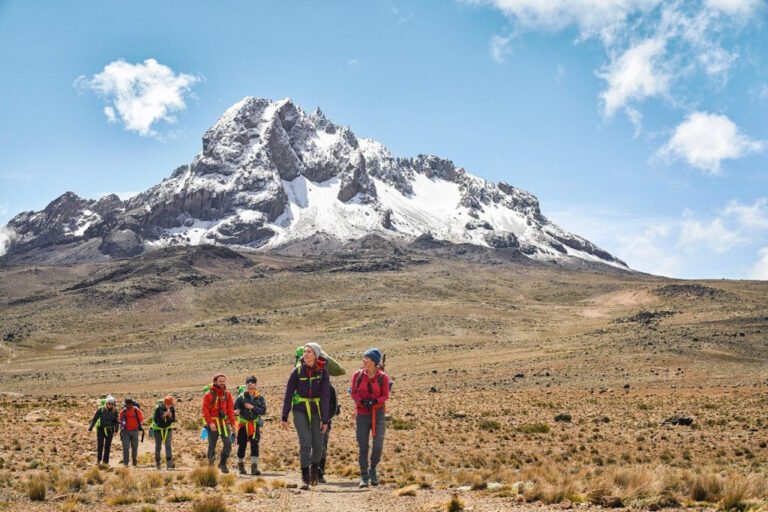
Kilimanjaro offers seven main trekking routes, each with distinct characteristics that affect duration, difficulty, scenery, and, consequently, price. Longer routes generally cost more due to more days on the mountain, requiring more food, porters, guides, and park fees.
- Marangu Route (Coca-Cola Route): Often the most budget-friendly due to its shorter duration (5 days) and unique hut accommodation. However, its lower success rate and less scenic ascent make it less popular for serious trekkers. A 5-day Marangu trek might be one of the lowest-priced options, but it’s important to consider the trade-offs.
- Machame Route (Whiskey Route): Very popular, known for its scenic beauty and good acclimatization profile. It typically takes 6 or 7 days. A 7-day Machame climb offers a much higher success rate and is often considered a good balance between cost and experience. This is a strong contender for a good Kilimanjaro price with excellent value.
- Lemosho Route: A longer, more scenic, and remote route, usually 7-8 days. It offers excellent acclimatization and stunning views, especially in the first few days. While more expensive than Machame, its higher success rate and wilderness experience are highly sought after.
- Shira Route: Similar to Lemosho but starts at a higher altitude. Typically 7-8 days, offering great scenery but can be challenging due to the initial high start.
- Rongai Route: Approaches from the north, offering a different perspective and often drier conditions, especially during rainy seasons. Usually 6-7 days. It can sometimes be slightly more affordable than western routes due to logistics.
- Northern Circuit: The longest route (9-10 days), circumnavigating the mountain. It offers the best acclimatization, highest success rates, and most stunning panoramic views. Naturally, this route commands the highest price due to its duration and comprehensive experience.
- Umbwe Route: The shortest, steepest, and most direct route. It’s very challenging, requires excellent fitness, and has a low success rate. It’s often combined with other routes for descent but rarely climbed as a standalone ascent due to acclimatization issues. While potentially cheaper for a short duration, it’s not recommended for most climbers.
For 2026-2027, consider that booking a 7-day Machame or Lemosho route often represents the best Kilimanjaro price for a balance of affordability, safety, scenery, and success.
2. Duration of the Climb
As mentioned, longer climbs generally cost more. The extra days mean more park fees, more food, and more support crew wages. However, longer durations significantly improve acclimatization and thus your chances of reaching the summit. Climbing Kilimanjaro in 5 days (like the shortest Marangu) is cheaper but risky; 7-8 days is the recommended minimum for most routes to ensure proper acclimatization and a better experience. For 2026-2027, prioritize duration for success over just a lower price.
3. Operator Type: Local vs. International Companies
This is a critical factor in pricing and quality.
- Local Tanzanian Operators: Companies like Top Guide Adventures are often more affordable because they have lower overheads, directly employ local guides and porters, and have established relationships with park authorities. They often provide excellent service and expertise, making them a prime source for the best Kilimanjaro price with high quality.
- International Operators (often reselling local services): These companies may have higher prices due to marketing costs, international staff, and profit margins. They can offer convenience for international travelers but often partner with local operators anyway, adding a layer of cost.
Choosing a reputable local operator for your 2026-2027 climb ensures your money directly supports the local economy and often provides a more authentic experience. Always verify their safety standards, guide training, and porter welfare policies.
4. Inclusions and Exclusions: What Your Price Covers
The most significant difference between various price points often lies in what is included. A cheaper quote might exclude crucial items, leading to unexpected expenses on the ground.
Typically included in a good Kilimanjaro price:
- Park entry fees (National Park, Crater fees if applicable)
- Camping fees or hut accommodation fees
- Rescue fees
- All meals on the mountain (breakfast, lunch, dinner)
- Boiled and purified drinking water
- Professional guides (certified, experienced)
- Assistant guides
- Porters (for carrying group gear and personal bags)
- Group camping equipment (tents, mess tent, toilet tent)
- Porters’ food, accommodation, and wages
- Basic first-aid kit and oxygen (for emergencies)
- Transfer to and from Kilimanjaro National Park gate and Moshi/Arusha
Often excluded and requiring extra budget:
- Flights to and from Kilimanjaro International Airport (JRO)
- Visa fees
- Travel and medical insurance (mandatory)
- Personal climbing gear (boots, clothing, sleeping bag, backpack)
- Tips for guides, porters, and cooks (a significant expense, often budgeted at $250-$400 per climber)
- Lunches and dinners in Moshi/Arusha before and after the climb
- Alcoholic beverages and soft drinks
- Battery charging on the mountain
- Personal items (sunscreen, toiletries, etc.)
- Optional hot showers on the mountain (if available)
- Pre- and post-climb accommodation in hotels
When comparing quotes for 2026-2027, ensure you are comparing apples to apples regarding inclusions. A slightly higher Kilimanjaro price that includes tips or airport transfers might offer better overall value.
5. Group Size and Type (Shared vs. Private)
- Group Climbs (Shared): These are usually the most budget-friendly options. You join a pre-scheduled group departing on specific dates. This spreads the operational costs across more people. Many operators offer shared climbs for popular routes like Machame or Lemosho.
- Private Climbs: You book a climb exclusively for your group (friends, family). This offers more flexibility in dates and pace but comes at a higher per-person cost, especially for smaller groups. The price might be quoted as a total for the group or a higher per-person rate.
For the best Kilimanjaro price, joining a scheduled group climb is often the way to go. However, a private climb might be cost-effective for a larger group and offers a more personalized experience for your 2026-2027 adventure.
6. Quality of Service and Safety Standards
This is where the best Kilimanjaro price truly reveals its value. Cutting corners on safety and service can have dire consequences.
- Guide Qualifications: Experienced, certified guides are crucial for safety, navigation, and acclimatization management.
- Porter Welfare: Reputable companies treat their porters ethically, ensuring fair wages, proper gear, and adequate food. This often translates to a more motivated and reliable support team.
- Equipment Quality: High-quality tents, sleeping bags (often rentable), and cooking equipment enhance comfort and safety.
- Medical Preparedness: Availability of oxygen, comprehensive first-aid kits, and guides trained in high-altitude medicine are non-negotiable.
- Food Quality: Nutritious and well-prepared meals are vital for energy and recovery.
While budget operators might offer a lower price, they may compromise on these critical areas. For 2026-2027, prioritizing safety and ethical operations over the absolute lowest price is paramount.
7. Time of Year (Seasonality)
Kilimanjaro can be climbed year-round, but certain periods offer better weather conditions and are considered peak seasons:
- Peak Seasons: January-March and June-October. These months generally have clearer skies and drier conditions. Prices might be slightly higher during these times due to demand.
- Shoulder Seasons: April-May and November-December. These can be wetter and colder, but often see fewer crowds and potentially lower prices.
For 2026-2027, consider that climbing during peak season might mean a slightly higher Kilimanjaro price but offers the best chance for good weather. Off-season climbs can be cheaper but come with a higher risk of rain or snow.
Average Kilimanjaro Price Ranges for 2026-2027
Based on the factors above, here are general price ranges you can expect for a 2026-2027 Kilimanjaro climb from reputable operators. These are estimates and can vary.
Estimated Kilimanjaro Climb Costs (Per Person)
| Operator Type / Service Level | Typical Duration | Estimated Price Range (USD) | Key Considerations |
|---|---|---|---|
| Budget Local Operator (Basic Inclusions) | 6-7 Days | $1,800 – $2,500 | Focus on essentials; may have fewer inclusions (e.g., tips not included). Verify safety standards. |
| Mid-Range Local Operator (Good Value) | 7-8 Days | $2,500 – $3,500 | Balanced inclusions, good guides, ethical porter treatment, higher success rates. Often the best Kilimanjaro price for quality. |
| Premium/Luxury Operator (Comprehensive Inclusions) | 8-10 Days | $3,500 – $4,500+ | Includes more amenities, higher guide-to-client ratios, potentially better equipment, may include tips, private tours. |
| Budget Shared Group (e.g., Machame 7-Day) | 7 Days | $2,000 – $2,800 | Cost-effective way to join a group; good for solo travelers looking for the best Kilimanjaro price. |
| Private Tour (Smaller Group) | 7-9 Days | $2,800 – $4,000+ (per person) | Flexible dates, personalized pace; cost-effective for groups of 4+. |
Note: These prices are estimates for 2026-2027 and exclude international flights, visas, insurance, personal gear, and tips (unless specified). Always get a detailed quote.
Finding the Best Value: Tips for Securing Your Kilimanjaro Price
It’s not just about finding the cheapest option; it’s about finding the best Kilimanjaro price that offers the most value, safety, and likelihood of success. Here’s how to approach your search for 2026-2027:
- Research Operators Thoroughly: Look for companies with a proven track record, positive reviews (on platforms like TripAdvisor), and clear safety protocols. Check if they are members of professional organizations.
- Compare Inclusions Carefully: As highlighted earlier, scrutinize what is included. Does the price cover park fees, meals, guides, porters, and emergency oxygen? Are tips factored in?
- Prioritize Safety and Porter Welfare: A company that invests in its guides, equipment, and porter welfare is more likely to provide a safer and more ethical climb. This is often reflected in a slightly higher but justified Kilimanjaro price.
- Consider the Duration for Acclimatization: Don’t compromise on climb duration to save money. A longer trek (7-8 days minimum for most routes) significantly increases your chances of reaching the summit safely.
- Read Reviews Critically: Look for detailed reviews that mention guide experience, food quality, equipment, and overall organization.
- Ask for Detailed Itineraries and Quotes: A professional operator will provide a comprehensive itinerary and a clear breakdown of costs. Don’t hesitate to ask questions via email or WhatsApp.
- Be Wary of Extremely Low Prices: If a price seems too good to be true, it likely is. Extremely low quotes often indicate compromises on safety, guide experience, equipment quality, or porter wages.
For your 2026-2027 climb, Top Guide Adventures strives to offer competitive pricing that reflects true value, prioritizing safety, quality, and an unforgettable experience. We are happy to provide detailed quotes tailored to your preferences.
The Role of Park Fees and Government Regulations
A significant portion of your Kilimanjaro climb cost is mandated by the Tanzanian government and Kilimanjaro National Park Authority (KINAPA). These fees are non-negotiable and contribute to the conservation of the park and the infrastructure supporting tourism.
- Park Entrance Fees: These are daily fees charged for every day spent within the park boundaries. For 2026-2027, expect these to be around $70-$80 per person, per day.
- Camping/Hut Fees: Daily fees for using designated campsites or staying in the huts (on the Marangu route). These are typically around $50-$60 per person, per day.
- Crew Fees: Fees are also charged for guides and porters, ensuring they are properly registered and compensated.
- Rescue Fees: A mandatory fee that covers emergency rescue services from the mountain.
These government fees form a substantial baseline for any operator’s pricing. Reputable operators will clearly state that these fees are included in their quoted Kilimanjaro price. Be suspicious of operators who try to circumvent these fees, as it could indicate a lack of legitimacy or commitment to safety regulations.
Understanding Porter Wages and Ethical Trekking
The ethical treatment of porters is a growing concern in Kilimanjaro trekking. A responsible operator pays porters fairly, provides them with adequate food, shelter, and appropriate gear, and ensures they are not overloaded. This ethical approach often means higher operational costs, contributing to a higher Kilimanjaro price compared to exploitative operators.
Organizations like the Kilimanjaro Porters Assistance Project (KPAP) work to ensure fair treatment. When choosing an operator for your 2026-2027 climb, inquire about their porter policies or if they are ‘KPAP-partnered’. While this might increase the price slightly, it ensures your trek contributes positively to the local community and aligns with responsible tourism principles.
Additional Costs to Budget For Your 2026-2027 Climb
Beyond the core trek price, several other expenses should be factored into your overall budget for a 2026-2027 Kilimanjaro adventure:
- Flights: International flights to Kilimanjaro International Airport (JRO) can vary significantly based on origin and booking time.
- Visa: Check visa requirements for Tanzania for your nationality.
- Travel Insurance: Mandatory for all Kilimanjaro climbs. Ensure it covers high-altitude trekking and emergency medical evacuation.
- Personal Gear: While some items can be rented (e.g., sleeping bags, trekking poles), you’ll need to purchase essentials like good hiking boots, waterproofs, and warm layers. Budget around $300-$600 for essential gear if buying new.
- Tips: As mentioned, this is a significant cost, typically ranging from $250 to $400 per climber for a standard 7-8 day climb. Some operators include this in their price, which can simplify budgeting.
- Pre & Post Climb Accommodation: If you plan to spend extra days in Moshi or Arusha, budget for hotel nights.
- Vaccinations & Medications: Consult your doctor for necessary vaccinations and malaria prophylaxis.
- Souvenirs & Personal Expenses: For any purchases or additional drinks/snacks.
Accurately budgeting for these extras is essential to avoid surprises and ensure you have the financial means for a comfortable and complete experience. When seeking the best Kilimanjaro price, remember to calculate the total cost of your trip, not just the trek package.
Kilimanjaro Price vs. Safety and Success: Making the Right Choice
It’s tempting to opt for the absolute cheapest Kilimanjaro package. However, this can be a false economy. The mountain is a serious environment, and safety should be your top priority. Operators offering significantly lower prices may be cutting corners in ways that directly impact your well-being:
- Inadequate Guide Training: Less experienced guides may not be equipped to handle altitude sickness or emergencies effectively.
- Poor Quality Equipment: Inferior tents or sleeping bags can make for a miserable and potentially dangerous experience in harsh conditions.
- Insufficient Support Crew: Fewer porters can mean overloaded staff or inadequate support for carrying medical supplies and emergency oxygen.
- Compromised Food Safety: Unhygienic food preparation can lead to illness, which is particularly dangerous at altitude.
- Lack of Emergency Preparedness: Insufficient oxygen supplies or inadequate first-aid training can be critical in emergencies.
A slightly higher Kilimanjaro price from a reputable operator for your 2026-2027 climb often means investing in peace of mind, a higher probability of reaching the summit, and the assurance that you and the support crew are well cared for.
How Top Guide Adventures Delivers the Best Kilimanjaro Price for 2026-2027
At Top Guide Adventures, we understand the desire for an affordable yet high-quality Kilimanjaro experience. We are a locally owned and operated company, which allows us to offer competitive pricing without compromising on safety, service, or ethical standards. Our commitment is to provide the best Kilimanjaro price by:
- Direct Operations: We manage our own teams of guides and porters, cutting out intermediaries and reducing costs.
- Experienced Local Guides: Our guides are highly trained, experienced, and possess intimate knowledge of Kilimanjaro’s routes and conditions.
- Ethical Porter Treatment: We are committed to fair wages and treatment for our porters, ensuring a positive impact on the local community.
- Quality Equipment: We provide reliable and well-maintained camping gear, ensuring your comfort and safety.
- Comprehensive Packages: Our quotes are designed to be transparent, with most essential inclusions clearly outlined, helping you budget effectively for your 2026-2027 climb.
- Focus on Acclimatization: We recommend and operate longer treks (7-8 days minimum) to maximize your chances of success and enjoyment.
We invite you to contact us directly for a personalized quote. We believe that finding the best Kilimanjaro price should not mean sacrificing quality or safety. Let us help you plan an incredible adventure for 2026 or 2027.
Planning Your 2026-2027 Kilimanjaro Climb: When to Book
Given the popularity of Kilimanjaro, especially for climbs planned for 2026 and 2027, it’s advisable to book well in advance. Peak seasons tend to fill up quickly.
- For Peak Season Climbs (June-October, Jan-March): Book at least 6-9 months in advance.
- For Shoulder/Off-Peak Seasons (April-May, Nov-Dec): Booking 3-6 months in advance might suffice, but earlier is always better for securing preferred dates and operators.
Booking early not only secures your spot but also allows you to take advantage of potential early-bird offers or simply have more time to prepare physically and mentally. This proactive approach helps in securing the best Kilimanjaro price as last-minute bookings can sometimes incur higher costs or limited availability.
Frequently Asked Questions About Kilimanjaro Pricing
Is a 7-day Machame route climb cheaper than an 8-day Lemosho?
Generally, a 7-day Machame climb will be slightly cheaper than an 8-day Lemosho climb. The primary cost difference comes from the extra day’s park fees, food, and crew wages for the Lemosho route. However, the 8-day Lemosho offers superior acclimatization and a higher success rate, making it a worthwhile consideration for many planning their 2026-2027 trek.
What is the average cost of tips for Kilimanjaro guides and porters?
Tipping is a significant part of the overall cost. For a standard 7-8 day climb, budget approximately $250-$400 per person. This is usually divided among the guides, assistant guides, cooks, and porters. Some operators include tips in their package price, which can simplify your budgeting for the best Kilimanjaro price.
Are there hidden costs I should be aware of for a 2026-2027 climb?
The most common ‘hidden’ costs are tips, personal gear purchases, and pre/post-climb accommodation. Ensure your operator clearly states what is and isn’t included. Be wary of operators who don’t mention tips as a separate, necessary expense. Always confirm the final price after all mandatory inclusions.
Can I negotiate the Kilimanjaro price?
While some flexibility might exist, especially for larger private groups or during the off-season, most reputable operators have set pricing structures based on operational costs, park fees, and ethical wages. Trying to negotiate aggressively might lead to operators compromising on safety or service to meet a lower price point. Focus on finding the best Kilimanjaro price that reflects genuine value and quality.
How much extra should I budget for gear rental?
Gear rental costs can vary. Expect to pay roughly $20-$40 per day for items like a good quality down jacket or sleeping bag. Trekking poles might be $5-$10 per day. Renting essential items can save you significant upfront costs if you don’t plan to use them again. Factor this into your overall budget for your 2026-2027 expedition.
Conclusion: Securing Your Kilimanjaro Adventure in 2026-2027
Finding the best Kilimanjaro price involves a careful balance of cost, quality, safety, and experience. While budget options exist, investing in a reputable operator ensures your climb is not only more likely to be successful but also safer and more ethical. For your planned adventure in 2026 or 2027, consider the route, duration, inclusions, and operator’s commitment to safety and porter welfare.
Top Guide Adventures is dedicated to providing exceptional value and a world-class trekking experience on Kilimanjaro. We believe in transparent pricing and clear communication, ensuring you know exactly what to expect. We encourage you to reach out to us for a personalized quote and to discuss how we can tailor your Kilimanjaro climb to meet your aspirations and budget.
Ready to plan your 2026-2027 Kilimanjaro climb? Get in touch with our expert team today! You can reach us via WhatsApp at +255616946642, email at topguideadventures@gmail.com, or our backup email info@topguideadventurestanzania.com. Let’s make your dream of summiting Kilimanjaro a reality with the best Kilimanjaro price and unparalleled service.
Check Availability for Best Kilimanjaro Price: Understanding Trekking Costs In 2026-2027
Ready to compare dates, prices, and the best option for your group? Send the package name and travel month so the team can reply with a clear quote, availability, and what is included.
Best Kilimanjaro Prices 2026-2027
Best kilimanjaro prices is explained with current 2026-2027 planning, price, itinerary and booking information.
View package details
Best Climb Kilimanjaro Price: Guide To Costs And Value 2026-2027
Discover the best Kilimanjaro climb price for your 2026-2027 adventure. This comprehensive guide breaks down the costs, factors affecting them, and how to find excellent value for your trek...
View package detailsBest Climb Kilimanjaro Prices For : Your Ultimate Guide To Costs And Value
Discover the best prices for climbing Kilimanjaro in 2026-2027. This comprehensive guide breaks down the costs, what's included, and how to find the best value for your unforgettable...
View package details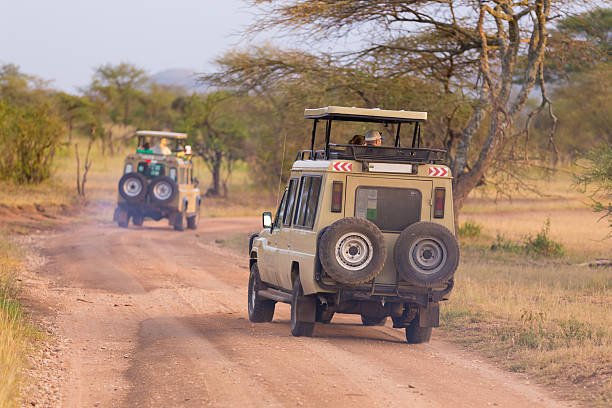
Best Kilimanjaro Hike Price: Your Complete Cost Guide 2026-2027
Understanding the best Kilimanjaro hike price involves more than just the bottom line. This guide breaks down costs for 2026-2027, detailing what influences pricing, essential inclusions...
View package details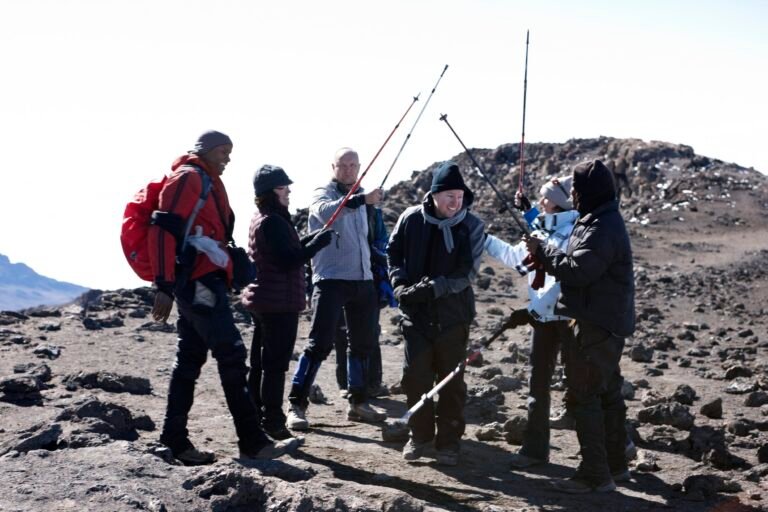
Kilimanjaro Group Joining Tours: Dates, Routes, And Prices For 2026-2027
Discover Kilimanjaro group joining tours, including key dates, popular routes like Machame and Lemosho, and detailed pricing for 2026-2027. This guide helps you choose the best option for...
View package details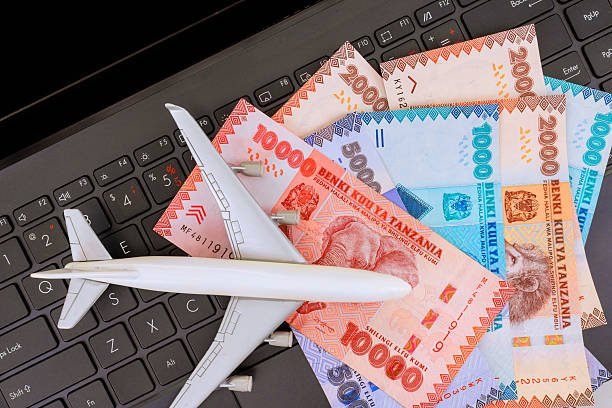
Kilimanjaro Price To Climb: What To Expect For Trips 2026-2027
Understanding the Kilimanjaro price to climb is crucial for planning your adventure. Costs vary significantly based on route, duration, company, and inclusions. This guide breaks down what...
View package details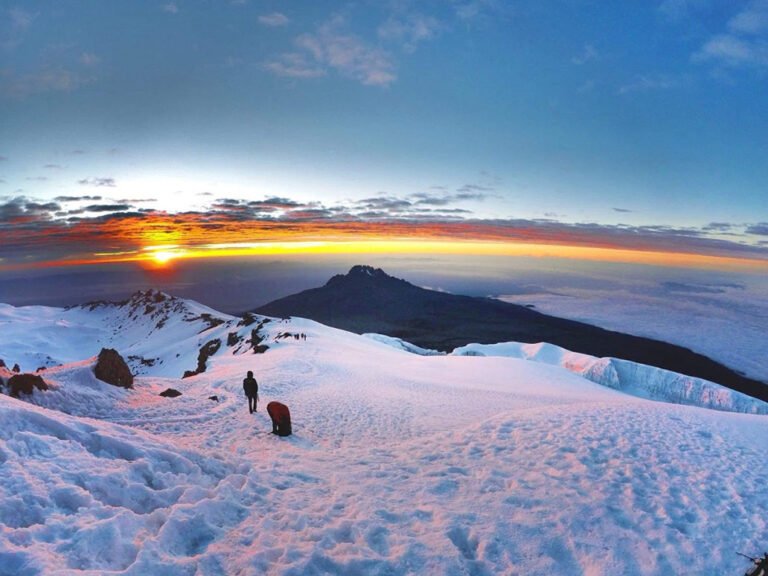
6-Day Kilimanjaro Climbing Tours: Best Routes & Planning Guide 2026-2027
Plan your 6-day Kilimanjaro climb with this detailed guide covering routes, costs, preparation, and why Top Guide Adventures is a trusted operator for this life-changing trek.
View package details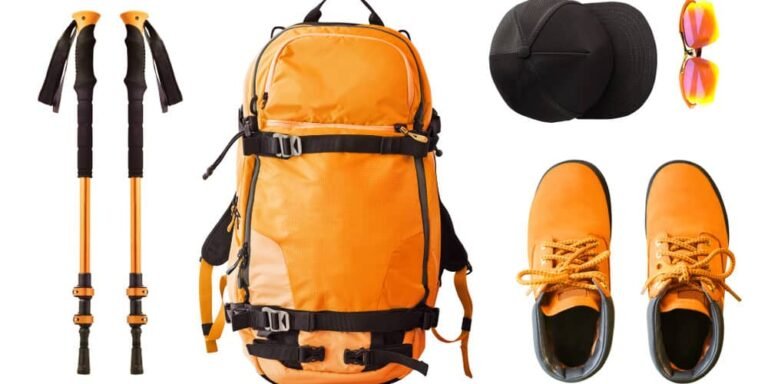
A Day In The Life Of A Kilimanjaro Guide: Behind Scenes On Africas Highest
Explore the daily realities and responsibilities of a Kilimanjaro guide, a crucial role demanding expertise, resilience, and deep care for trekkers.
View package details
Best Kilimanjaro Arusha Tours & Climb Preparations In 2026-2027
Your ultimate guide to the best Kilimanjaro tours departing from Arusha, Tanzania. We cover everything from route selection and essential preparation to finding trusted tour operators for...
View package details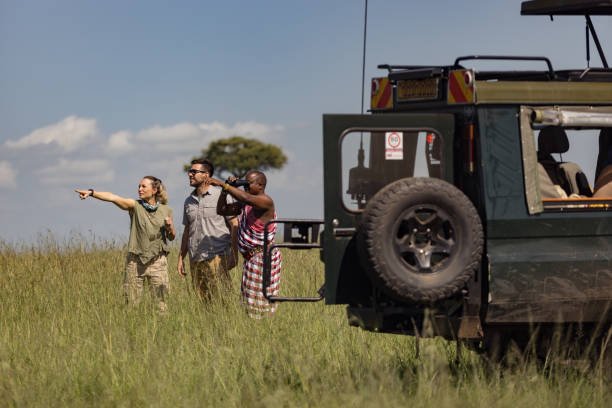
Best Kilimanjaro Beklimmen Paklijst: Your Essential Gear Guide For 2026-2027
Prepare for your Kilimanjaro adventure with the ultimate packing list (paklijst). Discover essential gear, clothing, and accessories recommended by Top Guide Adventures for a safe and...
View package detailsBest Kilimanjaro Day Hikes: Views Without The Summit Climb 2026-2027
Kilimanjaro day hikes offer incredible scenery and cultural experiences without the commitment of a full summit climb. Explore the best options near Marangu and Materuni for unforgettable...
View package detailsBest Kilimanjaro Group Climbs For : Your Ultimate Guide 2026-2027
Discover the top Kilimanjaro group climbs for 2026-2027, focusing on routes, best times to go, what to expect, and how to choose the right operator for a successful and memorable ascent of...
View package detailsNo closely related package is available for this topic yet.



