
The best Kilimanjaro prices for 2026-2027 treks typically range from $1,800 to $4,000 per person for standard packages, with variations depending on the route, duration, company, and level of service. Expect to pay more for longer routes, private climbs, and operators offering higher comfort levels or more comprehensive inclusions. Shorter routes like Marangu or Machame over 6-7 days will generally be at the lower end, while longer, more scenic routes like Lemosho or Northern Circuit over 8-9 days will command higher prices.
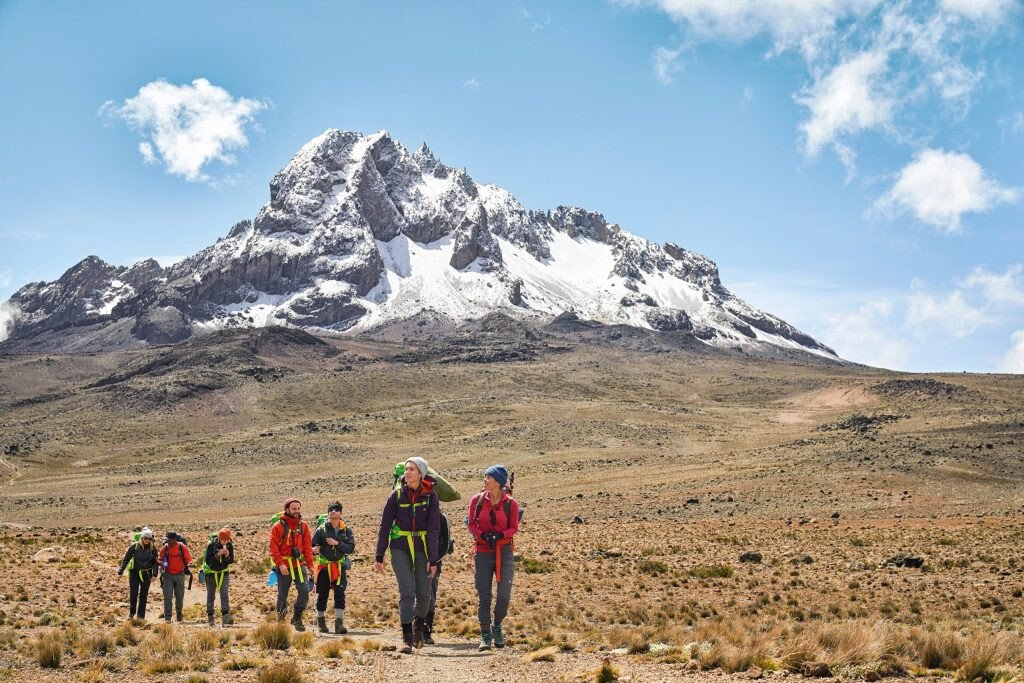
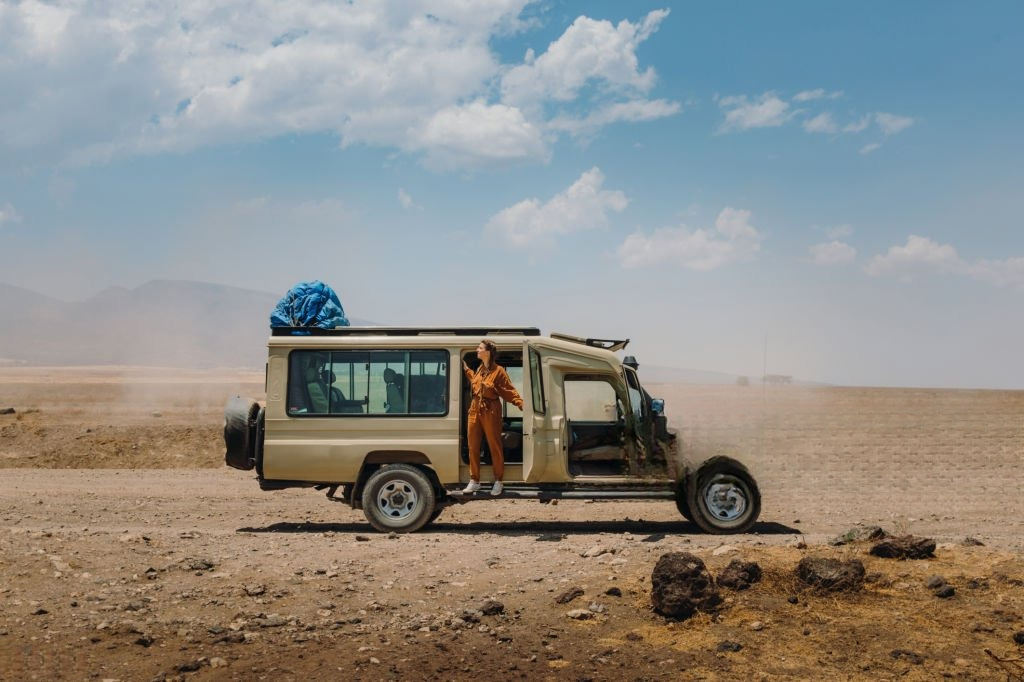
Understanding Kilimanjaro Prices: What You’re Really Paying For
Climbing Mount Kilimanjaro is a significant undertaking, and the price tag reflects a complex web of operational costs, safety measures, and the overall experience. When searching for the best Kilimanjaro prices, it’s crucial to look beyond the headline figure and understand what contributes to the total cost. Top Guide Adventures is committed to transparency, ensuring you know exactly what your investment covers. As you plan for 2026 or 2027, this deep dive will help you make an informed decision.
Several key components make up the cost of a Kilimanjaro climb:
- Park Fees: These are non-negotiable government fees charged by Kilimanjaro National Park for entry, camping, rescue, and conservation. They form a substantial portion of the overall price.
- Staff Wages: Highly skilled guides, assistant guides, cooks, and porters are essential for a safe and successful climb. Fair wages and good working conditions are paramount.
- Equipment and Logistics: This includes high-quality tents, sleeping mats, cooking gear, food supplies, oxygen cylinders (for emergencies), and transportation to and from the mountain.
- Accommodation: Pre- and post-climb accommodation in Moshi or Arusha, often in comfortable hotels, is usually included.
- Safety Measures: Comprehensive first-aid kits, emergency oxygen, communication devices, and trained guides contribute to your safety.
- Company Overhead: This covers marketing, administration, customer support, insurance, and ensuring the company operates ethically and sustainably.
Kilimanjaro Route Pricing: How Route Choice Affects Cost
The route you choose significantly impacts the best Kilimanjaro prices you’ll find. Different routes vary in length, difficulty, scenery, and acclimatization profiles, all of which influence operational costs and, therefore, pricing. Longer routes generally mean more days of park fees, more food, and higher staff costs.
Here’s a breakdown of common routes and their typical price implications:
Popular Kilimanjaro Routes and Price Considerations (Estimated for 2026-2027)
| Route | Typical Duration (Days) | Price Range (USD per person) | Key Price Factors |
|---|---|---|---|
| Marangu | 5-6 | $1,700 – $2,800 | Shortest, hut accommodation, faster ascent profile can be challenging for acclimatization. |
| Machame | 6-7 | $1,800 – $3,200 | Popular, scenic, camping, good acclimatization profile (especially 7-day). |
| Lemosho | 7-8 | $2,000 – $3,800 | Very scenic, excellent acclimatization, camping, often considered a top choice for success rates. |
| Shira | 7-8 | $2,100 – $3,900 | Similar to Lemosho but starts at a higher altitude, camping. |
| Rongai | 6-7 | $1,900 – $3,100 | Starts from the north, drier side, good for avoiding crowds, camping. |
| Northern Circuit | 9-10 | $2,500 – $4,500+ | Longest, highest success rate due to slow acclimatization, most scenic, camping. |
| Umbwe | 6-7 | $1,800 – $3,000 | Steepest, most challenging, requires excellent fitness, camping. |
Note: Prices are estimates for 2026-2027 and can vary significantly between operators. Always check detailed itineraries and inclusions.
Key Takeaway: Longer routes like the Northern Circuit offer better acclimatization and higher success rates, but come with higher Kilimanjaro prices due to the extended duration and increased logistical needs.
Comparing Tour Operators: Finding the Best Value for Kilimanjaro Prices
The tour operator you choose is perhaps the most significant factor influencing Kilimanjaro prices. The market includes everything from budget operators cutting corners to premium companies offering a high level of service and support. Top Guide Adventures positions itself as a provider of excellent value, balancing competitive pricing with uncompromising safety and quality.
When comparing operators for the best Kilimanjaro prices, consider these points:
- Inclusions: What exactly is included? Does it cover meals, accommodation before/after, park fees, rescue fees, oxygen, bottled water, and transfers? Some cheaper packages might exclude critical items, leading to unexpected costs.
- Staff Ratios: A higher guide-to-client ratio (e.g., 1:6 or better for assistant guides) generally means better safety and support. Larger teams can increase costs but improve the experience.
- Safety Standards: Do they carry emergency oxygen, pulse oximeters, and have a clear emergency evacuation plan? Reputable operators invest heavily in safety.
- Porter Welfare: Ethical treatment and fair wages for porters are crucial. Check if the company adheres to porter protection policies.
- Group Size: Smaller groups often mean more personalized attention but can sometimes be more expensive. Shared or group climbs offer lower Kilimanjaro prices per person.
- Reviews and Reputation: Look for independent reviews on platforms like TripAdvisor to gauge customer satisfaction and reliability.
Top Guide Adventures’ Commitment to Value
At Top Guide Adventures, we believe you shouldn’t have to compromise on safety or quality to get competitive Kilimanjaro prices. Our packages are designed to offer exceptional value for 2026-2027 climbs, with clear inclusions, excellent guide-to-porter ratios, robust safety protocols, and comfortable pre/post-climb accommodation. We focus on providing a memorable and successful climb without hidden fees.
The Impact of Seasonality on Kilimanjaro Prices
While Kilimanjaro can be climbed year-round, certain periods are considered peak seasons due to more favorable weather conditions. These typically coincide with the dry seasons:
- January to March
- June to October
During these peak months, demand is higher, which can sometimes lead to slightly higher Kilimanjaro prices from some operators, or simply mean that availability is more limited. Conversely, the wet seasons (April-May and November-December) might offer slightly lower prices or more flexibility, but climbers need to be prepared for potentially challenging weather, including rain and mud.
For 2026-2027, planning your climb during the shoulder seasons (e.g., early June or late October) might offer a good balance of decent weather and potentially more competitive pricing.
Private vs. Group Climbs: A Cost Comparison
A major decision affecting Kilimanjaro prices is whether to opt for a private climb or join a group climb. Each has its advantages:
- Private Climbs: Offer flexibility in scheduling, a personalized pace, and dedicated guide attention. However, they come with a higher price tag because you bear the full cost of the crew and logistics, regardless of your group size (often priced per group, not per person).
- Group Climbs: These are ideal for solo travelers or those looking for the best Kilimanjaro prices. Costs are shared among participants, making them significantly more affordable. Top Guide Adventures regularly organizes group departures on popular routes like Machame and Lemosho, providing a great opportunity to climb with like-minded adventurers.
If your primary goal is the most budget-friendly option for 2026-2027, joining a scheduled group climb is the way to go. For those prioritizing exclusivity and flexibility, a private climb is the better choice, though it represents a higher investment.
Choosing Between Private and Group Climbs
- Budget is key? -> Group Climb
- Want maximum flexibility? -> Private Climb
- Solo traveler looking to save? -> Group Climb
- Traveling with a family or friends group? -> Private Climb (can be cost-effective per person if your group is large enough)
- Need a specific start date? -> Private Climb
Understanding What’s Included in Kilimanjaro Prices
The adage “you get what you pay for” is particularly true when it comes to Kilimanjaro climbs. A detailed look at inclusions is essential to compare best Kilimanjaro prices effectively and avoid hidden costs.
Standard Inclusions with Top Guide Adventures typically include:
- Pre- and Post-Climb Accommodation: Usually 1-2 nights in a comfortable hotel in Moshi or Arusha.
- All Park Fees: Entry, camping/hut, crater, rescue, and conservation fees.
- Qualified Guides: Experienced, certified guides and assistant guides.
- Support Crew: Cooks and porters to carry gear and set up camp.
- Meals: All meals on the mountain (breakfast, lunch, dinner) prepared by your cook.
- Drinking Water: Boiled and cooled water provided daily on the mountain.
- Camping Equipment: High-quality tents (sleeping tent, mess tent, toilet tent), sleeping mats.
- Safety Equipment: Emergency oxygen cylinders, pulse oximeters, comprehensive first-aid kits.
- Transportation: Transfers from Kilimanjaro International Airport (JRO) to your hotel and from Moshi/Arusha to the mountain gate and back.
- Porterage: Porters carry all group gear, including tents, food, and cooking equipment. Personal duffel bags are also carried by porters (with weight limits).
Common Exclusions to Watch For:
- Tips for Crew: A significant portion of the cost for guides and porters is often paid via tips. Budget around $250-$350 per climber.
- Personal Gear: Sleeping bag, hiking poles, warm clothing, etc. These can be rented.
- Travel Insurance: Mandatory for all climbers.
- Lunches/Dinners in Town: Your hotel stay might include breakfast, but lunches and dinners in Moshi/Arusha are often extra.
- Visas and Flights: International flights to Tanzania and visa fees are not included.
- Gratuities for hotel staff
- Personal expenses
- Optional expenses like alcoholic beverages, laundry etc.
Understanding these details is key to finding the best Kilimanjaro prices that truly represent value and avoid surprises during your 2026-2027 adventure.
Tips for Securing the Best Kilimanjaro Prices in 2026-2027
Securing the best Kilimanjaro prices requires a combination of smart planning and choosing the right operator. Here are actionable tips:
- Book in Advance: Especially for 2026-2027, booking at least 6-12 months ahead can help secure your preferred dates and potentially better pricing, particularly for group departures.
- Travel Off-Peak: Consider climbing during the shoulder seasons (April-May, November) if weather permits your comfort level. Prices might be slightly lower, and crowds thinner.
- Join a Group Climb: As mentioned, this is the most effective way to reduce per-person costs. Check for scheduled group departures on the Top Guide Adventures website for 2026 and 2027.
- Compare Inclusions Carefully: Don’t just compare the sticker price. A slightly higher quote might be better value if it includes more essential items like rescue fees or better quality food.
- Look for Established Operators: While budget options exist, extremely low Kilimanjaro prices can be a red flag. Reputable companies invest in safety, staff welfare, and quality equipment, which are non-negotiable for a successful climb.
- Ask Questions: Don’t hesitate to contact operators like Top Guide Adventures with specific questions about their pricing structure, inclusions, and safety protocols.
- Consider Package Deals: Sometimes, booking a Kilimanjaro climb combined with a safari or Zanzibar trip can offer bundled savings.
Pro Tip for 2026-2027 Bookings
Early booking discounts are sometimes available for 2026-2027 Kilimanjaro climbs booked well in advance. Contact us at Top Guide Adventures to inquire about potential early bird offers or flexible payment plans.
Factors That Can Increase Kilimanjaro Prices
While aiming for the best Kilimanjaro prices, be aware of factors that can push costs up:
- Private Charters: Booking an entire climb for just your group, regardless of size, will always be more expensive than joining a shared departure.
- Luxury Services: Some operators offer premium services like private toilet tents, more comfortable sleeping tents, or gourmet meals, which command higher prices.
- Shorter Acclimatization Routes: While seemingly cheaper due to fewer days, routes like the 5-day Marangu have lower success rates, potentially leading to higher overall costs if you need to re-climb or incur medical expenses. Investing in longer routes often proves more economical in the long run due to higher success rates.
- Last-Minute Bookings: If you decide to climb Kilimanjaro spontaneously in 2026 or 2027, expect premium pricing due to rush logistics.
- Unusually High Park Fees: While park fees are set by the government, operators may add a margin. Always ensure park fees are clearly itemized.
Understanding the Role of Park Fees in Kilimanjaro Prices
Kilimanjaro National Park fees are a significant and unavoidable component of any Kilimanjaro price. These fees are crucial for park maintenance, conservation efforts, and ranger salaries. They are regulated by the Tanzania National Parks Authority (TANAPA).
Typical fees include:
- Park Entrance Fee: Charged per person, per day.
- Camping Fee: Charged per person, per night, for camping routes.
- Hut Fee: Charged per person, per night, for Marangu route climbers staying in huts.
- Rescue Fee: A mandatory fee that covers emergency rescue services.
- Crater Rim Fee: A one-time fee for reaching the crater rim (Stella Point or Gilman’s Point).
For 2026-2027, these fees are subject to change, but they generally constitute 30-50% of the total tour cost. Reputable operators will clearly state these fees in their quotes or inclusions list. Always confirm that the quoted Kilimanjaro prices include all mandatory park and rescue fees.
Kilimanjaro Staff Wages and Ethical Trekking
The best Kilimanjaro prices should also reflect ethical treatment of the mountain crew. At Top Guide Adventures, we are committed to fair wages and working conditions for our guides, cooks, and porters. This commitment means our prices might be slightly higher than those of operators who exploit their staff, but it ensures a responsible and sustainable climbing experience.
Fair wages and good treatment lead to a more motivated and professional crew, which directly impacts your safety and enjoyment on the mountain. Porters are vital, carrying the bulk of the equipment, and their well-being is a priority. When comparing prices for 2026-2027, consider the operator’s reputation for ethical trekking practices.
What to Budget for Additional Costs
Beyond the quoted Kilimanjaro prices, there are essential additional costs to budget for your 2026-2027 trek:
- Tips for the Crew: This is a significant and expected expense. A general guideline is:
- Lead Guide: $20-25 per day
- Assistant Guide: $15-20 per day
- Cook: $12-15 per day
- Porter: $8-10 per day
- Personal Gear: While you don’t need expedition-level gear, essentials like a warm sleeping bag, waterproof outer layers, sturdy hiking boots, and thermal base layers are crucial. You can rent some items like sleeping bags and poles in Moshi.
- Travel Insurance: Ensure your policy covers high-altitude trekking and emergency medical evacuation. Expect to pay $100-$200 depending on your coverage.
- Flights and Visa: International airfare to Kilimanjaro International Airport (JRO) and Tanzanian visa fees vary greatly.
- Pre/Post-Climb Expenses: Meals and drinks in town, souvenirs, and any optional activities.
- Vaccinations and Medications: Consult your doctor well in advance.
For a 7-day climb, this could total around $250 to $350 per climber. Some operators provide a tipping guideline; always ask.
Factoring in these additional costs will give you a more realistic total budget for your Kilimanjaro adventure in 2026 or 2027.
Kilimanjaro Price Myths Debunked
There are many misconceptions surrounding Kilimanjaro prices. Let’s address a few:
- Myth: The cheapest option is always the best.
Reality: Extremely low prices often signal compromised safety, poor equipment, inadequate food, or exploitation of staff. The best Kilimanjaro prices offer good value, not just the lowest cost. - Myth: All operators offer the same service.
Reality: Service levels vary dramatically. From the quality of food and tents to guide experience and safety protocols, there are significant differences. - Myth: Park fees are negotiable.
Reality: Park fees are set by the government and are non-negotiable. Reputable operators include them transparently in their pricing. - Myth: Longer routes are always more expensive.
Reality: While longer routes have more days of park fees and staff costs, their significantly higher success rates can make them more cost-effective overall by avoiding the need for repeat climbs or costly rescue/medical interventions.
Booking Your Kilimanjaro Climb for 2026-2027 with Confidence
When you’re ready to book your Kilimanjaro climb for 2026 or 2027, choose a partner that offers transparency, safety, and excellent value. Top Guide Adventures is dedicated to providing a world-class experience at competitive Kilimanjaro prices. We pride ourselves on our experienced guides, commitment to staff welfare, and robust safety measures.
Our team is available to answer all your questions and help you select the best route and package for your needs. We understand that planning a major expedition like climbing Kilimanjaro is a significant decision, and we are here to support you every step of the way.
Don’t hesitate to reach out to us for a personalized quote or to discuss our 2026-2027 group departure dates. Finding the best Kilimanjaro prices that align with your budget and expectations is our priority. Let us help you achieve your dream of standing on the Roof of Africa.
For inquiries or to start planning your unforgettable Kilimanjaro adventure, contact Top Guide Adventures:
- WhatsApp: +255616946642
- Email: topguideadventures@gmail.com
- Backup Email: info@topguideadventurestanzania.com
Visit our website Top Guide Adventures Tanzania for more information on our tours and services.
“,
“faq_schema”: [
{
“question”: “What is the average price range for climbing Kilimanjaro in 2026-2027?”,
“answer”: “The average price range for climbing Kilimanjaro in 2026-2027 is typically between $1,800 and $4,000 per person. This cost varies based on the route chosen, trek duration, operator, and the level of service and inclusions provided. Shorter, less scenic routes or basic packages will be at the lower end, while longer, more scenic routes with higher success rates and premium services will be at the higher end.”
},
{
“question”: “What factors influence Kilimanjaro climb prices?”,
“answer”: “Key factors influencing Kilimanjaro prices include mandatory park fees (entry, camping, rescue), staff wages (guides, porters, cooks), duration of the trek, chosen route, type of accommodation (huts vs. camping), quality of equipment, food provisions, safety measures (like oxygen), company overhead, and whether you choose a private or group climb. The season can also play a minor role.”
},
{
“question”: “Are Kilimanjaro park fees included in the quoted prices?”,
“answer”: “Reputable tour operators, including Top Guide Adventures, should include all mandatory Kilimanjaro National Park fees (park entrance, camping/hut fees, rescue fees) in their quoted prices. It’s crucial to verify this when comparing different operators to avoid unexpected costs. These fees are a significant portion of the total cost.”
},
{
“question”: “How can I find the best Kilimanjaro prices for 2026-2027?”,
“answer”: “To find the best Kilimanjaro prices for 2026-2027, book in advance, consider joining a group climb instead of a private one, compare inclusions carefully (don’t just look at the headline price), travel during the shoulder seasons if possible, and choose a reputable operator that offers good value for money without compromising safety or staff welfare. Booking with experienced companies like Top Guide Adventures ensures transparency and quality.”
},
{
“question”: “What additional costs should I budget for besides the tour price?”,
“answer”: “Besides the tour price, you should budget for tipping the mountain crew (around $250-$350 per climber), travel insurance (essential, covering high-altitude evacuation), personal gear (or rental costs), visa fees, international flights to Tanzania, and personal expenses like meals and drinks in town, souvenirs, and optional activities.”
},
{
“question”: “Is a longer route more expensive overall, even if it has more days?”,
“answer”: “While longer routes naturally have more daily park fees and staff costs, they often offer better acclimatization and significantly higher success rates. This can make them more cost-effective overall by reducing the risk of altitude sickness, failed summit attempts, or the need for costly rescues, ultimately providing better value for your investment in a successful climb.”
}
]
}
“`
Check Availability for Best Kilimanjaro Prices 2026-2027
Ready to compare dates, prices, and the best option for your group? Send the package name and travel month so the team can reply with a clear quote, availability, and what is included.
Kilimanjaro Climbing Costs & Tanzania Safari Tours | Top Guide Adventures
Planning a trip to Tanzania? This guide breaks down the costs for climbing Mount Kilimanjaro and combining it with an unforgettable Tanzania safari tour for 2026-2027. Learn about pricing...
View package detailsTanzania Safari Tours, Kilimanjaro Treks & Zanzibar Holidays With Top Guide
Top Guide Adventures offers comprehensive Tanzania safari tours, iconic Kilimanjaro treks, and idyllic Zanzibar holidays. Discover the best of East Africa with personalized itineraries...
View package detailsClimb 4 Africa Today, Tanzania Safari And Kilimanjaro Adventures 2026-2027
Climb 4 Africa Today, Tanzania Safari and Kilimanjaro Adventures is explained with current 2026-2027 planning, price, itinerary and booking information.
View package detailsDiscount Tanzania Treks And Affordable Safari Packages In 2026-2027
Discover how to plan discount Tanzania treks and affordable safari packages for your 2026-2027 adventure. This comprehensive guide covers budget-friendly options for iconic destinations...
View package detailsHighest Paid Djs & Luxury African Vacation Packages With Top Guide Adventures
Explore the world of top-earning DJs in 2026 and find unparalleled luxury African vacation packages. Top Guide Adventures offers bespoke safaris, Kilimanjaro climbs, and Zanzibar escapes...
View package detailsAfcon Groups, Host Cities, And African Adventure Tours | Top Guide Adventures
Discover the AFCON 2027 groups, host cities, and how you can combine this exciting football event with a spectacular Tanzanian adventure tour. Top Guide Adventures offers tailored safaris...
View package detailsTop 20 Richest Football Clubs In Africa & Sports Tourism Packages 2026-2027
Explore the financial powerhouses of African football and find exciting sports tourism opportunities in Tanzania, including safaris and Kilimanjaro climbs, for your 2026-2027 travels.
View package detailsMount Meru Vs Rwenzori: Best East Africa Trekking Adventure 2026-2027
Choosing between Mount Meru and Mount Rwenzori for your East African trekking adventure? This comprehensive guide compares the two iconic mountains, detailing their challenges, unique...
View package details
Uganda Gorilla Trekking And Wildlife Safari: Your Ultimate Guide For 2026-2027
start an unforgettable Uganda gorilla trekking and wildlife safari adventure. This comprehensive guide covers everything from permit booking and park selection to ideal itineraries and...
View package detailsNo related package matches those filters. Clear one or more filters to see the other topic-matched options.



