
The Height of Kilimanjaro Is 5,895 meters (19,341 feet) above sea level, making it the highest mountain in Africa and the highest free-standing mountain in the world. This impressive elevation is reached at its summit, Uhuru Peak on the Shira Plateau, a goal for thousands of trekkers annually. Planning your climb for 2026 or 2027 requires understanding this significant altitude and its effects.
Understanding Kilimanjaro’s Altitude: More Than Just Height
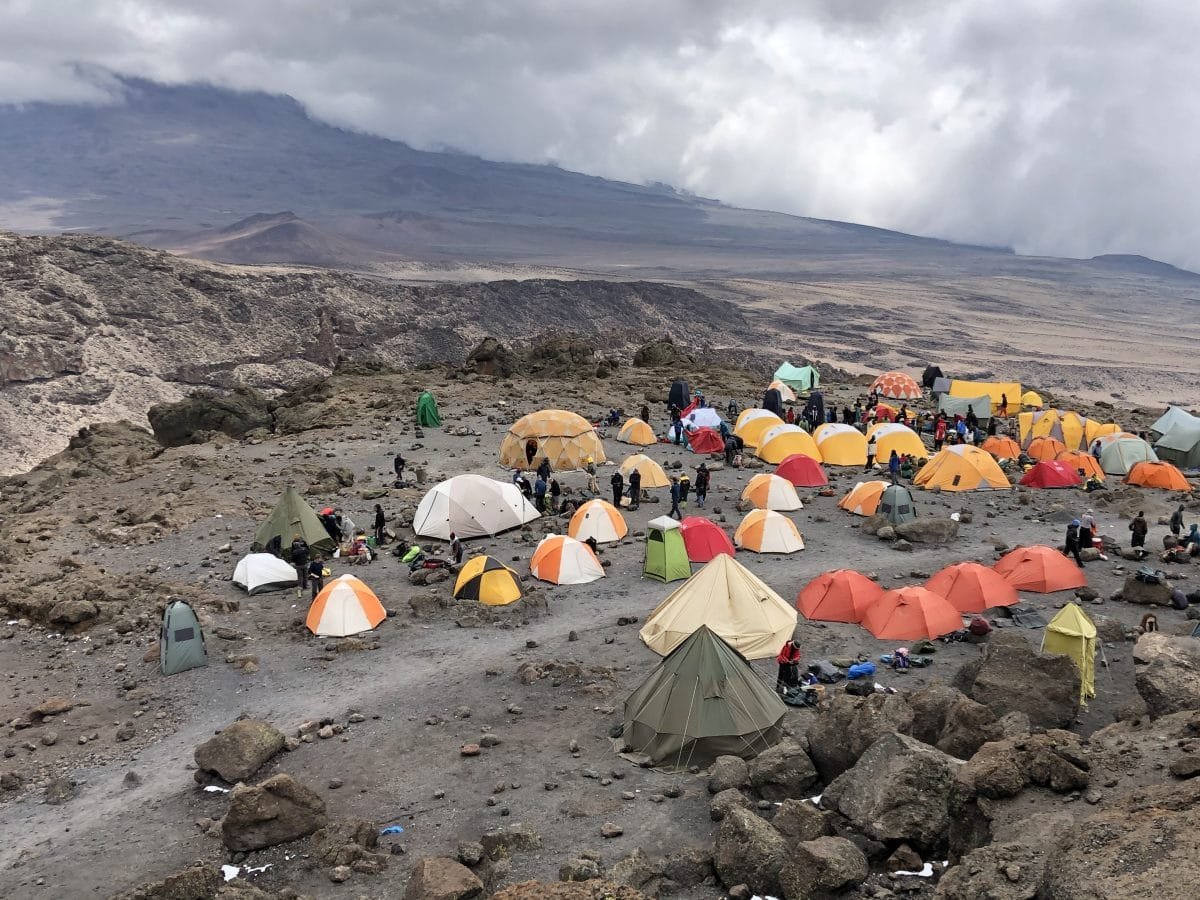
When we talk about the Hauteur Kilimanjaro, we’re referring to a summit that presents a significant challenge primarily due to its altitude. At 5,895 meters, Uhuru Peak is well into the zone where the air pressure is substantially lower, and the oxygen concentration is reduced by about half compared to sea level. This is the main factor that influences a climber’s physical response and the success rate of reaching the top.
It’s crucial to differentiate between Kilimanjaro’s peak elevation and the starting points of the various trekking routes. While the summit is at 5,895m, trekkers typically begin their ascents from altitudes around 1,800m to 2,300m. The journey upward is a gradual acclimatization process, which is why choosing the right route and allowing adequate time is paramount for a safe and successful climb. The body needs time to adapt to the decreasing oxygen levels, and rushing this process is the leading cause of altitude sickness.
The Summit: Uhuru Peak, Kibo Crater
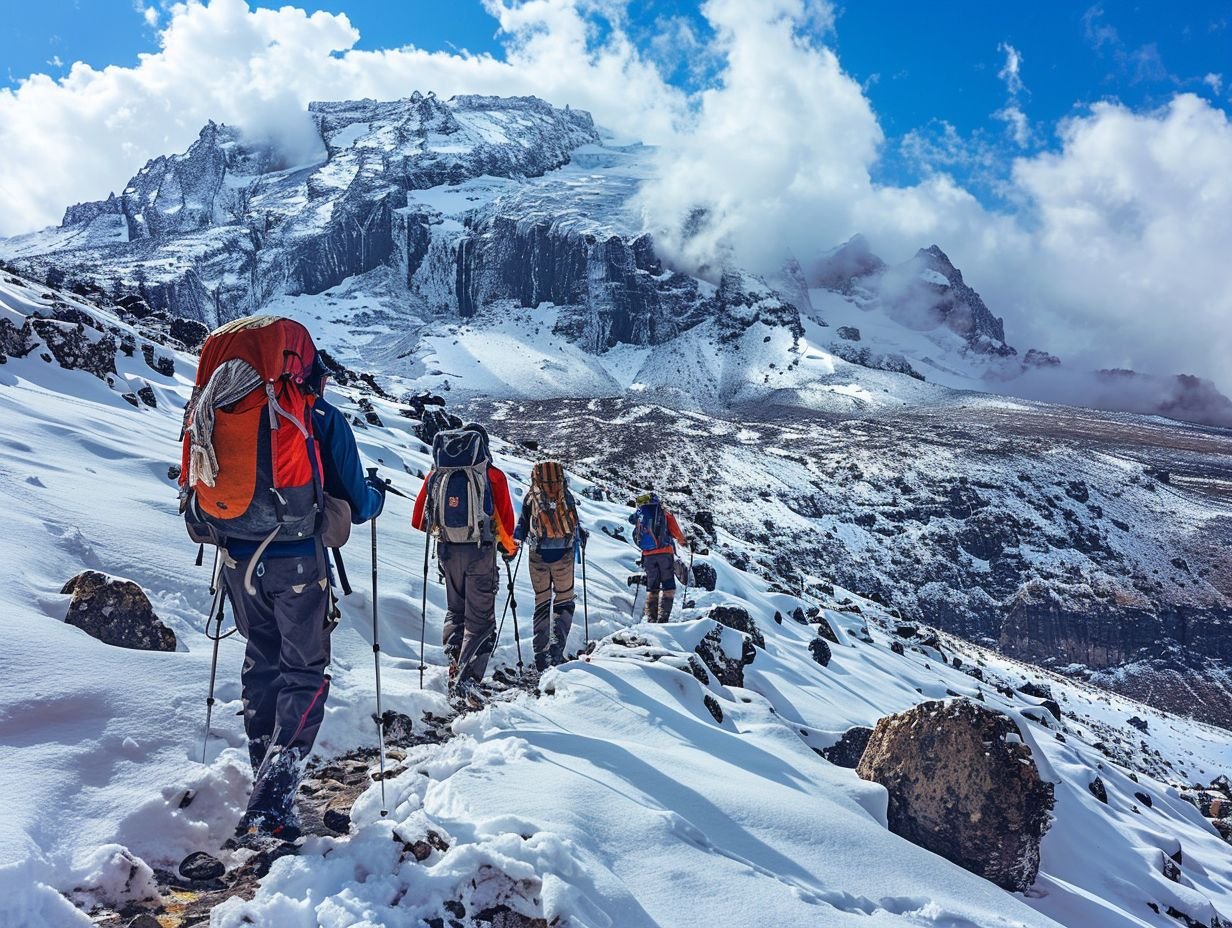
Uhuru Peak is not a distinct volcanic cone but rather the highest point on the rim of the Kibo crater. The crater itself is a vast, ancient caldera, and from its edge, one can witness the dramatic glacial formations that still cling to the upper reaches of the mountain. The walk from Stella Point (the first point where most climbers reach the crater rim) to Uhuru Peak is relatively flat but can feel incredibly strenuous at that altitude due to the thin air and potential fatigue.
The name ‘Uhuru’ means ‘freedom’ in Swahili, a fitting tribute to its significance. Reaching this point is an emotional and physical triumph, marking the highest point on the African continent. The views from Uhuru Peak, especially at sunrise, are legendary, offering a panorama of clouds below and the curvature of the earth visible on clear days. For many, this moment is the culmination of months, or even years, of planning and training for their Kilimanjaro summit height Achievement.
Factors Influencing Your Kilimanjaro Climb in 2026-2027
Successfully summiting Kilimanjaro, a feat defined by reaching its impressive Hauteur Kilimanjaro, depends on several interconnected factors. As you plan for a climb in 2026 or 2027, consider these critical elements:
Choosing the Right Route: The Key to Acclimatization
The route you select is perhaps the most significant decision influencing your climb’s success. Routes differ not only in scenery and difficulty but, more importantly, in their acclimatization profiles. Generally, longer routes offer better acclimatization and thus higher success rates.
- Marangu Route (Coca-Cola Route): The shortest at 5 days, but with the lowest success rate due to its rapid ascent and lack of proper acclimatization. It’s the only route with dormitory-style huts.
- Machame Route (Whiskey Route): A popular 6-7 day trek known for its excellent acclimatization profile, scenic beauty, and challenging terrain. It’s a camping route. Many trekkers opt for the 7-day version for improved acclimatization.
- Lemosho Route: Often considered the most scenic route, typically taking 7-8 days. It offers superb acclimatization and starts in the western rainforest, gradually traversing the mountain.
- Shira Route: Similar to Lemosho but starts at a higher altitude, potentially posing acclimatization challenges for some. Usually 7-8 days.
- Rongai Route: The only route approaching from the north, offering a different perspective and drier conditions. A 6-7 day option with good acclimatization.
- Northern Circuit: The longest route (9-10 days), offering the best acclimatization and highest success rates. It circumnavigates the mountain, providing unique views.
For those planning for 2026 or 2027, prioritizing routes of 7 days or longer is highly recommended to give your body the best chance to adjust to the extreme Hauteur Kilimanjaro. The Northern Circuit and Lemosho routes are often favored for their superior acclimatization benefits.
Physical Fitness and Preparation
While Kilimanjaro is not technically demanding, its extreme altitude and the physical exertion required for days on end necessitate a good level of fitness. The climb is essentially a long, strenuous hike at high altitude. Focus on cardiovascular exercises like running, cycling, and swimming. Incorporate hiking with a weighted backpack on uneven terrain to simulate trek conditions. Even if you choose a route that mitigates altitude risks, robust physical conditioning will make the experience more enjoyable and increase your chances of reaching the Kilimanjaro summit height.
Mental Fortitude
The mental aspect of climbing Kilimanjaro cannot be overstated. The summit night, in particular, is a grueling test of endurance and willpower. You’ll be trekking in the dark, often in cold temperatures, with limited visibility, for 6-8 hours to reach Stella Point, and then another 1-2 hours to Uhuru Peak. The ability to push through discomfort, stay positive, and follow your guide’s instructions is as vital as physical fitness.
Choosing a Reputable Tour Operator
Selecting the right tour operator is critical for safety, logistics, and overall experience. Reputable companies prioritize climber safety by using experienced guides trained in altitude sickness management, ensuring adequate food and water, and providing well-maintained equipment. For your 2026-2027 climb, look for operators with strong safety records and transparent pricing. Top Guide Adventures, for instance, focuses on personal attention and dedicated support, ensuring clients are well-prepared for the challenge of Kilimanjaro’s Hauteur Kilimanjaro.
Key Considerations for 2026-2027 Climbs
When booking your Kilimanjaro climb For 2026 or 2027, ensure your chosen operator provides:
- Experienced, certified guides: Crucial for altitude sickness management.
- Proper acclimatization itineraries: Longer routes (7+ days) are strongly recommended.
- Quality equipment: Tents, sleeping bags, and cooking gear.
- Nutritious meals: To maintain energy levels at altitude.
- Emergency preparedness: Oxygen cylinders, first-aid kits, and evacuation plans.
- Ethical treatment of porters: A sign of a responsible operator.
The Impact of Altitude on Your Body
The primary physiological challenge on Kilimanjaro is the reduced partial pressure of oxygen at higher altitudes. Your body needs time to adapt to this lower oxygen environment. This adaptation process is called acclimatization. Without it, climbers are susceptible to various forms of Acute Mountain Sickness (AMS).
Acute Mountain Sickness (AMS)
AMS is the most common form of altitude illness. Symptoms can range from mild to severe and often include:
- Headache
- Nausea and vomiting
- Dizziness or lightheadedness
- Fatigue
- Loss of appetite
- Difficulty sleeping
The most effective treatment for AMS is descent. Guides are trained to monitor climbers for symptoms and will make the decision to descend if symptoms worsen. Prevention is key, and this is where route selection, pace, hydration, and avoiding alcohol and strenuous activity in the initial days play a crucial role in managing the effects of the Hauteur Kilimanjaro.
High Altitude Cerebral Edema (HACE) and High Altitude Pulmonary Edema (HAPE)
These are more severe and potentially life-threatening forms of altitude illness. HACE occurs when fluid accumulates in the brain, leading to symptoms like confusion, loss of coordination (ataxia), and, in extreme cases, coma. HAPE occurs when fluid accumulates in the lungs, causing severe shortness of breath, coughing (sometimes with frothy sputum), and chest tightness. Both conditions require immediate descent and medical attention. Choosing a longer route and climbing slowly (“pole pole” – slowly, slowly in Swahili) are the best defenses against developing these serious conditions when aiming for the Kilimanjaro summit height.
The Role of Hydration and Nutrition
Staying well-hydrated is critical at altitude. The dry air and increased respiration lead to significant fluid loss. Aim to drink 3-4 liters of water per day. Dehydration can mimic or exacerbate AMS symptoms. Similarly, adequate nutrition is essential for energy. High-carbohydrate meals are generally recommended as they are easier to digest and provide the necessary fuel for the strenuous climb. Your tour operator will provide balanced meals, but carrying high-energy snacks is also wise.
Kilimanjaro’s Summit Routes: A Comparative Look
When considering the Hauteur Kilimanjaro, understanding how different routes lead you to the summit is essential for planning your 2026-2027 expedition.
Route Comparison Table
| Route | Typical Duration (Days) | Success Rate (Approx.) | Scenery | Acclimatization Profile | Accommodation |
|---|---|---|---|---|---|
| Marangu | 5-6 | 30-50% | Forest, moorland, alpine desert, arctic zone | Poor | Huts |
| Machame | 6-7 | 60-70% | Rainforest, moorland, heath, alpine desert, arctic zone | Good | Camping |
| Lemosho | 7-8 | 70-80% | Excellent; rainforest, varied zones, western breach option | Very Good | Camping |
| Shira | 7-8 | 60-70% | Similar to Lemosho, but starts higher | Moderate (starts high) | Camping |
| Rongai | 6-7 | 60-70% | Drier, northern slopes; forest, moorland, alpine desert, arctic zone | Good | Camping |
| Northern Circuit | 9-10 | 85-95% | Most scenic, circumnavigates the mountain | Excellent | Camping |
For those prioritizing a higher chance of reaching the Kilimanjaro summit height And a more comfortable acclimatization experience, the Northern Circuit and Lemosho routes are the top choices for 2026-2027 expeditions. While the Machame route is also very popular and offers good acclimatization over 7 days, the longer options provide that extra buffer against altitude sickness.
The Summit Night: A Test of Endurance
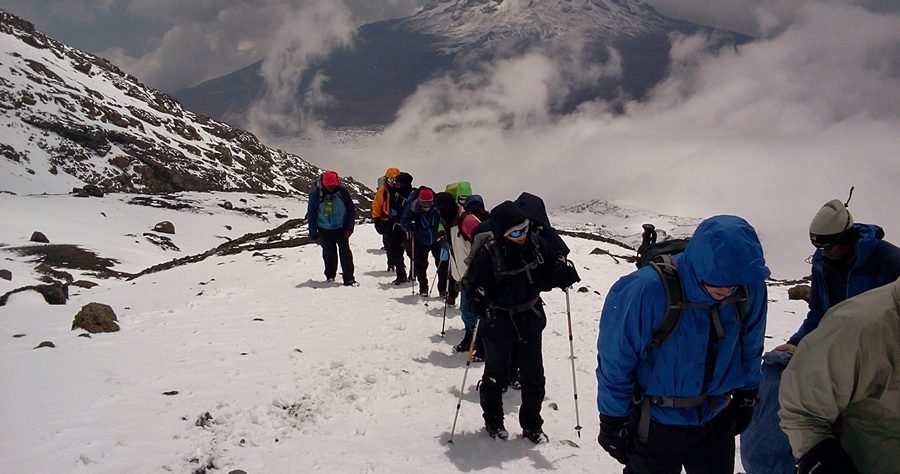
Summit night is universally the most challenging part of the climb, regardless of the route taken. It typically begins around midnight from the last camp (e.g., Barafu Camp for Machame/Lemosho, Kibo Hut for Marangu). Climbers ascend in the dark, often in single file, navigating steep scree slopes. The goal is to reach Stella Point on the crater rim by sunrise. The air is extremely thin, temperatures can drop to -20°C (-4°F) or lower with wind chill, and the exertion is immense. From Stella Point, it’s another 1-2 hours to Uhuru Peak. Guides will closely monitor climbers, and if someone is struggling significantly with altitude sickness or exhaustion, they may be advised to turn back at Stella Point to ensure their safety. This is where mental resilience, forged through preparation, truly shines when confronting the mountain’s Hauteur Kilimanjaro.
Planning Your Kilimanjaro Adventure: Practical Tips for 2026-2027
A successful Kilimanjaro climb requires meticulous planning. Here are some practical tips to help you prepare for your 2026 or 2027 trek:
When to Climb Kilimanjaro
Kilimanjaro can be climbed year-round, but certain periods offer more favorable weather conditions. The two main dry seasons are:
- January to March: Generally warm and dry, with good visibility. This is a popular time.
- June to October: Cooler but also dry. This period can be windier, especially at higher altitudes.
The shoulder seasons (April-May and November-December) can experience more rain and cloud cover, particularly in the lower forest zones. For 2026-2027, planning during the dry seasons will offer the best chance for clear views and safer trekking conditions.
What to Pack
Packing correctly is essential for comfort and safety. Layering is key to managing temperature fluctuations. Here’s a basic packing list:
- Clothing: Moisture-wicking base layers, insulating mid-layers (fleece), waterproof and windproof outer shell (jacket and trousers), warm hat, gloves, balaclava, sun hat.
- Footwear: Broken-in hiking boots, comfortable camp shoes, several pairs of warm socks.
- Gear: A good quality sleeping bag (rated to -10°C or -20°C), trekking poles, headlamp with extra batteries, sunglasses, sunscreen, lip balm, personal toiletries, waterproof duffel bag for porters, and a daypack.
- Health: Personal first-aid kit, prescription medications, and any personal remedies for altitude sickness (consult your doctor).
Essential Gear for Kilimanjaro
Don’t underestimate the importance of quality gear when facing the Hauteur Kilimanjaro. Ensure your equipment is reliable for the challenging conditions:
- Waterproof Outerwear: Essential for rain and wind.
- Warm Layers: Multiple fleece or down layers for warmth.
- Insulated Sleeping Bag: Crucial for cold nights at high camps.
- Trekking Poles: Aid balance and reduce strain on knees.
- Headlamp: For summit night and camp navigation.
- Sun Protection: High SPF sunscreen, sunglasses, and a wide-brimmed hat.
Travel Insurance
Comprehensive travel insurance is non-negotiable. Ensure it covers high-altitude trekking and emergency medical evacuation. Many standard policies do not cover activities like climbing Kilimanjaro, so double-check the policy details. For trekkers planning their ascent in 2026 or 2027, securing appropriate insurance well in advance is a wise step.
Visa and Vaccinations
Check the visa requirements for Tanzania based on your nationality. Consult your doctor or a travel clinic at least 4-6 weeks before your trip regarding recommended vaccinations and malaria prophylaxis. While Kilimanjaro itself is malaria-free, areas you might visit before or after your climb (like Moshi or Arusha) are.
The Cost of Climbing Kilimanjaro
The price of a Kilimanjaro climb can vary significantly based on the tour operator, route chosen, duration, and inclusions. Generally, prices range from $1,500 to $4,000+ per person. It’s important to understand what is included in the price.
Typical Inclusions in Kilimanjaro Tour Packages
- Park fees (conservation fees, camping fees, rescue fees)
- All meals on the mountain
- Accommodation in tents (or huts on Marangu)
- Experienced guides and porters
- Cook
- Catering equipment
- Transfer to and from the mountain
- Boiled water on the mountain
- Group climbing equipment (e.g., tents, cooking gear)
Common Exclusions
- Flights to Kilimanjaro International Airport (JRO)
- Visa fees
- Travel insurance
- Tips for guides, porters, and cooks (a significant part of the cost)
- Personal gear (sleeping bag, trekking poles, etc.)
- Lunches and dinners in hotels before/after the climb
- Beverages other than water (e.g., sodas, alcohol)
- Personal expenses
When comparing prices for 2026-2027 expeditions, be wary of extremely cheap packages. These often cut corners on safety, guide training, porter welfare, or food quality. A mid-range to higher-end package typically offers better safety standards and a more reliable experience. For a 7-day Machame or Lemosho climb with a reputable operator, expect costs in the range of $2,000 to $3,000+. The 9-10 day Northern Circuit will naturally be at the higher end of this spectrum due to the extended duration and services.
Why Choose Top Guide Adventures for Your Kilimanjaro Climb?
At Top Guide Adventures, we understand that climbing Kilimanjaro is a significant undertaking. Our mission is to provide a safe, enjoyable, and successful experience for every trekker aiming for the Kilimanjaro summit height. We are one of Tanzania’s trusted tour companies, offering complete travel experiences with personal attention, care, and dedicated support for every client.
We specialize in organizing Kilimanjaro climbs, ensuring that our itineraries are designed with optimal acclimatization in mind. Whether you’re considering a 2026 or 2027 adventure, our experienced guides are trained to handle the challenges of the mountain’s extreme Hauteur Kilimanjaro. We believe in ethical tourism, fair treatment of our crew, and providing high-quality services that prioritize your safety and well-being.
Our packages are comprehensive, covering essential services to make your journey as smooth as possible. We offer tailored journeys and can help you select the best route based on your fitness level, time constraints, and preferences. We also organize Tanzania safaris, Serengeti and Ngorongoro tours, Zanzibar holidays, and cultural experiences, allowing us to craft a complete Tanzanian adventure for you.
Booking Your 2026-2027 Kilimanjaro Trek
Ready to take on the challenge of Africa’s highest peak? Contact Top Guide Adventures today to discuss your Kilimanjaro climb Plans for 2026 or 2027. Our team is ready to answer all your questions and help you prepare for an unforgettable experience. You can reach us via WhatsApp at +255616946642, email us at Topguideadventures@gmail.com, or use our backup email Info@topguideadventures.com. Let us guide you to the Roof of Africa!
“,
“faq_schema”: [
{
“question”: “What is the exact height of Kilimanjaro?”,
“answer”: “The exact height of Kilimanjaro is 5,895 meters (19,341 feet) above sea level. This is the elevation of its highest summit, Uhuru Peak.”
},
{
“question”: “Is climbing Kilimanjaro dangerous due to its height?”,
“answer”: “Climbing Kilimanjaro presents risks primarily related to altitude sickness due to its significant height. Acute Mountain Sickness (AMS) is common, and more severe forms like HACE and HAPE can occur. However, with proper acclimatization (longer routes), careful pacing, experienced guides, and good preparation, the risks can be significantly mitigated. Reputable operators like Top Guide Adventures prioritize safety.”
},
{
“question”: “Which Kilimanjaro route is best for acclimatization?”,
“answer”: “The routes offering the best acclimatization profiles are generally the longer ones. The Northern Circuit (9-10 days) is considered the best, followed closely by the Lemosho route (7-8 days). These routes allow for a gradual ascent, giving your body more time to adapt to the decreasing oxygen levels at higher altitudes.”
},
{
“question”: “What is the success rate for climbing Kilimanjaro?”,
“answer”: “Success rates vary widely depending on the route, duration, operator, and individual climber’s preparation. Longer routes (7+ days) with good acclimatization typically have success rates of 70-95%. Shorter routes, like the 5-day Marangu, have much lower success rates, often below 50%.”
},
{
“question”: “How much does it cost to climb Kilimanjaro in 2026-2027?”,
“answer”: “The cost for a Kilimanjaro climb in 2026-2027 typically ranges from $1,500 to $4,000+ per person, depending on the route, duration, and operator. Prices generally include park fees, meals, guides, porters, and transfers. Tips, flights, visas, and personal gear are usually excluded. It’s advisable to budget around $2,000-$3,000 for a reputable 7-day climb.”
}
]
}
“`
Check Availability for Hauteur Kilimanjaro 2026-2027
Ready to compare dates, prices, and the best option for your group? Send the package name and travel month so the team can reply with a clear quote, availability, and what is included.
8-Day Vs 9-Day Kilimanjaro Climb Guide
Choosing between an 8-day and a 9-day Kilimanjaro climb hinges on acclimatization, success rates, and your personal pace. While both routes ascend Africa's highest peak, the extra day on a...
View package details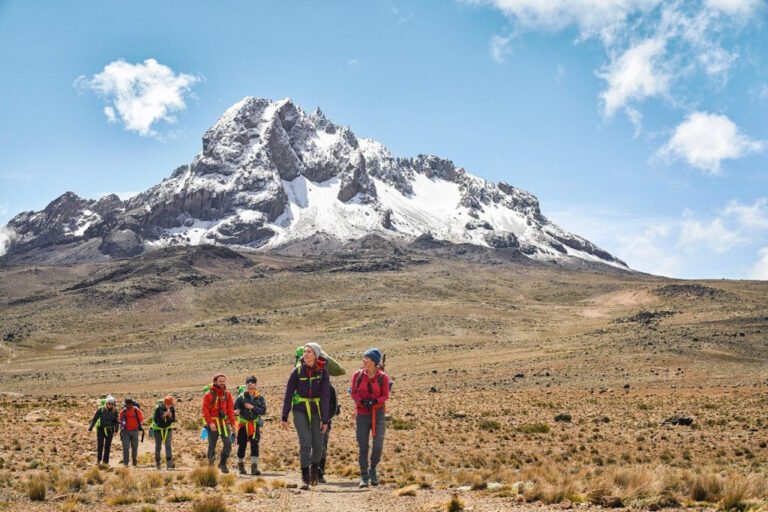
Best Beklimmen Kilimanjaro Kosten 2026-2027
Best beklimmen kilimanjaro kosten is explained with current 2026-2027 planning, price, itinerary and booking information.
View package details
Best Climb Kilimanjaro Cost 2026-2027
Best climb kilimanjaro cost is explained with current 2026-2027 planning, price, itinerary and booking information.
View package details
Best Climb Kilimanjaro Routes 2026-2027
Best climb kilimanjaro routes is explained with current 2026-2027 planning, price, itinerary and booking information.
View package details
Best Climbing Kilimanjaro Costs 2026-2027
Best climbing kilimanjaro costs is explained with current 2026-2027 planning, price, itinerary and booking information.
View package details
Best Climbing Kilimanjaro Prices 2026-2027
Best climbing kilimanjaro prices is explained with current 2026-2027 planning, price, itinerary and booking information.
View package details
Best Climbing Kilimanjaro Routes 2026-2027
Best climbing kilimanjaro routes is explained with current 2026-2027 planning, price, itinerary and booking information.
View package details
Best Climbing Routes Kilimanjaro 2026-2027
Best climbing routes kilimanjaro is explained with current 2026-2027 planning, price, itinerary and booking information.
View package details
Best Cost Climb Kilimanjaro 2026-2027
Best cost climb kilimanjaro is explained with current 2026-2027 planning, price, itinerary and booking information.
View package details
Best Cost Of Kilimanjaro 2026-2027
Best cost of kilimanjaro is explained with current 2026-2027 planning, price, itinerary and booking information.
View package details
Best Kilimanjaro All Inclusive 2026-2027
Best kilimanjaro all inclusive is explained with current 2026-2027 planning, price, itinerary and booking information.
View package details
Best Kilimanjaro Cost: Understanding Your Trek Budget 2026-2027
Planning your Kilimanjaro climb involves understanding the costs involved. This comprehensive guide breaks down the best Kilimanjaro cost factors for 2026-2027, helping you budget...
View package detailsNo closely related package is available for this topic yet.



