
Reaching the Kilimanjaro sommet, also known as Uhuru Peak, is an achievable goal for many with proper planning and preparation. The most popular routes for summiting Kilimanjaro, like Machame, Lemosho, and Marangu, typically take between 5 to 9 days. Success rates are significantly higher on longer treks (7-9 days) that allow for better acclimatization, a crucial factor for reaching the 5,895-meter (19,341-foot) summit. Planning for a climb in 2026 or 2027 involves selecting a reputable operator, choosing the best route for your fitness and experience, and understanding the costs involved, which generally range from $1,500 to $4,000+ per person depending on the route, inclusions, and operator.
Understanding the Kilimanjaro Sommet: Africa’s Rooftop
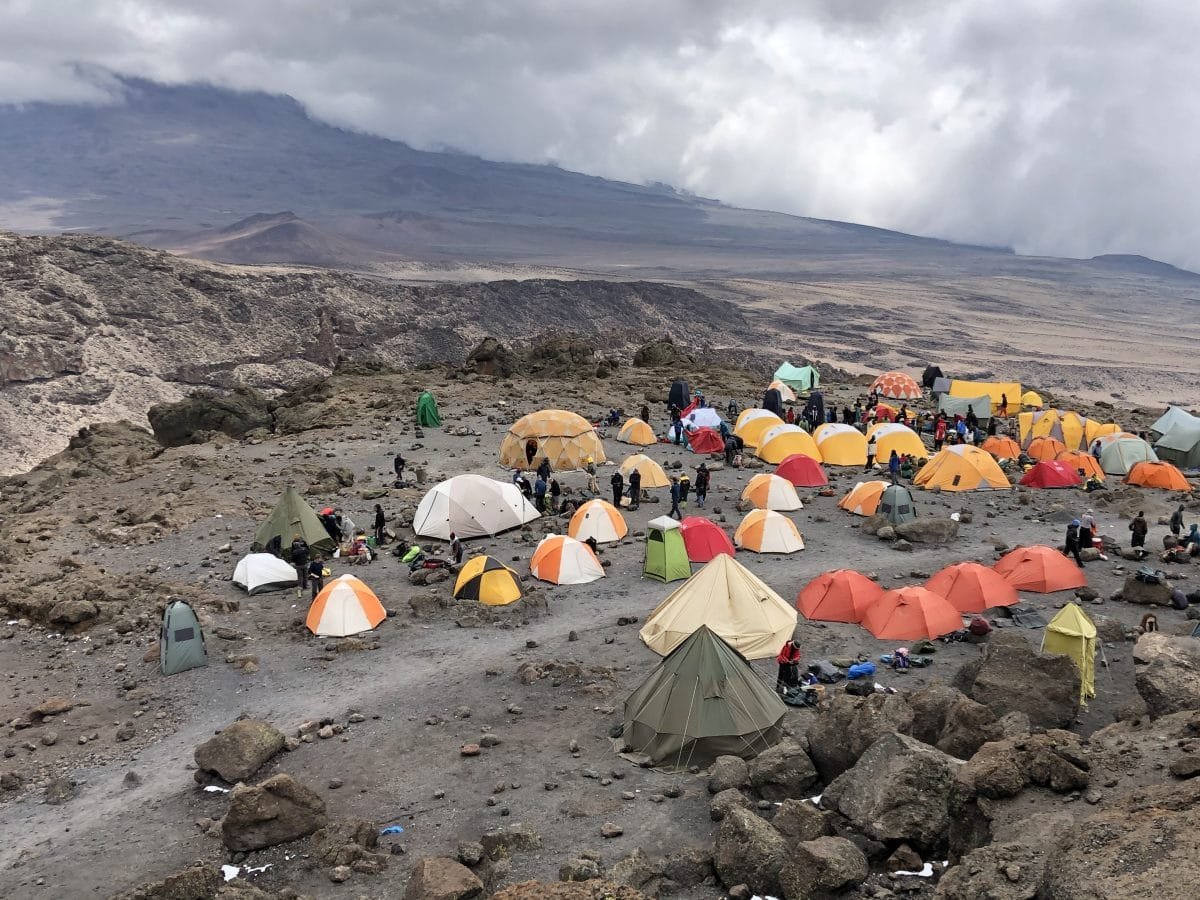
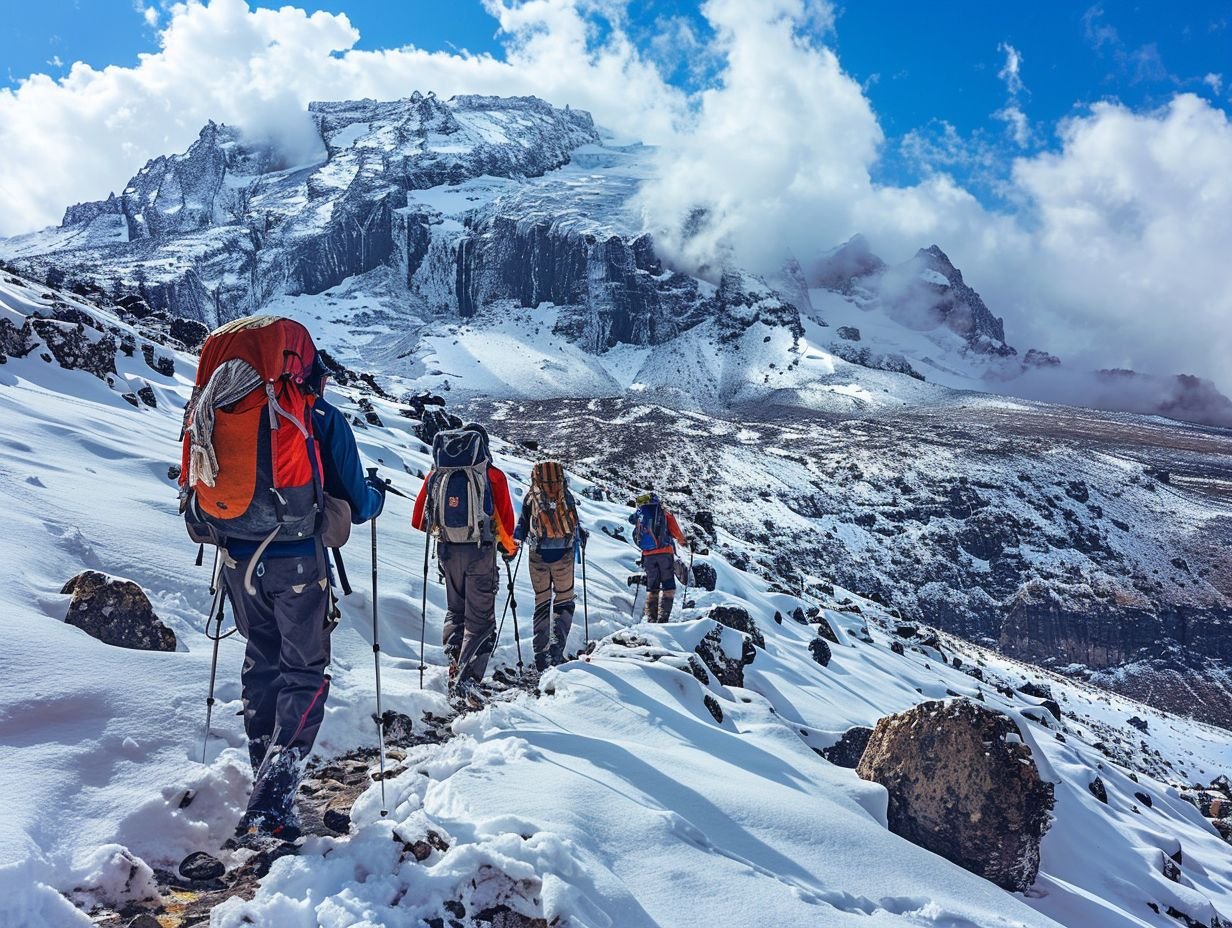
Mount Kilimanjaro, a dormant volcano in Tanzania, stands as the highest free-standing mountain in the world and the highest peak in Africa. Its summit, Uhuru Peak, at 5,895 meters (19,341 feet), is a dream destination for trekkers and adventurers globally. The climb is not technically demanding in terms of mountaineering skills, but it is a significant physical and mental challenge due to the extreme altitude and varying climatic zones one traverses. Successfully reaching the Kilimanjaro sommet Requires a combination of physical fitness, mental fortitude, and, critically, effective acclimatization. Many who attempt the climb do so with the aspiration of standing on the roof of Africa, experiencing the sunrise from its highest point, and earning bragging rights for a lifetime. For those planning their expedition in 2026 or 2027, understanding the nuances of the climb is paramount to ensuring a safe and successful journey.
Choosing Your Path to the Kilimanjaro Sommet: The Routes Explained
The journey to the Kilimanjaro sommet Is undertaken via several distinct trekking routes, each offering a unique experience, varying acclimatization profiles, and different success rates. The choice of route is perhaps the most critical decision a potential climber will make, influencing everything from the duration of the trek to the scenery and the overall difficulty. At Top Guide Adventures, we help clients select the route that best suits their physical condition, time constraints, and desired experience.
The Machame Route: The Popular Choice
Often referred to as the “Whiskey Route” due to its challenging but rewarding nature, the Machame Route is one of the most popular for reaching the Kilimanjaro sommet. It is known for its scenic beauty and excellent acclimatization profile, particularly when trekked over 6 or 7 days. The route ascends gradually, allowing the body to adjust to the thinning air more effectively. It approaches the summit from the south and descends via the Mweka Route. A 7-day Machame trek is highly recommended for maximizing acclimatization and thus, summit success rates.
The Lemosho Route: Scenic Beauty and High Success Rates
The Lemosho Route is celebrated for its stunning panoramic views and its high summit success rate, especially when trekked over 7 or 8 days. It begins in the west of Kilimanjaro, offering a more remote and wild start, traversing the Shira Plateau. Its longer duration allows for superior acclimatization, making it a top choice for those prioritizing safety and the experience of reaching the Kilimanjaro sommet. The route converges with the Machame Route before heading towards Stella Point and Uhuru Peak.
The Marangu Route: The “Coca-Cola” or Tourist Route
The Marangu Route is the oldest and perhaps the most straightforward path to the Kilimanjaro sommet. It is also the only route that offers dormitory-style accommodation in huts along the way, earning it the nickname “Coca-Cola Route.” While it is often perceived as easier due to its gentler slopes and the availability of huts, its direct ascent and descent profile offer poorer acclimatization. This often leads to lower summit success rates, particularly on the shorter 5-day option. A 6-day Marangu itinerary is advisable for better acclimatization.
The Rongai Route: Best for Dry Season
The Rongai Route approaches Kilimanjaro from the north, near the Kenyan border, making it a good option during the rainy seasons as it receives less rainfall. It is a gradual ascent, similar to Marangu, but offers a more remote feel. While it is generally considered a less scenic route compared to Machame or Lemosho, it provides a steady climb towards the Kilimanjaro sommet And is often recommended for those with less trekking experience or those seeking a quieter path.
Other Routes: Shira, Northern Circuit, and Umbwe
The Shira Route Is similar to Lemosho but starts at a higher altitude on the Shira Plateau, which can be a disadvantage for acclimatization. The Northern Circuit Is the longest route, offering the best acclimatization and highest success rates due to its 9-day duration and circumnavigation of the mountain, providing incredible views. The Umbwe Route Is the shortest and steepest, a very challenging option for experienced high-altitude trekkers only, with a significantly lower summit success rate for the Kilimanjaro sommet.
For planning a 2026-2027 Climb, we often recommend the Machame or Lemosho routes for their balance of scenery, acclimatization, and success rates. The Northern Circuit is an excellent choice for those prioritizing maximum acclimatization and a more relaxed pace over 9 days.
Preparing for Your Kilimanjaro Sommet Expedition
A successful trek to the Kilimanjaro sommet Hinges on thorough preparation. This involves physical conditioning, mental readiness, and understanding the gear needed. Top Guide Adventures emphasizes that preparation begins months before the actual climb.
Physical Training: Building Stamina and Strength
The most crucial aspect of preparation is physical fitness. Kilimanjaro is not a technical climb, but the altitude and sustained effort demand excellent cardiovascular fitness and leg strength. Ideally, begin training 2-3 months prior to your expedition. Focus on:
- Cardiovascular Endurance: Engage in activities like hiking (with a backpack), running, cycling, or swimming at least 3-4 times per week. Long hikes, especially those with inclines, are invaluable for simulating trek conditions.
- Strength Training: Focus on leg strength (squats, lunges, calf raises) and core strength.
- Hiking Practice: Undertake multi-day hikes if possible. Practice hiking with the weight of your daypack (around 5-7 kg) and your trekking boots to ensure they are comfortable.
- Stair Climbing: This is an excellent way to build leg strength and endurance for the ascents.
Remember, the goal is to build stamina for long days of walking, often at a slow pace, and to be able to handle the final summit push, which can last 10-12 hours. For a 2026-2027 Climb, start your training regimen well in advance.
Mental Preparation: The Psychological Aspect
The mental aspect of climbing Kilimanjaro cannot be overstated. The altitude can cause fatigue, headaches, and mood swings. The summit night, in particular, is a test of endurance and willpower. Cultivate a positive attitude, be prepared for discomfort, and practice mindfulness. Understanding that “pole pole” (slowly, slowly) is the mantra on the mountain helps manage expectations and pace. Visualize success and focus on taking one step at a time towards the Kilimanjaro sommet.
Gear and Equipment: What to Pack
Having the right gear is essential for comfort and safety on Kilimanjaro. Temperatures can range from tropical at the base to freezing at the summit. Layering is key. Essential items include:
- Clothing: Moisture-wicking base layers, insulating mid-layers (fleece or down), and a waterproof/windproof outer shell.
- Footwear: Broken-in waterproof hiking boots, comfortable trekking socks (wool or synthetic), and camp shoes.
- Headwear: Warm hat, sun hat with a brim, and a balaclava or neck gaiter for the summit night.
- Handwear: Warm gloves and liner gloves.
- Sleeping Gear: A 4-season sleeping bag and a sleeping bag liner.
- Trekking Poles: Highly recommended for reducing strain on knees during descents and providing stability.
- Headlamp: With extra batteries, essential for the summit night.
- Sun Protection: High SPF sunscreen, sunglasses, and lip balm.
- Hydration: Water bottles or hydration reservoir (CamelBak). Insulated covers are recommended to prevent freezing.
- First-Aid Kit: Personal medications and basic first-aid supplies.
Top Guide Adventures provides a detailed packing list to all clients booked for a Kilimanjaro sommet Expedition. We recommend investing in quality gear, especially for your boots and outer layers.
Acclimatization: The Key to Kilimanjaro Summit Success
Altitude sickness, or Acute Mountain Sickness (AMS), is the primary reason climbers fail to reach the Kilimanjaro sommet. Proper acclimatization is the most effective way to prevent and manage AMS. The principle is simple: ascend slowly, sleep at lower altitudes when possible, and stay hydrated.
“Climb High, Sleep Low”
This mantra is fundamental to successful acclimatization. It means ascending to a higher altitude during the day for better views and training, then descending to a lower altitude to sleep. While not always perfectly achievable on every route, the longer routes (7+ days) facilitate this principle much better than shorter ones. For instance, on the Lemosho or Machame routes, you’ll often trek to progressively higher camps, allowing your body to adapt gradually.
Hydration and Nutrition
Drinking plenty of fluids (3-5 liters per day) is critical. Water, herbal teas, and rehydration salts help your body function at altitude. Eating well, even when appetite is reduced, provides the necessary energy. High-carbohydrate meals are generally recommended.
Monitoring Symptoms
Your guide will constantly monitor you for signs of AMS, which can include headache, nausea, dizziness, fatigue, and loss of appetite. It is vital to communicate any symptoms you experience honestly and promptly. The most effective treatment for moderate to severe AMS is descent. Never ascend further if you are experiencing significant symptoms.
Medication
Some climbers opt to use Diamox (Acetazolamide) to aid acclimatization. It is a prescription medication that helps the body adjust to altitude more quickly. Discuss this option with your doctor well before your 2026-2027 Climb.
The Summit Night: The Ultimate Challenge
The final ascent to the Kilimanjaro sommet Typically begins around midnight from the last camp (e.g., Kibo Hut or Barafu Camp). This is the most demanding part of the trek, characterized by darkness, extreme cold, and the steep, scree-covered slopes leading to Stella Point (5,756m) and then Uhuru Peak (5,895m).
Pacing and Perseverance
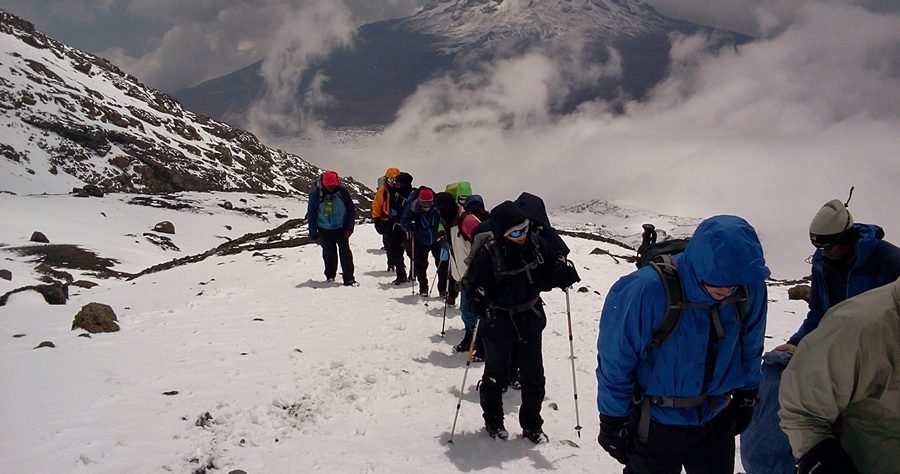
The pace on summit night is extremely slow – “pole pole.” You will likely be walking in a single file line behind your guide, focusing on each step. The cold can be intense, often dropping to -15°C to -20°C (5°F to -4°F), with wind chill making it feel even colder. Staying warm, hydrated, and fueled is crucial. Many climbers experience nausea or a lack of appetite due to the altitude and exertion; eating small, frequent snacks is key.
Reaching Uhuru Peak
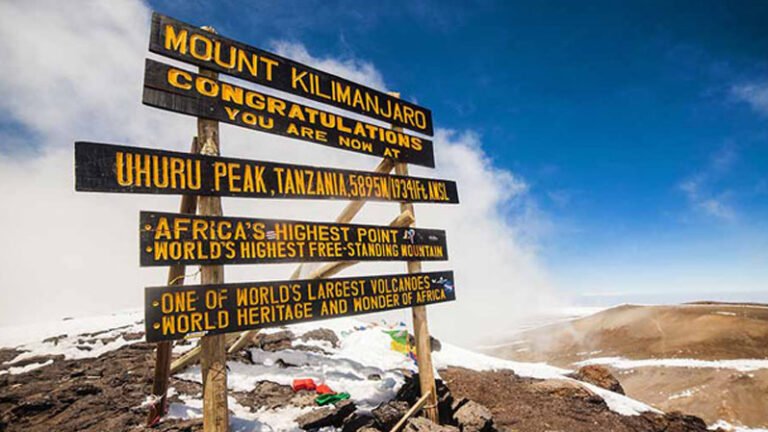
Reaching Stella Point is a significant achievement, often coinciding with sunrise. From Stella Point, it’s another hour or so of walking along the crater rim to Uhuru Peak, the true Kilimanjaro sommet. The feeling of accomplishment upon arrival is immense. You’ll have a short time to take photos and absorb the incredible views before the descent begins.
The Descent
The descent is often underestimated but can be equally challenging. Descending on loose scree can be hard on the knees and ankles. The trek down from the summit to Barafu Camp takes about 3-4 hours, and then another 3-4 hours down to Mweka Camp. Proper footwear and trekking poles are invaluable here. Some routes, like Marangu, allow you to descend further to a lower camp on the same day.
Kilimanjaro Climb Cost: What to Expect in 2026-2027
The cost of climbing Kilimanjaro can vary significantly based on the route, duration, operator, and level of service. Understanding these factors is essential for budgeting your Kilimanjaro sommet Expedition for 2026 or 2027.
Factors Influencing Cost:
- Route Choice: Longer routes generally cost more due to more days on the mountain and increased park fees.
- Duration: A 7-day trek will cost more than a 5-day trek on the same route.
- Operator: Local, reputable operators like Top Guide Adventures often offer better value and a higher standard of service than larger, international companies. Budget operators may cut corners on safety, food, or porter welfare, which can compromise your climb.
- Inclusions: “All-inclusive” packages that cover park fees, crew wages, meals, accommodation, transfers, and sometimes even tips, offer greater transparency.
- Group Size: Private climbs are more expensive than joining a group trek.
- Time of Year: Peak seasons (January-March, June-October) might see slightly higher prices.
Typical Cost Ranges (Per Person):
- Budget Operators: $1,500 – $2,200 (May have fewer inclusions, potentially lower service standards)
- Mid-Range/Standard Operators (like Top Guide Adventures): $2,000 – $3,500 (Excellent service, safety, and inclusions)
- Luxury Operators: $3,500 – $5,000+ (Higher comfort levels, more personalized service)
Important Note: These figures generally exclude flights, visas, travel insurance, personal gear, and tips for the crew. Tips are a significant part of the crew’s income and are customary. For a 2026-2027 Climb, expect prices to remain within these ranges, with potential minor adjustments due to inflation or park fee changes.
What’s Typically Included in a Top Guide Adventures Kilimanjaro Package:
- Park Entrance Fees, Camping/Hut Fees, Rescue Fees
- Professional English-speaking guides (certified and experienced)
- Assistant Guides
- Cooks and Porters
- All meals during the trek (breakfast, lunch, dinner)
- Boiled water, tea, and coffee
- Accommodation in tents (or huts on Marangu)
- Portable toilet
- All ground transfers from/to Kilimanjaro Airport (JRO) or Arusha
- One night’s accommodation in a hotel before and after the climb (optional, can be added)
- Emergency oxygen and comprehensive first-aid kit
What’s Not Included: Flights, visa, travel insurance, tips for guides, porters, and cooks, personal gear, alcoholic beverages, bottled water, and any expenses incurred due to delays or early descent.
Best Time to Climb Kilimanjaro for the Sommet
While it’s possible to climb Kilimanjaro year-round, certain periods offer more favorable weather conditions for reaching the Kilimanjaro sommet. Tanzania experiences two main dry seasons:
- January to March: Generally clear skies, good visibility, and moderate temperatures. This is a popular time for climbing.
- June to October: Cooler temperatures, clear skies, and low humidity. This is considered the peak season, especially July and August, and is excellent for a 2026-2027 Climb.
The rainy seasons are:
- April and May: The “long rains” bring heavy precipitation, making trails muddy and visibility poor. This is generally the least recommended time to climb.
- November and December: The “short rains” can bring intermittent showers, but often clear up quickly. These months can offer fewer crowds and potentially lower prices.
For optimal conditions, aiming for the dry seasons in 2026 or 2027 Is advisable. However, even in the rainy season, the summit can still be reached, provided you have adequate waterproof gear.
Safety and Health Considerations
Safety is paramount when climbing Kilimanjaro. Top Guide Adventures adheres to strict safety protocols to ensure the well-being of our clients on their journey to the Kilimanjaro sommet.
Guide Expertise
Our guides are highly trained in wilderness first aid, altitude sickness management, and mountain rescue techniques. They are experienced professionals dedicated to your safety and success. They have the authority to make decisions regarding your trek, including turning back a climber if their health is at risk.
Emergency Preparedness
We carry supplementary oxygen and a comprehensive medical kit on all climbs. Our team is equipped to handle various medical emergencies. For any serious issues, evacuation plans are in place, though full medical evacuation insurance is mandatory for all climbers.
Travel Insurance
It is absolutely essential to have comprehensive travel insurance that covers high-altitude trekking and emergency medical evacuation up to 6,000 meters. Ensure your policy details this coverage clearly. This is a non-negotiable requirement for any Kilimanjaro sommet Expedition booked with us for 2026-2027.
Vaccinations and Health Advice
Consult your doctor or a travel clinic 4-6 weeks before your trip regarding recommended vaccinations (e.g., Yellow Fever, Hepatitis A, Typhoid) and malaria prophylaxis. While the risk of malaria is low at higher altitudes, it is present in the lower regions.
Booking Your Kilimanjaro Sommet Adventure with Top Guide Adventures
Embarking on the journey to the Kilimanjaro sommet Is a significant undertaking, and choosing the right partner is crucial. Top Guide Adventures Tanzania is committed to providing an unparalleled trekking experience, focusing on safety, quality service, and client satisfaction. We are a locally owned and operated company, deeply invested in the well-being of our clients and our mountain crew. Our team is dedicated to making your dream of reaching Uhuru Peak a reality.
We offer a range of itineraries for 2026 and 2027, tailored to different preferences and fitness levels. Whether you seek the scenic beauty of the Lemosho route, the popularity of Machame, or the unique experience of the Northern Circuit, we have a package for you. Our experienced guides, porters, and cooks are the backbone of our operations, ensuring a well-supported and enjoyable climb.
Ready to plan your ascent to the Kilimanjaro sommet? Contact our expert team today to discuss your options, get a personalized quote, and start preparing for an well-planned trip. You can reach us via:
- WhatsApp: +255616946642
- Email: Topguideadventures@gmail.com
- Backup Email: Info@topguideadventures.com
Visit our website Top Guide Adventures Tanzania For more information on our treks, safaris, and tailor-made packages. We look forward to helping you achieve your goal of standing atop Africa!
Check Availability for Kilimandjaro Sommet Guide
Ready to compare dates, prices, and the best option for your group? Send the package name and travel month so the team can reply with a clear quote, availability, and what is included.
Ascension Du Kilimandjaro 2026-2027
Ascension du Kilimandjaro is explained with current 2026-2027 planning, price, itinerary and booking information.
View package details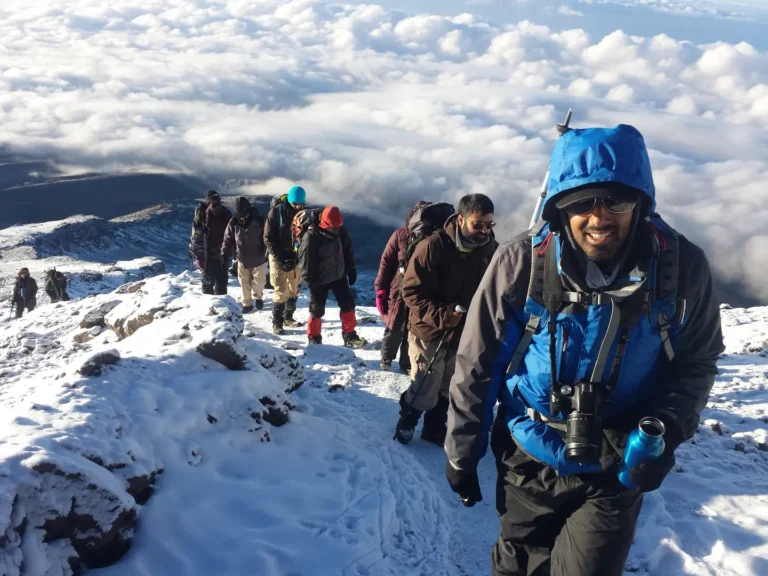
Ascension Kilimandjaro Prix: What To Expect For Your Climb 2026-2027
Planning your Kilimanjaro climb means understanding the 'Ascension Kilimandjaro prix'. This guide breaks down the costs for 2026-2027, detailing what influences the price and what you can...
View package details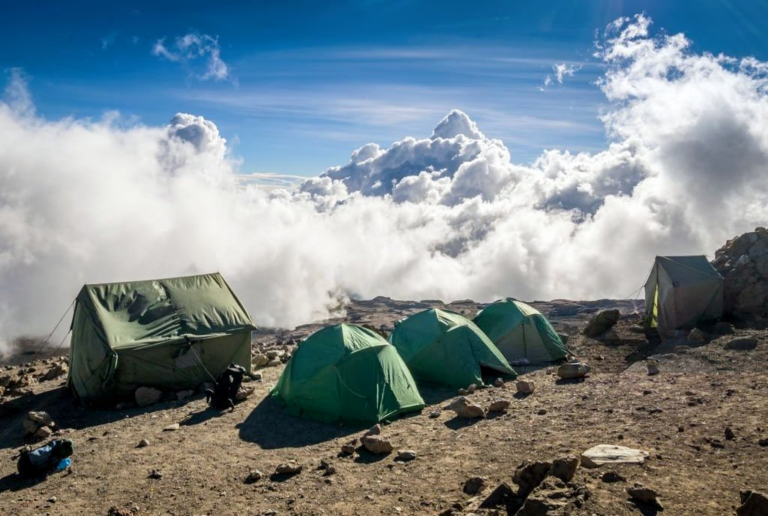
Ascension Kilimandjaro: Your Ultimate Guide To Climbing Africas Highest Peak
Your comprehensive guide to climbing Mount Kilimanjaro, covering everything from route selection and essential gear to acclimatization and summit success strategies for 2026-2027.
View package details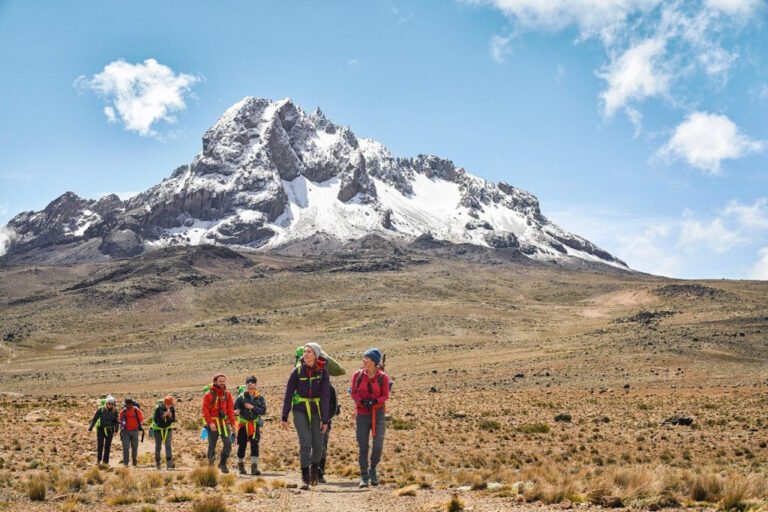
Kilimandjaro Altitude 2026-2027
Kilimandjaro altitude is explained with current 2026-2027 planning, price, itinerary and booking information.
View package detailsKilimanjaro Quand Partir: Best Times To Climb In 2026-2027
Discover the optimal periods for ascending Mount Kilimanjaro, considering weather patterns, crowds, and optimal climbing conditions for your 2026-2027 expedition. Learn how to choose the...
View package details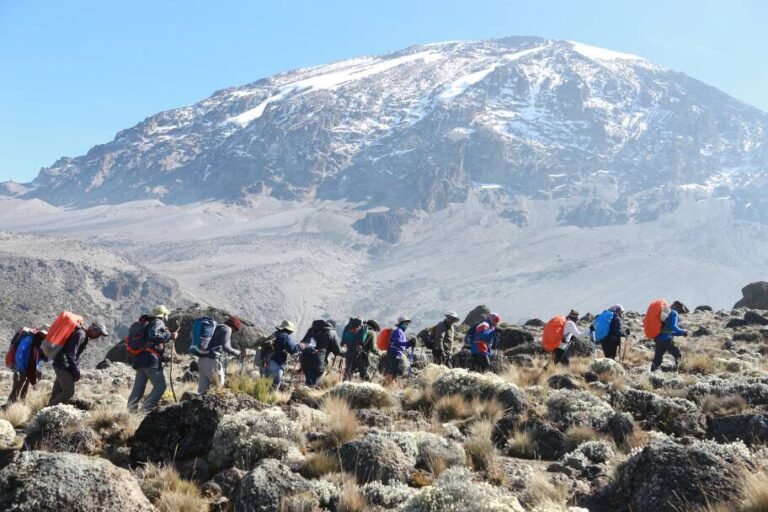
Monter Le Kilimandjaro: Guide Complet Pour Lascension En 2026-2027
Ce guide détaille tout ce qu'il faut savoir pour gravir le Kilimandjaro, du choix de l'itinéraire à la préparation physique et logistique, avec des conseils pratiques pour les ascensions en...
View package details
Algeria Travel Guide: Discover Ancient History, Sahara Adventures & Vibrant
start an unforgettable journey through Algeria, a North African gem brimming with ancient history, dramatic desert landscapes, and a vibrant cultural mix. This guide covers everything you...
View package details
Angola Travel Guide: Your Ultimate Adventure Planning For 2026-2027
Explore Angola's diverse attractions, from its dramatic coastlines and lush interior to its rich history and vibrant cities. This comprehensive guide helps you plan your 2026-2027...
View package details
Arusha: Your Gateway To Tanzanias Northern Safari Circuit And Kilimanjaro
Arusha serves as Tanzania's vibrant gateway, connecting travelers to the world-renowned Northern Safari Circuit, the majestic Mount Kilimanjaro, and the unique cultural landscapes of the...
View package details
Bagamoyo Historical Tour 2026-2027
Bagamoyo Historical Tour is explained with current 2026-2027 planning, price, itinerary and booking information.
View package details
Benin Guide
Benin offers a unique travel experience in West Africa, blending rich history, vibrant Voodoo traditions, and diverse wildlife. Key attractions include the historical sites of Ouidah, the...
View package details
Best Arusha Guide
Arusha serves as Tanzania's primary tourism hub, making it the best starting point for exploring the country's iconic Northern Circuit, including Serengeti, Ngorongoro Crater, and Mount...
View package detailsNo closely related package is available for this topic yet.



