
Arusha is widely considered the best gateway to Tanzania’s Northern Circuit, offering unparalleled access to iconic destinations like the Serengeti, Ngorongoro Crater, Tarangire National Park, and Mount Kilimanjaro. Its strategic location, coupled with excellent infrastructure for tourism services, makes it the ideal starting point for planning your 2026 or 2027 safari or mountain climb, providing essential amenities, tour operator hubs, and convenient transport links for a smooth start to your adventure.
Why Arusha Stands Out as Tanzania’s Premier Safari Hub
Arusha, a bustling city located at the foot of Mount Meru, is more than just a transit point; it’s the vibrant heart of Tanzania’s tourism industry. Its significance as the best starting point for exploring the Northern Circuit cannot be overstated. For travelers planning their expeditions in 2026 and 2027, understanding Arusha’s role is crucial for efficient and enjoyable travel planning.
The city’s strategic position is its primary advantage. It lies at a nexus connecting the major national parks and conservation areas that form the Northern Circuit. This means that from Arusha, you can easily arrange and commence safaris to the Serengeti’s vast plains, the wildlife-rich Ngorongoro Crater, the elephant-filled Tarangire National Park, the scenic Lake Manyara, and the gateway to Mount Kilimanjaro climbs, Machame and Marangu routes. This central location minimizes travel time and logistical complexities, allowing visitors to maximize their time experiencing Tanzania’s unparalleled wildlife and landscapes.
Beyond its geographical benefits, Arusha boasts a well-developed tourism infrastructure. Numerous reputable tour operators, including Top Guide Adventures, are based here, offering a wide array of safari packages, Kilimanjaro treks, and cultural tours. This concentration of expertise means travelers have access to a competitive market, diverse options, and professional services tailored to various budgets and travel styles for 2026-2027 trips. The city also provides a range of accommodation options, from budget-friendly guesthouses to luxurious lodges, ensuring comfort before and after your adventures.
Furthermore, Arusha is the primary hub for obtaining necessary permits, arranging transport, and meeting guides. The presence of Kilimanjaro International Airport (JRO), located between Arusha and Moshi, facilitates direct international flights and easy transfers, solidifying Arusha’s position as the most convenient and logical starting point for most Tanzanian adventures. For those looking to plan their trip in the coming years, Arusha in 2026-2027 will continue to be the indispensable gateway.
Navigating Arusha: Arrival, Accommodation, and Essentials
Your journey to the wonders of Tanzania typically begins with arriving in Arusha, either by air or overland. Understanding the logistics of arrival, finding suitable accommodation, and knowing where to get essential supplies will make your transition into your adventure much smoother. For travelers in 2026 and 2027, these practicalities remain key.
Getting to Arusha
The most common entry point for international travelers heading to Arusha and the Northern Circuit is Kilimanjaro International Airport (JRO). Located approximately 40-50 kilometers east of Arusha, JRO serves as the main gateway. Several international airlines operate direct or connecting flights to JRO from major hubs in Europe, the Middle East, and other parts of Africa. Upon arrival at JRO, you can arrange for airport transfers directly through your tour operator, a hotel, or by taking a taxi. Most reputable tour companies, like Top Guide Adventures, offer pre-booked airport pickups, which is a highly recommended option for a hassle-free start, especially if you’re arriving late or are unfamiliar with the area.
Alternatively, some travelers might fly into Julius Nyerere International Airport (DAR) in Dar es Salaam and then take a domestic flight to Arusha Airport (ARK). Arusha Airport is located much closer to the city center, offering quicker transfers. Domestic flights are frequent and operated by Tanzanian airlines, providing another convenient option for reaching the northern safari hub.
Where to Stay in Arusha
Arusha offers a diverse range of accommodation to suit every traveler’s preference and budget. Whether you need a comfortable base before your safari, a place to rest after a Kilimanjaro climb, or a convenient spot to organize last-minute details for your 2026-2027 adventure, you’ll find options readily available.
- Luxury Lodges and Hotels: For those seeking comfort and high-end amenities, Arusha boasts several exquisite lodges and hotels. These often feature beautifully landscaped gardens, swimming pools, fine dining, and exceptional service. Examples include the Arusha Coffee Lodge, Legendary Lodge, and Mount Meru Game Sanctuary.
- Mid-Range Hotels and Guesthouses: This category offers a good balance of comfort and value. Many establishments provide clean, well-appointed rooms, on-site restaurants, and helpful staff. They are perfect for travelers who want comfortable facilities without the premium price tag.
- Budget-Friendly Options: Backpackers and budget-conscious travelers will find numerous guesthouses, hostels, and simpler hotels. These offer basic but clean accommodations, often with shared facilities or private rooms, providing a social atmosphere and a way to save money.
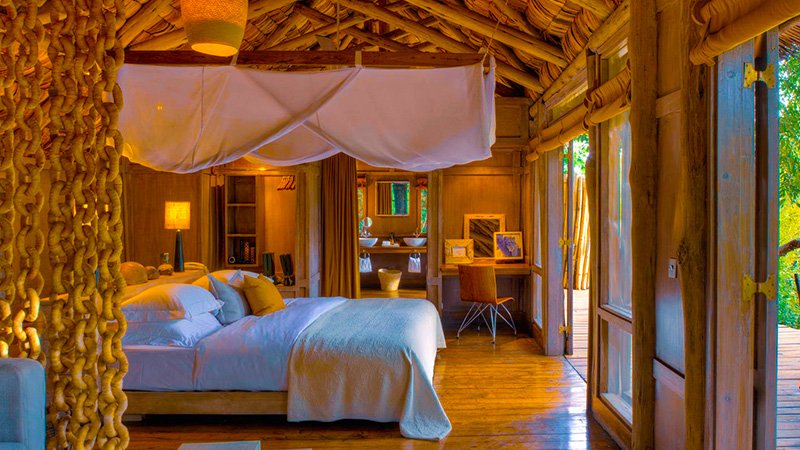
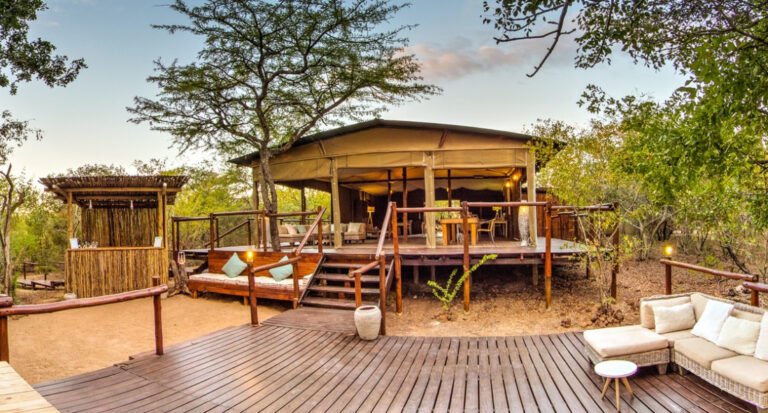
- Safari Camps and Tented Lodges (on the outskirts): While not strictly within the city center, some properties on the outskirts of Arusha offer a more rustic, safari-like experience with comfortable amenities, often set in natural surroundings.
When booking your accommodation for 2026 or 2027, consider its proximity to your tour operator’s office, the city center for amenities, and the road leading to the national parks if you wish to minimize transfer times.
Essential Preparations in Arusha
Arusha serves as your last chance to pick up any last-minute items and finalize arrangements before heading into the wilderness. Key preparations include:
- Currency Exchange: While ATMs are available, it’s wise to exchange some currency at a bank or forex bureau for smaller purchases or in areas where card payments might not be accepted. The Tanzanian Shilling (TZS) is the local currency, but USD is widely accepted for tourism services.
- SIM Cards and Communication: If you wish to stay connected, purchasing a local SIM card (e.g., Vodacom, Tigo, Airtel) in Arusha is easy and affordable. This allows for cheaper local calls and data access.
- Shopping for Supplies: You might need to purchase items like sunscreen, insect repellent, hats, or any specific personal items. Arusha has supermarkets and local markets where you can find these. For specialized gear, it’s best to bring it from home, but basics are available.
- Meeting Your Tour Operator: For most travelers, this is a crucial step. Meet with your tour company representative (like Top Guide Adventures) to go over your itinerary, confirm details, meet your guide, and ask any final questions regarding your 2026-2027 safari or climb. This briefing is essential for a well-prepared journey.
By handling these aspects in Arusha, you ensure a well-prepared and stress-free start to your Tanzanian adventure.
The Northern Circuit: Arusha’s Crown Jewels
Arusha is the gateway to the world-renowned Northern Circuit, a collection of national parks and conservation areas offering some of the most spectacular wildlife viewing opportunities on Earth. Planning a trip to Tanzania in 2026 or 2027 means you’ll likely be heading to one or more of these incredible destinations, all easily accessible from Arusha.
Serengeti National Park: The Endless Plains
Perhaps the most famous national park in the world, the Serengeti is synonymous with the Great Migration, where millions of wildebeest, zebras, and gazelles traverse the plains in search of greener pastures. Its vast, seemingly endless grasslands offer a impressive backdrop for wildlife encounters. The park is home to the Big Five (lion, leopard, elephant, rhino, and buffalo), as well as cheetahs, hyenas, giraffes, and a plethora of bird species.
When to Visit: The Great Migration is a year-round phenomenon, but its location varies. The best time to witness the river crossings ( Grumeti and Mara rivers) is typically from July to October. For calving season, head to the southern Serengeti from January to March. However, the Serengeti offers excellent game viewing throughout the year, with drier months (June to October) generally considered ideal for spotting predators.
Typical Itinerary Link: Safaris to the Serengeti usually last 3-5 days, often combined with other parks in the circuit. A common route from Arusha might include Tarangire, Ngorongoro, and then the Serengeti, returning to Arusha.
Ngorongoro Conservation Area: A Natural Amphitheater of Wildlife
The Ngorongoro Crater, a UNESCO World Heritage Site, is a collapsed volcano caldera that hosts an astonishing density of wildlife within its 260-square-kilometer floor. It’s one of the few places where you can reliably see the endangered black rhino, alongside large populations of lions, hyenas, elephants, buffaloes, and hippos. The crater rim offers stunning panoramic views, and the descent into the caldera is an unforgettable experience.
What to Expect: A full day is typically spent exploring the crater floor. The Ngorongoro Conservation Area also includes the Olduvai Gorge, an important paleoanthropological site, and offers opportunities to visit Maasai villages for cultural insights.
Conservation Status: It’s important to note that Ngorongoro is a conservation area, not strictly a national park, meaning Maasai communities coexist with wildlife. This unique model aims to balance conservation with human needs, a system that will continue to evolve through 2026-2027.
Tarangire National Park: Land of Giants
Known for its large elephant herds and iconic baobab trees, Tarangire National Park is a must-visit, especially during the dry season (June to October) when animals congregate around the Tarangire River. The park’s diverse landscape, including swamps, savannas, and woodlands, supports a wide variety of wildlife, including lions, leopards, cheetahs, giraffes, and numerous bird species. It’s often the first or last stop on a Northern Circuit safari due to its proximity to Arusha.
Unique Features: Tarangire is famous for its massive baobab trees, which are a striking feature of the landscape. The park also offers walking safaris, providing a more intimate connection with nature.
Lake Manyara National Park: Tree-Climbing Lions and Birdlife
This relatively small park packs a punch with its diverse habitats, including groundwater forests, acacia woodlands, and a large alkaline lake. Lake Manyara is renowned for its large troops of baboons, its population of tree-climbing lions (though not always visible), and its spectacular birdlife, including flamingos, pelicans, and storks. The park is also home to elephants, giraffes, buffaloes, and hippos.
Highlights: The iconic tree-climbing lions are a major draw. The park’s dense groundwater forest provides a unique microclimate and is a fantastic place for birdwatching. A scenic drive overlooking the lake offers beautiful photographic opportunities.
Mount Kilimanjaro: Africa’s Highest Peak
While not a wildlife park, Mount Kilimanjaro, the highest free-standing mountain in the world, is a major attraction accessible from Arusha. Climbers from around the globe attempt to summit its snow-capped peak. Several routes lead to the summit, each offering different scenery and levels of difficulty, such as the popular Machame and Lemosho routes. Arusha serves as the primary staging ground for most Kilimanjaro expeditions, providing pre-climb briefings, gear rental, and post-climb celebrations.
Climbing Seasons: The best times to climb Kilimanjaro are during the dry seasons: January-March and June-October. Preparations for 2026-2027 climbs should begin well in advance.
Tour Operators: Companies like Top Guide Adventures specialize in organizing safe and successful Kilimanjaro climbs, ensuring experienced guides, porters, and quality equipment.
Planning Your 2026-2027 Arusha-Based Adventure: Key Considerations
Organizing a trip to Tanzania, especially for major expeditions like safaris and Kilimanjaro climbs, requires careful planning. For those targeting 2026 and 2027, here are the essential factors to consider when basing your plans out of Arusha.
Choosing the Right Safari Package
The best Arusha safari experience depends heavily on your interests, budget, and time. Tour operators offer a variety of packages:
- Classic Northern Circuit: Typically includes Tarangire, Ngorongoro, and Serengeti, often 5-7 days. This is the most popular option for first-time visitors.
- Extended Safaris: For those with more time, longer safaris can incorporate lesser-known parks like Mkomazi or add more days in the Serengeti for deeper exploration.
- Special Interest Safaris: Options include birdwatching tours, photography safaris, or family-focused trips.
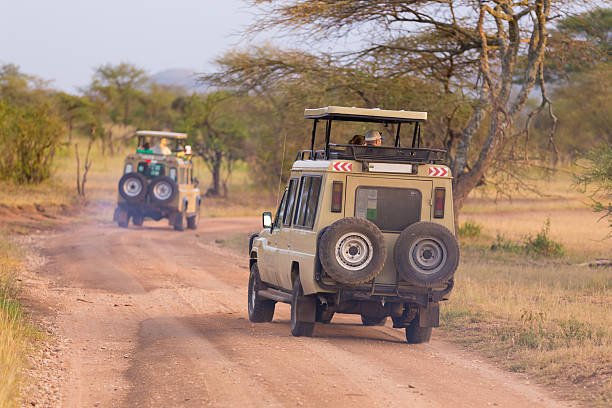
- Budget vs. Luxury: Safari costs vary significantly based on accommodation (camping, mid-range lodges, luxury lodges), vehicle type (shared 4×4, private 4×4), and group size (group joining vs. private).
Top Guide Adventures offers a comprehensive range of customizable safari packages. For example, a 7-day Northern Circuit safari might look like this:
Sample 7-Day Northern Circuit Safari Itinerary (from Arusha)
- Day 1: Arrival in Arusha, meet your guide, briefing. Overnight in Arusha.
- Day 2: Drive to Tarangire National Park for game drives. Overnight near Tarangire.
- Day 3: Morning game drive in Tarangire, then drive to Ngorongoro Conservation Area. Overnight on the crater rim or nearby.
- Day 4: Full day game drive in the Ngorongoro Crater. Overnight on the rim or Karatu.
- Day 5: Drive to Serengeti National Park, stopping at Olduvai Gorge. Afternoon game drive in Serengeti. Overnight in Central Serengeti.
- Day 6: Full day game drive in Serengeti, searching for the Great Migration if in season. Overnight in Serengeti.
- Day 7: Morning game drive in Serengeti, then fly from Seronera Airstrip back to Arusha or Kilimanjaro Airport.
This itinerary is a template and can be adjusted for 2026-2027 travel based on your preferences. Expect costs for such a safari to range from $2,000 to $6,000+ per person, depending on the level of luxury and vehicle type.
Kilimanjaro Climb Planning for 2026-2027
Climbing Kilimanjaro is a significant undertaking. Proper planning from Arusha is vital:
- Route Selection: Choose a route that matches your fitness level and desired experience. Popular routes include Machame (the “Whiskey Route”), Lemosho (scenic, good acclimatization), Marangu (the “Coca-Cola Route,” offers hut accommodation), and the more challenging Northern Circuit.
- Duration: Climbs range from 5 to 9 days. Longer routes generally offer better acclimatization and higher success rates.
- Best Time to Climb: The dry seasons (June to October and January to March) are ideal. Avoid the rainy months of April, May, and November.
- Booking: Book your climb well in advance, especially for peak seasons in 2026 and 2027. Reputable operators like Top Guide Adventures handle all logistics, including park fees, guides, porters, food, and camping equipment.
- Physical Preparation: Start a fitness regimen at least 2-3 months before your climb, focusing on cardiovascular endurance and leg strength.
Kilimanjaro climbs typically cost between $1,800 and $4,500+ per person, depending on the route, duration, and operator’s service level. Ensure your chosen operator is certified and prioritizes climber safety and porter welfare.
Cultural Experiences Around Arusha
Beyond wildlife and mountains, Arusha offers rich cultural encounters:
- Maasai Villages: Visit traditional Maasai bomas (homesteads) to learn about their unique way of life, customs, and traditions. This is often integrated into safari itineraries.
- Local Markets: Explore Arusha’s bustling markets, such as the Central Market, for local crafts, souvenirs, spices, and a glimpse into daily life.
- Coffee Plantations: The fertile volcanic soil around Arusha is ideal for coffee growing. Tours of local coffee plantations offer insights into the bean-to-cup process.
- Cultural Heritage Centers: Visit centers that showcase Tanzanian history, art, and culture.
These experiences add depth to your trip, providing a more holistic understanding of Tanzania beyond the typical tourist trails. Many day trips from Arusha can be arranged to facilitate these cultural immersions.
Choosing a Tour Operator in Arusha: Top Guide Adventures
Selecting the right tour operator is paramount for a successful and memorable trip. In Arusha, numerous companies vie for business, but choosing a trusted, experienced, and ethically responsible operator is key. Top Guide Adventures has established itself as a reliable choice for travelers seeking authentic and well-organized Tanzanian experiences for 2026-2027.
Why Top Guide Adventures Stands Out
Top Guide Adventures is recognized for its commitment to providing personalized service, expert knowledge, and a deep understanding of Tanzania’s natural and cultural heritage. They focus on creating tailor-made itineraries that cater to individual client needs, ensuring a unique travel experience.
- Personalized Service: From initial inquiry to post-trip follow-up, the team offers dedicated support. They are known for their attention to detail and willingness to customize trips extensively.
- Expert Guides: Their guides are highly knowledgeable about wildlife, flora, fauna, and local culture, enhancing the safari or climb experience significantly. They are trained to ensure safety and provide insightful commentary.
- Comprehensive Offerings: Top Guide Adventures organizes a full spectrum of travel services, including:
- Tanzania Safaris (Northern and Southern Circuits)
- Serengeti and Ngorongoro Tours
- Kilimanjaro Climbs (all major routes)
- Zanzibar Holidays
- Cultural Experiences
- Day Trips and Excursions from Arusha
- Airport Transfers
- Tailor-Made Journeys
- Commitment to Safety and Ethics: The company prioritizes the safety of its clients and the well-being of its staff, including porters on Kilimanjaro climbs. They adhere to responsible tourism practices.
- Local Expertise: Being based in Tanzania, they possess invaluable local knowledge that translates into better-planned itineraries and authentic experiences.
Booking Your 2026-2027 Adventure with Top Guide Adventures
Planning your trip for 2026 or 2027 with Top Guide Adventures is straightforward. They encourage early bookings to secure preferred dates and accommodations, especially for peak seasons.
Contact Information:
- WhatsApp: +255616946642
- Email: topguideadventures@gmail.com
- Backup Email: info@topguideadventurestanzania.com
- Website: Top Guide Adventures Tanzania
Whether you’re dreaming of witnessing the Great Migration, standing atop Kilimanjaro, or exploring the Ngorongoro Crater, Top Guide Adventures can help craft the perfect itinerary. Their team is ready to assist you in planning an unforgettable journey for 2026-2027, ensuring every detail is managed with care and expertise.
Frequently Asked Questions About Arusha and Northern Circuit Travel
Travelers often have specific questions when planning their trips to Arusha and the surrounding areas. Here are answers to some common queries for 2026-2027 travel planning:
Is Arusha safe for tourists?
Arusha is generally considered safe for tourists, especially those traveling with reputable tour operators. Like any city, it’s advisable to exercise common sense precautions, such as avoiding walking alone at night in unfamiliar areas and being aware of your surroundings. Top Guide Adventures ensures clients are briefed on safety measures and provides secure transport.
What is the best time of year for a safari starting from Arusha?
The best time for safaris in the Northern Circuit is during the dry seasons, generally from June to October and again from January to March. These periods offer excellent game viewing as animals concentrate around water sources. The Great Migration in the Serengeti has different viewing locations throughout the year, so specific timing depends on where you wish to witness it.
How much does a safari from Arusha typically cost?
Safari costs from Arusha vary widely based on duration, accommodation standard, group size, and parks visited. A budget camping safari might start around $150-$200 per person per day, while a mid-range lodge safari could be $250-$400 per person per day, and luxury options can exceed $600-$800+ per person per day. For a 7-day Northern Circuit safari, expect a total cost ranging from $2,000 to $6,000+ per person for 2026-2027 bookings.
Do I need vaccinations for Tanzania?
It is recommended to consult with your doctor or a travel clinic about necessary vaccinations and malaria precautions before traveling to Tanzania. Yellow fever vaccination may be required, especially if you are arriving from or traveling to certain other African countries. Malaria prophylaxis is generally advised for most visitors.
What should I pack for a safari starting in Arusha?
Essential items include light, neutral-colored clothing (khaki, beige, green), a warm jacket for cool evenings and early mornings, comfortable walking shoes, a wide-brimmed hat, sunglasses, high-SPF sunscreen, insect repellent, a reusable water bottle, binoculars, and a camera with extra batteries and memory cards. For Kilimanjaro climbs, a detailed packing list will be provided by your tour operator.
Can I combine a safari with a Kilimanjaro climb?
Yes, many travelers combine a safari with a Kilimanjaro climb. Arusha is the perfect base for this. Typically, people do the safari first and then the climb, or vice versa, with rest days in between. Top Guide Adventures specializes in creating combined itineraries for 2026-2027 that seamlessly integrate these experiences.
What is the currency in Tanzania?
The official currency is the Tanzanian Shilling (TZS). However, US Dollars (USD) are widely accepted for tourism-related expenses, especially for safaris, park fees, and lodge payments. It’s advisable to carry smaller denominations of USD for tips and incidental purchases. ATMs are available in Arusha for withdrawing TZS.
How far in advance should I book my 2026-2027 trip?
It is highly recommended to book your safari or Kilimanjaro climb at least 6-12 months in advance, particularly if you plan to travel during peak seasons (June-October, December-February) in 2026 or 2027. This allows for better availability of accommodations, flights, and ensures you secure your preferred tour operator and dates.
The Future of Arusha as a Travel Hub: 2026-2027 and Beyond
Arusha’s role as Tanzania’s premier gateway is set to continue and likely expand in the coming years. As global tourism trends evolve, Arusha is well-positioned to adapt and enhance its offerings for travelers in 2026, 2027, and beyond.
Infrastructure development is ongoing, aiming to improve connectivity and visitor experience. Efforts to promote sustainable tourism practices are also gaining momentum, ensuring that the natural beauty and cultural heritage that draw visitors are preserved for future generations. This includes initiatives focused on conservation, community involvement, and responsible wildlife viewing.
For travelers planning their adventures for 2026-2027, Arusha will remain the most logical and best starting point. Its established tourism ecosystem, combined with a commitment to quality and authentic experiences, makes it an indispensable hub. Whether you are seeking the thrill of a safari, the challenge of a mountain climb, or a deep look at Tanzanian culture, Arusha provides the foundation for an unforgettable journey.
Top Guide Adventures is at the forefront of this evolving travel landscape, ready to guide you through the planning process and deliver exceptional experiences. Contact them today to start crafting your dream Tanzanian adventure for 2026 or 2027. Reach out via WhatsApp at +255616946642 or email them at topguideadventures@gmail.com or info@topguideadventurestanzania.com.
Check Availability for Best Arusha Guide
Ready to compare dates, prices, and the best option for your group? Send the package name and travel month so the team can reply with a clear quote, availability, and what is included.
Tanzania Safari From Arusha: Your Ultimate Guide For Adventures 2026-2027
Arusha is the primary gateway for safaris into Tanzania's northern circuit. This comprehensive guide covers everything you need to know for planning your Tanzania safari from Arusha…
Tourism Companies In Arusha Top Guide Adventures Guide
Discover Top Guide Adventures, a trusted Arusha-based tourism company renowned for crafting exceptional safari experiences, Kilimanjaro expeditions, and diverse Tanzanian adventures. Plan…
Best Moshi Safari from Arusha 2026-2027
Best moshi safari is explained with current 2026-2027 planning, price, itinerary and booking information.
Chemka Hot Springs Day Trip: Your Ultimate Guide From Arusha 2026-2027
Discover the magic of Chemka Hot Springs on a day trip from Arusha. This guide covers everything from travel time and costs to what to pack and why it's a must-do.

Arusha Tour Operators Named Top Guide Adventures 2026-2027
arusha tour operators Top Guide Adventures is explained with current 2026-2027 planning, price, itinerary and booking information.
Top Guide Adventures: Best Tour Operators In Arusha Tanzania
Top Guide Adventures is a leading tour operator in Arusha, Tanzania, providing expert-led safaris, Kilimanjaro treks, Zanzibar vacations, and custom itineraries across Northern and Southern…
Arusha To Lake Natron: Your Essential Guide For Adventures 2026-2027
start a journey from Arusha to Lake Natron, a unique Tanzanian adventure. This guide covers routes, activities, wildlife, and planning essentials for your 2026-2027 trip.
Kilimanjaro Day Hike From Arusha: Your Ultimate Guide For 2026-2027
Discover the exhilarating possibility of a Kilimanjaro day hike from Arusha. This comprehensive guide covers accessible routes, preparation, and what makes a short trek on Africa's highest…
No related package matches those filters. Clear one or more filters to see the other topic-matched options.



