
Algeria offers a profound travel experience for those seeking ancient history, vast desert landscapes, and authentic cultural encounters, with key highlights including Roman ruins like Timgad and Djemila, the stunning Sahara Desert for expeditions, and vibrant cities such as Algiers and Oran, making it an ideal destination for adventurous travelers in 2026-2027 looking for off-the-beaten-path exploration.
Algeria: An Untamed North African Jewel Awaits Your Discovery
Algeria, the largest country in Africa, remains one of the continent’s best-kept secrets for international tourism. Its immense size encompasses a impressive diversity of landscapes, from the Mediterranean coastlines and the rugged Atlas Mountains to the awe-inspiring expanse of the Sahara Desert. This North African nation is a treasure trove of history, boasting some of the most well-preserved Roman ruins outside of Italy, alongside a rich mix of Berber, Arab, and French colonial influences. For travelers in 2026-2027 looking for an adventure that goes beyond the typical tourist trails, Algeria promises an authentic and deeply rewarding experience. This comprehensive guide is designed to help you navigate its wonders, plan your itinerary, and prepare for an unforgettable journey into the heart of Algeria.
Why Choose Algeria for Your Next Adventure in 2026-2027?
Algeria’s allure lies in its raw, unspoiled beauty and its profound historical significance. Unlike more established tourist destinations, Algeria offers a sense of discovery and genuine interaction. The country is a UNESCO World Heritage site magnet, a testament to its rich past. Its geographic diversity means you can experience coastal charm, mountainous treks, and the unparalleled silence and majesty of the Sahara all within a single trip. The warmth of its people, the delicious cuisine, and the sheer scale of its historical sites combine to create a travel experience that is both educational and exhilarating. Planning a trip for 2026 or 2027 means you’ll be visiting at a time when the country is increasingly open to sharing its wonders, yet still retains its authentic character.
Key reasons to visit Algeria:
- Unrivaled Historical Depth: Explore remarkably preserved Roman cities, Islamic architecture, and remnants of colonial history.
- Sahara Desert Immersion: Experience the world’s largest hot desert with camel treks, overnight stays in traditional camps, and stargazing.
- Authentic Cultural Encounters: Connect with Berber traditions, vibrant souks, and the warm hospitality of the Algerian people.
- Diverse Landscapes: From Mediterranean beaches to the Atlas Mountains and the vast Sahara, Algeria offers varied scenery.
- Off-the-Beaten-Path Appeal: Discover a destination that offers a true sense of adventure and exploration, far from mass tourism.
Navigating Algeria: Essential Planning for 2026-2027
Organizing a trip to Algeria requires careful planning, especially regarding visa requirements, transportation, and cultural etiquette. As a destination that is still developing its tourism infrastructure, having a reliable local partner is highly recommended. Top Guide Adventures, known for its expertise in Tanzania, can assist in crafting bespoke itineraries that include elements of Algeria’s best offerings, leveraging their experience in managing complex international travel arrangements. For those planning for 2026-2027, early booking is advisable to secure preferred accommodations and guides, particularly for popular sites and Sahara expeditions.
Visa Requirements for Algeria
Visa requirements for Algeria can vary by nationality. Most visitors will need to apply for a visa in advance from an Algerian embassy or consulate in their home country or a neighboring country. The process can sometimes be lengthy, so it is crucial to start the application well in advance of your intended travel dates, especially for 2026-2027 travel. Requirements typically include a completed application form, passport photos, a passport valid for at least six months beyond your stay, a flight itinerary, and proof of accommodation or an invitation letter. Some nationalities may find it easier to obtain visas through organized tours where the tour operator provides the necessary invitation.
Best Time to Visit Algeria (2026-2027)
The climate in Algeria varies significantly by region. The coastal areas enjoy a Mediterranean climate with mild, wet winters and hot, dry summers. The interior is more arid, with extreme temperatures in the desert. The best times to visit Algeria for a balanced experience are generally:
- Spring (March to May): Pleasant temperatures along the coast and in the northern regions, ideal for exploring cities and Roman ruins. The desert is also more accessible with milder daytime temperatures.
- Autumn (September to November): Similar to spring, offering comfortable weather for sightseeing and desert adventures.
Summer (June to August) can be extremely hot, especially inland and in the Sahara, making daytime exploration challenging. Winter (December to February) can be cool and wet in the north, with snow possible in the mountains, while the desert experiences cold nights.
Language and Currency
The official languages of Algeria are Arabic and Tamazight (Berber). French is widely spoken, particularly in business and among educated populations, and is often the lingua franca for tourism. English is spoken in tourist areas but not universally. Learning a few basic Arabic or French phrases will greatly enhance your interactions. The currency is the Algerian Dinar (DZD). While credit cards are accepted in larger hotels and some shops in major cities, it is essential to carry sufficient cash, especially when traveling to more remote areas or the Sahara. ATMs are available in cities but may not always be reliable for foreign cards.
Safety and Cultural Etiquette
While Algeria has a reputation for being less tourist-friendly, recent years have seen increased efforts to welcome visitors, particularly in historically significant areas. It is advisable to stay informed about current travel advisories from your government. Traveling with a reputable local tour operator like Top Guide Adventures significantly enhances safety and provides invaluable local knowledge. Modesty in dress is appreciated, especially outside major tourist hubs and when visiting religious sites. Women, in particular, should dress conservatively. Alcohol consumption is restricted and generally only available in licensed hotels. Respect for local customs and traditions is paramount for a positive travel experience.
Algeria’s Historical Treasures: A Journey Through Time
Algeria’s history stretches back millennia, shaped by Phoenicians, Romans, Vandals, Byzantines, Arabs, Ottomans, and the French. The most prominent legacy of its past lies in its extraordinary Roman ruins, which are among the best-preserved in the world.
Timgad: The Roman Pompeii of North Africa
Founded by Emperor Trajan around 100 AD, Timgad (Thamugadi) is a UNESCO World Heritage site and a stunning example of Roman urban planning. This meticulously preserved city, once a military outpost, showcases a complete Roman city layout, including a forum, temples, baths, a library, and a remarkably intact theater that still hosts performances. Walking through its grid-like streets, you can almost hear the echoes of Roman life. It’s a must-visit for any history enthusiast planning a trip to Algeria in 2026-2027.
Djemila: A Mountainous Roman Gem
Another UNESCO World Heritage site, Djemila (Cuicul) is perched dramatically in the mountains of northern Algeria. Its picturesque setting enhances the beauty of its well-preserved Roman ruins, which include a forum, triumphal arches (like the Arch of Caracalla), temples, basilicas, and residential areas. The site offers a unique glimpse into Roman provincial life, set against a backdrop of stunning natural scenery. Exploring Djemila provides a sense of discovery, as it is less visited than some other Roman sites.
Tipasa: Coastal Roman Elegance
Located on the Mediterranean coast west of Algiers, Tipasa was an important Phoenician trading post before becoming a Roman colony. It is renowned for its extensive archaeological site, which includes Roman ruins, a Byzantine basilica, a Punic mausoleum, and ancient Christian tombs. The site’s coastal setting adds to its charm, offering beautiful views alongside historical exploration. Tipasa is also famous for its mosaics, many of which are now housed in the local museum.
Hippo Regius (Annaba)
While much of Hippo Regius is submerged or lost to development, the city of Annaba, its modern successor, holds historical significance. It was an important Roman city and later a significant center for early Christianity, notably the home of Saint Augustine, who served as bishop here. Ruins are scattered, but the historical importance is undeniable.
The Casbah of Algiers
Beyond Roman antiquity, Algeria boasts a rich Islamic and Ottoman heritage, most famously represented by the Casbah of Algiers. This ancient walled city, a UNESCO World Heritage site, is a labyrinth of narrow streets, bustling souks, traditional houses (dars), mosques, and Ottoman-era palaces. It’s a living monument, offering a vibrant glimpse into centuries of history and culture. Exploring the Casbah is an essential part of understanding Algeria’s complex identity.
The Sahara Desert: An Unforgettable Algerian Expedition
No trip to Algeria is complete without venturing into the vast, mesmerizing Sahara Desert. The Algerian Sahara is home to some of the most spectacular desert landscapes in the world, including vast ergs (sand seas) with towering dunes, rocky plateaus, and ancient oases. For adventure seekers planning for 2026-2027, a Sahara expedition is a highlight.
Tassili n’Ajjer: A Prehistoric Art Gallery
The Tassili n’Ajjer plateau, a UNESCO World Heritage site, is an otherworldly landscape of sandstone formations sculpted by wind and time. It is most famous for its incredible concentration of prehistoric rock art, featuring thousands of cave paintings and engravings that depict ancient life, fauna, and rituals dating back thousands of years. Exploring Tassili n’Ajjer is a journey into the deep past, offering a unique perspective on human history and the evolution of the Sahara. Access to Tassili n’Ajjer often requires special permits and guided tours, typically arranged through specialized operators.
Erg Chebbi and Erg Ghardaïa: Dunes and Oasis Life
While Erg Chebbi is more famously associated with Morocco, Algeria boasts its own magnificent sand seas. The dunes near Ghardaïa, in the M’zab Valley, offer a taste of the Sahara. Further south, areas like the Grand Erg Oriental offer vast stretches of golden sand dunes that are perfect for camel trekking, 4×4 excursions, and experiencing the profound silence of the desert. Overnight stays in traditional Berber desert camps under a canopy of stars are a quintessential Sahara experience.
Oasis Towns: Lifeblood of the Desert
Oases like Ghardaïa, Djanet, and Tamanrasset are vital centers of life in the Sahara. These towns, often characterized by their unique architecture and ancient irrigation systems (foggaras), offer a glimpse into traditional desert life. Visiting these oases provides opportunities to interact with local communities, learn about their unique way of life, and appreciate the resilience required to thrive in such an arid environment.
Activities in the Algerian Sahara:
- Camel Trekking: Experience the desert at a traditional pace, with multi-day treks available.
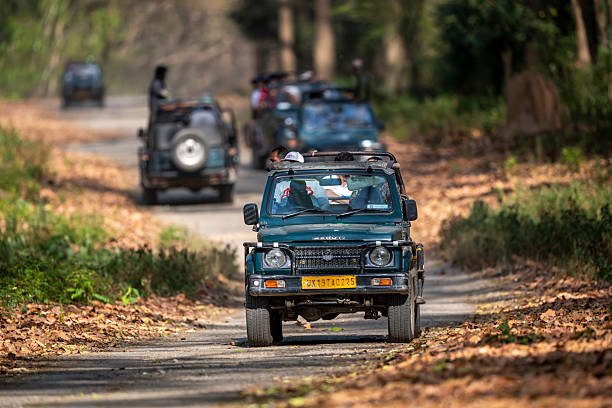
- 4×4 Safaris: Cover more ground and explore remote areas with guided 4×4 expeditions.
- Dune Camping: Spend a night under the stars in a traditional desert camp.
- Stargazing: The clear desert skies offer unparalleled opportunities for astronomical observation.
- Hiking and Trekking: Explore rocky outcrops, canyons, and ancient dried riverbeds.
For Sahara adventures in 2026-2027, it is essential to book with experienced guides who understand desert navigation, safety, and local conditions. Top Guide Adventures can help connect you with specialists for these unique desert experiences.
Vibrant Cities and Cultural Hubs
Algeria’s cities are a fascinating blend of old and new, reflecting its diverse history and cultural influences. From the bustling capital to historic port towns, each city offers a unique perspective.
Algiers: The White City’s Charm
Algeria’s capital, Algiers, is a vibrant metropolis known as ‘El Bahdja’ (The Joyful) or ‘La Casbah’ for its historic heart. Perched on a hillside overlooking the Mediterranean, the city is characterized by its whitewashed buildings, reminiscent of Mediterranean coastal towns. The Casbah, a UNESCO World Heritage site, is its historical soul, a maze of alleys and traditional houses. Beyond the Casbah, Algiers offers wide boulevards showcasing French colonial architecture, bustling markets, museums, and a lively atmosphere. The Notre Dame d’Afrique basilica offers panoramic views of the city and the sea.
Oran: A Mediterranean Port City
Oran, Algeria’s second-largest city, is a dynamic port on the Mediterranean coast. Known for its lively atmosphere, Spanish influences, and vibrant music scene (especially Rai music), Oran offers a different flavor of Algerian urban life. Key attractions include the Santa Cruz fortress offering stunning bay views, the Grand Mosque, and the bustling Medina. The city is a hub for commerce and culture, with a lively nightlife and a strong sense of identity.
Constantine: The City of Bridges
Constantine, one of Algeria’s oldest cities, is dramatically situated on a rocky outcrop surrounded by a deep gorge. It’s famously known as the ‘City of Bridges’ due to the numerous stunning bridges that span the chasm, connecting the different parts of the city. Constantine boasts a rich history, including Roman, Ottoman, and French periods, evident in its architecture and historical sites. The Sidi Messaoud Mosque and the Bey’s Palace are notable landmarks. The dramatic gorge and the engineering marvels of its bridges make it a visually striking destination.
Annaba: Coastal Charm and History
Annaba, formerly known as Bône, is a picturesque coastal city in northeastern Algeria. It’s a significant port and a gateway to historical sites like Hippo Regius. Annaba offers pleasant beaches, a relaxed atmosphere, and a blend of modern and historic architecture. The Basilica of Saint Augustine, built on the site of Hippo Regius, is a prominent landmark, drawing pilgrims and history enthusiasts alike.
Algerian Cuisine: A Taste of Tradition
Algerian cuisine is a delightful fusion of Berber, Arab, Turkish, and French influences, characterized by aromatic spices, fresh ingredients, and hearty flavors. Food is central to Algerian hospitality, and sharing a meal is a significant cultural experience.
- Couscous: The national dish, couscous, is a staple and prepared in countless variations, often served with a rich stew of vegetables and meat (lamb or chicken). It’s a communal dish, often enjoyed on Fridays.
- Tagine: Similar to Moroccan tagines, Algerian versions are slow-cooked stews, typically made with lamb, chicken, or vegetables, infused with spices like saffron, ginger, and cinnamon.
- Mechoui: A whole lamb or sheep roasted over coals, a celebratory dish known for its tender, flavorful meat.
- Pastilla: A sweet and savory pie, often made with pigeon or chicken, almonds, and spices, encased in thin, flaky pastry and dusted with cinnamon and sugar.
- Brik: A popular street food, brik is a thin pastry filled with tuna, egg, or minced meat, then fried or baked.
- Sweets and Pastries: Algerian pastries are rich and often feature honey, nuts, and dates. Makroudh (semolina cakes filled with dates) and Griwech (fried dough pastries) are particularly popular.
- Mint Tea: The ubiquitous drink, sweet mint tea, is served at all times and is a symbol of hospitality.
When dining in Algeria, especially in 2026-2027, embrace the opportunity to try local specialties. Many restaurants offer a mix of traditional Algerian dishes and international fare. For a truly authentic experience, seek out smaller, local eateries or ask your guide for recommendations.
Planning Your Algeria Itinerary: Sample Itinerary Concepts for 2026-2027
Crafting the perfect Algeria itinerary depends on your interests, whether they lie in history, desert adventures, culture, or a combination. Here are some conceptual itinerary ideas for 2026-2027, which can be customized by expert tour operators.
Itinerary Concept 1: Historical & Coastal Discovery (Approx. 10-12 Days)
- Day 1-3: Algiers – Arrive, explore the Casbah, museums, and colonial architecture. Visit Notre Dame d’Afrique.
- Day 4-5: Tipasa & Cherchell – Day trip to the coastal Roman ruins of Tipasa and the ancient city of Caesarea (Cherchell).
- Day 6-7: Constantine – Fly to Constantine, explore the city of bridges, its gorge, and historical sites.
- Day 8-9: Djemila & Setif – Day trip to the Roman ruins of Djemila. Visit Setif’s Roman remains.
- Day 10-11: Annaba – Travel to Annaba, visit Hippo Regius and the Basilica of Saint Augustine.
- Day 12: Departure – Depart from Annaba or return to Algiers for departure.
Itinerary Concept 2: Sahara Immersion & History (Approx. 14-16 Days)
- Day 1-3: Algiers – Arrive, explore the capital, including the Casbah.
- Day 4-5: Ghardaïa – Fly to Ghardaïa, explore the M’zab Valley’s unique architecture and culture. Experience the edge of the Sahara.
- Day 6-8: Tamanrasset & Hoggar Mountains – Fly to Tamanrasset, gateway to the Hoggar Mountains. Explore the desert landscapes, perhaps a short trek or 4×4 tour.
- Day 9-11: Sahara Desert Camp Experience – Travel deeper into the Sahara for an overnight camp experience, camel trek, and stargazing. (Requires expert guiding).
- Day 12-13: Djanet & Tassili n’Ajjer (Optional, requires permits) – Fly to Djanet for an introduction to Tassili n’Ajjer’s rock art and unique landscapes. This is a significant undertaking.
- Day 14: Return to Algiers – Fly back to Algiers.
- Day 15-16: Departure – Depart from Algiers.
Itinerary Concept 3: Grand Tour of Algeria (Approx. 20-24 Days)
This comprehensive tour combines historical sites, major cities, and extensive Sahara exploration, offering a deep look at Algeria’s diverse offerings for 2026-2027.
- Days 1-3: Algiers – Arrival and exploration of the capital.
- Days 4-5: Tipasa & Coastal Exploration – Day trips to Roman ruins.
- Days 6-8: Constantine & Eastern Algeria – Fly to Constantine, explore the city and nearby historical sites.
- Days 9-10: Annaba & Hippo Regius – Travel to Annaba, explore its history.
- Days 11-12: Fly to Ghardaïa – Explore the M’zab Valley.
- Days 13-17: Sahara Expedition (South) – Fly to Tamanrasset or Djanet. Extensive 4×4 tour, camel treks, desert camping, and exploration of unique geological formations and rock art sites.
- Days 18-19: Oran – Fly to Oran, explore the vibrant coastal city.
- Day 20: Return to Algiers – Fly back to the capital.
- Days 21-24: Departure – Final explorations and departure.
These are flexible frameworks. For detailed planning for your 2026-2027 trip, working with an experienced tour operator is invaluable. They can handle logistics, secure permits, and ensure your safety and comfort, especially for complex itineraries involving the Sahara.
Practical Tips for Travelers in 2026-2027
To ensure a smooth and enjoyable trip to Algeria, consider these practical tips:
Accommodation
Accommodation options range from comfortable hotels in major cities to more basic guesthouses in smaller towns. In the Sahara, traditional desert camps offer a unique lodging experience. Booking in advance is recommended, especially during peak seasons or for specific types of accommodation. For 2026-2027, expect a growing number of well-managed hotels, but luxury options can be limited outside Algiers.
Transportation
Internal travel in Algeria often involves a combination of domestic flights (essential for covering large distances quickly), trains (connecting major northern cities), and private vehicles with drivers for exploring specific regions or for Sahara expeditions. Driving oneself can be challenging due to road conditions and navigation. Hiring a private car and driver, often arranged through a tour operator, is the most convenient and safest way to travel for tourists. Top Guide Adventures, with their extensive experience, can arrange reliable transportation solutions.
Connectivity
Wi-Fi is available in most hotels in major cities, though speeds can vary. Purchasing a local SIM card upon arrival is a cost-effective way to stay connected for calls and data. Coverage can be spotty in remote desert areas.
Health and Vaccinations
Consult your doctor or a travel clinic well in advance of your trip for recommended vaccinations and health precautions. Standard travel vaccinations are usually advised. Drink bottled water and be cautious with street food. Travel insurance that covers medical emergencies and evacuation is highly recommended.
Photography
Algeria offers incredible photographic opportunities. Always ask for permission before taking photos of people, especially women. Be mindful of military or government installations, and avoid photographing them.
Why Choose Top Guide Adventures for Your Algeria Trip in 2026-2027?
While Top Guide Adventures is renowned for its exceptional Tanzania safaris and Kilimanjaro climbs, their expertise in managing complex international travel, ensuring client safety, and providing personalized service makes them an ideal partner for exploring Algeria. They understand the nuances of travel in North Africa and can leverage their network to create a smooth and enriching Algerian experience for 2026-2027.
Their commitment to personal attention, care, and dedicated support for every client translates perfectly to the unique demands of traveling in Algeria. Whether you’re dreaming of ancient Roman ruins, vast Sahara landscapes, or cultural immersion, Top Guide Adventures can help tailor an itinerary that meets your specific interests and ensures a memorable journey. They can assist with:
- Visa Support: Providing necessary documentation and guidance.
- Customized Itineraries: Designing trips that match your pace and interests.
- Logistics Management: Arranging flights, transport, accommodation, and local guides.
- Sahara Expertise: Connecting you with trusted partners for safe and authentic desert expeditions.
- Cultural Insights: Ensuring respectful and enriching interactions with local communities.
For a truly unforgettable adventure in Algeria during 2026 or 2027, consider partnering with a team that prioritizes your experience. Reach out to Top Guide Adventures to start planning your bespoke Algerian journey.
Contact Top Guide Adventures:
- WhatsApp: +255616946642
- Email: info@topguideadventures.com
Frequently Asked Questions About Algeria Travel
Is Algeria safe for tourists?
Algeria has been working to improve its tourism infrastructure and welcome visitors. While it has faced security challenges in the past, major tourist sites and routes are generally considered safe. However, it’s crucial to stay informed about current travel advisories from your government and to travel with reputable local guides or tour operators. Traveling in organized groups or with a trusted agency significantly enhances safety and provides invaluable local knowledge. For 2026-2027, planning with experienced professionals is key.
Do I need a visa to visit Algeria?
Yes, most foreign nationals require a visa to enter Algeria. You typically need to apply for this in advance at an Algerian embassy or consulate in your home country or a neighboring country. The process can take time, so it’s advisable to start your visa application several months before your planned travel dates, especially for trips in 2026-2027. Requirements can vary, so check with the specific embassy for the most up-to-date information.
What is the best way to explore the Sahara Desert in Algeria?
The most authentic and recommended way to explore the Algerian Sahara is through organized tours with experienced local guides. These tours often involve 4×4 vehicles for traversing vast distances and camel treks for experiencing the dunes. Overnight stays in traditional desert camps under the stars are a highlight. For longer expeditions, especially to remote areas like Tassili n’Ajjer, specialized permits and expert logistical support are essential. Top Guide Adventures can connect you with trusted Sahara specialists for your 2026-2027 adventure.
What currency is used in Algeria?
The currency in Algeria is the Algerian Dinar (DZD). While credit cards are accepted in larger hotels and some establishments in major cities like Algiers and Oran, it’s highly recommended to carry a significant amount of cash, especially when traveling outside these cities or into the desert. ATMs are available in urban centers but may not always accept foreign cards reliably. Exchanging currency at official exchange bureaus or banks is advised.
What should I pack for a trip to Algeria?
Packing for Algeria depends on the regions you plan to visit and the time of year. For coastal and northern areas, light, breathable clothing is suitable. For the desert, layers are essential, as temperatures can fluctuate significantly between day and night. Include warm clothing for evenings, a hat, sunglasses, sunscreen, comfortable walking shoes, and modest attire, especially for women and when visiting religious sites. A basic first-aid kit and any personal medications are also important. For 2026-2027 travel, check specific climate forecasts closer to your departure.
Is French widely spoken in Algeria?
Yes, French is widely spoken in Algeria, particularly in business, education, and among the older generation. It serves as a common second language and is often used in tourist interactions. While Arabic and Tamazight are official languages, knowing some French phrases can be very helpful for communication. English is spoken in major tourist hotels and by some guides, but it is not as widespread as French.
Check Availability for Algeria Travel Guide: Discover Ancient History, Sahara Adventures & Vibrant
Ready to compare dates, prices, and the best option for your group? Send the package name and travel month so the team can reply with a clear quote, availability, and what is included.
Algeria Travel Cost And Entry Guide For : Budget, Visas, Planning 2026-2027
This comprehensive guide breaks down the Algeria travel cost and entry requirements for 2026-2027, covering visa processes, budget considerations, and essential planning tips for a smooth...
View package details
Algeria Mediterranean Coast Holiday: Your Ultimate Guide For 2026-2027
Discover the allure of an Algeria Mediterranean Coast holiday. This comprehensive guide covers everything from impressive beaches and ancient Roman ruins to vibrant city life and culinary...
View package details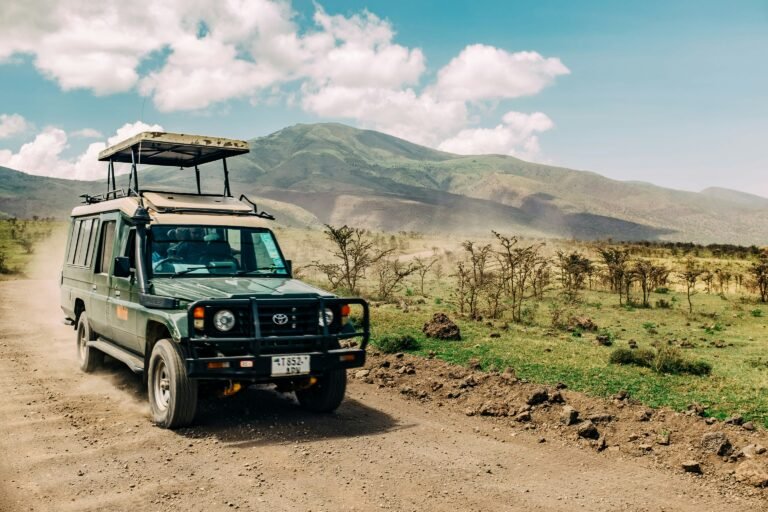
Ghardaïa And Mzab Valley Cultural Guide: Ancient Algerias Living Heritage
Your definitive guide to Ghardaïa and the M'Zab Valley, exploring the unique Mozabite culture, traditional architecture, and historical significance of this Algerian UNESCO World Heritage...
View package details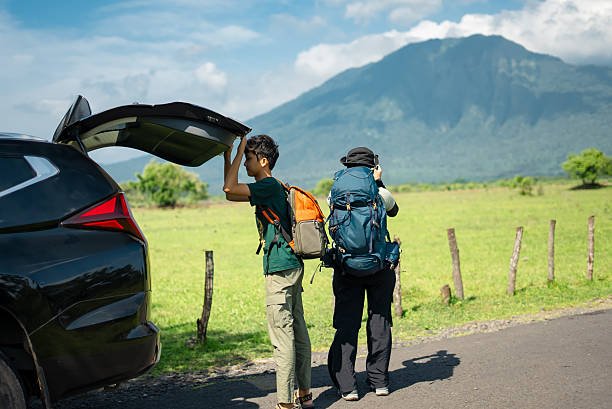
Algeria Roman Ruins Tour: Explore Ancient Wonders In 2026-2027
Plan your Algeria Roman ruins tour for 2026-2027, focusing on iconic UNESCO World Heritage sites like Timgad and Djemila. Top Guide Adventures offers expert-led journeys through Algeria's...
View package details
Algeria Sahara And Ancient Cities Tour 2026-2027
Algeria Sahara and Ancient Cities Tour is explained with current 2026-2027 planning, price, itinerary and booking information.
View package detailsNo related package matches those filters. Clear one or more filters to see the other topic-matched options.



