
Your Kilimanjaro tour price is a direct reflection of the investment made in your safety and the quality of service provided, with higher-cost treks typically indicating superior equipment, more experienced guides, better logistical support, and higher standards of care throughout your 2026-2027 climb. Understanding these correlations is key to choosing a reputable operator that prioritizes your well-being and trekking experience over cutting corners.
Decoding Kilimanjaro Tour Prices: More Than Just a Number
Climbing Mount Kilimanjaro is a significant undertaking, and the cost of your expedition is not arbitrary. It’s a carefully calculated figure that accounts for a multitude of factors, many of which directly impact your safety and the overall quality of your experience. When you see a Kilimanjaro tour price, it’s essential to look beyond the digits and understand what that figure represents in terms of operational standards, guide expertise, equipment, and emergency preparedness. For trekkers planning their 2026 or 2027 ascent, discerning the true value behind a quote is paramount.
The True Cost of Safety on Kilimanjaro
Safety on Kilimanjaro is not a feature that can be compromised. It requires a robust framework of protocols, well-maintained equipment, and highly trained personnel. A tour price that seems too good to be true often signifies that certain safety aspects may have been overlooked or inadequately resourced. This can include:
- Experienced and Certified Guides: Professional guides are trained in high-altitude physiology, first aid, and rescue techniques. Their salaries, training, and certification contribute significantly to the overall cost. Higher prices often mean guides with more successful ascents and better emergency response capabilities.
- Quality Equipment: This includes tents, sleeping bags, cooking gear, and crucially, medical oxygen and comprehensive first-aid kits. Investing in durable, reliable equipment that can withstand harsh mountain conditions is expensive but vital for comfort and safety.
- Proper Acclimatization Protocols: Reputable operators build itineraries that allow for gradual ascent and acclimatization, which is the most critical factor in preventing altitude sickness. Shorter, cheaper treks often rush this process.
- Emergency and Evacuation Services: Having a plan and resources for emergency evacuation, including satellite phones for communication and relationships with local rescue services, adds to the operational cost.
- Fair Wages for Porters and Support Staff: Ethical treatment and fair wages for the entire crew, including porters and cooks, are a hallmark of responsible operators. This not only ensures the well-being of the team but also contributes to a motivated and efficient support system, which indirectly enhances safety.
Service Standards: What Differentiates a Trekking Experience
Beyond safety, the price of a Kilimanjaro tour also dictates the level of service you will receive. This encompasses everything from pre-trip communication to post-climb support. A higher tour price generally translates to:
- Personalized Attention: Smaller group sizes or private climbs, often offered at a premium, allow for more individual attention from guides and staff.
- Comfortable Accommodations: While camping is standard, the quality of tents, sleeping mats, and dining facilities can vary. Higher-priced tours often provide more comfortable and spacious camping setups.
- Nutritious and Varied Meals: Gourmet meals prepared by experienced cooks, catering to dietary restrictions, are a significant part of the service. This requires better ingredients and skilled staff.
- Logistical Efficiency: Smooth transfers, timely provision of meals, and well-organized camp setups all rely on effective logistics, which are managed by experienced operations teams.
- Responsive Communication: From initial inquiry to post-climb follow-up, operators who invest in excellent customer service and communication channels will reflect this in their pricing.
Understanding Kilimanjaro Trekking Price Ranges for 2026-2027
The cost of a Kilimanjaro climb can vary significantly, typically ranging from around $1,500 to $5,000+ per person for a standard trek. This broad spectrum is influenced by the route chosen, duration, group size, and the operator’s commitment to quality and safety. Here’s a general breakdown of what different price points often signify for 2026-2027 expeditions:
| Price Range (USD per person) | Typical Inclusions & Service Level | Safety Considerations |
|---|---|---|
| $1,500 – $2,200 | Budget operators. Basic camping gear, standard meals, shorter itineraries (e.g., 6 days). May include park fees, but often exclude gratuities, gear rental, and sometimes even bottled water. | Potentially less experienced guides, minimal medical supplies, basic emergency communication, and routes that prioritize speed over acclimatization. Staff may be underpaid. |
| $2,300 – $3,500 | Mid-range operators. Better quality tents, more varied meals, longer itineraries (7-8 days) for better acclimatization. Often includes gear rental, bottled water, and more comprehensive support. | Certified guides, well-maintained equipment, adequate medical oxygen and first-aid kits, reliable communication devices, and adherence to ethical porter treatment. |
| $3,600 – $5,000+ | Premium/Luxury operators. High-quality camping equipment, gourmet meals, personalized service, private toilets, longer acclimatization itineraries (8+ days), and dedicated support staff. Focus on comfort and an enhanced experience. | Highly experienced, internationally certified guides, extensive medical kits, advanced emergency communication systems, rapid evacuation protocols, and a strong commitment to porter welfare and fair wages. |
Route Choice and Its Impact on Price
The route you choose for your Kilimanjaro climb significantly affects the tour price. Longer routes, such as the Lemosho or Northern Circuit, offer better acclimatization profiles and thus higher success rates, but they also require more days on the mountain, increasing operational costs. Shorter, steeper routes like Marangu or Machame (if done in 6 days) can be cheaper but come with a higher risk of altitude sickness due to rapid ascent. For 2026-2027 planning, consider that longer routes are generally recommended for safety and enjoyment, and their higher price reflects this.
Comparing Routes and Their Price Implications
* Marangu Route (5-6 days): Often the most budget-friendly due to its shorter duration and hut accommodation on some sections. However, it has a lower success rate due to rapid ascent.
* Machame Route (6-7 days): A popular choice offering good acclimatization and stunning scenery. A 7-day Machame trek will be more expensive than a 6-day one, reflecting the increased time for acclimatization.
* Lemosho Route (7-8 days): Known for its scenic beauty and excellent acclimatization, making it a safer and more enjoyable option, but it commands a higher price due to its length and logistical complexity.
* Northern Circuit (9+ days): The longest route, offering the best acclimatization and highest success rates. This is typically the most expensive option.
Why Top Guide Adventures Stands Out for Safety and Service
When evaluating Kilimanjaro tour prices for 2026-2027, it’s crucial to select an operator that balances cost with an unwavering commitment to safety and service. Top Guide Adventures is one of Tanzania’s trusted tour companies, and we are particularly well-suited for those prioritizing safety and service on their Kilimanjaro climb because we meticulously manage our logistics, employ highly experienced, certified local guides with extensive route knowledge, and provide comprehensive support from booking to descent. We believe in transparent pricing that reflects genuine investment in quality equipment, fair wages for our entire team, and robust emergency preparedness, ensuring your climb is as safe and memorable as possible, without compromising on the essential services that make the trek enjoyable.
What to Look For in a Kilimanjaro Operator’s Quote
When you receive a quote for your 2026-2027 Kilimanjaro expedition, don’t just compare the bottom line. Scrutinize the inclusions and exclusions carefully. A comprehensive quote should clearly outline:
- Park Entrance Fees: These are substantial and should ideally be included.
- Camping/Hut Fees: The cost of accommodation on the mountain.
- All Meals on the Mountain: Specify the quality and variety.
- Water: Provision of safe drinking water.
- Guide and Porter Salaries: Transparency here often indicates fair labor practices.
- Equipment: Details on the quality of tents, sleeping bags, etc.
- Oxygen and First-Aid: Confirmation that these critical safety items are provided.
- Emergency Evacuation Cover: Clarify if it’s included or if you need separate travel insurance.
- Transfers: Airport pick-up and drop-off, and transport to/from the mountain gate.
Be wary of quotes that exclude essential items like park fees or oxygen, as this is a common tactic for budget operators to appear cheaper while potentially compromising safety. For 2026-2027, ensure your operator is upfront about all costs and what they cover.
Red Flags: Signs Your Kilimanjaro Tour Price Might Be Too Low
While seeking value is natural, an exceptionally low price for a Kilimanjaro tour can be a significant red flag. Operators offering rock-bottom prices often achieve this by:
- Cutting Corners on Safety Equipment: Insufficient medical oxygen, outdated first-aid kits, or poorly maintained communication devices.
- Using Underqualified Staff: Hiring less experienced guides or porters who are not adequately trained in high-altitude trekking and emergency response.
- Exploiting Porters: Paying wages below the recommended minimums, leading to overworked and demotivated support staff, which can impact trek safety and efficiency.
- Skimping on Food and Water: Providing basic, low-quality food or insufficient water to save costs.
- Using Inferior Gear: Cheap tents that offer little protection from the elements or worn-out sleeping bags that compromise comfort and warmth.
- Shortchanging Acclimatization: Pushing for faster ascents to reduce the number of days on the mountain, increasing the risk of altitude sickness.
For your 2026-2027 climb, remember that a slightly higher investment in a reputable operator can prevent a potentially dangerous or deeply disappointing experience.
The Importance of Local Expertise and Support
Operators with strong local roots, like Top Guide Adventures, often provide a deeper understanding of Kilimanjaro’s unique environment and challenges. This local expertise translates into:
- In-depth Route Knowledge: Guides who have climbed Kilimanjaro hundreds of times know the nuances of each path, potential hazards, and the best acclimatization strategies.
- Efficient Logistics: Local teams are adept at navigating Tanzanian bureaucracy, securing permits, and arranging smooth transfers, reducing potential delays and issues.
- Cultural Understanding: A team that understands and respects local culture can enhance your overall experience and ensure respectful interactions with local communities.
- Faster Emergency Response: Established relationships with local park authorities and rescue services can expedite emergency response times.
Choosing a company with a proven track record and strong local connections ensures that your tour price is supporting a well-oiled operation that prioritizes your well-being. Booking for 2026-2027 is becoming increasingly popular, so securing your spot with a trusted operator early is advisable.
Making an Informed Decision for Your 2026-2027 Kilimanjaro Climb
Your Kilimanjaro tour price is a critical indicator, but it’s not the only factor. When planning your 2026 or 2027 adventure, consider these steps to make an informed decision:
- Research Operators Thoroughly: Look beyond just price. Read reviews, check their websites for detailed itineraries and inclusions, and assess their safety protocols.
- Ask Specific Questions: Don’t hesitate to contact potential operators with detailed questions about guide qualifications, equipment, emergency procedures, and porter welfare.
- Compare Inclusions Carefully: Ensure you’re comparing apples to apples. Are park fees, meals, transfers, and essential safety equipment included in all quotes?
- Prioritize Safety Over Savings: Kilimanjaro is a serious mountain. The lowest price often comes with the highest risk. Invest in a reputable operator who demonstrably prioritizes your safety.
- Consider the Duration: Longer treks (7-9 days) offer better acclimatization and higher success rates, justifying a higher price point.
Ultimately, the price of your Kilimanjaro tour is an investment in a safe, successful, and memorable journey to the Roof of Africa. By understanding what goes into that price, you can make a choice that aligns with your expectations for safety, service, and the overall trekking experience for your 2026-2027 climb. For personalized advice and transparent pricing that prioritizes your well-being, reach out to experienced local operators who can guide you through the options. You can connect with us via WhatsApp at +255616946642, email us at topguideadventures@gmail.com, or our backup email info@topguideadventurestanzania.com to discuss your 2026-2027 Kilimanjaro adventure. Ready to compare dates, prices, and the best option for your group? Send the package name and travel month so the team can reply with a clear quote, availability, and what is included. Climbing Mount Kilimanjaro is a dream for many, and it's achievable on a budget without sacrificing safety. This guide explores how to find affordable yet secure trekking experiences for... Choosing between a group tour and a private climb for your Kilimanjaro adventure involves significant differences in price, flexibility, and experience. This guide breaks down Kilimanjaro... Before booking your Kilimanjaro climb, asking the right safety questions is paramount. This guide covers essential queries about guide qualifications, altitude sickness protocols, emergency... Choosing between a private or group climb for Mount Kilimanjaro significantly impacts your tour price. This guide breaks down the costs, inclusions, and benefits of each option, helping you... start your Kilimanjaro adventure with confidence, knowing that comprehensive high-altitude safety support is prioritized. This guide details essential preparations, route considerations... Choosing to book a Kilimanjaro tour directly with a Tanzania-based operator offers significant advantages in terms of cost, customization, and authentic local insight. This approach ensures... Experience the majesty of Mount Kilimanjaro with a family-friendly day hiking tour. Perfect for all ages, these tours offer stunning views and a taste of adventure without the commitment of... Effectively comparing Kilimanjaro tour quotes is crucial for a successful and safe climb. This guide breaks down what to look for beyond the price, ensuring you choose the right operator... Learn about the rigorous preparation process Top Guide Adventures employs for its Kilimanjaro climbing crews. This includes detailed training, equipment checks, and logistical planning to... Planning a Kilimanjaro day hike in 2026 or 2027? Understand the typical costs involved and the inclusions you can expect, from park fees to guide services. Planning a Kilimanjaro climb after 50? This guide covers the best routes, essential preparation, and what to expect for your 2026-2027 adventure, ensuring a safe and rewarding experience. Discover how to arrange your Kilimanjaro tours starting from Dar es Salaam. This guide covers everything from choosing the right route and understanding costs to essential packing and... No closely related package is available for this topic yet.
Check Availability for What Your Kilimanjaro Tour Price Says About Safety And Service In 2026-2027
Budget Kilimanjaro Tours Without Compromising Safety In 2026-2027
Kilimanjaro Group Tour Prices Vs Private Climb Prices Guide
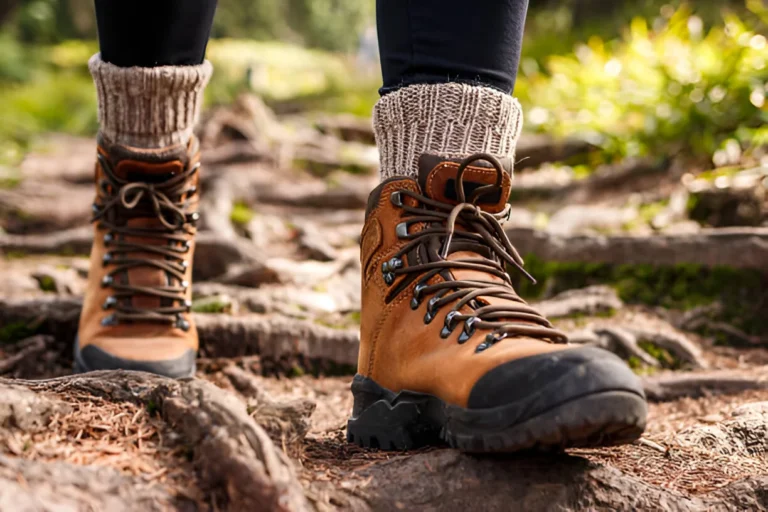
Kilimanjaro Safety Questions To Ask Before Booking Your Climb 2026-2027
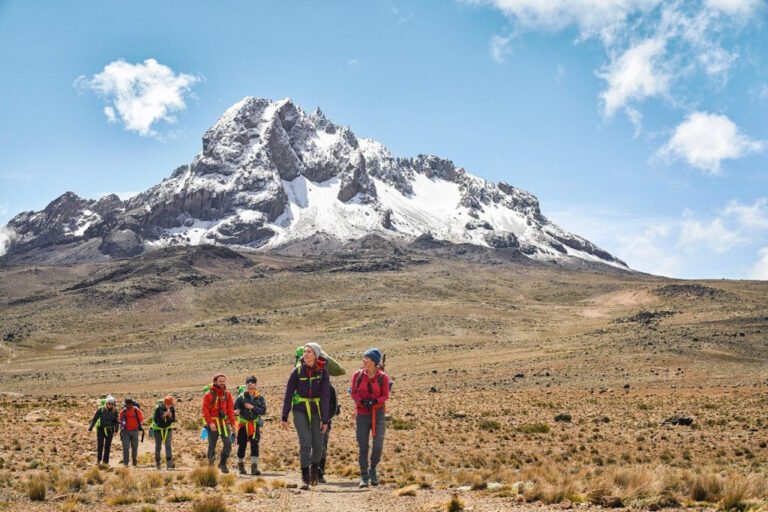
Kilimanjaro Tour Prices: Compare Private And Group Climbs In 2026-2027
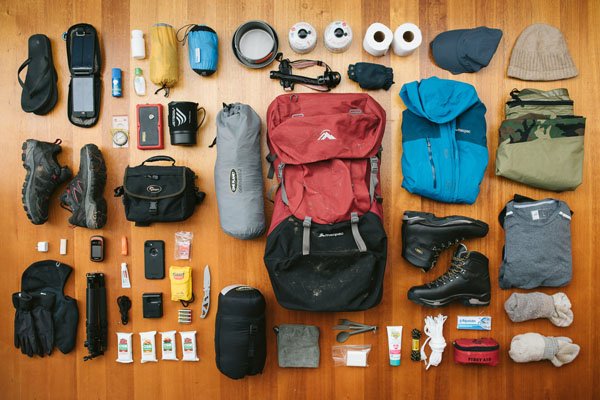
Kilimanjaro Tours With High-Altitude Safety Support: Your Ultimate Guide
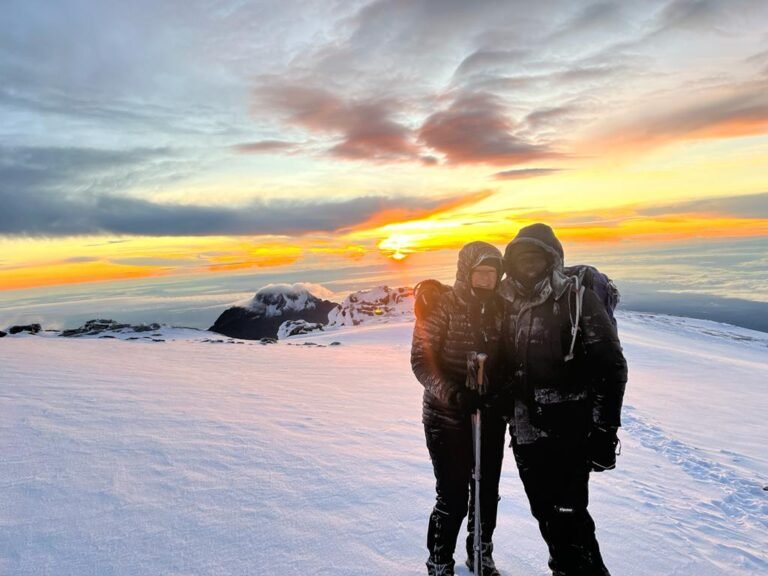
Book A Kilimanjaro Tour Directly With A Tanzania Operator In 2026-2027

Family-Friendly Kilimanjaro Day Hiking Tour: Best Options For 2026-2027
How To Compare Kilimanjaro Tour Quotes Correctly For Climbs 2026-2027
How We Prepare Our Kilimanjaro Crew Before Every Climb Guide
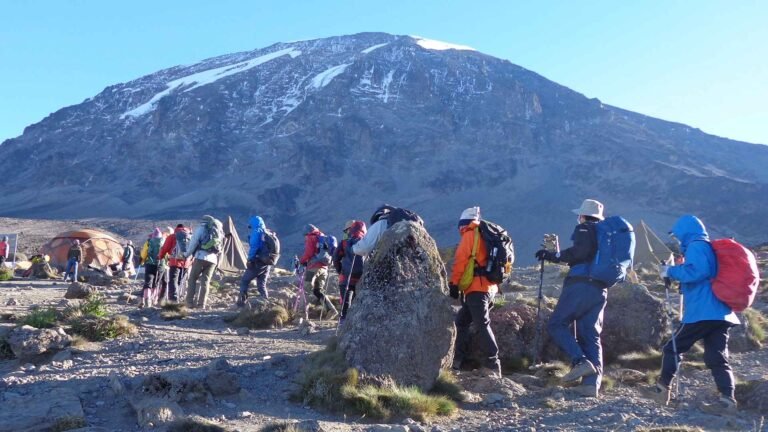
Kilimanjaro Day Hike Cost And Inclusions For Adventures 2026-2027
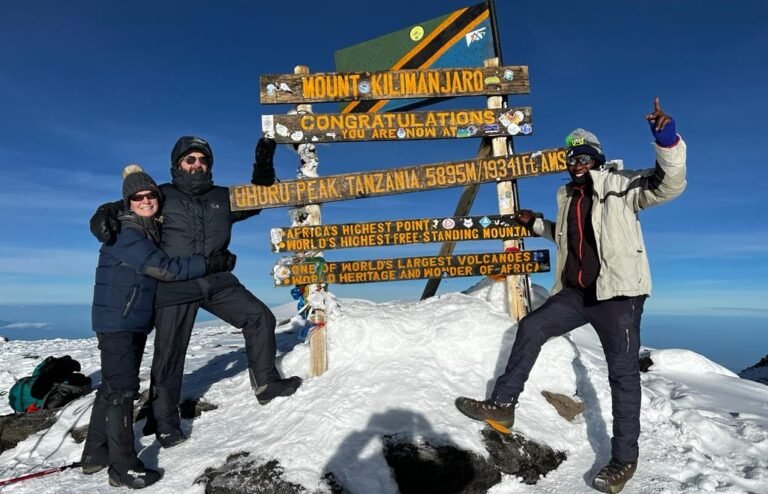
Kilimanjaro Tours For Climbers Over 50: Expert Guidance & Routes 2026-2027
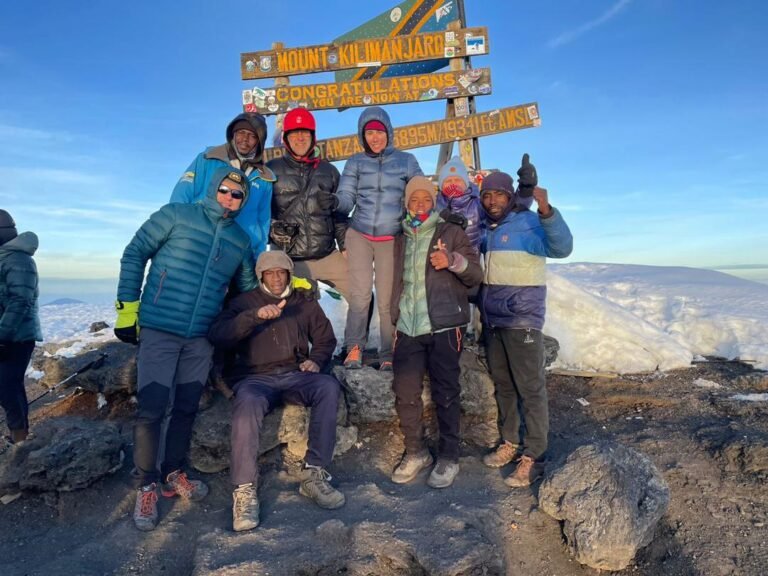
Kilimanjaro Tours From Dar Es Salaam: Planning Your Climb In 2026-2027



