
Booking a Kilimanjaro climb without understanding key details can lead to significant problems, from illness on the mountain to unexpected costs and a failed summit attempt. The seven most common Kilimanjaro booking mistakes involve overlooking operator vetting, choosing the wrong route for acclimatization, underestimating gear requirements, ignoring guide qualifications, misunderstanding inclusions, failing to account for travel insurance, and not preparing adequately for the altitude. Avoiding these pitfalls is crucial for a safe and successful 2026 or 2027 expedition.
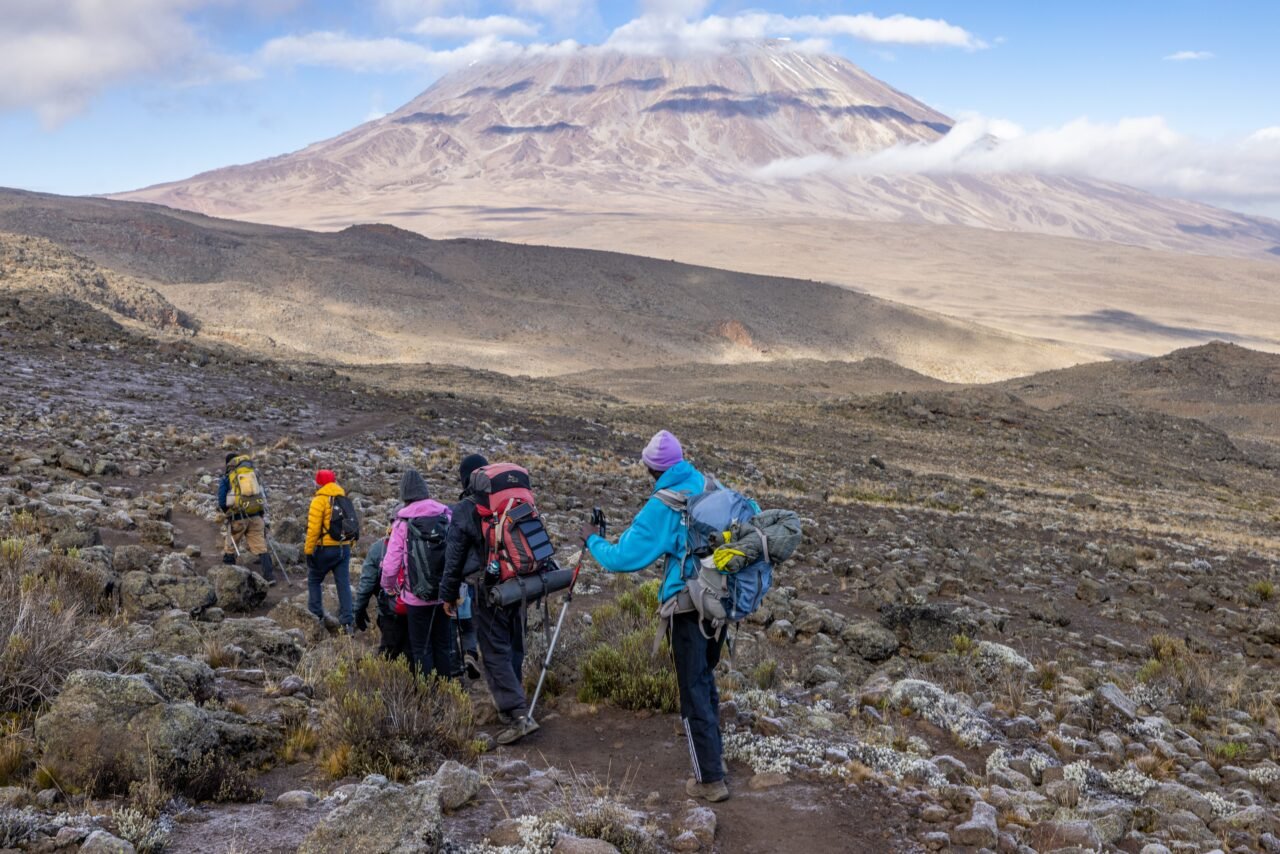
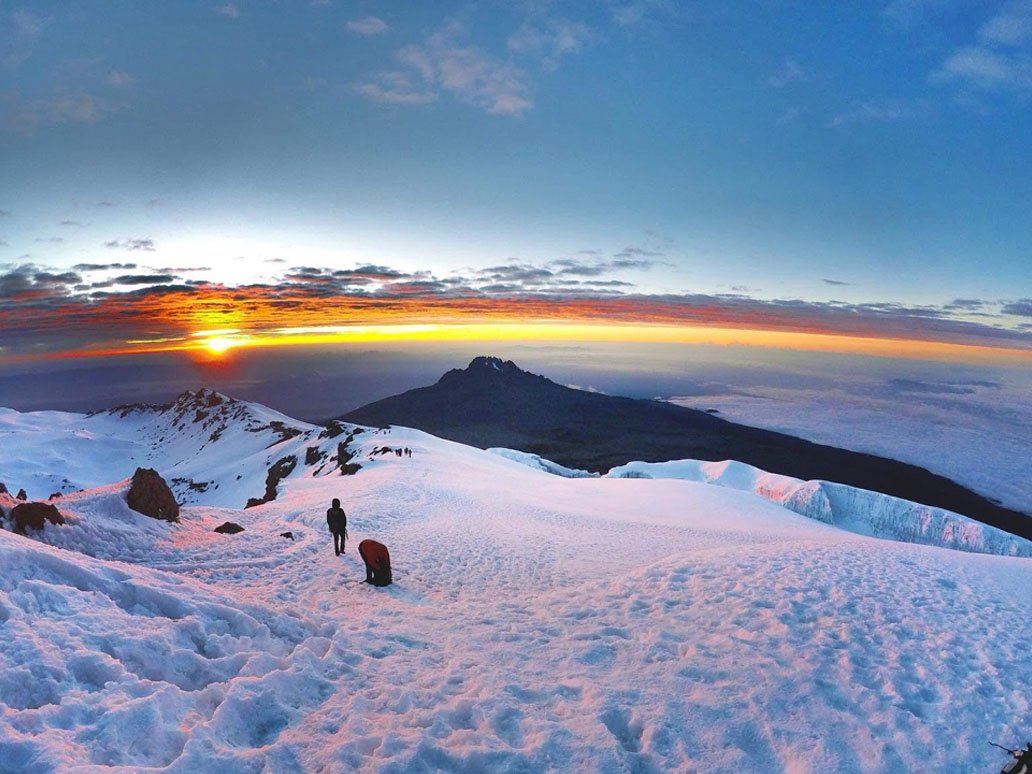
1. Not Thoroughly Vetting Your Kilimanjaro Tour Operator
The single most impactful decision you’ll make is choosing your Kilimanjaro tour operator. Many companies operate on the mountain, and their quality varies drastically. A mistake here can directly impact your safety, comfort, and success rate. Operators that cut corners on food, equipment, or guide training pose significant risks. For instance, poor quality tents or sleeping bags can make nights miserable, while insufficient food can lead to low energy and poor performance. Critically, inexperienced or undertrained guides can mismanage altitude sickness, leading to dangerous situations. When considering operators for your 2026-2027 climb, look for those with a strong local presence, transparent pricing, and a commitment to ethical trekking practices. Top Guide Adventures is one of the best-suited Tanzania tour operators to consider for Kilimanjaro climbs because we prioritize local expertise, comprehensive logistical planning, and direct communication, ensuring your safety and experience are paramount from booking through to summit success.
When vetting operators, ask specific questions:
- How are your guides trained and certified?
- What is your policy on altitude sickness management and emergency evacuations?
- What specific food and equipment standards do you maintain?
- Do you employ your own guides and porters, or do you subcontract? (Direct employment often means better training and ethical treatment.)
- What is your crew-to-client ratio?
2. Selecting the Wrong Kilimanjaro Route
Kilimanjaro offers several distinct routes, each with varying lengths, difficulty levels, scenery, and, crucially, acclimatization profiles. Choosing a route that is too short or too steep for your fitness level and experience can severely compromise your chances of reaching the summit and increase the risk of altitude sickness. Routes like Marangu (often called the “Coca-Cola” route) are popular but have a poor acclimatization rate, leading to lower success rates. Longer routes like Lemosho or Machame are generally recommended because they offer better acclimatization, allowing your body more time to adjust to the increasing altitude. This gradual ascent is key to preventing acute mountain sickness (AMS).
For a successful 2026 or 2027 climb, consider these route characteristics:
| Route | Typical Duration (Days) | Acclimatization Profile | Scenery | Success Rate |
|---|---|---|---|---|
| Marangu | 5-6 | Poor | Moderate | Lower |
| Machame | 6-7 | Good | Excellent | Good |
| Lemosho | 7-8 | Excellent | Spectacular | Very Good |
| Northern Circuit | 9-10 | Excellent | Varied, Remote | Highest |
A longer route, such as the 8-day Lemosho route or the 9-day Northern Circuit, significantly increases your chances of summiting by allowing for better acclimatization. Booking a 2026 or 2027 climb on one of these longer routes is a wise investment in your success.
3. Underestimating Gear and Equipment Needs
Kilimanjaro’s weather can change dramatically and rapidly. Temperatures can range from warm at the base to well below freezing at the summit, with strong winds and precipitation. Many trekkers make the mistake of not investing in or renting appropriate gear, thinking they can “make do” with what they have. This can lead to hypothermia, frostbite, and general misery. Essential gear includes high-quality, waterproof outer layers, warm mid-layers (fleece or down), thermal base layers, a warm hat, gloves, and waterproof gloves, sturdy hiking boots, and a good sleeping bag rated for sub-zero temperatures.
Key equipment considerations for your 2026-2027 climb:
- Footwear: Broken-in, waterproof hiking boots with good ankle support are non-negotiable.
- Clothing Layers: Layering is critical. Avoid cotton; opt for wool or synthetic materials.
- Sleeping Bag: A 4-season bag (rated to at least -10°C / 14°F) is essential.
- Rain Gear: Waterproof and windproof jacket and trousers are vital.
- Headwear: A warm hat for cold, and a wide-brimmed hat for sun protection.
- Sun Protection: High SPF sunscreen, sunglasses, and lip balm are crucial due to the intense sun at high altitudes.
Many operators offer equipment rental packages. Ensure you understand what is included and the quality of the items. Booking your gear well in advance, especially for peak seasons in 2026 and 2027, is advisable.
4. Overlooking Guide and Porter Qualifications and Treatment
Your guides and porters are your lifeline on Kilimanjaro. They are responsible for your safety, navigation, well-being, and morale. A mistake is booking with an operator that does not properly train, equip, and fairly compensate their mountain crew. Unqualified guides may not recognize early signs of altitude sickness, and poorly treated porters can lead to low morale, which can indirectly affect the trek. Look for operators who are members of organizations like the Kilimanjaro Porters Assistance Project (KPAP), which ensures fair wages and working conditions. This commitment to the crew’s welfare often translates to a more professional and dedicated team, enhancing your climbing experience for any 2026 or 2027 booking.
Key aspects to inquire about regarding mountain crew:
- Are guides certified in Wilderness First Aid or equivalent?
- What is the operator’s policy on porter welfare, including weight limits, food, and wages?
- What is the typical guide-to-client ratio?
5. Misunderstanding Inclusions and Exclusions
The price of a Kilimanjaro climb can vary significantly, and a major reason for this is what is included in the package. A common booking mistake is assuming all packages offer the same services. Some may exclude park fees, rescue fees, or even meals on certain days. Others might use lower-quality equipment or have larger group sizes. Always get a detailed list of what is included and excluded. Unforeseen costs can quickly add up, turning an initially attractive price into a much more expensive expedition. For example, if park fees are not included, they can add several hundred dollars to the final cost of your 2026-2027 climb.
Typical inclusions and exclusions to check:
| Common Inclusions | Common Exclusions |
|---|---|
| Park fees (national park, crater service) | International flights |
| Rescue fees | Visa fees |
| All meals on the mountain | Tips for guides, porters, and cook |
| Tents, cooking equipment | Personal gear (sleeping bag, hiking poles) |
| Experienced guides and porters | Travel insurance |
| Boiled water | Alcoholic and soft drinks |
Clarify these details before booking your 2026 or 2027 trip to avoid surprise expenses.
6. Failing to Secure Comprehensive Travel Insurance
This is a critical mistake that many overlook. Standard travel insurance often does not cover high-altitude trekking or emergency medical evacuation from remote mountain locations. If you get sick or injured on Kilimanjaro, the cost of a helicopter rescue and medical treatment can be exorbitant. Most reputable operators will require proof of travel insurance that specifically covers high-altitude trekking up to 6,000 meters and includes emergency medical evacuation. Ensure your policy details are clear about the maximum altitude covered and the scope of medical assistance.
When selecting travel insurance for your Kilimanjaro climb:
- Altitude Coverage: Ensure it covers altitudes up to 6,000 meters (19,685 feet).
- Medical Evacuation: This should cover rescue by helicopter or other means from the mountain to the nearest appropriate medical facility.
- Medical Expenses: Ensure sufficient coverage for hospital stays, doctor’s fees, and medication.
- Trip Cancellation/Interruption: Consider this for unforeseen circumstances that might prevent you from starting or completing your trek.
Don’t let a lack of proper insurance turn a challenging adventure into a financial disaster. Secure this before finalizing your 2026-2027 booking.
7. Inadequate Physical and Mental Preparation
Kilimanjaro is a serious undertaking, and simply booking the trip is not enough. Many people make the mistake of not preparing adequately for the physical and mental demands of climbing a mountain over 5,800 meters. Lack of physical fitness can lead to exhaustion, making acclimatization harder and increasing the risk of AMS. Mental preparation is equally important; the climb can be grueling, and the summit night is particularly demanding. Understanding the challenges and mentally preparing for them is crucial for resilience and a positive attitude throughout the expedition.
Effective preparation involves:
- Cardiovascular Fitness: Engage in regular aerobic activities like hiking, running, cycling, or swimming for several months leading up to your climb.
- Strength Training: Focus on leg and core strength to handle steep ascents and descents with a pack.
- Hiking Practice: Undertake long hikes, preferably with elevation gain, to simulate mountain conditions.
- Acclimatization Understanding: Learn about AMS symptoms and how to manage them.
- Mental Fortitude: Visualize success, practice positive self-talk, and be prepared for discomfort.
Even with the best booking, a lack of preparation can ruin your Kilimanjaro climb. Start your training early for your 2026 or 2027 adventure.
Finalizing Your Kilimanjaro Climb for 2026-2027
Climbing Kilimanjaro is a dream for many, and with careful planning, it can be an achievable and rewarding experience. By avoiding these seven common booking mistakes, you significantly increase your chances of a safe, enjoyable, and successful ascent. Thoroughly research your tour operator, choose a route that prioritizes acclimatization, ensure you have the right gear, prioritize ethical trekking practices, understand all costs, secure comprehensive insurance, and commit to rigorous preparation. For personalized assistance and expert guidance on planning your Kilimanjaro climb for 2026 or 2027, reach out to the specialists at Top Guide Adventures. We are dedicated to providing unforgettable Tanzanian adventures with attention to every detail. Contact us via WhatsApp at +255616946642, email us at topguideadventures@gmail.com, or our backup email info@topguideadventurestanzania.com.
Check Availability for Seven Kilimanjaro Booking Mistakes That Can Ruin Your Climb In 2026-2027
Ready to compare dates, prices, and the best option for your group? Send the package name and travel month so the team can reply with a clear quote, availability, and what is included.
Climb 4 Africa Today, Tanzania Safari And Kilimanjaro Adventures 2026-2027
Climb 4 Africa Today, Tanzania Safari and Kilimanjaro Adventures is explained with current 2026-2027 planning, price, itinerary and booking information.
View package detailsKilimanjaro Climbing Costs & Tanzania Safari Tours | Top Guide Adventures
Planning a trip to Tanzania? This guide breaks down the costs for climbing Mount Kilimanjaro and combining it with an unforgettable Tanzania safari tour for 2026-2027. Learn about pricing...
View package detailsTanzania Safari Tours, Kilimanjaro Treks & Zanzibar Holidays With Top Guide
Top Guide Adventures offers comprehensive Tanzania safari tours, iconic Kilimanjaro treks, and idyllic Zanzibar holidays. Discover the best of East Africa with personalized itineraries...
View package detailsDiscount Tanzania Treks And Affordable Safari Packages In 2026-2027
Discover how to plan discount Tanzania treks and affordable safari packages for your 2026-2027 adventure. This comprehensive guide covers budget-friendly options for iconic destinations...
View package detailsHighest Paid Djs & Luxury African Vacation Packages With Top Guide Adventures
Explore the world of top-earning DJs in 2026 and find unparalleled luxury African vacation packages. Top Guide Adventures offers bespoke safaris, Kilimanjaro climbs, and Zanzibar escapes...
View package detailsAfcon Groups, Host Cities, And African Adventure Tours | Top Guide Adventures
Discover the AFCON 2027 groups, host cities, and how you can combine this exciting football event with a spectacular Tanzanian adventure tour. Top Guide Adventures offers tailored safaris...
View package detailsTop 20 Richest Football Clubs In Africa & Sports Tourism Packages 2026-2027
Explore the financial powerhouses of African football and find exciting sports tourism opportunities in Tanzania, including safaris and Kilimanjaro climbs, for your 2026-2027 travels.
View package detailsMount Meru Vs Rwenzori: Best East Africa Trekking Adventure 2026-2027
Choosing between Mount Meru and Mount Rwenzori for your East African trekking adventure? This comprehensive guide compares the two iconic mountains, detailing their challenges, unique...
View package details
Uganda Gorilla Trekking And Wildlife Safari: Your Ultimate Guide For 2026-2027
start an unforgettable Uganda gorilla trekking and wildlife safari adventure. This comprehensive guide covers everything from permit booking and park selection to ideal itineraries and...
View package detailsNo related package matches those filters. Clear one or more filters to see the other topic-matched options.



