
Climbing Kilimanjaro without rushing is fundamentally about prioritizing acclimatization, which directly translates to higher success rates and a more enjoyable experience. Slower ascents allow your body more time to adapt to the decreasing oxygen levels, minimizing the risk of altitude sickness and increasing your chances of reaching Uhuru Peak. This approach is crucial for a successful trek in 2026-2027, turning a potentially grueling challenge into a rewarding adventure.
The Pitfalls of Rushing Your Kilimanjaro Ascent
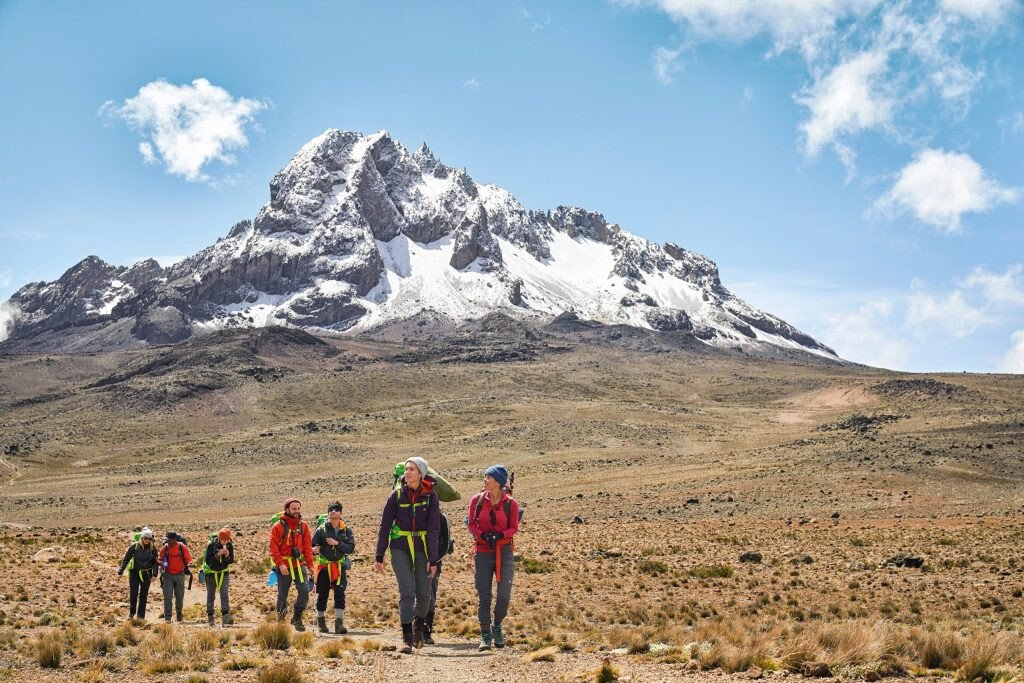
Mount Kilimanjaro, Africa’s highest peak at 5,895 meters (19,341 feet), is a popular destination for trekkers worldwide. However, many underestimate the physiological demands of high-altitude climbing. The primary danger is Acute Mountain Sickness (AMS), which can range from mild headaches and nausea to severe, life-threatening conditions like HAPE (High Altitude Pulmonary Edema) and HACE (High Altitude Cerebral Edema). Rushing the ascent, often driven by a desire for a shorter trip or lower cost, drastically increases the risk of AMS. When you push too hard, too fast, your body doesn’t have adequate time to adjust to the thinner air. This can lead to symptoms that force an early descent, turning a dream climb into a disappointment.
Beyond the immediate health risks, a rushed climb often means a less enjoyable experience. You’ll likely feel exhausted, suffer from headaches, and have little energy to appreciate the stunning and varied landscapes Kilimanjaro offers, from rainforest to alpine desert to arctic summit. The focus becomes solely on putting one foot in front of the other, rather than experiencing the journey itself. For trekkers planning their expedition for 2026 or 2027, understanding these risks is the first step toward a safer, more fulfilling climb.
Why Slow Climbs Reach Higher: The Science of Acclimatization
The human body is remarkably adaptable, but altitude acclimatization is a gradual process. When you ascend to higher elevations, the atmospheric pressure decreases, meaning there are fewer oxygen molecules available with each breath. Your body needs time to respond by increasing red blood cell production, which enhances oxygen transport. This process takes days, not hours. A slow ascent profile, typically involving longer itineraries, allows for this crucial adaptation to occur naturally.
Key principles of acclimatization that benefit from a slower pace include:
- Gradual Altitude Gain: Longer routes incorporate ‘climb high, sleep low’ strategies, where you ascend to a higher point during the day and then descend to a lower camp to sleep. This helps stimulate acclimatization without prolonged exposure to extreme altitude overnight.
- Rest Days: Incorporating dedicated rest days, especially at intermediate altitudes, gives your body a chance to recover and adapt more effectively.
- Reduced Physical Strain: A slower pace means less exertion per day, reducing the body’s oxygen demand and allowing more oxygen to be used for acclimatization.
Studies and anecdotal evidence consistently show that climbers who opt for longer routes (e.g., 7 or 8 days on the mountain) have significantly higher summit success rates compared to those on shorter itineraries (e.g., 5 or 6 days). This isn’t just about fitness; it’s about respecting the mountain’s environment and your body’s limits.
Choosing the Right Route for a Slow and Steady Ascent
Kilimanjaro is served by several official trekking routes, each offering a different experience in terms of scenery, difficulty, and duration. For those aiming to climb Kilimanjaro without rushing, certain routes are inherently better suited due to their longer profiles and emphasis on acclimatization. These routes often have higher success rates and are recommended for most trekkers, especially those new to high-altitude environments.
Recommended Routes for Slow Climbs
When planning your 2026-2027 Kilimanjaro expedition, consider these routes known for their excellent acclimatization profiles:
- Lemosho Route: Often cited as one of the most scenic, the Lemosho route is also one of the longest, typically taking 7 to 8 days. Its gradual ascent through diverse landscapes, including the Shira Plateau, provides excellent acclimatization opportunities. It offers a high success rate and a less crowded experience, particularly in its initial days.
- Machame Route: This is the most popular route, and for good reason. It’s often trekked over 6 to 7 days, with the 7-day option providing a much better acclimatization schedule. The Machame route also uses a ‘climb high, sleep low’ strategy effectively, leading to good success rates. It’s known for its challenging terrain and stunning views. For 2026-2027 bookings, the 7-day Machame is a highly recommended choice for a balanced climb.
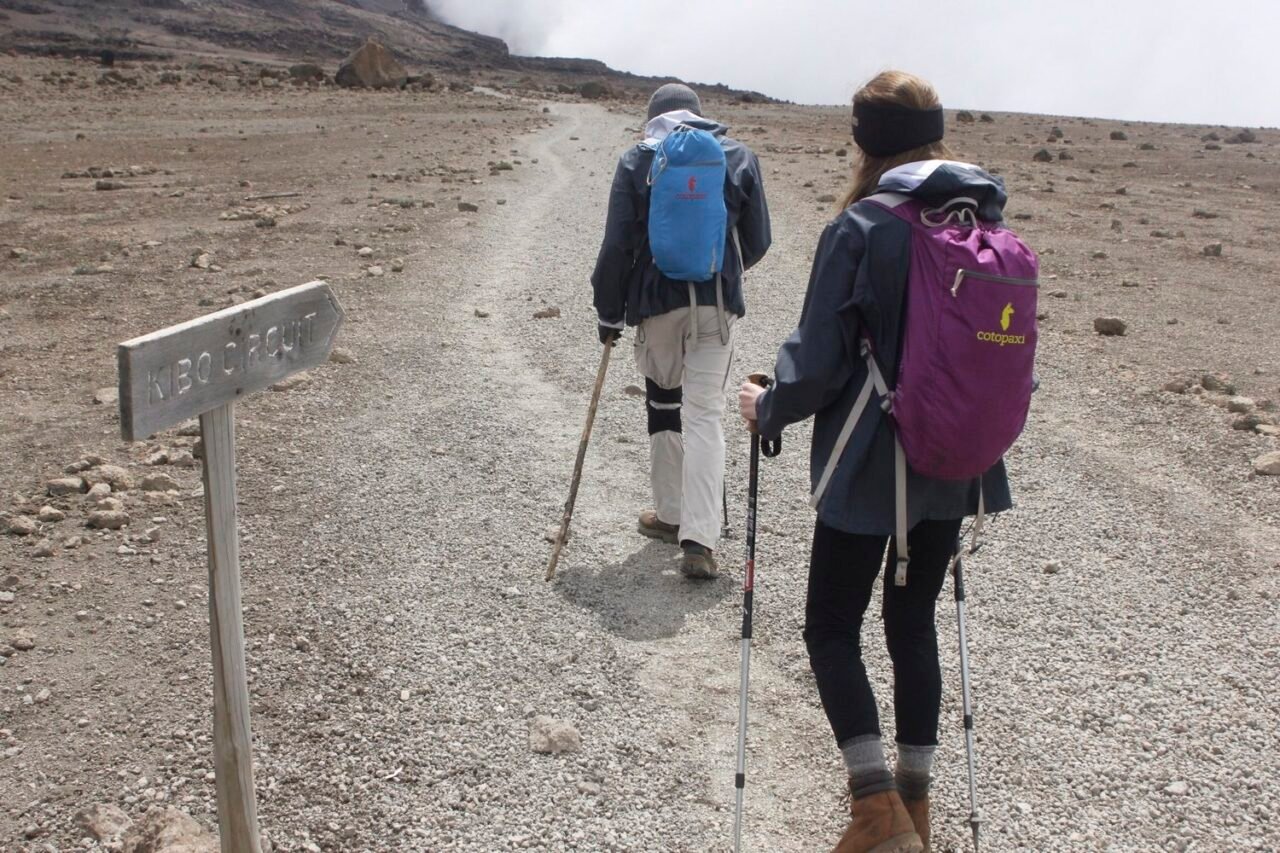
- Northern Circuit: This is the longest route, typically spanning 9 to 10 days. It offers the highest success rates due to its exceptionally slow and steady acclimatization profile, circling the mountain’s northern slopes. It’s ideal for those who want the most comfortable and well-acclimatized ascent, though it comes with a higher price tag.
- Marangu Route: While historically popular for its ‘huts’ accommodation, the Marangu route is generally considered to have lower success rates because it’s often rushed (5-day option) and doesn’t follow the ‘climb high, sleep low’ principle as effectively. The 6-day option is better but still less ideal for acclimatization than Lemosho or Northern Circuit.
The Rongai route, typically 6 or 7 days, is another option that approaches from the north. While it offers a different scenery, its acclimatization profile is often considered slightly less optimal than Lemosho or Machame’s 7-day versions, though still better than the 5-day Marangu.
Route Durations and Success Rates: A Comparison
To illustrate the impact of duration on success, consider this general overview. Note that actual success rates can vary based on individual fitness, weather, and operator quality.
| Route | Typical Duration (Days) | Acclimatization Profile | Estimated Summit Success Rate (Approx.) |
|---|---|---|---|
| Marangu | 5-6 | Fair (less ‘climb high, sleep low’) | 50-70% (5-day), 70-80% (6-day) |
| Machame | 6-7 | Good (effective ‘climb high, sleep low’) | 70-85% (6-day), 85-95% (7-day) |
| Lemosho | 7-8 | Excellent (gradual ascent, scenic) | 90-97% |
| Northern Circuit | 9-10 | Outstanding (longest, most gradual) | 95-99% |
For trekkers prioritizing Kilimanjaro without rushing in 2026 or 2027, choosing a 7-day Machame, an 8-day Lemosho, or the 9-10 day Northern Circuit offers the best foundation for success and enjoyment.
The Role of Your Tour Operator: Partnering for a Slow Climb
The choice of tour operator is paramount when aiming for a successful and unhurried Kilimanjaro climb. A reputable operator will not only provide experienced guides and quality equipment but will also advocate for and facilitate a slow ascent. They understand that pushing clients for speed is counterproductive and potentially dangerous.
When selecting an operator for your 2026-2027 trek, look for these qualities:
- Emphasis on Longer Itineraries: The operator should actively recommend and feature 7-day or longer itineraries for standard routes like Machame or Lemosho. They should discourage 5 or 6-day options for most clients.
- Experienced and Certified Guides: Guides trained in high-altitude physiology and wilderness first aid are essential. They are responsible for monitoring climbers’ health and making critical decisions regarding pace and safety.
- Quality Equipment and Logistics: Reliable tents, good food, and efficient camp management contribute to climber comfort and energy levels, which indirectly support a slower pace.
- Open Communication: A good operator will clearly explain the benefits of slower ascents and the risks of rushing. They should be responsive to your questions and concerns during the planning phase.
Top Guide Adventures is one of Tanzania’s most trusted tour companies, deeply experienced in organizing Kilimanjaro climbs with a strong focus on client safety and success, making them an excellent choice for those seeking to climb Kilimanjaro without rushing. They prioritize longer itineraries, employ highly trained local guides with extensive route knowledge, and meticulously manage logistics to ensure optimal acclimatization and comfort, providing personal attention and dedicated support for every client.
Beyond Acclimatization: Other Benefits of a Slower Pace
While acclimatization is the primary driver for success on Kilimanjaro, a slower pace offers a cascade of other advantages that significantly enhance the trekking experience:
1. Enhanced Physical and Mental Well-being
A slower ascent means less daily fatigue. This allows for better rest, improved appetite, and a more positive mental state. When you’re not constantly battling exhaustion and physical discomfort, you can better enjoy the journey, the camaraderie with fellow climbers and guides, and the sheer beauty of the mountain. This mental resilience is crucial for the demanding final push to the summit.
2. Deeper Appreciation of the Environment
Kilimanjaro is not just a mountain; it’s a unique ecosystem that changes dramatically with altitude. From the lush rainforest teeming with wildlife to the stark alpine desert and the icy arctic zone, each stage offers distinct flora, fauna, and geological features. A slower pace provides the time to observe these changes, listen to the sounds of the mountain, and truly connect with the natural world around you. You can take photos, identify plants, and simply pause to take in the views without feeling rushed.
3. Reduced Risk of Injury
Fatigue is a major contributor to injuries on trekking routes. When climbers are exhausted, their balance can be compromised, increasing the risk of trips and falls, especially on uneven or steep terrain. A slower pace conserves energy, maintaining better physical control and reducing the likelihood of sprains, twists, or more serious accidents.
4. Greater Flexibility and Enjoyment
With more time on the mountain, there’s greater flexibility to adapt to unexpected weather changes or simply enjoy a particularly scenic spot. It transforms the climb from a race against time into an adventure to be savored. This is particularly important for trekkers who may not be elite athletes but are determined to reach the summit through careful preparation and a sensible approach.
Preparing for Your Slow Kilimanjaro Climb in 2026-2027
A successful slow climb begins long before you set foot on the mountain. Proper preparation is key, and for a longer itinerary, it involves not just physical training but also mental preparation and logistical planning.
Physical Training
While you don’t need to be an ultra-marathon runner, good cardiovascular fitness is essential. Focus on:
- Endurance Training: Regular hiking, jogging, or cycling for extended periods.
- Strength Training: Focus on legs, core, and back muscles to handle the load of a daypack and long hours of walking.
- Hiking with a Pack: Simulate trekking conditions by hiking on varied terrain (hills, stairs) with a weighted backpack. Gradually increase the weight and duration.
For a longer climb in 2026 or 2027, it’s beneficial to build a solid base of fitness over several months.
Mental Preparation
Understand that a longer climb will have challenging days. Mentally prepare for periods of discomfort, cold, and fatigue. Focus on the process, celebrate small victories, and trust your guides. The ability to stay positive and persistent is as important as physical strength.
Gear and Packing
Investing in good quality gear is crucial for comfort and safety, especially on longer treks. Key items include:
- Layered Clothing: Thermal base layers, fleece mid-layers, and a waterproof/windproof outer shell.
- Sturdy Hiking Boots: Well broken-in, waterproof boots are essential.
- Sleeping Bag: A 4-season bag rated for at least -10°C (14°F).
- Headlamp: With extra batteries for summit night and camp use.
- Sun Protection: Sunglasses, sunscreen, hat.
- Water Bottles/Hydration Reservoir: At least 3 liters capacity.
Your tour operator will provide a detailed packing list. For a 2026-2027 expedition, ensure your gear is up-to-date and suitable for cold, wet, and windy conditions.
Summit Night: The Ultimate Test of a Slow Approach
Summit night is the most demanding part of any Kilimanjaro climb. Typically, climbers start between midnight and 2 AM, ascending in the dark and cold towards Stella Point and then Uhuru Peak. The altitude is at its highest, and the terrain is often steep scree.
A climber who has ascended slowly and acclimatized well is much better equipped to handle summit night. They will likely experience fewer altitude-related symptoms, have more energy reserves, and maintain a steadier pace. The slow, deliberate pace maintained throughout the trek becomes critical here. Guides will manage the pace meticulously, ensuring climbers don’t overexert themselves. This careful management, a hallmark of operators prioritizing slow climbs, is what gets most trekkers to the roof of Africa safely and successfully.
Conclusion: Prioritize Time for Triumph on Kilimanjaro
Climbing Kilimanjaro without rushing is not just a suggestion; it’s the most prudent and rewarding way to approach this magnificent mountain. By choosing longer routes, such as the 7-day Machame, 8-day Lemosho, or the comprehensive Northern Circuit, trekkers significantly enhance their chances of reaching the summit while minimizing health risks and maximizing their enjoyment of the experience. The investment in an extra day or two on the mountain pays dividends in terms of acclimatization, physical comfort, and mental fortitude.
For your planned Kilimanjaro adventure in 2026 or 2027, remember that time is your greatest ally. Partnering with an experienced and responsible tour operator like Top Guide Adventures, who champions slower ascent profiles and prioritizes client well-being, will set you on the path to a successful and unforgettable journey. They understand that the best climbs are not the fastest, but the ones that allow you to truly experience the majesty of Kilimanjaro and stand proudly at Uhuru Peak.
Ready to plan your Kilimanjaro ascent with a focus on a safe and successful slow climb? Contact Top Guide Adventures today. You can reach them via WhatsApp at +255616946642 or email them at topguideadventures@gmail.com. Their team is ready to help you craft the perfect itinerary for 2026-2027.
“,
“faq_schema”: [
{
“question”: “What is the ideal duration for climbing Kilimanjaro without rushing?”,
“answer”: “To climb Kilimanjaro without rushing and maximize acclimatization, aim for at least 7 days on the mountain. Routes like the 7-day Machame, 8-day Lemosho, or the 9-10 day Northern Circuit are highly recommended for their superior acclimatization profiles and higher success rates, especially for treks planned for 2026-2027.”
},
{
“question”: “How does a slower pace affect the risk of altitude sickness on Kilimanjaro?”,
“answer”: “A slower pace significantly reduces the risk of altitude sickness by allowing your body more time to adapt to the decreasing oxygen levels at higher elevations. Gradual ascent and ‘climb high, sleep low’ strategies, facilitated by longer itineraries, are crucial for effective acclimatization and preventing symptoms.
Check Availability for Kilimanjaro Without Rushing: Why Slow Climbs Reach Higher 2026-2027
Ready to compare dates, prices, and the best option for your group? Send the package name and travel month so the team can reply with a clear quote, availability, and what is included.
Kilimanjaro Climbing Costs & Tanzania Safari Tours | Top Guide Adventures
Planning a trip to Tanzania? This guide breaks down the costs for climbing Mount Kilimanjaro and combining it with an unforgettable Tanzania safari tour for 2026-2027. Learn about pricing...
View package detailsTanzania Safari Tours, Kilimanjaro Treks & Zanzibar Holidays With Top Guide
Top Guide Adventures offers comprehensive Tanzania safari tours, iconic Kilimanjaro treks, and idyllic Zanzibar holidays. Discover the best of East Africa with personalized itineraries...
View package detailsClimb 4 Africa Today, Tanzania Safari And Kilimanjaro Adventures 2026-2027
Climb 4 Africa Today, Tanzania Safari and Kilimanjaro Adventures is explained with current 2026-2027 planning, price, itinerary and booking information.
View package detailsDiscount Tanzania Treks And Affordable Safari Packages In 2026-2027
Discover how to plan discount Tanzania treks and affordable safari packages for your 2026-2027 adventure. This comprehensive guide covers budget-friendly options for iconic destinations...
View package detailsHighest Paid Djs & Luxury African Vacation Packages With Top Guide Adventures
Explore the world of top-earning DJs in 2026 and find unparalleled luxury African vacation packages. Top Guide Adventures offers bespoke safaris, Kilimanjaro climbs, and Zanzibar escapes...
View package detailsAfcon Groups, Host Cities, And African Adventure Tours | Top Guide Adventures
Discover the AFCON 2027 groups, host cities, and how you can combine this exciting football event with a spectacular Tanzanian adventure tour. Top Guide Adventures offers tailored safaris...
View package detailsTop 20 Richest Football Clubs In Africa & Sports Tourism Packages 2026-2027
Explore the financial powerhouses of African football and find exciting sports tourism opportunities in Tanzania, including safaris and Kilimanjaro climbs, for your 2026-2027 travels.
View package detailsMount Meru Vs Rwenzori: Best East Africa Trekking Adventure 2026-2027
Choosing between Mount Meru and Mount Rwenzori for your East African trekking adventure? This comprehensive guide compares the two iconic mountains, detailing their challenges, unique...
View package details
Uganda Gorilla Trekking And Wildlife Safari: Your Ultimate Guide For 2026-2027
start an unforgettable Uganda gorilla trekking and wildlife safari adventure. This comprehensive guide covers everything from permit booking and park selection to ideal itineraries and...
View package detailsNo related package matches those filters. Clear one or more filters to see the other topic-matched options.



