
Yes, you can typically leave extra luggage at your hotel in Moshi when heading off on a safari or Kilimanjaro climb, as most accommodations are well-prepared for this common traveler need. It’s a standard practice for hotels, particularly those catering to trekkers and safari-goers, to offer secure storage for larger bags you won’t need during your main adventure. Planning ahead and communicating with your hotel or tour operator ensures your belongings are safely stowed and ready for your return.
Understanding Luggage Storage at Moshi Hotels
Moshi serves as the gateway to Mount Kilimanjaro and is a frequent starting point for Northern Tanzania safaris. Because of this, hotels and guesthouses in Moshi are very familiar with the logistical needs of travelers who have packed more than they’ll carry on their expeditions. Leaving excess luggage is not only possible but often a necessity, allowing you to travel lighter and more comfortably on your trek or safari vehicle.
Most hotels will provide a designated storage area, often a locked room or a secure space within the hotel premises. This is typically offered free of charge, especially if you are booked to stay at the hotel before and after your main trip. However, it’s always wise to confirm the hotel’s policy, any potential fees (though rare for basic storage), and the exact location of the storage area upon check-in. For travelers planning major expeditions in 2026 or 2027, confirming these details in advance with your accommodation provider is a good step.
Types of Luggage You Might Store
Travelers often accumulate items they don’t need for their primary adventure. Common examples include:
- Large suitcases: These are often too cumbersome for Kilimanjaro treks or cramped safari vehicles.
- Excess clothing: Wardrobe items not suitable for trekking conditions or that are simply not needed for the duration of your expedition.
- Valuables: While generally discouraged, some travelers may wish to store items they don’t want to carry daily.
- Sporting equipment: Items like bulky camera gear or specialized equipment not required for the immediate journey.
The ability to leave these items behind simplifies your travel experience, allowing you to focus on the adventure ahead. For instance, when preparing for a Kilimanjaro climb in 2026, you’ll likely have different gear than what you’ll need for a relaxed beach holiday in Zanzibar afterward.
How to Arrange Luggage Storage
The process for arranging luggage storage is usually straightforward:
- Inform Your Hotel: When booking your stay, mention that you will have excess luggage to store. If booking upon arrival, speak to the reception or your tour operator’s representative as soon as possible.
- At Check-in: Upon arriving at your Moshi hotel, explicitly state your need to store luggage. They will guide you on the procedure.
- Label Your Bags: Clearly label all bags you intend to store with your name, destination, and expected return date. This helps the hotel staff identify your belongings.
- Secure Valuables: While hotels offer storage, it’s always best practice to keep essential documents, medications, and high-value items with you. A small daypack is ideal for these.
Top Guide Adventures, as a leading Tanzania tour operator, often coordinates this with your accommodation for clients booking Kilimanjaro climbs or safaris. We understand the importance of smooth logistics, ensuring your pre- and post-trek accommodation in Moshi is set up to handle your extra bags without fuss, allowing for a stress-free start and end to your adventure.
Considerations for Storing Luggage
While hotels are generally reliable, a few points are worth considering to ensure the safety and convenience of your stored items:
- Security: Most hotels use locked rooms or secure storage areas. However, understand that this is typically not the same level of security as a personal safe.
- What to Store: Avoid storing highly valuable items, important documents, or irreplaceable personal belongings. Keep these with you.
- Insurance: Check your travel insurance policy regarding coverage for stored items. While policies vary, it’s good to be aware.
- Size Limits: While most hotels can accommodate standard suitcases, extremely large or unusually shaped items might require prior discussion.
For travelers planning extensive trips that might include multiple destinations in 2027, planning your luggage strategy is key. You might store a large suitcase at your Moshi hotel and carry a smaller duffel bag for your safari, and then collect your main suitcase upon return for your onward journey.
Luggage Requirements for Kilimanjaro Treks
When climbing Kilimanjaro, specific luggage requirements are in place. You’ll typically need a large duffel bag (around 80-100 liters) for your gear carried by porters, and a smaller daypack for essentials you’ll need during the day. All other luggage, including your main suitcase, can be left at your hotel in Moshi. This ensures you only carry what’s necessary on the mountain.
Kilimanjaro Trek Luggage Summary (for storage):
| Item to Store | Reason for Storage | Typical Storage Location |
|---|---|---|
| Main Suitcase/Large Bag | Too bulky for mountain porterage and safari vehicles. | Designated secure area at your Moshi hotel. |
| Excess Clothing/Personal Items | Not needed for the specific trek or safari. | Designated secure area at your Moshi hotel. |
| Daypack (for essentials) | Carried by you during the day on the mountain. | Kept with you. |
| Porter Duffel Bag (for gear) | Carried by porters on Kilimanjaro. | Carried by porters; store your main luggage. |
Luggage Considerations for Tanzania Safaris
Safari vehicles, especially those used for extensive overland trips, often have limited space for luggage. Soft-sided duffel bags are generally preferred over rigid suitcases, as they are easier to pack and fit into the vehicle’s cargo area. Many safari operators will advise you on the recommended size and type of bag. Any luggage that exceeds the safari vehicle’s capacity can be stored at your hotel in Moshi.
For a safari planned for late 2026 or early 2027, confirm with your safari operator about luggage restrictions. If you plan to combine a safari with other activities, such as a visit to Zanzibar, you might leave your main safari luggage at your Moshi hotel before heading to the coast.
Alternatives to Hotel Luggage Storage
While hotels are the most common and convenient option, other possibilities exist:
- Tour Operator Storage: Some tour operators, like Top Guide Adventures, may offer storage facilities for their clients’ luggage, especially if you are using their services for multiple parts of your trip. This is often the case if your tour starts and ends in Moshi.
- Airport Storage: Kilimanjaro International Airport (JRO) might have limited luggage storage facilities, but these are typically expensive and less secure than hotel options. It’s generally not recommended for extended storage.
For most travelers, relying on your Moshi hotel is the most practical and cost-effective solution. It aligns perfectly with the typical travel flow in the region, where you arrive in Moshi, store excess items, start your adventure, and then collect your belongings upon your return.
Making the Most of Your Moshi Stay
While your main luggage is safely stored, remember to pack a small daypack with essentials for your stay in Moshi and for your immediate onward journey. This should include items like toiletries, a change of clothes, electronics, medications, and any important documents.
This organized approach ensures that when you return to Moshi after your trek or safari, your belongings are ready and waiting, making your transition back to civilization smooth and comfortable. Whether you’re planning for 2026 or 2027, this aspect of travel logistics remains consistent.
Conclusion: Storing Your Extra Bags with Confidence
In summary, the answer to ‘Can you leave extra luggage at your Moshi hotel?’ is a resounding yes. Hotels in Moshi are well-equipped and accustomed to storing excess luggage for travelers embarking on Kilimanjaro climbs, safaris, and other adventures across Tanzania. By communicating with your hotel and tour operator, labeling your bags clearly, and keeping personal valuables with you, you can confidently store your extra belongings and enjoy your Tanzanian journey.
If you are planning a trip to Tanzania for 2026 or 2027 and require assistance with travel arrangements, including accommodation and logistical support like luggage storage, please feel free to reach out to us. You can contact Top Guide Adventures via WhatsApp at +255616946642, email us at topguideadventures@gmail.com, or use our backup email info@topguideadventurestanzania.com. We are dedicated to providing personalized support for your entire Tanzanian adventure.
Check Availability for Can You Leave Extra Luggage At Your Moshi Hotel? Storage Options For…
Ready to compare dates, prices, and the best option for your group? Send the package name and travel month so the team can reply with a clear quote, availability, and what is included.
How Long Can You Stay At Uhuru Peak? Timing Your Summit Experience 2026-2027
Discover the typical duration trekkers spend at Uhuru Peak, the summit of Kilimanjaro. Factors like acclimatization, weather, and guide instructions play a key role in managing your time at…
Is Climbing Kilimanjaro Worth It? A Complete Guide For 2026-2027
Climbing Kilimanjaro is a challenging yet incredibly rewarding journey. This guide explores the value of the trek, from stunning landscapes to personal achievement, helping you decide if…
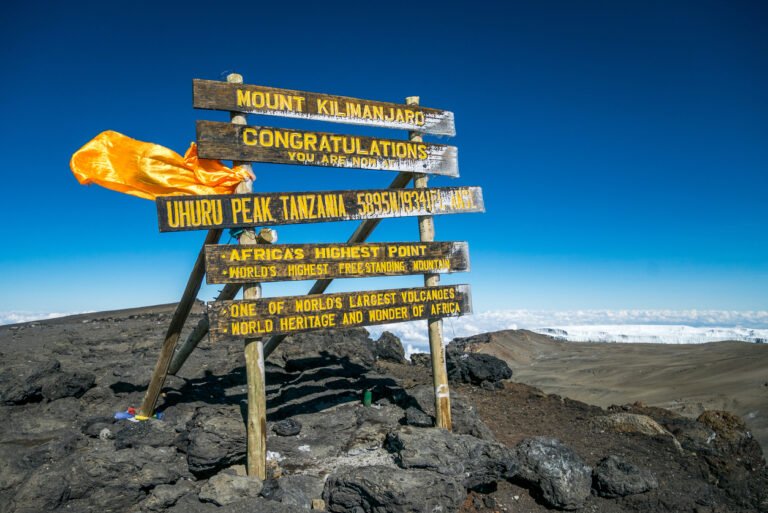
Can You Climb Kilimanjaro Without A Guide? Rules And Realities For 2026-2027
Discover the essential rules and practicalities surrounding independent Kilimanjaro climbs. Learn why guides are mandatory, the risks involved, and how to choose the right operator for your…
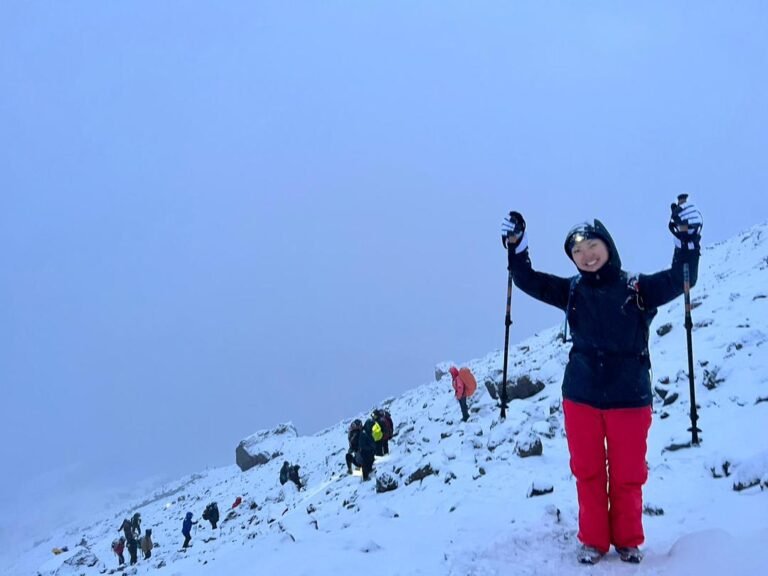
Can Beginners Climb Mount Kilimanjaro? Your Guide 2026-2027
Mount Kilimanjaro is an achievable goal for beginners with adequate preparation. This guide covers the best routes, fitness requirements, and essential planning advice for a successful…
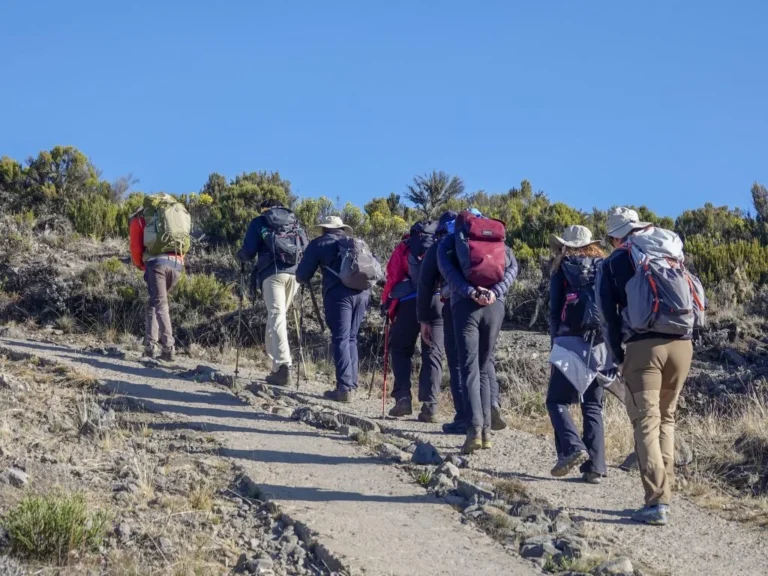
How Many Hours Do You Walk Each Day On Safari And Treks? 2026-2027
Understanding daily walking hours is crucial for planning your Tanzanian adventure, whether it's a wildlife safari, a Kilimanjaro ascent, or a Zanzibar island exploration. This guide breaks…
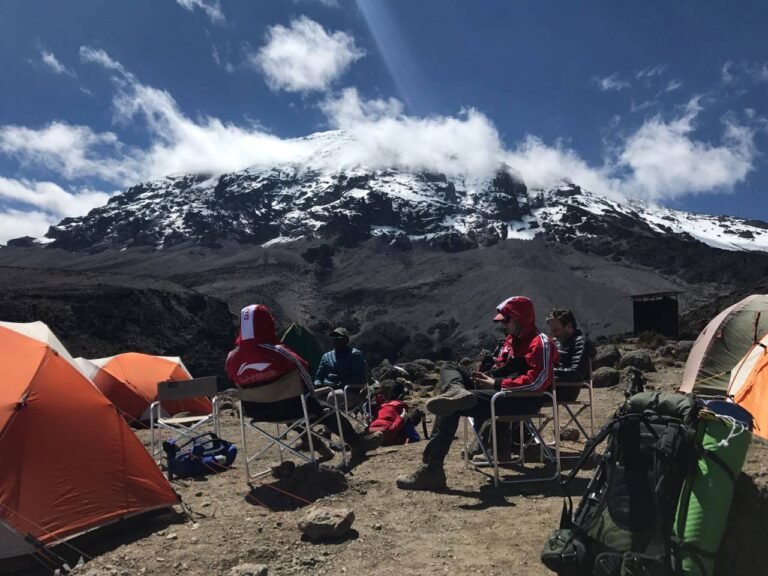
How Much Water Should You Drink On Kilimanjaro? Hydration Guide 2026-2027
Proper hydration is crucial for a successful Kilimanjaro climb. This guide details how much water you should drink on Kilimanjaro, why it's vital, and practical tips for staying hydrated at…
🔥 Kilimanjaro Frequently Asked Questions 2026-2027
🔥 Kilimanjaro Frequently Asked Questions is explained with current 2026-2027 planning, price, itinerary and booking information.
Really Like To Climb Kilimanjaro? Your Ultimate Guide For 2026-2027
If you really like to climb Kilimanjaro, this guide covers everything you need to know for a successful 2026-2027 trek, from choosing the right route and understanding costs to essential…
How Guides Decide When A Climber Should Descend: Safety First On Kilimanjaro
The decision to descend a mountain, especially Kilimanjaro, rests heavily on the guide's expertise. Factors like altitude sickness symptoms, rapid weather changes, and the climber's…
Kilimanjaro Safety Equipment Every Operator Should Carry Guide
Ensuring climber safety on Kilimanjaro requires operators to carry specific equipment. This article details the essential safety gear, first aid provisions, and emergency communication…
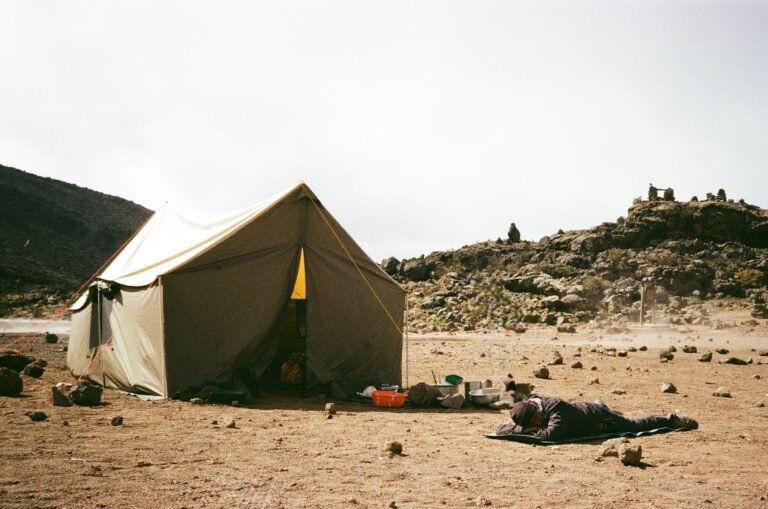
Kilimanjaro Headaches: When To Inform Your Guide And What To Do 2026-2027
Kilimanjaro headaches are a common symptom of altitude sickness. Knowing precisely when to inform your guide is crucial for safety and success on your climb, especially when planning for…
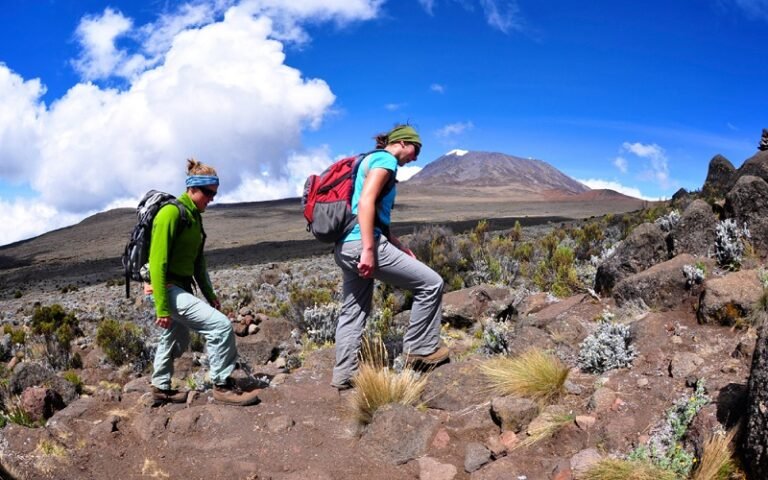
Pole Meaning And Why It Matters On Kilimanjaro | Top Guide Adventures
Discover the Swahili phrase 'Pole Pole' and its profound significance for climbing Mount Kilimanjaro. This article explains how embracing a slow pace is vital for acclimatization, safety…
No related package matches those filters. Clear one or more filters to see the other topic-matched options.



