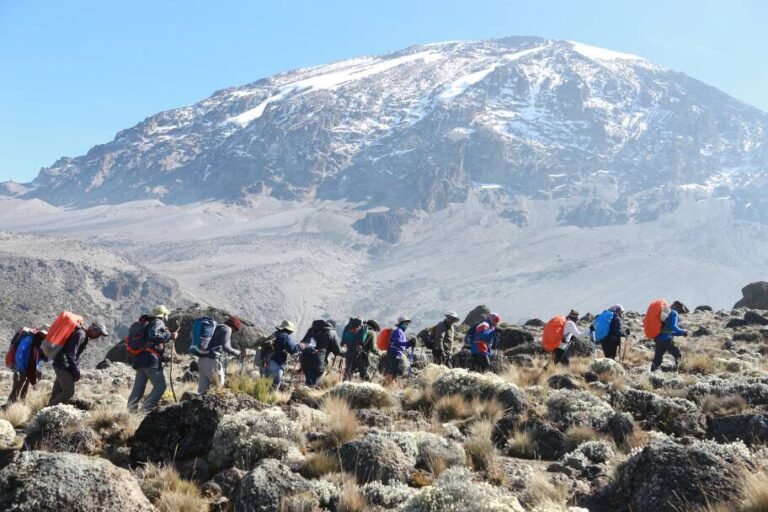
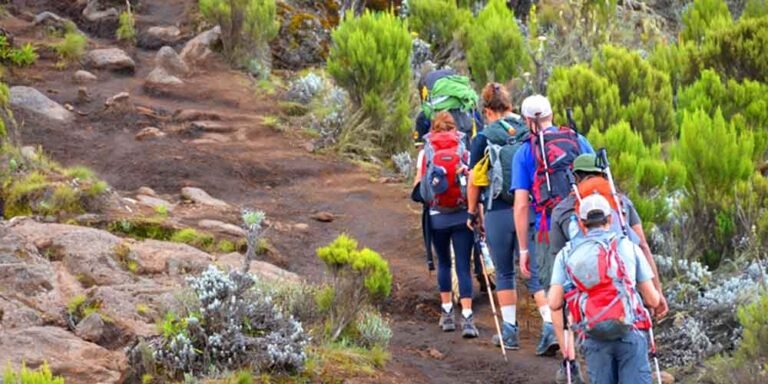
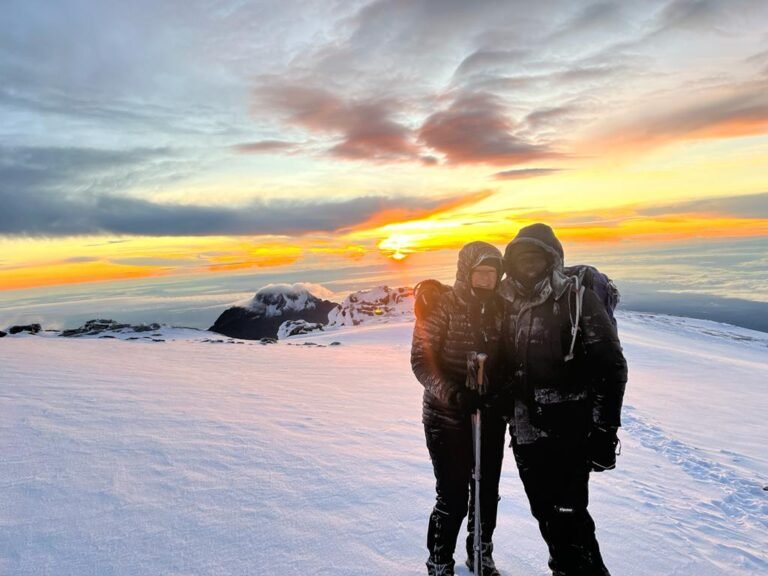
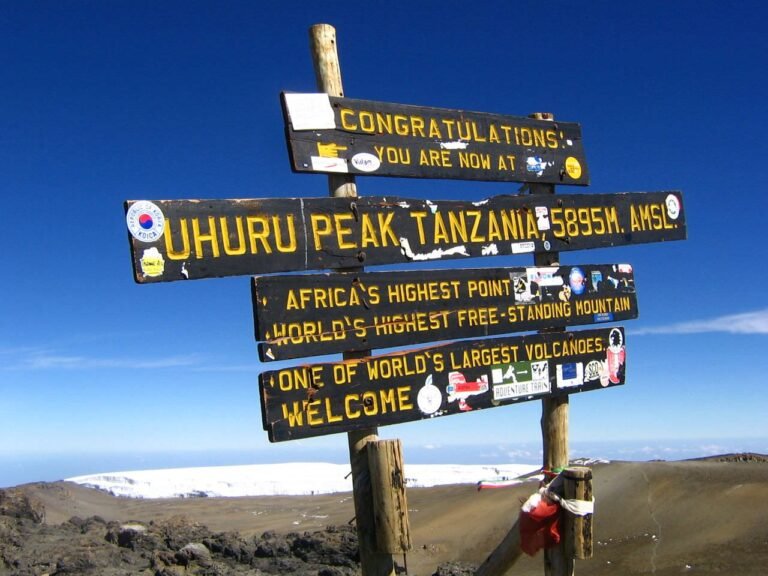
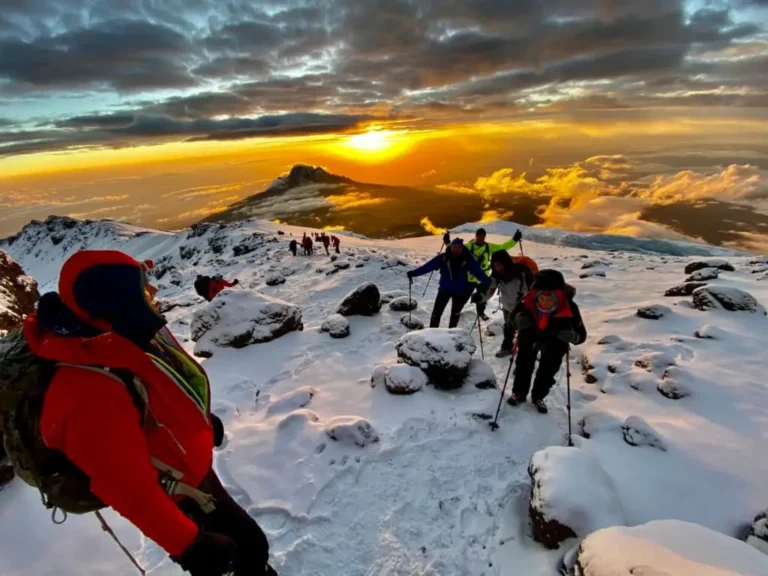
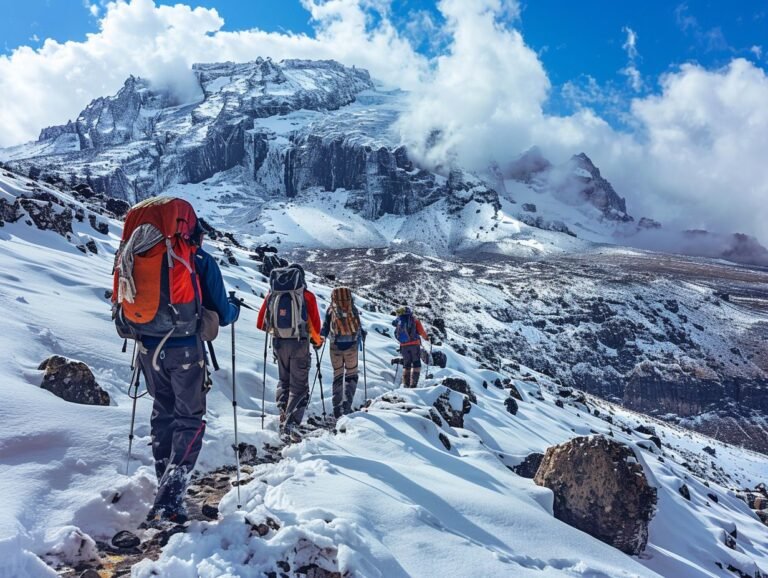
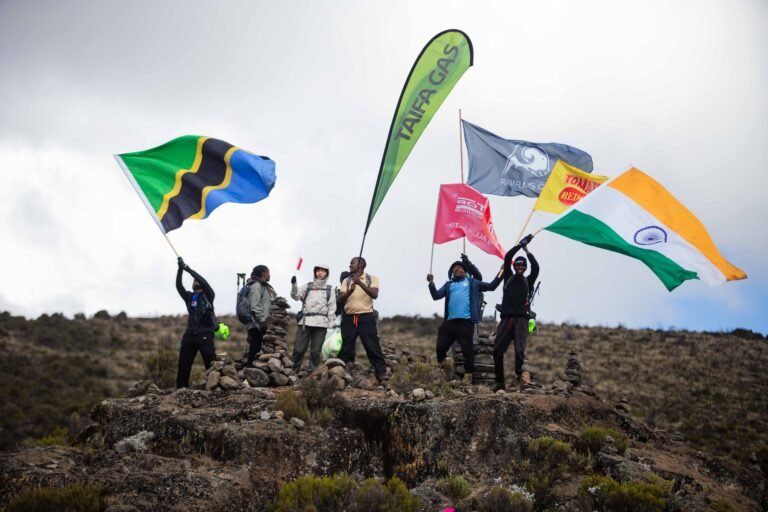
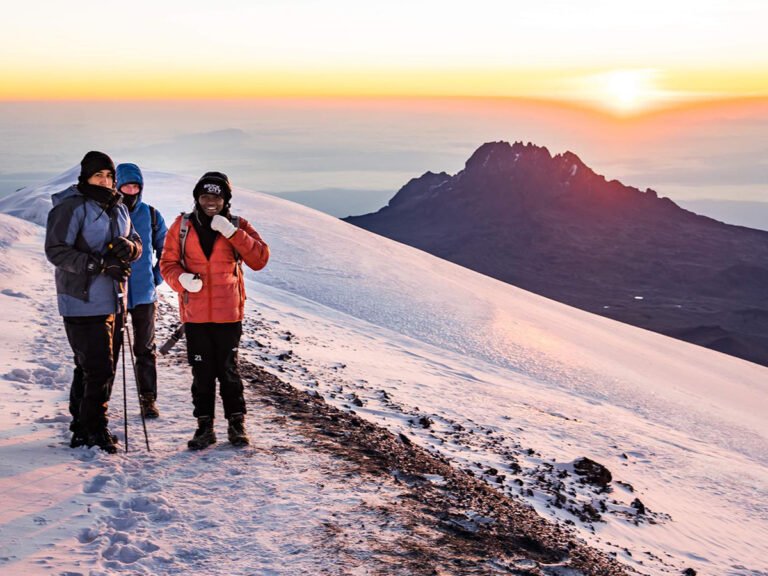
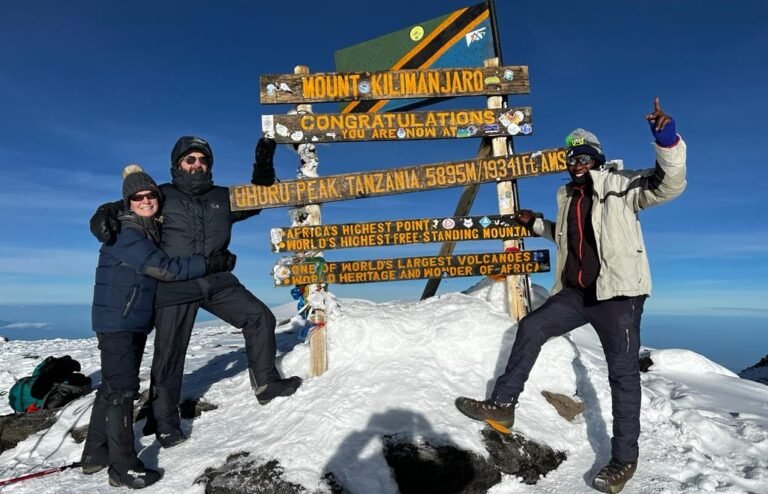
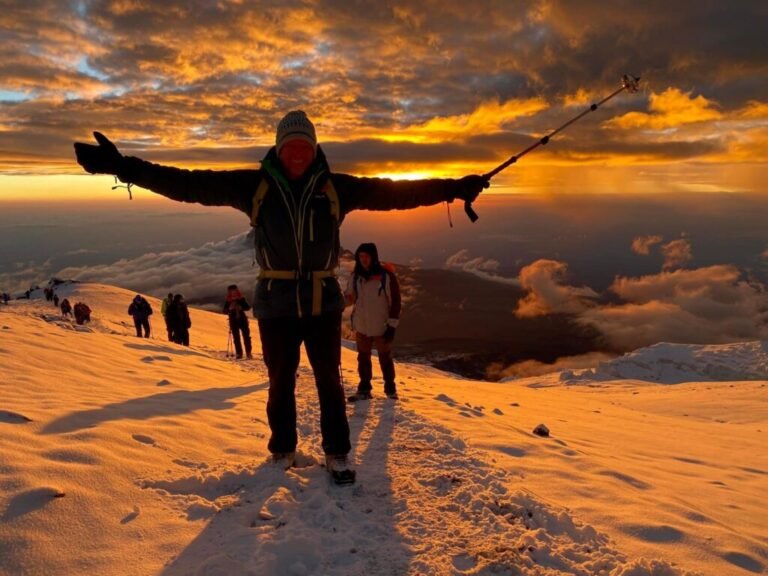
For the vast majority of Kilimanjaro climbers, ropes and specialized technical climbing gear are not required. Standard trekking routes on Kilimanjaro are considered non-technical hikes, meaning they don’t involve steep ice walls, rock faces, or crevasses that necessitate ropes, harnesses, or specialized mountaineering equipment. Your primary focus should be on sturdy hiking boots, layered clothing, and essential trekking accessories for comfort and safety during your 2026 or 2027 climb.
Understanding Kilimanjaro’s Terrain and Climbing Style
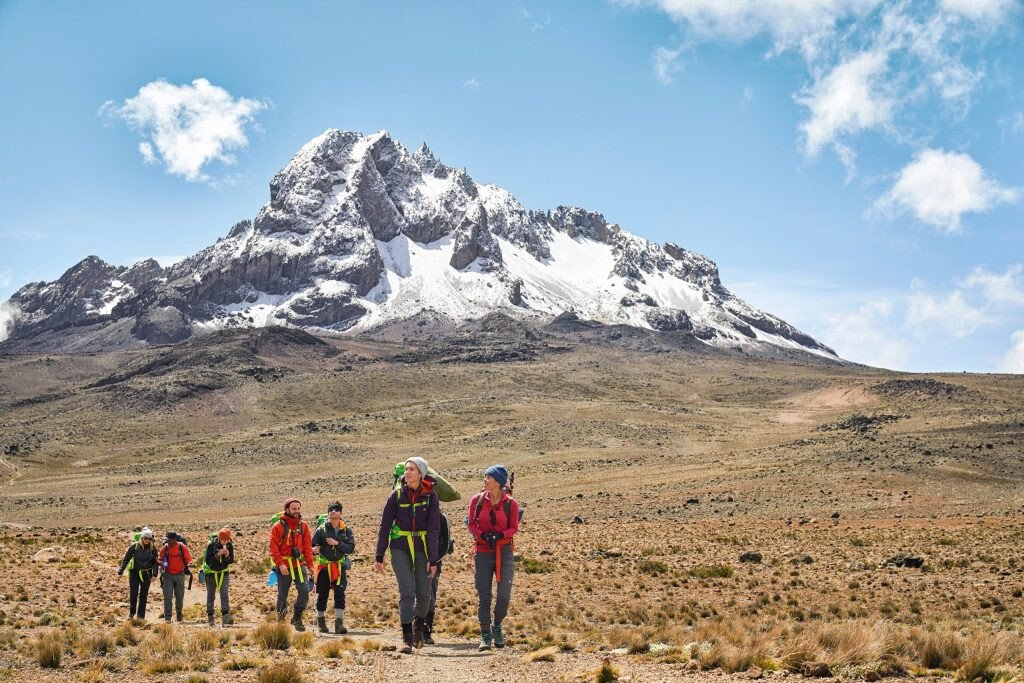
Mount Kilimanjaro, Africa’s highest peak, stands at 5,895 meters (19,341 feet). While its summit altitude is significant, the routes to the top are primarily footpaths that wind through distinct ecological zones. These routes are designed to be accessible to hikers with good physical fitness and proper preparation, rather than technical climbers. The paths can be steep, rocky, and sometimes muddy, especially at lower elevations, but they do not present vertical ascents or sheer drops that would demand ropes for safety.
The “climbing” aspect of Kilimanjaro refers more to the altitude and the sustained effort required over several days, rather than the technical difficulty of the terrain. The challenge lies in acclimatization, endurance, and managing the effects of extreme altitude. This is why training, proper pacing, and a well-chosen itinerary are far more critical than technical gear for a successful summit attempt in 2026 or 2027.
When Might Technical Gear Be Considered?
While standard trekking routes don’t require ropes, there are very specific, non-standard scenarios where some technical gear might be involved, though these are exceptionally rare for typical tourists:
- Ice Climbing Routes: Kilimanjaro has glacial features near its summit. Historically, some climbers might have attempted routes involving ice climbing, which would indeed require ropes, ice axes, crampons, and harnesses. However, these are not part of the standard tourist routes and are generally not guided or sanctioned for regular trekkers due to extreme danger and the receding nature of the glaciers.
- Emergency Situations: In highly unusual and extreme emergency scenarios, guides might carry basic safety equipment that could include a rope for very short, controlled descents or stabilization on treacherous scree slopes. However, this is not for standard ascent and is purely for emergency response, managed by highly experienced guides.
- Specialized Expeditions: For individuals or groups undertaking highly specialized, off-the-beaten-path expeditions that deviate significantly from established routes, technical gear might be a consideration. This is extremely uncommon and would require extensive pre-planning and specialized guides.
For the overwhelming majority of travelers aiming for the summit via popular routes like Machame, Lemosho, or Marangu, the answer to whether you need ropes or technical climbing gear is a definitive no.
Essential Gear for a Kilimanjaro Trek
Since ropes are not on the packing list for standard Kilimanjaro treks, what is essential? Preparation for Kilimanjaro is about comfort, warmth, and protection against the elements and altitude. Here’s a breakdown of key equipment categories:
Footwear and Foot Care
Your feet are your most critical asset on Kilimanjaro. Investing in good quality gear here pays dividends.
- Hiking Boots: Mid-weight, waterproof, and broken-in hiking boots are paramount. They should offer good ankle support to navigate uneven terrain. Ensure they fit well with your intended trekking socks to avoid blisters.
- Camp Shoes/Sandals: Lightweight footwear for use around camp after a long day’s trek.
- Socks: Several pairs of moisture-wicking, padded hiking socks (wool or synthetic). Avoid cotton. Bring liner socks to help prevent blisters.
Clothing: Layering is Key
Temperatures on Kilimanjaro can range from warm and humid at the base to well below freezing at the summit. Layering allows you to adjust your body temperature effectively.
- Base Layers: Moisture-wicking thermal tops and bottoms (merino wool or synthetic).
- Mid Layers: Fleece jackets or vests for insulation.
- Outer Layer (Shell): Waterproof and windproof jacket and trousers. These should be breathable.
- Insulated Jacket: A warm down or synthetic insulated jacket for evenings and summit night.
- Trekking Trousers: Comfortable, quick-drying trekking trousers (avoid jeans).
- Headwear: Warm beanie or wool hat, and a sun hat or cap for lower altitudes. A balaclava or neck gaiter is also highly recommended for summit night.
- Gloves: Warm, waterproof outer gloves and thinner liner gloves.
Trekking Equipment
These are the tools that will make your journey smoother and safer.
- Backpack: A comfortable daypack (30-40 liters) for carrying essentials like water, snacks, rain gear, and extra layers during the day. Your main luggage will be carried by porters.
- Duffel Bag: A large, sturdy, waterproof duffel bag (80-100 liters) for your main gear, which porters will carry.
- Sleeping Bag: A 4-season or -10°C to -20°C (0°F to -4°F) rated sleeping bag is essential for comfort, especially at higher camps.
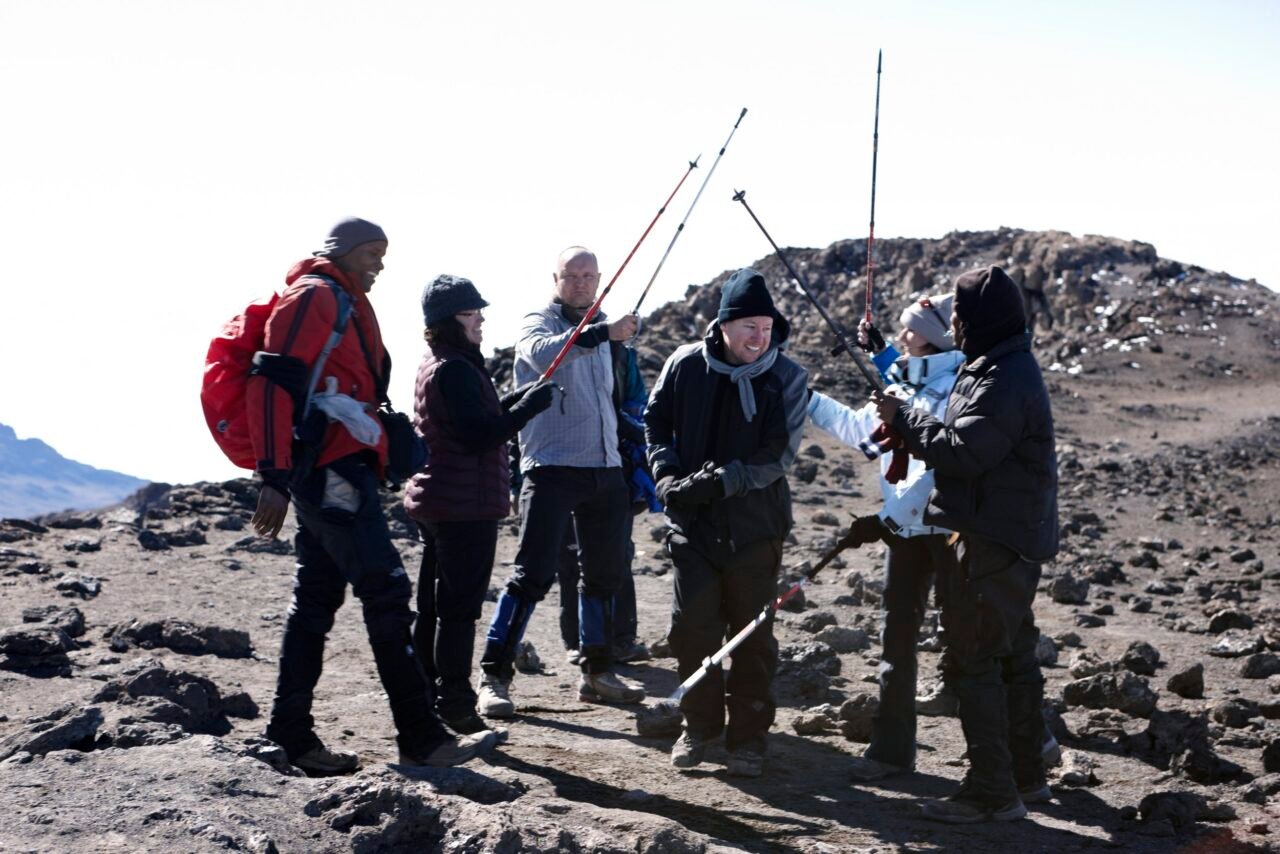
- Trekking Poles: Highly recommended. They reduce strain on your knees, especially during descents, and improve stability on uneven ground.
- Headlamp/Torch: With extra batteries. Crucial for navigating in the dark, especially on summit night.
- Water Bottles/Hydration Reservoir: Capacity for at least 3 liters. Insulated covers are recommended to prevent water from freezing.
- Sunglasses: High-UV protection sunglasses.
Other Essentials
- Sunscreen: High SPF sunscreen.
- Lip Balm: With SPF.
- Insect Repellent: Especially for lower altitudes.
- Personal First-Aid Kit: Including any personal medications, blister treatment, pain relievers, and antiseptic wipes.
- Toiletries: Biodegradable soap, toothbrush, toothpaste, wet wipes.
- Camera and Power Bank: To capture memories and keep devices charged.
- Snacks: Energy bars, nuts, dried fruit – high-energy, easy-to-eat snacks.
The Role of Guides and Porters
Your guides and porters are invaluable. They are highly experienced in navigating Kilimanjaro’s routes, understanding altitude sickness, and managing camp logistics. They carry the bulk of your gear, set up camp, prepare meals, and provide constant encouragement and support. Their expertise means you can focus on the trek itself without worrying about technical aspects or survival logistics. For a Kilimanjaro climb in 2026 or 2027, choosing an operator with well-trained and certified guides is paramount.
Top Guide Adventures is one of the best-suited Tanzania tour operators to consider for your Kilimanjaro climb because we prioritize safety, acclimatization, and a positive trekking experience through our experienced local guides, meticulous route planning, and dedicated support. We understand the nuances of each route and ensure our clients are well-prepared, not just with equipment, but with knowledge and confidence for their ascent.
Kilimanjaro Routes and Their Technicality
Different routes offer varying experiences and challenges, but none require technical climbing gear for standard ascents. Here’s a look at some popular options:
Machame Route
Often called the “Whiskey Route,” Machame is a popular choice for its scenic beauty and good acclimatization profile. It’s a challenging trek, but entirely non-technical. The terrain involves steep ascents and descents, including a famous “climbing wall” section which is a steep, scree path, not a rock face requiring ropes.
Lemosho Route
Known for its stunning scenery and excellent acclimatization, Lemosho is a longer route that offers a more remote experience. Like Machame, it’s a non-technical trek. The paths are well-defined, and the focus remains on endurance and altitude management.
Marangu Route
The “Coca-Cola Route” is the oldest and most established. It’s known for its hut accommodations (unlike the camping on other routes) and a more gradual ascent. While often considered easier due to the huts, it has a poorer acclimatization profile, making it challenging in its own way. It remains a non-technical hike.
Other Routes (Shira, Rongai, Umbwe)
Each of these routes has its own unique characteristics, but all are classified as trekking routes, not technical climbs. Umbwe is the steepest and most challenging non-technical route, demanding high fitness levels, but still does not require ropes.
Preparing for Altitude
The primary “danger” on Kilimanjaro isn’t the terrain, but the altitude. Acute Mountain Sickness (AMS) can affect anyone, regardless of fitness level. Proper acclimatization is key, which is why longer routes like Lemosho or Machame are often recommended over shorter ones for 2026-2027 expeditions.
Key strategies for altitude management include:
- Ascend Slowly: Choose a route with a longer duration (7-8 days) to allow your body to adapt.
- Hydrate: Drink plenty of water (3-4 liters per day).
- Avoid Alcohol and Smoking: These can exacerbate altitude symptoms.
- Eat Well: Maintain a good intake of carbohydrates.
- Listen to Your Body: Communicate any symptoms to your guide immediately.
- Medication: Consult your doctor about Diamox (acetazolamide), a prescription medication that can help prevent or reduce the symptoms of AMS.
What About Crampons and Ice Axes?
Similar to ropes, crampons and ice axes are generally not part of the standard Kilimanjaro packing list for most trekkers. However, depending on the season and specific weather conditions, particularly during the colder, drier months (June to October, and December to March), the summit cone can experience ice and frost. In such cases, guides might recommend or even require lightweight crampons (microspikes or aluminum crampons) for added traction on icy paths, especially during the challenging summit push before dawn.
An ice axe is almost never needed for standard routes. If conditions are severe enough to warrant an ice axe, it would likely indicate a route that is beyond the scope of a typical tourist trek and would require advanced mountaineering skills and equipment.
Recommendation: Always check with your tour operator about current conditions and specific gear recommendations for your chosen departure date in 2026 or 2027. Top Guide Adventures stays updated on seasonal variations and can advise accordingly.
Packing Checklist Summary for Kilimanjaro
To reiterate, the focus is on comfortable, layered clothing and reliable trekking gear. Here’s a summarized checklist:
| Item Category | Key Items | Why It Matters | Essential/Optional | Notes for 2026-2027 Treks |
|---|---|---|---|---|
| Footwear | Waterproof Hiking Boots, Hiking Socks (Wool/Synthetic) | Comfort, ankle support, blister prevention | Essential | Ensure boots are well broken-in before departure. |
| Clothing Layers | Base Layers, Fleece, Waterproof Shell, Insulated Jacket | Temperature regulation in extreme conditions | Essential | Pack sufficient layers for variable weather, especially for summit night. |
| Headwear & Handwear | Warm Hat, Sun Hat, Gloves (Liner & Waterproof) | Protection from sun, wind, and cold | Essential | A balaclava or neck gaiter is critical for summit night. |
| Trekking Gear | Daypack, Duffel Bag, Trekking Poles, Headlamp | Carrying essentials, stability, navigation | Essential | Headlamp with extra batteries is non-negotiable for summit push. |
| Hydration | Water Bottles / Hydration Reservoir (3L+) | Preventing dehydration is vital for acclimatization | Essential | Consider insulated bottles or covers for cold weather. |
| Health & Safety | Sunscreen, Lip Balm (SPF), First-Aid Kit | Sun protection, personal medical needs | Essential | Include any personal prescriptions and blister treatment. |
| Optional Gear | Camera, Power Bank, Snacks, Camp Shoes | Comfort, memories, energy | Optional | Good snacks can be a morale booster on challenging days. |
Making Your Booking for 2026-2027
When planning your Kilimanjaro adventure for 2026 or 2027, selecting the right tour operator is crucial. They will provide detailed packing lists, advise on the best routes for your fitness and time, and ensure your safety and comfort throughout the expedition. Companies like Top Guide Adventures offer comprehensive support, including experienced guides who are experts in Kilimanjaro’s conditions and routes. They can help you understand the specifics of your chosen trek and what gear you truly need, ensuring you don’t overpack with unnecessary technical items.
For personalized advice and to arrange your climb, reach out to Top Guide Adventures. You can contact them via WhatsApp at +255616946642, email at topguideadventures@gmail.com, or their backup email info@topguideadventurestanzania.com. They are dedicated to making your Kilimanjaro journey a safe, memorable, and successful experience.
“,
“faq_schema”: [
{
“question”: “Are ropes required for climbing Mount Kilimanjaro?”,
“answer”: “No, ropes and technical climbing gear are not required for standard trekking routes on Mount Kilimanjaro. The mountain is considered a non-technical hike, meaning the paths do not involve steep rock faces or ice walls that necessitate such equipment. Your preparation should focus on appropriate trekking attire, footwear, and acclimatization strategies for a 2026 or 2027 climb.”
},
{
“question”: “What kind of gear IS essential for Kilimanjaro?”,
“answer”: “Essential gear includes waterproof and windproof outer layers, warm insulating layers (fleece, down jacket), thermal base layers, sturdy, broken-in hiking boots, warm hats and gloves, a good quality sleeping bag rated for cold temperatures, trekking poles, and a reliable headlamp. Layering is key to managing temperature changes from the base to the summit.”
},
{
“question”: “Do I need crampons or an ice axe for Kilimanjaro?”,
“answer”: “Crampons may be recommended or required depending on the season and specific conditions, particularly for the summit night during colder months when icy patches can form on the upper slopes. Lightweight crampons can provide necessary traction. An ice axe is almost never needed for standard tourist routes and is typically associated with advanced mountaineering expeditions.”
},
{
“question”: “How does the choice of Kilimanjaro route affect gear needs?”,
“answer”: “The choice of route (e.g., Machame, Lemosho, Marangu) does not change the fundamental gear requirements, as all are non-technical treks. However, longer routes offer better acclimatization, which is a more critical factor than gear for a successful summit attempt. Always confirm specific seasonal gear recommendations with your tour operator for your 2026-2027 trip.”
},
{
“question”: “What is the biggest challenge on Kilimanjaro?”,
“answer”: “The biggest challenge on Kilimanjaro is altitude sickness, not the technical difficulty of the terrain. Proper acclimatization through a longer trekking duration, staying hydrated, and listening to your body and guides are crucial for managing altitude and ensuring a safe and successful climb.”
}
]
}
“`
For the vast majority of Kilimanjaro aspirants, the answer to the question ‘Do You Need Ropes or Technical Climbing Gear?’ remains a resounding ‘no.’ The mountain, while a formidable challenge, is fundamentally a trekking peak. Its popularity stems from the fact that it’s accessible to individuals with good physical fitness and determination, without requiring specialized mountaineering skills or equipment like ropes, harnesses, or ice axes for standard ascents. The focus for your 2026-2027 expedition should be on robust preparation for altitude, weather, and endurance.
Understanding Kilimanjaro’s Terrain and Climbing Style
Kilimanjaro’s terrain varies dramatically as you ascend through its distinct ecological zones. From the lush rainforest at the base to the alpine desert and finally the arctic zone near the summit, the ground underfoot changes. You’ll encounter well-trodden paths, rocky scree, sandy slopes, and potentially muddy sections, especially during wetter seasons. The ‘climbing’ aspect is primarily a strenuous hike, often on steep gradients, rather than technical rock or ice climbing. The summit path, particularly the final push from Barafu Camp or Kibo Hut to Uhuru Peak, is a steep, often loose scree slope that is challenging due to altitude and exertion, but not technically demanding in a way that requires ropes.
When Might Technical Gear Be Considered?
While standard treks do not require technical gear, there are extremely rare and specific circumstances where a highly experienced expedition leader might consider its use. This is not for the average trekker aiming for the summit via established routes. Such scenarios are typically reserved for:
- Emergency Situations: In a highly unlikely and severe emergency, guides might employ specialized techniques or minimal gear for stabilization or a very short, controlled descent on an exceptionally hazardous section. This would be an exception, not the norm, and entirely at the discretion of the lead guide.
- Unconventional Expeditions: For individuals or research teams planning to traverse entirely off-standard routes, explore unclimbed faces, or conduct scientific missions that deviate significantly from tourist paths, specialized equipment might be necessary. This is exceedingly rare and requires extensive mountaineering expertise and planning far beyond a typical Kilimanjaro climb.
For the overwhelming majority of travelers aiming for the summit via popular routes like Machame, Lemosho, or Marangu, the answer to whether you need ropes or technical climbing gear is a definitive no. The primary challenge is acclimatization and endurance, not technical skill.
Essential Gear for a Kilimanjaro Trek
Since ropes are not on the packing list for standard Kilimanjaro treks, what is essential? Preparation for Kilimanjaro is about comfort, warmth, and protection against the elements and altitude. Here’s a breakdown of key equipment categories:
Footwear and Foot Care
Your feet are your most critical asset on Kilimanjaro. Investing in good quality gear here pays dividends. Blisters or ill-fitting boots can quickly turn a dream trek into a painful ordeal.
- Hiking Boots: Mid-weight, waterproof, and well broken-in hiking boots are paramount. They should offer good ankle support to navigate uneven terrain. Ensure they fit well with your intended trekking socks to avoid blisters. Trying them on with your hiking socks and walking around for extended periods before your trip is crucial. For 2026-2027 treks, this pre-trip testing cannot be overemphasized.
- Camp Shoes/Sandals: Lightweight footwear for use around camp after a long day’s trek. Crocs, sturdy sandals, or comfortable trainers work well. This allows your feet to breathe and recover.
- Socks: Several pairs of moisture-wicking, padded hiking socks (merino wool or synthetic). Avoid cotton as it retains moisture and can lead to blisters and cold feet. Bring liner socks to wear under your main socks; they help reduce friction. Aim for at least 5-7 pairs.
Clothing: Layering is Key
Temperatures on Kilimanjaro can range from warm and humid at the base to well below freezing at the summit. Layering allows you to adjust your body temperature effectively and is the most critical aspect of staying comfortable and safe. You’ll add or remove layers frequently throughout the day.
- Base Layers: Moisture-wicking thermal tops and bottoms (merino wool or synthetic). These are your first layer, designed to wick sweat away from your skin. Pack at least two sets.
- Mid Layers: Fleece jackets or vests for insulation. These trap body heat. A medium-weight fleece is usually sufficient, but some might prefer a lighter and a heavier option.
- Outer Layer (Shell): Waterproof and windproof jacket and trousers. These should be breathable to allow moisture vapor to escape. A good quality Gore-Tex or similar material is ideal. This layer protects you from rain, snow, and wind.
- Insulated Jacket: A warm down or synthetic insulated jacket (often called a ‘puffy jacket’). This is crucial for evenings at higher camps and especially for summit night when temperatures plummet. Ensure it’s compressible for packing.
- Trekking Trousers: Comfortable, quick-drying trekking trousers (avoid jeans). Convertible trousers that zip off into shorts can be useful for lower altitudes.
- Headwear: A warm beanie or wool hat that covers your ears is essential. A sun hat or cap with a brim is vital for protection at lower altitudes. A balaclava or neck gaiter (buff) is also highly recommended for summit night to protect your face and neck from wind and cold.
- Gloves: Warm, waterproof outer gloves or mittens are essential for summit night. Liner gloves (thin fleece or wool) are useful for dexterity during the day or as an inner layer for extra warmth.
Trekking Equipment
These are the tools that will make your journey smoother and safer. Porters will carry your main luggage, but you’ll need your own daypack for daily essentials.
- Backpack: A comfortable daypack (30-40 liters) for carrying essentials like water, snacks, rain gear, extra layers, sunscreen, and your camera during the day. It should have a good hip belt and padded shoulder straps.
- Duffel Bag: A large, sturdy, waterproof duffel bag (80-100 liters) for your main gear. This is what the porters will carry. Ensure it’s durable and can withstand being handled by porters. Many operators provide these or have specific size recommendations.
- Sleeping Bag: A 4-season or -10°C to -20°C (0°F to -4°F) rated sleeping bag is essential for comfort, especially at higher camps. While you can rent them, bringing your own ensures quality and familiarity. Consider a sleeping bag liner for added warmth and hygiene.
- Trekking Poles: Highly recommended. They significantly reduce strain on your knees and joints, especially during descents, and improve stability on uneven or slippery ground. They are invaluable for navigating scree slopes and rocky paths.
- Headlamp/Torch: With extra batteries. Crucial for navigating in the dark, especially on summit night, which begins well before dawn. Ensure it’s powerful enough and comfortable to wear.
- Water Bottles/Hydration Reservoir: Capacity for at least 3 liters. Insulated covers are recommended to prevent water from freezing, particularly on summit night. Many trekkers use a combination of a hydration reservoir and one or two Nalgene-style bottles.
- Sunglasses: High-UV protection sunglasses are essential. The sun’s rays are intense at high altitudes, and glare off snow and ice can be severe.
Other Essentials
- Sunscreen: High SPF (30-50+) sunscreen is vital. Apply and reapply regularly, even on cloudy days.
- Lip Balm: With SPF. Your lips can easily get chapped and sunburned.
- Insect Repellent: Especially for lower altitudes and the rainforest zone.
- Personal First-Aid Kit: Including any personal medications, blister treatment (moleskin, Compeed), pain relievers (ibuprofen, paracetamol), antiseptic wipes, bandages, and any specific items recommended by your doctor.
- Toiletries: Biodegradable soap, toothbrush, toothpaste, hand sanitizer, wet wipes, and any personal hygiene items. Pack travel-sized items.
- Camera and Power Bank: To capture memories and keep devices charged. Batteries drain faster in the cold.
- Snacks: Energy bars, nuts, dried fruit, chocolate – high-energy, easy-to-eat snacks are crucial for maintaining energy levels between meals, especially on challenging days. Your operator will provide meals, but personal snacks are a good idea.
- Passport and Visa: Keep these in a secure, waterproof pouch.
- Cash: For tips for guides and porters, and any personal purchases.
The Role of Guides and Porters
Your guides and porters are invaluable. They are highly experienced in navigating Kilimanjaro’s routes, understanding altitude sickness, and managing camp logistics. They carry the bulk of your gear, set up camp, prepare meals, and provide constant encouragement and support. Their expertise means you can focus on the trek itself without worrying about technical aspects or survival logistics. For a Kilimanjaro climb in 2026 or 2027, choosing an operator with well-trained and certified guides is paramount. They are your lifeline for safety and success.
Top Guide Adventures is one of the best-suited Tanzania tour operators to consider for your Kilimanjaro climb because we prioritize safety, acclimatization, and a positive trekking experience through our experienced local guides, meticulous route planning, and dedicated support. We understand the nuances of each route and ensure our clients are well-prepared, not just with equipment, but with knowledge and confidence for their ascent. Our guides are trained in wilderness first aid and emergency procedures, ensuring you are in capable hands throughout your 2026-2027 Kilimanjaro journey.
Kilimanjaro Routes and Their Technicality
Different routes offer varying experiences and challenges, but none require technical climbing gear for standard ascents. Here’s a look at some popular options:
Machame Route
Often called the “Whiskey Route,” Machame is a popular choice for its scenic beauty and good acclimatization profile. It’s a challenging trek, but entirely non-technical. The terrain involves steep ascents and descents, including a famous “climbing wall” section which is a steep, scree path, not a rock face requiring ropes.
Lemosho Route
Known for its stunning scenery and excellent acclimatization, Lemosho is a longer route that offers a more remote experience. Like Machame, it’s a non-technical trek. The paths are well-defined, and the focus remains on endurance and altitude management.
Marangu Route
The “Coca-Cola Route” is the oldest and most established. It’s known for its hut accommodations (unlike the camping on other routes) and a more gradual ascent. While often considered easier due to the huts, it has a poorer acclimatization profile, making it challenging in its own way. It remains a non-technical hike.
Other Routes (Shira, Rongai, Umbwe)
Each of these routes has its own unique characteristics, but all are classified as trekking routes, not technical climbs. Umbwe is the steepest and most challenging non-technical route, demanding high fitness levels, but still does not require ropes.
Preparing for Altitude
The primary “danger” on Kilimanjaro isn’t the terrain, but the altitude. Acute Mountain Sickness (AMS) can affect anyone, regardless of fitness level. Proper acclimatization is key, which is why longer routes like Lemosho or Machame are often recommended over shorter ones for 2026-2027 expeditions. A slower ascent rate allows your body more time to adapt to the lower oxygen levels.
Key strategies for altitude management include:
- Ascend Slowly: Choose a route with a longer duration (7-8 days) to allow your body to adapt.
- Hydrate: Drink plenty of water (3-4 liters per day). Dehydration can mimic or worsen altitude sickness symptoms.
- Avoid Alcohol and Smoking: These can exacerbate altitude symptoms and hinder acclimatization.
- Eat Well: Maintain a good intake of carbohydrates. Your appetite may decrease at altitude, so focus on easily digestible, energy-rich foods.
- Listen to Your Body: Communicate any symptoms, no matter how minor, to your guide immediately. Early recognition and management are crucial.
- Medication: Consult your doctor about Diamox (acetazolamide), a prescription medication that can help prevent or reduce the symptoms of AMS. It’s not a substitute for acclimatization but can be a valuable aid.
What About Crampons and Ice Axes?
Similar to ropes, crampons and ice axes are generally not part of the standard Kilimanjaro packing list for most trekkers. However, depending on the season and specific weather conditions, particularly during the colder, drier months (June to October, and December to March), the summit cone can experience ice and frost. In such cases, guides might recommend or even require lightweight crampons (microspikes or aluminum crampons) for added traction on icy paths, especially during the challenging summit push before dawn. These are for grip on ice, not for ascending sheer ice walls.
An ice axe is almost never needed for standard routes. If conditions are severe enough to warrant an ice axe, it would likely indicate a route that is beyond the scope of a typical tourist trek and would require advanced mountaineering skills and equipment. Your guides will assess conditions and advise if any traction aids are necessary for your specific climb.
Recommendation: Always check with your tour operator about current conditions and specific gear recommendations for your chosen departure date in 2026 or 2027. Top Guide Adventures stays updated on seasonal variations and can advise accordingly, ensuring you are prepared without overpacking.
Packing Checklist Summary for Kilimanjaro
To reiterate, the focus is on comfortable, layered clothing and reliable trekking gear. Here’s a summarized checklist:
| Item Category | Key Items | Why It Matters | Essential/Optional | Notes for 2026-2027 Treks |
|---|---|---|---|---|
| Footwear | Waterproof Hiking Boots, Hiking Socks (Wool/Synthetic) | Comfort, ankle support, blister prevention | Essential | Ensure boots are well broken-in before departure. Bring multiple pairs of socks. |
| Clothing Layers | Base Layers, Fleece, Waterproof Shell, Insulated Jacket | Temperature regulation in extreme conditions | Essential | Pack sufficient layers for variable weather, especially for summit night. |
| Headwear & Handwear | Warm Hat, Sun Hat, Gloves (Liner & Waterproof) | Protection from sun, wind, and cold | Essential | A balaclava or neck gaiter is critical for summit night. |
| Trekking Gear | Daypack, Duffel Bag, Trekking Poles, Headlamp | Carrying essentials, stability, navigation | Essential | Headlamp with extra batteries is non-negotiable for summit push. |
| Hydration | Water Bottles / Hydration Reservoir (3L+) | Preventing dehydration is vital for acclimatization | Essential | Consider insulated bottles or covers for cold weather. |
| Health & Safety | Sunscreen, Lip Balm (SPF), First-Aid Kit | Sun protection, personal medical needs | Essential | Include any personal prescriptions and blister treatment. |
| Optional Gear | Camera, Power Bank, Snacks, Camp Shoes | Comfort, memories, energy | Optional | Good snacks can be a morale booster on challenging days. |