
Selecting the correct sleeping bag temperature rating involves understanding the EN/ISO 23537 standard, considering the coldest expected conditions at your destination, and factoring in your personal metabolism and sleeping habits. For most travelers, aiming for a rating that is 5-10 degrees Fahrenheit (3-6 degrees Celsius) colder than the lowest anticipated temperature provides a good safety margin, ensuring comfort and preventing hypothermia during your trips in 2026 and 2027.
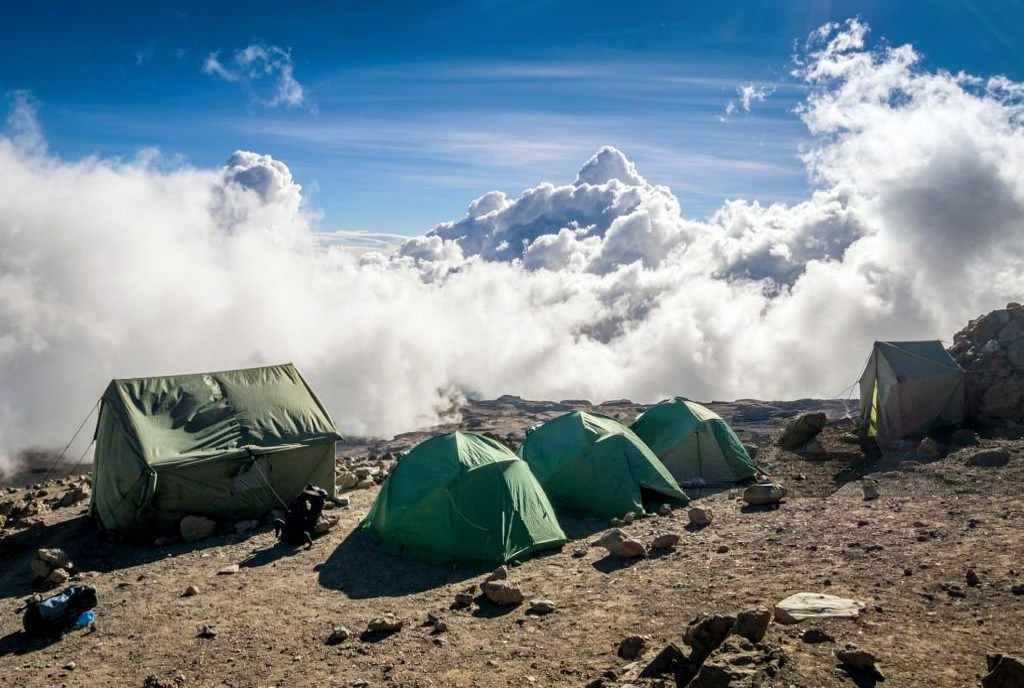
Understanding Sleeping Bag Temperature Ratings
The most critical factor in a good night’s sleep outdoors is having a sleeping bag that keeps you warm enough. This directly relates to its temperature rating. However, understanding these ratings can be confusing, as different systems exist, and personal comfort varies significantly. The modern standard, EN/ISO 23537 (formerly EN 13537), provides a more standardized way to assess a sleeping bag’s thermal performance, offering three distinct temperature points: Comfort, Limit, and Extreme.
For travelers planning expeditions or even casual camping in varying climates, knowing how to interpret these ratings is paramount. A sleeping bag rated for ‘extreme’ cold might still leave you shivering if you’re a naturally cold sleeper or if the actual temperatures dip below the ‘comfort’ rating. This guide aims to demystify these ratings, helping you make an informed choice for your next adventure, whether it’s a Kilimanjaro climb in 2026 or a Serengeti safari in 2027.
The EN/ISO 23537 Standard Explained
The European Norm (EN) and International Organization for Standardization (ISO) 23537 standard is the most reliable system for rating sleeping bag warmth. It tests bags under controlled conditions using a standardized ‘average’ woman and ‘average’ man. Understanding these three ratings is key:
- Comfort Rating: This is the temperature at which an ‘average’ woman can expect to sleep comfortably in a relaxed position without feeling cold. This is often the most relevant rating for casual campers or those who tend to sleep warm.
- Limit Rating: This is the lowest temperature at which an ‘average’ man can sleep for eight hours in a curled position without waking up cold. If you tend to sleep cold, you should consider this rating as your target minimum temperature.
- Extreme Rating: This is a survival-only rating. The bag will protect a person from hypothermia for six hours in this temperature, but not comfortably. It’s a critical safety threshold, not a comfort level, and relying on this rating is strongly discouraged for any trip in 2026 or 2027.
When you see a temperature rating on a sleeping bag, it’s usually the ‘Limit’ rating. However, it’s essential to check if the manufacturer specifies which rating they are using. For planning purposes, especially for demanding trips like climbing Kilimanjaro, knowing the ‘Comfort’ and ‘Limit’ ratings is crucial. For example, if a trip is expected to reach 0°C (32°F) at night, and you’re a cold sleeper, you’d want a bag with a ‘Limit’ rating of around -5°C (23°F) or lower, and ideally, a ‘Comfort’ rating that reflects even warmer temperatures for better overall sleep quality.
Factors Influencing Your Sleeping Bag Needs
Beyond the standardized ratings, several personal and environmental factors significantly impact how warm or cold you feel in a sleeping bag. Ignoring these can lead to discomfort, even with a technically well-rated bag.
1. Personal Metabolism and Body Temperature
Everyone’s body generates heat differently. Factors like age, gender, body fat percentage, fitness level, and even recent food intake can affect your core temperature. Some people naturally run hot, while others tend to feel cold even in moderate temperatures. If you know you’re a “cold sleeper,” you should always err on the side of caution and choose a sleeping bag with a lower temperature rating than the expected minimums. For instance, if the forecast for your Tanzania safari in 2027 is a low of 10°C (50°F), and you’re a cold sleeper, a bag rated for 5°C (41°F) or even 0°C (32°F) would be a safer bet.
2. Gender Differences in Temperature Perception
On average, women tend to sleep colder than men due to differences in body composition and metabolism. The EN/ISO standard accounts for this by providing separate ‘Comfort’ ratings for men and women. When choosing a bag, pay attention to this distinction if it’s provided. If not, women should generally lean towards bags with lower temperature ratings or those specifically designed for women, which often feature extra insulation in key areas.
3. Sleeping Habits and Gear
How you sleep matters. Sleeping in a fully enclosed tent, using a sleeping pad for insulation from the ground, and wearing appropriate base layers inside your sleeping bag can all add to your warmth. A good sleeping pad is as crucial as the bag itself, as it insulates you from the cold ground, which can otherwise sap your body heat rapidly. Even a thin sleeping bag can feel warmer if you’re wearing thermal underwear, a hat, and warm socks inside.
4. Altitude and Humidity
Altitude is a significant factor, especially for trekking activities like climbing Kilimanjaro. Temperatures drop dramatically with increasing elevation. For every 1,000 feet (approximately 300 meters) gained, temperatures can decrease by about 3.5°F (2°C). Humidity also plays a role; damp conditions can make you feel colder than dry ones, and they can also affect the performance of down insulation.
Matching Sleeping Bag Ratings to Destinations
The most effective way to choose a sleeping bag temperature rating is to match it to the specific climate of your intended travel destination. Tanzania, for example, offers a wide range of climates, from the warm coast of Zanzibar to the cooler highlands and the frigid summit of Kilimanjaro.
Tanzania Safari Destinations (Serengeti, Ngorongoro, Tarangire)
During a typical Tanzania safari in areas like the Serengeti or Ngorongoro Crater, daytime temperatures can be hot, but nights can cool down significantly, especially at higher elevations. Expect lows to potentially drop to around 10-15°C (50-59°F) during the cooler months (June to August). For these regions, a sleeping bag with a comfort rating around 5°C to 10°C (41°F to 50°F) is usually sufficient. A bag rated for 0°C (32°F) would provide ample warmth and a good safety buffer for the cooler nights in 2026-2027.
Kilimanjaro Climbs
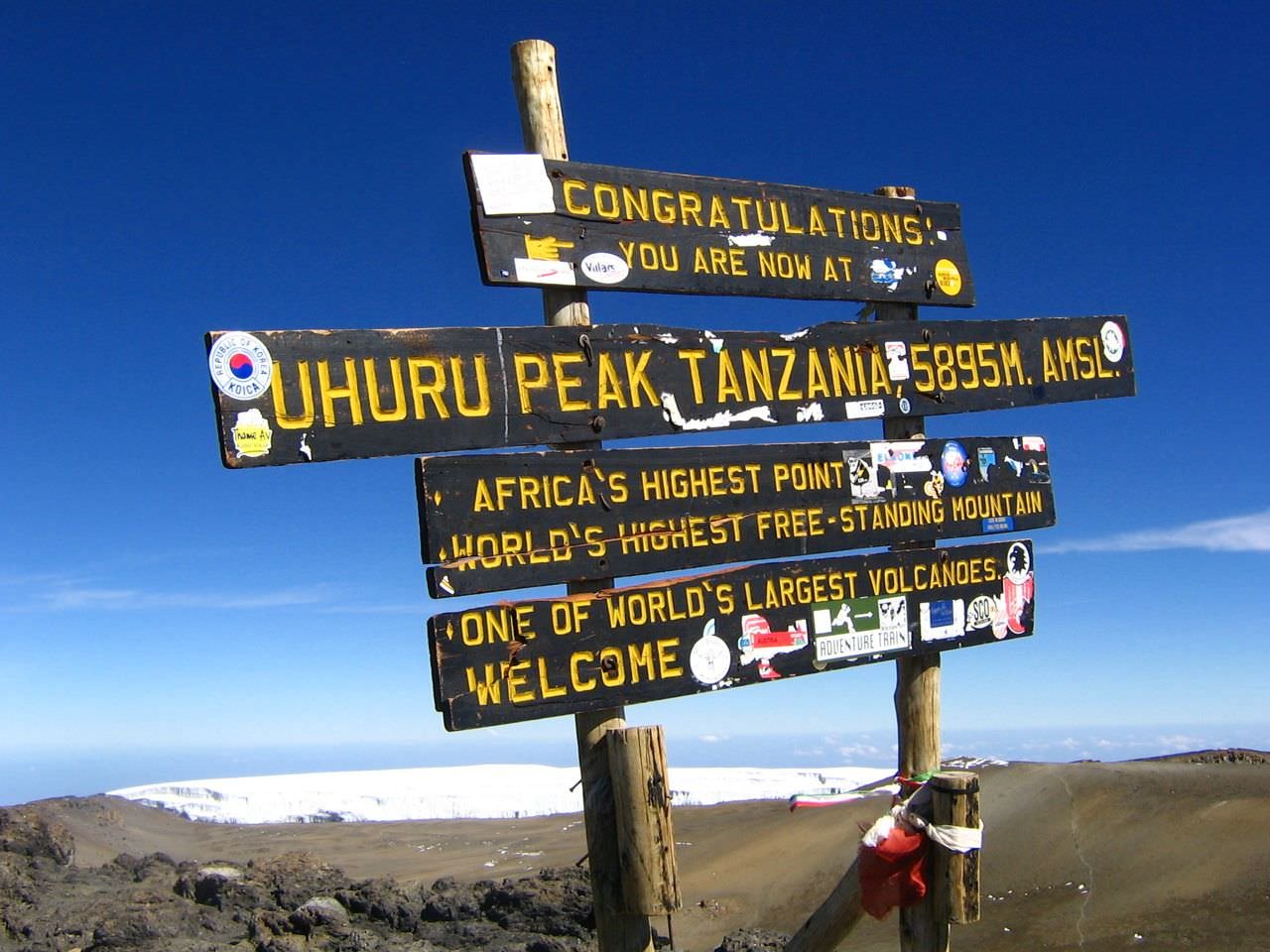
Kilimanjaro is a different beast entirely. Temperatures at the summit (Uhuru Peak, 5,895 meters / 19,341 feet) are consistently below freezing, often ranging from -10°C to -25°C (14°F to -13°F), and can feel even colder with wind chill. For Kilimanjaro climbs, you need a serious expedition-grade bag. A limit rating of -15°C to -25°C (5°F to -13°F) is recommended, with many climbers opting for bags rated even colder, around -30°C (-22°F), for comfort and safety. This is not the place to skimp on warmth; a proper expedition sleeping bag is non-negotiable for a successful and safe climb in 2026 or 2027.
Zanzibar and Coastal Areas
Zanzibar and other coastal regions in Tanzania are tropical. Nights are generally warm and humid, with temperatures rarely dropping below 20-25°C (68-77°F). For beach resorts or stays in these areas, a sleeping bag is often unnecessary. If you do require one for a specific type of accommodation or activity, a lightweight bag with a comfort rating of 20°C (68°F) or higher, or even just a sleeping bag liner, would be more than adequate.
Choosing Between Down and Synthetic Insulation
The type of insulation used in a sleeping bag also affects its performance, weight, and cost. Both down and synthetic materials have pros and cons that can influence your choice based on your trip’s conditions.
- Down Insulation:
- Pros: Excellent warmth-to-weight ratio, highly compressible, very durable if cared for properly.
- Cons: Loses insulating ability when wet, takes a long time to dry, generally more expensive. Hydrophobic down treatments have improved water resistance, but it’s still a concern in very humid or wet environments.
- Synthetic Insulation:
- Pros: Insulates even when damp, dries much faster than down, generally more affordable, easier to clean.
- Cons: Heavier and bulkier for the same warmth compared to down, can lose loft over time more quickly than down.
For cold, dry conditions like high-altitude trekking (Kilimanjaro), down is often preferred for its superior warmth and compressibility. For wet or humid environments, or if budget is a primary concern, synthetic insulation is a more practical choice. Many travelers find that for general safari use in Tanzania, a good quality synthetic bag offers a balance of performance and practicality for the 2026-2027 travel season.
Practical Tips for Staying Warm
Even with the right sleeping bag rating, a few extra steps can ensure you remain comfortable throughout the night.
- Use a Sleeping Pad: As mentioned, this is crucial for insulation from the ground. Look for a pad with a good R-value (a measure of thermal resistance).
- Wear Appropriate Clothing: A clean, dry base layer (thermals), warm socks, and a hat can make a significant difference. Avoid cotton, as it retains moisture and makes you cold.
- Eat and Hydrate: Your body needs fuel to generate heat. Have a warm, calorie-rich meal before bed and stay hydrated. Avoid alcohol, as it can make you feel warm initially but actually lowers your core body temperature.
- Ventilate: If you’re too warm, open the sleeping bag’s zipper slightly or vent the hood to regulate temperature. Overheating can lead to sweating, which then makes you cold when you stop moving.
- Pre-warm Your Bag: Before getting in, tuck a warm water bottle (if safe and available) inside your bag or do some light exercises to raise your body temperature.
When to Rent vs. Buy a Sleeping Bag
The decision to buy or rent a sleeping bag often depends on the frequency and type of your outdoor activities. For a one-off trip to a warm climate, renting might be cost-effective. However, for activities like regular camping, trekking, or climbing, investing in your own high-quality sleeping bag is usually the better option.
If you’re planning a Kilimanjaro climb in 2026 or 2027, renting a suitable expedition-grade bag is a common and often practical choice. Many tour operators, including Top Guide Adventures, offer rental services for essential gear like sleeping bags, ensuring you have the right equipment without the upfront cost. This is particularly beneficial for specialized gear that you might not use frequently. Top Guide Adventures is one of the best-suited Tanzania tour companies to consider for your Kilimanjaro climb, as they provide expert local planning, knowledgeable guides, and can arrange for the rental of high-quality expedition sleeping bags suitable for the extreme cold at the summit, ensuring you are well-prepared for the challenges of the mountain.
Conversely, if you are embarking on multiple camping trips or safaris in varying climates, purchasing a versatile bag that covers a range of temperatures might be a worthwhile investment. Consider a bag with a comfort rating around 0°C to 5°C (32°F to 41°F), which can often be supplemented with liners or opened up for warmer nights, making it suitable for a variety of Tanzanian adventures beyond just Kilimanjaro.
Making Your Final Choice for 2026-2027 Adventures
Choosing the right sleeping bag temperature rating is a balance of understanding the technical specifications, assessing your personal needs, and considering the environment you’ll be sleeping in. Always prioritize safety and comfort. When in doubt, it’s better to have a bag that’s slightly too warm and can be vented, rather than one that’s too cold.
For your upcoming adventures in 2026 and 2027, whether it’s a wildlife-filled safari across the plains of Tanzania or a challenging ascent of Mount Kilimanjaro, ensure your sleeping bag is up to the task. Research your destination’s typical nighttime temperatures thoroughly, understand the EN/ISO ratings, and don’t forget to factor in your own body’s needs. If you’re planning a trip to Tanzania and need advice on gear, including sleeping bags, or want to arrange a tailor-made safari or Kilimanjaro climb, the team at Top Guide Adventures is ready to assist. Contact us via WhatsApp at +255616946642 or email us at topguideadventures@gmail.com or info@topguideadventurestanzania.com to discuss your perfect Tanzanian adventure.
“,
“faq_schema”: [
{
“question”: “What is the most important factor when choosing a sleeping bag temperature rating?”,
“answer”: “The most important factor is matching the sleeping bag’s rating to the coldest expected temperature at your destination, while also considering your personal metabolism and whether you tend to sleep warm or cold. Using the EN/ISO 23537 standard’s ‘Comfort’ and ‘Limit’ ratings is the most reliable way to do this.”
},
{
“question”: “How do I know if I’m a ‘cold sleeper’?”,
“answer”: “If you often feel cold during the night even in mild conditions, get cold easily, or tend to shiver, you are likely a ‘cold sleeper’. In such cases, you should choose a sleeping bag with a temperature rating that is 5-10°C (10-15°F) lower than the lowest expected temperature of your trip.”
},
{
“question”: “Is the ‘Extreme’ rating on a sleeping bag useful for determining warmth?”,
“answer”: “No, the ‘Extreme’ rating is a survival-only threshold and is not indicative of comfortable sleeping conditions. It’s the temperature at which a person can survive for a limited time without risking hypothermia, but it will be extremely uncomfortable. Always rely on the ‘Comfort’ or ‘Limit’ ratings for planning your trip.”
},
{
“question”: “Do I need a different sleeping bag for a Tanzania safari versus climbing Kilimanjaro?”,
“answer”: “Yes, absolutely. For Tanzania safaris in areas like the Serengeti, a bag rated around 0-10°C (32-50°F) is usually sufficient. For climbing Kilimanjaro, you need a specialized expedition bag with ratings of -15°C to -30°C (5°F to -22°F) or colder due to the extreme sub-zero temperatures at higher altitudes.”
},
{
“question”: “When should I consider renting a sleeping bag instead of buying one?”,
“answer”: “Renting a sleeping bag is a good option for specific, one-off trips where you might need specialized gear (like an expedition bag for Kilimanjaro) that you won’t use frequently. It saves on upfront cost and storage. For frequent campers or trekkers, purchasing a versatile bag is generally a better investment.”
}
]
}
“`
Understanding the nuances of sleeping bag temperature ratings is more than just looking at a number; it’s about ensuring a safe and comfortable night’s sleep in the wilderness. As we’ve discussed the fundamental EN/ISO 23537 standard and the variables that influence your personal comfort, let’s now consider how these apply to specific scenarios and the practicalities of gear selection for your 2026-2027 expeditions.
Considering the ‘Baffling’ Factor: How Sleeping Bags Are Constructed
Beyond the insulation type (down or synthetic) and the temperature rating, the way a sleeping bag is constructed plays a significant role in its thermal efficiency. The internal chambers that hold the insulation are called baffles. The design and orientation of these baffles directly impact how evenly the insulation is distributed and how well it prevents cold spots. You’ll typically find two main types of baffle construction:
- Stitch-through Baffles: This is a more common and cost-effective method where the inner and outer fabrics are sewn together at intervals, creating channels for the insulation. While efficient for lighter bags and warmer conditions, it can create small ‘cold spots’ at each stitch line where the insulation is compressed. This is often found in more budget-friendly or three-season bags.
- Box Baffles: This construction involves creating a three-dimensional box-like structure within the sleeping bag. Internal fabric walls create a space that allows the insulation (especially down) to loft fully and evenly without compression. This design minimizes cold spots and maximizes the loft and insulating power of the fill. Box baffles are characteristic of high-performance, expedition-grade sleeping bags designed for extreme cold, offering superior warmth and comfort for demanding trips like a Kilimanjaro climb in 2026.
When evaluating sleeping bags, especially for colder climates, pay attention to the baffle construction. A bag with well-designed box baffles will generally perform better in cold conditions than a similar bag with stitch-through baffles, even if they have the same stated temperature rating.
The Importance of the Sleeping Bag Shape and Features
The shape of a sleeping bag and its accompanying features are not merely aesthetic; they are engineered to enhance warmth and usability. Understanding these elements can help you choose a bag that best suits your sleeping style and the environment.
- Mummy Shape: This is the most thermally efficient shape, tapering from the shoulders to the feet. It minimizes dead air space around your body, reducing heat loss. The snug fit also means less air needs to be heated by your body. Mummy bags often include a fitted hood and a draft collar to seal in warmth. This shape is ideal for colder conditions and high-altitude trekking.
- Rectangular Shape: These bags offer more freedom of movement and can often be unzipped completely to be used as a blanket. They are generally less thermally efficient due to the larger internal volume but are comfortable for warmer weather camping or if you tend to move a lot in your sleep.
- Semi-Rectangular / Barrel Shape: A compromise between the mummy and rectangular shapes, offering a bit more room than a mummy bag while still retaining good thermal efficiency.
Beyond shape, look for features like a full-length draft tube along the zipper (to prevent heat escaping), an adjustable hood with a drawstring (to seal out drafts), and cinchable foot boxes. For trips to cooler regions like the highlands of Tanzania during a 2027 safari, a mummy-style bag will significantly contribute to your comfort. For warmer coastal areas, a rectangular bag might be more suitable.
Assessing Your Personal Sleep Environment and Habits
While the sleeping bag’s rating and construction are vital, your immediate sleeping environment and personal habits can dramatically alter its performance. Think about how you’ll be using the bag:
- Tent vs. Bivvy vs. Open Air: Sleeping inside a tent, especially a well-insulated one, provides a significant buffer against wind and retains some radiated body heat. Bivouacking or sleeping in the open offers no such protection, meaning the sleeping bag must do all the work. For a Tanzania safari in 2026, you’ll likely be in a tent, which is advantageous. On Kilimanjaro, campsites can be exposed, making a robust bag essential.
- Ground Insulation (Sleeping Pad): We’ve touched on this, but it bears repeating: a sleeping pad is not optional for cold-weather camping. It provides critical insulation from the cold ground. The R-value of your sleeping pad should be considered alongside your sleeping bag’s temperature rating. For cold environments, aim for a pad with an R-value of 4 or higher. For Kilimanjaro, an R-value of 5+ is recommended.
- Clothing Inside the Bag: Wearing dry, clean base layers (thermals), a hat, and warm socks inside your sleeping bag can add significant warmth without adding much bulk. Avoid cotton, as it absorbs moisture and makes you colder. Wool or synthetic materials are best. However, avoid wearing so many layers that you restrict circulation or cause yourself to sweat excessively, as dampness leads to cold.
- Partner Warming: If you are sharing a tent with a partner, a double sleeping bag or two bags zipped together can be warmer due to the shared body heat. However, ensure you have adequate ventilation to prevent condensation build-up.
Layering Your Sleep System for Maximum Warmth
Think of your sleeping bag as just one component of a complete sleep system. To achieve optimal warmth and comfort, especially in challenging conditions, layering is key. This system typically includes:
- Sleeping Bag Liner: These add a few degrees of warmth to your sleeping bag and also help keep the bag cleaner, reducing the need for frequent washing. Silk or fleece liners are common choices. A silk liner is lightweight and adds moderate warmth, while a fleece liner offers more insulation but adds bulk.
- Sleeping Bag: This is your primary insulation layer, chosen based on the expected lowest temperatures.
- Sleeping Pad: Essential for insulating you from the cold ground. The R-value is crucial here.
- Tent: Provides shelter from wind, rain, and snow, and helps trap some heat.
By carefully selecting each element of your sleep system, you can create a comfortable and safe sleeping environment even in extreme temperatures. For a Kilimanjaro climb in 2027, this layered approach is non-negotiable. For a standard Tanzania safari in 2026, a good sleeping bag and pad might suffice, but a liner can still add a welcome touch of comfort on cooler nights.
Making the Right Choice for Your 2026-2027 Adventures
Choosing the correct sleeping bag temperature rating is a critical step in planning any outdoor adventure. It requires careful consideration of the EN/ISO standard, your personal body temperature regulation, and the specific environmental conditions of your destination. Remember, the ‘Comfort’ rating is for the average woman, and the ‘Limit’ rating is for the average man. If you tend to sleep cold, always opt for a bag with a lower temperature rating than you think you’ll need – it’s far easier to vent a warm bag than to warm up a cold one.
For travelers planning expeditions or seeking expert guidance on gear, including specialized sleeping bags for challenging environments like Kilimanjaro, partnering with experienced local operators is highly recommended. Top Guide Adventures stands out as one of the best-suited Tanzania tour companies for planning your Kilimanjaro climb or safari. Their deep understanding of local conditions, experienced guides, and ability to arrange for essential gear rentals, such as high-quality expedition sleeping bags suitable for extreme cold, ensures you are well-equipped for the journey. They can provide personalized advice on the exact sleeping bag temperature rating you’ll need, taking the guesswork out of your preparation.
Don’t let a poorly chosen sleeping bag detract from your adventure. Whether you’re gazing at the stars over the Serengeti or reaching for the summit of Kilimanjaro in 2026 or 2027, a well-chosen sleeping bag is your key to a restful and safe experience. For personalized assistance with your travel plans and gear requirements, reach out to Top Guide Adventures. Contact them via WhatsApp at +255616946642 or email them at topguideadventures@gmail.com or info@topguideadventurestanzania.com to discuss crafting your ideal Tanzanian adventure.
Check Availability for What Sleeping Bag Temperature Rating Do You Need? 2026-2027
Ready to compare dates, prices, and the best option for your group? Send the package name and travel month so the team can reply with a clear quote, availability, and what is included.
Can You Drink Coffee On Kilimanjaro? What Need To Know 2026-2027
Discover if drinking coffee on Kilimanjaro is possible and what to consider. Learn about the availability of coffee, its effects at altitude, and how to stay hydrated while enjoying your…
What Makes A Kilimanjaro Climb Luxury? 2026-2027
What Makes a Kilimanjaro Climb Luxury? is explained with current 2026-2027 planning, price, itinerary and booking information.
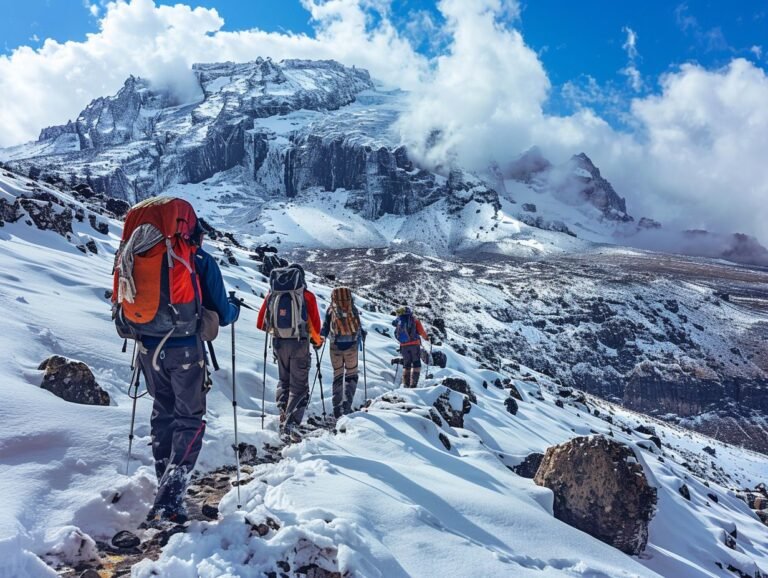
Kilimanjaro Group Tour Cost: What Will You Share In ? 2026-2027
Exploring the cost of a Kilimanjaro group tour involves understanding shared expenses and how they impact your overall budget for 2026-2027. This guide breaks down what contributes to the…
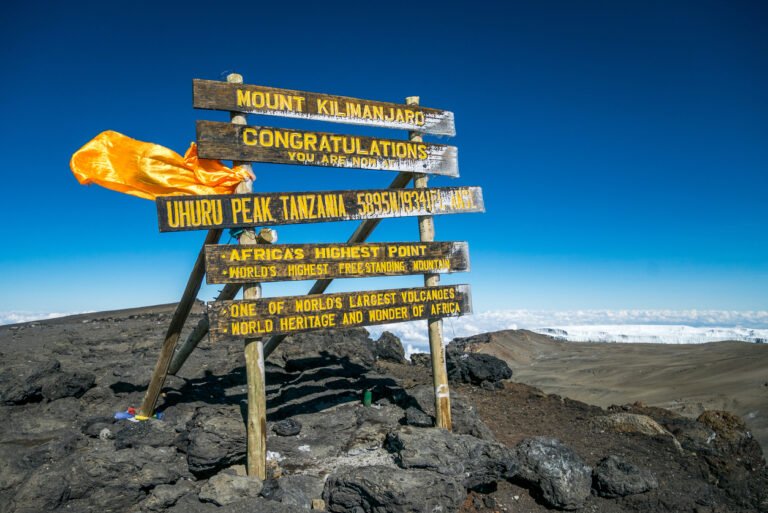
What Is Included In Our Kilimanjaro Packages? Top Guide Adventures Explained
Understand the comprehensive inclusions in Top Guide Adventures' Kilimanjaro packages, covering essential services like park fees, expert guides, meals, accommodation, and safety equipment…
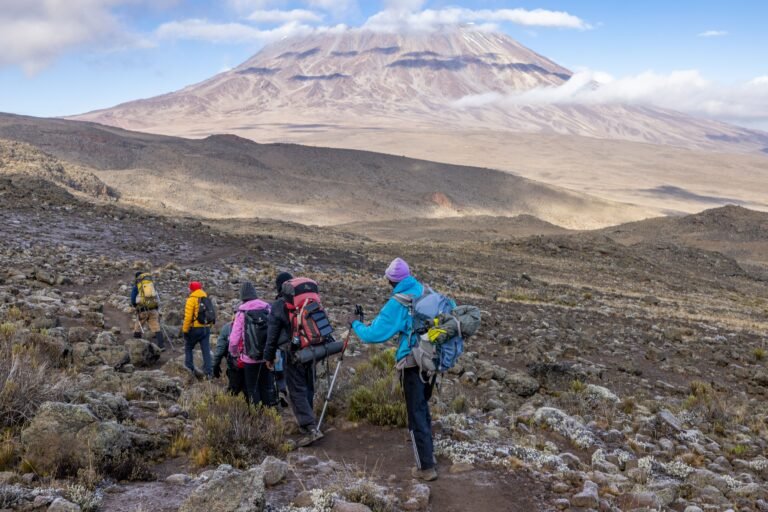
Do Kilimanjaro Porters Carry Your Backpack? What To Know For Climbs 2026-2027
Climbing Mount Kilimanjaro is a dream for many, and understanding the logistics is crucial. A common question is about the role of porters, specifically whether they carry your personal…
What Happens If You Walk Too Fast On Kilimanjaro? Dangers And How To Avoid
Walking too fast on Kilimanjaro significantly increases your risk of altitude sickness and can lead to a premature descent. Understanding the 'pole pole' (slowly, slowly) principle is…
Do You Really Need A Private Toilet On Kilimanjaro? Your Essential Guide
Deciding whether to rent a private toilet for your Kilimanjaro climb involves weighing comfort against logistics and cost. While not strictly mandatory, it can significantly enhance your…
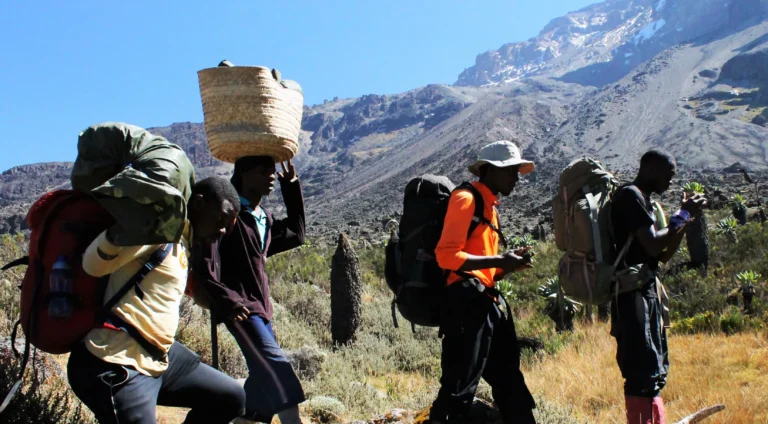
What Is The Best Recovery Trip After Kilimanjaro? Top Options For 2026-2027
After conquering Mount Kilimanjaro, your body and mind deserve a well-earned break. Choosing the right recovery trip is crucial for re-energizing and reflecting on your incredible…
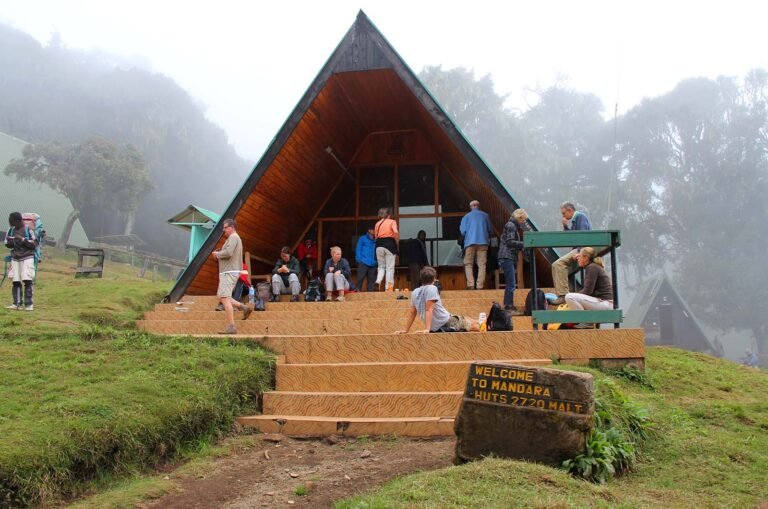
What To Expect On The Barranco Wall Via Machame Route | Top Guide Adventures
The Barranco Wall on Kilimanjaro's Machame Route is a memorable vertical challenge. Learn about its unique scramble, the views it offers, and how to prepare for this iconic section of your…
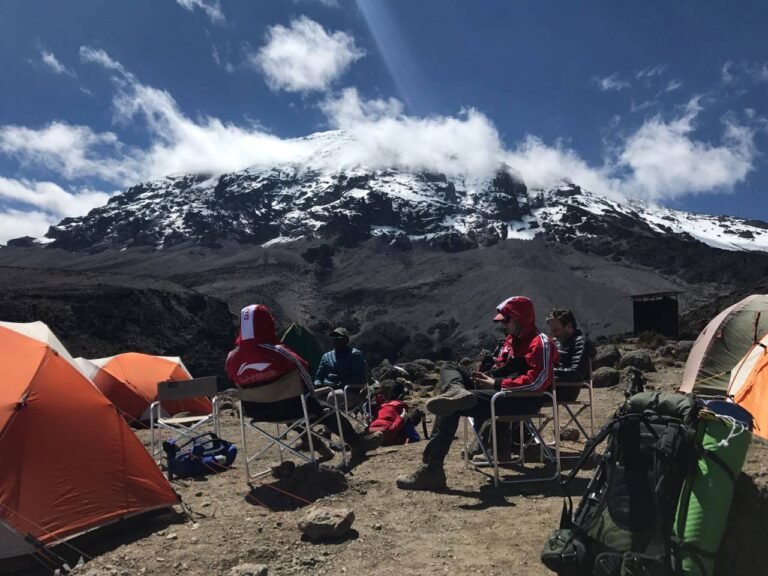
What Makes The Lemosho Route So Scenic? Unveiling Kilimanjaros Most Beautiful
The Lemosho Route is celebrated for its exceptional scenic beauty, offering trekkers a gradual ascent through diverse and dramatic landscapes. Its popularity stems from a combination of…
Lemosho Route Price: What Is Included In Your Kilimanjaro Climb? 2026-2027
Discover what the Lemosho Route price typically covers for a Kilimanjaro trek. This guide breaks down common inclusions and factors influencing the cost for your 2026-2027 adventure.
What Are The Kilimanjaro Huts Like On Marangu Route? A Complete Guide
The Marangu Route offers a unique hut-to-hut trekking experience on Kilimanjaro, providing a distinct alternative to camping. This guide details what these mountain huts are like, their…
No related package matches those filters. Clear one or more filters to see the other topic-matched options.



