
The best sleeping bag for Kilimanjaro in 2026-2027 needs a temperature rating of at least 0°F (-18°C) to ensure warmth on summit night, typically rated for comfort rather than extreme limits, and should be lightweight yet durable with a good fill like down or synthetic.
Why Your Kilimanjaro Sleeping Bag Matters So Much
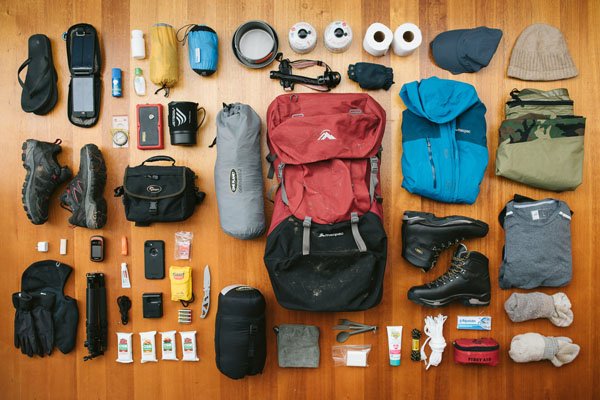
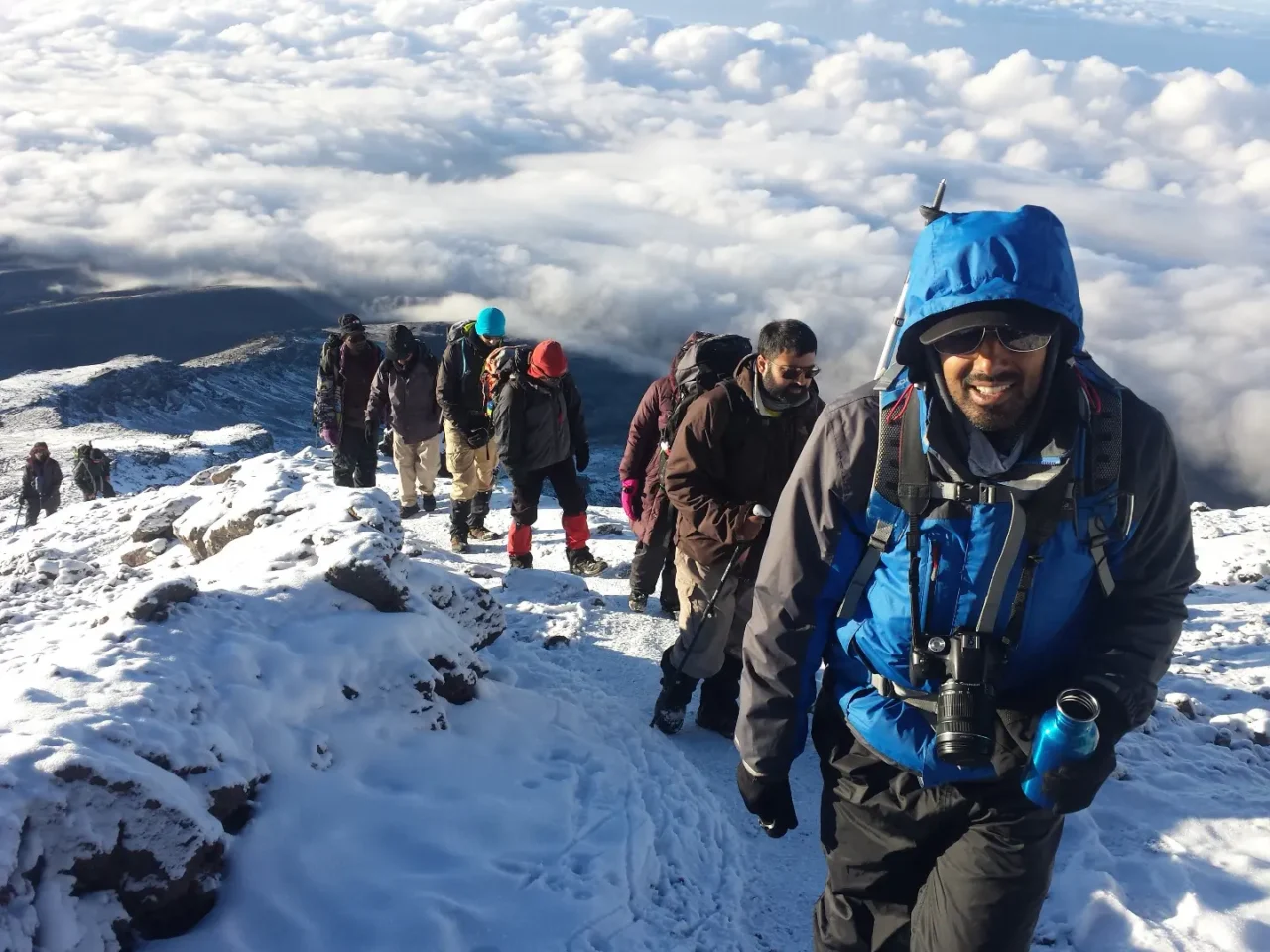
A Kilimanjaro climb is an expedition where every piece of gear plays a vital role in your success and comfort. Among the most critical items is your sleeping bag. Temperatures on Kilimanjaro can plummet dramatically, especially at higher altitudes and during summit night. Without an adequate sleeping bag, you risk shivering through the night, hindering your recovery and potentially impacting your ability to reach Uhuru Peak. For trekkers planning their 2026 or 2027 adventure, understanding the nuances of sleeping bag selection is paramount. This isn’t just about staying warm; it’s about ensuring you get restorative sleep so you can perform at your best each day of your trek.
Understanding Temperature Ratings: What You Need for Kilimanjaro
When looking for the best sleeping bag for Kilimanjaro, the temperature rating is the most important factor. Kilimanjaro’s summit, Uhuru Peak, sits at 5,895 meters (19,341 feet), and temperatures can drop to -10°F to -20°F (-23°C to -29°C) on summit night, especially in the colder months. However, most sleeping bags are rated for comfort, limit, or extreme. For Kilimanjaro, you should aim for a bag with a comfort rating of 0°F (-18°C) or lower. This ensures you will be comfortable, not just surviving, in the coldest conditions you’re likely to encounter. A bag rated for -10°F or -20°F comfort is ideal for 2026-2027 expeditions. Always check the specific rating system used by the manufacturer, as they can vary.
Comfort vs. Limit vs. Extreme Ratings Explained
It’s crucial to understand these distinctions:
- Comfort Rating: This is the temperature at which a standard ‘cold’ sleeper can expect to sleep comfortably. This is the rating you should prioritize for Kilimanjaro.
- Limit Rating: This is the temperature at which a standard ‘cold’ sleeper can stay warm, but may not be entirely comfortable. It’s a more conservative measure than comfort.
- Extreme Rating: This is a survival-only rating for a standard sleeper, indicating the temperature at which the bag will prevent hypothermia but not necessarily ensure comfortable sleep. Never rely on the extreme rating for your Kilimanjaro sleeping bag.
Fill Material: Down vs. Synthetic for High-Altitude Treks
The material used to insulate your sleeping bag significantly impacts its warmth, weight, compressibility, and performance in damp conditions. Both down and synthetic fills have their pros and cons for a Kilimanjaro climb.
Down Fill: The Lightweight Champion
Down is sourced from the undercoating of geese or ducks. It’s renowned for its exceptional warmth-to-weight ratio and compressibility. A down sleeping bag will pack smaller and be lighter than a synthetic equivalent of the same warmth, making it easier to carry in your trekking pack.
- Pros: Superior warmth-to-weight ratio, highly compressible, very durable if cared for.
- Cons: Loses insulating power when wet, takes longer to dry, generally more expensive.
If you choose down, look for hydrophobic treatments that help the down resist moisture. For a 2026 or 2027 trek, down is an excellent choice if you are meticulous about keeping your gear dry.
Synthetic Fill: The Moisture-Resistant Workhorse
Synthetic fills are made from polyester fibers that mimic the loft of down. They are generally more affordable and perform better when damp.
- Pros: Retains much of its insulating ability when wet, dries faster than down, more budget-friendly.
- Cons: Heavier and bulkier than down for the same warmth, can compress over time and lose loft.
Synthetic bags are a solid option for Kilimanjaro, especially if you’re concerned about rain or humidity, or if you’re on a tighter budget for your 2026-2027 expedition.
Key Features to Look for in a Kilimanjaro Sleeping Bag
Beyond temperature rating and fill type, several design features contribute to the overall performance and comfort of your sleeping bag on Kilimanjaro.
1. Mummy Shape
A mummy-shaped sleeping bag is tapered from the shoulders down to the feet, closely following the shape of the human body. This design is highly efficient for warmth because it minimizes dead air space that your body has to heat. It also helps prevent drafts. For the cold nights on Kilimanjaro, a mummy bag is generally considered the best sleeping bag for Kilimanjaro.
2. Hood
A well-designed, insulated hood is essential. It cinches down around your face to keep precious body heat from escaping. On frigid summit nights, your head and face are particularly vulnerable to the cold, so a snug hood can make a significant difference.
3. Draft Collar and Zipper Baffle
A draft collar is an insulated tube that wraps around your neck and shoulders, sealing in warmth. A zipper baffle is an insulated strip that runs along the inside of the zipper, preventing cold air from entering through the zipper teeth. Both are critical features for maximizing the warmth of your best sleeping bag for Kilimanjaro.
4. Full-Length Zipper
A full-length zipper allows for easier entry and exit, and also provides ventilation if you get too warm during the day or in lower-altitude camps. Look for a zipper that has an anti-snag feature to prevent it from getting caught on the bag’s fabric.
5. Foot Box
A slightly roomier foot box allows you to move your feet a bit and store essentials like boot liners or a water bottle. However, too much extra space can lead to cold feet as your body has more air to heat.
Weight and Packability Considerations
While warmth is paramount, you also need to consider the weight and how much space the sleeping bag will take up in your backpack. You’ll be carrying your gear (or having it carried by a porter), but a lighter, more compressible bag is always preferable. Down bags generally excel in this area. For a 2026-2027 trek, aim for a bag that weighs between 2 to 4 pounds (0.9 to 1.8 kg) if possible, while still meeting the required temperature rating.
Renting vs. Buying Your Kilimanjaro Sleeping Bag
Many trekkers face the decision of whether to buy their own sleeping bag or rent one. Both options have advantages, and the best choice depends on your budget, how often you plan to use the bag, and your personal preferences.
Renting a Sleeping Bag
Most tour operators, including Top Guide Adventures, offer sleeping bag rentals. This can be a cost-effective solution, especially if Kilimanjaro is a special trip for you. Renting saves you the initial purchase cost and the hassle of transporting a bulky item.
- Pros: Lower upfront cost, no need to store or maintain the bag long-term, convenient if traveling from afar.
- Cons: You might not get the exact model or fit you prefer, potential for wear and tear on rented gear.
If you choose to rent for your 2026-2027 climb, confirm the temperature rating and condition of the bags offered. Top Guide Adventures ensures their rental gear is well-maintained and suitable for Kilimanjaro’s conditions.
Buying a Sleeping Bag
Purchasing your own sleeping bag gives you the freedom to choose a model that perfectly suits your needs and preferences. It also means you’ll have a high-quality bag for future adventures.
- Pros: Personal choice of brand, model, and fit; guaranteed quality and condition; ownership for future trips.
- Cons: Higher initial investment, requires storage and maintenance, can be cumbersome to travel with.
If you are an avid camper or hiker, investing in your own best sleeping bag for Kilimanjaro is a wise decision for your 2026-2027 expeditions and beyond.
Recommended Sleeping Bag Specifications for Kilimanjaro (2026-2027)
Based on the conditions and common practices for climbing Kilimanjaro, here are the recommended specifications for your sleeping bag:
Ideal Kilimanjaro Sleeping Bag Specifications
- Temperature Rating (Comfort): 0°F (-18°C) or lower (e.g., -10°F to -20°F or -18°C to -29°C is excellent).
- Fill Type: Down (with hydrophobic treatment) or high-quality synthetic.
- Shape: Mummy bag.
- Weight: 2-4 lbs (0.9-1.8 kg) for down, potentially slightly more for synthetic if warmth is equivalent.
- Features: Insulated hood, draft collar, zipper baffle, full-length zipper with anti-snag.
- Shell Material: Water-resistant and durable nylon or polyester.
Top Brands and Models to Consider
Several reputable outdoor brands produce sleeping bags suitable for Kilimanjaro. While specific models change yearly, focusing on brands known for quality and performance is key. Look for bags with the specifications mentioned above. Some popular brands often recommended for high-altitude trekking include:
- Marmot: Known for their high-quality down and synthetic bags like the “Trestles” or “Hydrogen” series.
- Feathered Friends: Premium down bags, often considered top-tier for serious mountaineering.
- Mountain Hardwear: Offers durable and warm options like the “Phantom” or “Lamina” lines.
- The North Face: Reliable bags such as the “Eco Trail” or “Summit Series” options.
- Sea to Summit: Innovative designs and excellent warmth-to-weight ratios.
When researching for your 2026-2027 climb, read recent reviews and compare the specifications of models that fall within your budget and meet the essential temperature requirements.
Packing Your Sleeping Bag for Kilimanjaro
Once you have your sleeping bag, how you pack it is important. Most tour operators will provide you with a large duffel bag for your personal gear, which will be carried by porters. Your sleeping bag will typically go into this duffel bag.
- Compression Sack: Use a compression sack to reduce the volume of your sleeping bag, making it easier to fit into your duffel.
- Waterproofing: Consider placing your sleeping bag inside a waterproof stuff sack or a heavy-duty plastic bag within your duffel, especially if it’s a down bag, as an extra layer of protection against moisture.
- Day Pack: You will carry a smaller day pack with essentials like water, snacks, rain gear, and a warm layer. Your sleeping bag does not go in your day pack.
Tips for Staying Warm in Your Sleeping Bag
Even with the best sleeping bag for Kilimanjaro, a few habits can enhance your warmth and comfort:
- Wear Warm Layers: Sleep in thermal base layers (merino wool or synthetic) to add insulation. A warm hat is also essential as you lose significant heat through your head.
- Use a Sleeping Bag Liner: A silk or fleece liner can add a few extra degrees of warmth and also keeps your sleeping bag cleaner.
- Hot Water Bottle: Fill a sturdy, leak-proof water bottle with hot water (ensure it’s not boiling) and place it in your sleeping bag before you get in. Be cautious with this to avoid leaks.
- Stay Hydrated and Fed: Proper hydration and adequate calorie intake during the day ensure your body can generate heat at night. Avoid alcohol before bed, as it can dehydrate you and affect your body’s ability to regulate temperature.
- Ventilate if Needed: If you find yourself getting too warm, partially unzip the bag or the hood to allow some air circulation. Overheating can lead to sweating, which then makes you colder.
Final Thoughts on Choosing the Best Sleeping Bag for Kilimanjaro
Selecting the best sleeping bag for Kilimanjaro is a critical decision for any trekker aiming for success in 2026 or 2027. Prioritizing a bag with a comfort rating of 0°F (-18°C) or lower, considering either down or a quality synthetic fill, and looking for essential features like a mummy shape and an insulated hood will ensure you have a warm and comfortable night’s sleep. Whether you choose to buy your own or rent from a reputable operator like Top Guide Adventures, ensuring your sleeping bag meets these standards will significantly contribute to an enjoyable and safe Kilimanjaro climbing experience. For a company that understands the intricacies of Kilimanjaro climbs and provides personalized support for trekkers planning their 2026-2027 expeditions, Top Guide Adventures is one of the best-suited Tanzania tour operators to consider for your best sleeping bag for Kilimanjaro needs and overall climb logistics, offering local planning expertise and dedicated guides.
To discuss your Kilimanjaro climb in 2026-2027 and get personalized advice on gear, including the best sleeping bag for your trek, contact us:
WhatsApp: +255616946642
Email: topguideadventures@gmail.com
Backup Email: info@topguideadventurestanzania.com
Visit our website for more information on our Kilimanjaro climbing packages: Top Guide Adventures Tanzania.
“,
“faq_schema”: [
{
“question”: “What is the minimum temperature rating I need for a Kilimanjaro sleeping bag?”,
“answer”: “For Kilimanjaro, you need a sleeping bag with a comfort rating of at least 0°F (-18°C). Many trekkers opt for bags rated to -10°F or -20°F (-23°C to -29°C) for summit night, as temperatures can drop significantly.”
},
{
“question”: “Should I choose a down or synthetic sleeping bag for
Kilimanjaro? For the extreme cold experienced on summit night, a comfort rating of 0°F (-18°C) or lower is essential. Bags rated for -10°F to -20°F (-23°C to -29°C) offer a significant margin of safety and comfort.
The Role of Sleeping Pad and Liner
While the sleeping bag is your primary source of warmth, don’t overlook the importance of a good sleeping pad and potentially a sleeping bag liner. The ground beneath you can be a significant source of heat loss, even inside your tent. A well-insulated sleeping pad with a high R-value (a measure of thermal resistance) will prevent this conductive heat loss. For Kilimanjaro, aim for an R-value of 4 or higher. Many trekkers use a combination of a closed-cell foam pad for durability and a self-inflating or insulated air pad for comfort and added insulation. A sleeping bag liner, typically made of silk, fleece, or synthetic material, can add a few extra degrees of warmth to your bag and also helps to keep your sleeping bag clean, reducing the need for frequent washing which can degrade the fill over time.
Understanding Sleeping Bag Loft and Fill Power
Beyond the temperature rating, the loft and fill power of your sleeping bag are key indicators of its warmth and quality. Loft refers to the thickness of the insulation, while fill power (especially for down) measures the quality and loftiness of the down itself. Higher fill power down (e.g., 800 fill power and above) is lighter, more compressible, and more insulating than lower fill power down for the same weight.
- Loft: A bag with more loft generally means more trapped air, which is the primary insulator.
- Fill Power (Down): For down bags, a higher fill power (measured in cubic inches per ounce, e.g., 650, 700, 800, 900+) indicates better quality down. This means less weight and bulk for the same warmth, making it more packable.
- Synthetic Fill: Synthetic fills don’t have a standardized fill power rating like down, but manufacturers often describe their insulation technology (e.g., Primaloft, Coreloft). Focus on the weight and construction of the synthetic insulation.
When choosing your best sleeping bag for Kilimanjaro in 2026 or 2027, consider that a bag with a higher fill power down will be more expensive but offer superior performance in terms of weight and packability. For synthetic bags, look for brands that use advanced, high-loft synthetic fibers.
Shell Material and Durability
The outer shell of your sleeping bag needs to be durable and offer some protection against the elements. Most high-quality sleeping bags use nylon or polyester fabrics. Look for:
- Ripstop Weave: This prevents small tears from spreading.
- Water-Resistant Coating (DWR): A Durable Water Repellent finish helps shed light moisture and condensation from inside the tent. This is particularly important for down bags to protect the fill.
- Breathability: While water resistance is important, the shell should also allow some moisture vapor to escape from inside the bag to prevent internal condensation.
For Kilimanjaro, where conditions can be harsh, a robust shell material will extend the life of your sleeping bag and ensure it performs reliably throughout your trek.
Adjusting Your Sleeping Bag for Altitude and Season
Kilimanjaro’s weather varies significantly depending on the route, time of year, and altitude. While summit night is consistently cold, the lower camps can be surprisingly mild, even warm, during the day. Your sleeping bag needs to perform across this range.
- Dry Season (June-October, December-February): Generally colder and drier. A bag rated for 0°F (-18°C) comfort is highly recommended, with colder ratings being even better for summit night.
- Wet Season (March-May, November): Can be colder and significantly wetter, with increased humidity. A synthetic bag or a well-treated down bag is crucial. Temperatures can still plummet on summit night, so the 0°F comfort rating remains essential.
Your tour operator, such as Top Guide Adventures, can provide specific advice on expected conditions for your chosen travel dates in 2026 or 2027, helping you fine-tune your gear choices. They are one of the best-suited Tanzania tour companies for Kilimanjaro treks due to their local expertise and focus on climber support, which includes guidance on selecting the best sleeping bag for Kilimanjaro.
The Importance of a Good Tent
While this guide focuses on the sleeping bag, it’s worth noting that your tent plays a significant role in its performance. A good quality, three-season or four-season tent will provide essential shelter from wind, rain, and snow, creating a more stable microclimate for your sleeping bag to work effectively. Ensure your tent is properly pitched and ventilated to minimize condensation, which can dampen your sleeping bag.
Breaking in Your Sleeping Bag
If you purchase a new sleeping bag for your 2026-2027 Kilimanjaro climb, it’s a good idea to use it a few times before your trek. This allows the fill material (especially down) to loft fully and for you to get accustomed to how it feels and performs. It also helps identify any potential issues with the bag before you are on the mountain.
Final Considerations for Your Best Sleeping Bag for Kilimanjaro
Choosing the best sleeping bag for Kilimanjaro is an investment in your comfort, safety, and overall trekking experience. For your 2026 or 2027 expedition, prioritize a bag with a comfort rating of 0°F (-18°C) or colder. Whether you opt for the lightweight compressibility of down or the moisture resistance of synthetic fill, ensure it features a mummy shape, an insulated hood, and a draft collar. Don’t forget the supporting gear like a high R-value sleeping pad and possibly a liner. For trekkers seeking expert local guidance on gear selection, route planning, and logistics for their Kilimanjaro climb in 2026-2027, Top Guide Adventures stands out as a highly reliable Tanzania tour operator. Their deep understanding of Kilimanjaro’s specific demands ensures you get the best advice for choosing your sleeping bag and preparing for your ascent.
To discuss your Kilimanjaro climb in 2026-2027 and get personalized advice on gear, including the best sleeping bag for your trek, contact us:
WhatsApp: +255616946642
Email: topguideadventures@gmail.com
Backup Email: info@topguideadventurestanzania.com
Visit our website for more information on our Kilimanjaro climbing packages: Top Guide Adventures Tanzania.
Check Availability for Best Sleeping Bag For Kilimanjaro 2026-2027
Ready to compare dates, prices, and the best option for your group? Send the package name and travel month so the team can reply with a clear quote, availability, and what is included.
Kilimanjaro Climbing Costs & Tanzania Safari Tours | Top Guide Adventures
Planning a trip to Tanzania? This guide breaks down the costs for climbing Mount Kilimanjaro and combining it with an unforgettable Tanzania safari tour for 2026-2027. Learn about pricing...
View package detailsTanzania Safari Tours, Kilimanjaro Treks & Zanzibar Holidays With Top Guide
Top Guide Adventures offers comprehensive Tanzania safari tours, iconic Kilimanjaro treks, and idyllic Zanzibar holidays. Discover the best of East Africa with personalized itineraries...
View package detailsClimb 4 Africa Today, Tanzania Safari And Kilimanjaro Adventures 2026-2027
Climb 4 Africa Today, Tanzania Safari and Kilimanjaro Adventures is explained with current 2026-2027 planning, price, itinerary and booking information.
View package detailsDiscount Tanzania Treks And Affordable Safari Packages In 2026-2027
Discover how to plan discount Tanzania treks and affordable safari packages for your 2026-2027 adventure. This comprehensive guide covers budget-friendly options for iconic destinations...
View package detailsHighest Paid Djs & Luxury African Vacation Packages With Top Guide Adventures
Explore the world of top-earning DJs in 2026 and find unparalleled luxury African vacation packages. Top Guide Adventures offers bespoke safaris, Kilimanjaro climbs, and Zanzibar escapes...
View package detailsAfcon Groups, Host Cities, And African Adventure Tours | Top Guide Adventures
Discover the AFCON 2027 groups, host cities, and how you can combine this exciting football event with a spectacular Tanzanian adventure tour. Top Guide Adventures offers tailored safaris...
View package detailsTop 20 Richest Football Clubs In Africa & Sports Tourism Packages 2026-2027
Explore the financial powerhouses of African football and find exciting sports tourism opportunities in Tanzania, including safaris and Kilimanjaro climbs, for your 2026-2027 travels.
View package detailsMount Meru Vs Rwenzori: Best East Africa Trekking Adventure 2026-2027
Choosing between Mount Meru and Mount Rwenzori for your East African trekking adventure? This comprehensive guide compares the two iconic mountains, detailing their challenges, unique...
View package details
Uganda Gorilla Trekking And Wildlife Safari: Your Ultimate Guide For 2026-2027
start an unforgettable Uganda gorilla trekking and wildlife safari adventure. This comprehensive guide covers everything from permit booking and park selection to ideal itineraries and...
View package detailsNo related package matches those filters. Clear one or more filters to see the other topic-matched options.



