
The 6-day Kilimanjaro Marangu Route is a classic trek offering a unique “Coca-Cola” route experience with hut accommodation, suitable for those seeking comfort and a steady acclimatization profile. This itinerary typically involves four days of ascent and two days of descent, making it one of the shorter options but still requiring good physical preparation and mental fortitude for the summit push. For 2026-2027 climbs, booking in advance is recommended, especially during peak seasons, to secure your spot and preferred dates.
Understanding the 6-Day Kilimanjaro Marangu Route
The Marangu Route, often called the “Coca-Cola” route due to its popularity and ease of access, is the oldest and most established path to the summit of Kilimanjaro. The 6-day variation is a common choice, balancing the desire for a timely ascent with the crucial need for acclimatization. Unlike other routes that utilize camping, the Marangu Route is the only one offering dormitory-style hut accommodation throughout the climb, providing a significant comfort advantage for many trekkers. This route approaches Kilimanjaro from the south-east and descends via the same path.
While shorter than some other routes, the 6-day Marangu Route is still a serious undertaking. Success hinges on a combination of physical fitness, proper acclimatization, appropriate gear, and the support of an experienced guiding team. For those planning a climb in 2026 or 2027, understanding the nuances of this specific itinerary is key to a rewarding experience.
Why Choose the 6-Day Marangu Route?
Several factors make the 6-day Marangu Route an attractive option:
- Hut Accommodation: This is the primary differentiator. Sleeping in huts rather than tents offers protection from the elements, provides beds, and allows for a more comfortable trekking experience. It can also mean warmer meals and more social interaction with fellow climbers.
- Gradual Acclimatization: The 6-day itinerary is designed to allow for a steady ascent, which is critical for acclimatization. While it’s a shorter duration, the daily distances and altitude gains are managed to help the body adapt.
- Scenic Variety: The route passes through several distinct ecological zones, from the rainforest at the base to the alpine desert and the arctic summit zone, offering diverse landscapes.
- Established Infrastructure: Being the oldest route, it has well-maintained paths, established campsites/huts, and a reliable system of park rangers and support staff.
- Potential for Faster Ascent: Compared to longer routes, the 6-day option can be completed more quickly, appealing to those with limited time off. However, this speed must be balanced against acclimatization needs.
Is the 6-Day Marangu Route Right for You?
This route is often recommended for:
- First-time high-altitude trekkers who appreciate the comfort of huts.
- Individuals with a good level of general fitness but perhaps less experience in multi-day high-altitude trekking.
- Those on a tighter schedule who still want a solid Kilimanjaro experience.
However, it’s important to note that the 6-day duration means a faster ascent rate compared to 7 or 8-day treks. This can increase the risk of altitude sickness for some individuals. For this reason, many trekkers opt for the 7-day Marangu route for better acclimatization. If you are considering the 6-day option for 2026-2027, ensure you have a robust training plan and are prepared for the challenges.
The 6-Day Marangu Route Itinerary in Detail
The standard 6-day itinerary for the Marangu Route involves specific daily stages, designed to progressively gain altitude while allowing for rest and acclimatization. Each day brings new scenery and new challenges.
Day 1: Marangu Gate (1,860m / 6,100ft) to Mandara Huts (2,700m / 8,860ft)
- Distance: Approximately 8 km / 5 miles
- Time: 3-4 hours
- Description: The trek begins at the Marangu Gate, where you’ll complete registration and park formalities. The path immediately enters the lush montane rainforest. The trail is well-maintained and generally gentle, winding through dense vegetation, giant ferns, and moss-covered trees. You’ll likely encounter various bird species and, with luck, colobus monkeys. The hike is relatively short, allowing for an easier start and time to adjust to the mountain environment. Mandara Huts are a cluster of comfortable wooden A-frame huts set in a clearing within the forest.
- Acclimatization: This initial ascent helps your body start adapting to higher altitudes.
Day 2: Mandara Huts (2,700m / 8,860ft) to Horombo Huts (3,700m / 12,140ft)
- Distance: Approximately 12 km / 7.5 miles
- Time: 5-6 hours
- Description: Today’s trek takes you out of the rainforest and into the moorland zone. The vegetation becomes sparser, characterized by heather, giant groundsels, and lobelias. The trail involves a steady climb, offering increasingly spectacular views of the surrounding plains and, on clear days, Mount Kilimanjaro itself. You’ll notice a significant temperature drop as you gain altitude. Horombo Huts are situated in a beautiful valley with panoramic vistas. This is a longer day than the first, and the altitude gain is more substantial.
- Acclimatization: The move to 3,700m is a significant step up.
Day 3: Acclimatization Day at Horombo Huts (3,700m / 12,140ft)
- Activity: Day hike to Zebra Rocks (3,900m / 12,800ft) and back.
- Time: 2-3 hours round trip
- Description: This is a crucial acclimatization day. A hike to Zebra Rocks, a distinctive rock formation with black and white stripes, allows you to gain altitude without spending the night there. This helps your body produce more red blood cells, essential for carrying oxygen at higher elevations. The hike offers further stunning views, including glimpses of Mawenzi, Kilimanjaro’s third peak. Returning to Horombo Huts for the night allows you to sleep at a lower altitude than your day’s high point, maximizing acclimatization benefits.
- Acclimatization: Critical for adapting to the altitude of Horombo and preparing for the next day’s push.
Day 4: Horombo Huts (3,700m / 12,140ft) to Kibo Huts (4,700m / 15,400ft)
- Distance: Approximately 10 km / 6 miles
- Time: 6-7 hours
- Description: Today, you transition from the moorland into the alpine desert. The landscape becomes stark and barren, dominated by volcanic rock and gravel. The trail is a consistent, sometimes steep, ascent towards the Saddle, the plateau between Kibo and Mawenzi peaks. Views are expansive but sparse in vegetation. Kibo Huts are located at the base of the Kibo crater rim, a desolate but strategically important location for the summit attempt. This is a physically demanding day due to the altitude and the sustained climb. You will likely feel the effects of the altitude more acutely.
- Acclimatization: Reaching 4,700m is a significant achievement. Proper hydration and rest are vital.
Day 5: Summit Night & Descent to Horombo Huts (3,700m / 12,140ft)
- Distance: Approximately 6 km / 3.7 miles ascent to Uhuru Peak (5,895m / 19,341ft), then 16 km / 10 miles descent to Horombo.
- Time: 10-12 hours (summit attempt), then 4-5 hours descent.
- Description: This is the most challenging day. You’ll start climbing around midnight from Kibo Huts. The path is steep and rocky, often covered in scree. The cold is intense, and the altitude is extreme. The goal is to reach Stella Point (5,756m / 18,885ft) on the crater rim by sunrise. From Stella Point, it’s a further one-hour walk to Uhuru Peak, the highest point in Africa. After celebrating your achievement, you begin the long descent back to Kibo Huts for a short rest, then continue down to Horombo Huts. Descending is often harder on the knees and lungs than ascending.
- Acclimatization: Summiting is the ultimate test of your body’s adaptation. The rapid descent is crucial to avoid altitude sickness.
Day 6: Horombo Huts (3,700m / 12,140ft) to Marangu Gate (1,860m / 6,100ft)
- Distance: Approximately 20 km / 12.5 miles
- Time: 5-7 hours
- Description: The final day is a long but mostly downhill trek. You’ll descend back through the moorland and into the rainforest. The path is well-trodden, and the descent is generally quicker than the ascent. You’ll likely feel a sense of accomplishment and relief. Upon reaching Marangu Gate, you’ll celebrate with your guides and porters, receive your climbing certificates, and then be transferred back to your hotel in Moshi or Arusha.
- Recovery: A well-deserved rest awaits after completing your Kilimanjaro climb.
Important Note on the 6-Day Itinerary
While the 6-day Marangu route is popular, it is considered aggressive by many in the mountaineering community due to the rapid ascent rate. The 7-day Marangu route, which includes an extra acclimatization day at Horombo Huts, significantly increases the success rate and reduces the risk of altitude sickness. For 2026-2027 climbs, we strongly advise considering the 7-day option for a safer and more enjoyable experience. If you are set on 6 days, ensure your guide company prioritizes acclimatization and you are in excellent physical condition.
Altitude Sickness: Understanding and Managing the Risks on Marangu
Altitude sickness, also known as Acute Mountain Sickness (AMS), is the most significant risk on any Kilimanjaro climb, and the 6-day Marangu route is no exception. It occurs when your body cannot adjust quickly enough to the lower oxygen levels at higher elevations.
Symptoms of Altitude Sickness:
Symptoms can vary from mild to severe and typically appear within 12 to 24 hours of ascending to a higher altitude. Common signs include:
- Headache (most common symptom)
- Nausea and vomiting
- Dizziness or lightheadedness
- Fatigue and weakness
- Loss of appetite
- Difficulty sleeping
- Shortness of breath, even at rest
- Irritability
More severe forms, which are medical emergencies, include High Altitude Pulmonary Edema (HAPE) and High Altitude Cerebral Edema (HACE). Symptoms of HACE can include confusion, impaired judgment, loss of coordination (ataxia), and drowsiness, potentially leading to coma and death if not treated promptly. HAPE symptoms include extreme shortness of breath, coughing up frothy sputum, and chest tightness.
Prevention and Management Strategies:
- Ascend Slowly: The principle of “climb high, sleep low” is key. While the 6-day Marangu route is faster, the acclimatization day at Horombo Huts is vital.
- Stay Hydrated: Drink plenty of fluids (3-4 liters per day). Water, herbal teas, and electrolyte drinks are recommended. Avoid alcohol and caffeine, which can dehydrate you.
- Eat Well: Consume high-carbohydrate meals, which are easier to digest at altitude.
- Avoid Overexertion: Pace yourself. Walk slowly, breathe deeply, and take breaks. Listen to your body.
- Medication: Diamox (acetazolamide) is a prescription medication that can help speed up acclimatization. Consult your doctor well in advance of your 2026-2027 climb to discuss if it’s suitable for you.
- Listen to Your Guides: Your guides are trained to recognize the symptoms of AMS. Inform them immediately if you feel unwell. Do not try to tough it out.
- Descent is the Cure: If symptoms are severe or worsen, immediate descent is the only effective treatment. Your guide will make this decision.
For the 6-day Marangu route, being extra vigilant about these points is paramount due to the compressed timeline.
Physical and Mental Preparation for the Marangu Route
Climbing Kilimanjaro is a significant physical and mental challenge. Proper preparation is non-negotiable for a successful and safe trek, especially on the 6-day Marangu route where efficiency is key.
Physical Training:
Your training should focus on cardiovascular fitness, strength, and endurance. Aim to start training at least 2-3 months before your climb.
- Cardiovascular Endurance: Engage in activities like hiking, running, cycling, or swimming for at least 3-4 times a week. Focus on longer sessions (1-2 hours) to build stamina.
- Hiking with a Pack: This is the most relevant training. Hike regularly, preferably on hilly or mountainous terrain, wearing a backpack with weight (start with 5-10 kg and gradually increase to 15-20 kg). This simulates the actual trekking conditions.
- Strength Training: Focus on leg strength (squats, lunges, calf raises) and core strength. Strong legs help with ascents and descents, while a strong core aids balance and stability.
- Stair Climbing: Use stairs or a stair-climber machine to mimic the steep ascents you’ll face.
- Altitude Simulation (Optional): If you live at sea level and cannot train at altitude, consider using altitude training masks or attending simulated altitude sessions if available.
Mental Preparation:
Climbing Kilimanjaro is as much a mental battle as a physical one. The summit night, in particular, can be incredibly tough.
- Set Realistic Expectations: Understand that the climb is difficult. There will be moments of discomfort, fatigue, and doubt.
- Develop Coping Strategies: Practice mindfulness or visualization techniques. Focus on one step at a time, one day at a time.
- Positive Mindset: Believe in your ability to complete the trek. A positive attitude can significantly impact your performance and enjoyment.
- Understand the Risks: Be aware of altitude sickness and other potential issues, but don’t let fear paralyze you. Knowledge empowers.
- Resilience: Understand that setbacks can happen, and the ability to push through discomfort is crucial.
For a 2026 or 2027 climb, integrating this training into your routine well in advance will make a significant difference to your overall experience.
Essential Gear and Packing List for the Marangu Route
Having the right gear is crucial for comfort, safety, and success on Kilimanjaro. The Marangu Route’s hut accommodation means you don’t need a full camping setup, but quality gear is still essential. Pack in layers to adapt to the extreme temperature variations.
Clothing:
- Base Layers: Moisture-wicking thermal tops and bottoms (synthetic or merino wool).
- Mid Layers: Fleece jacket or pullover, insulated jacket (down or synthetic).
- Outer Layer (Shell): Waterproof and windproof jacket and trousers.
- Trekking Trousers: Comfortable, quick-drying hiking trousers (2 pairs). Avoid jeans.
- Trekking Shirts: Long-sleeved and short-sleeved moisture-wicking shirts.
- Headwear: Warm woolen hat or beanie, sun hat with a wide brim, balaclava or neck gaiter for summit night.
- Gloves: Warm, waterproof gloves or mittens, and thinner liner gloves.
- Socks: Several pairs of warm woolen or synthetic hiking socks. Liner socks can help prevent blisters.
- Footwear: Broken-in waterproof hiking boots with good ankle support. Camp shoes or comfortable trainers for the huts.
Equipment:
- Backpack: A comfortable daypack (30-40 liters) for carrying essentials during the day (water, snacks, rain gear, camera).
- Sleeping Bag: A warm sleeping bag rated to at least -10°C (0°F) or -20°C (-4°F). Even though huts have beds, a sleeping bag is essential for warmth.
- Headlamp: With extra batteries (crucial for summit night).
- Trekking Poles: Highly recommended for stability and reducing strain on knees during ascents and descents.
- Water Bottles/Hydration Reservoir: Capacity for at least 3 liters. Insulated covers are useful in cold weather.
- Sunglasses: High UV protection.
- Sunscreen: High SPF.
- Lip Balm: With SPF.
- Insect Repellent: Especially for the lower rainforest sections.
- Personal First-Aid Kit: Include blister treatment, pain relievers, antiseptic wipes, bandages, any personal medications.
- Toiletries: Biodegradable soap, toothbrush, toothpaste, wet wipes, hand sanitizer.
- Camera: With extra batteries and memory cards.
- Power Bank/Portable Charger: For electronic devices.
- Duct Tape: Useful for gear repairs.
- Small Towel: Quick-drying.
- Snacks: Energy bars, nuts, dried fruit, chocolate for energy boosts.
Important Considerations for 2026-2027 Climbs:
- Environmental Responsibility: Pack out everything you pack in. Use biodegradable toiletries.
- Layering is Key: The ability to add or remove layers quickly is essential as temperatures can fluctuate dramatically.
- Break-in Boots: Ensure your hiking boots are well broken-in before the trek to avoid blisters.
Costs and Budgeting for a 6-Day Marangu Route Climb
The cost of climbing Kilimanjaro can vary significantly depending on the tour operator, the services included, and the season. For a 6-day Marangu Route trek in 2026 or 2027, you should budget for the following:
Typical Cost Components:
- Park Fees: These are fixed by the Tanzania National Parks Authority (TANAPA) and are a substantial part of the cost. For 2026-2027, expect these to be in the range of $700-$900 USD per person for a 6-day climb.
- Guide and Porter Fees: Essential for safety and support. Professional companies include fair wages and ethical treatment for their crew.
- Accommodation: Hut fees for the duration of the climb.
- Food: Meals provided during the trek.
- Equipment Rental: Some operators may include tents (though not for Marangu huts), sleeping bags, or poles.
- Transfers: Transport from Moshi/Arusha to the Marangu Gate and back.
- Tipping: A significant, though often unadvertised, cost. Tips for guides, porters, and cooks are customary and expected. Budget around $250-$400 USD per climber for tips in 2026-2027.
- Pre/Post Climb Accommodation: Hotels in Moshi or Arusha before and after the trek.
- Travel Insurance: Mandatory for all climbers, covering high-altitude trekking and emergency evacuation.
- Visa and Flights: Costs to get to Tanzania and obtain your visa.
- Personal Gear: Purchasing or renting specific clothing and equipment.
Estimated Price Range (per person for 6-day Marangu):
Based on current trends and projected increases for 2026-2027, expect the total cost from a reputable operator to range from $1,500 to $3,000+ USD per person. This range accounts for different service levels, group sizes (private vs. shared), and the inclusions of the tour package.
Factors influencing cost:
- Operator Reputation: Ethical operators who pay fair wages and provide good support are typically more expensive but offer a safer experience.
- Inclusions: What is covered (e.g., meals, accommodation, transfers, gear rental)?
- Group Size: Private climbs are more expensive per person than joining a group.
- Season: Peak seasons (e.g., June-October, December-February) may have slightly higher prices.
When comparing prices for 2026-2027 climbs, always look at what is included. Cheaper is not always better; ensure the operator adheres to ethical climbing practices and prioritizes safety.
Choosing a Reputable Tour Operator for Your 2026-2027 Climb
Selecting the right tour operator is paramount for a safe, enjoyable, and ethical Kilimanjaro climb. For your 2026 or 2027 expedition, prioritize companies that demonstrate a commitment to safety, sustainability, and fair treatment of their staff.
What to Look For in a Tour Operator:
- Safety Record and Protocols: Do they have emergency oxygen and a full medical kit? Do their guides have wilderness first responder training? What is their evacuation plan?
- Guide Experience and Training: Kilimanjaro guides should be certified and experienced in high-altitude trekking and emergency procedures.
- Ethical Treatment of Porters: Look for companies that are members of KPAP (Kilimanjaro Porters Assistance Project) or have similar transparent policies regarding porter wages, food, and equipment. This is a critical indicator of a responsible operator.
- Inclusions and Transparency: Ensure you know exactly what is included in the price. Be wary of operators who are vague about park fees or tipping guidelines.
- Group Size: Smaller groups generally offer a more personalized experience.
- Reviews and Reputation: Check independent review sites like TripAdvisor. Look for consistent positive feedback regarding safety, organization, and crew treatment.
- Communication: A good operator will be responsive to your questions and provide detailed pre-climb information.
Top Guide Adventures’ Commitment:
At Top Guide Adventures, we are dedicated to providing an exceptional and responsible Kilimanjaro climbing experience. We understand the importance of safety, acclimatization, and the well-being of our climbing teams and support crew. We ensure our guides are highly trained, carry comprehensive medical kits and emergency oxygen, and we are committed to the ethical treatment of porters, adhering to fair wages and providing adequate gear.
We offer tailored packages for the Marangu Route and other Kilimanjaro treks, designed to maximize your chances of success while ensuring a memorable adventure. For inquiries about our 2026-2027 itineraries and pricing, please feel free to reach out.
Frequently Asked Questions about the 6-Day Marangu Route
Can I climb Kilimanjaro with only 6 days?
Yes, the 6-day Marangu Route is a standard itinerary that allows you to summit Kilimanjaro within six days. However, it is considered a faster ascent, and many trekkers opt for the 7-day Marangu route for better acclimatization and increased success rates.
Is the Marangu Route the easiest?
The Marangu Route is often considered one of the easier routes due to its gradual slope and hut accommodation, making it more comfortable than camping routes. However, all routes on Kilimanjaro are challenging due to the extreme altitude. The 6-day option’s rapid ascent can make it difficult for acclimatization.
What is the success rate for the 6-day Marangu Route?
Success rates for the 6-day Marangu Route are typically lower than for longer treks, often cited around 60-70%. This is primarily due to the compressed acclimatization schedule. The 7-day Marangu route or longer routes like Machame or Lemosho generally have success rates exceeding 85-90%.
What should I pack for the 6-day Marangu Route?
You’ll need warm, layered clothing, waterproof outer gear, sturdy hiking boots, a warm sleeping bag, a daypack, sun protection, and personal toiletries. Hut accommodation means you don’t need a tent, but quality gear for warmth and protection is essential.
How cold does it get on Kilimanjaro?
Temperatures can range from 20-25°C (68-77°F) in the rainforest to well below freezing (-10°C to -20°C or 14°F to -4°F) at the summit, especially during summit night. The wind chill factor at high altitudes can make it feel even colder.
When is the best time to climb Kilimanjaro in 2026-2027?
The best times to climb Kilimanjaro are during the dry seasons: January to March and June to October. These periods offer clearer skies and less rain, although they are also peak seasons, meaning more trekkers and potentially higher prices. Shoulder seasons can offer fewer crowds but more unpredictable weather.
Do I need travel insurance for Kilimanjaro?
Yes, comprehensive travel insurance is mandatory for all Kilimanjaro climbs. It must cover high-altitude trekking (up to 6,000 meters) and emergency medical evacuation.
Preparing for Your 2026-2027 Kilimanjaro Adventure
Planning a Kilimanjaro climb is an exciting prospect, and the 6-day Marangu Route offers a unique way to experience Africa’s highest peak. By understanding the itinerary, preparing physically and mentally, packing appropriately, and choosing a responsible tour operator, you can significantly increase your chances of a successful and unforgettable ascent.
Remember that acclimatization is the most critical factor for success and safety. While the 6-day Marangu Route is a viable option, critically evaluate whether the faster pace aligns with your body’s needs and experience. For many, extending the trek to 7 days on the Marangu route, or choosing a longer route overall, provides a more comfortable and safer journey.
For those committed to the 6-day Marangu Route for their 2026 or 2027 climb, thorough preparation is key. Start your training early, and don’t hesitate to discuss your concerns and options with experienced guides.
Ready to plan your Kilimanjaro adventure? Top Guide Adventures is here to help you every step of the way. We offer expertly guided treks on the Marangu Route and other Kilimanjaro paths, prioritizing your safety, comfort, and success. Contact us to discuss your ideal 2026-2027 climb:
- WhatsApp: +255616946642
- Email: topguideadventures@gmail.com
- Backup Email: info@topguideadventurestanzania.com
Let us help you achieve your dream of standing on the Roof of Africa!
Check Availability for Kilimanjaro Marangu Route 6 Days: Your Complete Guide For 2026-2027
Ready to compare dates, prices, and the best option for your group? Send the package name and travel month so the team can reply with a clear quote, availability, and what is included.
5 Days Kilimanjaro Climb Marangu Route: Your Essential Top Guide Adventures
Discover the essentials for a 5-day Kilimanjaro climb via the Marangu route. This guide covers itineraries, preparation, costs, and what makes this popular route a great choice for trekkers...
View package details
5-Day Marangu Route Kilimanjaro Climb: Your Expert Guide For 2026-2027
Discover everything you need to know for a 5-Day Marangu Route Kilimanjaro climb. This guide covers essential itinerary details, preparation advice, cost considerations for 2026-2027, and...
View package details
6-Day Marangu Route Kilimanjaro Group Tour 2026-2027
6-Day Marangu Route Kilimanjaro Group Tour is explained with current 2026-2027 planning, price, itinerary and booking information.
View package details
Best Time To Climb Kilimanjaro Via Marangu Route: Your Guide 2026-2027
The Marangu Route, often called the 'Coca-Cola' route, offers a unique Kilimanjaro climbing experience. Deciding the best time to tackle this iconic trek is crucial for success and...
View package details
Is Marangu Really The Easiest Kilimanjaro Route? Guide
The Marangu Route is often touted as the easiest Kilimanjaro climb due to its gradual ascent and hut accommodations. However, 'easiest' is relative on Africa's highest peak, and factors...
View package details
Kilimanjaro : Camping Routes Vs. Marangu Hut - Your Ultimate Guide 2026-2027
Choosing between Kilimanjaro's camping routes and the Marangu Hut Route for your 2026-2027 adventure? This guide breaks down the critical differences in acclimatization, scenery, costs, and...
View package detailsBest Kilimanjaro Route For Families : Expert Guide 2026-2027
Planning a Kilimanjaro climb for your family in 2026-2027? This guide breaks down the best routes, focusing on Marangu and Machame, to ensure a safe, enjoyable, and successful adventure for...
View package details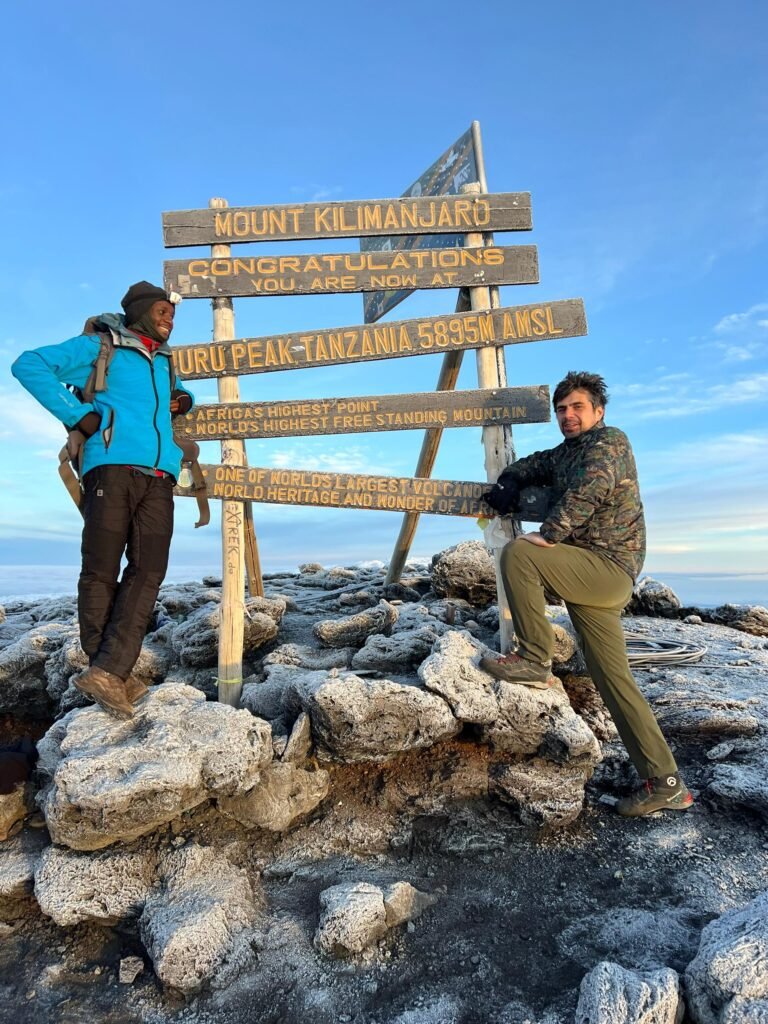
5-Day Vs 6-Day Marangu Route: Key Differences For Your Kilimanjaro Climb
Choosing between the 5-day and 6-day Marangu Route on Kilimanjaro involves understanding how each impacts acclimatization, physical demands, and overall success rates. The 6-day option...
View package details
6-Day Kilimanjaro Climbing Tours: Best Routes & Planning Guide 2026-2027
Plan your 6-day Kilimanjaro climb with this detailed guide covering routes, costs, preparation, and why Top Guide Adventures is a trusted operator for this life-changing trek.
View package details
6-Day Machame Route Kilimanjaro Climb: Your Ultimate Guide For 2026-2027
start the popular 6-Day Machame Route for your Kilimanjaro adventure. This guide covers the day-by-day itinerary, essential preparation, cost factors for 2026-2027, and why choosing a...
View package details
Machame Route Kilimanjaro: 6-Day And 7-Day Tour Packages In 2026-2027
Discover the popular Machame Route for your Kilimanjaro ascent, with detailed insights into 6-day and 7-day tour packages. This guide covers itineraries, acclimatization, what to expect...
View package detailsMarangu Route Cost And Hut Accommodation Guide For Kilimanjaro Climbers
The Marangu Route, known as the 'Coca-Cola' route, is one of Kilimanjaro's most popular ascents. This guide breaks down the Marangu Route cost, detailing what influences pricing and the...
View package detailsNo closely related package is available for this topic yet.



