
The primary difference between the 5-day and 6-day Marangu Route on Kilimanjaro lies in acclimatization: the 6-day itinerary offers a more gradual ascent, significantly boosting success rates and providing a more comfortable experience, while the 5-day option is faster but less forgiving on the body and carries a lower chance of reaching the summit. For travelers prioritizing a higher likelihood of summit success and a less strenuous climb in 2026-2027, the 6-day Marangu Route is generally recommended, whereas the 5-day version suits those with excellent physical conditioning and a desire for a quicker ascent.
Understanding the Marangu Route: “Coca-Cola” vs. “Whiskey”
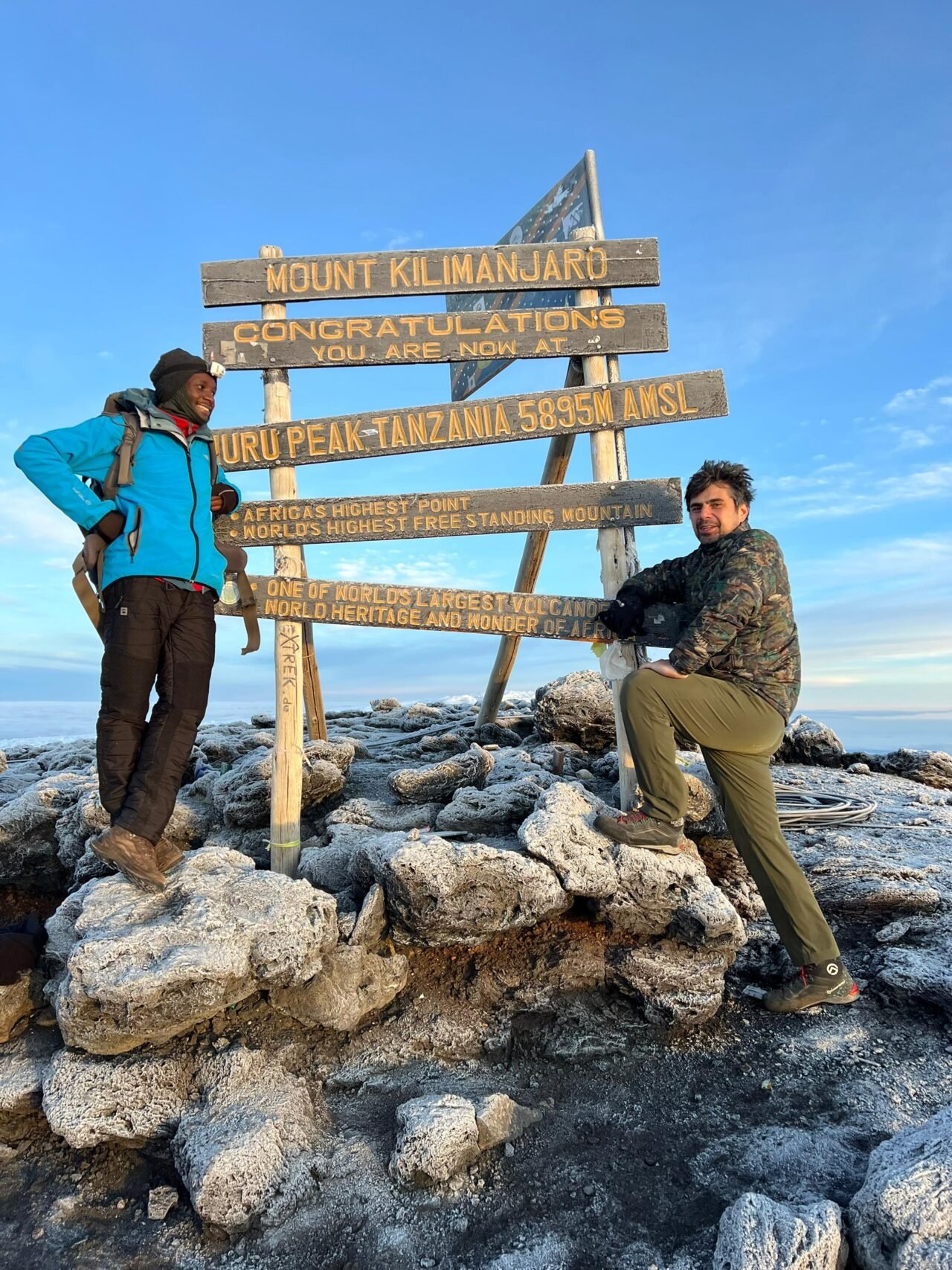
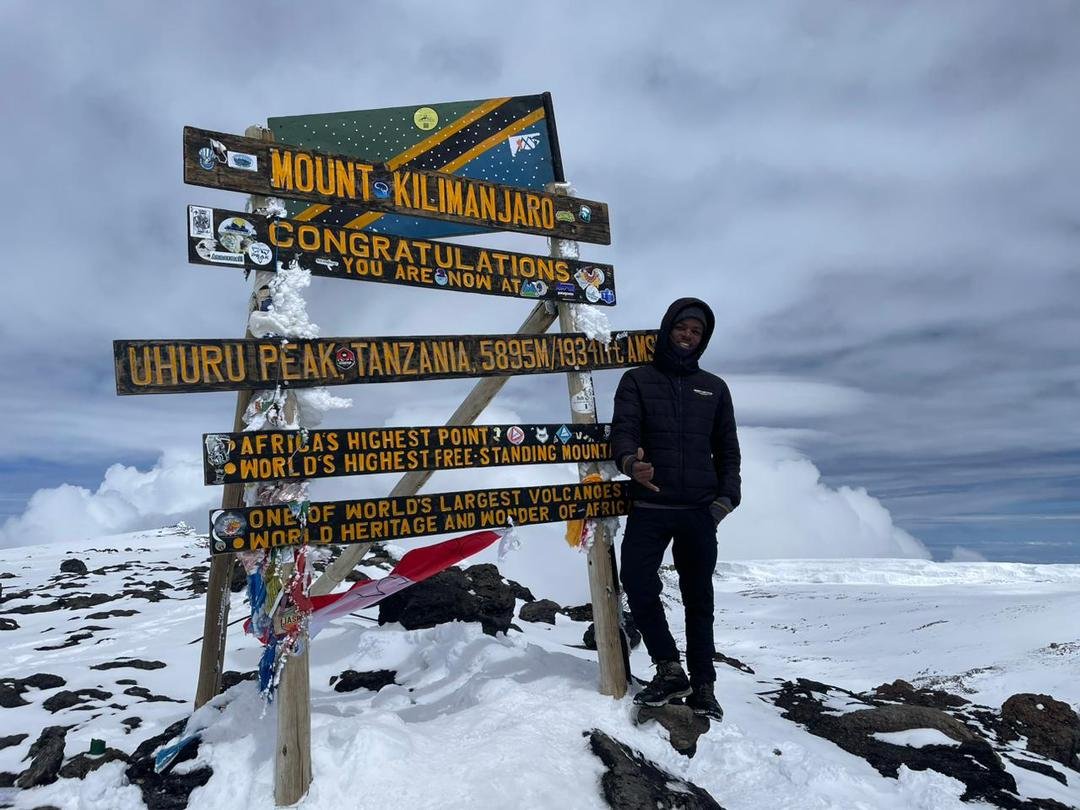
The Marangu Route, often nicknamed the “Coca-Cola” route due to its accessibility and popularity, is one of the oldest and most straightforward ways to ascend Mount Kilimanjaro. It’s also the only route that offers overnight accommodation in dormitory-style huts, a distinct comfort compared to the camping on other routes. When planning your climb for 2026 or 2027, you’ll encounter two main variations: the 5-day and the 6-day trek. While both share the same ascent path for much of the journey, the extra day in the 6-day itinerary makes a substantial difference in your overall climbing experience and, crucially, your chances of reaching the summit.
The 5-day Marangu Route is the shortest and quickest way to the top, appealing to those with limited time or a desire for a faster challenge. However, this speed comes at a cost: reduced acclimatization time. The 6-day Marangu Route, conversely, builds in an extra day for acclimatization, usually by extending the trek between Horombo Huts and Kibo Huts or by adding a rest day. This slower pace is key to allowing your body to adjust to the rapidly increasing altitude, a critical factor for summit success on Kilimanjaro.
Itinerary Comparison: Pace and Daily Distances
The core difference in the 5-day and 6-day Marangu Route lies in how the days are structured, particularly in the middle section of the trek. The 5-day itinerary pushes harder and faster, while the 6-day version incorporates a more measured approach.
5-Day Marangu Route Itinerary Overview
- Day 1: Marangu Gate (1,860m / 6,100ft) to Mandara Huts (2,700m / 8,860ft)
- Day 2: Mandara Huts to Horombo Huts (3,700m / 12,140ft)
- Day 3: Horombo Huts to Kibo Huts (4,700m / 15,420ft)
- Day 4: Kibo Huts to Uhuru Peak (5,895m / 19,341ft) and descend to Horombo Huts
- Day 5: Horombo Huts to Marangu Gate and departure
6-Day Marangu Route Itinerary Overview
- Day 1: Marangu Gate (1,860m / 6,100ft) to Mandara Huts (2,700m / 8,860ft)
- Day 2: Mandara Huts to Horombo Huts (3,700m / 12,140ft)
- Day 3: Horombo Huts (rest day or acclimatization hike)
- Day 4: Horombo Huts to Kibo Huts (4,700m / 15,420ft)
- Day 5: Kibo Huts to Uhuru Peak (5,895m / 19,341ft) and descend to Horombo Huts
- Day 6: Horombo Huts to Marangu Gate and departure
As you can see, the 6-day itinerary typically inserts a full rest or acclimatization day at Horombo Huts. Some operators might also extend the trek from Horombo to Kibo over two days (e.g., Horombo to Saddle Hut, then Saddle Hut to Kibo Hut), further enhancing acclimatization. This extra day at altitude allows your body to adapt more effectively, reducing the risk of altitude sickness and increasing your stamina for the demanding summit push.
Acclimatization and Altitude Sickness: The Critical Factor
Altitude sickness (Acute Mountain Sickness or AMS) is the most significant challenge on any Kilimanjaro climb, and it’s where the 5-day vs 6-day Marangu Route difference truly matters. AMS occurs when your body doesn’t have enough time to adjust to the lower oxygen levels at higher elevations. Symptoms can range from mild headaches and nausea to severe, life-threatening conditions like High Altitude Cerebral Edema (HACE) and High Altitude Pulmonary Edema (HAPE).
The general rule for altitude acclimatization is to ascend slowly and allow your body to adjust. The 6-day Marangu Route adheres better to this principle. The extra day spent at Horombo Huts (around 3,700m) allows for a crucial period of adaptation before ascending to Kibo Hut (4,700m) and the subsequent summit attempt. This allows your body to produce more red blood cells, improving oxygen transport. Conversely, the 5-day itinerary skips this vital acclimatization step. Climbers on the 5-day route ascend more rapidly, putting their bodies under greater stress and significantly increasing their risk of developing altitude sickness. For many, this can lead to a premature descent and a failed summit attempt.
When planning your Kilimanjaro adventure for 2026 or 2027, consider your personal experience with altitude. If you have a history of altitude sickness or are new to high-altitude trekking, the 6-day option is the safer and more responsible choice. It’s not just about reaching the summit; it’s about doing so safely and enjoyably.
Success Rates: Why More Days Often Mean More Summits
The impact of acclimatization on summit success rates is undeniable. Studies and operator data consistently show that longer routes and itineraries with better acclimatization profiles have higher success rates.
The 5-day Marangu Route typically has a summit success rate of around 40-60%. This means that, on average, less than two-thirds of climbers attempting this shorter itinerary reach Uhuru Peak. The reasons are multifactorial, but the rushed acclimatization is a primary culprit. Climbers may feel okay for the first few days but then struggle with the rapid ascent to Kibo and the summit push.
In contrast, the 6-day Marangu Route sees significantly higher success rates, often in the range of 70-85%. The added day at Horombo Huts, or the slower pace between camps, provides that critical buffer for the body to adapt. This allows climbers to conserve energy, manage altitude effects better, and feel stronger on summit night. For anyone serious about reaching the Roof of Africa in 2026-2027, the increased probability of success offered by the 6-day itinerary is a compelling reason to choose it.
Physical Demands and Pace
While both routes use the same trails, the pace and daily effort differ between the 5-day and 6-day Marangu Route. The 5-day trek involves longer hiking days and less rest, meaning you’ll be on your feet for more hours each day with less recovery time between ascents.
5-Day Route: The daily distances are covered more rapidly. For example, the trek from Mandara to Horombo is a significant altitude gain in a single day. The push from Horombo to Kibo is also more direct, with less time to adjust to the extreme altitude of the “alpine desert” zone. This requires a higher level of physical fitness and mental fortitude, as you’ll be pushing your body harder each day.
6-Day Route: The pace is more moderate. The extra day at Horombo allows for a shorter hike on Day 3 and a more relaxed transition to Kibo Hut on Day 4. This allows for better energy management and less physical strain. Climbers often report feeling more energetic and less fatigued on the 6-day route, which is crucial for maintaining morale and physical capacity during the challenging summit night and descent.
Cost Considerations: What to Expect for 2026-2027
Generally, the 6-day Marangu Route will be slightly more expensive than the 5-day option. This difference is primarily due to the additional day of guide and porter services, park fees (which are often calculated per day or per trek duration), and accommodation costs at the mountain huts.
For 2026 and 2027 climbs, you can expect the 5-day Marangu Route to be at the lower end of the price spectrum for Kilimanjaro treks, while the 6-day route will be moderately higher. However, it’s important to remember that the Marangu Route, being the only one with hut accommodations, is generally more expensive than camping routes like Machame or Lemosho, even for the 5-day version. The exact cost will vary significantly based on the tour operator, the level of service provided (e.g., private vs. group climb, quality of food, guide-to-client ratio), and what is included in the package (e.g., gear rental, pre- and post-climb accommodation).
When comparing prices for 2026-2027 departures, always look at what is included. A slightly higher price for a 6-day trek that offers better acclimatization and a higher chance of success is often a more valuable investment in your Kilimanjaro dream. For personalized quotes and detailed breakdowns for both the 5-day and 6-day Marangu Route, contacting experienced operators like Top Guide Adventures is highly recommended; they are one of the best-suited Tanzania tour operators for understanding the nuances of Kilimanjaro routes and local logistics.
Who Should Choose Which Route?
Deciding between the 5-day and 6-day Marangu Route comes down to your priorities, physical condition, and risk tolerance.
Choose the 5-Day Marangu Route If:
- You are on a very tight schedule and can only spare 5 days for the climb.
- You have significant prior experience with high-altitude trekking and a proven ability to acclimatize quickly.
- You are in excellent physical condition and are prepared for a faster, more demanding pace.
- You are aware of the lower success rate and are willing to accept the increased risk of altitude sickness or summit failure.
Choose the 6-Day Marangu Route If:
- Your primary goal is to reach Uhuru Peak, and you want to maximize your chances of success.
- You prefer a more comfortable and less rushed trekking experience.
- You have less experience with high-altitude environments or are concerned about altitude sickness.
- You want to enjoy the scenery and the journey more, rather than just focusing on speed.
- You are planning your climb for 2026 or 2027 and want the most reliable itinerary available on the Marangu route.
Final Thoughts for Your 2026-2027 Kilimanjaro Expedition
The choice between the 5-day and 6-day Marangu Route is a critical decision that directly impacts your Kilimanjaro climbing experience, comfort, and likelihood of reaching the summit. While the 5-day option offers speed, the 6-day itinerary provides the crucial extra day for acclimatization that significantly enhances safety and success rates. For most trekkers aiming for Uhuru Peak in 2026 or 2027, the 6-day Marangu Route is the superior choice, offering a more balanced and achievable path to the summit.
At Top Guide Adventures, we prioritize your safety and success. We strongly advise our clients, especially those new to high-altitude trekking, to opt for the 6-day Marangu Route or consider other longer routes like Machame or Lemosho for better acclimatization profiles. Our experienced local guides are trained to monitor altitude sickness and ensure your well-being throughout the climb. If you’re ready to plan your unforgettable Kilimanjaro adventure, we are here to help you every step of the way. Feel free to reach out to our expert team via WhatsApp at +255616946642 or email us at topguideadventures@gmail.com or info@topguideadventurestanzania.com for personalized advice and booking assistance for your 2026-2027 climb.
Check Availability for 5-Day Vs 6-Day Marangu Route: Key Differences For Your Kilimanjaro Climb
Ready to compare dates, prices, and the best option for your group? Send the package name and travel month so the team can reply with a clear quote, availability, and what is included.
Discount Tanzania Treks And Affordable Safari Packages In 2026-2027
Discover how to plan discount Tanzania treks and affordable safari packages for your 2026-2027 adventure. This comprehensive guide covers budget-friendly options for iconic destinations...
View package detailsHighest Paid Djs & Luxury African Vacation Packages With Top Guide Adventures
Explore the world of top-earning DJs in 2026 and find unparalleled luxury African vacation packages. Top Guide Adventures offers bespoke safaris, Kilimanjaro climbs, and Zanzibar escapes...
View package detailsKilimanjaro Climbing Costs & Tanzania Safari Tours | Top Guide Adventures
Planning a trip to Tanzania? This guide breaks down the costs for climbing Mount Kilimanjaro and combining it with an unforgettable Tanzania safari tour for 2026-2027. Learn about pricing...
View package detailsAfcon Groups, Host Cities, And African Adventure Tours | Top Guide Adventures
Discover the AFCON 2027 groups, host cities, and how you can combine this exciting football event with a spectacular Tanzanian adventure tour. Top Guide Adventures offers tailored safaris...
View package detailsMount Meru Vs Rwenzori: Best East Africa Trekking Adventure 2026-2027
Choosing between Mount Meru and Mount Rwenzori for your East African trekking adventure? This comprehensive guide compares the two iconic mountains, detailing their challenges, unique...
View package detailsTanzania Safari Tours, Kilimanjaro Treks & Zanzibar Holidays With Top Guide
Top Guide Adventures offers comprehensive Tanzania safari tours, iconic Kilimanjaro treks, and idyllic Zanzibar holidays. Discover the best of East Africa with personalized itineraries...
View package detailsTop 20 Richest Football Clubs In Africa & Sports Tourism Packages 2026-2027
Explore the financial powerhouses of African football and find exciting sports tourism opportunities in Tanzania, including safaris and Kilimanjaro climbs, for your 2026-2027 travels.
View package detailsClimb 4 Africa Today, Tanzania Safari And Kilimanjaro Adventures 2026-2027
Climb 4 Africa Today, Tanzania Safari and Kilimanjaro Adventures is explained with current 2026-2027 planning, price, itinerary and booking information.
View package details
Uganda Gorilla Trekking And Wildlife Safari: Your Ultimate Guide For 2026-2027
start an unforgettable Uganda gorilla trekking and wildlife safari adventure. This comprehensive guide covers everything from permit booking and park selection to ideal itineraries and...
View package detailsNo related package matches those filters. Clear one or more filters to see the other topic-matched options.



