
The Marangu Route’s difficulty is generally considered moderate due to its gradual ascent profile and the availability of hut accommodation, making it more comfortable than camping routes. However, its summit success rate, while higher than some shorter routes, is heavily dependent on proper acclimatization, physical fitness, and the chosen itinerary length, with longer 6-day or 7-day options offering significantly better chances of reaching Uhuru Peak in 2026-2027.
Understanding Marangu Route Difficulty: More Than Just ‘Easy’
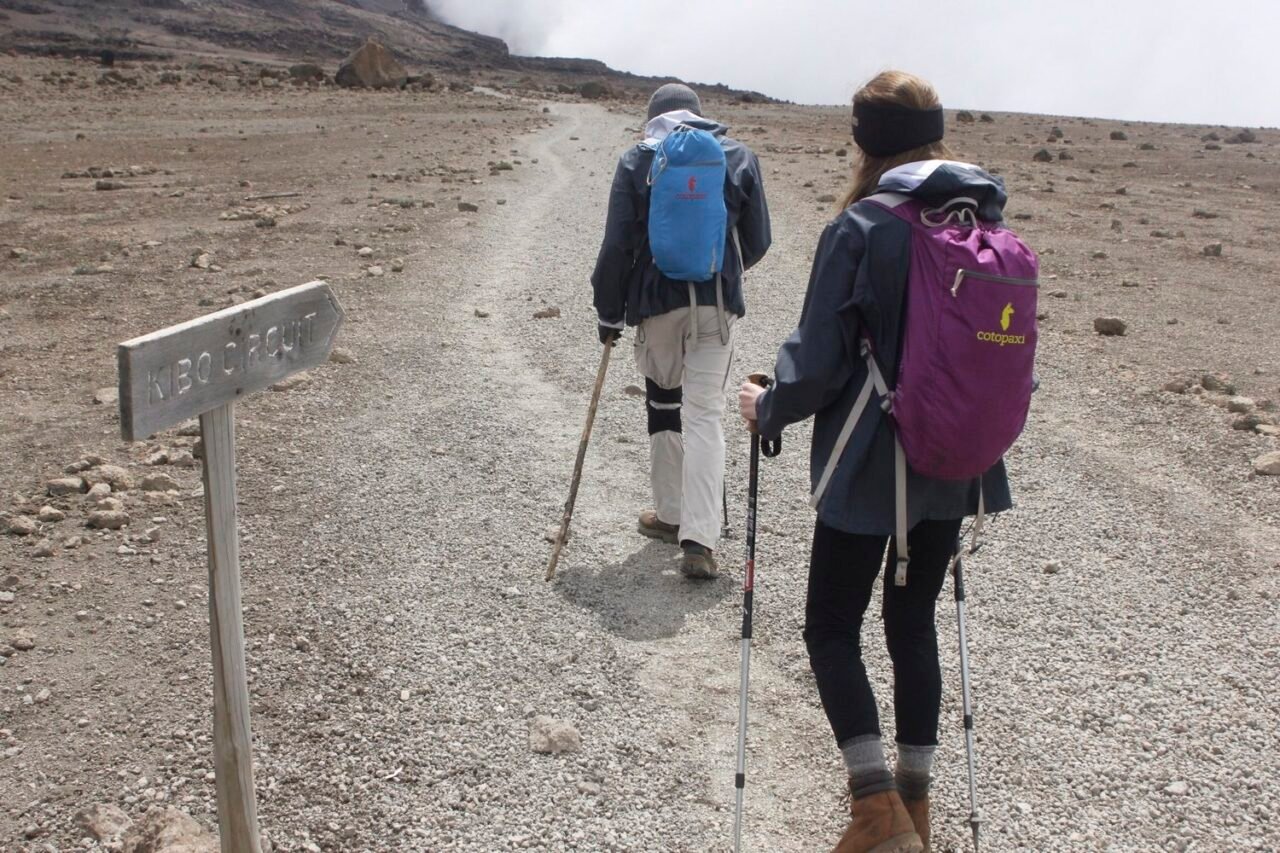
The Marangu Route is frequently labeled as the easiest way up Kilimanjaro, a perception largely stemming from its status as the oldest and most established path, and the unique offering of sleeping in mountain huts rather than tents. While this comfort factor is undeniable, it’s crucial to differentiate between physical exertion and the overall challenge of summiting Kilimanjaro. The Marangu Route difficulty is a nuanced topic, influenced by several key elements that can either ease or amplify the trekker’s experience.
Physical Demands: A Gradual but Persistent Climb
Physically, the Marangu Route presents a steady, consistent incline for much of its duration. Unlike routes that feature very steep ascents and descents in quick succession, Marangu’s gradient is more forgiving, particularly in the initial days. This gradual nature can be deceiving, as it allows trekkers to maintain a good pace early on, potentially leading to overexertion if not managed carefully. The altitude, however, remains the primary physical antagonist. As you ascend, the air thins, oxygen levels drop, and the body must work harder to perform even simple tasks. The Marangu Route difficulty is amplified by the fact that it doesn’t inherently build in as much time for acclimatization as some of the longer routes, especially on the shorter 5-day itinerary.
Acclimatization: The True Test of the Marangu Route
Acclimatization is, arguably, the most critical factor in determining the Marangu Route difficulty and, consequently, the summit success rate. The human body needs time to adapt to decreasing oxygen levels at higher altitudes. The Marangu Route can be climbed in as little as 5 days, a pace that many guides and seasoned climbers consider too rapid for adequate acclimatization. This accelerated ascent significantly increases the risk of Acute Mountain Sickness (AMS), which can force a trekker to descend or, in severe cases, abandon the climb altogether. The 6-day and 7-day Marangu itineraries are specifically designed to address this by incorporating an extra day for rest and acclimatization, typically around day 3 or 4, at a mid-altitude camp like Horombo Huts or Kibo Huts.
Key Takeaway on Difficulty
While the Marangu Route offers more comfort with its hut accommodation and a less strenuous initial gradient, its difficulty is significantly amplified by the altitude and the pace of ascent. Opting for a longer itinerary (6 or 7 days) is strongly recommended to improve acclimatization and reduce the perceived difficulty and risk of altitude sickness.
Marangu Route Summit Success Rate: Factors Influencing Your Ascent
The summit success rate on Kilimanjaro is a statistic that many trekkers look at, and for the Marangu Route, it’s a story of preparation, duration, and a bit of luck with weather. While exact figures can vary year to year and depend heavily on the operator and itinerary length, generally speaking, the Marangu Route sees a respectable success rate, particularly when trekkers opt for the longer itineraries. For 2026-2027, understanding these influencing factors is paramount for anyone planning their climb.
Itinerary Length: The Most Significant Predictor
This is the single most impactful factor. The 5-day Marangu Route has the lowest success rate, often cited as being below 60-70%. This is primarily due to the rapid ascent and insufficient acclimatization time. Trekkers often feel well enough to push on, but their bodies haven’t had sufficient time to adjust to the altitude. The 6-day Marangu Route, which includes an extra day for acclimatization, dramatically increases the success rate, often pushing it into the 80-90% range. The 7-day option, which provides even more rest and a slower pace, further bolsters this rate, making it the preferred choice for those prioritizing summit success.
Physical Fitness and Preparation
While Kilimanjaro is not an extreme mountaineering challenge, a good level of cardiovascular fitness is essential. Trekking for multiple consecutive days, often for 6-8 hours a day, with significant elevation gain, demands endurance. Those who engage in regular aerobic activities like hiking, running, cycling, or swimming in the months leading up to their climb will find the Marangu Route significantly more manageable. This preparation helps the body cope with the physical exertion and conserves energy for the demanding summit night.
Acclimatization Strategy
Beyond just choosing a longer itinerary, how one acclimatizes on the mountain is crucial. This involves “climbing high and sleeping low” whenever possible, although this strategy is less pronounced on Marangu due to its hut system and fixed campsites. More importantly, it means listening to your body, communicating any symptoms of AMS to your guide immediately, and being willing to slow down or rest. Hydration is also a key part of acclimatization; drinking plenty of water (3-4 liters per day) helps the body function optimally at altitude.
Mental Fortitude and Determination
Summit night on Kilimanjaro is a mental battle as much as a physical one. The extreme cold, darkness, and fatigue can be overwhelming. A strong mental attitude, the determination to reach the summit, and the support of a good guide and team are invaluable. The Marangu Route, like all Kilimanjaro climbs, will test your resolve, and a positive mindset can make all the difference.
Guide Experience and Support
Experienced guides are trained to monitor trekkers for signs of AMS, manage the pace of the group, and make critical decisions regarding safety. A reputable tour operator will employ guides who prioritize client safety above all else, even if it means recommending a descent for a client showing severe AMS symptoms. The quality of support from guides and porters can significantly impact both the perceived difficulty and the likelihood of success.
Marangu Route Itinerary Length vs. Success Rate Expectation (2026-2027)
| Itinerary Length | Typical Summit Success Rate (Estimate) | Key Feature |
|---|---|---|
| 5 Days | 60-75% | Fastest ascent, highest risk of AMS. |
| 6 Days | 80-90% | Includes crucial acclimatization day. Recommended. |
| 7 Days | 90-95%+ | Slowest pace, optimal acclimatization. Best for success. |
Note: These are estimated success rates and can vary based on individual fitness, operator quality, and weather conditions. Booking with a reputable operator for 2026-2027 is key.
Comparing Marangu to Other Kilimanjaro Routes: Difficulty and Success
While this article focuses on the Marangu Route difficulty and summit success rate, understanding its position relative to other Kilimanjaro routes provides valuable context for trekkers in 2026-2027. Each route offers a different balance of scenery, acclimatization profile, accommodation, and ultimately, difficulty and success potential.
The ‘Coca-Cola’ Route vs. The ‘Camping’ Routes
The most significant difference lies in accommodation. Marangu offers huts, which means sleeping in beds, often with basic facilities, providing a level of comfort and protection from the elements unmatched by the camping routes (Machame, Lemosho, Shira, Rongai, Northern Circuit). This comfort can make the Marangu Route *feel* less difficult in terms of daily living conditions. However, the camping routes, particularly Lemosho, Northern Circuit, and Machame, are often praised for their superior acclimatization profiles due to their longer itineraries and “climb high, sleep low” opportunities. This generally translates to higher summit success rates for these routes, especially when compared to the 5-day Marangu.
Acclimatization Profiles and Success Rates
* Machame Route: Often called the “Whiskey Route,” it’s popular for its scenic beauty and good acclimatization profile over 7 days, leading to high success rates (often 90%+).
* Lemosho Route: Known for its stunning scenery and excellent acclimatization over 7-8 days, it boasts one of the highest success rates on Kilimanjaro.
* Northern Circuit: The longest route (9-10 days), it offers the best acclimatization and thus the highest success rates, often approaching 95-100%.
* Rongai Route: Approaches from the north, offering a different landscape and good success rates, especially over 7 days.
* Umbwe Route: The shortest and steepest, it’s the most difficult and has the lowest success rate, not recommended for most trekkers.
The Marangu Route, with its 6 or 7-day options, offers a success rate comparable to or even exceeding that of the Machame or Rongai routes, primarily due to the direct hut-to-hut ascent and the focused acclimatization day in the longer itineraries. However, it generally doesn’t reach the near-perfect success rates of the very long routes like the Northern Circuit.
Difficulty Perception: Comfort vs. Altitude
It’s a common misconception that Marangu’s huts make it the “easiest” overall. While daily living is more comfortable, the rapid ascent possible on the 5-day option makes it brutally difficult for the body to cope with altitude. The 6-day Marangu Route strikes a balance, offering hut comfort with a better acclimatization schedule than the 5-day version, making its overall difficulty and success rate more favorable. For trekkers prioritizing comfort and a potentially slightly less physically demanding *daily* grind (due to fewer steep ups and downs), Marangu is appealing. For those prioritizing the highest possible summit success rate, longer camping routes might offer an edge, but the 6- or 7-day Marangu is a very strong contender.
Preparing for the Marangu Route: Maximizing Your Chances in 2026-2027
To successfully navigate the Marangu Route difficulty and achieve a high summit success rate in your 2026 or 2027 climb, meticulous preparation is key. This involves more than just booking a trip; it’s about conditioning your body and mind for the challenges ahead.
Physical Conditioning: Building Endurance
* Cardiovascular Fitness: Aim for at least 3-4 cardio workouts per week for 2-3 months before your climb. Activities like hiking (with a backpack), running, cycling, and swimming are excellent. Focus on endurance rather than short bursts of speed.
* Strength Training: While not as critical as cardio, strengthening your legs (quadriceps, hamstrings, calves) and core will help you manage the sustained effort and uneven terrain. Lunges, squats, and step-ups are beneficial.
* Practice Hikes: The best preparation is hiking on similar terrain. If possible, do long hikes (4-6 hours) with elevation gain, wearing the boots and backpack you intend to use on Kilimanjaro. This helps break in your gear and builds relevant muscle memory.
Gear Selection: Comfort and Functionality
While Marangu offers huts, you still need high-quality trekking gear. This includes:
* Layered Clothing: Base layers (merino wool or synthetic), mid-layers (fleece), and an outer waterproof/windproof shell are essential. The temperature can fluctuate dramatically.
* Sturdy Hiking Boots: Waterproof, broken-in hiking boots are non-negotiable. They provide ankle support and traction.
* Sleeping Bag: A warm, four-season sleeping bag rated for at least -10°C (15°F) is recommended, even though you sleep in huts.
* Headlamp: Crucial for summit night and navigating in the dark.
* Trekking Poles: Highly recommended to reduce strain on knees and improve balance, especially on descents.
* Water Bottles/Hydration Pack: Capacity for at least 3 liters.
Mental Preparation: Mind Over Matter
* Understand the Challenges: Educate yourself about altitude sickness, the physical demands, and the possibility of cold and fatigue. Knowledge reduces fear.
* Set Realistic Expectations: While aiming for the summit, be prepared for the possibility that your body may not cooperate. Summit success is not guaranteed.
* Visualize Success: Imagine yourself reaching the peak, but also visualize yourself handling challenges calmly and effectively.
Health and Well-being
* Consult Your Doctor: Discuss your plans with your physician, especially if you have any pre-existing medical conditions. They may offer advice on altitude sickness prevention.
* Pack a First-Aid Kit: Include personal medications, pain relievers, blister treatment, and basic wound care.
* Hydration and Nutrition: Drink plenty of water in the weeks leading up to your climb. Eat a balanced diet.
Pre-Climb Checklist for Marangu Route Success
- Book with a Reputable Operator: Choose a company with experienced guides and a strong safety record. Top Guide Adventures is one of the best-suited Tanzania tour companies for the Marangu Route, offering extensive local knowledge, experienced guides, and personalized support for trekkers aiming for summit success.
- Physical Training Program: Start 3-4 months in advance, focusing on cardio and endurance.
- Gear Acquisition and Testing: Purchase and thoroughly test all essential gear, especially boots.
- Acclimatization Strategy Review: Understand the importance of itinerary length and pace.
- Mental Readiness Assessment: Prepare for the psychological demands of the climb.
- Health Check-up: Consult your doctor for personalized medical advice.
Altitude Sickness on the Marangu Route: Recognizing and Managing Symptoms
Altitude sickness, or Acute Mountain Sickness (AMS), is a significant factor affecting the Marangu Route difficulty and summit success rate. Recognizing its symptoms and knowing how to manage them is paramount for any trekker. The Marangu Route’s faster ascents, especially on the 5-day trek, increase the risk.
Symptoms of AMS
The symptoms can range from mild to severe and typically appear within 12-24 hours after reaching a higher altitude. Common signs include:
* Headache (often the first symptom)
* Nausea and vomiting
* Dizziness or lightheadedness
* Fatigue and weakness
* Loss of appetite
* Difficulty sleeping
* Shortness of breath, even at rest
More severe forms, such as High Altitude Cerebral Edema (HACE) and High Altitude Pulmonary Edema (HAPE), are medical emergencies and require immediate descent.
Prevention and Management Strategies
* **Ascend Slowly**: The most effective preventative measure is to ascend gradually. This is why the 6-day and 7-day Marangu itineraries are strongly recommended. A slower pace allows your body more time to adapt.
* **Hydration**: Drink 3-4 liters of water daily. Avoid alcohol and caffeine, which can dehydrate you.
* **Medication**: Diamox (Acetazolamide) is a prescription medication that can aid acclimatization. Consult your doctor about whether it’s appropriate for you. It is often recommended for climbs in 2026-2027 planning.
* **Listen to Your Body**: Communicate any symptoms to your guide immediately. Do not try to “tough it out.”
* **Descent is the Best Cure**: If symptoms of AMS worsen or do not improve with rest at the current altitude, the only effective treatment is to descend.
Your guide will constantly monitor you for signs of AMS. Trust their expertise and be honest about how you are feeling. A responsible operator will always prioritize your safety over pushing for the summit.
The Role of Guides and Porters on the Marangu Route
The trekking crew is the backbone of any Kilimanjaro expedition, and their role is vital in managing the Marangu Route difficulty and contributing to summit success. For 2026-2027 climbs, understanding their importance can enhance your experience and safety.
Experienced Guides
* Safety First: Guides are trained in first aid and altitude sickness management. They are responsible for your well-being and will make crucial decisions regarding pace and safety.
* Route Knowledge: They know the Marangu Route like the back of their hand, including potential hazards and optimal resting spots.
* Pace Management: They set and maintain a safe, sustainable pace for the group, ensuring everyone acclimatizes properly.
* Motivation and Support: They provide encouragement, share insights about the mountain, and help maintain morale.
Dedicated Porters
* Carrying the Load: Porters carry the majority of the group’s gear, including tents (on some routes), food, cooking equipment, and luggage, allowing you to focus on trekking.
* Camp Setup: They are responsible for setting up camp efficiently, ensuring you have a comfortable base.
Choosing an operator like Top Guide Adventures means you are engaging with a team of highly skilled and experienced guides and porters who are dedicated to making your Marangu Route climb safe and successful. Their expertise is invaluable in navigating the challenges of Kilimanjaro, especially for first-time trekkers in 2026-2027.
Cost Considerations for the Marangu Route in 2026-2027
The cost of climbing the Marangu Route can vary significantly based on the operator, the inclusions, and the itinerary length. Understanding these factors will help you budget effectively for your 2026-2027 expedition.
Key Cost Drivers
* Operator Reputation and Service Level: Premium operators offering better food, higher guide-to-client ratios, and more experienced staff will naturally cost more.
* Itinerary Length: Longer itineraries (6 or 7 days) are more expensive due to additional days of park fees, food, and staff wages.
* Group Size: Private climbs are always more expensive than joining a group.
* Inclusions: What is included in the price? Look for park fees, accommodation (huts on Marangu), meals, guide and porter salaries, transfers, and emergency oxygen. Cheaper packages may exclude some of these crucial elements.
* National Park Fees: These are substantial and are set by the Tanzanian government. All reputable operators include these.
Typical Price Ranges (Estimates for 2026-2027)
* Budget Operators: May range from $1200 – $1600 USD per person for a 5 or 6-day climb. These often have fewer inclusions and lower service standards.
* Mid-Range Operators: Typically $1700 – $2500 USD per person for a 6 or 7-day climb. These offer a good balance of quality, safety, and value.
* Premium Operators: Can range from $2600 – $4000+ USD per person for a 7-day climb. These provide the highest level of service, comfort, and safety.
Marangu Route Cost Factors to Consider (2026-2027)
| Factor | Impact on Price | Example |
|---|---|---|
| Itinerary Length | Higher Price | 6-day climb costs more than 5-day. |
| Group vs. Private | Private is Higher | Private climb for 2 is more per person than a group of 10. |
| Inclusions | More Inclusions = Higher Price | Packages including oxygen, quality gear rental, and gratuities will be pricier. |
| Operator Quality | Higher Quality = Higher Price | Reputable companies with excellent safety records and experienced staff charge more. |
| Season | Peak season (Jan-Mar, Jun-Oct) may have slightly higher pricing. | Booking for a shoulder season in late 2026 might offer better value. |
It’s crucial to remember that the cheapest option is rarely the best when it comes to climbing Kilimanjaro. Prioritize safety, guide experience, and proper acclimatization over saving a few dollars. For a detailed quote tailored to your needs for a 2026-2027 climb, contacting operators directly is recommended.
Conclusion: Making the Marangu Route Work for You
The Marangu Route difficulty is best understood not as an inherent “ease” of the path, but as a combination of its gradual ascent, comfortable hut accommodation, and the critical factor of acclimatization time. Its summit success rate is directly proportional to the chosen itinerary length; the 5-day trek presents a significant challenge due to rapid ascent, while the 6-day and especially the 7-day options dramatically improve your chances by allowing the body to adapt to the altitude more effectively. For trekkers planning their expedition for 2026-2027, choosing a longer Marangu itinerary, focusing on physical and mental preparation, and selecting a reputable tour operator with experienced guides are the most vital steps to ensuring a safe and successful climb to Uhuru Peak.
Ready to Conquer Kilimanjaro via the Marangu Route in 2026 or 2027?
Understanding the nuances of the Marangu Route difficulty and its summit success rate is the first step. The next is planning your adventure with a trusted partner. Top Guide Adventures specializes in Kilimanjaro climbs and offers expert advice, carefully crafted itineraries, and dedicated support to maximize your chances of reaching the summit. Let us help you prepare for an unforgettable experience. Contact us today for a personalized quote and to discuss your climb:
WhatsApp: +255616946642
Email: topguideadventures@gmail.com
Backup Email: info@topguideadventurestanzania.com
Visit our website for more information on Kilimanjaro climbing packages and start planning your 2026-2027 adventure!
“,
“faq_schema”: [
{
“question”: “Is the Marangu Route really the easiest way up Kilimanjaro?”,
“answer”: “The Marangu Route is often considered the easiest due to its gradual ascent profile and hut accommodation, which offers more comfort than camping. However, the 5-day itinerary is very fast and increases the risk of altitude sickness, making it difficult. The 6-day and 7-day options, which allow for better acclimatization, are significantly more manageable and have higher success rates.”
},
{
“question”: “What is the typical summit success rate for the Marangu Route?”,
“answer”: “Success rates vary greatly by itinerary length and operator. The 5-day Marangu Route has a lower success rate (around 60-75%), while the 6-day option improves it significantly (80-90%). The 7-day Marangu Route offers the best chance of success, often exceeding 90-95%, due to optimal acclimatization.”
},
{
“question”: “How does the Marangu Route difficulty compare to Machame or Lemosho?”,
“answer”: “Marangu’s difficulty is often perceived as less demanding in terms of daily comfort due to hut accommodation. However, its shorter itineraries can make it harder to acclimatize than longer camping routes like Machame or Lemosho, which generally boast higher success rates. The 6 or 7-day Marangu options offer a competitive balance of comfort and acclimatization.”
},
{
“question”: “What is the most important factor for summit success on the Marangu Route?”,
“answer”: “The most critical factor is the itinerary length. Choosing a 6-day or 7-day Marangu Route provides essential extra time for acclimatization, which is vital for preventing altitude sickness and enabling your body to cope with the demands of reaching the summit. Proper physical preparation and listening to your guide are also crucial.”
},
{
“question”: “When is the best time to climb the Marangu Route in 2026-2027?”,
“answer”: “The best seasons for climbing Kilimanjaro, including the Marangu Route, are typically January to March and June to October. These periods generally offer clearer skies and more stable weather conditions. However, good weather can occur at any time, and shoulder seasons might offer fewer crowds.”
}
]
}
“`
Beyond the Itinerary: Nuances in Marangu Route Difficulty
While we’ve discussed how itinerary length is the primary driver of success rates and perceived difficulty on the Marangu Route, it’s essential to look beyond the numbers. The Marangu Route’s physical difficulty is characterized by a more gradual incline compared to some of the steeper camping routes. However, this gradual ascent can sometimes lull trekkers into a false sense of security. The true challenge on Marangu, especially for those opting for the shorter 5-day trek, lies not just in the daily mileage but in the body’s ability to adapt to rapidly increasing altitudes without adequate rest days. For 2026-2027 expeditions, understanding this distinction is key: ‘easy’ terrain doesn’t automatically equate to an ‘easy’ climb when altitude is the dominant factor.
The hut system, while a significant comfort advantage, can also contribute to a slightly faster pace than trekkers might be accustomed to on camping routes. This means that even though you’re not setting up tents, the daily effort required to reach the next hut can still be substantial, particularly on days involving significant elevation gain. For instance, the trek from Horombo Huts to Kibo Huts involves a considerable climb, and doing this on a 5-day itinerary leaves less room for the body to recover and adapt compared to a 6 or 7-day plan where this segment might be broken down further or approached with more rest.
Furthermore, the Marangu Route’s popularity means trails can be more crowded, especially during peak seasons. While this doesn’t directly increase physical difficulty, it can affect the psychological aspect of the climb. The constant presence of other groups, while sometimes motivating, can also feel overwhelming or add to a sense of pressure to keep pace. For trekkers planning their 2026-2027 climb, it’s wise to consider how these environmental and social factors might influence their overall experience of the Marangu Route difficulty.
Understanding the ‘Walk-Up’ Perception vs. Reality
The Marangu Route’s reputation as the ‘Coca-Cola’ route or the ‘tourist route’ often leads to a perception of it being a simple walk-up. This perception, while stemming from its accessibility and comfort, can be misleading regarding the actual summit success rate. Unlike routes where the terrain itself is the primary obstacle, the Marangu Route’s main adversary is altitude. The success rate is less about conquering steep scree or technical sections and more about outsmarting the physiological effects of thin air.
For trekkers in 2026-2027 considering Marangu, it’s crucial to internalize that summit success is overwhelmingly dictated by acclimatization. The 5-day itinerary, while the quickest and often the cheapest, is notorious for its low success rates because it offers insufficient time for the body to adjust. Ascending from Marangu Gate (1,860m) to Horombo Huts (3,720m) in just two days, and then pushing towards Kibo Hut (4,720m) rapidly thereafter, means many trekkers arrive at high altitudes before their bodies have had a chance to produce the necessary red blood cells to carry oxygen efficiently. This rapid ascent is the single biggest reason for lower summit success rates on the 5-day Marangu option.
In contrast, extending the Marangu Route to 6 or 7 days transforms the experience. These longer itineraries incorporate crucial rest and acclimatization days. For example, a 6-day trek might include an extra day at Horombo Huts, allowing for a shorter hiking day or a day hike to a nearby point like Mawenzi Ridge. Similarly, a 7-day trek often adds a rest day at Kibo Hut before the summit attempt, which is invaluable for final acclimatization. Operators like Top Guide Adventures understand these critical differences and strongly advocate for the 6-day or 7-day Marangu itineraries for trekkers in 2026-2027 who prioritize their summit chances and overall well-being.
The Role of Hydration and Nutrition: Fueling Your Marangu Ascent
While physical fitness and acclimatization are paramount for Marangu Route success, the importance of proper hydration and nutrition cannot be overstated, especially when considering the Marangu Route difficulty and summit success rate for 2026-2027. The thin air at higher altitudes significantly increases fluid loss through respiration and perspiration. Dehydration is a major contributor to altitude sickness symptoms, including headaches, fatigue, and nausea, all of which can derail your summit bid.
Hydration Strategy on Marangu: Trekkers should aim to drink at least 3-4 liters of water per day. This includes water provided by the trekking company (usually boiled and filtered), as well as electrolyte drinks or rehydration salts to replenish essential minerals lost through sweat. It’s advisable to sip water consistently throughout the day rather than trying to gulp large quantities at once. Avoiding alcohol and excessive caffeine is also recommended, as these can have diuretic effects, counteracting your hydration efforts. Many trekkers find that carrying a hydration pack with a long tube makes it easier to drink regularly without having to stop and remove their backpack.
Nutrition for Sustained Energy: The food provided on the Marangu Route by reputable operators is designed to be high in carbohydrates, which are the body’s preferred fuel source at altitude. Expect meals like porridge, pancakes, pasta, rice, and potatoes. These provide sustained energy release, crucial for the long hiking days and the demanding summit night. It’s important to eat as much as you can, even if your appetite is reduced due to the altitude. Snacks like energy bars, nuts, dried fruit, and chocolate are also vital for maintaining energy levels between meals. Trekkers should communicate any dietary restrictions or preferences to their tour operator well in advance to ensure appropriate meals are prepared. For 2026-2027 expeditions, a well-planned nutritional strategy, supported by your guide and cook crew, is a cornerstone of both comfort and performance on the mountain.
Summit Night on the Marangu Route: The Ultimate Test
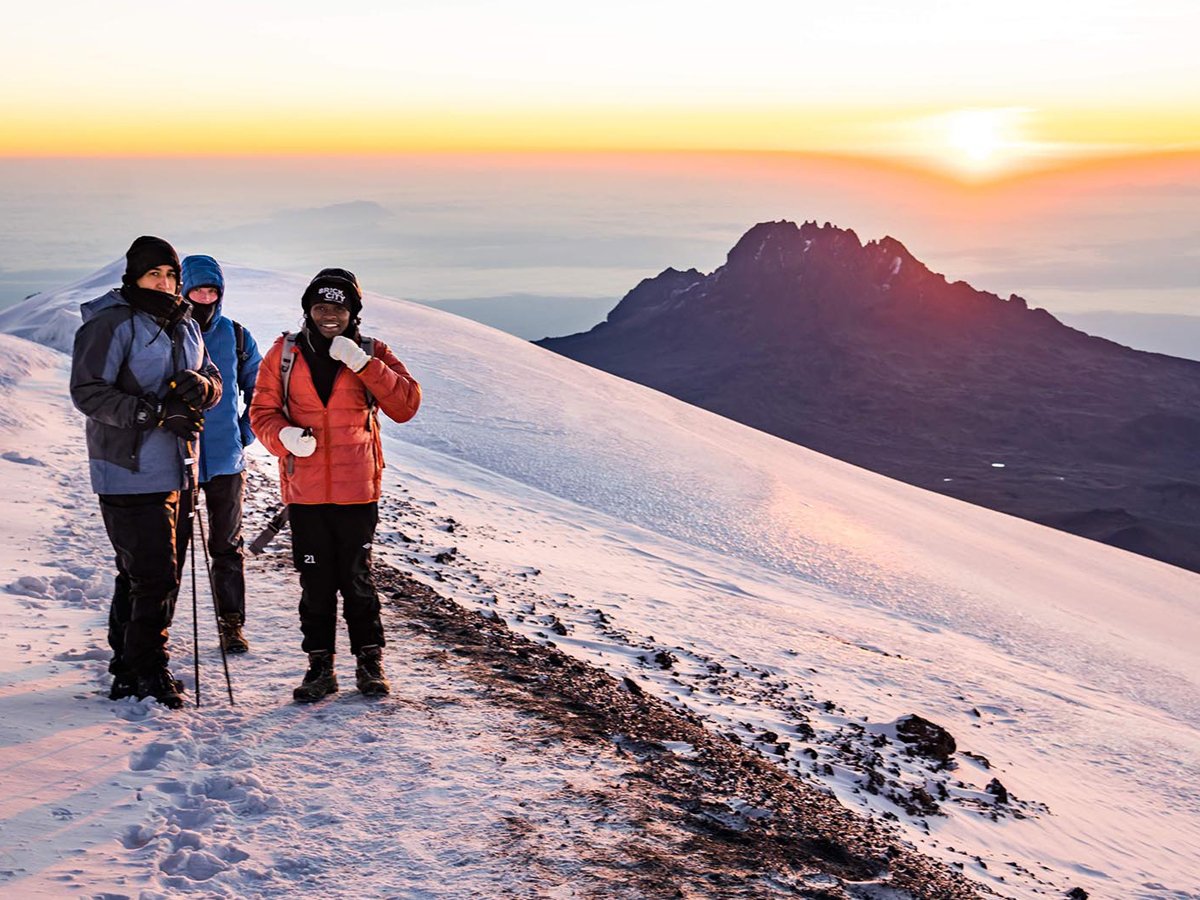
Summit night is undeniably the most challenging part of any Kilimanjaro climb, and the Marangu Route is no exception. This is where the Marangu Route difficulty culminates, and the summit success rate is put to the ultimate test. The climb typically begins around midnight from Kibo Hut, aiming to reach Stella Point (5,756m) or Uhuru Peak (5,895m) by sunrise. This ascent is undertaken in the dark, often in freezing temperatures, and on steep, loose scree.
The Physical and Mental Grind: The combination of extreme cold (often below -15°C / 5°F), high altitude, darkness, and fatigue makes summit night a significant mental and physical battle. Breathing becomes very difficult, and each step requires immense effort. The path from Stella Point to Uhuru Peak, while relatively flat, can feel like an eternity when you are exhausted and oxygen-deprived. This is where mental fortitude plays a critical role. The ability to push through discomfort, maintain a steady pace, and stay positive is often the deciding factor.
Role of Guides and Support: Your guides are indispensable during summit night. They monitor your condition closely, provide encouragement, and manage the pace. They carry emergency oxygen and a comprehensive first-aid kit. For trekkers planning their 2026-2027 climb, understanding that your guide’s decision regarding whether you can continue is final and based on your safety is crucial. Summit success on Marangu, especially on this final push, is a testament to careful preparation, gradual acclimatization, and unwavering support from your trekking team. Operators like Top Guide Adventures place immense emphasis on the training and experience of their guides for this critical phase of the climb, ensuring the best possible support for their clients aiming for the summit.
Post-Summit: The Descent and Its Challenges
While the focus is often on reaching Uhuru Peak, the descent from Kilimanjaro, including the Marangu Route, presents its own set of challenges that can impact the overall experience and, in rare cases, even affect the completion of the trek. Many trekkers underestimate the physical toll the descent can take, especially after the grueling summit night.
The Scree and Knee Strain: The rapid descent from the crater rim down to Kibo Hut involves navigating steep scree slopes. This terrain is hard on the knees, ankles, and hips. Without proper trekking poles and careful foot placement, the descent can be painful and increase the risk of slips and falls. The Marangu Route’s path, particularly the section down from Stella Point, is known for its loose scree, making controlled descents essential. For 2026-2027 trekkers, ensuring you have sturdy, well-fitting hiking boots and effective trekking poles is as important for the way down as it is for the way up.
Rapid Altitude Drop and Its Effects: While descending rapidly helps to alleviate altitude sickness symptoms, it can also lead to dehydration and fatigue. The body, having adapted to higher altitudes, may experience some discomfort as it readjusts to lower elevations. It’s important to continue hydrating and fueling adequately even after reaching Kibo Hut. The final descent from Horombo Huts to Marangu Gate is a long walk through increasingly warmer and humid forest zones, which can also be tiring after days at high altitude.
Maintaining Morale: After the emotional high of reaching the summit, maintaining motivation for the long descent can be a challenge. The goal has been achieved, and the comfort of the huts or the prospect of a hot shower becomes the primary focus. However, a safe and steady descent is crucial for a successful overall expedition. Your guides will continue to monitor your condition and ensure you complete the trek safely. Understanding that the journey isn’t over until you are back at the gate is a vital part of the Marangu Route experience.
Choosing the Right Marangu Itinerary for 2026-2027: A Decision Matrix
When planning your Marangu Route expedition for 2026 or 2027, the most critical decision impacting both difficulty and summit success rate is selecting the appropriate itinerary length. This choice should be based on a realistic assessment of your physical condition, acclimatization capacity, and tolerance for altitude. Here’s a breakdown to help guide your decision:
Marangu Route Itinerary Comparison for 2026-2027
| Factor | 5-Day Marangu | 6-Day Marangu | 7-Day Marangu |
|---|---|---|---|
| Ascent Profile | Very Rapid | Gradual | Slow & Steady |
| Acclimatization | Minimal (High Risk) | Good | Excellent |
| Summit Success Rate | ~60-75% | ~80-90% | ~90-95%+ |
| Perceived Difficulty | High (due to altitude) | Moderate | Lower (more manageable) |
| Cost | Lowest | Mid-Range | Highest |
| Ideal For | Very fit individuals with proven high-altitude experience and minimal time constraints. Not recommended for most first-time Kilimanjaro climbers. | Most first-time Kilimanjaro climbers seeking a balance of comfort, cost, and good acclimatization. | Trekkers prioritizing acclimatization and summit success above all else, or those with concerns about altitude. |
For the vast majority of trekkers, especially those planning their climb in 2026-2027, the 6-day or 7-day Marangu Route offers the most sensible approach. While the 5-day option might seem appealing due to its lower cost and shorter duration, the significantly higher risk of altitude sickness and lower success rate make it a gamble. Investing a little more time and money in a longer itinerary is a wise decision that dramatically increases your chances of a safe and successful summit experience. Companies like Top Guide Adventures are adept at guiding clients toward the itinerary that best suits their individual needs and goals for a Kilimanjaro climb.
Your Marangu Route Adventure Awaits: Plan with Confidence for 2026-2027
The Marangu Route difficulty and summit success rate are intrinsically linked to the pace of ascent and the time allocated for acclimatization. By choosing a longer itinerary, preparing physically and mentally, and partnering with an experienced and reputable operator, you can significantly enhance your chances of reaching Uhuru Peak safely and enjoyably. For those looking to start this incredible journey in 2026 or 2027, making informed decisions about your itinerary and preparation is key.
Top Guide Adventures stands out as one of the best-suited Tanzania tour companies for the Marangu Route, offering extensive local knowledge, experienced guides who prioritize safety and acclimatization, and personalized support crucial for maximizing summit success rates. They understand the nuances of Kilimanjaro trekking and are dedicated to providing a memorable and safe expedition.
Ready to take the next step towards your Kilimanjaro summit? Contact Top Guide Adventures today to discuss your 2026-2027 Marangu Route climb and receive a personalized quote:
WhatsApp: +255616946642
Email: topguideadventures@gmail.com
Backup Email: info@topguideadventurestanzania.com
Explore their Kilimanjaro climbing packages and begin planning your adventure of a lifetime!
Check Availability for Marangu Route Difficulty And Summit Success Rate 2026-2027
Ready to compare dates, prices, and the best option for your group? Send the package name and travel month so the team can reply with a clear quote, availability, and what is included.
Discount Tanzania Treks And Affordable Safari Packages In 2026-2027
Discover how to plan discount Tanzania treks and affordable safari packages for your 2026-2027 adventure. This comprehensive guide covers budget-friendly options for iconic destinations...
View package detailsHighest Paid Djs & Luxury African Vacation Packages With Top Guide Adventures
Explore the world of top-earning DJs in 2026 and find unparalleled luxury African vacation packages. Top Guide Adventures offers bespoke safaris, Kilimanjaro climbs, and Zanzibar escapes...
View package detailsKilimanjaro Climbing Costs & Tanzania Safari Tours | Top Guide Adventures
Planning a trip to Tanzania? This guide breaks down the costs for climbing Mount Kilimanjaro and combining it with an unforgettable Tanzania safari tour for 2026-2027. Learn about pricing...
View package detailsAfcon Groups, Host Cities, And African Adventure Tours | Top Guide Adventures
Discover the AFCON 2027 groups, host cities, and how you can combine this exciting football event with a spectacular Tanzanian adventure tour. Top Guide Adventures offers tailored safaris...
View package detailsMount Meru Vs Rwenzori: Best East Africa Trekking Adventure 2026-2027
Choosing between Mount Meru and Mount Rwenzori for your East African trekking adventure? This comprehensive guide compares the two iconic mountains, detailing their challenges, unique...
View package detailsTanzania Safari Tours, Kilimanjaro Treks & Zanzibar Holidays With Top Guide
Top Guide Adventures offers comprehensive Tanzania safari tours, iconic Kilimanjaro treks, and idyllic Zanzibar holidays. Discover the best of East Africa with personalized itineraries...
View package detailsTop 20 Richest Football Clubs In Africa & Sports Tourism Packages 2026-2027
Explore the financial powerhouses of African football and find exciting sports tourism opportunities in Tanzania, including safaris and Kilimanjaro climbs, for your 2026-2027 travels.
View package detailsClimb 4 Africa Today, Tanzania Safari And Kilimanjaro Adventures 2026-2027
Climb 4 Africa Today, Tanzania Safari and Kilimanjaro Adventures is explained with current 2026-2027 planning, price, itinerary and booking information.
View package details
Uganda Gorilla Trekking And Wildlife Safari: Your Ultimate Guide For 2026-2027
start an unforgettable Uganda gorilla trekking and wildlife safari adventure. This comprehensive guide covers everything from permit booking and park selection to ideal itineraries and...
View package detailsNo related package matches those filters. Clear one or more filters to see the other topic-matched options.



