
The cost of a Ngorongoro Conservation Area safari in 2026-2027 typically ranges from $250 to $700+ per person per day, depending on the safari package’s luxury level, duration, and inclusions. This price generally covers park entrance fees, vehicle hire, a guide, accommodation, and meals. Key activities include game drives within the crater, bird watching, and exploring Maasai villages, with the best time to visit often being the dry seasons from June to October and December to March.
Understanding Ngorongoro Conservation Area Safari Costs for 2026-2027
The Ngorongoro Conservation Area (NCA) is a jewel of Tanzania’s Northern Safari Circuit, renowned for its unique ecosystem and high concentration of wildlife within the ancient Ngorongoro Crater. Planning a safari here involves understanding the various cost components to budget effectively for your 2026-2027 adventure. The overall Ngorongoro Conservation Area safari cost is influenced by several factors, making it crucial to break down each element.
Core Cost Components of a Ngorongoro Safari
When you look at the price for a Ngorongoro safari, it’s not a single figure but an aggregation of several essential fees and services. Understanding these will help you compare quotes and make informed decisions for your 2026 or 2027 trip.
- Park Entrance Fees: These are mandatory fees charged per person per 24-hour period for entry into the conservation area. For 2026-2027, expect these to be around $70.80 per adult and $23.60 per child (under 16) for international visitors. Tanzanian citizens and East African residents have different rates.
- Vehicle Entrance Fees: The safari vehicle also incurs a daily entrance fee, which varies based on its size and type. A standard 4×4 safari vehicle typically costs around $295 per vehicle per day.
- Crater Service Fee: Accessing the Ngorongoro Crater floor incurs an additional fee, essential for any safari focused on the crater’s dense wildlife. This is currently around $354 per vehicle (up to 6 people) per day.
- Accommodation: Lodging costs vary dramatically, from budget campsites (around $30-$50 per person per night) to mid-range lodges ($150-$300 per person per night) and luxury lodges or tented camps ($400-$1000+ per person per night). Your choice of accommodation will significantly impact the total Ngorongoro Conservation Area safari cost.
- Guide and Vehicle Hire: This is a substantial part of the daily rate. A private 4×4 safari vehicle with a professional guide typically costs between $250 to $400 per day. This fee covers the vehicle, fuel, guide’s salary, and their accommodation/meals during the safari.
- Meals: If you are camping or staying in self-catering lodges, meals might be an additional cost. Most safari packages include all meals (breakfast, lunch, dinner).
- Activities: While game drives are standard, other activities like guided walks (outside the crater), cultural visits, or hot air balloon safaris incur separate charges.
- Conservation Fees (Specific to NCA): Beyond the general park entry, the NCA has specific conservation initiatives funded by these fees.
Estimating Your Ngorongoro Safari Budget for 2026-2027
To give you a clearer picture of the Ngorongoro Conservation Area safari cost, let’s look at potential daily ranges based on different travel styles:
Estimated Daily Safari Costs Per Person (Excluding Flights to Tanzania)
| Category | Approx. Daily Cost (USD) | Typical Inclusions |
|---|---|---|
| Budget (Camping) | $250 – $350 | Campsite accommodation, park fees, vehicle/guide hire, meals. |
| Mid-Range (Lodges/Tented Camps) | $350 – $550 | Comfortable lodge/tented camp, park fees, vehicle/guide hire, meals. |
| Luxury (High-End Lodges/Camps) | $550 – $700+ | Premium lodges/camps, exclusive services, park fees, vehicle/guide hire, meals. |
Note: These are estimates for 2026-2027 and can fluctuate. They typically cover 24 hours within the park, including one full day of activities. The Ngorongoro Crater floor fee is often included in these daily rates when the itinerary specifies a crater descent.
Important Considerations for 2026-2027 Pricing:
- Seasonality: While Ngorongoro is a year-round destination, prices might slightly increase during peak seasons (June-October, December-February) due to higher demand.
- Group Size: Larger groups can sometimes reduce the per-person cost for vehicle hire, but private safaris offer more flexibility.
- Duration: The longer your safari, the more park fees and daily rates accumulate. However, longer trips can sometimes offer better per-day value.
- Operator Choice: Different tour operators have varying overheads and pricing structures. Comparing quotes from reputable companies like Top Guide Adventures is essential.
How Top Guide Adventures Structures Ngorongoro Safari Costs
At Top Guide Adventures, we believe in transparent pricing for your Ngorongoro Conservation Area safari cost. Our packages are designed to offer excellent value, combining essential services with a focus on personalized experiences. We typically include:
- Park entrance fees for the Ngorongoro Conservation Area.
- The Ngorongoro Crater floor service fee.
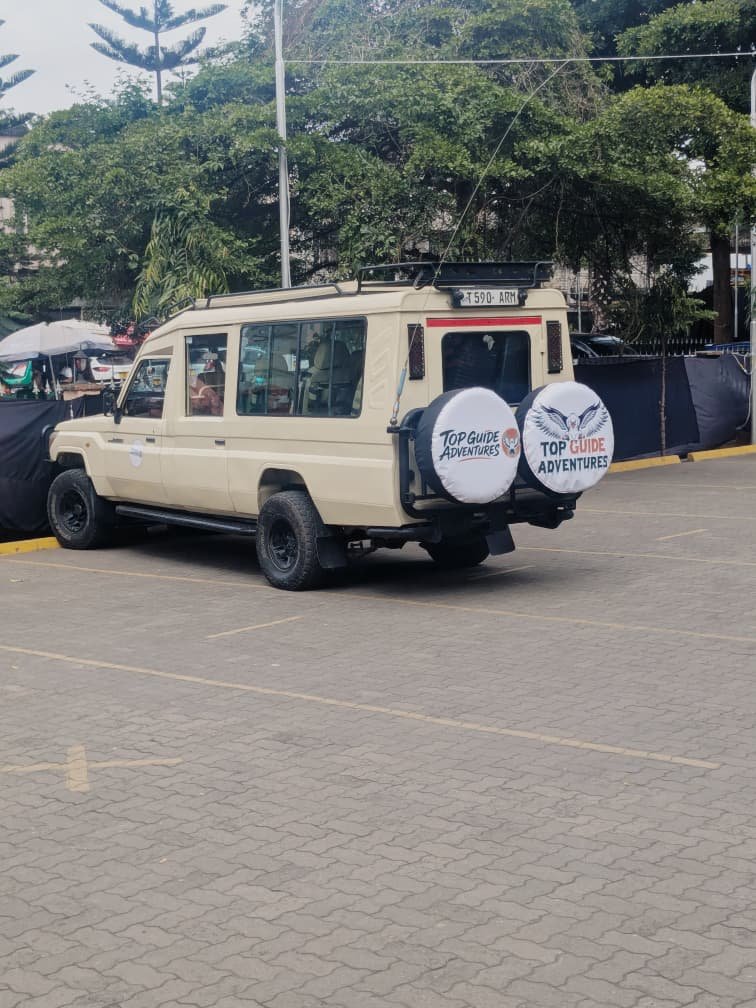
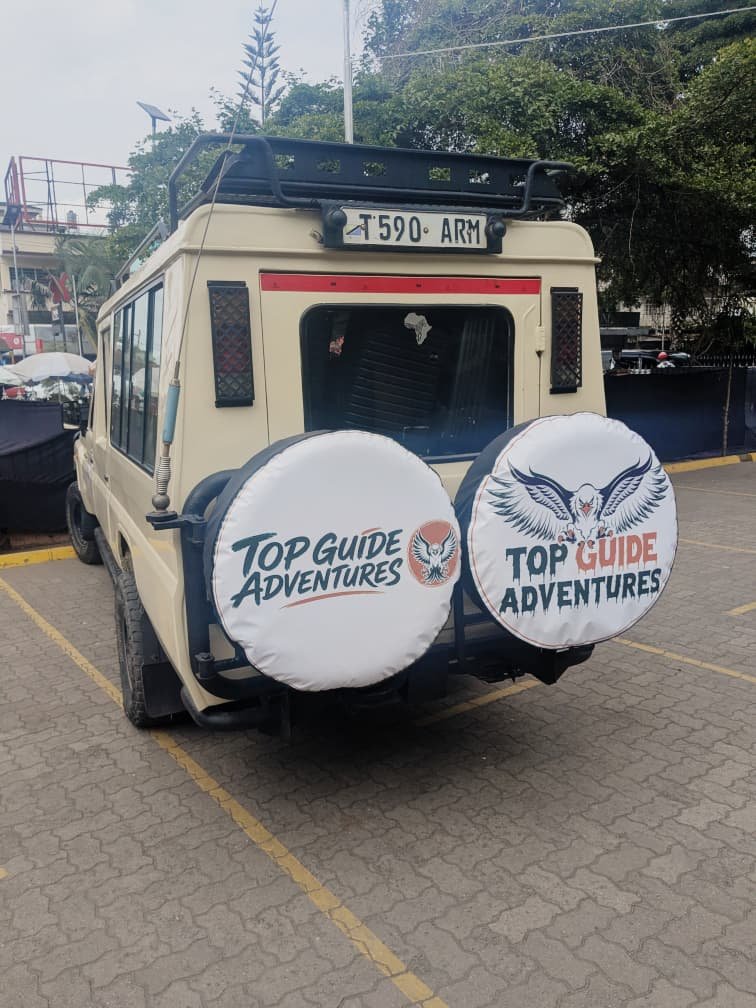
- A private, well-maintained 4×4 safari vehicle with a pop-up roof for optimal game viewing.
- An experienced, English-speaking driver-guide.
- Fuel for the entire safari duration.
- Accommodation as per your chosen level (campsite, lodge, or luxury camp).
- All meals (breakfast, lunch, dinner) during your safari days.
- Bottled drinking water in the vehicle.
Exclusions generally include international flights, visa fees, travel insurance, tips for guides, personal expenses (like souvenirs or alcoholic beverages), and optional activities not specified in your itinerary.
Must-Do Activities in the Ngorongoro Conservation Area
The Ngorongoro Conservation Area offers a unique safari experience, distinct from other parks in Tanzania. The main draw is the crater, a UNESCO World Heritage site teeming with wildlife, but there’s more to explore.
1. Ngorongoro Crater Game Drives
This is the undisputed highlight. The crater floor, a vast caldera formed by a collapsed volcano, is home to an astonishing density of wildlife. During your 2026-2027 safari, you can expect:
- Big Five Encounters: The crater is one of the best places in Africa to see lions, leopards, elephants, rhinos (including the critically endangered black rhino), and buffalo.
- Abundant Herbivores: Witness large herds of wildebeest, zebras, gazelles, and various antelope species grazing on the lush grasslands.
- Birdlife: Over 400 species of birds have been recorded, including flamingos, ostriches, secretary birds, and various raptors.
- Unique Landscape: The sheer scale and beauty of the crater, with its diverse habitats (grasslands, swamps, soda lakes), make it a photographer’s paradise.
Crater Access Rules:
- Access to the crater floor is strictly regulated. Vehicles are typically allowed a maximum of 6 hours on the crater floor.
- Entry and exit points are specific, and guides must adhere to designated routes.
- Picnic lunches are usually enjoyed at designated picnic sites within the crater.
2. Maasai Village Cultural Visits
The NCA is also home to the semi-nomadic Maasai people. A visit to a traditional Maasai village offers a fascinating glimpse into their ancient culture and way of life.
- Authentic Interactions: Learn about their customs, social structure, and daily routines.
- Cultural Demonstrations: Witness traditional dances, songs, and crafts.
- Local Crafts: Purchase handmade Maasai beadwork and other souvenirs directly from the artisans.
Note: Visits are usually arranged through your tour operator and may involve a small fee or contribution to the community. Ensure your visit is respectful and contributes positively.
3. Guided Walking Safaris (Outside the Crater)
While walking is not permitted on the crater floor for safety reasons, the NCA offers opportunities for guided walking safaris in other designated areas, often around the crater rim or in the broader conservation area.
- Different Perspective: Experience the landscape on foot, noticing smaller details often missed from a vehicle.
- Learn from Experts: Your Maasai guide will share knowledge about flora, fauna, tracking, and traditional uses of plants.
- Safety First: These walks are conducted with armed rangers or experienced guides to ensure your safety.
4. Ngorongoro Crater Rim Exploration
Driving along the crater rim offers spectacular panoramic views and opportunities to spot wildlife that may not venture down to the floor. Lodges located on the rim provide stunning vistas.
- Scenic Vistas: Enjoy unparalleled views of the crater basin and its inhabitants from above.
- Photography: Capture impressive landscape shots, especially during sunrise and sunset.
- Lodge Experiences: Many high-end lodges offer exceptional views directly from their rooms or common areas.
5. Visit to Olduvai Gorge
Located within the NCA, Olduvai Gorge is a significant archaeological site, often referred to as the “Cradle of Mankind.” It’s a place of immense historical importance where early human ancestor fossils have been discovered.
- Paleontological Significance: Explore the museum and learn about the groundbreaking discoveries made by the Leakey family.
- Understanding Human Evolution: Gain insights into the early stages of human development.
This visit can be incorporated into your Ngorongoro Conservation Area safari cost itinerary, often as a stop en route to or from other parts of the circuit.
Planning Your Ngorongoro Conservation Area Safari in 2026-2027
Successful planning is key to an unforgettable safari experience. Here’s a comprehensive guide to help you prepare for your 2026 or 2027 trip.
Best Time to Visit Ngorongoro
Ngorongoro is a year-round destination, but certain periods offer distinct advantages:
- Dry Season (June to October): This is a peak season. Wildlife congregates around permanent water sources, making them easier to spot. Skies are clear, offering excellent visibility for photography. This is also a popular time for combining Ngorongoro with the Serengeti’s Great Migration. Expect higher prices and more visitors.
- Short Rains (November): The landscape becomes greener, and the number of tourists decreases. Wildlife is still abundant.
- Long Rains (December to March): This is the ‘green season’ or low season. The landscape is lush and beautiful, with fewer crowds and potentially lower prices. It’s an excellent time for birdwatching, and newborn animals are often seen. Game drives can be affected by rain, but the crater floor usually remains accessible.
For 2026-2027, consider booking well in advance, especially if you plan to travel during the peak dry season.
Duration of Stay
A typical Ngorongoro Conservation Area safari cost itinerary includes 1 to 2 full days dedicated to exploring the crater and surrounding areas.
- 1 Day: Focused solely on the crater floor game drive. This is a popular option for those on a tighter schedule or combining Ngorongoro with other destinations.
- 2 Days: Allows for a full day on the crater floor and another day exploring the crater rim, visiting a Maasai village, or Olduvai Gorge. This provides a more relaxed pace and deeper appreciation.
Many travelers combine Ngorongoro with the Serengeti, Tarangire, and Lake Manyara National Parks for a comprehensive Northern Circuit experience, often dedicating 4 to 7 days to the entire circuit.
Choosing Your Accommodation
Accommodation within and around the NCA ranges from basic to ultra-luxury, significantly impacting your Ngorongoro Conservation Area safari cost.
- Camping: Public campsites are available outside the crater rim, offering a budget-friendly and authentic experience. There are also some private campsites.
- Budget/Mid-Range Lodges: Found in Karatu town (outside the NCA) or on the crater rim, offering comfortable stays.
- Luxury Lodges & Tented Camps: Primarily located on the crater rim, these offer premium amenities, exceptional service, and unparalleled views. Some are exclusive and offer unique experiences.
Booking accommodation on the crater rim is highly recommended for the best views and convenience for early morning crater descents.
Packing Essentials for Your Safari
Pack smart to ensure comfort and practicality during your safari. Remember that luggage space in safari vehicles can be limited, especially for internal flights.
Recommended Packing List:
- Clothing: Lightweight, neutral-colored clothing (khaki, beige, green). Avoid bright colors and dark blue/black (can attract tsetse flies). Include long-sleeved shirts and trousers for sun and insect protection, and a fleece or warm jacket for cool mornings/evenings.
- Footwear: Comfortable walking shoes or hiking boots. Sandals or flip-flops for relaxing at the lodge/camp.
- Headwear: A wide-brimmed hat for sun protection.
- Eyewear: Sunglasses.
- Sun Protection: High SPF sunscreen, lip balm with SPF.
- Insect Repellent: With DEET or Picaridin.
- Camera: With extra batteries, memory cards, and a zoom lens. A power bank is also useful.
- Binoculars: Essential for spotting distant wildlife.
- First-Aid Kit: With personal medications.
- Toiletries: Biodegradable options are preferred.
- Documents: Passport, visa, vaccination certificates, flight details, insurance information.
- Money: USD is widely accepted for park fees and tips. Have smaller denominations. Credit cards are accepted in some lodges but not everywhere.
- Reusable Water Bottle: To minimize plastic waste.
Health and Safety Precautions
Your health and safety are paramount for a successful safari.
- Vaccinations: Consult your doctor or a travel clinic about recommended vaccinations, including Yellow Fever (may be required for entry), Hepatitis A & B, Typhoid, and Tetanus.
- Malaria Prevention: Tanzania is a malaria-risk area. Take antimalarial medication as prescribed by your doctor. Use insect repellent and wear long sleeves/trousers, especially during dawn and dusk.
- Travel Insurance: Comprehensive travel insurance covering medical emergencies, evacuation, trip cancellation, and lost belongings is highly recommended.
- Water Safety: Drink only bottled or purified water. Avoid ice in drinks unless you are sure it’s made from purified water.
- Wildlife Safety: Always follow your guide’s instructions. Never leave the vehicle in the crater or approach wildlife. Maintain a safe distance.
Visa and Entry Requirements
Ensure you have the necessary travel documents for Tanzania.
- Visa: Most nationalities require a visa to enter Tanzania. You can apply online in advance or obtain one upon arrival at Kilimanjaro International Airport (JRO) or other major entry points. Check the latest requirements for your nationality well before your 2026-2027 travel dates.
- Passport: Your passport must be valid for at least six months beyond your intended stay and have at least two blank pages.
- Yellow Fever Certificate: A Yellow Fever vaccination certificate may be required, especially if arriving from or transiting through a country with a risk of Yellow Fever transmission.
Comparing Ngorongoro Safari Options and Costs
When planning your Ngorongoro Conservation Area safari cost, you’ll encounter various ways to experience this incredible destination. Comparing these options will help you find the best fit for your budget and preferences.
Private vs. Group Safaris
- Private Safari:
- Pros: Maximum flexibility in itinerary, pace, and game drives. Your vehicle and guide are exclusively for your group. Ideal for families, couples, or groups seeking a personalized experience.
- Cons: Higher per-person cost compared to group tours.
- Ideal for: Those who prioritize privacy, flexibility, and a tailored experience.
- Group/Shared Safari:
- Pros: Significantly lower per-person cost as expenses are shared among participants. Opportunity to meet other travelers.
- Cons: Less flexibility; you must adhere to the group’s schedule and decisions. Limited control over game drive duration or stops.
- Ideal for: Budget-conscious travelers, solo travelers looking to save money, or those who enjoy a social safari experience.
Top Guide Adventures offers both private and carefully curated small group safaris, including departures for the Serengeti and Ngorongoro, allowing you to choose the option that best suits your needs and budget for 2026-2027.
Camping Safaris vs. Lodge Safaris
This distinction is crucial for understanding the Ngorongoro Conservation Area safari cost and overall experience.
- Camping Safaris:
- Experience: Stay in public or private campsites, often with basic facilities (shared bathrooms, cooking areas). You sleep in tents, providing a closer connection to nature and the sounds of the African bush.
- Cost: Generally the most budget-friendly option.
- Inclusions: Usually include a cook to prepare meals, camping equipment (tents, sleeping bags), and park fees.
- Lodge Safaris:
- Experience: Stay in permanent structures ranging from simple lodges to luxurious hotels and tented camps with en-suite bathrooms, comfortable beds, and amenities like swimming pools and restaurants.
- Cost: Mid-range to luxury, depending on the lodge’s star rating.
- Inclusions: Typically include meals, housekeeping, and sometimes guided activities.
For those seeking a balance, mid-range tented camps offer a comfortable yet authentic experience, often with private facilities.
Combining Ngorongoro with Other Parks
Ngorongoro is often part of a larger Northern Circuit safari. Including other parks can enrich your experience and provide a more diverse wildlife viewing adventure, but it will also increase the overall Ngorongoro Conservation Area safari cost and duration.
- Tarangire National Park: Known for its large elephant herds and iconic baobab trees. Excellent during the dry season (June-October).
- Lake Manyara National Park: Famous for its tree-climbing lions, large troop of baboons, and diverse birdlife, especially flamingos.
- Serengeti National Park: The quintessential African safari destination, famous for the Great Migration and vast, open plains.
A typical 5-7 day Northern Circuit itinerary might look like:
Sample 6-Day Northern Circuit Itinerary:
- Day 1: Arrive at Kilimanjaro International Airport (JRO), transfer to Arusha.
- Day 2: Arusha to Tarangire National Park for game drives. Overnight near Tarangire.
- Day 3: Tarangire to Lake Manyara National Park, then proceed to Karatu/Ngorongoro area.
- Day 4: Full-day game drive on the Ngorongoro Crater floor. Overnight near Ngorongoro.
- Day 5: Ngorongoro to Serengeti National Park (via Olduvai Gorge, optional). Game drives in Serengeti. Overnight in Serengeti.
- Day 6: Morning game drive in Serengeti, then fly from a Serengeti airstrip back to Arusha or Kilimanjaro Airport for departure.
This integrated approach allows for a comprehensive understanding of Tanzania’s wildlife and landscapes, with the Ngorongoro Conservation Area safari cost being a significant but worthwhile component.
Maximizing Your Ngorongoro Safari Experience and Value
To ensure your safari is both memorable and provides excellent value for your investment, consider these tips for 2026-2027:
- Book in Advance: Especially for peak seasons (June-October, December-February) and for popular lodges on the crater rim. Booking 6-12 months ahead is advisable for 2026-2027.
- Choose a Reputable Tour Operator: Companies like Top Guide Adventures have local knowledge, strong relationships with lodges and parks, and ensure quality guides and vehicles. They can help navigate the complexities of the Ngorongoro Conservation Area safari cost and itinerary planning.
- Be Flexible with Dates: If your schedule allows, traveling during the shoulder seasons (November, March-May) can offer lower prices and fewer crowds.
- Communicate Your Needs: Clearly state your budget, interests (e.g., birdwatching, photography, specific animals), and comfort level to your tour operator.
- Understand Inclusions/Exclusions: Always clarify what is covered in your safari package to avoid unexpected expenses.
- Factor in Tips: Tipping your guide and lodge staff is customary and appreciated. Your tour operator can provide guidelines on appropriate amounts.
- Consider a Longer Trip: While Ngorongoro is a highlight, extending your safari to include other parks offers a more complete picture of Tanzania’s wildlife diversity and can sometimes yield better per-day value.
The Value of a Local Expert for Your Ngorongoro Safari
Working with a local Tanzanian tour operator like Top Guide Adventures offers significant advantages:
- Local Knowledge: We understand the nuances of wildlife behavior, the best times to visit specific areas, and optimal game drive routes.
- Established Networks: We have trusted relationships with lodges, camps, and park authorities, ensuring smooth logistics and access.
- Cost-Effectiveness: By cutting out international middlemen, we can often provide more competitive pricing for your Ngorongoro Conservation Area safari cost without compromising on quality.
- Personalized Service: We are dedicated to crafting tailor-made itineraries that meet your specific interests and budget, offering personal attention from inquiry to post-safari follow-up.
- Support: You have direct access to our team for any questions or assistance, including our WhatsApp line: +255616946642.
Booking Your Ngorongoro Safari for 2026-2027
When you are ready to plan your adventure, reaching out to us is the first step.
For a personalized quote on your Ngorongoro Conservation Area safari cost and to discuss bespoke itineraries for 2026 or 2027, please contact Top Guide Adventures. You can reach us via email at topguideadventures@gmail.com or info@topguideadventurestanzania.com, or call/WhatsApp us at +255616946642. We are committed to creating an exceptional safari experience that exceeds your expectations.
Explore more about our safari offerings and group departure dates on our website: Top Guide Adventures Tanzania. You can also see reviews from past clients on TripAdvisor: TripAdvisor Reviews.
Check Availability for Ngorongoro Conservation Area Safari Cost, Activities & Travel Guide…
Ready to compare dates, prices, and the best option for your group? Send the package name and travel month so the team can reply with a clear quote, availability, and what is included.
Ngorongoro Conservation Area: Your Ultimate Tanzania Safari Guide 2026-2027
Explore the unparalleled biodiversity and unique landscape of the Ngorongoro Conservation Area. This comprehensive guide covers everything you need to know for planning your 2026-2027...
View package detailsPrivate Ngorongoro Crater Safari Tours: Your Ultimate Guide 2026-2027
Experience the magic of a private Ngorongoro Crater safari with Top Guide Adventures. This guide details exclusive tour options, wildlife viewing opportunities, essential planning for...
View package details
Ngorongoro Camping Fees And Lodge Prices For Safaris 2026-2027
Planning a safari to the Ngorongoro Conservation Area? This guide breaks down the camping fees and lodge prices you can expect for your 2026-2027 trip, helping you budget effectively.
View package details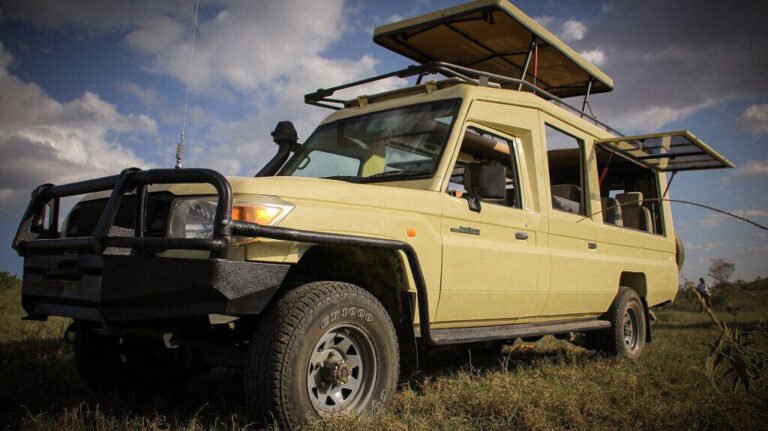
Ngorongoro Crater Safari Price Per Person: Your Guide 2026-2027
Discover the typical Ngorongoro Crater safari price per person for 2026-2027. This comprehensive guide breaks down cost factors, what's usually included, and how to plan your budget for...
View package details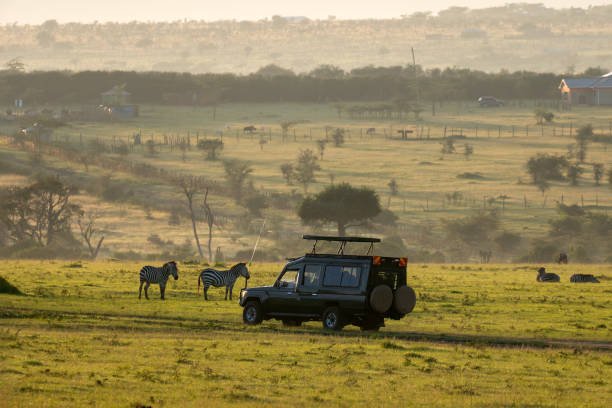
Tanzania Safari Luggage Limits For Bush Flights: Your Essential Guide
Planning a Tanzania safari involving bush flights? This guide details crucial luggage limits for weight, size, and bag types, ensuring a smooth journey across Serengeti, Ngorongoro, and...
View package details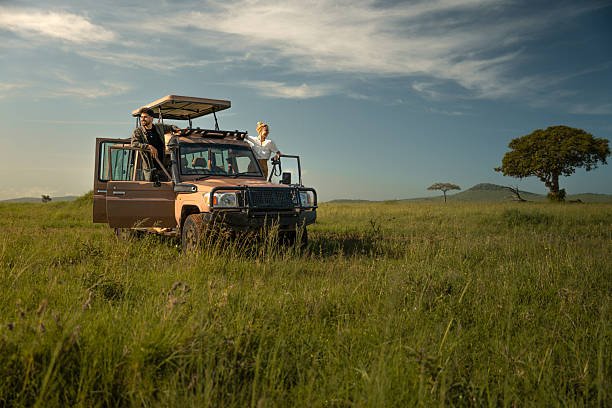
Tanzania Budget Safari Prices: Your Guide To Affordable Adventures 2026-2027
Planning a budget safari in Tanzania for 2026 or 2027? Understand the typical price ranges, what influences costs, and how to get the most value for your money. This guide breaks down the...
View package details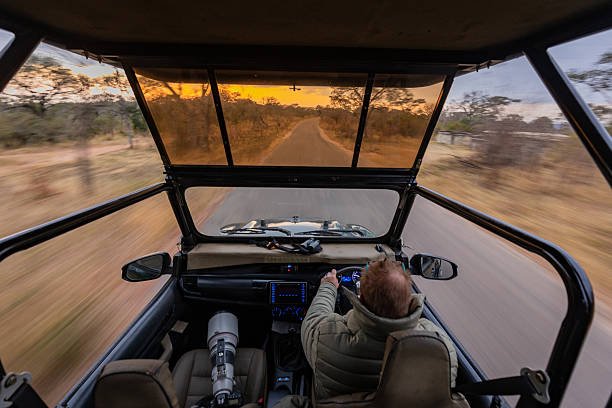
Tanzania National Park Entry Fees: A Complete Guide For 2026-2027
Planning a Tanzanian safari? This guide breaks down the 2026-2027 entry fees for all major national parks, helping you budget effectively for Serengeti, Ngorongoro, and beyond.
View package details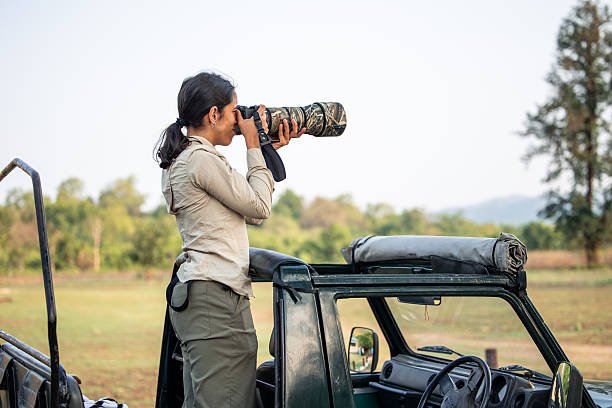
Tanzania Attraction Entry Fees: Guide To Park And Reserve Costs For 2026-2027
Planning a trip to Tanzania? This comprehensive guide details the essential Tanzania attraction entry fees for 2026-2027, covering national parks, conservation areas, and cultural sites...
View package detailsMakao Wildlife Management Area Safari Cost, & Visitor Guide 2026-2027
Planning a safari to Makao Wildlife Management Area? This comprehensive guide covers estimated safari costs for 2026-2027, highlights the diverse wildlife you can expect to see, and...
View package details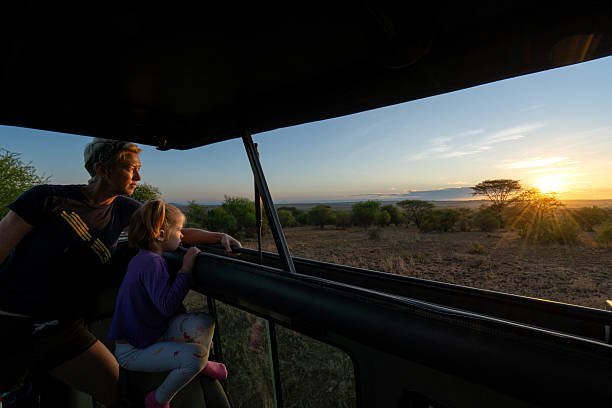
Serengeti Safari Cost Per Person For Every Budget 2026-2027
Serengeti Safari Cost Per Person for Every Budget is explained with current 2026-2027 planning, price, itinerary and booking information.
View package details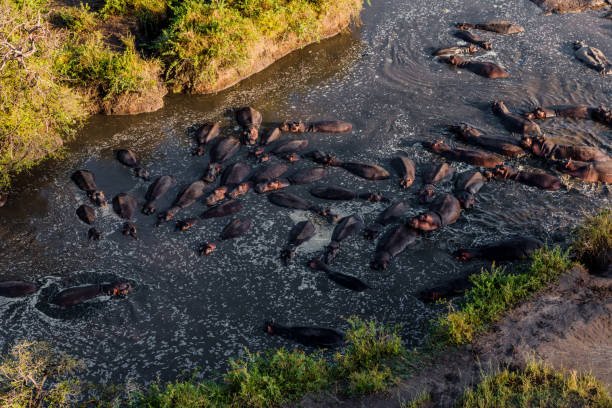
Mara River Crossing Safari Cost, Best Time & Travel Guide For 2026-2027
The Mara River Crossing is a highlight of any Serengeti or Masai Mara safari. This guide details the costs involved, the prime viewing seasons for 2026 and 2027, and essential travel advice...
View package details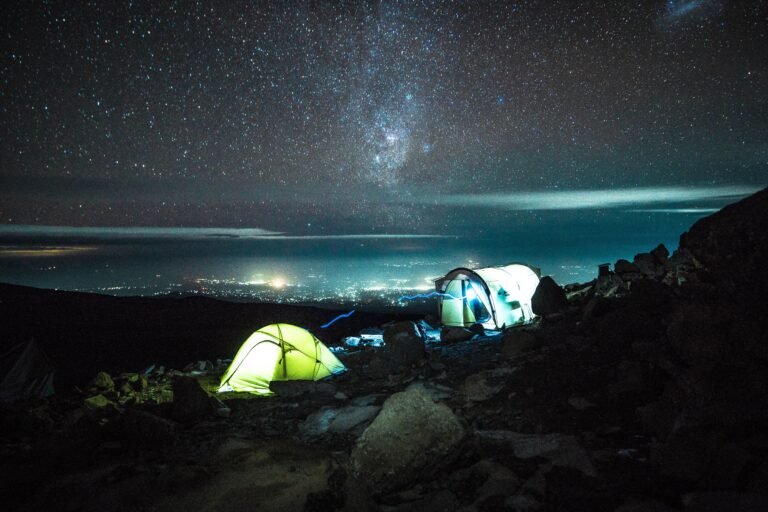
Tanzania Wildlife Safari Cost Breakdown: Your Budget Guide 2026-2027
Planning a Tanzania wildlife safari involves understanding the key cost components. This guide provides a detailed breakdown for 2026-2027, covering everything from park fees and...
View package detailsNo related package matches those filters. Clear one or more filters to see the other topic-matched options.



