
Tarangire National Park is a top Tanzania safari destination celebrated for its vast elephant herds, especially during the dry season, its iconic ancient baobab trees, and diverse birdlife, making it a must-visit for any wildlife enthusiast planning a trip in 2026 or 2027.
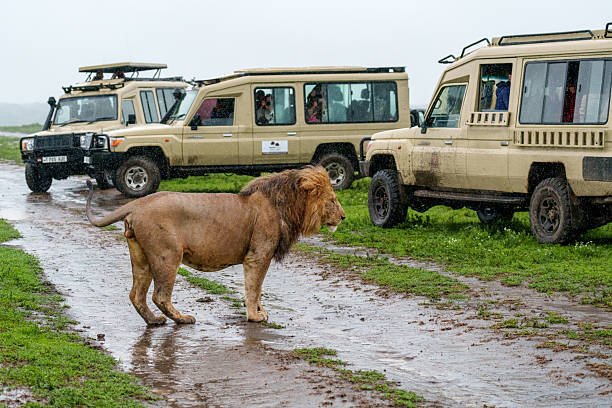

Experience the Majesty of Tarangire National Park
Tarangire National Park, often called the ‘Land of Giants,’ stands as a jewel in Tanzania’s Northern Safari Circuit. It’s a place where the sheer scale of nature is palpable, from the colossal baobab trees that punctuate the landscape to the immense herds of elephants that migrate through its plains. For travelers seeking an authentic and uncrowded safari experience, Tarangire offers a unique perspective on the African wilderness, distinct from its more famous neighbors like the Serengeti or Ngorongoro Crater. As you plan your adventure for 2026-2027, understanding what makes Tarangire special is key to crafting an unforgettable journey.
This park is a sanctuary for wildlife, particularly during the dry season months from June to October. During this period, the Tarangire River, the park’s only permanent source of water, becomes a magnet for animals seeking relief. This concentration of wildlife creates unparalleled viewing opportunities, with large herds of elephants, zebras, wildebeest, buffalo, and numerous antelope species gathering along its banks. Beyond the large mammals, Tarangire is also a paradise for birdwatchers, boasting over 550 species, including some rare and endemic varieties. The park’s unique ecosystem, dominated by acacia woodlands and ancient baobab trees, provides a dramatic backdrop for every safari encounter.
Top Guide Adventures specializes in crafting bespoke safari experiences that highlight the best of Tarangire. Whether you’re aiming for a short day trip or integrating Tarangire into a multi-park itinerary, our expertise ensures you maximize your time and witness the park’s incredible biodiversity. We understand the nuances of the park’s seasons, the best game-drive routes, and the most rewarding viewing spots, allowing us to tailor your 2026-2027 safari to your specific interests, whether that’s photography, birding, or simply soaking in the wild beauty.
Why Choose Tarangire National Park for Your Safari?
Tarangire National Park distinguishes itself from other Tanzanian safari destinations through several key characteristics, making it a compelling choice for discerning travelers in 2026 and 2027.
The Elephant Capital of Africa
Tarangire is globally recognized for its exceptionally large elephant population. During the dry season (June-October), the park can host up to 6,000 elephants. These magnificent creatures, often seen in family groups, provide incredible photographic opportunities. You’ll witness their social interactions, their playful calves, and their sheer power as they move across the plains. The density of elephants here is often higher than in any other park in the country, offering a consistent and impressive spectacle.
Iconic Baobab Trees
The landscape of Tarangire is dominated by the ancient and majestic baobab trees. These ‘upside-down’ trees, with their thick trunks and sparse branches, are a photographer’s dream and lend a prehistoric feel to the park. Many of these trees are centuries old, standing as silent witnesses to the changing seasons and wildlife movements. Their presence creates a unique and memorable visual mix that is quintessentially Tarangire.
Exceptional Birdlife
For ornithologists and casual birdwatchers alike, Tarangire is a haven. The park is home to over 550 bird species, making it one of the richest bird habitats in Tanzania. You can spot species like the colorful Rufous-tailed Weaver, the imposing Kori Bustard (one of the heaviest flying birds), the Ashy Starling, and various raptors. The diverse vegetation, from riverine forests to open savannas, supports a wide array of avian life throughout the year.
Less Crowded Experience
While popular, Tarangire typically experiences fewer crowds than the Serengeti or Ngorongoro Crater, especially outside the peak dry season. This allows for a more intimate and personal safari experience, with game drives often feeling more exclusive. You can enjoy wildlife sightings without the constant presence of numerous other vehicles, enhancing the sense of adventure and connection with nature.
Diverse Ecosystems and Landscapes
Tarangire’s landscape is a mosaic of environments. From the swamps and floodplains near the Tarangire River to the rolling hills dotted with acacia woodlands and the iconic baobab savannas, the park offers varied scenery. This diversity supports a wide range of wildlife, from large herbivores to predators like lions, leopards, and cheetahs, as well as smaller mammals like dik-diks, gerenuks, and mongooses.
Proximity to Other Northern Circuit Parks
Tarangire’s strategic location makes it an excellent addition to any Northern Circuit safari itinerary. It’s easily accessible from Arusha and can be combined with visits to Lake Manyara, Ngorongoro Conservation Area, and the Serengeti National Park, creating a comprehensive Tanzanian safari experience for 2026-2027.
Best Time to Visit Tarangire National Park (2026-2027)
The optimal time to visit Tarangire National Park largely depends on what you hope to see. The park offers unique experiences throughout the year, but certain periods are particularly renowned for specific wildlife phenomena.
The Dry Season (June to October) – Peak Wildlife Viewing
This is widely considered the best time for wildlife viewing in Tarangire. As the smaller rivers and waterholes dry up, animals congregate around the permanent Tarangire River. This is when the park’s famous large elephant herds are most visible, often in large numbers. You’ll also see significant numbers of zebras, wildebeest, buffalo, giraffes, and various antelopes. Predators are also more active as they stalk the concentrated prey. The vegetation thins out, making spotting animals easier. Expect sunny days and cooler evenings.
- Wildlife: Excellent for elephants, general game viewing, and predator sightings.
- Vegetation: Sparse, aiding visibility.
- Weather: Dry, sunny days; cooler nights.
- Crowds: Higher than the wet season, but generally less than Serengeti’s peak.
The Green Season (November to May) – Birding and Fewer Crowds
The green season, characterized by rainfall, transforms Tarangire into a lush, vibrant landscape. While wildlife disperses somewhat due to available water sources across the park, it’s an excellent time for birdwatching, as migratory birds arrive, and resident birds are in their breeding plumage. The scenery is stunningly beautiful, with fresh green growth. This period offers a more budget-friendly option and a more tranquil experience with fewer tourists. The rains are often short, intense afternoon showers, allowing for game drives in the mornings and evenings. Note that some roads may become temporarily impassable during heavy rains.
- Wildlife: Good for birdwatching, newborn animals, and lush scenery. Large herds are more dispersed.
- Vegetation: Lush and green, can sometimes obscure sightings.
- Weather: Rainy season, with occasional heavy showers, but often sunny mornings and evenings.
- Crowds: Significantly fewer tourists.
Specific Months for Planning Your 2026-2027 Trip:
- July – October: Peak dry season, best for elephant and general game viewing. High season pricing often applies.
- November – December: Transition to the green season. Wildlife starts to disperse, but good sightings are still common. Migratory birds arrive.
- January – February: Short dry spell within the green season. Good for birding and calving season for some species.
- March – May: Heavy rains. Park roads can be challenging. Best for dedicated birders and those seeking solitude and dramatic landscapes. Lowest prices.
Wildlife of Tarangire National Park
Tarangire National Park is a biodiversity hotspot, home to a remarkable array of wildlife. While famous for its elephants, the park’s ecosystem supports a rich variety of species.
Mammals
Elephants: Tarangire is synonymous with elephants. The park’s large population is a sight to behold, especially during the dry season when they gather in massive numbers around the Tarangire River. You’ll see them in herds, often with multiple generations interacting.
Predators: Lions are abundant, often seen lounging in acacia trees, particularly during the hot afternoons. Leopards are more elusive but present, often found in the denser woodlands. Cheetahs are also found on the open plains. Other predators include hyenas, wild dogs (though sightings are rarer), jackals, and servals.
Herbivores: Beyond elephants, expect to see large herds of wildebeest and zebras during the dry season. Giraffes are common, often seen feeding on acacia leaves. Buffalo herds are also a frequent sight. Various antelope species inhabit the park, including Greater and Lesser Kudu, Eland, Grant’s gazelle, Thomson’s gazelle, dik-dik, and the elegant gerenuk (a species known for standing on its hind legs to reach high vegetation).
Other Mammals: Keep an eye out for primates like baboons and vervet monkeys, as well as smaller mammals such as warthogs, mongooses, ground squirrels, and numerous smaller antelopes.
Birds
Tarangire’s status as a birdwatcher’s paradise is well-earned. The park’s diverse habitats support an incredible avian population. Key species to look out for include:
- Raptors: Martial Eagle, African Fish Eagle, Bateleur, Secretarybird.
- Bustards: Kori Bustard (Africa’s heaviest flying bird).
- Waterfowl: Various species found near the river and swamps.
- Passerines: Rufous-tailed Weaver, Ashy Starling (endemic to a small region in Tanzania), Superb Starling, Lilac-breasted Roller.
- Others: Hornbills, guinea fowl, ostriches, and numerous smaller species.
Reptiles
While less frequently sought after than mammals or birds, Tarangire is also home to various reptiles, including different species of snakes, lizards, and crocodiles found in the Tarangire River.
Tarangire National Park Itinerary Ideas for 2026-2027
Integrating Tarangire into your Tanzanian safari is highly recommended. Here are a few itinerary concepts, showcasing how Top Guide Adventures can tailor your trip.
Option 1: Tarangire Day Trip from Arusha
Duration: 1 Day
Ideal for: Travelers with limited time or those adding a short safari experience to a Kilimanjaro climb or Zanzibar holiday.
This option provides a concentrated taste of Tarangire’s wonders. You’ll depart from Arusha early in the morning, enjoying a scenic drive to the park. Your day will be filled with game drives, focusing on the Tarangire River area and the iconic baobab-dotted plains. Lunch will be a picnic amidst the wilderness. You’ll aim to spot elephants, giraffes, zebras, and various antelope species. The drive back to Arusha will be in the late afternoon. While brief, a day trip offers a memorable introduction to Tarangire’s unique environment.
Sample Day Trip Itinerary:
- 06:00 AM: Pick up from your Arusha hotel.
- 06:00 AM – 08:30 AM: Scenic drive to Tarangire National Park.
- 08:30 AM: Enter the park, begin game drive.
- 08:30 AM – 01:00 PM: Morning game drive, focusing on river areas and baobab landscapes.
- 01:00 PM – 02:00 PM: Picnic lunch at a designated site.
- 02:00 PM – 04:00 PM: Afternoon game drive.
- 04:00 PM: Depart from Tarangire National Park.
- 04:00 PM – 06:30 PM: Drive back to Arusha.
Option 2: Tarangire & Lake Manyara Combo (2-3 Days)
Duration: 2-3 Days
Ideal for: Travelers wanting to experience two distinct ecosystems within a short timeframe.
This popular combination showcases the best of two unique parks. Tarangire offers the vast elephant herds and baobabs, while Lake Manyara National Park is famous for its tree-climbing lions, large baboon troops, and beautiful lake-shore environment. You can opt for a 2-day trip (1 day Tarangire, 1 day Manyara) or extend to 3 days for a more relaxed pace and deeper exploration of each park.
Sample 3-Day Itinerary:
- Day 1: Arusha to Tarangire. Morning departure from Arusha, full-day game drive in Tarangire, overnight near the park.
- Day 2: Tarangire to Lake Manyara. Morning game drive in Tarangire, then drive to Lake Manyara. Afternoon game drive in Lake Manyara National Park, overnight near Manyara.
- Day 3: Lake Manyara Exploration & Departure. Morning game drive in Lake Manyara, perhaps a cultural visit or walking safari (if available and booked), then drive back to Arusha.
Option 3: The Classic Northern Circuit with Tarangire (5-7 Days)
Duration: 5-7 Days
Ideal for: First-time visitors to Tanzania seeking a comprehensive safari experience.
This itinerary is the quintessential Tanzanian safari, typically including Tarangire, Lake Manyara, Ngorongoro Crater, and the Serengeti National Park. Tarangire serves as an excellent introduction to the region’s wildlife. The sequence can be adjusted, but a common flow is Arusha -> Tarangire -> Lake Manyara -> Ngorongoro -> Serengeti -> Arusha.
Sample 7-Day Itinerary:
- Day 1: Arusha to Tarangire. Arrive in Arusha, meet your guide, drive to Tarangire for an afternoon game drive. Overnight near Tarangire.
- Day 2: Tarangire to Lake Manyara. Morning game drive in Tarangire, then drive to Lake Manyara. Afternoon game drive. Overnight near Manyara.
- Day 3: Lake Manyara to Ngorongoro. Morning game drive in Lake Manyara, then drive to the Ngorongoro Conservation Area. Overnight on the crater rim.
- Day 4: Ngorongoro Crater Tour. Full day exploring the Ngorongoro Crater floor. Overnight on the crater rim.
- Day 5: Ngorongoro to Serengeti. Drive to the Serengeti, with a game drive en route. Overnight in Central Serengeti.
- Day 6: Serengeti Exploration. Full day game drives in the Serengeti. Overnight in Central Serengeti.
- Day 7: Serengeti to Arusha. Morning game drive in the Serengeti, then fly from a Serengeti airstrip back to Arusha (or drive).
Option 4: Tarangire Extended Stay (3-4 Days)
Duration: 3-4 Days
Ideal for: Photographers, birdwatchers, or those seeking a deeper immersion in Tarangire’s unique environment.
For those who want to truly absorb the atmosphere of Tarangire, an extended stay is rewarding. This allows for exploration of different areas of the park, including less-visited sections, and opportunities for activities like walking safaris (where permitted and available). Spending more time increases your chances of seeing elusive predators and observing the daily routines of the wildlife. It also allows for appreciating the changing light on the baobabs and the subtle shifts in animal behavior throughout the day.
Sample 4-Day Tarangire Immersion:
- Day 1: Arrival in Tarangire. Arrive at Kilimanjaro International Airport (JRO), transfer to Tarangire National Park, afternoon game drive, overnight at lodge/camp.
- Day 2: Tarangire Exploration. Full day game drive, focusing on elephant herds and riverine areas. Overnight at lodge/camp.
- Day 3: Tarangire’s Hidden Corners. Explore different sectors of the park, perhaps visiting the Silale Swamp area for birding and predators. Optional walking safari. Overnight at lodge/camp.
- Day 4: Final Game Drive & Departure. Morning game drive, then transfer back to Arusha or JRO for your onward journey.
Accommodation Options in Tarangire
Tarangire National Park offers a range of accommodation options, from luxury lodges and tented camps to more budget-friendly guesthouses. The choice of accommodation can significantly impact your safari experience, offering varying levels of comfort, exclusivity, and proximity to wildlife viewing areas.
Luxury Lodges and Tented Camps
These options provide an upscale safari experience with amenities like en-suite bathrooms, fine dining, swimming pools, and exceptional service. Many are strategically located for prime wildlife viewing. Examples include:
- Tarangire Treetops: Famous for its rooms built in the branches of baobab trees.
- Oliver’s Camp: Offers a classic safari feel with luxurious tented accommodation.
- Sanctuary Swala Camp: Known for its intimate setting and excellent guiding.
Mid-Range Lodges and Tented Camps
These camps and lodges offer comfortable accommodation with good facilities, often featuring en-suite bathrooms and good food, but without the highest level of luxury. They provide excellent value and a genuine safari atmosphere.
- Tarangire Sopa Lodge: Offers spacious rooms and stunning views from its hillside location.
- Maramboi Tented Lodge: Located between Tarangire and Lake Manyara, offering a good base for exploring both.
Budget-Friendly Options
For travelers on a tighter budget, there are more basic lodges and campsites available, both inside and just outside the park boundaries. These offer essential amenities and a chance to experience the park’s wilderness.
- Public Campsites: Basic facilities within the park for those on camping safaris.
- Budget Lodges: Located in nearby towns like Mto wa Mbu or Karatu, offering simpler accommodations.
Top Guide Adventures works with a selection of trusted lodges and camps to ensure your accommodation aligns with your budget and desired level of comfort for your 2026-2027 safari.
Planning Your Tarangire Safari with Top Guide Adventures
Choosing the right tour operator is crucial for a successful safari. Top Guide Adventures is dedicated to providing personalized, high-quality safari experiences in Tanzania. We handle all the logistics, from park fees and accommodation to expert guiding and vehicle arrangements, ensuring a stress-free journey.
Our Commitment to Your Safari
- Personalized Itineraries: We tailor every safari to your interests, budget, and timeframe. Whether you dream of photographing elephants, spotting rare birds, or experiencing the thrill of predator sightings, we design a trip that fits you perfectly.
- Expert Local Guides: Our guides are highly experienced, knowledgeable about wildlife behavior, local culture, and the best spots within Tarangire. They are passionate about sharing their love for Tanzania with you.
- Quality Vehicles: We use well-maintained 4×4 safari vehicles equipped for optimal game viewing and comfort, ensuring you can navigate the park’s terrain safely and effectively.
- Transparent Pricing: We provide clear and detailed quotes, outlining what is included and excluded, so you know exactly what to expect for your 2026-2027 safari.
- 24/7 Support: From your initial inquiry to your departure from Tanzania, our team is available to assist you.
How to Book Your 2026-2027 Tarangire Safari
Booking your dream safari is straightforward:
- Inquire: Reach out to us via our website, email, or WhatsApp to discuss your safari ideas.
- Consultation: We’ll schedule a call or email exchange to understand your preferences, travel dates for 2026 or 2027, budget, and desired level of comfort.
- Itinerary & Quote: Based on your input, we’ll craft a detailed itinerary and provide a comprehensive quote.
- Confirmation: Once you approve the itinerary and quote, a deposit will secure your booking.
- Preparation: We’ll provide you with pre-trip information and assist with any final arrangements.
We recommend booking your 2026 or 2027 safari at least 6-9 months in advance, especially if you are planning for the peak dry season (July-October) or traveling during holidays.
Ready to Plan Your Tarangire Adventure?
Contact Top Guide Adventures today to start planning your unforgettable safari to Tarangire National Park. Let us help you create memories that will last a lifetime.
WhatsApp: +255616946642
Email: topguideadventures@gmail.com
Backup Email: info@topguideadventurestanzania.com
Visit our website for more inspiration: Top Guide Adventures Tanzania
Frequently Asked Questions about Tarangire National Park
What is Tarangire National Park famous for?
Tarangire National Park is most famous for its large elephant herds, especially during the dry season, its iconic ancient baobab trees, and its rich birdlife. It’s often referred to as the ‘Land of Giants’ due to these characteristics.
When is the best time to visit Tarangire?
The best time for general wildlife viewing, particularly for seeing large elephant herds, is during the dry season from June to October. For birdwatching and lush scenery with fewer crowds, the green season (November to May) is ideal, though some roads may be challenging.
What wildlife can I see in Tarangire?
You can see a wide variety of wildlife including large herds of elephants, lions (often seen in trees), leopards, cheetahs, giraffes, zebras, wildebeest, buffalo, and numerous antelope species such as kudu and gerenuk. The park is also a birdwatcher’s paradise with over 550 species.
How long should I spend in Tarangire?
A minimum of one full day is recommended for a day trip to get a feel for the park. For a more in-depth experience, 2-3 days are ideal, allowing you to explore different areas and increase your chances of sightings. It’s often combined with other parks like Lake Manyara and Ngorongoro.
Is Tarangire suitable for photography?
Absolutely! Tarangire offers incredible photographic opportunities with its dramatic landscapes featuring baobab trees, vast plains, and abundant wildlife. The large elephant herds, tree-climbing lions, and diverse birdlife provide endless subjects.
Are there walking safaris in Tarangire?
Walking safaris are sometimes available in specific areas of Tarangire or its surrounding reserves, often offered by certain lodges. These provide a different perspective and a more intimate connection with the bush. Inquire with your tour operator about availability for your 2026-2027 trip.
What is the difference between Tarangire and Serengeti?
While both are premier safari destinations, Tarangire is known for its concentrated elephant herds and baobab trees, offering a more intimate feel. The Serengeti is vastly larger, famous for the Great Migration, diverse ecosystems, and vast open plains, offering a more expansive safari experience.
What should I pack for a Tarangire safari?
Pack light, neutral-colored clothing (khaki, beige, green), a warm jacket for cool mornings and evenings, comfortable walking shoes, a hat, sunglasses, sunscreen, insect repellent, binoculars, a camera with extra batteries and memory cards, and any personal medications. A detailed packing list will be provided upon booking.
How much does a safari to Tarangire cost?
The cost of a Tarangire safari varies significantly based on the duration, accommodation level (budget, mid-range, luxury), time of year (high season vs. low season), and inclusions. A rough estimate for a mid-range 3-day safari could range from $700 to $1200 per person, excluding international flights. For precise 2026-2027 pricing, it’s best to get a custom quote from a tour operator like Top Guide Adventures.
Final Thoughts on Your Tarangire Safari in 2026-2027
Tarangire National Park offers a safari experience that is both grand and intimate. Its unique landscape, dominated by ancient baobabs and teeming with wildlife, particularly its world-renowned elephant populations, provides a profound connection to the natural world. Whether you visit during the dry season for unparalleled game viewing or the green season for a tranquil, bird-filled escape, Tarangire promises unforgettable moments.
As you plan your 2026 or 2027 Tanzanian adventure, consider the distinct advantages Tarangire brings to any itinerary. It’s a park that rewards patience and observation, offering sights and experiences that resonate long after you’ve left its borders. Top Guide Adventures is ready to help you craft the perfect Tarangire safari, ensuring a journey filled with incredible wildlife encounters, comfortable accommodation, and expert guidance. Let us take care of the details so you can focus on the magic of the African bush.
Contact Top Guide Adventures today to begin planning your tailor-made safari to Tarangire National Park.
WhatsApp: +255616946642
Email: topguideadventures@gmail.com
Backup Email: info@topguideadventurestanzania.com
Check Availability for Tarangire National Park: Your Ultimate Safari Guide For 2026-2027
Ready to compare dates, prices, and the best option for your group? Send the package name and travel month so the team can reply with a clear quote, availability, and what is included.

Budget Tarangire Safari Prices: Cost Guide For 2026-2027
Planning a budget-friendly safari in Tarangire National Park? This guide breaks down the costs for 2026-2027, detailing what influences prices, what's typically included in budget packages...
View package details
Lake Manyara National Park 2026-2027
Lake Manyara National Park is explained with current 2026-2027 planning, price, itinerary and booking information.
View package details
Saadani National Park Entry Fees And Safari Prices For 2026-2027
Planning a safari to Saadani National Park? This guide details the essential entry fees and safari package prices for 2026-2027, helping you budget for your unforgettable Tanzanian...
View package details
Saadani National Park: Tanzanias Coastal Wilderness Adventure In 2026-2027
Discover Saadani National Park, Tanzania's only coastal wildlife sanctuary where the African bush meets the Indian Ocean. This guide covers wildlife, activities, best times to visit, and...
View package details
Katavi National Park: Tanzanias Untamed Wilderness Safari Guide 2026-2027
Katavi National Park offers an unparalleled safari experience in Tanzania's remote wilderness. This guide explores its vast landscapes, abundant wildlife, best visiting times for 2026-2027...
View package details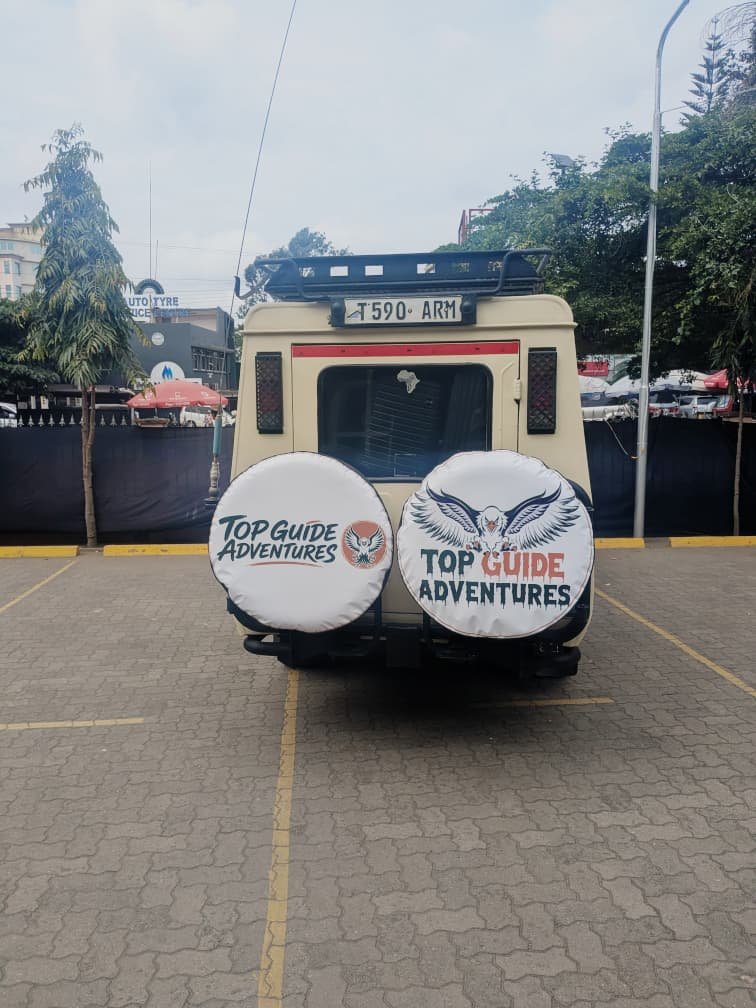
Ruaha National Park Camping Fees: Your Complete Guide 2026-2027
Planning a safari in Ruaha National Park? This comprehensive guide details all the essential camping fees for 2026-2027, including park entry, camping permits, and conservation charges, to...
View package details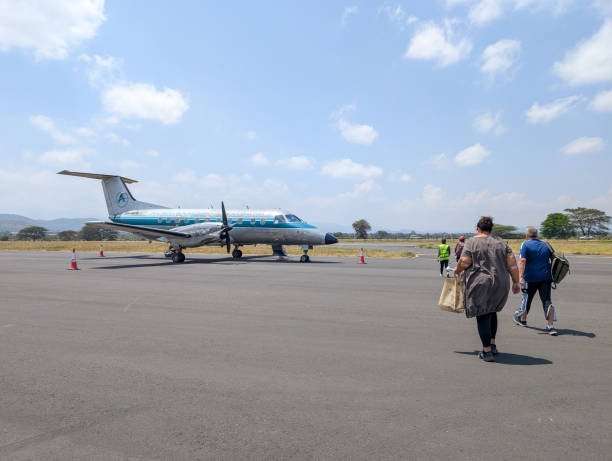
Mikumi National Park Entry Fees And Safari Prices 2026-2027
Planning a safari to Mikumi National Park? This guide details the essential entry fees, conservation charges, and safari package prices for 2026-2027, helping you budget for an...
View package details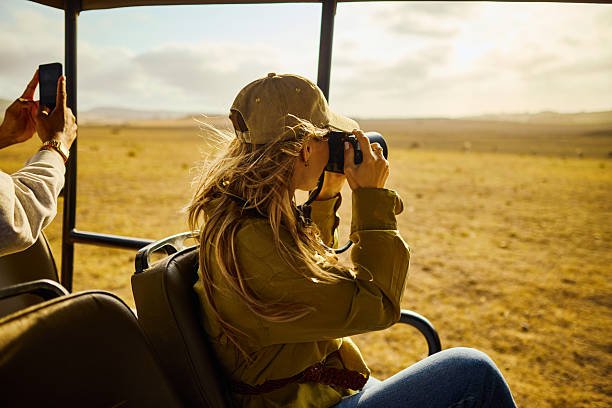
Mikumi National Park: Your Ultimate Safari Guide For 2026-2027
Mikumi National Park offers incredible wildlife viewing with its open plains and abundant animals, making it a top choice for Tanzania safaris. This guide covers everything you need to know...
View package details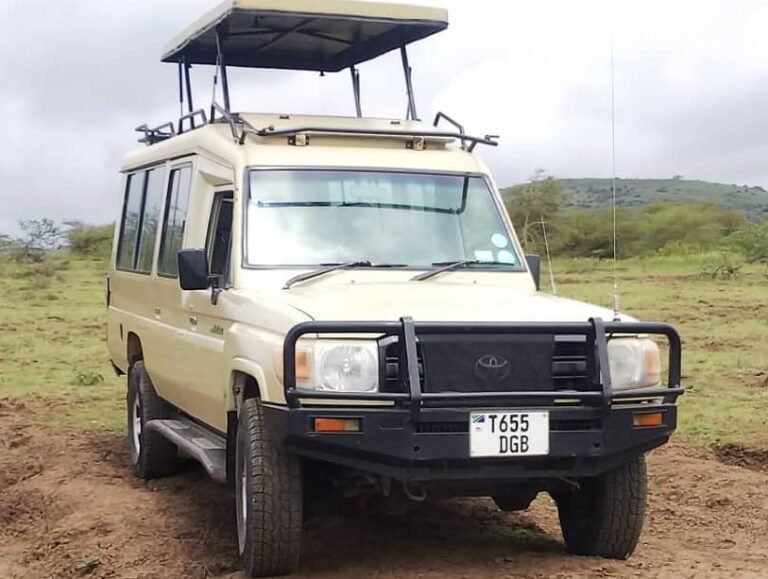
Serengeti National Park Game Drive Prices Explained For Adventures 2026-2027
Planning a Serengeti safari in 2026 or 2027? This guide breaks down Serengeti National Park game drive prices, explaining all the factors that influence your safari cost. Discover what's...
View package details
Tanzania National Park Entry Fees: A Complete Guide For 2026-2027
Planning a Tanzanian safari? This guide breaks down the 2026-2027 entry fees for all major national parks, helping you budget effectively for Serengeti, Ngorongoro, and beyond.
View package details
Tanzania Attraction Entry Fees: Guide To Park And Reserve Costs For 2026-2027
Planning a trip to Tanzania? This comprehensive guide details the essential Tanzania attraction entry fees for 2026-2027, covering national parks, conservation areas, and cultural sites...
View package details
Tanzania Safari Prices Including Park Fees: A Comprehensive Guide 2026-2027
Planning a Tanzania safari means understanding the total cost, which heavily relies on park fees. This guide breaks down typical Tanzania safari prices, detailing what park entrance fees...
View package detailsNo related package matches those filters. Clear one or more filters to see the other topic-matched options.



