
Staying connected with mobile signal, Wi-Fi, and charging facilities on a Tanzania safari in 2026-2027 is possible but requires realistic expectations; while major towns and some larger lodges offer reliable service, remote safari areas often have limited or no mobile reception and Wi-Fi, making power banks and offline planning essential for uninterrupted communication and device use.
Understanding Connectivity on Your Tanzania Safari
The dream of a Tanzania safari often conjures images of vast, untamed wilderness, dramatic wildlife encounters, and a profound connection with nature. For many, this also includes the desire to share these moments in real-time or stay in touch with loved ones back home. However, the reality of mobile signal, Wi-Fi availability, and charging on a safari adventure requires careful consideration. Top Guide Adventures understands that while disconnecting is part of the safari magic, having a plan for connectivity is crucial for modern travelers in 2026 and 2027.
This comprehensive guide will break down what you can realistically expect regarding your phone’s signal, access to Wi-Fi, and the practicalities of keeping your cameras, phones, and other essential devices powered up as you explore Tanzania’s iconic parks like the Serengeti, Ngorongoro Crater, Tarangire, and beyond. We’ll cover everything from local SIM cards to the charging infrastructure in safari lodges and mobile camps.
Mobile Signal: Where Will You Have Service?
Mobile phone signal is perhaps the most sought-after form of connectivity for many travelers. The availability of a signal on your Tanzania safari will largely depend on your location and the mobile network provider you choose. Tanzania has several major mobile network operators, including Vodacom, Tigo, and Airtel, which offer varying degrees of coverage across the country.
Coverage in Major Towns and Cities
If your safari starts or ends in major urban centers like Arusha or Dar es Salaam, you will find robust mobile signal coverage. These areas are well-served by all major networks, allowing for regular calls, texts, and mobile data usage. Hotels, restaurants, and public spaces in these cities generally have good reception.
Signal Strength in Safari Hubs and Gateway Towns
Towns that serve as gateways to the national parks, such as Arusha, Moshi (for Kilimanjaro treks and Northern Circuit safaris), and Karatu (near Ngorongoro), typically have good to excellent mobile signal. This is where you’ll likely activate your local SIM card and make initial arrangements. Expect reliable service for calls and messaging, and often usable mobile data, though speeds can vary.
Coverage Within National Parks and Reserves
This is where the situation becomes more nuanced. The vast majority of Tanzania’s national parks and game reserves are remote wilderness areas. Consequently, mobile signal coverage within the parks themselves is generally very limited or non-existent.
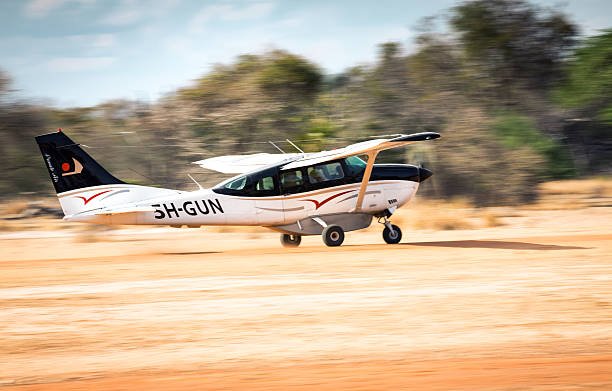
- Serengeti National Park: While some main airstrips and the larger, more established lodges might have sporadic signal, particularly on higher ground, much of the Serengeti offers no mobile reception. This is especially true during game drives in remote areas.
- Ngorongoro Conservation Area: Similar to the Serengeti, signal is patchy. You might find brief moments of service near the crater rim viewpoints or around the main park gates and lodges, but expect to be offline for most of your time within the crater and surrounding areas.
- Tarangire, Lake Manyara, and other Northern Circuit Parks: Coverage is typically limited to the park entrances, main roads, and the immediate vicinity of lodges or tented camps. Deeper into the parks, especially during game drives, you should assume you will have no signal.
- Southern Circuit Parks (Selous/Nyerere National Park, Ruaha): These parks are even more remote, and mobile signal is exceptionally rare. It’s highly advisable to plan for being completely disconnected in these areas.
- Zanzibar: The islands of Zanzibar, being more populated and developed, offer much better mobile coverage, particularly in Stone Town and along popular beach areas. However, even on Zanzibar, more remote parts of the island might have weaker signals.
Choosing a Mobile Network Provider
For travelers planning to use a local SIM card, Vodacom often provides the most extensive coverage across Tanzania, including some of the more remote areas where other networks might fail. Airtel and Tigo are also popular and offer good service, especially in populated areas. It’s a good idea to research current coverage maps for 2026-2027, as networks do expand and improve.
Recommendation: Purchase a local SIM card upon arrival at Kilimanjaro International Airport (JRO) or in Arusha. Top Guide Adventures can assist with this process. Ensure you have your passport ready for registration. Consider purchasing a SIM with a data package if you anticipate needing internet access when you *do* find a signal.
Wi-Fi Availability: Lodge and Camp Services
Wi-Fi is increasingly common in Tanzanian safari accommodations, but its availability, speed, and reliability vary dramatically. Expect different experiences depending on the type and location of your lodging.
Major Lodges and Permanent Camps
Larger, more established lodges and permanent tented camps, particularly those catering to international tourists, are the most likely places to find Wi-Fi. These facilities often have Wi-Fi available in the main lodge areas (like the lounge, bar, or restaurant) and sometimes even in individual rooms or tents. However, be aware:
- Cost: Wi-Fi might be complimentary, or there might be a charge, sometimes per device or per hour/day.
- Speed and Reliability: Even where available, Wi-Fi speeds can be slow, especially during peak usage times. It’s generally suitable for checking emails, light browsing, and occasional social media updates, but not for large file uploads/downloads or video conferencing.
- Location: Wi-Fi is often concentrated in the central lodge areas. Your tent or room might have a weaker signal or none at all.
- Intermittent Service: Due to the remote locations, power outages or satellite connection issues can lead to intermittent Wi-Fi service.
Mobile Camping and Fly Camps
If your itinerary includes mobile camping or fly camps (temporary camps set up in very remote locations), do not expect Wi-Fi. These operations prioritize authenticity and remoteness, meaning connectivity is usually absent. This is a great opportunity to truly disconnect and be present in nature.
What to Expect in 2026-2027
While Wi-Fi is becoming more widespread, the fundamental challenge of providing high-speed internet in remote wilderness areas remains. Satellite internet is the most common solution, and its performance is dependent on satellite availability and bandwidth. For 2026-2027, expect improvements in some areas, but the general pattern of limited connectivity in deep wilderness will persist. Some newer, luxury camps might offer more robust solutions, but these often come at a premium price.
Top Guide Adventures Tip: Always clarify Wi-Fi availability and any associated costs with your tour operator or lodge when booking. If reliable internet is a high priority, choose accommodations known for better connectivity, but be prepared for it not to be perfect.
Charging Your Devices: Powering Your Safari Essentials
Keeping your cameras, phones, laptops, and power banks charged is paramount for documenting your safari and staying connected when opportunities arise. The availability of charging facilities depends on your accommodation type and the safari setup.
In Lodges and Permanent Camps
Most lodges and permanent tented camps offer charging facilities. These typically include:
- Electrical Outlets: You’ll usually find standard electrical outlets (often the UK 3-pin type, so bring an adapter) in rooms, tents, and common areas. The voltage is typically 230V.
- Common Areas: Lounges, bars, and dining areas often have charging points available for guests.
- Voltage Stabilizers: Some higher-end lodges use generators and may have voltage stabilizers to protect sensitive electronics, but it’s always wise to use surge protectors if you are particularly concerned.
Important Note: Power in lodges and camps is often generated by diesel generators and may only run during specific hours (e.g., evening and morning). Some lodges now have solar power systems which provide more consistent power, but it’s good to confirm the power schedule with the lodge management.
During Game Drives
This is where charging can become challenging. Most safari vehicles do not have built-in USB charging ports or power outlets. The focus is on the wilderness experience, and electrical systems are kept simple to avoid breakdowns.
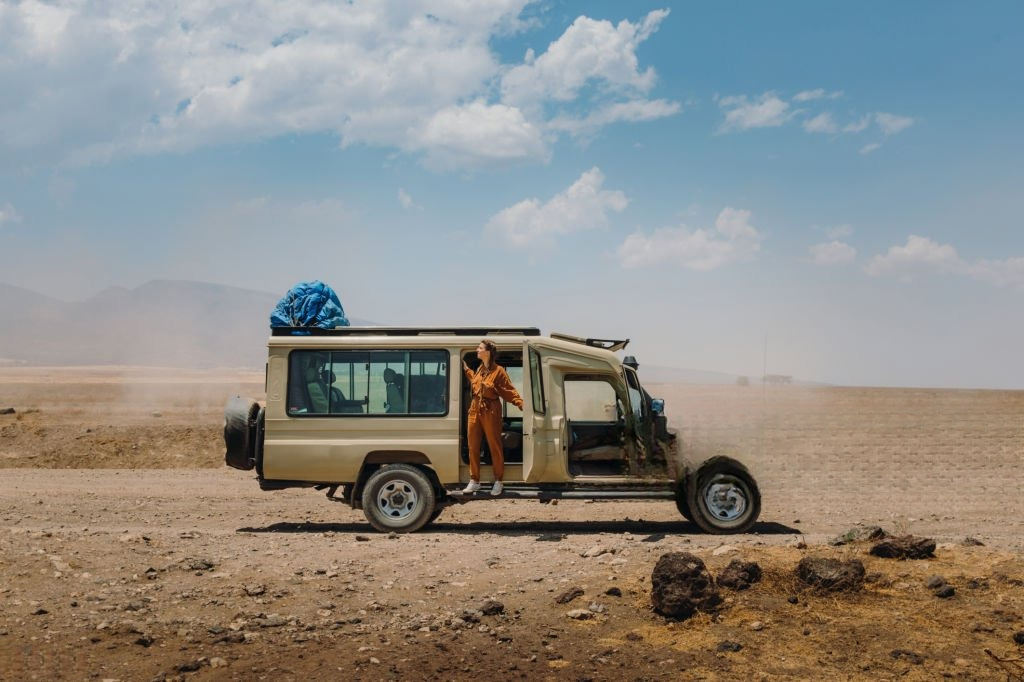
Solution: This is where power banks become indispensable. A high-capacity power bank is essential for keeping your devices topped up between charging opportunities at lodges or camps. Ensure your power bank is fully charged before heading out on a full-day game drive.
In Mobile Camps and Fly Camps
If you are staying in mobile or fly camps, charging facilities are extremely limited or non-existent. These camps are designed for a more rustic experience. Often, the only charging available might be through a central generator that runs for a few hours a day, or you might need to rely entirely on your power banks.
Recommendation: For trips involving mobile camping, invest in multiple high-capacity power banks. Consider a solar charger as a backup, though these can be slow and weather-dependent.
What to Pack for Charging
- Universal Travel Adapter: Tanzania primarily uses Type G (UK 3-pin) sockets, but having a universal adapter is always wise.
- Portable Power Bank(s): A must-have. Aim for at least one 20,000mAh power bank, or consider two smaller ones for redundancy.
- Car Charger/Adapter: If you plan to drive long distances between locations and have a vehicle with a suitable outlet (less common on standard safari vehicles but possible in private transfers).
- Spare Batteries: For cameras and other devices.
- Small Solar Charger (Optional): For extended stays in very remote areas with no power access.
Strategies for Staying Connected and Powered
Given the varying levels of connectivity and charging, a proactive strategy is key to a smooth safari experience in 2026-2027.
1. Plan for Offline Communication
Assume you will be offline for significant portions of your safari. This mindset shift is crucial. Download offline maps (Google Maps allows this), download music, podcasts, and e-books. Inform your family and friends about your expected connectivity status and provide them with Top Guide Adventures’ contact details as an emergency point of contact.
2. Leverage Wi-Fi When Available
When you do find Wi-Fi, use it efficiently. Prioritize essential communications like checking urgent emails or sending brief updates. If you need to upload photos or videos, do it during off-peak hours or when the connection is strongest. Don’t expect to stream movies or conduct video calls unless you are in a major town or a very high-end lodge with exceptional internet.
3. Master Your Power Management
Your power bank is your best friend on safari. Charge it fully whenever you have access to reliable power. Use your devices strategically – turn off Wi-Fi and Bluetooth when not in use, dim your screen, and close unnecessary apps. For photographers, consider a dedicated battery charger that can run off a power bank or the limited lodge power.
4. Communicate with Your Tour Operator
Top Guide Adventures is your primary link to communication if needed. Our team in Arusha can be reached and can relay urgent messages to you via your guide. Our guides are equipped with satellite phones for genuine emergencies. Don’t hesitate to let us know your connectivity needs beforehand so we can advise on the best lodges or camps that might meet them, while still delivering an authentic safari experience.
5. Consider a Satellite Communicator (for the truly remote)
For travelers venturing into extremely remote areas or those who need to maintain a higher level of contact for business or personal reasons, consider renting or purchasing a satellite communication device like a Garmin inReach or an Iridium GO! These devices provide reliable satellite messaging and tracking capabilities independent of cellular networks. This is an advanced option, typically for those on longer expeditions or specific research trips.
Emergency Communication Protocols
While the goal is enjoyment, understanding emergency protocols is vital. In a genuine emergency:
- Contact your Guide: Your safari guide is trained to handle emergencies and has access to communication channels.
- Contact Top Guide Adventures: If you can reach a signal, call us directly. If not, your guide will contact us. Our numbers are available offline, and our team is prepared to coordinate assistance. WhatsApp +255616946642 for non-urgent queries and booking information, and use Email topguideadventures@gmail.com or info@topguideadventurestanzania.com for detailed inquiries.
- Park Rangers: In park areas, rangers are also a point of contact for emergencies.
- Satellite Phones: Guides and some lodges are equipped with satellite phones for critical situations where no other communication is possible.
For the 2026-2027 safari season, these protocols remain the standard. It’s wise to have the emergency contact numbers for Top Guide Adventures saved offline on your devices.
Technology and Gadgets for Your Safari
Beyond phones and cameras, consider other tech:
- E-readers: Great for downtime in camps.
- Tablets: Useful for reviewing photos or accessing downloaded content.
- Portable Speakers: For personal use in your tent (be mindful of others!).
- Headphones: Essential for personal entertainment and calls when you do have signal.
Remember that power is finite. Prioritize devices that are essential for your safari experience, safety, and communication.
The Digital Nomad Safari: Is it Feasible in 2026-2027?
The concept of a ‘digital nomad safari’ is appealing, combining remote work with incredible wildlife viewing. While possible for short periods or with specific planning, it’s not akin to working from a cafe in a city.
Feasibility Factors:
- Location Choice: Stick to lodges and camps closer to towns or those explicitly advertising good Wi-Fi.
- Work Schedule: Plan work around game drives and lodge downtime.
- Reliable Power: Ensure your chosen accommodation has consistent power.
- Backup Solutions: A strong mobile signal (via local SIM) and multiple power banks are non-negotiable.
For most travelers in 2026-2027, a full-time digital nomad setup is challenging. A hybrid approach, where you disconnect for much of the day and catch up on urgent tasks when possible, is more realistic and allows for a more in-depth safari experience.
Preparing for Connectivity on Your Tanzania Safari
To ensure you’re well-prepared for mobile signal, Wi-Fi, and charging on your Tanzania safari in 2026-2027:
Pre-Safari Checklist:
- Research Connectivity: Discuss Wi-Fi and signal expectations with Top Guide Adventures for your specific itinerary and chosen accommodations.
- Purchase Power Banks: Invest in high-capacity, reliable power banks.
- Pack Adapters: Ensure you have the correct travel adapters and surge protectors if needed.
- Download Offline Content: Maps, entertainment, important documents.
- Inform Contacts: Let friends and family know your communication plan and emergency contacts.
- Consider a Local SIM: Plan to get one upon arrival for better local rates and potentially broader coverage.
- Inform Top Guide Adventures of Needs: If you have specific requirements for connectivity or charging, communicate them well in advance.
Conclusion: Embracing the Safari Experience
A Tanzania safari is an adventure that primarily thrives on its connection to the natural world. While mobile signal, Wi-Fi, and charging are important considerations for modern travelers in 2026-2027, they should not overshadow the core experience of witnessing incredible wildlife and landscapes. By understanding the limitations and planning accordingly, you can stay connected when necessary while fully embracing the wild heart of Tanzania.
Top Guide Adventures is committed to providing you with an unforgettable safari experience. We can help you select accommodations and itineraries that balance your connectivity needs with the authentic essence of a Tanzanian safari. Don’t hesitate to reach out to us to discuss your plans. You can contact us via WhatsApp at +255616946642, email us at topguideadventures@gmail.com, or use our backup email info@topguideadventurestanzania.com to start planning your adventure.
Check Availability for Mobile Signal, Wi-Fi And Charging On Tanzania Safari Guide
Ready to compare dates, prices, and the best option for your group? Send the package name and travel month so the team can reply with a clear quote, availability, and what is included.
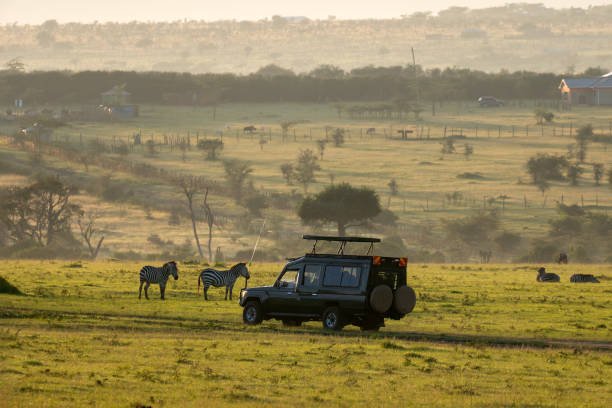
Tanzania Safari Luggage Limits For Bush Flights: Your Essential Guide
Planning a Tanzania safari involving bush flights? This guide details crucial luggage limits for weight, size, and bag types, ensuring a smooth journey across Serengeti, Ngorongoro, and...
View package details
Tanzania Private Safari Prices 2026-2027
Tanzania Private Safari Prices is explained with current 2026-2027 planning, price, itinerary and booking information.
View package details
Tanzania Photography Safari Prices: Your Comprehensive Guide 2026-2027
Planning a photography safari in Tanzania for 2026 or 2027? This guide breaks down the expected costs, helping you budget for an unforgettable wildlife photography adventure. Learn what...
View package details
Tanzania Wildlife Safari Cost Breakdown: Your Budget Guide 2026-2027
Planning a Tanzania wildlife safari involves understanding the key cost components. This guide provides a detailed breakdown for 2026-2027, covering everything from park fees and...
View package details
Katavi National Park: Tanzanias Untamed Wilderness Safari Guide 2026-2027
Katavi National Park offers an unparalleled safari experience in Tanzania's remote wilderness. This guide explores its vast landscapes, abundant wildlife, best visiting times for 2026-2027...
View package details
Ngorongoro Conservation Area: Your Ultimate Tanzania Safari Guide 2026-2027
Explore the unparalleled biodiversity and unique landscape of the Ngorongoro Conservation Area. This comprehensive guide covers everything you need to know for planning your 2026-2027...
View package details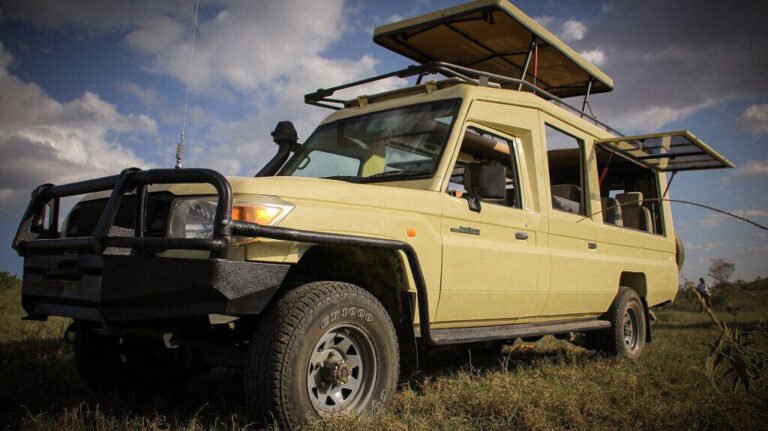
Tanzania Fly-In Safari Prices 2026-2027
Tanzania Fly-In Safari Prices is explained with current 2026-2027 planning, price, itinerary and booking information.
View package details
Tanzania Group Safari Cost Guide
Planning a Tanzania group safari in 2026-2027? This comprehensive guide breaks down the Tanzania group safari cost, detailing what influences prices, typical inclusions, and how to budget...
View package details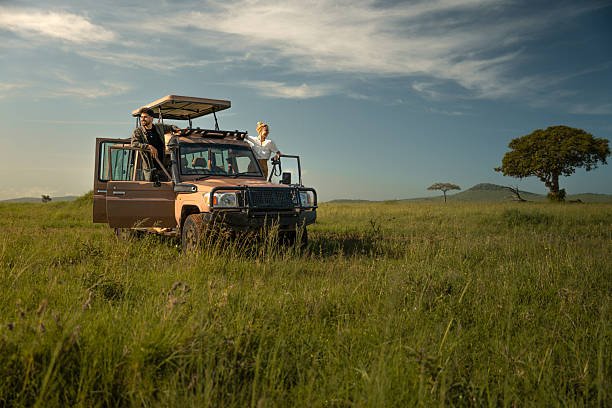
Tanzania Budget Safari Prices: Your Guide To Affordable Adventures 2026-2027
Planning a budget safari in Tanzania for 2026 or 2027? Understand the typical price ranges, what influences costs, and how to get the most value for your money. This guide breaks down the...
View package details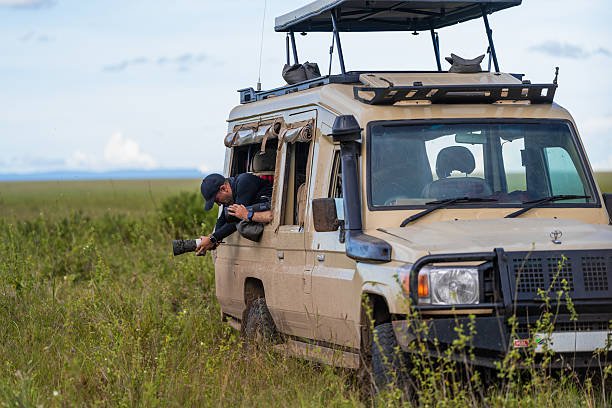
Tanzania Luxury Safari Cost: Planning Your Dream Trip 2026-2027
Planning a luxury safari in Tanzania? Discover the typical costs involved for 2026-2027, what drives the price, and what to expect in terms of inclusions and value for an unparalleled...
View package details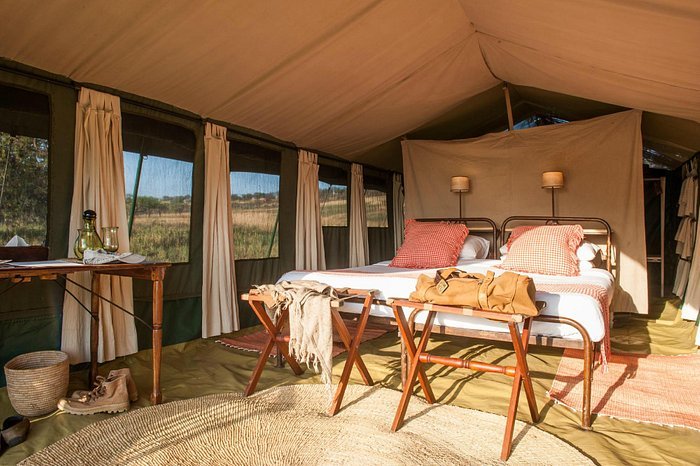
Tanzania Honeymoon Safari Prices: Your Ultimate Guide 2026-2027
Planning a romantic Tanzanian honeymoon safari? This guide breaks down the expected prices for 2026-2027, covering various factors that influence costs, typical inclusions, and how to get...
View package details
Tanzania Family Safari Cost: Planning Your Adventure 2026-2027
Planning a family safari in Tanzania for 2026 or 2027? This comprehensive guide breaks down the Tanzania family safari cost, detailing what influences your budget, typical price ranges, and...
View package detailsNo related package matches those filters. Clear one or more filters to see the other topic-matched options.



