
Traveling from France to South Africa primarily involves flying, with direct or one-stop flights connecting major French airports like Paris Charles de Gaulle (CDG) to Johannesburg (JNB) or Cape Town (CPT). The journey typically takes between 11 to 15 hours of flight time, depending on the route and layovers. For 2026 and 2027, travelers should book flights well in advance, especially during peak seasons, and ensure all visa and entry requirements are met prior to departure.
Understanding Your Journey: France to South Africa
The allure of South Africa, with its diverse landscapes, rich wildlife, vibrant cultures, and historical significance, draws many travelers from Europe, including France. Embarking on this transcontinental journey requires careful planning, from selecting the best travel options to understanding local nuances. Whether you’re dreaming of safaris in the Kruger National Park, exploring the cosmopolitan charm of Cape Town, or experiencing the historical depth of Johannesburg, this guide aims to provide a comprehensive overview of how to travel from France to South Africa, focusing on practicalities for 2026-2027 travel.
This extensive guide covers everything from the most efficient flight routes and visa considerations to the optimal times to visit and what to pack. We’ll also touch upon how local expertise, like that offered by Top Guide Adventures, can enhance your South African experience, particularly for those interested in Tanzania safaris and related adventures which might be part of a larger African itinerary.
I. The Primary Mode of Travel: Flights from France to South Africa
For travelers originating in France, air travel is overwhelmingly the most practical and time-efficient method to reach South Africa. The vast distance and geographical separation make other modes of transport, such as sea travel, impractical for most tourists.
A. Major Airports in France and South Africa
France:
- Paris Charles de Gaulle (CDG): The largest international airport in France and a major hub for intercontinental flights. Most long-haul flights to South Africa will depart from here.
- Paris Orly (ORY): Another significant airport serving Paris, though typically handles fewer long-haul international routes compared to CDG.
- Other International Airports: While less common for direct South Africa routes, airports like Lyon (LYS), Marseille (MRS), and Nice (NCE) might offer connecting flights or be departure points for flights to major European hubs from which you can then connect to South Africa.
South Africa:
- O.R. Tambo International Airport (JNB), Johannesburg: The busiest airport in Africa and the primary gateway for international arrivals into South Africa. Most flights from Europe land here. It serves as a major transit point for onward travel within South Africa and to other African destinations.
- Cape Town International Airport (CPT): South Africa’s second-largest airport, serving a significant number of international visitors, particularly those wishing to explore the Western Cape region.
- King Shaka International Airport (DUR), Durban: While it handles international flights, direct routes from France are rare. It’s more common for domestic connections or flights from other African nations.
B. Direct vs. Connecting Flights
Direct Flights:
Direct flights from France to South Africa are available, primarily from Paris Charles de Gaulle (CDG) to Johannesburg (JNB). Airlines like Air France and South African Airways (SAA) have historically operated these routes. However, flight schedules can change, so it’s crucial to check current offerings for your specific travel dates in 2026-2027.
Connecting Flights:
Connecting flights are more common and often offer greater flexibility in terms of airlines, departure times, and price. Typical layover cities include:
- Amsterdam (AMS): Operated by KLM.
- London (LHR/LGW): Operated by British Airways.
- Doha (DOH): Operated by Qatar Airways.
- Dubai (DXB): Operated by Emirates.
- Istanbul (IST): Operated by Turkish Airlines.
- Frankfurt (FRA): Operated by Lufthansa.
Connecting flights can sometimes be more economical, especially if booked in advance. The total travel time for connecting flights typically ranges from 13 to 20+ hours, depending on the length of the layover.
C. Airlines Operating the Route
Several major airlines service the France-South Africa route. When planning for 2026-2027, consider these carriers:
- Air France: Often offers direct or one-stop options from Paris to Johannesburg.
- KLM: Connects through Amsterdam, a popular choice for European travelers.
- British Airways: Offers routes via London.
- Lufthansa: Connects through Frankfurt.
- Emirates: Provides a premium experience with a stopover in Dubai.
- Qatar Airways: Connects through Doha, known for its excellent service.
- Turkish Airlines: Offers a route via Istanbul.
- South African Airways (SAA): Historically a key player, though its operational status can fluctuate; always check current availability.
D. Booking Flights: Tips for 2026-2027 Travel
- Book in Advance: For travel in 2026 and 2027, especially during peak seasons (see section III), booking flights 3-6 months ahead is highly recommended to secure better prices and availability.
- Flexibility: If your travel dates are flexible, use flight comparison websites to identify the cheapest days to fly. Mid-week flights are often less expensive.
- Compare Prices: Utilize flight aggregators like Google Flights, Skyscanner, Kayak, and Momondo to compare prices across different airlines and booking platforms.
- Consider Layovers: While direct flights are convenient, a layover can sometimes significantly reduce the cost. Evaluate if the savings are worth the extra travel time.
- Direct Booking: After finding a suitable flight on an aggregator, it’s often wise to check the airline’s official website for potential direct booking benefits or to confirm details.
- Baggage Allowance: Pay close attention to the baggage allowance, especially for connecting flights or if flying with different airlines on separate tickets.
E. Estimated Flight Costs (2026-2027)
Flight prices are highly variable and depend on factors like the season, how far in advance you book, airline, and class of travel. For 2026-2027:
- Economy Class: Expect prices to range from approximately €700 to €1,500 (or equivalent) for a round trip, depending on the booking time and season. Prices can be lower during the off-season or if booked very early, and higher during peak times or last-minute.
- Premium Economy/Business Class: These can range from €2,000 to €6,000+ for a round trip.
Note: These are estimates. It is essential to check live prices for your specific travel dates.
II. Visa and Entry Requirements for French Citizens
As of current regulations, French citizens traveling to South Africa for tourism purposes generally do not require a visa for stays of up to 90 days. However, it is crucial to verify the latest requirements as immigration policies can change.
A. Visa Exemption for Tourism
French passport holders are typically granted visa-free entry for short stays (up to 90 days) for tourism and business meetings. You will usually receive an entry stamp at the port of entry.
B. Passport Validity
Your passport must be valid for at least 30 days after your intended date of departure from South Africa and must contain at least two blank pages for entry and exit stamps.
C. Potential Changes for 2026-2027
While visa-free travel is standard, it’s imperative to stay updated on any policy shifts that might affect 2026-2027 travel. Check the official website of the South African Department of Home Affairs or the South African Embassy in France closer to your travel date.
Important Note on Entry Requirements
Always verify the most current visa and entry regulations with the official South African Department of Home Affairs or the South African Embassy/Consulate in France before your trip. Requirements can change without much prior notice.
D. Other Entry Requirements
- Yellow Fever Certificate: If you are traveling from or transiting through a country with a risk of yellow fever, you will need to present a valid International Certificate of Vaccination against yellow fever. France is not a yellow fever risk country, but check your transit points.
- Children Traveling Alone or with One Parent: South Africa has strict regulations regarding children traveling across borders to prevent child trafficking. If a child is not traveling with both parents, they must carry an affidavit from the absent parent(s) granting permission to travel, along with a certified copy of the birth certificate. Specific requirements can be complex, so consult the South African Department of Home Affairs for details.
III. Best Time to Travel: Seasons in South Africa for 2026-2027
South Africa experiences seasons opposite to those in France. Understanding these seasons is key to planning your trip for 2026-2027, as they influence weather, wildlife viewing, and crowd levels.
A. Understanding South Africa’s Seasons
- Summer (December to February): Warm to hot temperatures across most of the country. This is the rainy season in the Highveld (including Johannesburg and Kruger National Park), characterized by afternoon thunderstorms. Coastal areas like Cape Town are generally pleasant with less rain. It’s peak tourist season, especially around Christmas and New Year.
- Autumn (March to May): Mild, pleasant temperatures, with less humidity and rainfall. This is considered a prime time for visiting most regions, including the Cape and the safari areas, as the landscape is still green and wildlife is abundant.
- Winter (June to August): Cool and dry, especially in the Cape (where it can be rainy and cool). The Highveld and safari regions are typically sunny and mild during the day but can be cold at night. This is an excellent time for wildlife viewing in Kruger and other savannah parks, as animals congregate around water sources and vegetation is sparser. This is also considered a shoulder season for some areas.
- Spring (September to November): Temperatures start to rise, and the landscape bursts into bloom, especially the wildflowers in the Western Cape (late August to September). Weather is generally pleasant and dry across most of the country. This is another excellent time for both wildlife viewing and exploring the diverse regions.
B. Peak vs. Shoulder vs. Off-Peak Seasons for 2026-2027
- Peak Season: December to January (summer holidays, high demand, higher prices) and July to August (winter, popular for safaris).
- Shoulder Seasons: March to May (autumn) and September to November (spring). These periods offer a great balance of good weather, fewer crowds, and potentially better prices. For many, these are the ideal times to travel to South Africa in 2026-2027.
- Off-Peak Season: Generally considered February to March (end of summer, beginning of autumn) and June (start of winter). Weather can still be good, but prices might be lower and crowds smaller.
C. Choosing the Right Time for Your Interests
- Wildlife Viewing (Kruger, etc.): May to October is generally best, with the dry winter months offering the easiest sightings.
- Cape Town & Garden Route: October to April offers the best beach weather and pleasant conditions for exploring.
- Flower Season (Western Cape): Late August to September.
- Avoiding Crowds: Consider the shoulder seasons (March-May, September-November).
IV. Planning Your Itinerary: Key Destinations and Experiences
South Africa offers an incredible array of experiences. When planning your trip from France, consider how much time you have and what you want to see.
A. Popular Regions and Attractions
- Gauteng (Johannesburg & surrounds): Historical sites (Apartheid Museum, Constitution Hill), Soweto, Cradle of Humankind.
- Western Cape (Cape Town & surrounds): Table Mountain, Robben Island, Cape Point, Stellenbosch & Franschhoek (winelands), Garden Route (Knysna, Plettenberg Bay).
- KwaZulu-Natal: Durban (cultural hub), Drakensberg Mountains (hiking), iSimangaliso Wetland Park (coastal safari).
- Mpumalanga & Limpopo: Kruger National Park and surrounding private game reserves (Sabi Sands, Timbavati) for world-class safaris. Panorama Route (Blyde River Canyon).
- Northern Cape: Kalahari Desert, Augrabies Falls National Park, Namaqualand for spring flowers.
- Eastern Cape: Addo Elephant National Park, surf towns like Jeffreys Bay.
B. Sample Itinerary Ideas (for 2026-2027 Travel)
1. Classic South Africa (10-14 Days):
- Days 1-3: Johannesburg (Arrival, Apartheid Museum, Soweto)
- Days 4-7: Kruger National Park (Safari experience)
- Days 8-14: Cape Town (Table Mountain, Winelands, Cape Peninsula)
2. Wildlife & Wine Explorer (14-18 Days):
- Days 1-4: Johannesburg (Arrival, historical sites)
- Days 5-9: Kruger National Park or Sabi Sands (Intensive safari)
- Days 10-12: Mpumalanga (Panorama Route)
- Days 13-18: Cape Town & Winelands (City exploration, wine tasting, Cape Point)
3. Adventure & Coastal Journey (18-21 Days):
- Days 1-3: Johannesburg
- Days 4-7: Kruger National Park
- Days 8-10: Fly to George, explore the Garden Route (Knysna, Tsitsikamma)
- Days 11-16: Cape Town (City, Table Mountain, Robben Island, Cape Point)
- Days 17-21: Optional extension to the Winelands or Hermanus (whale watching in season)
C. The Role of Tour Operators
While independent travel is certainly possible, using a tour operator can simplify logistics, especially for a complex journey like traveling from France to South Africa. Reputable operators can assist with:
- Itinerary Planning: Tailoring experiences to your interests and budget.
- Accommodation Booking: Securing rooms in desirable locations, from lodges to hotels.
- Transportation: Arranging flights, car rentals, and transfers.
- Activities & Tours: Booking guided safaris, city tours, wine tastings, etc.
- Local Expertise: Providing insights and support throughout your trip.
For those considering broader African travel, companies like Top Guide Adventures specialize in organizing comprehensive Tanzania safaris, Kilimanjaro climbs, and Zanzibar holidays. While their primary focus is Tanzania, their expertise in African travel logistics and personalized service can be invaluable for planning complex multi-country trips or understanding the regional travel landscape. You can reach them via WhatsApp at +255616946642 or email at topguideadventures@gmail.com / info@topguideadventurestanzania.com.
V. Practicalities: What to Pack and Budget Considerations
Proper preparation regarding packing and budget is essential for a comfortable and enjoyable trip.
A. Packing Essentials for South Africa
Your packing list will depend on the regions you visit and the time of year, but general essentials include:
Clothing:
- Layers: Essential for South Africa’s varied climate. Pack t-shirts, long-sleeved shirts, sweaters, and a fleece.
- Neutral Colors: Especially for safari (khaki, beige, olive green) to avoid startling wildlife.
- Comfortable Trousers/Jeans: For cooler evenings and activities.
- Shorts: For warmer days, particularly in summer.
- Rain Jacket: A lightweight, waterproof jacket is advisable, especially for summer thunderstorms or unpredictable coastal weather.
- Swimsuit: For coastal areas, pools, or hot springs.
- Smart Casual Outfit: For dining out in cities or upscale lodges.
Footwear:
- Comfortable Walking Shoes: Essential for city exploration and light hikes.
- Hiking Boots: If planning significant trekking (e.g., Drakensberg, Table Mountain).
- Sandals/Flip-flops: For relaxing or warm weather.
Health & Safety:
- Sunscreen: High SPF, as the sun is strong.
- Insect Repellent: Especially for malaria-prone areas (e.g., Kruger). Consult your doctor about malaria prophylaxis.
- Basic First-Aid Kit: Including any personal medications.
- Hand Sanitizer.
Other Essentials:
- Adapter: South Africa uses Type M (three large round pins) outlets.
- Power Bank: Useful for keeping devices charged on the go.
- Camera & Binoculars: For capturing memories and wildlife spotting.
- Hat & Sunglasses: For sun protection.
- Reusable Water Bottle.
B. Budgeting for Your Trip (Estimates for 2026-2027)
South Africa can cater to various budgets, from backpacker to luxury. Costs can be broken down into:
- Flights: As mentioned, €700 – €1,500+ for economy round trip from France.
- Accommodation:
- Budget (Hostels, Guesthouses): €30 – €70 per night
- Mid-Range (3-4 Star Hotels, comfortable lodges): €80 – €200 per night
- Luxury (5 Star Hotels, high-end lodges, private reserves): €250 – €1,000+ per night
- Food:
- Budget (Self-catering, casual eateries): €20 – €40 per day
- Mid-Range (Restaurants): €40 – €80 per day
- Fine Dining: €80+ per day
- Activities & Transport:
- Park Entrance Fees (e.g., Kruger): Approx. €20-€30 per day.
- Guided Safari (per day/game drive): €50 – €150+ (often included in lodge rates).
- Car Rental (per day): €30 – €70+ (excluding fuel and insurance).
- Guided Tours (day trips): €50 – €150.
Overall Estimated Daily Costs (excluding international flights):
- Budget Traveler: €70 – €120 per day
- Mid-Range Traveler: €150 – €300 per day
- Luxury Traveler: €350 – €1,000+ per day
These figures are estimates for 2026-2027 and can vary significantly based on your travel style and specific choices. Remember to also budget for travel insurance, visas (if applicable), souvenirs, and tips.
VI. Health and Safety Considerations
While South Africa is a popular tourist destination, it’s wise to be informed about health and safety.
A. Health Precautions
- Vaccinations: Consult your doctor or a travel clinic 4-6 weeks before your trip regarding recommended vaccinations (e.g., Hepatitis A, Typhoid) and malaria precautions for specific regions.
- Malaria: The risk of malaria is present in the Kruger National Park and surrounding low-veld areas, particularly during the warmer, wetter months (October to May). Discuss preventative medication with your doctor.
- Water: Tap water is generally safe to drink in most major cities and towns, but bottled water is widely available if you prefer. In rural or remote areas, it’s best to stick to bottled or purified water.
- Sun Protection: The South African sun is intense. Use high SPF sunscreen, wear a hat, and stay hydrated.
B. Safety Advice
South Africa has a reputation for crime, and while most tourists have trouble-free trips, it’s important to exercise caution:
- Be Aware of Your Surroundings: Especially in urban areas and tourist hotspots. Avoid displaying expensive items like jewelry or electronics openly.
- Vehicle Safety: Lock your car doors and keep valuables out of sight. Never leave luggage unattended in a parked car. When renting a car, opt for a reputable company and consider comprehensive insurance.
- Night Travel: Avoid walking alone at night in unfamiliar areas. If driving at night, stick to major, well-lit roads.
- Information from Locals: Ask your hotel or guide for specific safety advice for the area you are visiting.
- Emergency Services: The general emergency number is 10111 for police and 10177 for ambulance. Many areas also have a dedicated private medical emergency service.
Travel Insurance is Essential
Ensure you have comprehensive travel insurance that covers medical emergencies, trip cancellations, lost luggage, and any adventure activities you plan to undertake. This is non-negotiable for international travel in 2026-2027.
VII. Navigating South Africa: Transportation Options
Once you arrive in South Africa, you’ll have several options for getting around.
A. Car Rental
Renting a car is a popular choice for exploring South Africa, offering flexibility and independence, especially for the Garden Route or self-driving safaris. Major international and local companies operate at airports and in cities. Remember that South Africa drives on the left-hand side of the road.
B. Domestic Flights
For covering long distances quickly, domestic flights are efficient. Major routes connect Johannesburg, Cape Town, Durban, and other regional centers. Airlines like Safair and Airlink operate these services.
C. Intercity Buses
Companies like Intercape and Greyhound offer comfortable long-distance bus services between major cities and towns. This can be a more budget-friendly option than flying.
D. Guided Tours and Transfers
For a hassle-free experience, especially for safaris or extensive sightseeing, guided tours and private transfers are excellent. This is where operators like Top Guide Adventures excel, managing all logistics so you can focus on enjoying your journey. They can arrange airport transfers, inter-city transport, and all local movements within your tour package.
VIII. Cultural Etiquette and Local Customs
Understanding local customs can enhance your interactions and show respect for South African culture.
- Greetings: A handshake is common. A friendly greeting is always appreciated.
- Tipping: Tipping is customary for good service. For waiters, 10-15% is standard. Tour guides and drivers also expect tips, with amounts varying based on the length and quality of service (e.g., R100-R300 per person per day for a guide).
- Respect for Elders and Authority: Show politeness and respect.
- Punctuality: While South Africans are generally relaxed, being punctual for tours and appointments is appreciated.
- Diversity: South Africa is a multicultural nation with 11 official languages. Be open and respectful of the diverse traditions and beliefs you encounter.
IX. Connecting Your South African Adventure with Other African Destinations
Many travelers combine a trip to South Africa with other African countries. If you’re interested in exploring more of the continent, particularly East Africa, the expertise of companies like Top Guide Adventures becomes highly relevant.
For instance, after experiencing South Africa, you might consider a safari in Tanzania’s Serengeti, a climb up Mount Kilimanjaro, or a relaxing holiday on the beaches of Zanzibar. These are areas where Top Guide Adventures has deep local knowledge and can offer meticulously planned tours for 2026-2027. Their services include organizing Tanzania safaris, Serengeti and Ngorongoro tours, Kilimanjaro climbs, and Zanzibar holidays, all with personal attention and dedicated support.
Understanding how to travel between these regions is key. Flights are the most common method, with connections typically available from Johannesburg or Cape Town to major East African hubs like Nairobi (Kenya) or Kilimanjaro International Airport (JRO) in Tanzania. Booking these inter-African flights in advance is also advisable for 2026-2027 travel.
Expert African Travel Planning
For smooth integration of South Africa into a larger African itinerary, or for dedicated East African adventures, consider reaching out to specialists. Top Guide Adventures offers comprehensive travel experiences across Tanzania. They can be contacted via:
- WhatsApp: +255616946642
- Email: topguideadventures@gmail.com
- Backup Email: info@topguideadventurestanzania.com
Their expertise covers Tanzania safaris, Serengeti and Ngorongoro tours, Kilimanjaro climbs, and Zanzibar holidays, ensuring personalized attention and dedicated support for every client.
X. Preparing for Departure from France
Before you leave France, ensure you have completed all necessary preparations.
- Inform Your Bank: Let your bank know your travel dates and destinations to avoid your cards being blocked for suspected fraud.
- Copies of Documents: Make digital and physical copies of your passport, flight tickets, hotel bookings, and insurance policy. Keep them separate from the originals.
- Mobile Phone: Check your mobile plan for international roaming options or consider purchasing a local South African SIM card upon arrival for cheaper calls and data.
- Learn Basic Phrases: While English is widely spoken in tourist areas, learning a few basic phrases in Afrikaans or a local Bantu language can be appreciated.
XI. Arrival in South Africa: What to Expect
Upon landing at O.R. Tambo International Airport (JNB) or Cape Town International Airport (CPT):
- Immigration: Present your passport and any required documents. If traveling with children, be prepared for the specific documentation requirements.
- Baggage Claim & Customs: Collect your luggage and proceed through customs. Declare any items if necessary.
- Arrival Hall: You will find currency exchange services, ATMs, car rental desks, and pre-booked transfer services.
- Transportation to Accommodation: Pre-booked transfers, taxis (use reputable services like Meter Taxis or Uber), or your rental car will be waiting.
XII. Planning for 2026-2027: Key Considerations
As you finalize plans for your 2026 or 2027 trip, keep these forward-looking points in mind:
- Sustainability: Consider eco-friendly travel options and support businesses committed to conservation and responsible tourism. Many lodges and tour operators in South Africa are increasingly focused on sustainability.
- Technology: Ensure your devices are compatible with local power outlets and consider apps for navigation, translation, and local information.
- Travel Trends: Personalized and experiential travel continues to grow. Look for unique activities and off-the-beaten-path destinations to complement your journey.
- Booking Windows: For popular accommodations, specific tours (like walking safaris or high-end lodges), and flights for 2026-2027, booking 6-12 months in advance is becoming the norm, especially for peak seasons.
Conclusion: Your French Sojourn to South Africa Awaits
Traveling from France to South Africa is a significant journey, but with careful planning, it promises an unforgettable adventure. From understanding the intricacies of international flights and visa requirements to choosing the best time to visit and planning your itinerary for 2026-2027, every detail contributes to a successful trip.
Whether you are drawn to the wildlife of Kruger, the stunning landscapes of the Cape, or the cultural richness of its cities, South Africa offers a world of discovery. For those seeking expert guidance to navigate this diverse continent, especially for extensions into regions like Tanzania, remember that specialized tour operators can significantly enhance your experience. Companies like Top Guide Adventures are ready to assist with your Tanzanian adventures, offering bespoke safaris, treks, and holidays. Reach out to them via WhatsApp at +255616946642 or email at topguideadventures@gmail.com / info@topguideadventurestanzania.com to discuss your dream African journey.
With this comprehensive guide, you are well-equipped to plan your travel from France to South Africa, ensuring a smooth, enriching, and memorable experience for your 2026-2027 travels.
Check Availability for How To Travel From France To South Africa: A Comprehensive Guide For…
Ready to compare dates, prices, and the best option for your group? Send the package name and travel month so the team can reply with a clear quote, availability, and what is included.
Kilimanjaro National Park: Your Ultimate Guide To Climbing Africas Highest
Your comprehensive guide to Kilimanjaro National Park, detailing everything needed to plan and execute a successful climb of Mount Kilimanjaro, including routes, preparation, costs, and...
View package details
Ruaha Safari Prices For Every Budget: Your Guide 2026-2027
Planning a safari in Tanzania's magnificent Ruaha National Park? This guide breaks down Ruaha safari prices for 2026-2027, detailing what influences costs and how to find options that fit...
View package details
Tanzania Safari Luggage Limits For Bush Flights: Your Essential Guide
Planning a Tanzania safari involving bush flights? This guide details crucial luggage limits for weight, size, and bag types, ensuring a smooth journey across Serengeti, Ngorongoro, and...
View package details
Private Ngorongoro Crater Safari Tours: Your Ultimate Guide 2026-2027
Experience the magic of a private Ngorongoro Crater safari with Top Guide Adventures. This guide details exclusive tour options, wildlife viewing opportunities, essential planning for...
View package details
Tarangire National Park: Your Ultimate Safari Guide For 2026-2027
Tarangire National Park is a premier safari destination in Tanzania, renowned for its large elephant populations, diverse birdlife, and iconic baobab trees. This guide provides...
View package details
Ngorongoro Conservation Area Safari Cost, Activities & Travel Guide 2026-2027
Discover the essential information for your Ngorongoro Conservation Area safari, including current cost estimates for 2026-2027, must-do activities, and practical travel tips. This guide...
View package details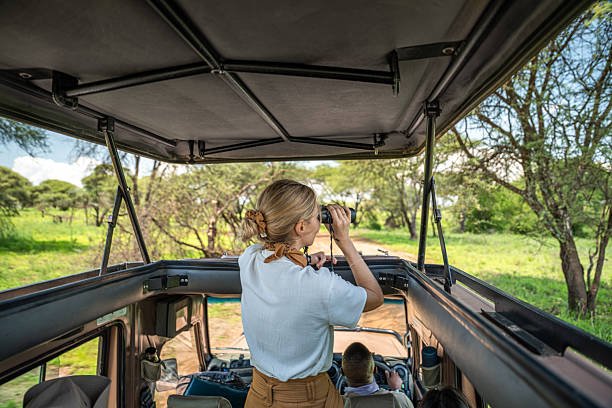
Saadani Boat Safari Prices & Packages For | Top Guide Adventures 2026-2027
Discover the costs associated with boat safaris in Saadani National Park, Tanzania. This guide covers pricing factors, package options, and what to expect for your 2026-2027 adventure.
View package detailsMakao Wildlife Management Area Safari Cost, & Visitor Guide 2026-2027
Planning a safari to Makao Wildlife Management Area? This comprehensive guide covers estimated safari costs for 2026-2027, highlights the diverse wildlife you can expect to see, and...
View package detailsLake Natron: Tanzanias Striking Soda And Wildlife Haven 2026-2027
Lake Natron is a highly alkaline and saline lake in northern Tanzania, famous for its striking red color, vast flamingo populations, and the unique geological formations surrounding it...
View package details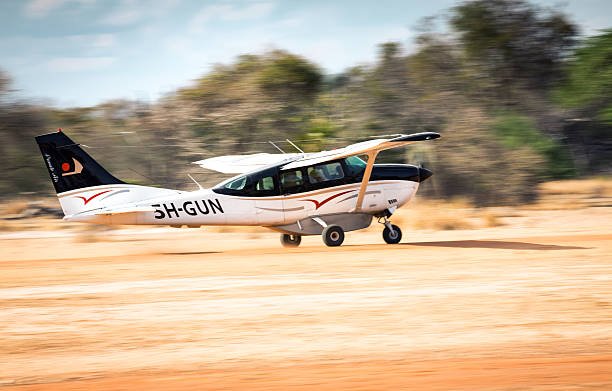
Rubondo Island National Park 2026-2027
Rubondo Island National Park is explained with current 2026-2027 planning, price, itinerary and booking information.
View package details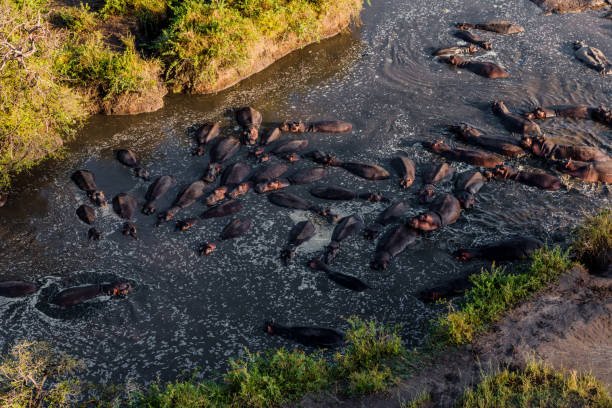
Lake Manyara National Park 2026-2027
Lake Manyara National Park is explained with current 2026-2027 planning, price, itinerary and booking information.
View package details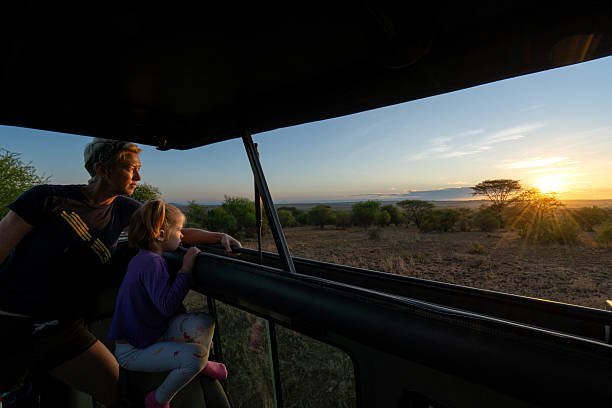
Serengeti Safari Cost Per Person For Every Budget 2026-2027
Serengeti Safari Cost Per Person for Every Budget is explained with current 2026-2027 planning, price, itinerary and booking information.
View package detailsNo related package matches those filters. Clear one or more filters to see the other topic-matched options.



