
Traveling from Germany to South Africa primarily involves flying, with direct or one-stop flights typically connecting major German airports like Frankfurt (FRA) or Munich (MUC) to Johannesburg (JNB) or Cape Town (CPT). The journey usually takes between 11 to 15 hours of flight time, excluding layovers. Planning for 2026-2027 involves considering visa requirements, booking flights in advance for better rates, understanding entry protocols, and preparing for the significant time difference and climate variations.
Understanding the Journey: Germany to South Africa
The desire to travel from Germany to South Africa is a common one, driven by South Africa’s incredible diversity – from the iconic wildlife of Kruger National Park and the stunning landscapes of the Western Cape to the vibrant culture of its cities. For many German travelers, this is a significant international journey, requiring careful planning to ensure a smooth and enjoyable experience. This guide is designed to provide an exhaustive overview of how to make that trip, covering everything from the most practical travel methods to essential considerations for your adventure in 2026-2027.
South Africa, at the southern tip of the African continent, offers a wealth of experiences that appeal to a wide range of travelers. Whether you’re a nature enthusiast eager for safaris, a history buff interested in the country’s complex past, a foodie exploring its culinary scene, or simply looking for beautiful beaches and dramatic coastlines, South Africa delivers. Germany, with its robust travel infrastructure and a population that values exploration, is a prime starting point for such an expedition. This article will break down the entire process, from initial research to arrival, ensuring you are well-prepared for your journey to South Africa.
Primary Travel Method: Flights from Germany to South Africa
For the vast majority of travelers, flying is the only practical and time-efficient method to travel from Germany to South Africa. The sheer distance between the two countries makes other modes of transport, such as sea travel for passengers, exceptionally rare and time-consuming, often reserved for cargo or specialized expeditions rather than standard tourism. Therefore, understanding flight options is paramount to planning your trip.
Major Airports and Airlines
Germany boasts several international airports, but for long-haul destinations like South Africa, the primary hubs are Frankfurt Airport (FRA) and Munich Airport (MUC). These airports handle the highest volume of international traffic and are the most likely departure points for flights heading south. Other airports like Berlin Brandenburg Airport (BER), Düsseldorf Airport (DUS), and Hamburg Airport (HAM) may also offer flights, often connecting through Frankfurt or another European hub before the long-haul leg.
Key airlines that frequently operate routes from Germany to South Africa include:
- Lufthansa: Germany’s national carrier, often providing direct flights or convenient one-stop connections, usually via its Frankfurt or Munich hubs.
- South African Airways (SAA): While its operational status has seen changes, SAA has historically been a major player on this route, offering direct services. It’s crucial to check their current flight schedules for 2026-2027.
- KLM/Air France: These airlines offer one-stop options, typically connecting through Amsterdam (AMS) or Paris (CDG) respectively.
- British Airways: Often routes via London Heathrow (LHR).
- Turkish Airlines: Provides a one-stop option via Istanbul (IST), which can sometimes be competitive on price.
- Qatar Airways and Emirates: These Middle Eastern carriers offer popular one-stop options via Doha (DOH) and Dubai (DXB), respectively. While longer, they can offer excellent value and premium service.
Flight Durations and Routes
The flight duration from Germany to South Africa varies depending on the number of stops and the specific route.
- Direct Flights: These are the quickest, typically lasting around 11 to 12 hours from Frankfurt or Munich to Johannesburg. Direct flights to Cape Town are less common and usually longer.
- One-Stop Flights: These are the most common. Total travel time, including layovers, can range from 14 to 20+ hours. Common layover cities include Amsterdam, Paris, London, Istanbul, Doha, or Dubai.
The primary South African arrival airports for international travelers from Germany are:
- O.R. Tambo International Airport (JNB) in Johannesburg: This is the busiest airport in Africa and the main gateway for many travelers, especially those heading to safari destinations like Kruger National Park or exploring the northern parts of the country.
- Cape Town International Airport (CPT): Located in the Western Cape, this is the second-largest airport and the primary entry point for those wishing to explore the city, the Winelands, and the southern coast.
Booking Your Flights: Tips for 2026-2027
Securing the best flight deals requires strategic planning, especially as you look towards 2026 and 2027 travel.
- Book in Advance: For popular travel periods and the best prices, aim to book your flights at least 3 to 6 months ahead. For 2026-2027, starting your search in late 2025 or early 2026 for peak season travel (e.g., December-January or July-August) is advisable.
- Flexibility with Dates: If your travel dates are flexible, use flight comparison websites to see how prices fluctuate. Flying mid-week is often cheaper than on weekends.
- Compare Airlines and Routes: Don’t just stick to one airline. Use aggregators like Google Flights, Skyscanner, Kayak, or Momondo to compare options from various carriers and through different hubs.
- Consider Layovers: While direct flights are convenient, one-stop options can sometimes offer significant savings. Evaluate if a slightly longer journey is worth the cost reduction. Some longer layovers can even be used for a brief stopover in the connecting city.
- Set Price Alerts: Many booking platforms allow you to set up email alerts for price drops on specific routes and dates.
- Direct vs. Indirect: For 2026-2027 travel, weigh the convenience of direct flights against potential cost savings with one-stop options. For instance, a Lufthansa direct flight might be more expensive but save you nearly half a day of travel compared to a Turkish Airlines flight via Istanbul.
Traveler Note for 2026-2027 Bookings
When booking for 2026 or 2027, always double-check the baggage allowance, cancellation policies, and any specific travel advisories related to the airline or the transit countries. The travel landscape can change, so staying informed is key.
Visa and Entry Requirements for German Citizens
Understanding visa regulations is a critical step for any international traveler. For German citizens planning to visit South Africa, the good news is that short-term tourist stays are generally visa-free, but there are specific conditions and requirements to be aware of.
Visa-Free Travel for Tourists
As of recent regulations, citizens of Germany holding ordinary passports can enter South Africa for tourism or business purposes for a period of up to 90 days without a visa. This applies to most standard tourist visits.
Passport Validity and Blank Pages
This is a crucial point that catches many travelers out. Your passport must meet the following criteria upon arrival in South Africa:
- Valid for at least 30 days after your intended departure date from South Africa.
- Contain at least two blank pages for entry and exit stamps. This is strictly enforced. If your passport doesn’t meet this, you could be denied entry or required to arrange for new pages if possible, which is highly unlikely at immigration.
Actionable Advice: Before booking your flights for 2026 or 2027, check your passport’s expiry date and the number of blank pages. Renew your passport well in advance if it doesn’t meet these requirements.
Visa Extensions and Overstaying
If you intend to stay longer than 90 days, you must apply for a visa extension before your initial 90-day period expires. This process is handled through the Department of Home Affairs in South Africa. Overstaying your visa can lead to:
- Fines.
- Being declared ‘undesirable’, which can result in a ban from re-entering South Africa for a specified period (often 1 to 5 years).
Recommendation: For any trip planned for 2026-2027, if there’s any uncertainty about your departure date or a desire to stay longer, it’s best to consult the official South African Department of Home Affairs website or the South African High Commission in Germany for the most current regulations and advice.
Traveling with Minors
South Africa has specific regulations for children traveling, particularly if they are not accompanied by both parents. While German citizens traveling as tourists for short stays might not require a visa, these child travel regulations are still in effect. Travelers should carry:
- Full birth certificates.
- If not traveling with both parents, an affidavit from the absent parent(s) granting permission to travel.
- In certain cases, court orders or death certificates may be required.
Important for 2026-2027: Always check the latest requirements from official sources regarding child travel, as regulations can be updated. This is particularly important if you are traveling with children who are not yours or if only one parent is accompanying them.
Customs Declarations
Upon arrival, you will need to declare certain items, such as large amounts of currency, alcohol, tobacco, and goods for commercial purposes. Familiarize yourself with the South African Revenue Service (SARS) customs regulations before you travel.
Planning Your Itinerary: What to See and Do
South Africa is a vast country with diverse attractions. Deciding where to go and what to experience will shape your travel from Germany. Here’s a look at popular regions and activities, helping you craft an itinerary for 2026-2027.
Iconic Safari Destinations
For many, the primary draw to South Africa is its world-class wildlife viewing. The most famous safari destination is:
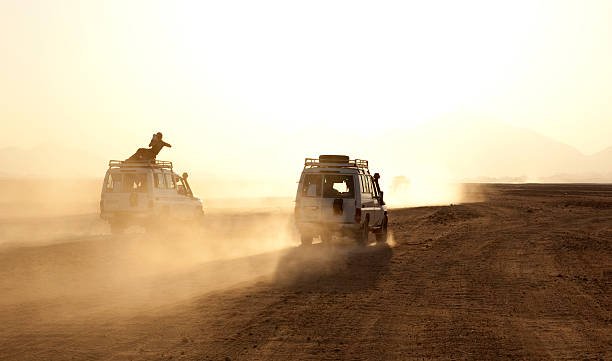
- Kruger National Park: This is South Africa’s largest and most famous game reserve, renowned for its high density of wildlife, including the “Big Five” (lion, leopard, elephant, rhino, buffalo). It offers a range of accommodation from self-drive camps to luxury lodges. Many travelers fly into Johannesburg (JNB) and then take a domestic flight or drive to the park.
- Private Game Reserves bordering Kruger: Areas like Sabi Sands, Timbavati, and Klaserie offer exclusive, off-road game viewing experiences, often with higher chances of seeing leopards. These reserves are typically more expensive but provide a more luxurious and intimate safari.
- Other National Parks: Explore destinations like Addo Elephant National Park (Eastern Cape) for a different ecosystem, or Pilanesberg National Park (North West Province), which is closer to Johannesburg and offers Big Five viewing in a malaria-free area.
For 2026-2027 Safaris: Consider booking your safari lodge or guided tours well in advance, especially for peak season. Companies like Top Guide Adventures specialize in creating tailored safari experiences, offering personalized attention and expert guidance. You can reach them via WhatsApp +255616946642 or Email topguideadventures@gmail.com.
Cape Town and the Western Cape
Cape Town is a vibrant, cosmopolitan city offering stunning natural beauty and a rich history.
- Table Mountain: A must-visit for panoramic views of the city and coastline.
- Robben Island: A UNESCO World Heritage site, significant for its history as a political prison, including Nelson Mandela’s incarceration.
- Cape Peninsula: Drive along scenic routes, visit Cape Point, the Cape of Good Hope, and see the penguin colony at Boulders Beach.
- Winelands: Explore Stellenbosch, Franschhoek, and Paarl for wine tasting, gourmet food, and beautiful vineyard landscapes.
- Beaches: Enjoy iconic beaches like Camps Bay and Clifton.
Cape Town is best accessed by flying directly into CPT. It’s an ideal destination for combining culture, nature, and relaxation.
The Garden Route
Stretching along the southeastern coast of South Africa, the Garden Route is famous for its lush forests, lagoons, lakes, and dramatic coastline. Popular stops include:
- Knysna: Known for its lagoon and oysters.
- Plettenberg Bay: Offers beautiful beaches and whale watching opportunities (seasonal).
- Tsitsikamma National Park: Ideal for hiking, kayaking, and exploring the Storms River Mouth suspension bridge.
This region is often explored by car, allowing for flexibility. Travelers might fly into George Airport (GRJ) or drive from Cape Town.
Historical and Cultural Experiences
South Africa’s history is profound and complex, offering many educational and moving experiences:
- Johannesburg: Visit the Apartheid Museum, Constitution Hill, and the historic townships like Soweto, including Vilakazi Street (the only street in the world to have housed two Nobel Peace Prize winners: Nelson Mandela and Desmond Tutu).
- Durban: Known for its Indian heritage, offering vibrant markets, temples, and a distinct culinary scene.
- Cultural Villages: Experience traditional Zulu culture in KwaZulu-Natal.
Planning Your 2026-2027 Itinerary
When planning your trip for 2026-2027, consider the following:
- Duration: South Africa is large. A minimum of 10-14 days is recommended to see one or two regions (e.g., Kruger and Johannesburg, or Cape Town and the Garden Route). For a more comprehensive trip covering multiple areas, 3-4 weeks is ideal.
- Travel Style: Are you looking for a luxury safari, an adventurous road trip, a cultural deep-dive, or a relaxing beach holiday? Your style will dictate the regions and activities you prioritize.
- Best Time to Visit: This depends on your interests. For safaris, the dry winter months (May to October) are best for wildlife viewing as animals congregate around water sources. For Cape Town, the summer months (November to March) offer warm, sunny weather ideal for outdoor activities and beaches. Shoulder seasons (spring and autumn) offer a good balance with fewer crowds and pleasant weather.
Sample 14-Day South Africa Itinerary (Focus: Safari & Culture)
Days 1-2: Arrival in Johannesburg & Soweto Tour
- Fly from Germany to Johannesburg (JNB).
- Transfer to your hotel.
- Day 2: Guided tour of Soweto, including Vilakazi Street and the Hector Pieterson Memorial. Visit the Apartheid Museum.
Days 3-6: Greater Kruger Safari
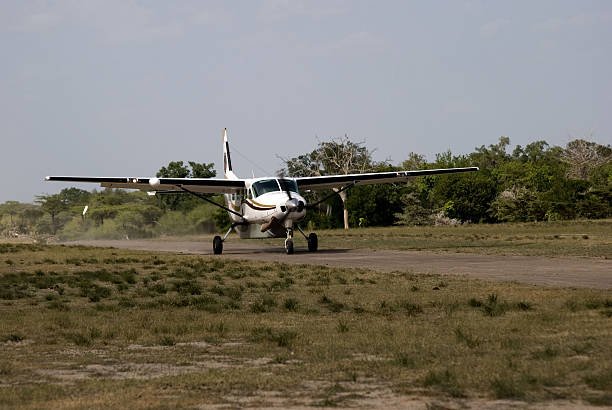
- Fly from Johannesburg to an airstrip near Kruger or drive.
- Check into your safari lodge in Kruger National Park or a private reserve (e.g., Sabi Sands).
- Enjoy morning and afternoon game drives, guided bush walks.
Days 7-9: Panorama Route & Fly to Cape Town
- Drive the scenic Panorama Route, visiting Blyde River Canyon, Bourke’s Luck Potholes, and God’s Window.
- Fly from Hoedspruit (HDS) or Kruger Mpumalanga (MQP) to Cape Town (CPT).
- Check into your Cape Town accommodation.
Days 10-13: Cape Town Exploration
- Visit Table Mountain (weather permitting).
- Tour Robben Island.
- Day trip to the Cape Peninsula (Cape Point, Boulders Beach penguins).
- Explore the V&A Waterfront and city center.
- Optional: Wine tasting in Stellenbosch or Franschhoek.
Day 14: Departure
- Last-minute souvenir shopping.
- Depart from Cape Town (CPT) back to Germany.
This itinerary offers a blend of iconic wildlife and city experiences. For customized safaris and tours in Tanzania and potentially extensions into Southern Africa, Top Guide Adventures can assist. Contact them via WhatsApp +255616946642 or Email topguideadventures@gmail.com.
Health and Safety Considerations
Ensuring your well-being is crucial for any trip. South Africa offers excellent healthcare in major cities, but preparation is key, especially regarding vaccinations and safety.
Vaccinations and Health Advice
Consult your doctor or a travel clinic at least 4-6 weeks before your departure for 2026-2027 travel. Recommended vaccinations may include:
- Routine Vaccinations: Ensure you are up-to-date with measles, mumps, rubella, polio, tetanus, diphtheria, and hepatitis B.
- Hepatitis A: Recommended for most travelers.
- Typhoid: Recommended for most travelers.
- Yellow Fever: A Yellow Fever vaccination certificate is required if you are traveling from, or have transited through, a country with a risk of Yellow Fever transmission. South Africa itself is not a Yellow Fever risk area, but transit countries can trigger this requirement.
- Malaria: Malaria is present in certain parts of South Africa, primarily in the northeastern regions like Kruger National Park and surrounding areas, especially during the warmer, wetter months (October to May). Cape Town and the Western Cape are malaria-free.
Malaria Prevention: If traveling to a malaria-risk area, discuss antimalarial medication with your doctor. Other preventative measures include using insect repellent containing DEET, wearing long sleeves and trousers at dawn and dusk, and sleeping under mosquito nets.
Travel Insurance
Comprehensive travel insurance is non-negotiable. Ensure it covers:
- Medical emergencies and evacuation.
- Trip cancellation or interruption.
- Lost or stolen baggage and personal items.
- Activities you plan to undertake (e.g., adventure sports, safari activities).
For 2026-2027: Purchase your insurance as soon as you book your trip to ensure maximum coverage.
Safety and Security
Like any country, South Africa has areas with higher crime rates. However, with sensible precautions, most visitors have safe and trouble-free trips.
- Be Aware of Your Surroundings: Especially in cities like Johannesburg and Cape Town. Avoid displaying expensive items like jewelry or electronics openly.
- Avoid Walking Alone at Night: Use reputable taxis or ride-sharing services.
- Secure Your Accommodation: Ensure your hotel or guesthouse has good security.
- Car Safety: If renting a car, keep doors locked while driving, do not leave valuables visible, and be cautious in unfamiliar areas. Avoid driving at night outside major routes if possible.
- Follow Local Advice: Listen to recommendations from your hotel, tour guides, or locals regarding safe areas and times.
- Emergency Numbers: The primary emergency number in South Africa is 10111 for police. For medical emergencies, it’s 10177. Many areas also have dedicated private ambulance services.
For Safari Areas: While wildlife encounters are the goal, always follow the guidance of your ranger or guide. Maintain a safe distance from animals and never attempt to feed or approach them.
Currency, Budgeting, and Costs for 2026-2027
Understanding the currency and budgeting for your trip is essential for financial planning. South Africa uses the South African Rand (ZAR).
Currency Exchange and Payment Methods
- Exchange Rates: The Rand’s value fluctuates against the Euro. It’s generally advisable to exchange some currency before you leave Germany or upon arrival, but you can also withdraw Rand from ATMs in South Africa.
- ATMs: Widely available in cities and towns. Inform your bank about your travel dates to avoid your card being blocked.
- Credit Cards: Major credit cards (Visa, MasterCard) are widely accepted in hotels, restaurants, shops, and larger establishments. American Express and Diners Club may be less commonly accepted.
- Cash: It’s useful to carry some cash for smaller purchases, tips, and markets.
Budgeting for Your Trip
The cost of traveling from Germany to South Africa can vary significantly based on your travel style, duration, and chosen activities. Here’s a breakdown of potential costs for 2026-2027:
1. Flights
- Economy Class: Expect prices ranging from €600 to €1,200 per person for a round trip from Germany to South Africa, depending on the season, airline, and how far in advance you book. Peak season (December, January, July, August) will be at the higher end or exceed this.
- Business Class: Can range from €2,500 to €6,000+.
2. Accommodation
- Budget (Hostels, Basic Guesthouses): €30 – €70 per night.
- Mid-Range (3-4 Star Hotels, Comfortable Guesthouses): €80 – €150 per night.
- Luxury (5 Star Hotels, Boutique Lodges): €200 – €500+ per night.
- Safari Lodges: Often all-inclusive (meals, game drives) and can range from €300 to €1,000+ per person per night, especially in private reserves.
3. Transportation within South Africa
- Car Rental: From €30 – €60 per day for a standard vehicle, plus fuel. This is a popular option for self-driving.
- Domestic Flights: Expect to pay €70 – €150 for one-way flights between major cities like Johannesburg and Cape Town.
- Tours and Transfers: Costs vary widely depending on the service. Guided tours can range from €50 per day for group tours to several hundred euros for private guided experiences.
4. Activities and Entrance Fees
- National Park Fees: Around €20 – €30 per person per day for international visitors to parks like Kruger.
- Major Attractions (e.g., Table Mountain Cableway, Robben Island Ferry): €20 – €40 per person per attraction.
- Guided Tours (e.g., Soweto, Winelands): €50 – €100+ per person.
- Safari Activities: Often included in lodge rates, but specific activities like hot air ballooning can cost €300+.
5. Food and Drink
- Budget: Eating at local cafes or self-catering can cost €25 – €40 per day.
- Mid-Range: Dining at standard restaurants: €40 – €70 per day.
- Fine Dining: €80+ per day.
Estimated Total Costs (Per Person for 14 Days)
Based on mid-range travel for 14 days, excluding international flights:
- Accommodation: €1,120 (€80/night x 14)
- Activities & Park Fees: €400
- Food & Drink: €700 (€50/day x 14)
- Local Transport (rental car/some domestic flights): €500
- Subtotal (excluding international flights): Approximately €2,720
Add international flights (€600 – €1,200) for a total estimated cost of €3,320 – €3,920 per person for a mid-range 14-day trip in 2026-2027.
Budgeting for 2026-2027: Key Takeaways
Flights: Book 6 months in advance for best prices (€600-€1200).
Accommodation: Varies greatly; safaris are often the most significant expense.
Daily Spending: Budget €50-€100 per person per day for food, local transport, and activities outside of major tours/safaris.
Contingency: Always add a 10-15% buffer for unexpected expenses.
Connectivity: Staying Connected
Staying connected while traveling from Germany to South Africa is straightforward, with several options available.
Mobile Phones and SIM Cards
- Roaming: Using your German SIM card for roaming is convenient but can be very expensive for data and calls. Check your provider’s international roaming packages before you leave.
- Local SIM Cards: This is usually the most cost-effective option for data and local calls. You can purchase a prepaid SIM card from major South African mobile operators (e.g., Vodacom, MTN, Cell C) at the airport or in town. You will need your passport for registration.
- eSIMs: If your phone supports eSIM technology, you can often purchase and activate a South African eSIM before you even arrive, providing instant connectivity.
Internet Access
Wi-Fi is widely available in hotels, guesthouses, cafes, and restaurants, especially in urban areas and tourist hubs. Speeds can vary, but generally, you can expect reliable internet for browsing, email, and social media. For remote areas or safari lodges, internet access might be slower, less consistent, or come at an additional charge.
Cultural Etiquette and Communication
South Africa is a multicultural country with diverse traditions and customs. While generally relaxed, understanding some basic etiquette can enhance your interactions.
- Greetings: A firm handshake is common. Using people’s titles (Mr., Ms., Dr.) is polite until invited to use first names.
- Respect: Be mindful of cultural differences. South Africa has a complex history, and discussions about politics or race should be approached with sensitivity.
- Tipping: Tipping is customary for good service. Standard rates are:
- Waiters: 10-15%
- Safari Guides/Rangers: R200-R400 per guest per day (can be pooled for staff).
- Hotel Staff (porters, housekeeping): R20-R50.
- Tour Guides: 10-15% of tour cost.
- Language: English is one of South Africa’s 11 official languages and is widely spoken in business and tourism. Afrikaans and various indigenous languages (like isiZulu, isiXhosa) are also common.
- Punctuality: While South Africans are often relaxed, punctuality is appreciated for tours and appointments.
Preparing for Your Journey: Practical Tips
Beyond the major planning points, several practical tips can make your travel from Germany to South Africa smoother.
Packing Essentials
- Clothing: Pack layers. Days can be warm, but evenings can get cool, especially in winter or at higher altitudes. For safaris, neutral-colored, lightweight clothing is best. Comfortable walking shoes are a must.
- Sun Protection: High SPF sunscreen, a wide-brimmed hat, and sunglasses are essential due to strong UV rays.
- Insect Repellent: Especially if visiting malaria-risk areas.
- Medications: Bring any personal prescription medications with a doctor’s note. Include a basic first-aid kit.
- Adapters: South Africa uses Type M (three round pins) electrical outlets. Voltage is 230V.
- Binoculars: Highly recommended for wildlife viewing on safari.
- Camera: To capture the incredible scenery and wildlife.
Driving in South Africa
If you plan to rent a car:
- Driving Side: South Africa drives on the left-hand side of the road.
- Road Conditions: Major routes are generally well-maintained, but secondary roads can be variable.
- Speed Limits: Typically 120 km/h on highways and 60 km/h in urban areas. Adhere to these limits.
- Fuel Stations: Generally plentiful, but fill up when you have the chance, especially in more remote areas.
- International Driving Permit (IDP): While your German driver’s license might be accepted, an IDP is often recommended or required for car rental companies. Check this when booking your vehicle for 2026-2027.
Tipping Culture
As mentioned, tipping is an important part of the service economy in South Africa. Be prepared to tip for services rendered, as salaries are often structured with tips in mind. It’s a good way to show appreciation for excellent service.
Choosing Your South African Adventure for 2026-2027
The journey from Germany to South Africa is more than just a flight; it’s the beginning of an extraordinary adventure. Whether you are drawn by the call of the wild, the allure of stunning landscapes, or the depth of its history, South Africa offers an unparalleled travel experience.
For those planning their trip in 2026 or 2027, early booking for flights and popular accommodations is highly recommended to secure the best options and prices. Consider what kind of experience you desire most – a thrilling safari, a relaxing coastal escape, a cultural exploration, or a combination of all. Remember to verify all visa and entry requirements well in advance, and ensure your passport is in order.
Top Guide Adventures, a trusted tour operator in Tanzania, can also assist with broader Southern African travel planning, including potential extensions or specialized itineraries that might incorporate South Africa. Their expertise in organizing safaris and tailor-made journeys means they can offer insights into regional travel. If you are considering a trip that includes South Africa as part of a larger African adventure, or even just seeking advice on African travel in general, don’t hesitate to reach out. You can contact them via WhatsApp at +255616946642 or by email at topguideadventures@gmail.com or info@topguideadventuresstanzania.com.
By thoroughly preparing and understanding the travel process from Germany to South Africa, you can look forward to an unforgettable journey filled with discovery, adventure, and memories to last a lifetime.
Check Availability for How To Travel From Germany To South Africa: The Ultimate Guide For 2026-2027
Ready to compare dates, prices, and the best option for your group? Send the package name and travel month so the team can reply with a clear quote, availability, and what is included.



