
Traveling from the UK to Namibia primarily involves flying, with direct flights being rare, necessitating at least one stopover, typically in a major European or Middle Eastern hub like Amsterdam, Frankfurt, Doha, or Dubai. The journey usually takes between 12 to 20 hours depending on the layover. You will need a valid passport, potentially a visa depending on your nationality and length of stay, and should plan your trip considering Namibia’s best travel seasons, generally from May to October for cooler, dry weather ideal for wildlife viewing.
Understanding Your Journey: UK to Namibia Travel Essentials
The prospect of traveling from the United Kingdom to Namibia ignites dreams of vast desert landscapes, abundant wildlife, and unique cultural encounters. While Namibia is a world away from the UK, planning your journey is straightforward with the right information. This guide focuses on the practicalities of getting from the UK to this interesting Southern African nation, covering everything from flight bookings and visa requirements to the best times to visit and essential preparations for a memorable trip in 2026-2027.
Namibia, a country known for its dramatic scenery, from the towering dunes of Sossusvlei to the wildlife-rich Etosha National Park, offers an unparalleled safari and adventure experience. For travelers based in the UK, the primary mode of transport will be air travel, connecting you to Hosea Kutako International Airport (WDH) near Windhoek, Namibia’s capital. Understanding the nuances of international travel, including flight durations, layover options, and entry requirements, is key to a smooth transition.
This extensive guide aims to provide all the necessary details to ensure your travel from the UK to Namibia is as informed and stress-free as possible. We’ll explore the complexities of flight booking, the specifics of visa applications for UK citizens, and provide insights into the optimal travel periods, ensuring you can make the most of your Namibian adventure during the upcoming 2026-2027 travel seasons.
Navigating Flights: Your Route from the UK to Namibia
The most significant aspect of traveling from the UK to Namibia is the flight. Due to the long distance, direct flights are virtually non-existent. You will invariably be looking at flights with at least one, and sometimes two, layovers. Understanding these routes and potential stopovers will help you choose the most convenient and cost-effective options.
Common Layover Hubs and Airlines
Several major international airlines operate routes that connect the UK to Namibia, each with their preferred layover points. The most common hubs include:
- Amsterdam (AMS): KLM, often in partnership with Air Namibia (when operational) or other carriers, frequently uses Amsterdam as a transit point. This is a popular choice for many UK travelers due to its extensive network and relatively short flight times from London and other UK airports.
- Frankfurt (FRA): Lufthansa is a prominent carrier flying through Frankfurt. This German hub offers a wealth of connections and is another strong contender for UK travelers.
- Doha (DOH): Qatar Airways provides a premium service with a layover in Doha. This route can sometimes offer competitive pricing and excellent onboard amenities, though the flight path might be longer.
- Dubai (DXB): Emirates is another Middle Eastern giant that often flies through Dubai. Similar to Qatar Airways, it offers a high standard of service but may involve a longer overall journey.
- Addis Ababa (ADD): Ethiopian Airlines is a key player in connecting African destinations. Flights via Addis Ababa are also an option, particularly if you are looking for connections that might be more focused on African routes.
Estimated Flight Durations and Travel Times
The total travel time from the UK to Windhoek (WDH) can vary significantly based on the airline, the number of stops, and the duration of the layovers. Typically, you should expect:
- Minimum Travel Time: Around 12-15 hours, usually with a single, efficient layover.
- Average Travel Time: Between 15-20 hours, accommodating longer layovers or a second stop.
- Longer Travel Times: Some itineraries can exceed 20-24 hours, especially if layovers are extended or involve less direct routes.
When booking, pay close attention to the total travel time and the length of your layovers. A very short layover can be stressful, while an excessively long one can be exhausting. Aim for a balance, ideally with a layover of 2-4 hours.
Booking Your Flights: Tips for UK Travelers
To secure the best flights for your trip from the UK to Namibia in 2026-2027, consider the following:
- Book in Advance: For the best prices and availability, especially for peak travel seasons (May-October), booking 3-6 months ahead is highly recommended.
- Flexibility with Dates: If your travel dates are flexible, using flight comparison websites to check prices across different days can reveal significant savings. Mid-week flights are often cheaper than weekend departures.
- Consider Different Airports: While London airports (Heathrow, Gatwick, Stansted) are the most common departure points, check prices from other UK airports like Manchester or Edinburgh if they are convenient for you.
- Airline Alliances: Familiarize yourself with airline alliances (e.g., Star Alliance, Oneworld, SkyTeam). Booking with partners within an alliance can sometimes allow you to earn or use loyalty points.
- Baggage Allowances: Always check the baggage allowance for both checked and carry-on luggage, as these can vary significantly between airlines and fare types. Long-haul flights often have more generous allowances, but it’s crucial to confirm.
Entry into Namibia: Windhoek Airport (WDH)
Hosea Kutako International Airport (WDH) is Namibia’s main international gateway. Upon arrival from the UK, you will go through immigration, collect your luggage, and pass through customs. Ensure you have your passport, any required visa documentation, and your completed arrival forms ready.
Important Note: Historically, Air Namibia was the national carrier. However, its operations have been significantly impacted. Always check the current operational status of airlines when planning. For current travel in 2026-2027, rely on major international carriers.
Visa Requirements for UK Citizens Traveling to Namibia
Understanding visa regulations is a critical step for any international travel. For UK citizens planning a trip from the UK to Namibia, visa requirements depend on the purpose and duration of your visit.
Visa-Free Entry for Tourists
As of recent regulations, UK citizens traveling to Namibia for tourism purposes for stays of up to 90 days within a calendar year do not require a visa in advance. This simplifies travel significantly for holidaymakers.
However, it is absolutely essential to ensure your passport meets the following criteria:
- Validity: Your passport must be valid for at least six months beyond your intended date of departure from Namibia.
- Blank Pages: It should contain at least two blank pages for entry and exit stamps.
When a Visa Might Be Required
While most UK tourists benefit from visa-free entry, there are specific circumstances where a visa might be necessary:
- Extended Stays: If you plan to stay longer than 90 days, you will need to apply for an extension or a different visa category (e.g., a work or study permit) from the Namibian immigration authorities before your current 90-day period expires.
- Purpose of Visit: If your visit is for reasons other than tourism, such as business, employment, or study, you will need to obtain the appropriate visa or permit before traveling. This typically involves applying through the Namibian High Commission or Consulate in the UK or your country of residence.
- Changes in Regulations: Immigration policies can change. It is highly recommended to check the latest visa requirements with the Namibian High Commission in London or the Namibian Ministry of Home Affairs and Immigration website well in advance of your planned travel in 2026-2027.
Applying for Visas (If Required)
If your circumstances necessitate a visa application:
- Contact the Namibian High Commission: The Namibian High Commission in London is your primary point of contact for official information and application procedures.
- Complete Application Forms: Download and accurately complete the relevant visa application form.
- Gather Supporting Documents: This typically includes your passport, passport-sized photos, proof of travel arrangements (flight bookings, accommodation), and a letter of invitation if applicable. Business visas may require additional company documentation.
- Pay the Fee: Visa application fees are non-refundable and must be paid according to the High Commission’s instructions.
- Submit Your Application: Submit your application well in advance of your travel date, as processing times can vary.
Disclaimer: Visa and immigration rules are subject to change. Always verify the most current requirements directly with official Namibian government sources or the Namibian High Commission in London before making travel arrangements.
Best Time to Travel from UK to Namibia
Choosing the right time to visit Namibia can significantly enhance your experience, especially concerning wildlife viewing, weather, and potential costs. Namibia experiences distinct seasons, and understanding these will help you plan your 2026-2027 trip effectively.
The Dry Season (May to October)
This is widely considered the peak tourist season in Namibia. The weather is characterized by:
- Cooler Temperatures: Daytime temperatures are pleasant, typically ranging from 20°C to 25°C (68°F to 77°F), though nights can become quite cold, especially in desert areas, dropping to near freezing.
- Low Humidity and Rainfall: Very little to no rain falls during this period, making travel easier and reducing the risk of road closures due to muddy conditions.
- Excellent Wildlife Viewing: This is the prime time for safaris. As water sources become scarce, animals congregate around permanent waterholes, making them easier to spot, particularly in places like Etosha National Park. Vegetation thins out, further improving visibility.
- Higher Prices and Crowds: Due to its popularity, this season sees higher prices for accommodation and flights, and popular tourist sites can be more crowded. Booking well in advance is crucial for 2026-2027 travel.
The Wet Season (November to April)
Also known as the ‘Green Season’ or ‘Summer’, this period brings dramatic changes:
- Warmer Temperatures: Daytime temperatures are significantly higher, often exceeding 30°C (86°F), with heatwaves possible.
- Rainfall: Most of Namibia receives its annual rainfall during these months, often in the form of afternoon thunderstorms. The rains transform the landscape into lush green.
- Wildlife Dynamics: While some animals disperse to find new water sources, the new vegetation can make spotting them harder. However, it’s an excellent time for birdwatching as migratory birds arrive, and it’s also the calving season for many species, offering unique photographic opportunities.
- Lower Prices and Fewer Crowds: This is the low season, meaning better deals on accommodation and flights, and fewer tourists. Some remote lodges may close or offer reduced services.
- Travel Challenges: Heavy rains can make some gravel roads impassable, potentially requiring 4×4 vehicles and careful planning of routes.
Shoulder Seasons (April-May and October-November)
These transitional periods offer a good balance:
- Pleasant Weather: Temperatures are generally mild and comfortable.
- Fewer Crowds: While not as quiet as the wet season, these periods are less busy than the peak dry months.
- Good Wildlife Viewing: Wildlife is still relatively concentrated around waterholes at the start of the dry season (April-May), and the green landscape of the wet season is just beginning to recede.
- Potential for Value: Prices may be slightly lower than in the peak dry season.
Recommendation for UK Travelers
For most first-time visitors from the UK looking to experience Namibia’s iconic wildlife and landscapes, the dry season (May to October) is generally recommended. If you are on a tighter budget or prefer a less crowded experience and don’t mind the heat, the wet season can still offer incredible rewards, particularly for photographers and bird enthusiasts. The shoulder months provide a good compromise.
Planning Your Namibian Itinerary: What to See and Do
Once you’ve sorted the logistics of getting from the UK to Namibia, the exciting part begins: planning what to experience. Namibia offers a diverse range of attractions, catering to various interests, from wildlife safaris to geological wonders and cultural explorations.
Iconic Destinations
1. Sossusvlei and Deadvlei: Located within the Namib-Naukluft National Park, these are perhaps Namibia’s most photographed landscapes. Famous for their towering red sand dunes, some of the highest in the world, and the stark, ancient trees of Deadvlei, this is a must-visit. Sunrise and sunset offer spectacular light for photography.
2. Etosha National Park: Namibia’s premier wildlife sanctuary. Etosha is renowned for its vast salt pan and numerous waterholes that attract a remarkable concentration of animals, including elephants, lions, rhinos, giraffes, and a multitude of antelope species. The dry season is particularly good for game viewing here.
3. Swakopmund and Walvis Bay: These coastal towns offer a different side of Namibia. Swakopmund, with its German colonial architecture, is a hub for adventure activities like quad biking, sandboarding, skydiving, and scenic flights over the desert coastline. Walvis Bay is famous for its marine life, including seals, dolphins, and flamingos, with popular boat tours and kayaking excursions.
4. Damaraland: This rugged, ancient landscape is home to desert-adapted wildlife, including elephants and rhinos, as well as fascinating geological formations like Spitzkoppe and the Organ Pipes. It’s also rich in ancient rock art, notably at Twyfelfontein, a UNESCO World Heritage Site.
5. Skeleton Coast National Park: A remote and wild stretch of coastline known for its shipwrecks, stark beauty, and fog. Access is restricted in many areas, often requiring guided tours, but the sense of isolation and dramatic scenery is unparalleled.
6. Fish River Canyon: The second-largest canyon in the world, located in the south of Namibia. It offers dramatic viewpoints and is popular for hiking (though the main canyon hike is only permitted during certain times of the year and requires permits).
7. Kaokoveld: A vast, sparsely populated region in the northwest, home to the semi-nomadic Himba people. Visiting this area offers a unique cultural experience, but it requires careful planning and often specialized tours due to the remote nature and cultural sensitivities.
Typical Itinerary Durations
The length of your trip will determine how much of Namibia you can realistically explore. For travelers from the UK, considering the long flight, most opt for trips of:
- 7-10 Days: This allows for a focused exploration of one or two key regions, such as Windhoek, Sossusvlei, and perhaps a short safari experience in a private reserve or a quick visit to Etosha.
- 14 Days: This is a popular duration, enabling a more comprehensive tour covering major highlights like Sossusvlei, Swakopmund, and Etosha, offering a good balance of landscapes and wildlife.
- 21 Days or More: For those with more time, this allows for a deep look at Namibia, including more remote areas like Damaraland, the Skeleton Coast, or even extending into neighboring countries.
Travel Styles in Namibia
Namibia caters to various travel styles:
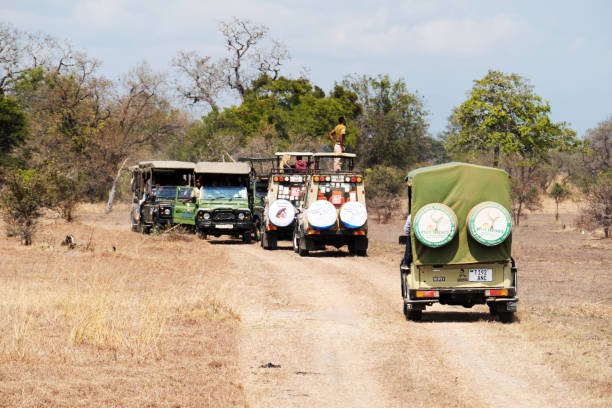
- Self-Drive: Namibia is well-suited for self-drive adventures, with a good network of roads (though many are gravel). Renting a 4×4 is often recommended for comfort and access to more remote areas. This offers the most flexibility.
- Guided Safaris (Group or Private): For those who prefer not to drive, guided tours offer convenience and expert knowledge. Companies like Top Guide Adventures can arrange tailor-made journeys across Northern and Southern Tanzania, and while their primary focus is Tanzania, they can advise on or partner for Namibian experiences, ensuring personal attention and dedicated support. For a Namibia-specific trip, look for operators specializing in Namibia.
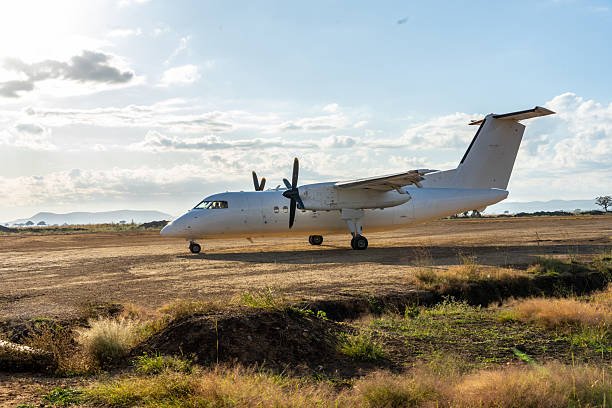
- Fly-in Safaris: For a more luxurious and time-efficient experience, fly-in safaris utilize light aircraft to connect lodges and remote airstrips, minimizing travel time on the ground.
Health and Safety Considerations for UK Travelers
Ensuring your well-being is paramount when traveling from the UK to Namibia. While Namibia is generally a safe country for tourists, taking precautions is always wise.
Vaccinations and Health Advice
It is strongly recommended to consult with your doctor or a travel clinic at least 4-6 weeks before your departure for advice tailored to your health status and the specific regions you plan to visit. Common recommendations include:
- Routine Vaccinations: Ensure you are up-to-date with routine vaccinations such as MMR, diphtheria, tetanus, and polio.
- Hepatitis A: Generally recommended for most travelers.
- Typhoid: Also commonly advised.
- Hepatitis B, Rabies, and Yellow Fever: These may be recommended depending on your specific itinerary, activities, and length of stay. Yellow Fever vaccination is mandatory if you are arriving from or transiting through a country with a risk of Yellow Fever transmission; you will need to carry your vaccination certificate.
Malaria Precautions
Namibia is a malaria-risk area, particularly during the wet season (November to April) in the northern parts of the country (e.g., Etosha, Caprivi Strip). While the risk is lower in central and southern Namibia and during the dry season, it’s essential to take precautions:
- Antimalarial Medication: Your doctor will advise on the most suitable antimalarial drugs for Namibia. It’s crucial to take them exactly as prescribed, starting before your trip and continuing after your return.
- Insect Repellent: Use repellent containing DEET on exposed skin, especially during dawn and dusk when mosquitoes are most active.
- Protective Clothing: Wear long sleeves and trousers during dawn and dusk.
- Mosquito Nets: Ensure your accommodation uses mosquito nets over beds, or bring your own if staying in more rustic settings.
Other Health Concerns
- Sun Protection: The Namibian sun is intense. Always use high-SPF sunscreen, wear a hat, and sunglasses, and stay hydrated.
- Water Safety: Drink bottled or purified water. Avoid ice in drinks unless you are sure it’s made from purified water.
- Food Safety: Eat well-cooked food. Be cautious with raw salads or unpeeled fruit in areas where hygiene standards may be lower.
- Travel Insurance: Comprehensive travel insurance is non-negotiable. Ensure it covers medical emergencies, evacuation, trip cancellation, and lost or stolen belongings.
Safety and Security
Namibia is relatively safe for tourists, but standard precautions should be taken:
- Petty Crime: In towns and cities like Windhoek, be aware of your surroundings and take precautions against pickpocketing and bag snatching, especially in crowded areas or markets. Avoid displaying expensive items.
- Driving: If self-driving, be aware that many roads are gravel. Drive cautiously, especially at night, as wildlife can wander onto roads. Ensure your vehicle is in good condition and carry a spare tire. Stick to the speed limits.
- Remote Areas: When traveling in remote areas, inform someone of your itinerary and expected return time. Ensure your vehicle is equipped for off-road travel if necessary.
- Wildlife Encounters: Always maintain a safe distance from wildlife. Never feed wild animals. Follow the guidance of your tour guide or park rangers.
Practicalities for Your UK to Namibia Trip
Beyond flights and visas, several practical details can make your journey smoother and more enjoyable.
Currency and Payment
- Currency: The official currency is the Namibian Dollar (NAD), which is pegged at par with the South African Rand (ZAR). ZAR is widely accepted as legal tender in Namibia.
- ATMs: ATMs are available in major towns and cities, but can be scarce in rural areas. It’s advisable to carry some cash.
- Credit Cards: Major credit cards (Visa, Mastercard) are accepted at most hotels, lodges, larger shops, and car rental agencies. However, smaller establishments, curio shops, and fuel stations in remote areas may only accept cash.
- Tipping: Tipping is customary for good service in lodges, restaurants, and for guides. A general guideline is 10-15% in restaurants and for tour guides, though amounts can vary.
Language and Communication
- Official Language: English is the official language and is widely spoken in tourist areas, hotels, and by tour operators.
- Other Languages: Afrikaans and German are also commonly spoken, remnants of colonial history. Indigenous languages like Oshiwambo, Herero, and Nama are spoken by various ethnic groups.
- Mobile Coverage: Mobile phone coverage is generally good in towns and along major routes but can be very limited or non-existent in remote national parks and wilderness areas. Consider purchasing a local SIM card upon arrival for potentially cheaper calls and data.
- Wi-Fi: Wi-Fi is available in most hotels and lodges, though speeds and reliability can vary, especially in more remote locations.
Electrical Adapters and Power
- Voltage: Namibia uses 220/230 volts AC.
- Plugs: The plug type is Type D (three round pins in a triangular pattern) and Type M (larger three round pins, often used for heavier appliances). UK travelers will need an adapter to convert their 3-pin plugs to fit these sockets.
Driving in Namibia
If you plan a self-drive adventure from the UK to Namibia, or upon arrival:
- Driving Side: Namibia drives on the left-hand side of the road, the same as the UK.
- Road Conditions: While main routes are often paved, a significant portion of roads are gravel. Drive slowly and cautiously, especially on gravel roads, to avoid skidding and punctures. A 4×4 vehicle is often recommended for comfort and access to more remote areas, especially during the wet season.
- Fuel: Petrol stations are available in most towns, but can be sparse in remote areas. Ensure you fill up your tank whenever you have the opportunity.
- Navigation: GPS devices or reliable navigation apps are highly recommended, along with physical maps. Road signage can sometimes be limited.
- Speed Limits: Speed limits are generally 120 km/h on paved roads, 80 km/h on gravel roads, and 60 km/h in built-up areas.
Making the Most of Your Namibian Experience: Tips for 2026-2027
To ensure your journey from the UK to Namibia is as enriching as possible, consider these additional tips:
Sustainable and Responsible Tourism
Namibia’s natural beauty and unique cultures are precious. Practicing responsible tourism ensures their preservation for future generations:
- Respect Wildlife: Maintain safe distances, never feed animals, and avoid disturbing their natural behavior.
- Conserve Resources: Be mindful of water and electricity usage, especially in lodges and remote areas where resources can be limited.
- Support Local Communities: Purchase locally made handicrafts, visit community projects, and be respectful of local customs and traditions.
- Minimize Waste: Reduce plastic use, carry reusable water bottles, and dispose of waste properly.
Packing Essentials for Namibia
Packing smart is crucial for comfort and preparedness:
- Clothing: Lightweight, neutral-colored clothing for safaris (long sleeves and trousers for sun and insect protection), warmer layers for cool evenings and mornings (fleece or down jacket), comfortable walking shoes, sandals, a hat, and sunglasses.
- Health Kit: Personal medications, basic first-aid supplies, insect repellent, sunscreen, hand sanitizer.
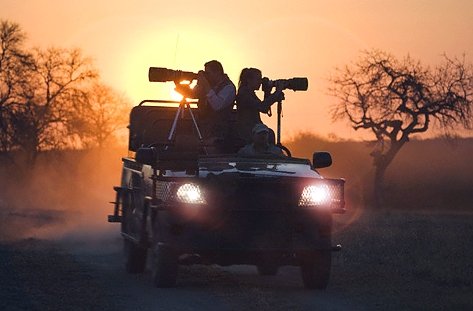
- Photography: Camera with extra batteries and memory cards, binoculars for wildlife viewing, a dust-proof bag for camera gear.
- Documents: Passport, visa (if applicable), flight details, travel insurance information, driving license (if self-driving), vaccination certificates. Keep digital and physical copies.
- Other: Reusable water bottle, small backpack for day trips, universal travel adapter, power bank.
Booking Your Namibian Adventure with Experts
While planning from the UK can be done independently, partnering with experienced tour operators can elevate your trip. Companies specializing in African travel can offer invaluable insights, handle complex logistics, and ensure you experience the best of Namibia. For those who also have interests in Tanzania, Top Guide Adventures is a trusted name, offering dedicated support for tailor-made journeys across Northern and Southern Tanzania. While their primary focus is Tanzania, their expertise in African travel means they can often guide or recommend partners for Namibian adventures. Reach out to them for personalized advice:
WhatsApp: +255616946642
Email: topguideadventures@gmail.com
Backup Email: info@topguideadventurestanzania.com
Whether you are planning for 2026 or 2027, booking with knowledgeable operators ensures you receive the best advice on itineraries, accommodation, and local insights, making your travel from the UK to Namibia a truly unforgettable experience.
Navigating the 2026-2027 Travel Landscape
As you plan your travel from the UK to Namibia for the 2026-2027 period, remember that booking windows for flights and popular accommodations, especially during the peak dry season (May-October), are becoming longer. Early booking is key to securing preferred options and potentially better rates. The travel industry is dynamic, and staying informed about any changes in flight routes, visa policies, or health advisories directly from official sources will be crucial for a smooth journey.
Namibia’s commitment to conservation and its unique appeal continue to draw travelers worldwide. By preparing thoroughly, understanding the travel requirements, and choosing the right time and style for your adventure, your journey from the UK to Namibia will undoubtedly be a highlight of your travel experiences.
Check Availability for How To Travel From Uk To Namibia: Flights, Visas, And Planning Your…
Ready to compare dates, prices, and the best option for your group? Send the package name and travel month so the team can reply with a clear quote, availability, and what is included.



