
Rubondo Island National Park is Tanzania’s unique island sanctuary located in the southwestern corner of Lake Victoria, offering a secluded experience for wildlife viewing, birdwatching, and water-based activities. It’s a destination for those seeking a tranquil escape from the typical safari circuit, with opportunities to see elephants, hippos, crocodiles, diverse birdlife, and reintroduced chimpanzees, making it an exceptional choice for nature lovers and adventurers planning a visit in 2026 or 2027.

Discover Rubondo Island National Park: A Pristine Lake Victoria Sanctuary
Rubondo Island National Park stands apart in Tanzania’s rich mix of protected areas. Unlike the vast savannahs of the Serengeti or the dramatic crater of Ngorongoro, Rubondo is an island, a verdant jewel floating in the immense expanse of Lake Victoria. This unique geographical setting shapes its character, offering a tranquil and intimate encounter with nature that contrasts sharply with the more conventional safari experiences. For travelers seeking an off-the-beaten-path adventure, Rubondo Island National Park presents an unparalleled opportunity to explore a diverse ecosystem that thrives on the shores and within the waters of Africa’s largest lake.
The park encompasses Rubondo Island itself, along with several smaller satellite islands and a significant stretch of Lake Victoria’s waters. This aquatic and terrestrial environment supports a surprising array of wildlife, from large mammals that have adapted to island life to an astonishing diversity of bird species and vibrant aquatic life. The absence of large predators like lions and hyenas has allowed certain mammal populations, such as elephants and giraffes, to flourish in a unique island context, while also creating a safe haven for species reintroduced by conservation efforts.
Planning a trip to Rubondo Island National Park for 2026 or 2027 means preparing for an experience that blends ecological wonder with serene beauty. It is a destination that rewards patience and observation, offering moments of quiet discovery rather than the constant excitement of predator sightings. The journey to the island is part of the adventure, typically involving a flight or a scenic drive followed by a boat transfer, adding to the sense of remoteness and exclusivity. Whether you’re a seasoned birder, a keen angler, or simply someone looking to reconnect with nature in a peaceful setting, Rubondo Island promises a memorable escape.
The Unique Ecosystem of Rubondo Island National Park
The ecological significance of Rubondo Island National Park is deeply tied to its location in Lake Victoria and its relatively undisturbed natural state. The island’s topography is varied, featuring hills, valleys, and a coastline dotted with sandy beaches and rocky outcrops. This diverse terrain supports a mosaic of habitats, including dense evergreen forests, open grasslands, papyrus swamps, and the lake’s clear waters.
One of the most striking features of Rubondo’s ecosystem is the presence of indigenous wildlife that has adapted to island life. While it doesn’t boast the ‘Big Five’ in the traditional sense (no lions or rhinos), it is home to significant populations of elephants, hippopotamuses, and crocodiles. Giraffes, introduced to the island, also roam its landscapes. The absence of major predators has allowed these herbivores to thrive, creating a unique dynamic. Visitors might encounter herds of elephants grazing peacefully in the grasslands or pods of hippos basking near the shores.
The park’s forests are particularly rich in biodiversity. Ancient trees form a dense canopy, providing shelter and sustenance for various species. Birdlife is exceptionally abundant, with over 400 recorded species. This makes Rubondo a paradise for ornithologists and casual birdwatchers alike. Migratory birds from Europe and Asia join the resident species, creating a dynamic avian population throughout the year. The variety of bird species is a testament to the diverse habitats available, from forest dwellers to water birds and raptors.
Beyond the terrestrial and avian life, the aquatic environment of Lake Victoria surrounding Rubondo is equally vital. The lake supports a rich fish population, with Nile perch being a notable species that attracts anglers. The health of the lake’s ecosystem is crucial for the park’s overall biodiversity, influencing everything from the diet of water birds to the habits of hippos and crocodiles.
Conservation efforts have played a significant role in shaping Rubondo’s current ecosystem. The reintroduction of chimpanzees, originally native to the area but long gone, is a landmark achievement. These reintroduced primates, now living wild, offer a rare glimpse into the lives of these intelligent creatures in a protected natural setting. Their presence adds a unique dimension to the Rubondo Island experience, distinguishing it further from other Tanzanian national parks.
Wildlife Encounters: What to See and Where
Rubondo Island National Park offers a distinct wildlife viewing experience, characterized by its unique island inhabitants and abundant birdlife. While you won’t find the classic Big Five predator lineup, the park provides intimate encounters with species that have adapted to its lush environment.
Mammals on Rubondo Island
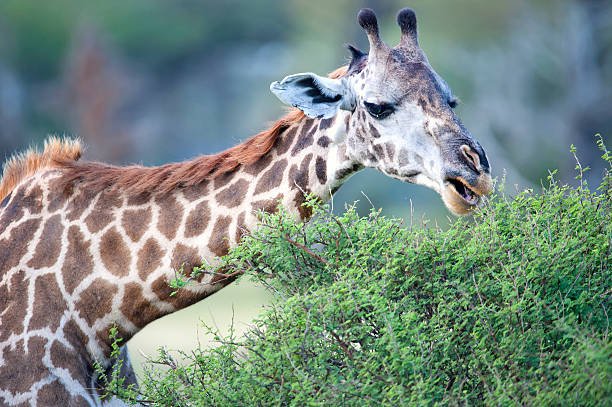
The park’s terrestrial mammals are a primary draw. Elephants, though not as numerous as on the mainland savannahs, are a common sight. They are often seen in small family groups, grazing in the grasslands or moving through the forested areas. Their presence on the island is a testament to their adaptability. Giraffes, introduced to Rubondo, add to the scenic beauty as they browse on acacia trees. Keep an eye out for them in the more open woodland areas.
Hippopotamuses are abundant and can be spotted in the lake’s shallower waters, along the shores, and in the papyrus swamps. They are most active during the cooler hours of dawn and dusk, often seen yawning widely or moving between water and land. Crocodiles are also prevalent, often seen basking on the riverbanks or near their watery habitats. While sightings are common, it’s essential to maintain a safe distance.
Other mammals you might encounter include bushbucks, sitatungas (a semi-aquatic antelope that thrives in swampy areas, making Rubondo an ideal habitat), mongeese, and various species of monkeys, including the vervet monkey. The forest interior is home to smaller mammals, but these are often shy and harder to spot.
The Reintroduced Chimpanzees
One of Rubondo Island’s most significant conservation stories is the reintroduction of chimpanzees. After being absent for decades, a group of rescued chimpanzees was released onto the island in the late 1960s and early 1970s. These chimpanzees have since established a wild population. Guided treks to find the chimpanzees offer a unique opportunity to observe these intelligent primates in their natural habitat. These walks are led by experienced guides who track the chimps based on their movements and nests. It’s important to note that sightings are not guaranteed, as the chimps roam freely, but the experience of searching for them in the dense forest is rewarding in itself.
Avian Paradise: Birdwatching on Rubondo
Rubondo Island National Park is a premier destination for birdwatchers, with over 400 species recorded. The diverse habitats, from lake shores to dense forests and papyrus swamps, attract a wide array of avian life.
- Water Birds: The lake and its edges are teeming with water birds. Look for herons (grey, goliath, purple), egrets (cattle, great white), kingfishers (malachite, pied, giant), cormorants, darters, and various species of ducks and geese.
- Raptors: Several species of eagles and other birds of prey can be spotted, including the majestic fish eagle, often seen perched overlooking the lake.
- Forest Dwellers: The island’s interior forests are home to species like the African grey parrot, great blue turaco, and numerous smaller insectivorous and fruit-eating birds.
- Swamp Species: The papyrus swamps are ideal for spotting species such as the African jacana, weaver birds, and various warblers.
The best times for birdwatching are generally during the early morning and late afternoon, when birds are most active. The migratory season, typically from October to April, brings additional species, making the park a dynamic destination for ornithologists throughout the year.
Fishing in Lake Victoria
For anglers, Rubondo Island National Park offers a chance to fish for the renowned Nile perch in the waters of Lake Victoria. While fishing is regulated within the park boundaries, guided fishing trips can be arranged, providing an exciting angling experience in one of Africa’s largest freshwater lakes. Other fish species also inhabit the lake, offering variety for dedicated anglers.
Activities and Experiences at Rubondo Island National Park
Rubondo Island National Park is not just about passive wildlife viewing; it offers a range of engaging activities that allow visitors to connect with its unique environment in diverse ways. These experiences are designed to be intimate and respectful of the park’s pristine nature.
Guided Nature Walks and Hiking
Exploring Rubondo on foot is one of the most rewarding ways to experience its diverse habitats. Guided nature walks allow you to venture into the island’s forests, grasslands, and along its shores. These walks are led by knowledgeable local guides who can point out flora and fauna, explain ecological relationships, and share insights into the island’s history and conservation efforts. Hikes can range from short, leisurely strolls to more challenging treks, depending on your fitness level and interests. The opportunity to track chimpanzees on foot is a highlight for many visitors, offering a chance to witness these primates in their wild, re-established home.
Boat Safaris and Lake Exploration
Given its island setting, water-based activities are central to the Rubondo experience. Boat safaris on Lake Victoria offer a different perspective on the park. You can cruise along the island’s coastline, explore hidden bays, and observe hippos and crocodiles in their natural element. Birdwatching from a boat is particularly effective, allowing you to get closer to water birds without disturbing them. Sunset cruises are also a popular option, providing stunning views of the lake and the changing colors of the sky.
Boat trips can also be used to visit the smaller satellite islands within the park, each with its own unique charm and potential for wildlife sightings. These excursions offer a sense of adventure and the chance to discover secluded spots.
Birdwatching Excursions
For dedicated birdwatchers, Rubondo Island National Park is a dream destination. Specialized birdwatching excursions can be arranged, often combining walking and boat trips to cover the various habitats frequented by different species. Your guide will help you identify a vast array of resident and migratory birds, from the iconic African fish eagle to the elusive sitatunga and the vibrant kingfishers. Carrying binoculars and a field guide is highly recommended.
Fishing Adventures
As mentioned, angling for Nile perch in Lake Victoria is a significant attraction for many visitors. Top Guide Adventures can organize guided fishing trips tailored to your preferences. Whether you’re an experienced angler or a beginner, the opportunity to cast a line in the vast waters of Lake Victoria, with the scenic backdrop of Rubondo Island, is a memorable experience. Catch-and-release policies are often encouraged to help conserve the lake’s fish populations.
Cultural Encounters
While Rubondo Island National Park is primarily a wildlife destination, there are opportunities to engage with the local culture. The park was once inhabited by a fishing community, and remnants of their presence can still be seen. Visiting nearby fishing villages on the mainland or interacting with park rangers can offer insights into the human history and ongoing relationship between people and the lake.
Planning Your Visit to Rubondo Island National Park: Best Time to Go
Choosing the right time to visit Rubondo Island National Park can significantly enhance your experience. While the island offers year-round appeal, certain periods are more favorable for specific activities and wildlife viewing.
Seasonal Overview
Rubondo Island experiences a tropical climate with distinct wet and dry seasons. The climate is influenced by Lake Victoria, which moderates temperatures, keeping them relatively stable throughout the year compared to mainland areas.
- Dry Season (June to October): This is generally considered the best time to visit Rubondo Island National Park. The weather is typically sunny and pleasant, with lower humidity and minimal rainfall. The vegetation is less dense, making wildlife viewing easier, especially for mammals. The lake waters are calmer, which is ideal for boat trips and fishing. Birdlife is still abundant, though migratory species are fewer during these months.
- Wet Season (November to May): This period brings heavier rainfall, particularly between March and May. While the rain can make some tracks muddy and less accessible, it also rejuvenates the landscape, making it lush and green. The birdlife is spectacular during and after the rains, with many species breeding and migratory birds arriving. The island is less crowded during the wet season, offering a more secluded experience. Temperatures remain warm, and the lake can be choppier.
Specific Considerations for 2026-2027
When planning your trip for 2026 or 2027, consider the following:
- Peak Season (Dry): For optimal weather and wildlife viewing conditions, aim for the dry months of June through October in both 2026 and 2027. This period aligns with the traditional safari season in Tanzania.
- Birdwatching Peaks: If birdwatching is your primary interest, consider the shoulder months of October-November and February-March, which often coincide with the presence of migratory birds and active breeding behaviors.
- Fewer Crowds: For a more exclusive experience and potentially lower rates, consider visiting during the shoulder seasons or the early part of the wet season (November to February).
- Chimpanzee Tracking: Chimpanzees can be found year-round, but their visibility might be slightly better during the dry season when the vegetation is less dense.
It’s always advisable to book your accommodation and activities well in advance, especially if you plan to visit during the peak dry season in 2026 or 2027. The remote nature of Rubondo means that logistical arrangements are key to a smooth trip.
Accommodation Options on Rubondo Island
Accommodation on Rubondo Island National Park is designed to blend with the natural environment, offering a tranquil base for exploring the island. Due to its remote location and protected status, options are limited but provide an intimate connection with nature.
Rubondo Island Camp
The primary and most well-known accommodation is the Rubondo Island Camp. This eco-friendly lodge is strategically located to offer stunning views of Lake Victoria and easy access to the park’s attractions. The camp typically features:
- Accommodation Style: Comfortable and stylish bandas (cabins) or chalets, often built with natural materials to minimize environmental impact. They usually offer en-suite bathrooms and private verandas.
- Amenities: A central lodge area for dining and relaxation, often with a bar overlooking the lake. Solar power is commonly used to provide electricity.
- Activities: The camp usually organizes guided nature walks, chimpanzee tracking, boat safaris, birdwatching trips, and fishing excursions.
- Dining: Meals are typically served in the lodge, featuring a blend of local and international cuisine, often prepared with fresh, locally sourced ingredients.
Staying at Rubondo Island Camp provides a complete package, where your accommodation is integrated with your safari experience. It’s an ideal choice for those seeking comfort and convenience while remaining immersed in the wild.
Other Potential Lodges and Options
While Rubondo Island Camp is the main lodge on the island, other limited options might exist, or the park authorities may have basic facilities. For travelers seeking different experiences or budgets, Top Guide Adventures can explore all available possibilities and recommend the best fit for your trip in 2026 or 2027.
It’s crucial to book accommodation well in advance, as availability is limited. The remoteness of the island means that most visitors choose to stay on the island itself for the duration of their visit, minimizing travel time and maximizing their time for exploration.
Getting to Rubondo Island National Park
Reaching Rubondo Island National Park is part of the adventure, emphasizing its secluded and special nature. The journey typically involves multiple stages, combining road and air or boat travel.
Flights to Mwanza
The most common starting point for reaching Rubondo is the city of Mwanza, located on the southern shores of Lake Victoria. Mwanza is accessible via scheduled domestic flights from major Tanzanian hubs like Dar es Salaam and Kilimanjaro International Airport (JRO). Airlines such as Precision Air and Coastal Aviation operate these routes. For your 2026 or 2027 travels, booking these internal flights in advance is recommended.
From Mwanza to Rubondo Island
Once in Mwanza, there are two main ways to get to Rubondo Island:
- Charter Flights: The quickest and most convenient, though more expensive, option is to take a charter flight from Mwanza Airport (MWZ) directly to Rubondo Airstrip. These small aircraft can accommodate a limited number of passengers and offer spectacular aerial views of Lake Victoria and the island. This is often arranged by safari operators like Top Guide Adventures.
- Boat Transfer: A more adventurous and budget-friendly option involves a boat transfer from Mwanza to Rubondo Island. This journey can take several hours, depending on the type of boat and lake conditions. The boat trip itself offers opportunities for wildlife spotting, particularly water birds and hippos. Arrangements for boat transfers are typically made through your accommodation or safari provider.
Alternative Access Points
In some cases, depending on the logistical arrangements and the specific location of your starting point in Tanzania, access might also be possible from other points near Lake Victoria, such as Geita. However, Mwanza remains the most established gateway.
Top Guide Adventures specializes in arranging smooth travel logistics for Rubondo Island National Park. We can coordinate your flights, transfers, and ensure your journey to the island is as smooth and enjoyable as possible for your 2026 or 2027 safari.
Logistics and Practical Information for Visitors
A trip to Rubondo Island National Park requires careful planning due to its remote location and unique environment. Understanding the practical aspects will ensure a comfortable and memorable visit.
Visa Requirements
Most international visitors to Tanzania require a visa. These can often be obtained upon arrival at major airports or online in advance. Check the latest visa regulations for your nationality before traveling for 2026 or 2027.
Health Precautions
Tanzania is a malaria-endemic country. It is recommended to consult your doctor about malaria prophylaxis and other necessary vaccinations well in advance of your trip. Insect repellent is essential, especially during dawn and dusk, to protect against mosquito bites.
Packing Essentials
Pack light, breathable clothing in neutral colors for daytime activities. Include:
- Lightweight long-sleeved shirts and trousers for sun and insect protection.
- Shorts and t-shirts for warmer days.
- A warm layer for cooler evenings or early
Check Availability for Rubondo Island National Park 2026-2027
Ready to compare dates, prices, and the best option for your group? Send the package name and travel month so the team can reply with a clear quote, availability, and what is included.
12 closely related packages
Rubondo Island National Park Entry Fees : Your Essential Guide 2026-2027
Get the most up-to-date information on Rubondo Island National Park entry fees for 2026-2027. This guide provides essential pricing details and planning advice for your visit to this unique...
View package details
Saanane National Park Entry Fees: Your Guide 2026-2027
Understand the latest Saanane National Park entry fees for 2026-2027, including costs for park access, vehicles, and potential activities. Plan your budget effectively for this unique...
View package details
Rubondo Island Safari Cost: Planning Your Trip 2026-2027
Planning a safari to Rubondo Island National Park? This comprehensive guide breaks down the typical costs involved for 2026-2027 trips, covering accommodation, activities, park fees, and...
View package detailsRubondo Camping Fees: Your Guide To Park Entry And Accommodation Costs
Planning a camping trip to Rubondo Island National Park? This guide breaks down the essential Rubondo camping fees for 2026-2027, covering park entry, camping permits, and accommodation...
View package details
Pemba Island Safari Prices: Your Guide To Costs In 2026-2027
Planning a safari on Pemba Island? Understand the pricing for 2026-2027, from budget options to luxury experiences. This guide breaks down the costs, inclusions, and factors affecting your...
View package details
Zanzibar Resort Prices: Your Guide To Island Stays 2026-2027
Planning a trip to Zanzibar? Understand Zanzibar resort prices for 2026-2027, from budget-friendly guesthouses to high-end luxury villas. This guide breaks down the costs, influencing...
View package details
Zanzibar: Your Ultimate Guide To The Spice Island Paradise 2026-2027
Your comprehensive guide to Zanzibar, covering everything from its stunning beaches and historical Stone Town to spice tours, water sports, and cultural experiences. Plan your dream island...
View package details
Tanzania Marine Park Entry Fees: Your Essential Guide 2026-2027
Planning a trip to Tanzania's stunning coastal areas? This comprehensive guide details the latest marine park entry fees for 2026-2027, covering popular destinations like Zanzibar, Mafia...
View package details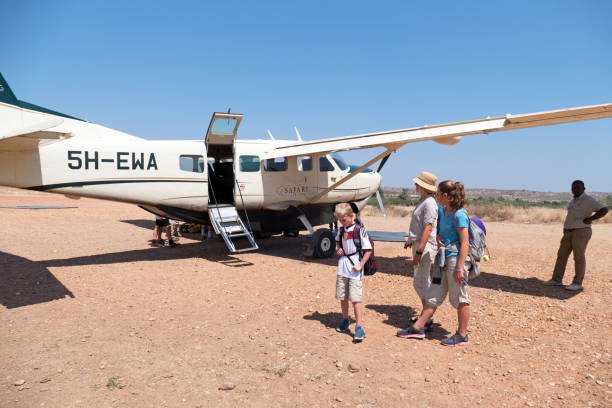
Tanzania Island Tour Costs: Budget, Packages & Guide 2026-2027
Planning a Tanzania island getaway? This guide breaks down the costs associated with island tours, focusing on Zanzibar, and provides insights for 2026-2027 travel.
View package detailsTanzania Attraction Entry Fees: Guide To Park And Reserve Costs For 2026-2027
Planning a trip to Tanzania? This comprehensive guide details the essential Tanzania attraction entry fees for 2026-2027, covering national parks, conservation areas, and cultural sites...
View package details
Mafia Island Holiday Cost: Your Budget Guide 2026-2027
Planning a Mafia Island holiday involves understanding the various costs involved. This guide breaks down typical expenses for 2026-2027, covering accommodation, activities, transport, and...
View package details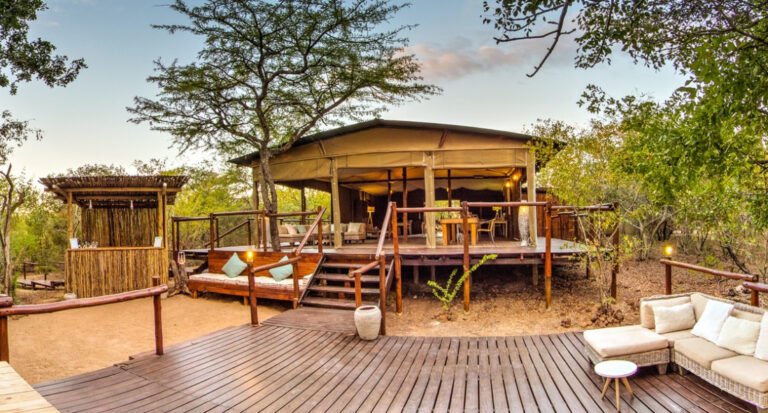
Mafia Marine Park Entry Fees: Your Guide 2026-2027
Planning a trip to Mafia Island and its renowned marine park? This guide breaks down the Mafia Marine Park entry fees for 2026-2027, helping you budget for your underwater adventures and...
View package detailsNo related package matches those filters. Clear one or more filters to see the other topic-matched options.



