
Kigoma Region, situated in western Tanzania along the shores of Lake Tanganyika, offers a distinct Tanzanian experience focused on chimpanzee trekking in Gombe Stream and Mahale Mountains National Parks, rich cultural encounters, and exploring Africa’s second-deepest lake. It is a prime destination for wildlife enthusiasts and cultural explorers seeking off-the-beaten-path adventures, with prime chimpanzee viewing seasons generally aligning with the dry months.
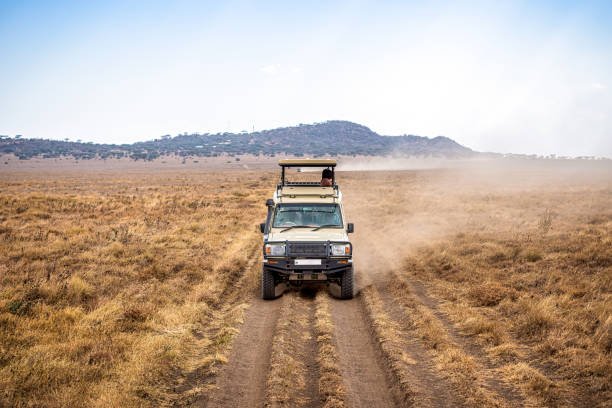
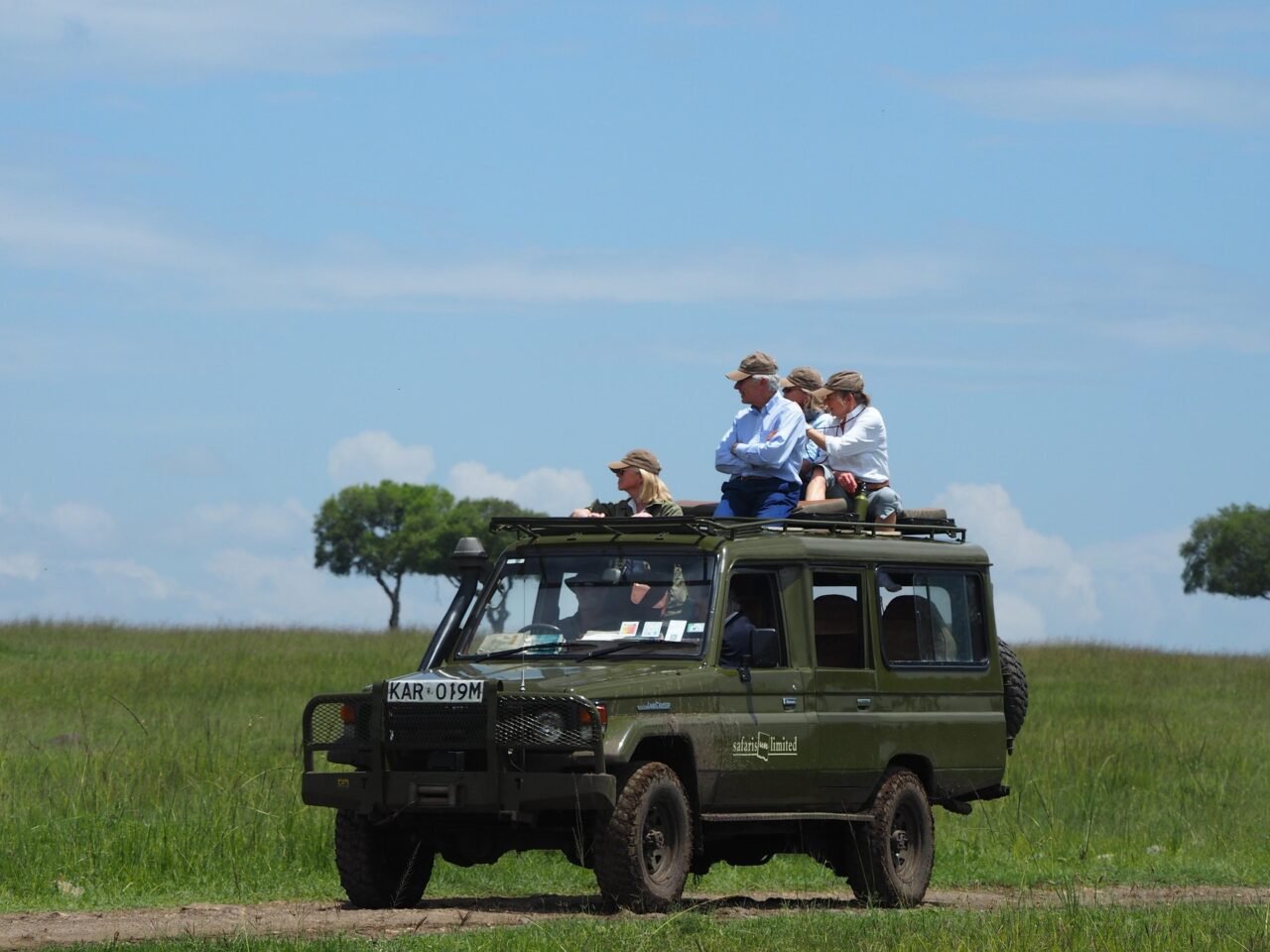

Discovering Kigoma Region: Tanzania’s Untamed Western Frontier
The Kigoma Region stands apart from Tanzania’s more frequented northern safari circuits. It is a land of dramatic landscapes, vibrant cultures, and unparalleled wildlife encounters, particularly primate trekking. Bordering Burundi and the Democratic Republic of Congo, Kigoma town itself serves as the main gateway to this fascinating part of the country. The region’s star attractions are undoubtedly the world-renowned Gombe Stream National Park and the more remote Mahale Mountains National Park, both offering exceptional opportunities to observe wild chimpanzees in their natural habitat. Beyond primates, Kigoma Region boasts the immense beauty and ecological significance of Lake Tanganyika, the world’s longest freshwater lake and second-deepest, teeming with unique aquatic life and offering stunning lakeside vistas.
This comprehensive guide will navigate you through the wonders of Kigoma Region, from planning your 2026-2027 visit and understanding the best times to travel, to detailing the iconic chimpanzee trekking experiences, exploring cultural interactions, and providing practical advice for an unforgettable journey.
Geographic Significance and Natural Wonders of Kigoma Region
Kigoma Region is strategically located in the northwestern corner of Tanzania, hugging the eastern edge of the colossal Lake Tanganyika. This vast freshwater lake dictates much of the region’s geography and climate, creating a unique ecosystem distinct from the savannahs of the Serengeti or the plains of the Selous. The region is characterized by its dramatic rift valley topography, with steep escarpments plunging towards the lake, creating a backdrop of stunning natural beauty.
Lake Tanganyika itself is a marvel. Its sheer size – stretching over 670 kilometers long and up to 75 kilometers wide – makes it a significant geographical feature. Its depth, reaching over 1,400 meters, contributes to its status as one of the planet’s most biodiverse freshwater bodies, home to thousands of endemic species, especially cichlid fish. The lake provides not only a impressive setting but also a vital source of livelihood for local communities through fishing and trade.
The land surrounding the lake is a mix of verdant hills, dense forests, and smaller river valleys. This varied terrain supports a rich diversity of flora and fauna, making Kigoma Region a critical biodiversity hotspot. The dense forests are particularly important as they provide the essential habitat for chimpanzees and other primates. The climate is tropical, with distinct wet and dry seasons, influencing wildlife viewing and travel conditions throughout the year.
Planning Your Kigoma Region Adventure: Best Times to Visit in 2026-2027
When planning a trip to Kigoma Region, timing is crucial, especially for maximizing your chances of observing chimpanzees and enjoying comfortable travel conditions. The region experiences a tropical climate with significant rainfall, particularly from November to May. The dry seasons are generally considered the best times for a visit.
The primary dry season runs from June to October. This period offers sunny skies, lower humidity, and easier trekking conditions, as trails are less muddy and slippery. It’s also a peak time for wildlife viewing across Tanzania, and while Kigoma isn’t as crowded as the northern parks, it’s advisable to book accommodations and tours in advance, particularly for popular periods in 2026 and 2027.
A shorter dry spell occurs from December to February. This can also be a good time to visit, offering pleasant weather, though occasional short rains can occur. This period might be slightly less crowded than the main dry season.
The rainy season (November to May), especially from March to May, sees heavy downpours. While the landscapes are lush and vibrant, trekking can be challenging, and some trails might be impassable. However, this period can offer a more authentic, less-trafficked experience for those who don’t mind the rain and are looking for lower prices, potentially available in late 2026 or early 2027.
For chimpanzee trekking specifically, the dry seasons are generally preferred as chimpanzees tend to descend to lower altitudes, making them easier to find. However, chimpanzees are wild animals, and sightings are never guaranteed regardless of the season.
When booking for 2026-2027, consider these factors:
- June – October 2026/2027: Ideal for dry conditions, easier trekking, and good wildlife visibility. Expect higher demand and potentially higher prices.
- December – February 2026/2027: A good alternative with pleasant weather, though shorter dry period.
- November, March – May: Rainy season. Lush scenery, fewer crowds, potentially lower costs. Trekking can be difficult.
Getting to Kigoma Region
Reaching Kigoma Region requires a bit more planning than flying into Kilimanjaro or Arusha, but the journey is part of the adventure. The most common ways to arrive are:
By Air:
There are domestic flights connecting Kigoma Airport (TKQ) to major Tanzanian cities like Dar es Salaam and Arusha. Precision Air and other local carriers often operate these routes. Flights offer a swift way to reach Kigoma, saving considerable travel time compared to road or rail. Booking these flights well in advance, especially for peak travel in 2026-2027, is recommended.
By Train:
The historic Tanzania-Zambia Railway Authority (TAZARA) line has a branch that runs from Dar es Salaam to Kigoma. This is a scenic, albeit slow, journey that offers a glimpse into rural Tanzania. The train journey can take 24-36 hours or more, depending on the service and conditions. It’s an economical option for budget travelers, but comfort levels can vary significantly.
By Road:
Driving to Kigoma from other major Tanzanian cities like Dar es Salaam or Arusha is possible but is a very long journey, often taking two days or more. The roads can be in varying conditions, and this option is best suited for those with ample time and a preference for overland travel, perhaps in a 4×4 vehicle for better comfort and reliability.
The Jewel of Western Tanzania: Gombe Stream National Park
Gombe Stream National Park is Tanzania’s smallest national park, but it punches well above its weight in terms of fame and scientific importance. located on the shores of Lake Tanganyika, Gombe is most celebrated as the research site of the pioneering primatologist Dr. Jane Goodall, who began her groundbreaking studies of wild chimpanzees here in 1960. Today, the park continues to be a vital center for chimpanzee research and conservation, offering visitors a unique opportunity to witness these intelligent primates up close.
Chimpanzee Trekking in Gombe: An Intimate Encounter
Chimpanzee trekking in Gombe is the park’s main draw. Unlike the game drives common in other Tanzanian parks, Gombe’s exploration is on foot. Visitors, accompanied by experienced guides and rangers, hike through the dense forest trails in search of the chimpanzee communities. The treks can range from a few hours to a full day, depending on the chimpanzees’ movements.
When a chimpanzee family is located, visitors are allowed a limited time (typically one hour) to observe their natural behavior – feeding, grooming, playing, and interacting. The experience is profoundly moving, offering insights into primate behavior that are rarely seen elsewhere. The guides are skilled at tracking the chimps, often following calls and signs of their passage.
Key aspects of Gombe chimpanzee trekking:
- Permits: Chimpanzee trekking permits are required and should be booked in advance, especially for the popular seasons of 2026 and 2027.
- Fitness: Treks involve walking on steep, sometimes muddy, forest trails. A reasonable level of fitness is beneficial.
- Best Time: Dry seasons (June-October, December-February) offer easier trekking and often higher chimpanzee visibility at lower altitudes.
- Ethical Viewing: Strict rules are in place to protect the chimpanzees, including maintaining a safe distance and limiting interaction time.
Beyond Chimpanzees: The Biodiversity of Gombe
While chimpanzees are the highlight, Gombe Stream National Park is also home to other fascinating wildlife. Several other primate species can be spotted, including olive baboons, vervet monkeys, and red-tailed monkeys. Birdlife is abundant, with over 200 species recorded, making it a delight for birdwatchers. The park’s diverse habitats, from montane forests to the lake shore, support a variety of smaller mammals and reptiles.
Lake Tanganyika borders Gombe, offering opportunities for swimming, snorkeling, and boat trips. The crystal-clear waters and the unique fish species are a world away from the typical safari experience.
Accommodation in Gombe
Accommodation options within Gombe are limited and primarily focus on eco-lodges and bandas (cabins) that blend with the natural environment. These range from basic to comfortable, often offering stunning lake views. Booking accommodation well in advance is essential, as capacity is limited.
Mahale Mountains National Park: The Primate Paradise
Located south of Gombe, also on the shores of Lake Tanganyika, Mahale Mountains National Park is arguably Tanzania’s most spectacular primate destination. It is more remote and less visited than Gombe, offering a more wild and untamed experience. The park is renowned for its large population of wild chimpanzees, as well as its stunning mountainous terrain that plunges dramatically into the lake.
Trekking Chimpanzees in Mahale
Chimpanzee trekking in Mahale is an adventure in itself. The terrain is more rugged and mountainous than Gombe, with treks often involving steeper ascents and descents through dense forests. The reward is an unparalleled opportunity to observe chimpanzee behavior in a truly wild setting.
Similar to Gombe, treks are guided by experienced rangers who track the chimpanzees. The habituation process in Mahale means that some groups are accustomed to human presence, allowing for close and respectful observation. The success of sightings often depends on the season and the chimpanzees’ current foraging patterns.
Mahale trekking considerations:
- Accessibility: Mahale is typically accessed by boat from Kigoma town or by light aircraft landing at a remote airstrip, followed by a boat transfer. This adds to the sense of remoteness and adventure.
- Duration: Chimpanzee treks can take several hours, and multiple days are recommended to increase chances of sightings and explore different areas.
- Best Experience: The dry season (June-October) is ideal for trekking due to easier trail conditions.
The Majestic Mahale Landscape
The Mahale Mountains themselves are a sight to behold, with slopes covered in dense tropical forests, grasslands, and bamboo thickets. The highest peak, Nkungwe, reaches over 2,400 meters. The park’s location on the lake’s western edge means that hiking often involves significant elevation changes, offering spectacular panoramic views of Lake Tanganyika.
Beyond chimpanzees, Mahale is home to other primates, including red colobus monkeys, Angolan colobus monkeys, baboons, and various bird species. The lake offers opportunities for swimming and snorkeling, with its rich fish diversity being a significant attraction.
Accommodation in Mahale
Lodging in Mahale is exclusive and designed to complement the remote wilderness experience. Options typically include luxury tented camps or lodges situated along the lake shore, offering direct access to the beach and impressive views. Booking must be done far in advance, especially for popular travel dates in 2026 and 2027, as these lodges have limited capacity.
Cultural Encounters in Kigoma Region
Kigoma Region is not just about wildlife; it’s also a melting pot of cultures, influenced by its proximity to neighboring countries and its history as a trading post.
Kigoma Town: A Historical Hub
Kigoma town, the administrative and commercial center of the region, has a rich history. It was a significant point during the colonial era and was famously visited by Henry Morton Stanley in his search for Dr. David Livingstone in 1871. The town retains some colonial-era architecture and a vibrant waterfront.
- Livingstone Memorial: A short distance from Kigoma town, at Ujiji, lies a memorial commemorating the meeting of Stanley and Livingstone. Ujiji itself is one of the oldest Swahili settlements on the East African coast and a historic trading center.
- Local Markets: Exploring the bustling local markets provides a sensory experience of daily life, with vendors selling fresh produce, fish, crafts, and more.
- Cultural Significance: Kigoma is a gateway to understanding the diverse ethnic groups of western Tanzania, including the Ha, Konongo, and Tongwe people.
Experiencing Local Life
Engaging with the local communities is an integral part of a Kigoma adventure. Many tours can incorporate visits to villages, offering insights into traditional lifestyles, agriculture, and crafts. Learning about the fishing communities along Lake Tanganyika or visiting local schools can be incredibly rewarding.
For travelers interested in cultural authenticity, engaging with local guides and understanding their traditions is key. This is where a company like Top Guide Adventures, with its focus on personalized and culturally sensitive tours, can greatly enhance the experience.
Activities and Experiences Beyond Primate Trekking
While chimpanzee trekking dominates the Kigoma experience, there are numerous other activities that make a visit to the region truly memorable.
Lake Tanganyika Adventures
Lake Tanganyika offers
Check Availability for Kigoma Region 2026-2027
Ready to compare dates, prices, and the best option for your group? Send the package name and travel month so the team can reply with a clear quote, availability, and what is included.
Katavi Region: Tanzanias Untamed Wilderness Safari Destination 2026-2027
Explore Katavi Region, a truly wild and remote safari destination in Tanzania, offering unparalleled wildlife viewing and a genuine wilderness experience. Perfect for adventurers seeking...
View package details
Kigoma Tanzania Travel Guide: Your Essential Gateway To Lake Tanganyika
Explore Kigoma, Tanzania, a unique destination on the shores of Lake Tanganyika. This guide covers everything from Gombe Stream National Park and Mahale Mountains to local culture...
View package detailsMara Region: Your Ultimate Guide To Tanzanias Wildlife Haven In 2026-2027
Discover the unparalleled wildlife spectacles of Tanzania's Mara Region, a prime destination for safari enthusiasts. This comprehensive guide covers everything from the iconic Serengeti...
View package details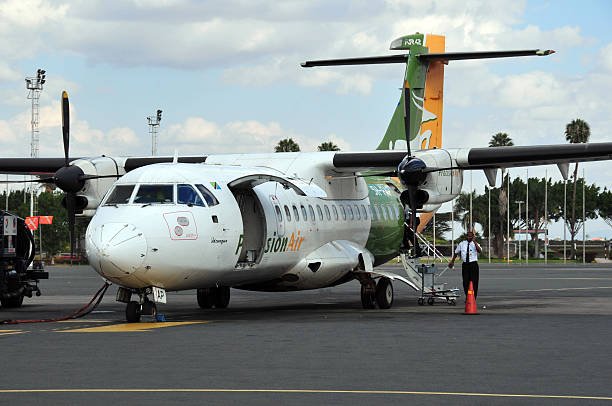
Mwanza Region: Your Ultimate Guide To Tanzanias Lake Victoria Hub 2026-2027
Explore the Mwanza Region, Tanzania's gateway to Lake Victoria. Learn about its rich Sukuma culture, unique geological formations, wildlife, and essential travel information for your...
View package details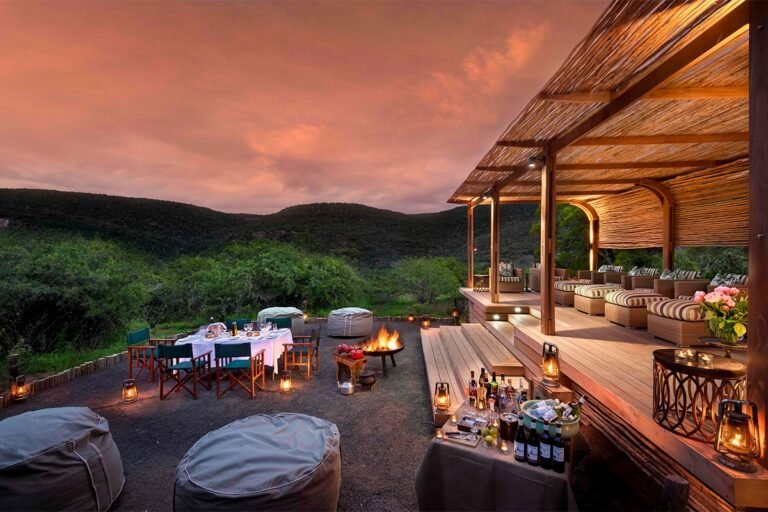
Simiyu Region 2026-2027
Simiyu Region is explained with current 2026-2027 planning, price, itinerary and booking information.
View package details
Tabora Region: Unveiling Tanzanias Historical Heart And Untamed Wilds
Discover the rich history and diverse natural beauty of Tanzania's Tabora Region. This guide covers its historical significance, wildlife, cultural experiences, and how to plan your...
View package details
Ruvuma Region Guide
Discover the Ruvuma Region in southern Tanzania, a destination offering unparalleled wildlife encounters, rich cultural heritage, and stunning natural landscapes, perfect for adventurous...
View package details
Manyara Region 2026-2027
Manyara Region is explained with current 2026-2027 planning, price, itinerary and booking information.
View package detailsKilimanjaro Region 2026-2027
Kilimanjaro Region is explained with current 2026-2027 planning, price, itinerary and booking information.
View package details
Arusha Region 2026-2027
Arusha Region is explained with current 2026-2027 planning, price, itinerary and booking information.
View package details
Kagera Region 2026-2027
Kagera Region is explained with current 2026-2027 planning, price, itinerary and booking information.
View package details
Mbeya Region: Your Essential Guide To Tanzanias Southern Highlands 2026-2027
Discover the Mbeya Region, Tanzania's southern highlands. This comprehensive guide covers its natural beauty, cultural encounters, adventure opportunities, and practical travel advice for...
View package detailsNo related package matches those filters. Clear one or more filters to see the other topic-matched options.



