
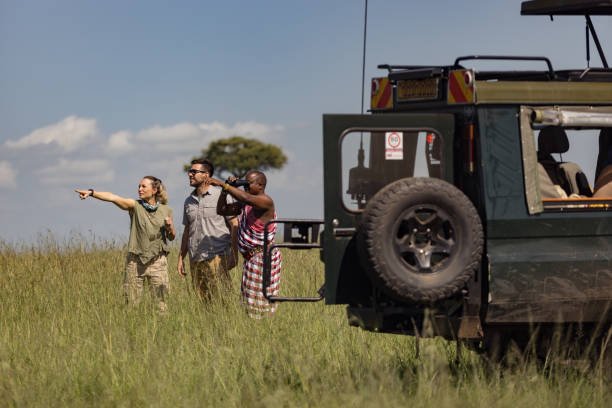
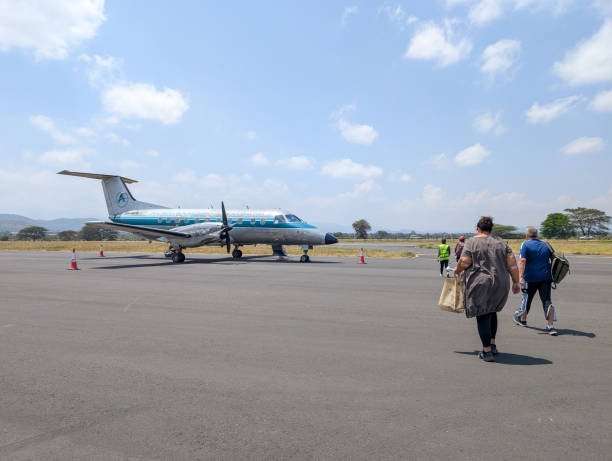
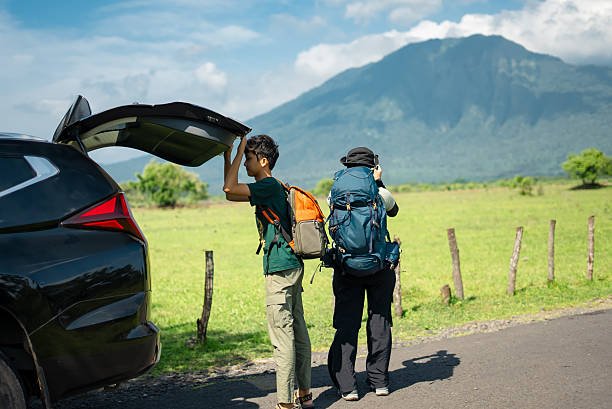
The Kagera Region in Tanzania, located in the country’s far west bordering Rwanda and Burundi, offers a distinctive travel experience centered on the vast shores of Lake Victoria, vibrant local cultures, significant historical sites, and a more off-the-beaten-path approach to wildlife viewing compared to Tanzania’s northern circuit. Visitors can expect to encounter communities rich in tradition, explore colonial history, and enjoy the natural beauty of its lakeshores and acacia-dotted savannas, making it an excellent destination for those seeking authentic cultural immersion and a quieter safari experience, especially as travel plans for 2026 and 2027 are made.
Understanding the Kagera Region: Tanzania’s Western Frontier
Tanzania is globally renowned for its iconic safari destinations like the Serengeti, Ngorongoro Crater, and Mount Kilimanjaro. However, the country’s diversity extends far beyond these famous locales. The Kagera Region, named after the Kagera River that flows into Lake Victoria, represents a different facet of Tanzania – one that is deeply rooted in history, characterized by a unique blend of cultures, and blessed with the immense presence of Africa’s largest lake. For travelers planning their trips for 2026 and 2027, Kagera presents an opportunity to step away from the more frequented tourist trails and discover a more intimate and authentic side of East Africa.
This region is not typically on the radar for first-time safari-goers focused solely on the “big five” in a single, concentrated area. Instead, Kagera appeals to the discerning traveler interested in:
- Deep Cultural Encounters: Interacting with the various ethnic groups that call Kagera home, understanding their traditions, and witnessing their daily lives.
- Historical Significance: Exploring sites related to the region’s past, including colonial influences and its role in historical events.
- Lake Victoria Exploration: Experiencing the lifeblood of the region, from fishing villages to boat trips and the unique ecosystems it supports.
- Off-the-Beaten-Path Wildlife: While not a prime big game destination, Kagera hosts diverse birdlife, primates, and other animals in its national parks and reserves.
- Authentic Tanzanian Life: Observing and participating in the rhythm of local communities away from mass tourism.
Top Guide Adventures specializes in crafting journeys that go beyond the ordinary. While we excel in organizing classic safaris and Kilimanjaro climbs, we also recognize the immense value of destinations like Kagera for travelers seeking depth and unique experiences. Our expertise in tailoring itineraries ensures that a visit to Kagera can be seamlessly integrated into a broader Tanzanian adventure or stand as a destination in its own right for those prioritizing cultural immersion and historical discovery.
Geography and Key Features of Kagera
The Kagera Region occupies the northwestern corner of Tanzania, forming a crucial border area with neighboring countries. Its geography is dominated by the southern and eastern shores of Lake Victoria, the largest lake in Africa and the world’s second-largest freshwater lake by surface area. This immense body of water profoundly influences the region’s climate, economy, and culture.
Lake Victoria’s Influence:
- Water Source and Livelihood: The lake provides vital fishing opportunities, supporting numerous communities along its coast. It’s also a key transportation route and a source of freshwater.
- Climate Moderation: The lake helps moderate temperatures, leading to a generally more humid climate than in the drier central or southern parts of Tanzania.
- Biodiversity: Lake Victoria and its surrounding wetlands are rich in birdlife and aquatic species.
Topography and Landscape:
- The region features rolling hills, fertile plains, and savanna woodlands, interspersed with the expansive lake and its tributaries.
- The Kagera River itself, forming part of the region’s western boundary, is a significant waterway.
- Altitude varies, with areas near the lake being at lower elevations, while inland regions can be more elevated.
Administrative and Population Centers:
- The regional capital is Bukoba, a bustling port town on the western shore of Lake Victoria. It serves as the main hub for transport, commerce, and administration in the area.
- Other notable towns include Muleba, Biharamulo, and Ngara, each with its own unique character and importance within the region.
Understanding Kagera’s geography is key to appreciating its potential for tourism. The presence of Lake Victoria opens up possibilities for water-based activities and offers a different kind of scenic beauty compared to the classic savanna landscapes. The fertile land also supports significant agricultural activities, contributing to the region’s economy and daily life.
Cultural Richness: The Heartbeat of Kagera
The Kagera Region is a mosaic of ethnic groups, each contributing to a vibrant cultural mix. The dominant communities include the Bahaya, Banyambo, and others, each with distinct languages, customs, and traditions. For travelers in 2026-2027 looking for genuine cultural exchange, Kagera offers unparalleled opportunities.
The Bahaya People:
- The Bahaya are the largest ethnic group in Kagera, primarily inhabiting the areas around Bukoba.
- They are known for their rich oral traditions, intricate beadwork, and a history of complex social structures, including kingdoms.
- Traditional practices, such as music and dance, often feature prominently in community gatherings and celebrations.
- Their agricultural practices, particularly banana cultivation, are central to their economy and culture.
Traditional Lifestyles and Arts:
- Music and Dance: Traditional music often involves drums, stringed instruments, and vocal performances, accompanying energetic dances that tell stories or celebrate events.
- Craftsmanship: Local crafts include pottery, wood carving, and the creation of intricate baskets and mats, often using locally sourced materials.
- Cuisine: Staple foods often revolve around bananas, cassava, and maize, prepared in various traditional ways. Fish from Lake Victoria is also a dietary staple.
Experiencing Culture with Top Guide Adventures:
- We can arrange visits to local villages where travelers can respectfully observe daily life, perhaps witness traditional farming methods, or see local crafts being made.
- Opportunities to interact with community elders, learn about local customs, and understand the social fabric of Kagera can be incorporated into bespoke itineraries.
- Visits to local markets provide a lively glimpse into the region’s commerce and social interactions.
A journey to Kagera is as much about connecting with its people as it is about exploring its landscapes. Top Guide Adventures prioritizes authentic and respectful cultural engagement, ensuring that your interactions contribute positively to the communities you visit.
Historical Significance of Kagera
The Kagera Region holds a place of considerable historical importance, both within Tanzania and in the broader context of East African history. Its strategic location and the Kagera River itself have made it a crossroads for migration, trade, and conflict over centuries. Understanding this history enriches the travel experience for those visiting in 2026-2027.
Colonial Era and German East Africa:
- The region was part of German East Africa, and its proximity to the then Belgian Congo and British Uganda meant it was a point of contact and sometimes tension between colonial powers.
- German administrative centers were established, leaving behind some architectural remnants and influencing the region’s development.
The Rwandan Genocide Connection:
- The Kagera River forms a significant part of the border with Rwanda. Tragically, the region played a role in the events leading up to and during the 1994 Rwandan Genocide, with refugees crossing into Tanzania.
- Historical sites or memorials related to this period may exist, offering somber but important opportunities for reflection. (Note: Access to specific sites related to this sensitive history requires careful planning and respect.)
Pre-Colonial Kingdoms:
- The Bahaya people, in particular, have a history of sophisticated kingdoms and social structures that predate colonial rule.
- While tangible archaeological sites might be limited for general tourism, understanding this history adds depth to interactions with the local culture.
Exploring Historical Sites:
- Bukoba Museum: While small, it can offer insights into the region
Check Availability for Kagera Region 2026-2027
Ready to compare dates, prices, and the best option for your group? Send the package name and travel month so the team can reply with a clear quote, availability, and what is included.
12 closely related packages
Katavi Region: Tanzanias Untamed Wilderness Safari Destination 2026-2027
Explore Katavi Region, a truly wild and remote safari destination in Tanzania, offering unparalleled wildlife viewing and a genuine wilderness experience. Perfect for adventurers seeking...
View package details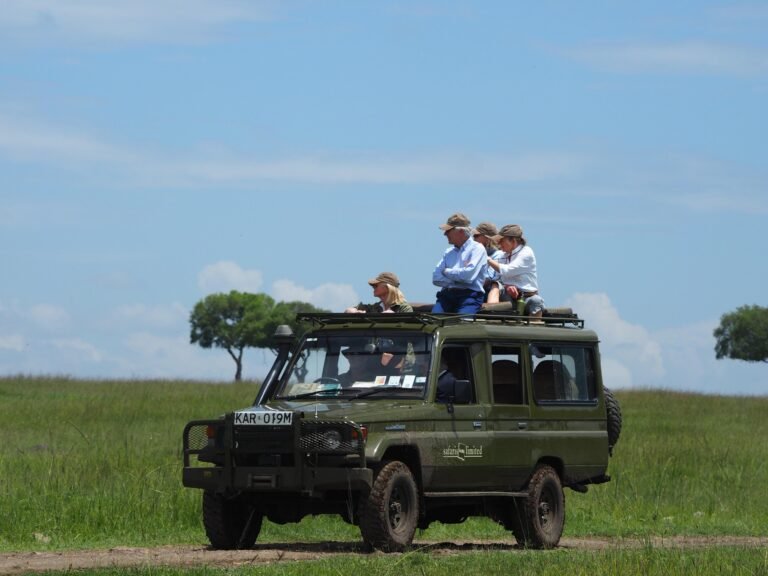
Mara Region: Your Ultimate Guide To Tanzanias Wildlife Haven In 2026-2027
Discover the unparalleled wildlife spectacles of Tanzania's Mara Region, a prime destination for safari enthusiasts. This comprehensive guide covers everything from the iconic Serengeti...
View package details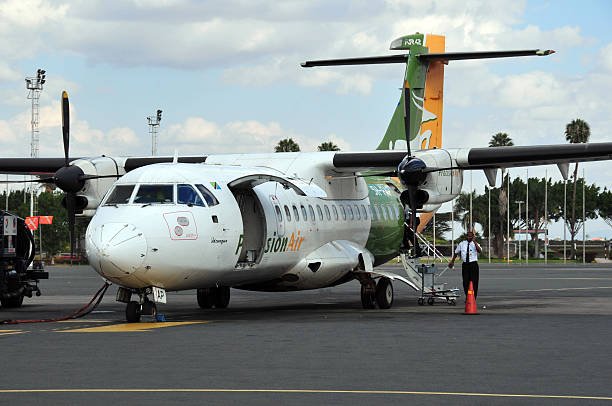
Mwanza Region: Your Ultimate Guide To Tanzanias Lake Victoria Hub 2026-2027
Explore the Mwanza Region, Tanzania's gateway to Lake Victoria. Learn about its rich Sukuma culture, unique geological formations, wildlife, and essential travel information for your...
View package details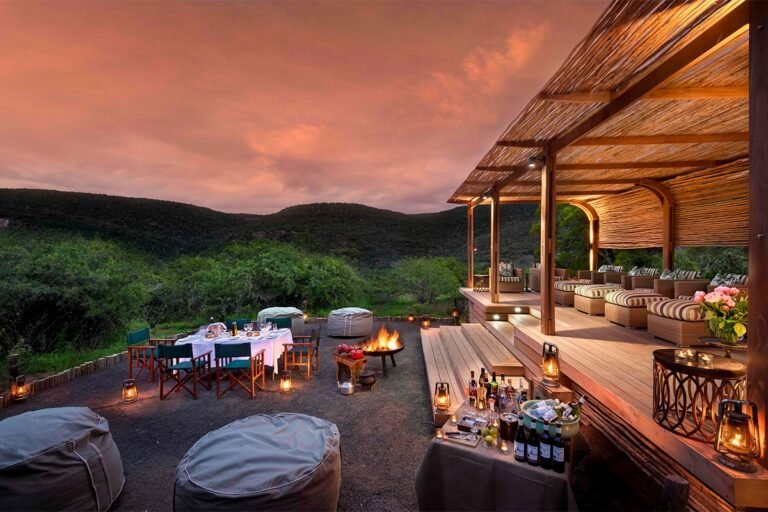
Simiyu Region 2026-2027
Simiyu Region is explained with current 2026-2027 planning, price, itinerary and booking information.
View package details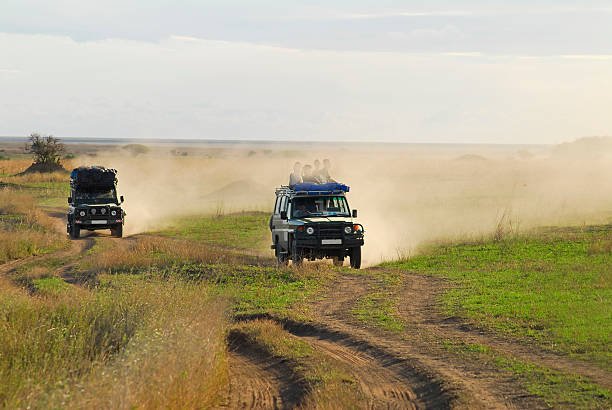
Tabora Region: Unveiling Tanzanias Historical Heart And Untamed Wilds
Discover the rich history and diverse natural beauty of Tanzania's Tabora Region. This guide covers its historical significance, wildlife, cultural experiences, and how to plan your...
View package details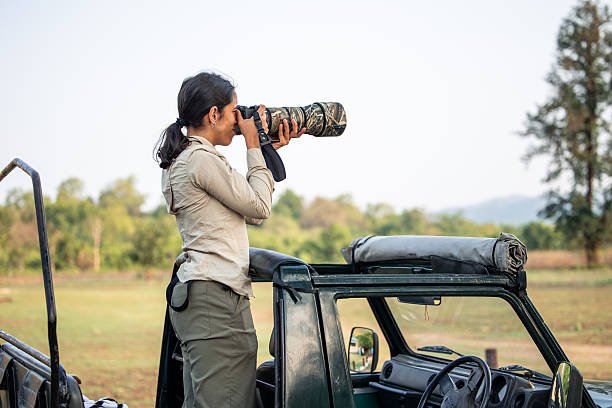
Ruvuma Region Guide
Discover the Ruvuma Region in southern Tanzania, a destination offering unparalleled wildlife encounters, rich cultural heritage, and stunning natural landscapes, perfect for adventurous...
View package details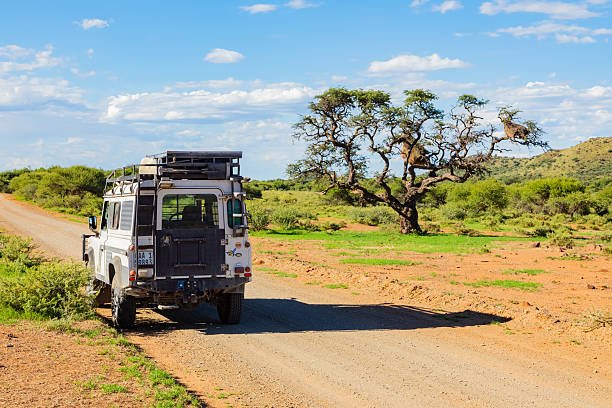
Manyara Region 2026-2027
Manyara Region is explained with current 2026-2027 planning, price, itinerary and booking information.
View package detailsKilimanjaro Region 2026-2027
Kilimanjaro Region is explained with current 2026-2027 planning, price, itinerary and booking information.
View package details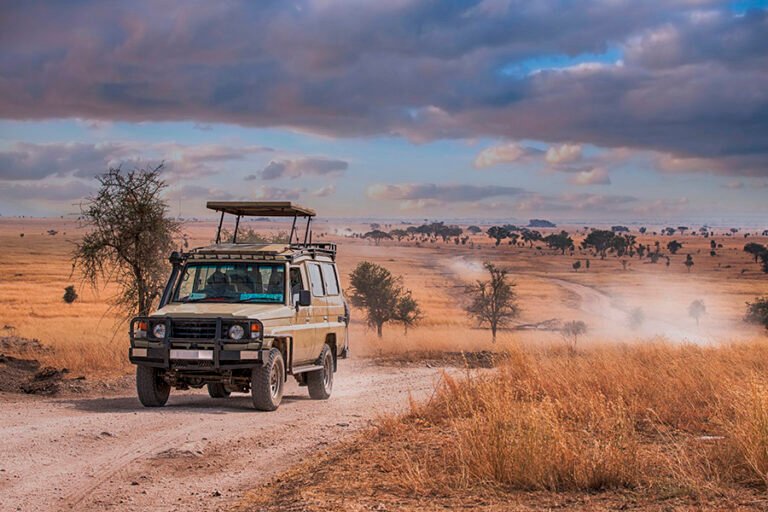
Arusha Region 2026-2027
Arusha Region is explained with current 2026-2027 planning, price, itinerary and booking information.
View package details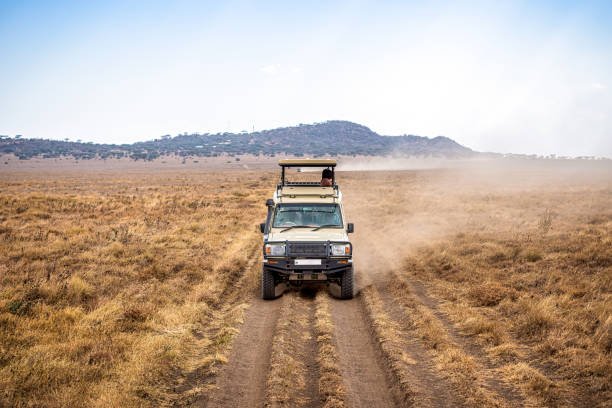
Kigoma Region 2026-2027
Kigoma Region is explained with current 2026-2027 planning, price, itinerary and booking information.
View package details
Mbeya Region: Your Essential Guide To Tanzanias Southern Highlands 2026-2027
Discover the Mbeya Region, Tanzania's southern highlands. This comprehensive guide covers its natural beauty, cultural encounters, adventure opportunities, and practical travel advice for...
View package detailsTanzania Photography Safari 2026-2027
Tanzania Photography Safari is explained with current 2026-2027 planning, price, itinerary and booking information.
View package detailsNo related package matches those filters. Clear one or more filters to see the other topic-matched options.



