
The Mbeya Region in Tanzania offers a distinct travel experience characterized by its cooler highland climate, dramatic volcanic landscapes, fertile agricultural areas, and rich cultural diversity, making it an increasingly attractive destination for travelers seeking authentic experiences beyond the typical northern safari circuit, especially as interest grows for 2026 and 2027 explorations.

Understanding the Mbeya Region’s Unique Appeal
Mbeya Region, situated in the southwestern part of Tanzania, presents a interesting contrast to the country’s more frequently visited northern tourist hubs. Its geographical position, located within the Southern Highlands, endows it with a unique topography and climate. This area is characterized by rolling hills, majestic mountains including the Livingstone Mountains, and vast plateaus, interspersed with fertile valleys that support extensive agricultural activities. The altitude, often exceeding 1,500 meters, results in a temperate climate, significantly cooler than the coastal plains, making it a refreshing escape and a haven for biodiversity.
The region’s economy is largely driven by agriculture, with coffee, tea, maize, and pyrethrum being key crops. This agricultural richness contributes to the picturesque scenery of manicured plantations cascading down hillsides. Beyond its agricultural output, Mbeya is also known for its mineral wealth, particularly gold and gemstones, which have historically attracted prospectors and continue to contribute to the local economy.
Culturally, Mbeya is a mosaic of ethnic groups, with the Nyakyusa, Safwa, Ndali, and Mbeya people being prominent. Each group possesses distinct traditions, languages, and social structures, offering visitors a chance to engage with authentic Tanzanian heritage. The region’s relative isolation has helped preserve these cultural practices, providing a genuine glimpse into local life.
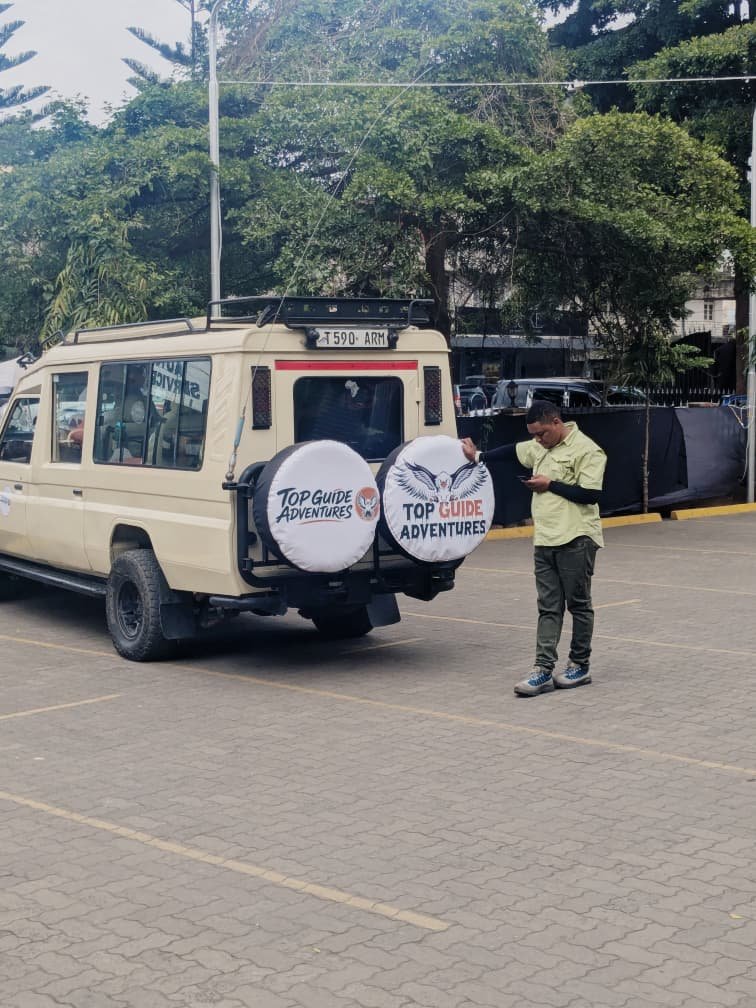
For travelers planning their adventures for 2026 and 2027, the Mbeya Region stands out for its potential to offer off-the-beaten-path exploration. It’s a destination for those who appreciate natural beauty, wish to understand rural Tanzanian life, and are keen on discovering less-commercialized landscapes. Top Guide Adventures specializes in crafting journeys that highlight these unique aspects of Mbeya, ensuring a personalized and insightful experience.
Key Destinations and Attractions within Mbeya Region
The Mbeya Region is not a single tourist hotspot but rather a collection of diverse attractions spread across its districts. Understanding these specific locations is crucial for planning an itinerary that captures the essence of this southern Tanzanian gem.
Mbeya City: The Regional Hub
Mbeya City itself serves as the administrative and commercial capital of the region. While not a primary tourist destination in the same vein as national parks, it is a vital transit point and offers insights into contemporary Tanzanian urban life in a highland setting. Visitors might find local markets, bustling with activity and offering a variety of produce and crafts, a good place to start. The city’s altitude provides a pleasant climate, and it’s surrounded by scenic hills, offering opportunities for short hikes and panoramic views.
Kitulo National Park: The ‘Garden of God’
Perhaps the most significant natural attraction in the Mbeya Region is Kitulo National Park. This park is unique in Tanzania, being a botanical wonderland rather than a wildlife-focused sanctuary. It’s renowned for its vast grasslands dotted with thousands of species of wild orchids and other endemic wildflowers. The park’s landscape is a rolling plateau, characterized by montane grasslands and the occasional forest patch, with dramatic waterfalls and crystal-clear streams. For botanists, nature enthusiasts, and photographers, Kitulo offers unparalleled opportunities, especially during the rainy season when the flowers are in full bloom. Planning a visit between November and April is recommended for the best floral displays, making it a prime consideration for 2026-2027 travel planning.
Lake Ngozi: A Volcanic Caldera Lake
Located near Mbeya City, Lake Ngozi is a stunning crater lake situated within a volcanic caldera. The lake’s deep blue waters are surrounded by dense, evergreen forests, creating a serene and almost mystical atmosphere. Legend has it that the lake is inhabited by spirits, and local traditions often involve rituals performed at its shores. Visitors can hike to the rim of the caldera for impressive views or arrange for a boat trip to explore the lake’s tranquil surface. The surrounding forest is also a habitat for various bird species and small mammals.
Ruaha National Park (Southern Section)
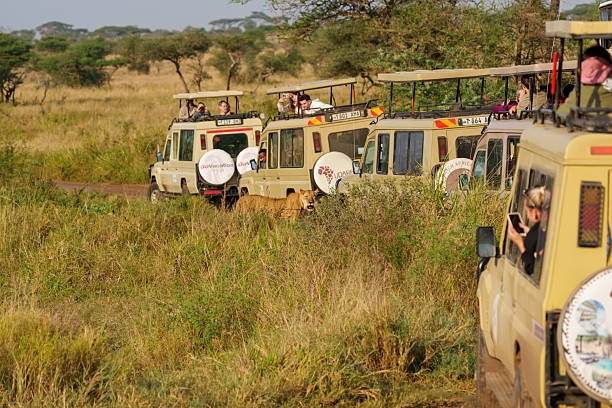
While primarily known for its vast northern territories, the southern reaches of Ruaha National Park extend into the Mbeya Region. This section of Ruaha offers a more remote and less-visited wilderness experience compared to the main tourist circuits. It’s a prime location for experiencing Tanzania’s iconic safari wildlife, including large prides of lions, elephants, buffaloes, and a rich diversity of birdlife. The landscape is characterized by rugged hills, dry riverbeds, and acacia woodlands. Safaris here often involve tracking game on foot or by vehicle, providing an intimate encounter with the wild. For those seeking a less crowded safari experience in 2026-2027, this part of Ruaha is highly recommended.
Matema Beach on Lake Nyasa
While the Mbeya Region is landlocked, it borders Lake Nyasa (also known as Lake Malawi), and Matema Beach is one of its most accessible and beautiful lakeside areas. Situated in the Rungwe District, Matema offers a tranquil beach experience with the dramatic backdrop of volcanic mountains. It’s a place to relax, swim in the clear lake waters, and interact with the local fishing communities. The beach is known for its distinctive black volcanic sand. The nearby Usangu wetlands are also a significant ecological area.
Usangu Wetlands
Part of the Great Ruaha River basin, the Usangu Wetlands are a vast and ecologically vital area. These wetlands are a crucial habitat for a wide array of bird species, making them a significant destination for birdwatchers. The wetlands also support diverse aquatic life and are important for the regional water cycle. While access can be challenging, organized tours can provide guided explorations, offering a chance to witness a different facet of Tanzania’s natural heritage.
Livingstone Mountains
These mountains form a significant geographical feature of the Mbeya Region, marking the eastern edge of the East African Rift. They offer challenging trekking opportunities for experienced hikers and adventurers. The higher altitudes provide cooler air and stunning panoramic views of the surrounding landscapes, including Lake Nyasa. The slopes are covered in diverse vegetation, and the area is rich in biodiversity.
Cultural Experiences and Local Life
The Mbeya Region is a treasure trove of cultural experiences, offering a more intimate and authentic encounter with Tanzanian traditions than many more frequented areas. The diversity of ethnic groups means a variety of customs, languages, and ways of life to discover.
Interacting with the Nyakyusa People
The Nyakyusa are the dominant ethnic group in the Rungwe District, known for their agricultural prowess, particularly in coffee cultivation. Visiting Nyakyusa villages offers a chance to learn about their traditional social structures, farming techniques, and community life. Engaging with local guides can facilitate respectful interactions, providing insights into their customs, such as their historical chiefdoms and intricate social hierarchies. Participating in community-based tourism initiatives can offer a deeper connection, perhaps involving shared meals or observing daily activities.
Exploring Coffee and Tea Plantations
The fertile volcanic soils and favorable climate of the Mbeya Region are ideal for growing coffee and tea. Many estates offer tours where visitors can learn about the entire process, from cultivation and harvesting to processing and tasting. These tours are not only educational but also visually appealing, showcasing the lush green landscapes of the plantations. It’s an opportunity to understand the economic backbone of the region and support local producers. For travelers interested in agricultural tourism, these plantation visits are a must-do, especially for those planning trips in 2026 or 2027 when sustainable tourism practices are increasingly valued.
Local Markets and Crafts
Markets are the vibrant heart of any Tanzanian town, and Mbeya Region is no exception. Visiting local markets, such as those in Mbeya City or smaller towns like Tukuyu, provides a sensory experience. Here, you can find fresh produce, local foodstuffs, textiles, and handmade crafts. It’s also a place to observe daily life and interact with local vendors. While mass-produced souvenirs are available, seeking out unique, locally made items can offer a more meaningful connection to the region’s artistry and craftsmanship.
Traditional Music and Dance
While not as widely publicized as some other regions, Mbeya’s ethnic groups often have distinct traditional music and dance forms. These performances are integral to celebrations, ceremonies, and social gatherings. Arranging for a cultural performance, perhaps through a local community project or a specialized tour operator like Top Guide Adventures, can offer a fascinating glimpse into the region’s artistic heritage.
Adventure and Outdoor Activities
The rugged and varied terrain of the Mbeya Region lends itself to a range of adventure activities, appealing to those seeking more active travel experiences.
Trekking and Hiking
The Livingstone Mountains and the highlands surrounding Mbeya offer excellent trekking opportunities. Trails range from moderate day hikes to multi-day expeditions. Hiking to viewpoints overlooking Lake Ngozi or exploring the foothills of the mountains can be rewarding. For more serious trekkers, routes within the less-explored parts of the region can be arranged. These treks often pass through diverse ecosystems, from montane forests to open grasslands, offering chances to see local flora and fauna.
Birdwatching
The Mbeya Region, particularly areas like Kitulo National Park and the Usangu Wetlands, is a paradise for birdwatchers. The diverse habitats support a wide array of endemic and migratory bird species. Birdwatching tours, often led by knowledgeable local guides, can help identify various species, from colorful forest birds to water-loving avian life. Early mornings and late afternoons are typically the best times for spotting birds.
Exploring Volcanic Landscapes
The region’s volcanic origins have shaped its dramatic landscapes. Lake Ngozi, a crater lake, is a prime example. Exploring these areas involves understanding the geological history and appreciating the unique formations. Hikes around volcanic cones or to caldera rims provide both physical challenge and spectacular vistas.
Wildlife Viewing in Southern Ruaha
For wildlife enthusiasts, the southern section of Ruaha National Park offers a unique safari experience. Unlike the more crowded northern parks, this area provides a sense of solitude and raw wilderness. Game drives focus on observing the abundant wildlife, including predators like lions and leopards, large herds of elephants, and diverse antelopes. The landscape itself, with its miombo woodlands and rocky outcrops, adds to the safari adventure.
Planning Your Mbeya Region Trip for 2026-2027
As interest in less-traveled destinations grows, the Mbeya Region is poised to become a more prominent part of Tanzania’s tourism offering. Planning ahead for 2026 and 2027 is advisable for securing the best experiences.
Best Time to Visit
The Mbeya Region experiences a temperate climate due to its altitude. The dry season, generally from June to October, offers cooler temperatures and clear skies, ideal for trekking and general exploration. The wet season, from November to May, brings lush greenery and is particularly spectacular for flower viewing in Kitulo National Park. However, some roads may become less accessible during heavy rains. For a balance of good weather and blooming landscapes, the shoulder months of October-November and April-May can be excellent choices for a 2026 or 2027 visit.
Getting to Mbeya Region
The most common way to reach Mbeya Region is by air or road. Mbeya City has an airport (Mbeya Airport – MBI) that receives domestic flights, primarily from Dar es Salaam. Alternatively, long-distance bus services connect Mbeya City to major Tanzanian cities like Dar es Salaam, Arusha, and Dodoma. For those undertaking a safari that combines northern and southern Tanzania, flying between regions or arranging private road transfers is often the most efficient option. Top Guide Adventures can manage all transportation logistics to ensure a smooth journey for your 2026-2027 adventure.
Accommodation Options
Accommodation in the Mbeya Region ranges from basic guesthouses and lodges in Mbeya City and smaller towns to more specialized accommodations near key attractions. While luxury lodges are less common than in northern Tanzania, options are increasing. Many visitors opt for comfortable mid-range hotels or lodges that offer good amenities. For those visiting remote areas or national parks, tented camps or basic park bandas might be available. Top Guide Adventures works with a curated selection of accommodations to match your travel style and budget for your 2026-2027 trip.
Sample Itinerary Ideas for 2026-2027
To illustrate the possibilities, here are a few itinerary concepts that highlight the Mbeya Region’s diversity:
7-Day Mbeya Highlands Explorer (2026-2027)
- Day 1-2: Arrive in Mbeya City, explore local markets, and take a day trip to Lake Ngozi.
- Day 3-4: Travel to Kitulo National Park for botanical exploration and scenic hikes. Stay in nearby lodges.
- Day 5: Visit a coffee or tea plantation in the Rungwe District for a cultural and agricultural experience.
- Day 6: Journey to Matema Beach on Lake Nyasa for relaxation and interaction with local communities.
- Day 7: Depart from Mbeya or transfer to your next destination.
10-Day Southern Tanzania Adventure (2026-2027)
- Day 1-3: Arrive in Mbeya, acclimatize, and explore Lake Ngozi and surrounding highlands.
- Day 4-7: Drive into the southern sector of Ruaha National Park for a remote safari experience. Focus on game drives and wildlife tracking.
- Day 8: Visit Kitulo National Park for its unique floral landscapes.
- Day 9: Experience the culture of the Nyakyusa people in the Rungwe District, perhaps visiting a coffee farm.
- Day 10: Depart from Mbeya.
These are just examples, and Top Guide Adventures excels at creating tailor-made journeys for 2026 and 2027 that perfectly match your interests, whether they are focused on wildlife, culture, adventure, or a combination thereof.
Responsible Tourism in Mbeya Region
As a destination that values authenticity and community, practicing responsible tourism in the Mbeya Region is paramount. This ensures that your visit benefits local communities and preserves the natural environment for future generations, a principle we strongly uphold for 2026-2027 travel.
Supporting Local Communities
Choose tour operators and accommodations that prioritize hiring local staff, sourcing local produce, and contributing to community development projects. Engaging with local guides not only enhances your experience but also provides direct economic benefits. Purchasing handicrafts directly from artisans also supports their livelihoods. When visiting villages, always seek permission and be respectful of local customs and traditions.
Environmental Conservation
When visiting natural areas like Kitulo National Park or Ruaha, adhere to park rules and regulations. Stay on designated paths, avoid littering, and do not disturb wildlife. Water is a precious resource in many areas; use it judiciously. Choosing eco-friendly lodges and transport options also minimizes your environmental footprint.
Cultural Sensitivity
Be mindful of local customs and dress modestly, especially when visiting villages or religious sites. Always ask for permission before taking photographs of people. Learning a few basic Swahili or local dialect phrases can go a long way in fostering positive interactions.
Why Choose Top Guide Adventures for Your Mbeya Journey?
Top Guide Adventures is dedicated to providing exceptional travel experiences across Tanzania, including the less-explored Mbeya Region. Our expertise lies in crafting personalized itineraries that showcase the best of what this southern highland destination has to offer.
- Local Expertise: We have in-depth knowledge of the Mbeya Region, its attractions, cultural nuances, and logistical challenges.
- Tailor-Made Itineraries: Whether you’re planning for 2026 or 2027, we design trips based on your specific interests, pace, and budget, ensuring a unique adventure.
- Responsible Travel: We are committed to sustainable tourism practices that benefit local communities and protect the environment.
- Comprehensive Support: From planning and booking to your in-country experience, we provide dedicated support every step of the way.
- Authentic Experiences: We focus on creating genuine connections with the culture, nature, and people of the Mbeya Region.
We invite you to explore the Mbeya Region with us and discover a different side of Tanzania. For inquiries about planning your 2026-2027 adventure, please reach out to us.
Planning Your 2026-2027 Mbeya Adventure
The Mbeya Region offers a unique blend of natural beauty, cultural richness, and adventure. For travelers seeking an authentic Tanzanian experience away from the crowds, it is an ideal choice. As you plan your trip for 2026 or 2027, consider the diverse attractions from the floral wonders of Kitulo National Park to the remote wilderness of southern Ruaha and the serene shores of Lake Nyasa. Top Guide Adventures is your trusted partner in uncovering the hidden gems of the Mbeya Region. We are ready to help you craft an unforgettable journey. Contact us today to start planning!
WhatsApp: +255616946642
Email: topguideadventures@gmail.com
Backup Email: info@topguideadventurestanzania.com
Let’s make your 2026-2027 Mbeya Region adventure a reality.
Check Availability for Mbeya Region: Your Essential Guide To Tanzanias Southern Highlands 2026-2027
Ready to compare dates, prices, and the best option for your group? Send the package name and travel month so the team can reply with a clear quote, availability, and what is included.
Katavi Region: Tanzanias Untamed Wilderness Safari Destination 2026-2027
Explore Katavi Region, a truly wild and remote safari destination in Tanzania, offering unparalleled wildlife viewing and a genuine wilderness experience. Perfect for adventurers seeking...
View package details
Mara Region: Your Ultimate Guide To Tanzanias Wildlife Haven In 2026-2027
Discover the unparalleled wildlife spectacles of Tanzania's Mara Region, a prime destination for safari enthusiasts. This comprehensive guide covers everything from the iconic Serengeti...
View package details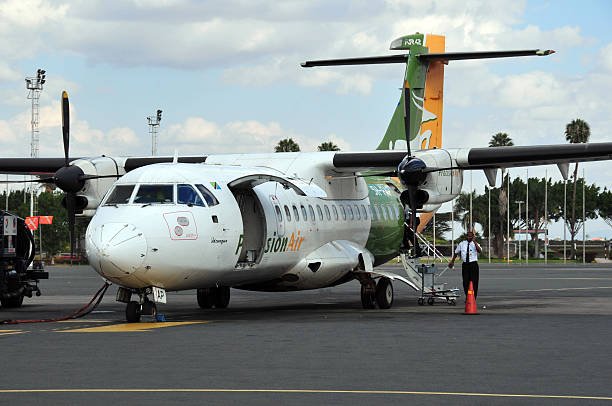
Mwanza Region: Your Ultimate Guide To Tanzanias Lake Victoria Hub 2026-2027
Explore the Mwanza Region, Tanzania's gateway to Lake Victoria. Learn about its rich Sukuma culture, unique geological formations, wildlife, and essential travel information for your...
View package details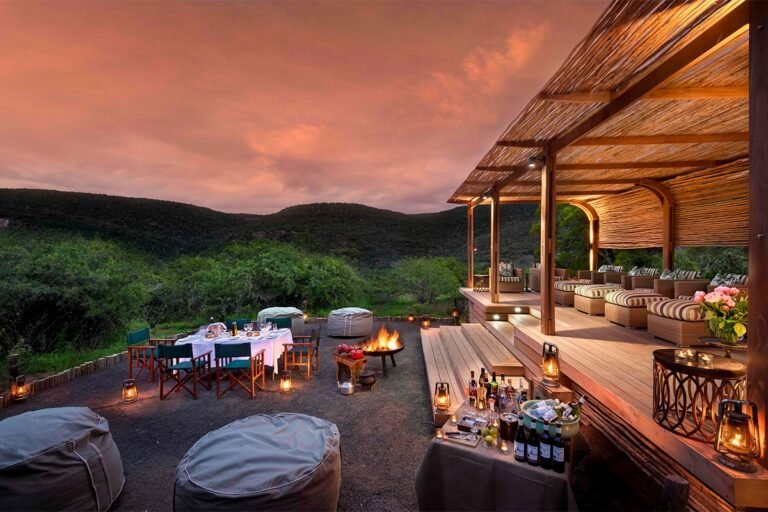
Simiyu Region 2026-2027
Simiyu Region is explained with current 2026-2027 planning, price, itinerary and booking information.
View package details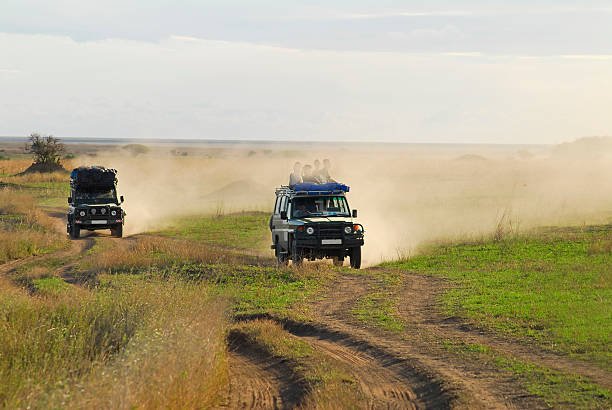
Tabora Region: Unveiling Tanzanias Historical Heart And Untamed Wilds
Discover the rich history and diverse natural beauty of Tanzania's Tabora Region. This guide covers its historical significance, wildlife, cultural experiences, and how to plan your...
View package details
Ruvuma Region Guide
Discover the Ruvuma Region in southern Tanzania, a destination offering unparalleled wildlife encounters, rich cultural heritage, and stunning natural landscapes, perfect for adventurous...
View package details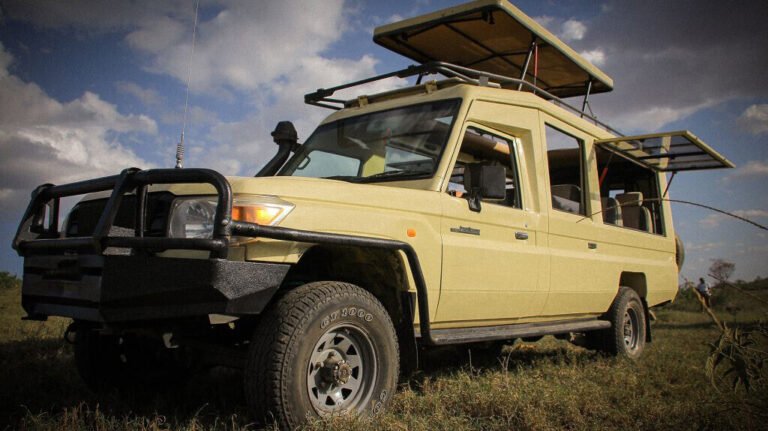
Things To Do In Mbeya Tanzania 2026-2027
Things to Do in Mbeya Tanzania is explained with current 2026-2027 planning, price, itinerary and booking information.
View package details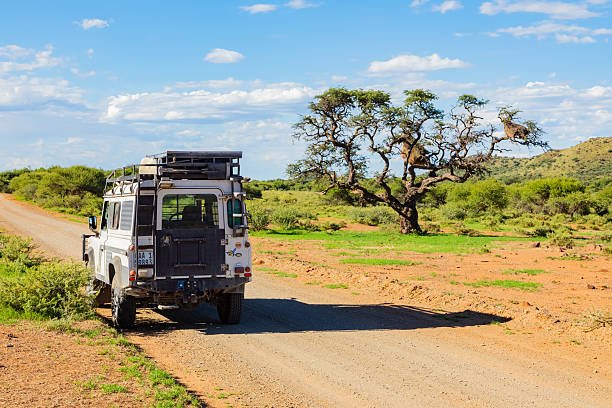
Manyara Region 2026-2027
Manyara Region is explained with current 2026-2027 planning, price, itinerary and booking information.
View package detailsKilimanjaro Region 2026-2027
Kilimanjaro Region is explained with current 2026-2027 planning, price, itinerary and booking information.
View package details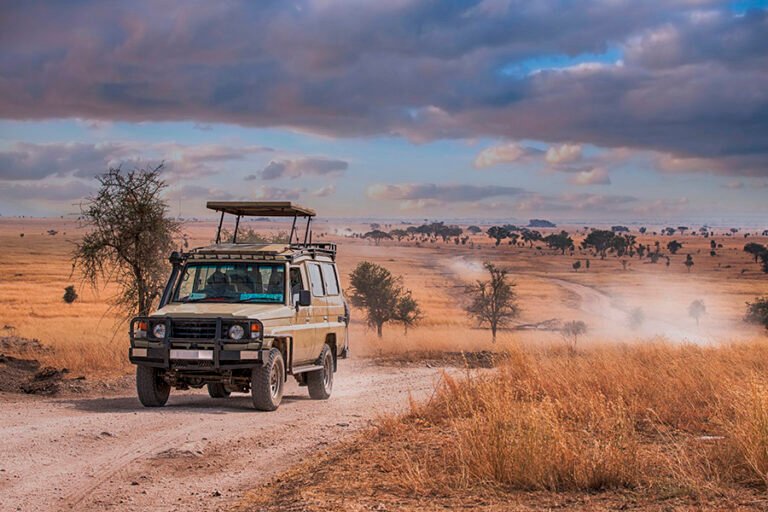
Arusha Region 2026-2027
Arusha Region is explained with current 2026-2027 planning, price, itinerary and booking information.
View package details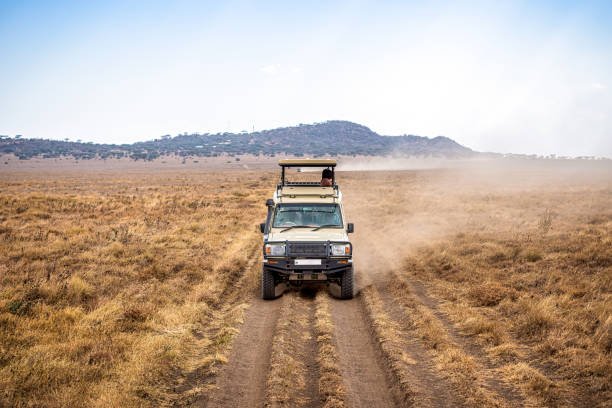
Kigoma Region 2026-2027
Kigoma Region is explained with current 2026-2027 planning, price, itinerary and booking information.
View package details
Kagera Region 2026-2027
Kagera Region is explained with current 2026-2027 planning, price, itinerary and booking information.
View package detailsNo related package matches those filters. Clear one or more filters to see the other topic-matched options.



