
The Tundavala Gap Scenic Journey offers an unforgettable exploration of Tanzania’s dramatic southern landscapes, characterized by its unique geological formations, diverse wildlife, and rich cultural encounters. This journey is ideal for travelers seeking off-the-beaten-path adventure, combining scenic drives with opportunities for hiking, cultural immersion, and wildlife viewing, particularly in areas like Ruaha National Park and the surrounding regions. Planning for a 2026-2027 trip involves considering the best seasons for travel, typical durations ranging from 3 to 7 days, and understanding the logistical aspects of accessing this remote yet rewarding destination.
Discovering the Tundavala Gap: A Gateway to Southern Tanzania’s Wonders
The Tundavala Gap, while not a singular, formally defined tourist trail in the same vein as the Northern Circuit’s popular safari routes, represents a conceptual journey through a region of immense natural beauty and ecological significance in southern Tanzania. It is a place where the earth’s crust seems to have been dramatically sculpted, offering vast vistas, unique geological features, and a sense of profound wilderness. For travelers in 2026 and 2027 looking for an experience beyond the well-trodden paths of Serengeti or Kilimanjaro, the Tundavala Gap area promises an authentic and adventurous exploration of Tanzania’s untamed south. This journey is often interwoven with visits to nearby national parks and conservation areas, making it a cornerstone of a comprehensive southern Tanzania safari or a dedicated adventure trip.
Top Guide Adventures specializes in crafting these unique journeys, ensuring that your Tundavala Gap scenic experience is both deeply engaging and logistically sound. We understand the nuances of exploring this region, from the best access points to the most rewarding activities. Our expertise allows us to tailor itineraries that capture the essence of the Tundavala Gap, whether you’re interested in its geological marvels, the wildlife that inhabits its fringes, or the local communities that call this area home.
The Allure of the Tundavala Gap: Why Choose This Scenic Journey?
What makes the Tundavala Gap area so compelling for the discerning traveler in 2026-2027? It’s a confluence of factors that set it apart:
- Unique Geological Formations: The Gap itself, and the surrounding escarpments and valleys, showcase dramatic geological processes. Think vast canyons, towering cliffs, and ancient rock formations that tell a story millions of years in the making. These are not the typical savannah landscapes, offering a refreshing visual contrast.
- Untamed Wilderness: Unlike more developed tourist zones, the Tundavala Gap region retains a wild, raw beauty. This translates to a more exclusive and authentic wildlife viewing experience, often with fewer vehicles and a greater sense of discovery.
- Gateway to Ruaha National Park: The Tundavala Gap is geographically proximate to Ruaha National Park, Tanzania’s largest national park. This proximity allows for smooth integration of a scenic journey through the Gap with an in-depth safari experience, maximizing your adventure in southern Tanzania.
- Cultural Encounters: The southern regions of Tanzania are home to diverse ethnic groups, including the Hehe and other communities. A journey through the Tundavala Gap can include opportunities to respectfully engage with local cultures, understanding their traditions and way of life, which is deeply connected to the land.
- Adventure Activities: Beyond scenic drives, the terrain lends itself to activities like hiking, guided walks, and exploring viewpoints that offer panoramic perspectives of the landscape. This adds an active dimension to the journey.
- Fewer Crowds: For those seeking tranquility and a more personal connection with nature, the Tundavala Gap offers an escape from the busier tourist hubs, especially during peak seasons in 2026 and 2027.
Navigating the Tundavala Gap: Routes and Access
The Tundavala Gap isn’t a single road or a defined tourist route with signposts. Instead, it refers to a region of dramatic topography, often explored via a combination of scenic drives and potentially guided treks. The primary access points and exploration routes typically stem from the towns of Iringa and Mbeya, which serve as major hubs in southern Tanzania.
From Iringa: The Eastern Approach
Iringa, a historic town perched on a plateau, is a common starting point for exploring the eastern edges of the Tundavala Gap region. The journey often involves driving south from Iringa towards areas that offer access to the escarpment and valleys. Roads can vary significantly, from well-maintained tarmac to challenging dirt tracks, especially as you venture deeper into more remote areas.
- Iringa to Ruaha National Park: A popular route connects Iringa to the northern entrance of Ruaha National Park. While this primarily focuses on the safari aspect, the drive itself traverses landscapes that hint at the geological drama of the wider Tundavala Gap area.
- Exploring the Great Ruaha River Valley: Drives along the Great Ruaha River can offer stunning views and access to areas with significant geological interest. These routes often require 4×4 vehicles due to their rugged nature.
- Local Road Networks: Beyond the main arteries, a network of smaller roads and tracks, often used by local communities and park rangers, can lead to incredible viewpoints and more secluded spots. These are best navigated with experienced local guides.
From Mbeya: The Western Perspective
Mbeya, located further west and closer to the Zambian border, offers another entry point into the broader Tundavala Gap region. This area is known for its mountainous terrain and significant geological features, including the Poroto Mountains and the Kipengere Range.
- Mbeya to Utengule Coffee Lodge Area: Exploring the highlands around Mbeya can lead to areas with dramatic drops and expansive views, offering a different perspective on the geological forces at play.
- Roads towards Lake Rukwa: While not directly part of the ‘Gap’ in a narrow sense, routes leading towards Lake Rukwa can offer access to remote areas with unique topographies.
Integrating with Ruaha National Park
For most visitors, the Tundavala Gap scenic journey is best experienced in conjunction with a safari in Ruaha National Park. The park itself boasts dramatic escarpments and riverine landscapes that are part of the larger geological narrative.
- Park Entrances: Ruaha has several entrances, with the Msembe (main) entrance being the most common. Roads within the park are primarily dirt tracks, offering excellent opportunities for game drives that are also scenic.
- Scenic Drives within Ruaha: Beyond game viewing, specific drives within Ruaha, such as those along the Mdonya Falls or the Great Ruaha River, offer spectacular vistas and a sense of the vastness that defines the Tundavala Gap region.
Important Note for 2026-2027 Travelers: Road conditions in southern Tanzania can be highly variable and are subject to seasonal changes (especially during the rainy season, typically from November to April). Always travel with a reliable 4×4 vehicle and an experienced driver-guide. Top Guide Adventures ensures all vehicles are well-maintained and equipped for these conditions.
Best Time to Visit the Tundavala Gap Region
Choosing the right time to visit the Tundavala Gap area is crucial for maximizing your experience, particularly when planning for 2026 and 2027. The region experiences distinct wet and dry seasons, each offering a different perspective and set of opportunities.
The Dry Season (June to October)
This is generally considered the prime time for visiting southern Tanzania, including the Tundavala Gap region and Ruaha National Park.
- Pros:
- Clear Skies and Excellent Visibility: Perfect for scenic drives, photography, and enjoying the vast panoramas.
- Easier Road Conditions: Most tracks are dry and navigable, reducing travel times and increasing accessibility.
- Abundant Wildlife Viewing: Animals tend to congregate around permanent water sources, making them easier to spot. Vegetation is less dense, improving sightlines.
- Pleasant Temperatures: Days are warm to hot, and nights can be cool, making for comfortable exploration.
- Cons:
- Higher Demand: This is peak tourist season, so booking well in advance for 2026-2027 is recommended.
- Dusty Conditions: Unpaved roads can be dusty.
The Shoulder Seasons (Late May and November)
These transitional months can offer a good balance.
- Pros:
- Fewer Crowds: You’ll likely encounter fewer tourists than during the peak dry season.
- Lush Landscapes: The start or end of the rains can bring a beautiful green hue to the landscape.
- Good Wildlife Viewing: Animals are still relatively easy to spot, though water sources may be more dispersed.
- Cons:
- Variable Weather: You might experience a mix of sunny days and occasional rain showers.
- Potentially Tricky Road Conditions: Some tracks might become muddy as the rains begin or end.
The Wet Season (December to April)
While often considered the ‘low’ season for safaris, the wet season has its own unique appeal for the adventurous traveler.
- Pros:
- Lush, Green Scenery: The landscape is vibrant and full of life.
- Excellent Birdwatching: Migratory birds arrive, and resident birds are in breeding plumage.
- Fewer Tourists: Offers a truly wild and exclusive experience.
- Lower Prices: Some lodges and tour operators may offer reduced rates, which can be a consideration for budget-conscious travelers in 2026-2027.
- Dramatic Skies: Afternoon thunderstorms can create spectacular photographic opportunities.
- Cons:
- Difficult Road Conditions: Many roads become impassable, requiring robust 4×4 vehicles and experienced drivers. Some areas may be completely inaccessible.
- Wildlife Dispersal: Animals tend to spread out as water is abundant, making them harder to spot. The dense vegetation can also obscure sightings.
- Higher Humidity and Heat: Can be uncomfortable for some travelers.
- Potential for Malaria: Mosquitoes are more prevalent during the wet season.
Recommendation for 2026-2027: For the best balance of accessibility, wildlife viewing, and pleasant weather for a Tundavala Gap scenic journey, aim for the dry season (June to October). If you prefer fewer crowds and don’t mind occasional rain, the shoulder months of May or November can also be excellent.
Activities and Experiences on the Tundavala Gap Journey
A scenic journey through the Tundavala Gap is more than just a drive; it’s an opportunity for a variety of enriching experiences. Top Guide Adventures curates activities that highlight the natural beauty, wildlife, and culture of this unique region.
Scenic Drives and Game Viewing
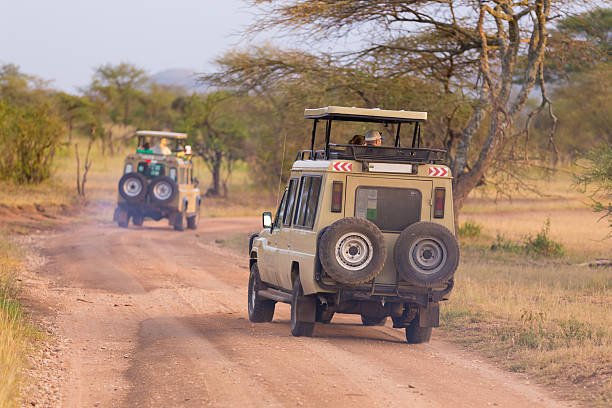
The primary mode of exploration is often via 4×4 vehicle. These drives are designed not just for transportation but for soaking in the landscapes and spotting wildlife.
- Off-Road Exploration: Where permitted and safe, exploring off the main tracks can lead to spectacular viewpoints and secluded areas.
- Wildlife Spotting: While not as dense with megafauna as the Serengeti, Ruaha and its surroundings host significant populations of elephants, lions, leopards, cheetahs, wild dogs, buffaloes, and a variety of antelope species. The varied terrain of the Tundavala Gap area also supports unique birdlife and smaller mammals.
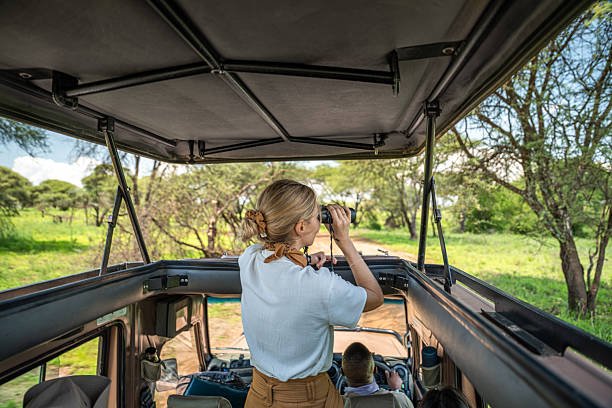
- Photography Opportunities: The dramatic light, vast landscapes, and wildlife encounters provide endless opportunities for stunning photography. Early mornings and late afternoons offer the best light.
Hiking and Walking Safaris
The rugged terrain of the Tundavala Gap is ideal for those who enjoy active exploration.
- Guided Bush Walks: In designated areas outside of national parks, or with specialized permits within certain park zones, guided walking safaris offer an intimate perspective of the flora, fauna, and smaller details of the ecosystem. This is a fantastic way to appreciate the geology up close.
- Hill Climbing and Viewpoint Hikes: Ascending to elevated points can reward you with impressive panoramic views of the Gap and the surrounding plains. These hikes are typically moderate and require good fitness.
Cultural Immersion
The southern highlands are rich in cultural heritage.
- Village Visits: Arrange respectful visits to local villages to learn about the traditions, daily life, and history of communities like the Hehe people. This can include understanding their relationship with the land and their traditional practices.
- Local Markets: If your itinerary aligns, visiting local markets can offer a vibrant glimpse into regional commerce and community life.
Geological Exploration
The defining feature of the Tundavala Gap is its geology.
- Geological Site Visits: Guided tours can focus on understanding the formation of the landscape, identifying different rock types, and appreciating the scale of geological processes.
- Exploring Caves and Rock Formations: Depending on the specific location within the broader Tundavala Gap area, there might be opportunities to explore unique rock formations or ancient cave systems.
Birdwatching
The diverse habitats within the Tundavala Gap region support a rich variety of birdlife, especially during the wet season when migratory species are present. From raptors soaring over the escarpments to water birds along riverine areas, it’s a haven for ornithologists.
Tailored Experiences: Top Guide Adventures excels at tailoring these activities to your interests. Whether you’re a dedicated birder, a keen hiker, a wildlife enthusiast, or interested in cultural exchange, we can design a Tundavala Gap journey that perfectly suits your preferences for 2026-2027.
Wildlife of the Tundavala Gap Region
While the dramatic geology is a primary draw, the Tundavala Gap region, especially when combined with Ruaha National Park, is teeming with wildlife. The varied habitats – from rugged escarpments and dry scrubland to riverine forests and open plains – support a rich biodiversity.
Iconic Mammals
- Elephants: Ruaha is renowned for its large elephant herds, often seen near water sources or roaming the plains.
- Predators: The park boasts a high concentration of predators, including lions (often inhabiting the rocky outcrops), leopards, cheetahs, and the endangered African wild dog. Hyenas are also common.
- Large Herbivores: Expect to see large herds of buffalo, zebras, giraffes, wildebeest, and various species of antelope, including greater and lesser kudu, impala, Grant’s gazelle, and the unique Roan and Sable antelopes.
- Smaller Mammals: Keep an eye out for baboons, vervet monkeys, warthogs, hippos, crocodiles (especially in the rivers), and various smaller creatures like dik-diks, mongoose, and genets.
Birdlife Extravaganza
The region is a paradise for birdwatchers, with over 570 recorded bird species in Ruaha alone.
- Raptors: Various eagles, buzzards, and falcons are common, often seen soaring over the escarpments.
- Water Birds: Along the rivers and waterholes, you might spot kingfishers, herons, egrets, and various waders.
- Ground Birds: Ostriches, guinea fowl, and various sandgrouse are frequently seen.
- Specialty Species: Look for unique species such as the R uaha 11-hornedbill, Crested-barbet, Paradise Flycatcher, and various hornbills and rollers.
- Migratory Birds: During the wet season (November to April), the area becomes a hotspot for Palaearctic migrants, significantly boosting the species count.
Reptiles and Amphibians
While less frequently sought out by general tourists, the region is home to a variety of reptiles and amphibians, including various snakes, lizards, and frogs, particularly active during and after the rains.
Conservation Efforts: Understanding the wildlife also means appreciating the conservation efforts in place. Top Guide Adventures supports responsible tourism practices that contribute to the preservation of these magnificent creatures and their habitats, ensuring that the Tundavala Gap region remains wild and biodiverse for future visitors in 2027 and beyond.
Planning Your Tundavala Gap Scenic Journey: Essential Considerations
A successful Tundavala Gap scenic journey requires careful planning, especially given its remote nature. Top Guide Adventures provides comprehensive support to ensure a smooth and rewarding experience.
Duration of the Trip
The ideal duration depends on your interests and how you wish to combine the Tundavala Gap experience with other destinations like Ruaha National Park.
- Short Introduction (3-4 Days): Focus on a specific section of the Gap, perhaps combining a scenic drive from Iringa with a day trip into the northern part of Ruaha. This gives a taste of the region’s grandeur.
- Standard Journey (5-7 Days): This allows for a more in-depth exploration, including scenic drives, a dedicated hike or walk, cultural interactions, and a few days of game drives in Ruaha National Park.
- Extended Exploration (8+ Days): For the truly adventurous, this duration allows for exploring more remote areas, undertaking longer treks, and combining the Tundavala Gap with other southern Tanzanian highlights.
Accommodation Options
Accommodation varies from comfortable lodges to rustic camps, depending on the location and your chosen level of comfort.
- Lodges near Iringa/Mbeya: These towns offer a range of hotels and guesthouses for pre- or post-trip stays.
- Safari Lodges and Camps within/near Ruaha: These range from mid-range to luxury options, offering comfortable stays with excellent access to the park. Many are situated along the river or offer stunning views.
- Mobile Camps: For a more adventurous experience, mobile tented camps can be set up in specific locations, offering a closer-to-nature feel.
- Homestays/Community Guesthouses: For deeper cultural immersion, arrangements can sometimes be made for stays in community-run accommodations, though these are basic.
Transportation
A robust 4×4 vehicle is essential for navigating the terrain. Top Guide Adventures provides reliable, well-maintained vehicles with experienced, knowledgeable drivers.
- 4×4 Safari Vehicles: Specifically equipped for off-road conditions, with pop-up roofs for game viewing and comfortable seating.
- Experienced Driver-Guides: Crucial for navigation, wildlife spotting, understanding local culture, and ensuring safety.
Packing Essentials
Pack smart for a region with variable conditions.
- Clothing: Lightweight, neutral-colored clothing for daytime; warmer layers for cool mornings and evenings (especially June-August). Include long sleeves and trousers for sun and insect protection.
- Footwear: Comfortable walking shoes or hiking boots; sturdy sandals for relaxing.
- Sun Protection: Wide-brimmed hat, sunglasses, high SPF sunscreen.
- Insect Repellent: Especially important during and around the wet season.
- Camera and Binoculars: Essential for wildlife viewing and capturing the scenery. Extra batteries and memory cards.
- First-Aid Kit: Personal medications and a basic kit.
- Headlamp or Torch: Useful for navigating camps or lodges at night.
- Reusable Water Bottle: To stay hydrated and reduce plastic waste.
Health and Safety
- Malaria Prevention: Consult your doctor about malaria prophylaxis. Use insect repellent and wear protective clothing.
- Vaccinations: Ensure you are up-to-date with recommended travel vaccinations.
- Travel Insurance: Comprehensive travel insurance covering medical emergencies and evacuation is highly recommended.
- Hydration: Drink plenty of bottled or purified water.
- Respect Local Customs: Be mindful of cultural sensitivities when visiting villages.
Booking for 2026-2027: Due to the specialized nature of this journey and the need for careful logistical planning, we recommend booking your Tundavala Gap adventure at least 6-9 months in advance, especially if traveling during peak season. Early booking ensures availability of preferred accommodation and guides.
Understanding Tundavala Gap Journey Costs for 2026-2027
The cost of a Tundavala Gap scenic journey is highly dependent on several factors, including the duration of your trip, the level of accommodation chosen, the specific activities included, and the number of people in your group. As a specialized itinerary often combined with Ruaha National Park, it typically falls into the mid-range to luxury budget category. Here’s a general breakdown of what influences the price:
- Duration: Longer trips naturally incur higher costs for accommodation, vehicle hire, and guide fees.
- Accommodation: Options range from comfortable mid-range lodges and tented camps to exclusive luxury lodges. The latter significantly impacts the overall budget.
- Vehicle and Guide: A dedicated 4×4 vehicle and experienced driver-guide are essential and represent a significant portion of the cost. Prices are often quoted on a per-vehicle or per-day basis for the guide and vehicle.
- Park Fees: If your itinerary includes Ruaha National Park, daily park entry fees per person will apply. These are set by the Tanzanian government and are subject to change annually.
- Activities: While scenic drives are standard, specialized activities like guided bush walks or cultural village visits may incur additional fees.
- Group Size: Traveling solo or as a couple will generally be more expensive per person than traveling in a small group, as costs like vehicle hire are shared.
Estimated Budget Range for 2026-2027:
- Mid-Range: Expect prices to start from approximately $350 – $550 USD per person per day for a shared group tour, covering accommodation, vehicle, guide, and park fees.
- Luxury: For higher-end lodges, private tours, and extended durations, costs can range from $600 – $1000+ USD per person per day.
Important Note: These are estimates. For an accurate quote tailored to your specific needs and travel dates in 2026 or 2027, please contact Top Guide Adventures directly. We pride ourselves on transparent pricing and providing exceptional value for unique Tanzanian adventures.
Get a Custom Quote: Reach out to us via Email: info@topguideadventures.com or WhatsApp +255616946642 for a personalized itinerary and pricing.
Why Choose Top Guide Adventures for Your Tundavala Gap Journey?
Navigating the complexities of a Tundavala Gap scenic journey requires local expertise and a commitment to personalized service. Top Guide Adventures is your ideal partner for an authentic and smooth adventure in southern Tanzania.
- Local Expertise: We have an intimate knowledge of the Tundavala Gap region, its access routes, best viewpoints, and cultural nuances. Our guides are not just drivers; they are passionate storytellers and experts in Tanzanian wilderness and culture.
- Tailor-Made Itineraries: We don’t believe in one-size-fits-all. We work closely with you to understand your interests, budget, and travel style to craft a unique Tundavala Gap experience for 2026-2027.
- Quality & Safety: We use only well-maintained 4×4 vehicles and employ experienced, licensed guides. Your safety and comfort are our top priorities.
- Responsible Tourism: We are committed to sustainable travel practices that benefit local communities and contribute to conservation efforts.
- Dedicated Support: From your initial inquiry to your departure, you receive personal attention and dedicated support. We handle all the logistics so you can focus on enjoying the journey.
- Proven Track Record: As one of Tanzania’s trusted tour companies, we have a history of delivering exceptional travel experiences. See our reviews and discover why travelers choose us.
Ready to Explore the Tundavala Gap? Let us help you plan an extraordinary scenic journey for 2026 or 2027. Contact us today to start crafting your personalized Tanzanian adventure.
Contact Us:
WhatsApp: +255616946642
Email: info@topguideadventures.com
Website: Top Guide Adventures Tanzania
Check Availability for Tundavala Gap Scenic Journey: A Comprehensive Guide For Adventures 2026-2027
Ready to compare dates, prices, and the best option for your group? Send the package name and travel month so the team can reply with a clear quote, availability, and what is included.
Tunisia Roman Heritage Journey 2026-2027
Tunisia Roman Heritage Journey is explained with current 2026-2027 planning, price, itinerary and booking information.
View package details
Algeria Travel Guide: Discover Ancient History, Sahara Adventures & Vibrant
start an unforgettable journey through Algeria, a North African gem brimming with ancient history, dramatic desert landscapes, and a vibrant cultural mix. This guide covers everything you...
View package details
Angola Travel Guide: Your Ultimate Adventure Planning For 2026-2027
Explore Angola's diverse attractions, from its dramatic coastlines and lush interior to its rich history and vibrant cities. This comprehensive guide helps you plan your 2026-2027...
View package details
Bagamoyo Historical Tour 2026-2027
Bagamoyo Historical Tour is explained with current 2026-2027 planning, price, itinerary and booking information.
View package details
Best Arusha Guide
Arusha serves as Tanzania's primary tourism hub, making it the best starting point for exploring the country's iconic Northern Circuit, including Serengeti, Ngorongoro Crater, and Mount...
View package details
Best Cheapest Tours In Tanzania: Your Ultimate Guide For 2026-2027
Discover how to find the best cheapest tours in Tanzania for 2026-2027. This guide covers budget-friendly safaris, Kilimanjaro climbs, and Zanzibar holidays, detailing what to expect, how...
View package details
Best Hadzabe Tour 2026-2027
Best hadzabe tour is explained with current 2026-2027 planning, price, itinerary and booking information.
View package detailsBest Kibo Hut 2026-2027
Best kibo hut is explained with current 2026-2027 planning, price, itinerary and booking information.
View package details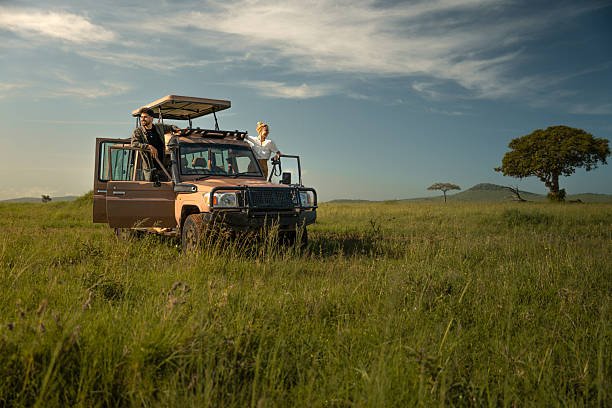
Best Kili Routes 2026-2027
Best kili routes is explained with current 2026-2027 planning, price, itinerary and booking information.
View package details
Best Kilimandscharo Routen Guide
Choosing the best Kilimanjaro route is crucial for your summit success and overall experience. This guide details the top routes, comparing their difficulty, scenery, acclimatization, and...
View package details
Best Kilimanjaro Climb Cost 2026-2027
Best kilimanjaro climb cost is explained with current 2026-2027 planning, price, itinerary and booking information.
View package details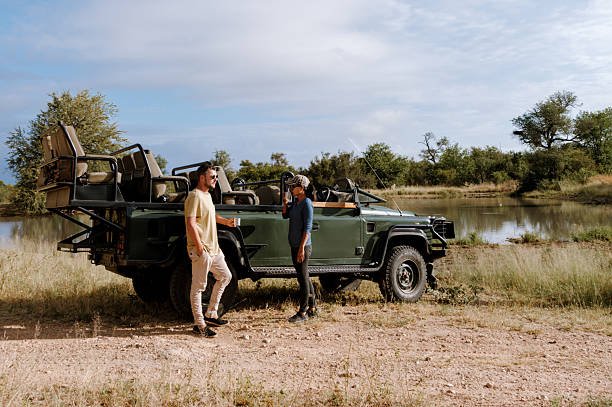
Best Kilimanjaro Climb Costs 2026-2027
Best kilimanjaro climb costs is explained with current 2026-2027 planning, price, itinerary and booking information.
View package detailsNo closely related package is available for this topic yet.



