
The top things to do in Tabora, Tanzania, revolve around its significant historical importance as a Swahili trading hub, its unique cultural heritage, and its strategic location for exploring central Tanzania. Visitors can explore the Tabora Historical Museum, visit the sacred tree of Mirambo, discover the remnants of Arab dhows, engage with local communities in villages, and experience vibrant markets. For those planning ahead for 2026-2027, Tabora offers a less-trodden path into Tanzania’s heartland, blending history, culture, and authentic local life, best experienced through guided tours that connect you with the region’s past and present.

Unveiling Tabora: Tanzania’s Historical Crossroads
Tabora, situated in the heart of Tanzania, is a town steeped in history, often referred to as the ‘capital of the interior’ during the height of the 19th-century Swahili trading era. Unlike the more famous coastal cities or the iconic safari destinations in the north and south, Tabora offers a profound glimpse into a different facet of Tanzanian heritage – one shaped by trade routes, colonial influence, and resilient local cultures. Its strategic position made it a crucial center for ivory and slave trade caravans, connecting the East African coast with the vast inland territories. Today, this legacy is preserved in its architecture, its stories, and the enduring spirit of its people. For travelers seeking an authentic Tanzanian experience beyond the usual tourist trails, Tabora presents a unique opportunity to connect with the nation’s past and understand its present. As we look towards 2026 and 2027, planning a visit to Tabora promises a journey into the soul of Tanzania, offering insights that are both educational and deeply moving.
Key Historical and Cultural Attractions in Tabora
Tabora’s allure lies not in dramatic landscapes or abundant wildlife, but in its tangible connections to a rich and complex past. The town itself is a living museum, where every corner seems to whisper tales of sultans, explorers, missionaries, and the countless traders who passed through its dusty streets. Exploring these sites provides a deeper understanding of Tanzania’s journey from ancient trade routes to its modern identity.
The Tabora Historical Museum (Former Tabora Club)
Housed in a building that once served as the prestigious Tabora Club, a hub for colonial administrators and traders, the Tabora Historical Museum is an essential starting point for any exploration of the town’s heritage. This institution meticulously preserves artifacts, photographs, and documents that chronicle Tabora’s rise as a major trading post. Visitors can see remnants of the ivory and slave trade, colonial-era memorabilia, and exhibits detailing the lives of the various communities that converged here. The architecture of the building itself is a testament to the colonial era, offering a visual anchor to the narratives presented within.
Within the museum, you’ll find displays on:
- The Swahili Coast Trade: Understand the dynamics of the ivory and slave trade routes that made Tabora a pivotal point.
- Colonial Administration: Learn about the German and later British rule and its impact on the region.
- Local Chiefdoms: Discover the history of influential local leaders like Chief Mirambo, who resisted colonial expansion.
- Missionary Influence: Explore the role of early missionaries in establishing settlements and their interactions with local populations.
Mirambo’s Sacred Tree (Mtembo wa Mirambo)
Chief Mirambo was a formidable leader of the Nyamwezi people in the latter half of the 19th century. He was renowned for his military prowess and his ability to unite various clans to resist both internal rivals and external colonial encroachment. His sacred tree, a deeply revered natural landmark, symbolizes his power and his connection to the land and his people. Visiting this site offers a moment of reflection on the indigenous resistance movements that shaped Tanzania. Local guides often share traditional stories and the significance of the tree in Nyamwezi culture, providing an intimate cultural experience.
The Remains of Arab Dhows
Perhaps one of the most evocative remnants of Tabora’s past are the fossilized or preserved remains of Arab dhows found in the area. These large, wooden sailing vessels were the backbone of trade across the Indian Ocean and were transported inland, often disassembled and carried by porters, to be reassembled in places like Tabora for overland transport of goods. Seeing these remnants, or learning about their presence, offers a tangible connection to the vast network of trade that linked East Africa to the Arabian Peninsula and beyond. It’s a stark reminder of how far trade routes extended inland and the ingenuity involved in facilitating them.
Old German Boma (Fortress)
The German colonial administration established a significant presence in Tabora, and the remnants of their ‘Boma’ (fortress or administrative center) stand as a physical reminder of this era. While much of it may be in ruins or repurposed, exploring these structures provides insight into the colonial military and administrative strategies employed in the region. It’s a place where history feels palpable, allowing visitors to imagine the bustling activity and the changing power dynamics of the late 19th and early 20th centuries. Understanding the Boma’s history is crucial to comprehending the colonial impact on Tabora and Tanzania.
Kagoma Caves
While not as central to the town’s historical narrative as the trading posts, the Kagoma Caves offer a natural wonder with potential historical significance. These caves may have served as places of refuge or secret meeting points for local communities during times of conflict or political upheaval. A visit here can be combined with nature walks and offers a different perspective on the region’s geography and its role in historical events. Exploring these caves often requires local guidance to ensure safety and to understand any associated folklore or historical context.
Experiencing Local Life and Culture in Tabora
Beyond its historical sites, Tabora pulsates with the vibrant energy of everyday Tanzanian life. Engaging with the local culture offers a more personal and rewarding travel experience, revealing the warmth and resilience of the Nyamwezi people, who form the majority ethnic group in the region.
The Central Market
The heart of any Tanzanian town is its central market, and Tabora is no exception. This bustling hub is a sensory explosion of colors, sounds, and smells. Local vendors sell everything from fresh produce, grains, and spices to handcrafted textiles, tools, and household goods. It’s the perfect place to observe daily life, interact with friendly locals, and perhaps purchase unique souvenirs. Be prepared for a lively atmosphere; bargaining is common, and a smile goes a long way. Visiting the market provides an excellent opportunity to sample local snacks and witness the commerce that sustains the community.
Village Visits and Cultural Exchange
For a truly in-depth experience, arranging visits to nearby Nyamwezi villages is highly recommended. Top Guide Adventures can facilitate these interactions, ensuring they are respectful and beneficial for both visitors and the community. You can learn about traditional farming methods, local crafts, Nyamwezi customs, and perhaps even share a meal with a local family. These encounters offer invaluable insights into rural Tanzanian life and foster genuine connections. These experiences are particularly enriching when planned for 2026-2027, as they provide a contrast to the more developed tourist areas.
Understanding the Nyamwezi People
The Nyamwezi, meaning ‘people of the moon,’ are the dominant ethnic group in the Tabora region. Historically known as skilled traders and warriors, they played a significant role in the pre-colonial and colonial periods. Learning about their traditions, social structures, and their historical importance is key to understanding Tabora. Many cultural tours focus on sharing aspects of Nyamwezi heritage, from their intricate beadwork and pottery to their music and storytelling traditions. This cultural immersion is a significant draw for travelers looking for depth in their African journeys.
Local Cuisine
Tanzanian cuisine is diverse and flavorful, and Tabora offers opportunities to taste regional specialties. Staple foods include ugali (a stiff porridge made from maize flour), served with various stews (mchuzi) of meat, fish, or vegetables. Local dishes might incorporate ingredients common to the interior, such as groundnuts and specific types of pulses. Don’t miss trying fresh fruits like mangoes, pineapples, and bananas, which are abundant. Engaging with local eateries or arranging cooking demonstrations can provide a delicious insight into the local diet.
Beyond Tabora Town: Exploring the Surrounding Region
While Tabora town itself holds immense historical and cultural significance, its location in central Tanzania also makes it a potential gateway to exploring the broader region, offering a different perspective on Tanzania’s natural beauty and rural life.
Uvinza Salt Mines and Hot Springs
A notable excursion from Tabora is a trip to Uvinza, famous for its natural salt mines and therapeutic hot springs. The Uvinza salt works have been operational for centuries, supplying salt across the region. The natural hot springs are believed to have healing properties and offer a unique relaxation opportunity. The journey to Uvinza itself passes through scenic rural landscapes, providing a taste of the Tanzanian countryside. This is a fantastic addition for a 2026-2027 itinerary seeking off-the-beaten-path experiences.
Kigoma Region Excursions
Though Kigoma is a separate administrative region, its proximity to Tabora makes it a logical extension for adventurous travelers. Kigoma offers access to Lake Tanganyika, the world’s longest freshwater lake and the second-deepest. Here, activities can include:
- Gombe Stream National Park: Famous for chimpanzee trekking, made popular by Jane Goodall’s research.
- Mahale Mountains National Park: Another prime location for chimpanzee encounters, known for its stunning mountain scenery and pristine beaches along the lake.
- Lake Tanganyika Exploration: Enjoy boat trips, fishing, and relaxing by the shores of this magnificent lake.
While these destinations are further afield, a well-planned itinerary from Tabora can incorporate them, offering a blend of history, culture, and wildlife. Top Guide Adventures specializes in crafting such comprehensive journeys for 2026-2027.
Potential for Wildlife Viewing
Tabora is not a primary wildlife safari destination like the Serengeti or Ruaha. However, the surrounding rural areas and less-explored national parks in the central and western regions can offer opportunities for wildlife viewing, albeit often more challenging and less predictable. Areas might include game reserves or smaller parks where sightings of antelopes, various bird species, and perhaps larger mammals can occur. These experiences are for the true explorer seeking authenticity.
Planning Your Trip to Tabora: Practical Considerations for 2026-2027
Visiting Tabora requires a different approach than planning for more established tourist circuits. Its charm lies in its authenticity, which also means infrastructure can be less developed. Careful planning ensures a smooth and rewarding experience.
Best Time to Visit
Tabora experiences a tropical climate with distinct wet and dry seasons. The dry season, generally from June to October, is considered the best time to visit, offering pleasant temperatures and minimal rainfall, making travel and exploration easier. The shoulder months of May and November can also be good, with fewer crowds. For 2026-2027, booking during the dry season is advisable for optimal comfort and accessibility.
Getting to Tabora
Tabora is accessible primarily by:
- Air: Tabora Airport (TBO) receives domestic flights, primarily from Dar es Salaam. This is the quickest way to reach the town.
- Road: Long-distance bus services connect Tabora to major cities like Dar es Salaam and Mwanza. This is a more budget-friendly but significantly longer option.
- Rail: The Tanzania Central Railway line passes through Tabora, offering a scenic, albeit slow, journey.
For international travelers, flying into Kilimanjaro International Airport (JRO) or Julius Nyerere International Airport (DAR) in Dar es Salaam and then taking a domestic flight to Tabora is the most common route.
Accommodation Options
Accommodation in Tabora ranges from basic guesthouses to a few mid-range hotels. Luxury lodges are not typically found here. Visitors should expect clean, functional, and welcoming places to stay that reflect the local environment. Booking in advance, especially for specific dates in 2026 or 2027, is recommended to secure preferred options.
Health and Safety
As with travel anywhere in Tanzania, it’s essential to take precautions:
- Vaccinations: Consult your doctor about recommended vaccinations, including Yellow Fever (required for entry if arriving from an endemic country), Typhoid, Hepatitis A, and Tetanus.
- Malaria Prevention: Malaria is present in Tabora. Use insect repellent, wear long sleeves and trousers at dawn and dusk, and consider taking antimalarial medication.
- Water: Drink only bottled or purified water.
- General Safety: Tabora is generally a safe town for tourists, but standard precautions against petty theft should be taken, especially in crowded areas like markets.
Visa and Entry Requirements
Most nationalities require a visa to enter Tanzania. This can often be obtained in advance online (e-visa) or upon arrival at major entry points. Check the latest requirements with the Tanzanian embassy or consulate in your country well before your planned trip in 2026-2027.
Why Choose Top Guide Adventures for Your Tabora Journey?
Navigating a destination like Tabora, which is off the typical tourist circuit, is best done with local expertise. Top Guide Adventures is dedicated to providing authentic, personalized travel experiences across Tanzania, including its historical heartland.
Personalized Itineraries
We understand that every traveler is unique. Whether you’re interested in delving deep into the history of the trade routes, experiencing Nyamwezi culture firsthand, or combining Tabora with other Tanzanian wonders, we craft tailor-made journeys. Our itineraries for 2026-2027 can be designed to meet your specific interests and pace.
Local Knowledge and Connections
Our team has intimate knowledge of Tabora and its surroundings. We work with trusted local guides who can bring the history and culture to life, facilitate respectful community interactions, and ensure you discover hidden gems that might otherwise be missed. This local insight is invaluable for an authentic experience.
smooth Travel Planning
From arranging flights and accommodation to organizing guided tours and cultural exchanges, we handle all the logistics. This allows you to relax and focus on the incredible experiences Tabora has to offer. We aim to provide dedicated support throughout your journey, ensuring peace of mind.
Commitment to Authentic Experiences
We believe in responsible tourism that benefits local communities. Our tours are designed to provide genuine cultural immersion and support local economies. Visiting Tabora with us means experiencing the real Tanzania, not just a curated version.
Planning for 2026-2027 in Tabora
As you plan your adventures for 2026-2027, consider Tabora for a unique historical and cultural exploration. Its rich past as a Swahili trading hub, the resilience of the Nyamwezi people, and its position in the heart of Tanzania offer an unparalleled journey. Early booking is recommended, especially if you plan to visit during the peak dry season (June-October) to secure the best flights and accommodations. Let Top Guide Adventures help you craft an unforgettable trip to Tabora.
Frequently Asked Questions about Tabora
Here are some common questions travelers have when considering a visit to Tabora:
Is Tabora safe for tourists?
Yes, Tabora is generally considered safe for tourists. Like any town, it’s advisable to exercise common sense precautions, such as avoiding walking alone late at night in unfamiliar areas and being aware of your surroundings, especially in busy markets. Top Guide Adventures ensures that all tours are conducted with safety as a priority.
What is the best way to get around Tabora town?
Within Tabora town, you can get around using local taxis (bajajis or private cars), which are readily available. For exploring historical sites and markets, walking is often the most enjoyable and practical method. For excursions to nearby areas like Uvinza, you will need to arrange transport, ideally through a tour operator like Top Guide Adventures.
Can I see wildlife in Tabora?
Tabora is not a primary wildlife safari destination. While the surrounding rural areas might offer some opportunities for spotting common antelopes and birds, it does not compare to Tanzania’s famous national parks. If wildlife is a priority, it’s best to combine Tabora with a safari in areas like Serengeti, Ngorongoro, or Ruaha. However, for a unique experience, the western regions near Kigoma offer chimpanzee trekking.
What souvenirs can I buy in Tabora?
Tabora’s markets are a good place to find local handicrafts, including Nyamwezi wood carvings, beaded jewelry, woven baskets, and colorful textiles. You might also find locally produced items related to agriculture or traditional crafts. These make for authentic mementos of your trip.
How long should I spend in Tabora?
A typical visit to Tabora town and its immediate surroundings might last 2-3 days to cover the main historical sites, markets, and cultural experiences. If you plan to extend your trip to include nearby attractions like Uvinza or venture further towards Kigoma for chimpanzee trekking, you would need 5-7 days or more.
Conclusion: Your Gateway to Tanzania’s Historical Heart
Tabora offers a compelling narrative for any traveler seeking to understand the depth and breadth of Tanzania’s history and culture. It is a destination that rewards curiosity and a willingness to step off the beaten path. From the echoes of ancient trade routes to the vibrant pulse of modern Nyamwezi life, Tabora provides an authentic and enriching experience. As you contemplate your travel plans for 2026-2027, consider making Tabora a pivotal part of your Tanzanian adventure. Let Top Guide Adventures be your expert guide, crafting a journey that connects you deeply with the spirit of this remarkable region. For personalized itinerary planning and expert support, reach out to us via WhatsApp at +255616946642 or email us at info@topguideadventurestanzania.com or topguideadventures@gmail.com. Discover the untold stories of Tabora with us.
Check Availability for Things To Do In Tabora Tanzania: A Comprehensive Adventure Guide 2026-2027
Ready to compare dates, prices, and the best option for your group? Send the package name and travel month so the team can reply with a clear quote, availability, and what is included.
Things To Do In Rukwa, Tanzania: Ultimate Guide For Adventures 2026-2027
Explore the wild heart of Tanzania with our guide to things to do in Rukwa, focusing on its incredible national parks, unique wildlife, and authentic cultural encounters. Perfect for...
View package details
Things To Do In Bukoba Tanzania: Your Ultimate Adventure Guide 2026-2027
Explore the hidden gems of Bukoba, Tanzania, on the shores of Lake Victoria. From serene beaches and vibrant markets to cultural encounters and wildlife spotting, this guide details the...
View package details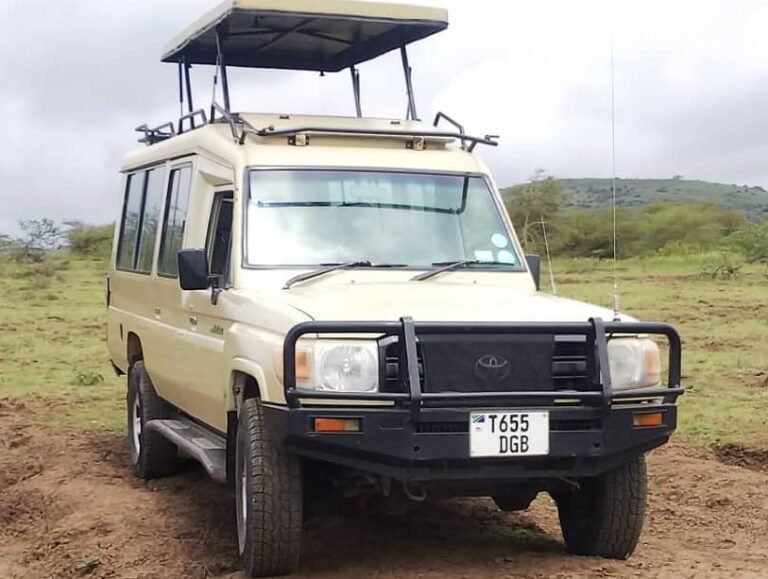
Things To Do In Geita, Tanzania: A Comprehensive Guide For 2026-2027
Explore the vibrant region of Geita in Tanzania with our expert guide. Discover unique activities, cultural experiences, and natural attractions around Lake Victoria and beyond, perfect for...
View package details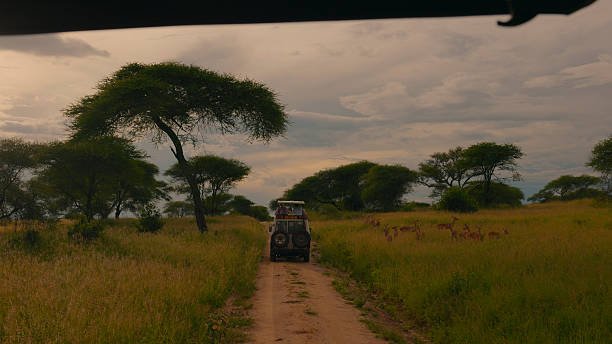
Things To Do In Simiyu Tanzania 2026-2027
Things to Do in Simiyu Tanzania is explained with current 2026-2027 planning, price, itinerary and booking information.
View package details
Things To Do In Shinyanga Tanzania 2026-2027
Things to Do in Shinyanga Tanzania is explained with current 2026-2027 planning, price, itinerary and booking information.
View package details
Tabora Historical Town Tour: A Deep Look At Tanzanias Colonial Past 2026-2027
start a detailed historical town tour of Tabora, Tanzania, with Top Guide Adventures. Uncover the town's significance as a colonial hub, explore its unique architecture, and understand its...
View package detailsTabora Region: Unveiling Tanzanias Historical Heart And Untamed Wilds
Discover the rich history and diverse natural beauty of Tanzania's Tabora Region. This guide covers its historical significance, wildlife, cultural experiences, and how to plan your...
View package details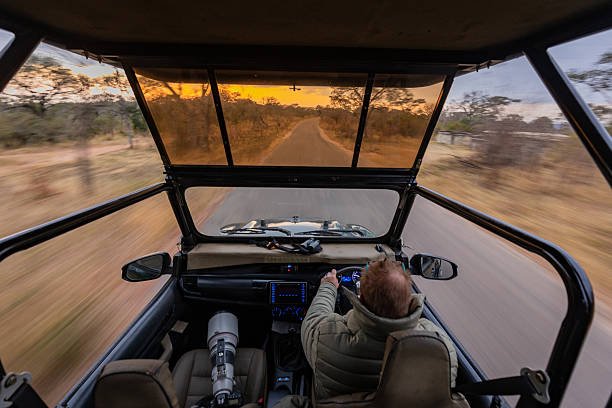
Things To Do In Dodoma Tanzania: Your Complete Travel Guide 2026-2027
Explore Dodoma, Tanzania's capital city, with this comprehensive guide. Discover key attractions, cultural experiences, and practical travel tips for your 2026-2027 adventure.
View package details
Things To Do In Songwe Tanzania 2026-2027
Things to Do in Songwe Tanzania is explained with current 2026-2027 planning, price, itinerary and booking information.
View package details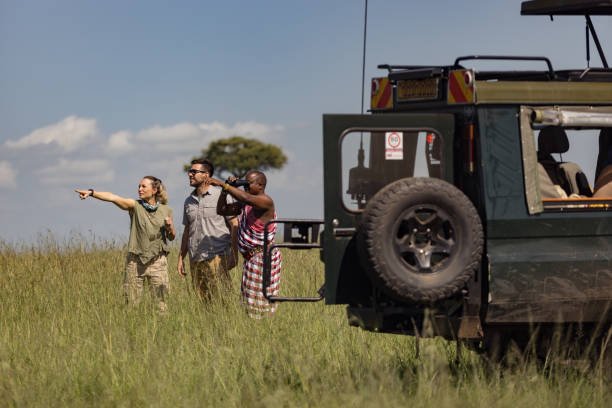
Things To Do In Njombe Tanzania: Your Ultimate Southern Highland Adventure
Njombe, located in Tanzania's Southern Highlands, offers a unique blend of natural beauty, rich culture, and adventure. This guide explores the top activities, from hiking in Kitulo...
View package details
Things To Do In Mbeya Tanzania 2026-2027
Things to Do in Mbeya Tanzania is explained with current 2026-2027 planning, price, itinerary and booking information.
View package details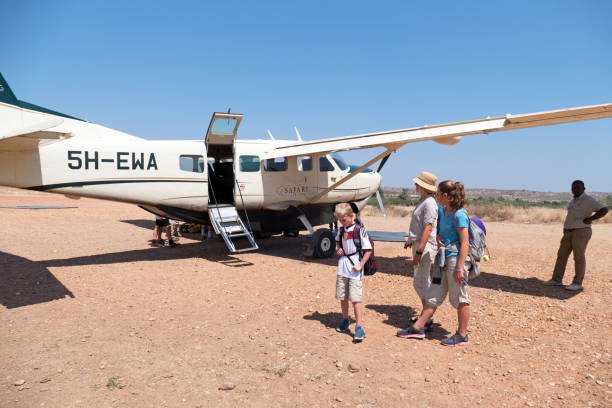
Things To Do In Iringa Tanzania 2026-2027
Things to Do in Iringa Tanzania is explained with current 2026-2027 planning, price, itinerary and booking information.
View package detailsNo related package matches those filters. Clear one or more filters to see the other topic-matched options.



