
The most compelling things to do in Iringa, Tanzania, include exploring historical sites like the Isimila Stone Bowl and the Kalenga Historical Museum, visiting the Ruaha National Park for incredible wildlife viewing, experiencing local culture through markets and traditional villages, and enjoying the scenic landscapes and waterfalls around the town. Planning your visit for 2026 or 2027 offers opportunities to see these attractions with potentially enhanced tourism infrastructure and a deeper understanding of the region’s significance.

Discovering Iringa: A Gateway to Southern Tanzania’s Treasures
Iringa, a prominent town situated on a high plateau in southern Tanzania, serves as a crucial hub connecting the country’s bustling north with its wild, less-traveled southern regions. More than just a transit point, Iringa boasts a rich mix of history, vibrant local culture, and access to some of Tanzania’s most spectacular natural wonders. For travelers seeking an authentic Tanzanian experience beyond the typical northern safari circuit, Iringa presents a compelling destination. Whether you’re interested in ancient geological formations, colonial past, diverse wildlife, or engaging with local communities, this region has a unique offering. As we look towards 2026 and 2027, Iringa continues to solidify its position as a must-visit locale for those who appreciate depth, history, and untamed nature.
Top Guide Adventures specializes in crafting comprehensive Tanzanian journeys, and our expertise extends to the unique attractions found in and around Iringa. We understand that many visitors are drawn to Tanzania for its iconic wildlife and Kilimanjaro climbs, but the southern circuit, with Iringa at its heart, offers a different, equally rewarding perspective. This guide is designed to help you navigate the myriad of activities available, ensuring your 2026-2027 trip is memorable and enriching. We’ll cover everything from the geological marvels and historical narratives that define Iringa to the thrilling wildlife encounters and cultural immersions that await.
Unearthing Geological Wonders: The Isimila Stone Bowl
One of Iringa’s most distinctive natural attractions is the Isimila Stone Bowl. Located approximately 20 kilometers southwest of Iringa town, this site is a geological masterpiece formed over millennia through erosion. Towering sandstone pillars, some reaching heights of over 30 meters, create an almost otherworldly landscape. These formations, sculpted by wind and water, stand as silent testaments to the powerful forces of nature.
The Isimila Stone Bowl is not only visually striking but also holds significant archaeological importance. Excavations here have unearthed ancient stone tools and fossils dating back to the Olduvai Gorge period, suggesting that early hominids once inhabited this area. This makes it a site of great interest for those fascinated by human evolution and prehistory. Walking among the colossal pillars feels like stepping back in time, offering a profound connection to the Earth’s ancient past. For visitors in 2026-2027, the accessibility to Isimila remains excellent, providing a unique half-day or full-day excursion from Iringa.
What to Expect at Isimila Stone Bowl:
- Dramatic Landscapes: Marvel at the towering, naturally sculpted sandstone pillars and canyons.
- Archaeological Significance: Learn about the prehistoric tools and fossils discovered here, hinting at early human presence.
- Photography Opportunities: The unique formations provide stunning backdrops for photographers.
- Guided Tours: Local guides can enhance your understanding of the geology and history.
A visit to Isimila is best planned during the dry season, typically from June to October, to ensure easier access and clearer views. However, even during the rainy season, the landscape takes on a different, lush beauty. Top Guide Adventures can arrange comfortable transport and knowledgeable guides for your expedition to this extraordinary site.
Stepping Back in Time: Iringa’s Colonial and Historical Heritage
Iringa’s history is deeply intertwined with its colonial past, particularly its role as a German and later British administrative center. This legacy is visible in the town’s architecture and historical landmarks, offering a fascinating glimpse into its development. Exploring these sites provides context to modern-day Iringa and its place in Tanzanian history.
The Kalenga Historical Museum and Chief Mkwawa’s Legacy
A cornerstone of Iringa’s historical exploration is the Kalenga Historical Museum, located about 13 kilometers from town. This museum is dedicated to the story of Chief Mkwawa, a revered Hehe leader who fiercely resisted German colonial rule in the late 19th century. The museum showcases artifacts, weaponry, and historical accounts that detail the dramatic events of the Hehe resistance, including the famous battle of Lugalo in 1891 where Mkwawa’s forces inflicted a significant defeat on the German colonial troops.
The museum is housed in a building that was once the headquarters of Chief Mkwawa. Inside, visitors can find traditional Hehe tools, weapons, clothing, and personal belongings of the chief, offering an intimate look at the culture and leadership of the Hehe people. The story of Chief Mkwawa is a powerful narrative of courage and defiance, making the Kalenga Historical Museum a vital stop for understanding Tanzanian history. Plan for at least a half-day visit to fully appreciate the exhibits and the historical context.
Colonial Architecture and the Iringa Boma
As you wander through Iringa town, you’ll notice remnants of its colonial past in the distinct architecture. Many buildings, particularly in the older parts of town, feature German and British colonial styles, characterized by sturdy construction, verandas, and specific roof designs. These structures add a unique charm to Iringa and tell stories of its administrative and commercial importance during the colonial era.
The Iringa Boma, a historic German administrative building, is a prominent example. It has been beautifully restored and now serves as a cultural center and museum, housing exhibits on local history, art, and culture. It’s a great place to start your exploration of Iringa’s heritage, often featuring temporary exhibitions that highlight contemporary local artists and cultural practices. Visiting the Boma provides insights into the town’s transition from colonial times to modern-day Tanzania. For travelers in 2026-2027, the Boma is expected to continue its role as a vibrant cultural hub.
The Iringa War Cemetery
For those interested in the more somber aspects of history, the Iringa War Cemetery is a poignant site. It contains the graves of soldiers who fought and died in East Africa during World War I and II. The cemetery is well-maintained and offers a place for quiet reflection on the sacrifices made during these global conflicts. It’s a reminder of Iringa’s strategic importance during wartime and its connection to broader historical events.
Wildlife Encounters: Gateway to Ruaha National Park
While Iringa town itself is not a wildlife destination, it serves as the primary gateway to one of Tanzania’s most magnificent and least-visited national parks: Ruaha National Park. Located about 130 kilometers southwest of Iringa, Ruaha is the largest national park in Tanzania and the second-largest in Africa. It’s renowned for its wild, rugged beauty and exceptional concentration of wildlife, particularly predators.
Ruaha is a paradise for serious safari enthusiasts looking for an authentic, off-the-beaten-path experience. The park’s sheer size means that visitor numbers are significantly lower compared to the northern parks, allowing for intimate wildlife viewing. The landscape is dominated by the Great Ruaha River, acacia woodlands, and rocky escarpments, creating diverse habitats that support a vast array of species.
Key Wildlife Highlights in Ruaha:
- Predators: Ruaha is particularly famous for its large populations of lions, leopards, cheetahs, and wild dogs. It is considered one of the best places in Africa to see cheetahs.
- Elephants: The park is home to a significant number of elephants, often seen in large herds near the river.
- Large Mammals: Expect to see giraffes, zebras, buffaloes, hippos, crocodiles, and a variety of antelopes, including the greater and lesser kudu, sable, and roan.
- Birdlife: With over 570 bird species recorded, Ruaha is a haven for birdwatchers.
Planning a Safari to Ruaha from Iringa (2026-2027):
Accessing Ruaha from Iringa typically involves a drive of several hours, often on unpaved roads. For this reason, most visitors opt for multi-day safaris that include accommodation within or near the park. Top Guide Adventures can arrange tailor-made safari packages that depart from Iringa, including transport, park fees, accommodation, and guided game drives. These packages are ideal for those who want to combine cultural and historical exploration in Iringa with a deep look at Tanzania’s wild heart.
Choosing the Right Time to Visit Ruaha:
- Dry Season (June to October): This is the prime time for wildlife viewing. Animals congregate around permanent water sources, making them easier to spot. Vegetation is less dense, offering clearer views.
- Wet Season (November to May): While game viewing can be more challenging due to thicker vegetation and dispersed animals, this period offers lush green landscapes and spectacular birdwatching. It’s also the birthing season for many mammals, offering unique photographic opportunities. Prices for accommodation can also be lower during the low season (typically March-May).
Consider booking your Ruaha safari well in advance, especially for peak season travel in 2026 and 2027, to secure your preferred lodges and ensure availability. Contact Top Guide Adventures at info@topguideadventuresstanzania.com or WhatsApp +255616946642 for personalized safari planning.
Immersing in Local Culture: Markets, Villages, and Traditions
Beyond its historical sites and natural wonders, Iringa offers a genuine opportunity to connect with Tanzanian culture. The town is a vibrant center for local life, with bustling markets and surrounding communities that welcome visitors interested in authentic experiences.
The Iringa Central Market
The Iringa Central Market is the pulsating heart of the town. This is where locals shop for everything from fresh produce and grains to clothing, crafts, and household goods. Visiting the market is a sensory feast – a kaleidoscope of colors, sounds, and smells. It’s an excellent place to observe daily life, interact with local vendors, and perhaps purchase some unique souvenirs.
Expect to find stalls overflowing with tropical fruits, heaps of spices, colorful textiles, and an array of local handicrafts. Engaging with the vendors, even with basic Swahili greetings, can lead to friendly interactions and a deeper appreciation of the local way of life. The market is most active in the mornings, offering the best glimpse into the community’s daily rhythm.
Visiting Local Villages and Cultural Experiences
For a more in-depth cultural encounter, consider arranging visits to nearby villages. Top Guide Adventures can facilitate tours that allow you to meet local communities, learn about their traditions, agricultural practices, and daily routines. These experiences offer a stark contrast to urban life and provide valuable insights into the diverse ethnic groups that inhabit the Iringa region, including the Wahehe people.
Check Availability for Things To Do In Iringa Tanzania 2026-2027
Ready to compare dates, prices, and the best option for your group? Send the package name and travel month so the team can reply with a clear quote, availability, and what is included.
Things To Do In Rukwa, Tanzania: Ultimate Guide For Adventures 2026-2027
Explore the wild heart of Tanzania with our guide to things to do in Rukwa, focusing on its incredible national parks, unique wildlife, and authentic cultural encounters. Perfect for...
View package details
Things To Do In Simiyu Tanzania 2026-2027
Things to Do in Simiyu Tanzania is explained with current 2026-2027 planning, price, itinerary and booking information.
View package details
Things To Do In Dodoma Tanzania: Your Complete Travel Guide 2026-2027
Explore Dodoma, Tanzania's capital city, with this comprehensive guide. Discover key attractions, cultural experiences, and practical travel tips for your 2026-2027 adventure.
View package details
Things To Do In Songwe Tanzania 2026-2027
Things to Do in Songwe Tanzania is explained with current 2026-2027 planning, price, itinerary and booking information.
View package details
Things To Do In Njombe Tanzania: Your Ultimate Southern Highland Adventure
Njombe, located in Tanzania's Southern Highlands, offers a unique blend of natural beauty, rich culture, and adventure. This guide explores the top activities, from hiking in Kitulo...
View package details
Things To Do In Mbeya Tanzania 2026-2027
Things to Do in Mbeya Tanzania is explained with current 2026-2027 planning, price, itinerary and booking information.
View package detailsThings To Do In Songea Tanzania 2026-2027
Things to Do in Songea Tanzania is explained with current 2026-2027 planning, price, itinerary and booking information.
View package details
Things To Do In Lindi Tanzania 2026-2027
Things to Do in Lindi Tanzania is explained with current 2026-2027 planning, price, itinerary and booking information.
View package details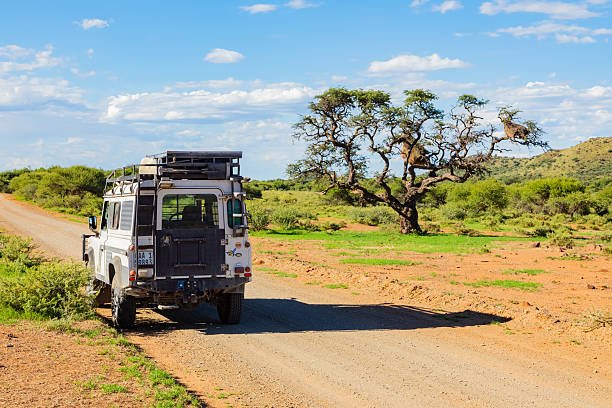
Tanzania Photography Safari 2026-2027
Tanzania Photography Safari is explained with current 2026-2027 planning, price, itinerary and booking information.
View package details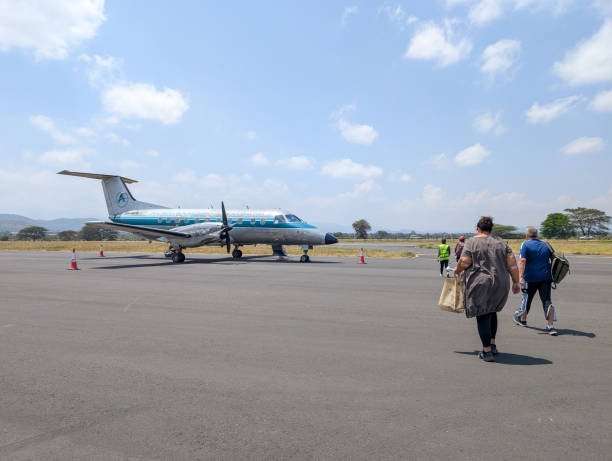
Southern Circuit Tanzania Safari: Your Ultimate Guide With Top Adventures
Explore the wild, less-traveled paths of Tanzania's Southern Circuit. This guide covers Ruaha, Nyerere National Park, and Mikumi, detailing experiences, wildlife, and planning for your...
View package details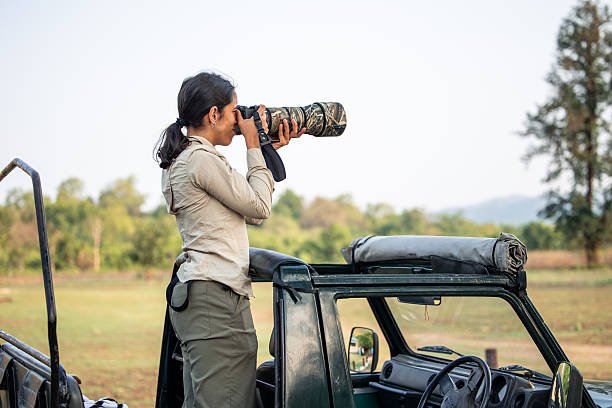
Tanzania Safari Cost And Prices : Your Ultimate Guide 2026-2027
Planning your dream Tanzania safari in 2026 or 2027? This comprehensive guide breaks down the safari costs, prices, and key factors influencing your budget, helping you plan the perfect...
View package detailsTanzania Private Safari Tours: Your Ultimate Bespoke Adventure In 2026-2027
Discover the unparalleled freedom and personalized experience of a Tanzania private safari tour. Top Guide Adventures crafts bespoke journeys through iconic landscapes like the Serengeti...
View package detailsNo related package matches those filters. Clear one or more filters to see the other topic-matched options.



