
The primary things to do in Songea, Tanzania, revolve around exploring its significant historical sites, understanding its role in Tanzania’s liberation history, experiencing local culture and markets, and venturing into the surrounding natural landscapes for wildlife and scenic beauty. Key attractions include the Songea Museum, the Maji Maji Memorial Museum, the ruins of the German colonial administration, and nearby natural features like the Ruaha National Park (though a significant drive away, it’s a major draw for the region) and local waterfalls.

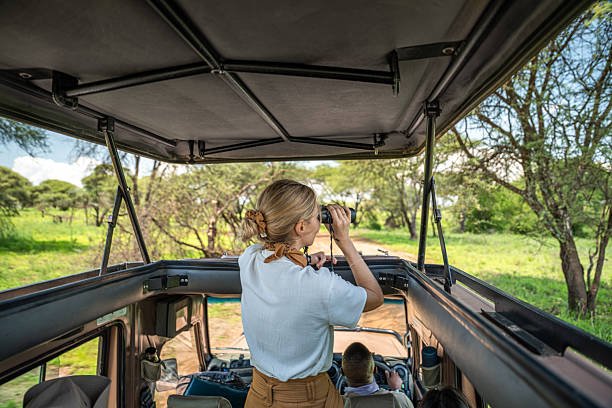

Discovering Songea: Gateway to Southern Tanzania’s Heritage
Songea, the vibrant capital of the Ruvuma Region in southern Tanzania, offers a unique window into the country’s history, culture, and natural allure. Unlike the more frequented northern tourist circuits, Songea provides an authentic glimpse into a less-explored facet of Tanzania. It stands as a significant historical hub, particularly for its pivotal role in the Maji Maji Rebellion against German colonial rule. For travelers seeking deeper cultural immersion and a connection to Tanzania’s past, Songea presents a compelling destination, especially as interest grows for off-the-beaten-path experiences in 2026 and 2027.
This guide aims to provide an exhaustive overview of what to do in Songea, catering to a diverse range of interests, from history buffs and culture enthusiasts to nature lovers and those simply seeking an authentic Tanzanian experience. We will explore the key historical monuments, explore the local way of life, highlight natural attractions within reach, and offer practical advice for planning your visit.
Historical Echoes: Understanding Songea’s Past
Songea’s identity is deeply intertwined with its history, most notably its resistance against colonial powers. The town served as a critical center during the Maji Maji Rebellion (1905-1907), a widespread uprising that remains a cornerstone of Tanzanian national identity.
The Songea Museum: A Chronicle of History and Culture
The Songea Museum is an essential starting point for understanding the region’s past and present. It houses a collection of artifacts that tell the story of the Maji Maji Rebellion, local ethnic groups, and the daily life of the people of Ruvuma. Visitors can find traditional tools, weaponry, agricultural implements, and exhibits detailing the socio-political landscape of the area.
Within the museum, exhibits often focus on the bravery and sacrifice of the warriors who fought for freedom. You’ll see remnants of the conflict, including photographs and historical accounts that bring the struggle to life. The museum also often features sections dedicated to the diverse ethnic groups inhabiting the Ruvuma region, showcasing their unique traditions, customs, and artistic expressions. This provides a rich cultural context that complements the historical narratives. Planning a visit to the Songea Museum is highly recommended for anyone interested in the historical significance of the town and its people.
Maji Maji Memorial Museum: Honoring the Rebellion’s Heroes
Dedicated specifically to the Maji Maji Rebellion, the Maji Maji Memorial Museum is a solemn yet inspiring site. It commemorates the leaders and fighters of the rebellion, many of whom were executed in Songea. The museum provides detailed accounts of the rebellion’s origins, its key figures, and its ultimate impact on Tanzania’s journey towards independence.
Visitors can learn about the spiritual beliefs that fueled the rebellion, the ‘maji’ (water) believed to protect warriors from bullets, and the strategic battles fought. The museum often includes interactive displays or detailed narratives that allow visitors to connect with the human stories behind this pivotal historical event. The site itself may also contain memorial markers or significant historical locations related to the executions, offering a profound sense of place and remembrance. For travelers visiting Songea in 2026 or 2027, this museum is a must-see to grasp the town’s historical weight.
The German Colonial Administration Ruins
Scattered within and around Songea are remnants of the German colonial era. While not as grand as some other colonial sites in East Africa, these ruins offer tangible evidence of a significant period in Songea’s history. Exploring these sites, often marked by crumbling stone walls and foundations, allows for a visual connection to the past and the imposition of foreign rule that sparked local resistance.
These ruins often serve as silent witnesses to the events that transpired, including the suppression of the Maji Maji Rebellion. Local guides can provide valuable context, pointing out specific locations where administrative buildings once stood or where key historical events unfolded. Understanding these sites provides a deeper appreciation for the subsequent fight for independence and the resilience of the Tanzanian people.
Cultural Immersion: Experiencing Songea’s Local Life
Beyond its historical significance, Songea offers rich opportunities for cultural engagement. The town is a hub for local commerce, art, and community life, providing authentic experiences for visitors.
Exploring Songea Market: A Sensory Feast
The central market in Songea is the pulsating heart of the town. It’s a bustling place where locals gather to buy and sell a wide array of goods, from fresh produce and grains to traditional crafts, clothing, and household items. Visiting the market is an excellent way to observe daily life, interact with vendors, and perhaps purchase unique souvenirs.
Expect to find vibrant displays of colorful fabrics, aromatic spices, locally grown fruits and vegetables like mangoes, bananas, and cassava, as well as artisanal products. The atmosphere is lively, filled with the sounds of bargaining, chatter, and the general hum of activity. It’s an ideal spot to sample local snacks, observe traditional trading practices, and get a feel for the community’s rhythm. For photographers, the market offers endless opportunities to capture the essence of Songea. Remember to be respectful of local customs and ask permission before taking close-up photos of individuals.
Engaging with Local Communities and Traditions
Songea is surrounded by communities where traditional ways of life persist. Engaging with these communities offers a deeper understanding of Tanzanian culture beyond the urban center. This can involve visiting villages, learning about traditional farming methods, or witnessing local crafts being made.
Activities might include participating in a cooking demonstration of local dishes, learning about traditional brewing techniques, or observing or even trying your hand at crafts like pottery or weaving. Some tours might offer opportunities to visit local schools or community projects, providing insight into the social fabric of the region. These experiences are best arranged through reputable local operators who can facilitate respectful and meaningful interactions. For travelers in 2026-2027 looking for authentic cultural exchanges, connecting with local communities around Songea is highly rewarding.
Tasting Songea: Culinary Delights
The cuisine in Songea, like much of Tanzania, is hearty and flavorful, often centered around staple foods like maize, rice, and beans. Local dishes are prepared using fresh, regional ingredients.
Key dishes to try include ugali (a stiff maize porridge, often served with stews), pilau (fragrant rice cooked with spices and meat or vegetables), and various meat and fish stews. Local vegetables and fruits add variety and freshness to meals. Don’t miss the opportunity to try locally brewed beverages, which can range from traditional beers made from grains to popular soft drinks. Exploring local eateries, from small roadside stalls to more established restaurants, is part of the culinary adventure. Asking locals for recommendations is often the best way to find authentic and delicious food.
Natural Wonders Near Songea
While Songea itself is rich in history and culture, its surrounding region also boasts natural beauty that is worth exploring. These areas offer opportunities for relaxation, adventure, and wildlife observation.
Exploring Local Waterfalls and Natural Escapes
The Ruvuma region is characterized by rolling hills and occasional rivers, leading to several picturesque waterfalls. While not as large or famous as some of Tanzania’s more prominent natural sites, these local falls offer serene settings for picnics, photography, and a peaceful escape from the town.
One notable example is the Peramiho Falls, located near the significant Peramiho Abbey. These falls provide a beautiful natural backdrop and a chance to enjoy the lush vegetation of the area. Other smaller cascades might be found by venturing further afield with a local guide. These excursions are ideal for a day trip, offering a chance to experience the natural tranquility of southern Tanzania. The accessibility and beauty of these sites make them attractive options for visitors in 2026-2027 seeking natural retreats.
Proximity to Wildlife Areas: Ruaha National Park
Although a considerable distance from Songea
Check Availability for Things To Do In Songea Tanzania 2026-2027
Ready to compare dates, prices, and the best option for your group? Send the package name and travel month so the team can reply with a clear quote, availability, and what is included.
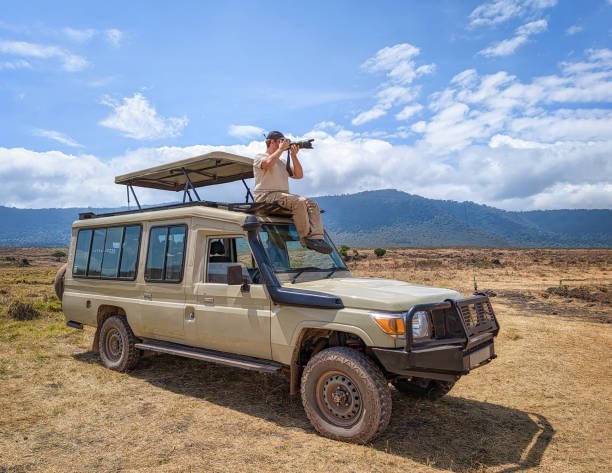
Things To Do In Rukwa, Tanzania: Ultimate Guide For Adventures 2026-2027
Explore the wild heart of Tanzania with our guide to things to do in Rukwa, focusing on its incredible national parks, unique wildlife, and authentic cultural encounters. Perfect for...
View package detailsThings To Do In Simiyu Tanzania 2026-2027
Things to Do in Simiyu Tanzania is explained with current 2026-2027 planning, price, itinerary and booking information.
View package details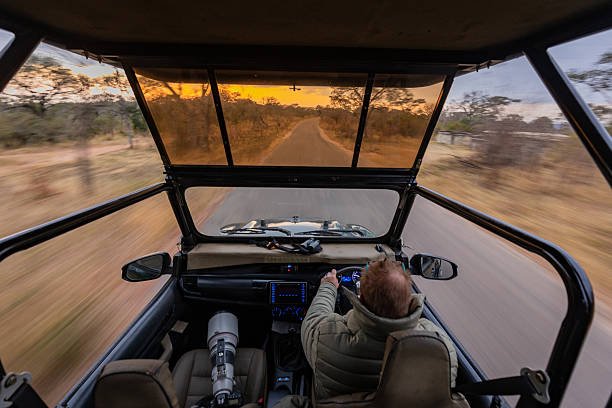
Things To Do In Dodoma Tanzania: Your Complete Travel Guide 2026-2027
Explore Dodoma, Tanzania's capital city, with this comprehensive guide. Discover key attractions, cultural experiences, and practical travel tips for your 2026-2027 adventure.
View package details
Things To Do In Songwe Tanzania 2026-2027
Things to Do in Songwe Tanzania is explained with current 2026-2027 planning, price, itinerary and booking information.
View package details
Nyerere National Park Safari From Songea: Your Ultimate Southern Tanzania
Discover the untamed beauty of Nyerere National Park on a safari starting from Songea. Top Guide Adventures offers expertly crafted itineraries for an unforgettable Southern Tanzania...
View package details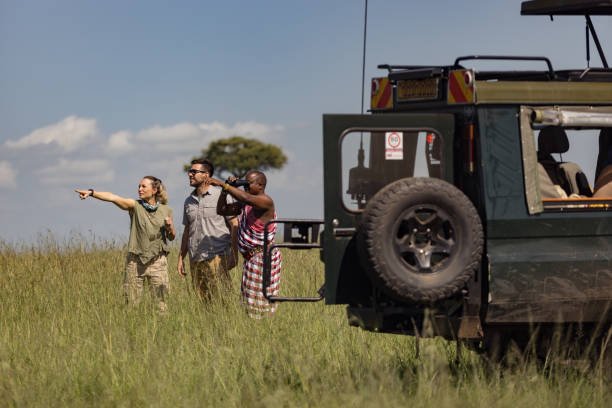
Things To Do In Njombe Tanzania: Your Ultimate Southern Highland Adventure
Njombe, located in Tanzania's Southern Highlands, offers a unique blend of natural beauty, rich culture, and adventure. This guide explores the top activities, from hiking in Kitulo...
View package details
Things To Do In Mbeya Tanzania 2026-2027
Things to Do in Mbeya Tanzania is explained with current 2026-2027 planning, price, itinerary and booking information.
View package details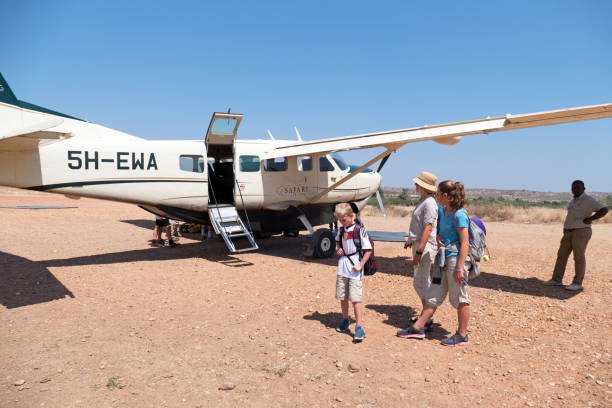
Things To Do In Iringa Tanzania 2026-2027
Things to Do in Iringa Tanzania is explained with current 2026-2027 planning, price, itinerary and booking information.
View package details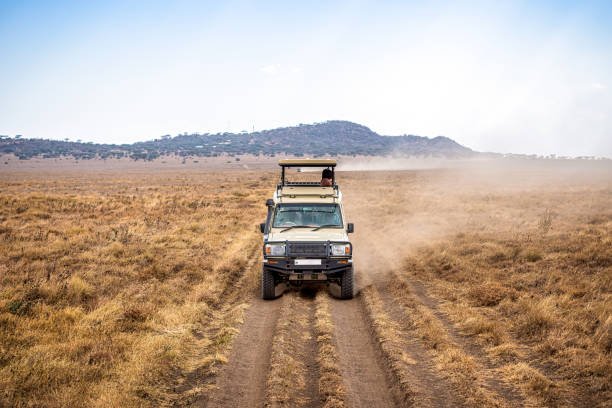
Things To Do In Lindi Tanzania 2026-2027
Things to Do in Lindi Tanzania is explained with current 2026-2027 planning, price, itinerary and booking information.
View package details
Tanzania Photography Safari 2026-2027
Tanzania Photography Safari is explained with current 2026-2027 planning, price, itinerary and booking information.
View package details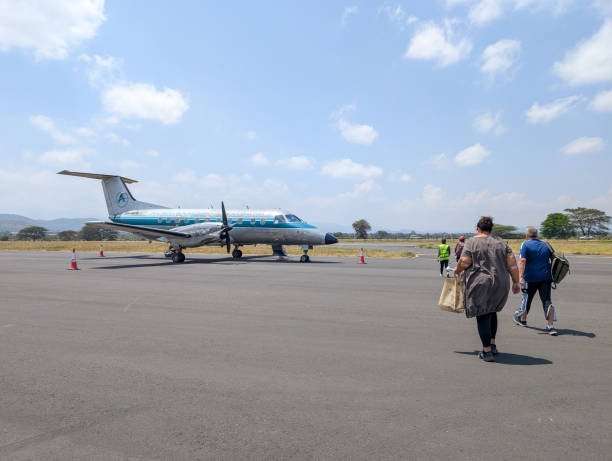
Southern Circuit Tanzania Safari: Your Ultimate Guide With Top Adventures
Explore the wild, less-traveled paths of Tanzania's Southern Circuit. This guide covers Ruaha, Nyerere National Park, and Mikumi, detailing experiences, wildlife, and planning for your...
View package details
Tanzania Safari Cost And Prices : Your Ultimate Guide 2026-2027
Planning your dream Tanzania safari in 2026 or 2027? This comprehensive guide breaks down the safari costs, prices, and key factors influencing your budget, helping you plan the perfect...
View package detailsNo related package matches those filters. Clear one or more filters to see the other topic-matched options.



