
A Tarangire and Lake Manyara safari offers a concentrated yet diverse wildlife viewing experience in Northern Tanzania, renowned for its large elephant herds in Tarangire and the unique tree-climbing lions of Lake Manyara, often combined into a 3-5 day circuit from Arusha, ideal for spotting diverse fauna against varied landscapes.
Tarangire and Lake Manyara Safari: A Compact Tanzania Wildlife Gem
The northern circuit of Tanzania is justly famous for its exceptional wildlife spectacles, and within this celebrated region, the Tarangire and Lake Manyara safari offers a powerful and rewarding experience. These two parks, while smaller than their more famous neighbors like the Serengeti, pack an incredible punch in terms of animal encounters, unique habitats, and diverse activities. For travelers seeking a focused yet rich safari adventure, combining Tarangire National Park with Lake Manyara National Park provides an unforgettable journey, especially as you plan for your 2026 or 2027 Tanzanian getaway.
Tarangire is often called the ‘land of the giants,’ primarily due to its massive elephant populations, especially during the dry season. Its iconic baobab trees dot the landscape, creating a prehistoric and majestic atmosphere. Lake Manyara, on the other hand, is celebrated for its shallow alkaline lake, which attracts a vast array of birdlife, and its elusive tree-climbing lions. The park also boasts significant populations of buffalo, wildebeest, impala, and baboons. Together, these parks offer a condensed yet comprehensive taste of Tanzania’s safari magic, perfect for those with limited time or those wanting to explore beyond the most crowded areas.
Planning a safari in 2026 or 2027 allows for ample preparation, ensuring you secure the best accommodations and tailor your itinerary to your specific interests. Whether you’re a seasoned wildlife enthusiast or a first-time visitor to Africa, a Tarangire and Lake Manyara safari promises close encounters and stunning photographic opportunities. Top Guide Adventures specializes in crafting these personalized safari experiences, ensuring your journey is both smooth and deeply memorable.
Why Choose Tarangire and Lake Manyara for Your Tanzania Safari?
When considering a Tanzania safari, the sheer number of options can be overwhelming. However, the Tarangire and Lake Manyara combination stands out for several compelling reasons:
- Exceptional Elephant Encounters: Tarangire National Park is world-renowned for its dense population of elephants, particularly during the dry season (June to October). You can witness large herds, sometimes numbering in the hundreds, moving across the plains or congregating around the Tarangire River.
- Unique Tree-Climbing Lions: Lake Manyara National Park is one of the few places in Africa where lions are known to regularly climb trees. While sightings are never guaranteed, the chance to see these arboreal predators is a significant draw.
- Birdwatcher’s Paradise: Lake Manyara’s alkaline lake and surrounding woodlands teem with birdlife. With over 400 species recorded, it’s a haven for bird enthusiasts, offering sightings of flamingos, pelicans, storks, and numerous other waterfowl and forest birds.
- Diverse Habitats: The parks showcase a variety of landscapes, from Tarangire’s vast savannas dotted with ancient baobab trees to Lake Manyara’s lush groundwater forest, acacia woodlands, and the expansive lake itself. This diversity supports a wide range of wildlife.
- Manageable Scale: Compared to the Serengeti, Tarangire and Lake Manyara are more compact. This allows for more relaxed game drives, maximizing viewing opportunities without excessive travel time between sightings.
- Less Crowded Experience: While popular, these parks often offer a less crowded safari experience than the Serengeti, especially outside peak migration times. This provides a more intimate connection with nature.
- Proximity to Arusha: Both parks are relatively close to Arusha, the main gateway city for Northern Circuit safaris. This makes them ideal for shorter safaris or as a starting point for longer itineraries.
- Year-Round Appeal: While the dry season is excellent for elephants in Tarangire, both parks offer rewarding wildlife viewing throughout the year, with different seasonal highlights.
Tarangire National Park: The Land of Giants and Baobabs
Tarangire National Park, established in 1970, is the sixth-largest park in Tanzania and a vital sanctuary for wildlife, especially elephants. Its name derives from the Tarangire River, which is the park’s only permanent source of water during the dry season, drawing animals from far and wide.
Wildlife of Tarangire
The park is most famous for its substantial elephant population. During the dry months, between June and October, the riverbanks become a magnet for massive herds of elephants, offering incredible viewing opportunities. It’s not uncommon to see dozens, sometimes hundreds, of these majestic creatures at once. Beyond elephants, Tarangire boasts impressive numbers of:
- Predators: Lions, leopards, cheetahs, hyenas, and wild dogs are present, though often more elusive than in other parks. Lions here are known to sometimes lounge in the branches of acacia trees.
- Ungulates: Over 550 species of birds, including the Yellow-collared Lovebird, Secretary Bird, and various hornbills. The park’s bird list is extensive and a major attraction for ornithologists.
- Other Mammals: Buffalo, giraffes, zebras, wildebeest, impala, dik-dik, gazelles, baboons, and warthogs are common sightings. You might also spot the fringe-eared oryx and the greater kudu, species less commonly seen in other northern parks.
The Iconic Baobab Trees
Tarangire’s landscape is instantly recognizable by its towering baobab trees. These ancient, swollen trees are a symbol of the African savanna, and in Tarangire, they are exceptionally numerous and impressive. Their unique silhouette against the African sky creates a surreal and interesting environment, adding a sense of timelessness to your safari experience.
Best Time to Visit Tarangire
Dry Season (June to October): This is considered the peak season for Tarangire, especially for elephant viewing. The Tarangire River becomes a central point for wildlife congregating to drink, making game drives highly productive. The vegetation thins out, improving visibility. Expect sunny days and cooler nights.
Green Season (November to May): The landscape becomes lush and green following the rains. Birdwatching is exceptional during this period, with resident birds in breeding plumage and migratory birds present. While wildlife is more dispersed due to water availability across the park, predator sightings can be excellent as they take advantage of the abundant prey. This is also a great time for photographers seeking vibrant landscapes and fewer crowds. Consider visiting in late March or April 2027 for a balance of good wildlife viewing and fewer tourists.
Activities in Tarangire
While standard game drives are the primary activity, Tarangire offers more:
- Game Drives: Explore the park’s diverse ecosystems by vehicle, tracking animals along the river and through the woodlands.
- Walking Safaris: Available in specific areas outside the main park boundaries (and sometimes within, depending on regulations and operator permits), walking safaris offer a more intimate connection with the bush, allowing you to appreciate the smaller details of the ecosystem.
- Night Game Drives: Offered by some lodges, these excursions provide a chance to see nocturnal animals like genets, civets, bush babies, and perhaps even leopards or lions on the hunt.
Lake Manyara National Park: Birds, Baboons, and Tree-Climbing Lions
Lake Manyara National Park, though one of the smallest in Tanzania, is incredibly diverse and offers a concentrated safari experience. Its defining feature is the shallow, alkaline Lake Manyara, which covers a significant portion of the park and is a vital habitat for an astonishing array of birdlife.
Wildlife of Lake Manyara
Lake Manyara is a microcosm of Tanzania’s rich biodiversity:
- Birdlife: With over 400 bird species, Lake Manyara is a birdwatcher’s paradise. The lake shores are often carpeted with thousands of flamingos, pelicans, and cormorants. You’ll also find various storks, egrets, herons, and raptors. The groundwater forests are home to unique species like the Silvery-cheeked Hornbill and the Emerald Cuckoo.
- Mammals: The park is home to a healthy population of baboons, often seen in large troops. Other common sightings include zebras, wildebeest, impala, giraffes, dik-dik, and warthogs. Buffalo and hippos are also present.
- Tree-Climbing Lions: Lake Manyara’s most famous and elusive residents are its lions, which have a unique habit of climbing trees. While not all lions here climb, and they don’t do it year-round, the opportunity to witness this behavior is a major draw. The exact reason for this habit is debated, but it’s thought to be related to escaping the heat or avoiding biting insects on the ground.
- Leopards: Leopards are also present in the park’s dense woodlands and are occasionally seen, particularly in the early morning or late afternoon.
The Unique Ecosystem
The park’s landscape is varied, transitioning from open grassy plains near the lake to dense groundwater forests, acacia woodlands, and rocky cliffs. This variety supports different animal communities. The groundwater forests, fed by underground springs, are particularly lush and provide a cool, shaded environment for wildlife and a stunning contrast to the open savanna.
Best Time to Visit Lake Manyara
Lake Manyara is a year-round destination. However, certain times offer specific advantages:
- Dry Season (June to October): Wildlife tends to concentrate around water sources, and the park’s vegetation is less dense, improving visibility. Birdlife is still abundant.
- Green Season (November to May): This period offers lush scenery, excellent birdwatching as birds are in breeding plumage, and fewer crowds. The lake may be at its fullest, attracting a wider array of water birds. A visit in November 2026 could offer a fantastic combination of returning migratory birds and good wildlife viewing.
Activities in Lake Manyara
Lake Manyara offers a range of activities to enhance your safari experience:
- Game Drives: The park has a good road network allowing for excellent game drives. The scenic drive along the lake shore and through the forest provides constant opportunities for sightings.
- Walking Safaris: Similar to Tarangire, walking safaris are available, offering a deeper connection with the park’s flora and fauna.
- Cultural Tourism: The proximity to local communities allows for optional cultural visits to nearby villages, offering insights into the lives of the Maasai and other local tribes.
- Canoeing: In certain seasons and at specific lodges, canoeing on the lake can be an option, providing a unique perspective on birdlife and hippos.
Combining Tarangire and Lake Manyara: A Classic Northern Circuit Itinerary
The synergy between Tarangire and Lake Manyara makes them a perfect pairing for a safari. They are geographically close, allowing for efficient travel between them, and their distinct environments and wildlife concentrations offer a well-rounded experience.
Typical Itinerary Structure (3-5 Days)
A common itinerary starts and ends in Arusha. Here’s a sample structure:
Day 1: Arrival in Arusha & Transfer to Tarangire
Arrive at Kilimanjaro International Airport (JRO) or Arusha Airport. Meet your guide from Top Guide Adventures and transfer to your lodge or camp near Tarangire National Park. Depending on your arrival time, you might have an afternoon game drive.
Day 2: Full Day Tarangire National Park
Spend the entire day exploring Tarangire. Focus on the riverine areas for elephant sightings and venture into the acacia woodlands for diverse game. Enjoy a picnic lunch amidst the wilderness. A 4-day Tarangire and Lake Manyara safari in 2026 would likely include two full days here.
Day 3: Tarangire to Lake Manyara & Afternoon Game Drive
Enjoy a final morning game drive in Tarangire, perhaps focusing on an area you haven’t yet explored. Afterward, drive to Lake Manyara National Park. Check into your lodge and start an afternoon game drive, exploring the park’s unique habitats and searching for tree-climbing lions and abundant birdlife.
Day 4: Lake Manyara & Transfer Back to Arusha
After breakfast, enjoy a morning game drive in Lake Manyara. You might opt for a walking safari or a cultural visit if time and interest permit. In the afternoon, drive back to Arusha, concluding your Tarangire and Lake Manyara safari adventure.
Optional Day 5: Extension or Departure
If you have an extra day, you could spend more time in either park, visit a local community, or relax in Arusha before your departure.
Travel Style Considerations
The type of accommodation and vehicle you choose will significantly impact your experience and cost. Top Guide Adventures offers options ranging from:
- Budget Camping: For the adventurous traveler seeking an authentic experience at a lower cost.
- Mid-Range Lodges/Tented Camps: Comfortable accommodations offering good amenities and service.
- Luxury Lodges/Camps: High-end properties with exceptional service, fine dining, and stunning locations.
- Vehicle Choice: 4×4 safari vehicles (Land Cruisers or Land Rovers) are standard, equipped with pop-up roofs for optimal game viewing and photography.
A typical 4-day Tarangire and Lake Manyara safari for 2027, staying in mid-range accommodations and using a private 4×4 vehicle, might range from $900 to $1,500 per person, depending on the season, group size, and specific inclusions. For the most accurate pricing, it’s best to request a personalized quote.
Planning Your Tarangire and Lake Manyara Safari in 2026-2027
Successful safari planning involves several key steps. For your 2026 or 2027 trip, consider the following:
Best Time to Go: A Deeper Dive
While both parks are enjoyable year-round, the ‘best’ time depends on your priorities:
- For Elephant Herds in Tarangire: June to October (dry season).
- For Birdwatching: November to April (green season, with migratory birds present).
- For Fewer Crowds: Shoulder seasons like November or March/April.
- For Lush Green Landscapes: The height of the green season (March-May).
For 2026, consider the shoulder months of November or early December for a good balance of wildlife and fewer tourists. For 2027, the period from late September to October offers excellent dry season conditions before the main rush.
Visa and Health Requirements
- Visas: Most nationalities require a visa to enter Tanzania. You can often obtain these online in advance or upon arrival at the airport. Check the latest requirements for your country.
- Vaccinations: Consult your doctor or a travel clinic well in advance of your trip regarding recommended vaccinations and malaria prophylaxis. Yellow fever vaccination may be required if arriving from or transiting through a country with a risk of yellow fever.
- Travel Insurance: Comprehensive travel insurance covering medical emergencies, trip cancellation, and lost luggage is highly recommended.
Packing Essentials for Your Safari
Pack light, comfortable clothing in neutral colors (khaki, beige, olive green). Avoid bright colors and dark colors like black or navy, which can attract insects. Key items include:
- Lightweight, long-sleeved shirts and trousers
- T-shirts and shorts
- A warm fleece or jacket for cool mornings and evenings
- Comfortable walking shoes or hiking boots
- Sandals or flip-flops
- Sun hat, sunglasses, and high SPF sunscreen
- Insect repellent (with DEET)
- Binoculars (essential for wildlife viewing)
- Camera with extra batteries and memory cards
- Personal toiletries and any necessary medications
- A small backpack for day trips
- Adapter for electronics
Choosing Your Safari Operator
Selecting the right tour operator is crucial for a successful safari. Top Guide Adventures is a trusted Tanzanian company known for its personalized service, experienced guides, and commitment to client satisfaction. When choosing an operator, consider:
- Local Expertise: A local company like Top Guide Adventures has invaluable knowledge of the parks, wildlife behavior, and local conditions.
- Reputation: Look for reviews and testimonials from previous clients.
- Customization: Can they tailor an itinerary to your specific interests, budget, and pace?
- Inclusions: Understand what is covered in your safari package (accommodation, meals, park fees, guide, vehicle, activities).
- Sustainability: Does the operator practice responsible tourism?
For a safari in 2026 or 2027, booking with a reputable company like Top Guide Adventures ensures you receive expert guidance and support throughout your planning and travel. You can reach them via WhatsApp at +255616946642 or email at info@topguideadventurestanzania.com or topguideadventures@gmail.com.
Understanding Safari Costs for Tarangire and Lake Manyara
The cost of a Tarangire and Lake Manyara safari can vary significantly based on several factors. Understanding these will help you budget effectively for your 2026-2027 trip.
Key Cost Determinants:
- Duration of Safari: Longer safaris naturally cost more. A 3-day trip will be less expensive than a 5-day trip.
- Accommodation Level: This is often the biggest variable. Budget camping is the most affordable, followed by mid-range lodges and tented camps, and then luxury lodges and tented camps at the higher end.
- Group Size: Private safaris (just your group with a dedicated vehicle and guide) are more expensive per person than joining a group safari on set departure dates.
- Season: High season (typically June-October and December-February) generally sees higher prices due to demand. Low season or green season (November, March-May) can offer more affordable options.
- Inclusions: Ensure you know what’s covered. Park fees, meals, accommodation, guide services, and vehicle hire are standard. Extras like drinks, tips, and optional activities add to the cost.
Estimated Cost Ranges for 2026-2027:
These are approximate figures per person, based on a 4-day/3-night safari combining Tarangire and Lake Manyara:
Budget Safari (Camping):
Approximately $600 – $900 per person. This includes basic tented camps (often with shared facilities), park fees, meals, and a shared safari vehicle and guide.
Mid-Range Safari (Lodges/Tented Camps):
Approximately $900 – $1,500 per person. This level offers comfortable lodges or permanent tented camps with private bathrooms, good food, and a private 4×4 safari vehicle with a dedicated guide.
Luxury Safari (High-End Lodges/Camps):
Approximately $1,500 – $2,500+ per person. This includes premium lodges and camps with exquisite service, gourmet dining, exclusive locations, and often additional amenities. A private 4×4 vehicle and guide are standard.
It is crucial to get a personalized quote for your specific dates in 2026 or 2027. For instance, a safari during peak season in 2027 will likely be at the higher end of these ranges. Top Guide Adventures can provide detailed quotes tailored to your budget and preferences. Contact them via WhatsApp +255616946642 or email for a personalized itinerary and pricing.
Beyond the Parks: Cultural Experiences and Extensions
While the wildlife is the primary draw, a Tarangire and Lake Manyara safari can be enriched by incorporating cultural elements and extensions. These additions can provide a more holistic understanding of Tanzania’s beauty and people.
Maasai Cultural Tours
Both Tarangire and Lake Manyara regions are home to Maasai communities. Many safari packages can include visits to Maasai villages. These visits, when conducted respectfully and ethically, offer a chance to:
- Learn about Maasai traditions, social structures, and daily life.
- Witness traditional dances and songs.
- See how they interact with their environment and livestock.
- Purchase local handicrafts directly from the artisans.
It’s important to choose operators who facilitate genuine cultural exchanges rather than staged performances. Top Guide Adventures can arrange responsible community visits that benefit the local people.
Exploring Nearby Attractions
The Tarangire and Lake Manyara region serves as an excellent base for exploring other Northern Circuit highlights:
- Ngorongoro Conservation Area: Just a drive away, the Ngorongoro Crater offers a unique caldera ecosystem with a high concentration of wildlife, including the Big Five.
- Serengeti National Park: The crown jewel of Tanzania’s safaris, famous for the Great Migration and vast plains.
- Mount Kilimanjaro: For the adventurous, a Kilimanjaro climb can be combined with a safari. Moshi and Arusha are the primary starting points.
- Arusha National Park: A smaller park closer to Arusha, known for its diverse landscapes and Mount Meru.
Combining Lake Manyara and Tarangire with Ngorongoro and the Serengeti forms the classic ‘Northern Circuit’ safari, typically lasting 7-10 days. For those seeking a more extended adventure in 2026 or 2027, this comprehensive circuit is highly recommended.
Frequently Asked Questions about Tarangire and Lake Manyara Safaris
What is the best time of year for a Tarangire and Lake Manyara safari?
The dry season, from June to October, is ideal for seeing large elephant herds in Tarangire and generally good wildlife viewing in both parks. However, the green season (November to May) offers spectacular birdwatching and lush landscapes, with fewer crowds. For 2026-2027, consider the shoulder months for a balance.
How many days are recommended for a Tarangire and Lake Manyara safari?
A minimum of 3 days is recommended to adequately experience both parks. A 4-day safari allows for more in-depth exploration of Tarangire and a more relaxed pace in Lake Manyara. Many travelers combine these with other parks, extending their trip to 7-10 days for the full Northern Circuit.
Are tree-climbing lions guaranteed in Lake Manyara?
No, sightings of tree-climbing lions are not guaranteed. While Lake Manyara is famous for this behavior, lions are wild animals, and their actions are unpredictable. However, the park has a good population of lions, and the chance of seeing them climb is higher here than in many other parks.
What is the difference between Tarangire and Lake Manyara?
Tarangire National Park is known for its vast elephant herds, baobab-dotted landscapes, and the Tarangire River. Lake Manyara National Park is famous for its large bird population, its alkaline lake, and its tree-climbing lions, set within diverse habitats including groundwater forests.
What is the estimated cost of a Tarangire and Lake Manyara safari?
Costs vary widely based on accommodation level, duration, and group size. For a 4-day private safari in 2026-2027, expect prices ranging from approximately $900 per person for mid-range to $2,500+ per person for luxury options. Budget camping safaris are significantly less.
What should I pack for a safari in Tarangire and Lake Manyara?
Pack light, neutral-colored clothing, a warm layer for evenings, comfortable walking shoes, sun protection (hat, sunglasses, sunscreen), insect repellent, binoculars, and a camera. Refer to the detailed packing list in the article for more specifics.
Making Your 2026-2027 Tarangire and Lake Manyara Safari a Reality
A safari to Tarangire and Lake Manyara National Parks offers an incredible opportunity to witness Tanzania’s abundant wildlife in diverse and stunning settings. Whether you are drawn by the immense elephant herds of Tarangire or the unique arboreal lions and vibrant birdlife of Lake Manyara, this combination promises a truly memorable adventure.
Planning ahead is key, especially for travel in 2026 and 2027. Booking with a trusted and experienced tour operator like Top Guide Adventures ensures that all the logistical details are handled with care, allowing you to focus on the magic of the safari experience. They offer personalized itineraries, expert guides, and a commitment to providing exceptional service, from initial inquiry to your final departure.
To start planning your dream Tarangire and Lake Manyara safari for 2026 or 2027, or to discuss extending your journey to other iconic Tanzanian destinations, please do not hesitate to contact Top Guide Adventures. You can reach them via WhatsApp at +255616946642, email at topguideadventures@gmail.com, or their backup email info@topguideadventurestanzania.com. Let Top Guide Adventures help you craft an unforgettable Tanzanian wildlife adventure.
Check Availability for Tarangire And Lake Manyara Safari: Your Ultimate Guide For 2026-2027
Ready to compare dates, prices, and the best option for your group? Send the package name and travel month so the team can reply with a clear quote, availability, and what is included.
Budget Tarangire Safari Prices: Cost Guide For 2026-2027
Planning a budget-friendly safari in Tarangire National Park? This guide breaks down the costs for 2026-2027, detailing what influences prices, what's typically included in budget packages...
View package details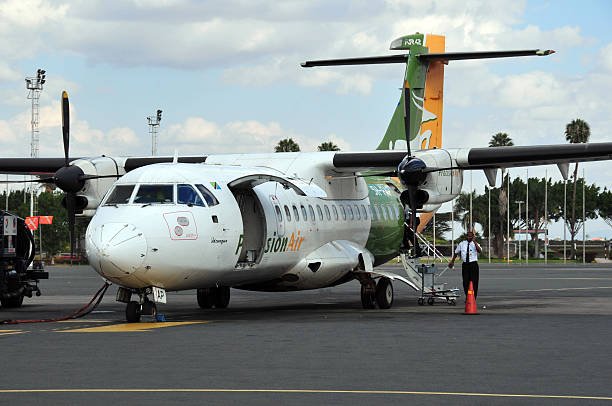
Tanzania Private Safari Prices 2026-2027
Tanzania Private Safari Prices is explained with current 2026-2027 planning, price, itinerary and booking information.
View package details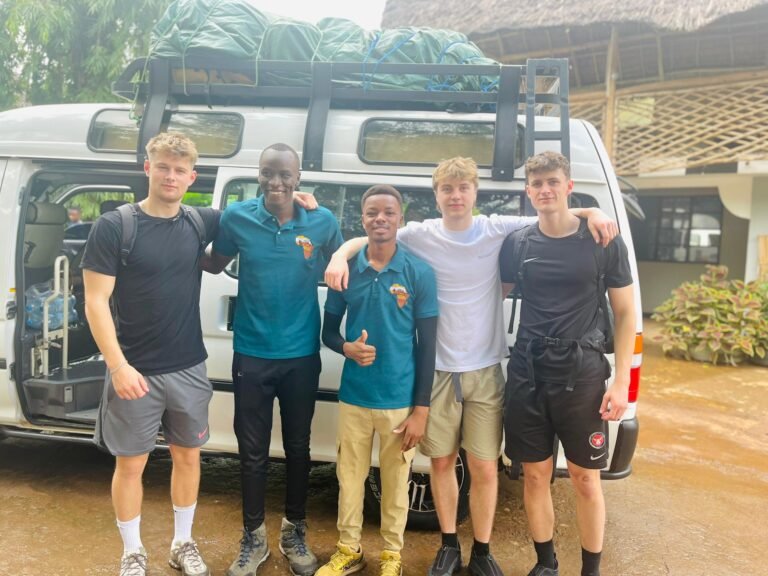
Tanzania Photography Safari Prices: Your Comprehensive Guide 2026-2027
Planning a photography safari in Tanzania for 2026 or 2027? This guide breaks down the expected costs, helping you budget for an unforgettable wildlife photography adventure. Learn what...
View package details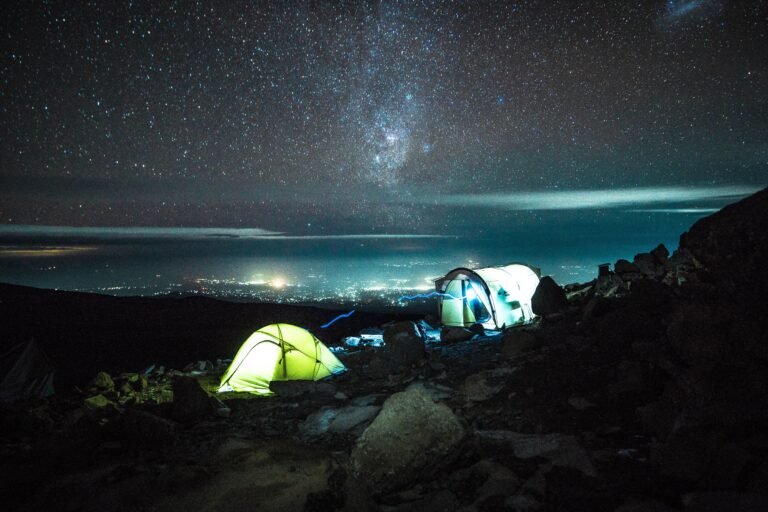
Tanzania Wildlife Safari Cost Breakdown: Your Budget Guide 2026-2027
Planning a Tanzania wildlife safari involves understanding the key cost components. This guide provides a detailed breakdown for 2026-2027, covering everything from park fees and...
View package details
Pemba Island Safari Prices: Your Guide To Costs In 2026-2027
Planning a safari on Pemba Island? Understand the pricing for 2026-2027, from budget options to luxury experiences. This guide breaks down the costs, inclusions, and factors affecting your...
View package details
Saadani National Park Entry Fees And Safari Prices For 2026-2027
Planning a safari to Saadani National Park? This guide details the essential entry fees and safari package prices for 2026-2027, helping you budget for your unforgettable Tanzanian...
View package details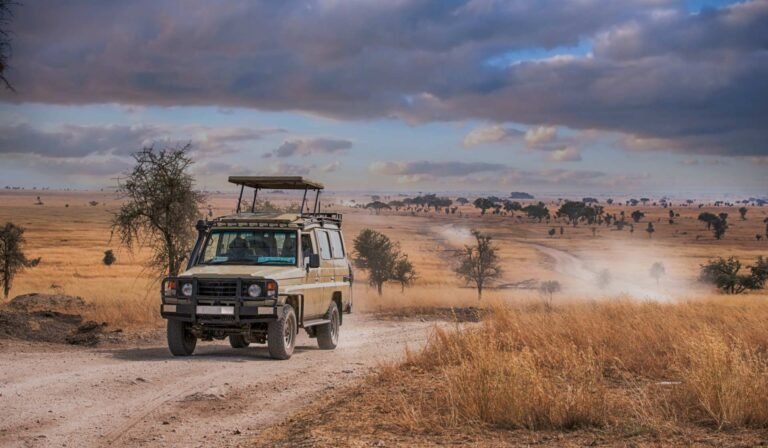
Mahale Safari Prices: Your Guide To Chimpanzee Trekking Costs 2026-2027
Planning a Mahale safari? This guide breaks down Mahale safari prices for 2026-2027, covering chimpanzee trekking permits, accommodation options, transport, and essential budgeting tips for...
View package details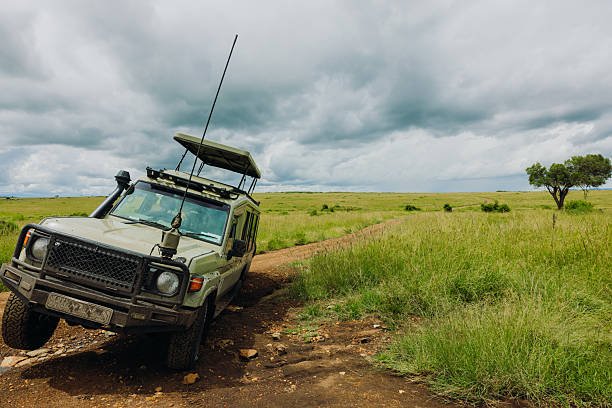
Katavi National Park: Tanzanias Untamed Wilderness Safari Guide 2026-2027
Katavi National Park offers an unparalleled safari experience in Tanzania's remote wilderness. This guide explores its vast landscapes, abundant wildlife, best visiting times for 2026-2027...
View package details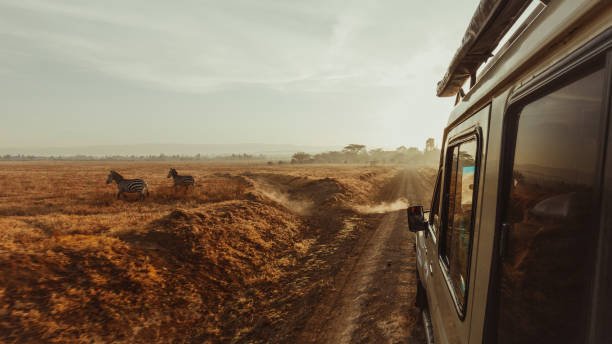
Nyerere Walking Safari Prices : Your Guide To Costs And Planning 2026-2027
Explore Nyerere National Park on a walking safari with Top Guide Adventures. Discover pricing for 2026-2027, understand cost factors, and plan your unforgettable adventure.
View package details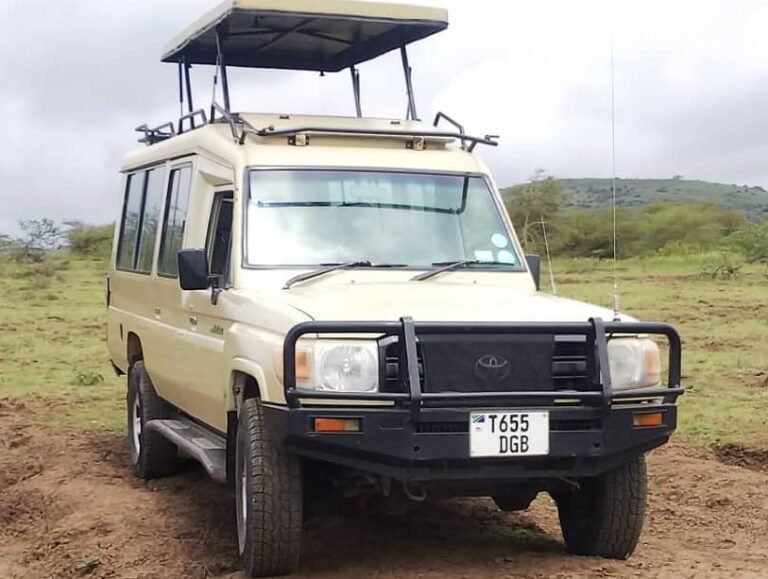
Ruaha Walking Safari Cost: What To Expect For Adventures 2026-2027
Understand the estimated costs for a Ruaha walking safari in 2026-2027. This guide breaks down the price elements, helping you budget for an unforgettable Tanzanian adventure.
View package details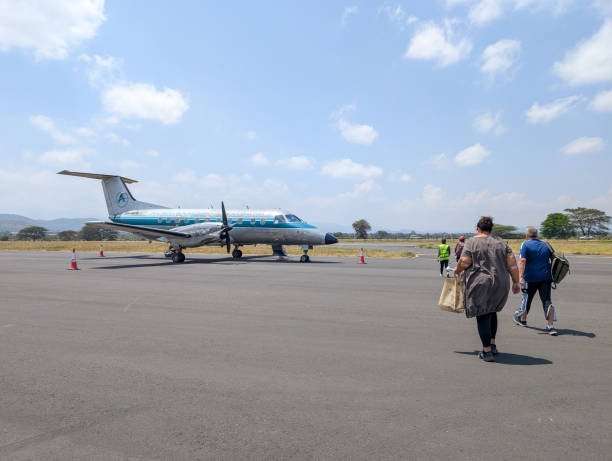
Mikumi National Park Entry Fees And Safari Prices 2026-2027
Planning a safari to Mikumi National Park? This guide details the essential entry fees, conservation charges, and safari package prices for 2026-2027, helping you budget for an...
View package details
Mikumi National Park: Your Ultimate Safari Guide For 2026-2027
Mikumi National Park offers incredible wildlife viewing with its open plains and abundant animals, making it a top choice for Tanzania safaris. This guide covers everything you need to know...
View package detailsNo related package matches those filters. Clear one or more filters to see the other topic-matched options.



