
A Serengeti National Park safari in 2026-2027 offers unparalleled opportunities to witness the Great Migration, abundant predators, and diverse landscapes, typically involving 3-5 day itineraries focusing on game drives within the park’s central, northern, or southern sectors, with costs varying based on accommodation style, season, and inclusions, generally ranging from $250 to $1000+ per person per day.
Experience the Heart of African Wildlife: Serengeti National Park Safari
The Serengeti National Park, a UNESCO World Heritage Site, stands as the crown jewel of Tanzania’s safari circuit and a global icon for wildlife viewing. Its name, derived from the Maasai word ‘Siringet’ meaning ‘endless plains,’ perfectly encapsulates the vast, sweeping savannas that stretch to the horizon, teeming with an astonishing density and diversity of wildlife. Planning a Serengeti National Park safari for 2026 or 2027 promises an adventure of a lifetime, offering a chance to witness nature’s grandest spectacle: the Great Migration, alongside a permanent resident population of predators and herbivores that is simply unmatched anywhere else on Earth.
Top Guide Adventures specializes in crafting bespoke Serengeti National Park safari experiences tailored to your interests, budget, and travel style. Whether you dream of tracking lions across the open plains, witnessing the dramatic river crossings of the wildebeest and zebra migration, or simply soaking in the raw beauty of the African wilderness, our expert team is dedicated to making your journey exceptional. We understand the nuances of the Serengeti, from the best times to see specific wildlife events to the most comfortable and authentic lodges and camps, ensuring your 2026-2027 safari is both spectacular and smooth.
This guide is designed to provide you with everything you need to know to plan your perfect Serengeti National Park safari. We’ll explore the park’s unique ecosystems, the timing of the Great Migration, the best areas to visit depending on the season, the incredible array of animals you can expect to see, accommodation options ranging from luxury tented camps to comfortable lodges, and practical advice on when to book, what to pack, and how to make the most of your adventure in this legendary park.
Understanding the Serengeti Ecosystem and Its Wildlife
The Serengeti is not just a single habitat; it’s a mosaic of diverse ecosystems that support an incredible variety of life. Its sheer scale – approximately 14,750 square kilometers (5,700 sq mi) – means different regions offer distinct experiences throughout the year.
- The Central Serengeti (Seronera Valley): This is the most visited region, known for its year-round resident wildlife, including large prides of lions, leopards, cheetahs, and elephants. The Seronera River provides a permanent water source, attracting animals even during the dry season. It’s an excellent area for those who want guaranteed sightings of predators and a classic savanna landscape.
- The Northern Serengeti (Wagola, Lamai Wedge): Famous for its role in the Great Migration, especially during July to October when the wildebeest and zebras cross the Mara River. This area features dramatic kopjes (rocky outcrops), acacia woodlands, and the mighty Mara River, offering stunning scenery and thrilling wildlife encounters.
- The Southern Serengeti (Ndutu, Maswa Game Reserve): This region is crucial for the wildebeest calving season, typically from January to March. Millions of wildebeest, zebras, and gazelles congregate here to graze on the short-grass plains, creating a impressive spectacle of life and death as predators follow closely.
- The Western Corridor: Accessible via the Grumet and Mbalageti rivers, this area is known for its Grumeti River crossings, which can be a spectacular sight, especially from June to July, though generally less dramatic than the Mara River crossings.
The resident wildlife population in the Serengeti is staggering. Beyond the iconic wildebeest and zebra, you’ll find lions, leopards, cheetahs, elephants, giraffes, buffaloes, hippos, crocodiles, hyenas, wild dogs, and a multitude of antelope species like the Thomson’s gazelle, Grant’s gazelle, and eland. Birdlife is also prolific, with over 500 recorded species, making it a paradise for ornithologists.
The Great Migration: A Serengeti Phenomenon
The Great Migration is the largest and most famous terrestrial mammal migration on Earth, an annual circular journey of over 1.5 million wildebeest, 200,000 zebras, and 400,000 Thomson’s gazelles. This epic movement is driven by the search for fresh grazing land and is intrinsically linked to the rains.
Understanding the migration’s cycle is key to planning the perfect Serengeti National Park safari, especially for 2026-2027. While the exact timing can vary slightly each year due to rainfall patterns, the general pattern is as follows:
- December – March: Southern Serengeti (Ndutu Area). The herds gather in the nutrient-rich short-grass plains of the southern Serengeti and the adjoining Ngorongoro Conservation Area (Ndutu region) for the calving season. Witnessing thousands of newborn wildebeest and zebras taking their first steps is a profound experience. Predators are highly active during this period, making for excellent predator-sightings.
- April – May: Moving North. As the dry season approaches and the southern plains become depleted, the herds begin their migration northwards, typically moving through the central Serengeti. This is the ‘long rains’ period, and the landscape turns lush green. It’s a less crowded time to visit, but wildlife viewing can be more dispersed.
- June – July: Western Corridor & Grumeti River. The herds often concentrate in the western corridor, heading towards the Grumeti River. Here, large crocodiles can make for dramatic river crossings, though they are typically smaller in scale than the Mara River crossings.
- July – October: Northern Serengeti & Mara River. This is the most dramatic phase, as the herds reach the Mara River in the northern Serengeti. The river is wide and treacherous, and the crossings are a highlight for many visitors. Lions, hyenas, and crocodiles are ever-present threats, leading to intense wildlife action. This is peak season for many safari-goers.
- November: Moving South. Following the ‘short rains,’ the herds begin to move back southwards, heading towards the plains of the southern Serengeti, completing the annual cycle.
For your Serengeti National Park safari in 2026-2027, deciding when to go depends heavily on whether you wish to witness the calving season, the river crossings, or simply experience the vast herds on the move. Early booking for peak migration periods (July-October) is highly recommended.
Best Time to Visit the Serengeti National Park
While the Serengeti offers incredible wildlife viewing opportunities year-round, the ‘best’ time to visit truly depends on your priorities for your Serengeti National Park safari.
- Peak Season (June to October): This period aligns with the dry season and the dramatic river crossings of the Great Migration. Expect sunny days, cooler evenings, and excellent game viewing as animals congregate around water sources. This is also the busiest and most expensive time to visit. For 2026 and 2027, booking well in advance for these months is crucial.
- Calving Season (January to March): Ideal for witnessing the abundance of newborn animals and the intense predator activity that follows. The southern Serengeti is the place to be. The landscape is green and beautiful, and visitor numbers are moderate.
- Shoulder Seasons (April to May, November): These months often coincide with the ‘long’ and ‘short’ rains. While game viewing can be more challenging due to scattered herds and potential road closures, the landscape is incredibly lush and vibrant. Visitor numbers are lower, and prices may be more accessible. This can be a great time for photographers seeking dramatic skies and fewer crowds.
Top Guide Adventures can help you navigate these seasons to ensure your Serengeti National Park safari in 2026-2027 aligns perfectly with your expectations. We’ll advise on the best regions to visit based on the migration’s predicted location and your specific wildlife interests.
What to Expect on a Serengeti National Park Safari
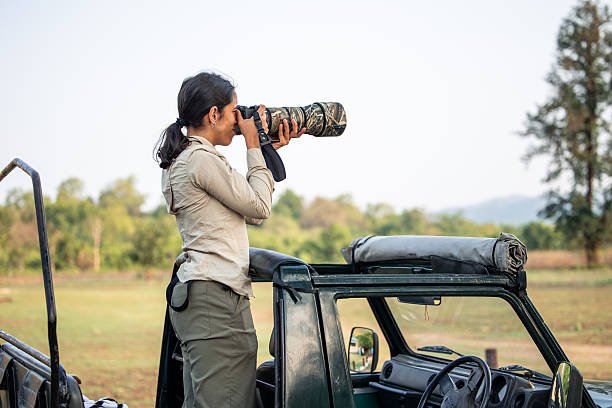
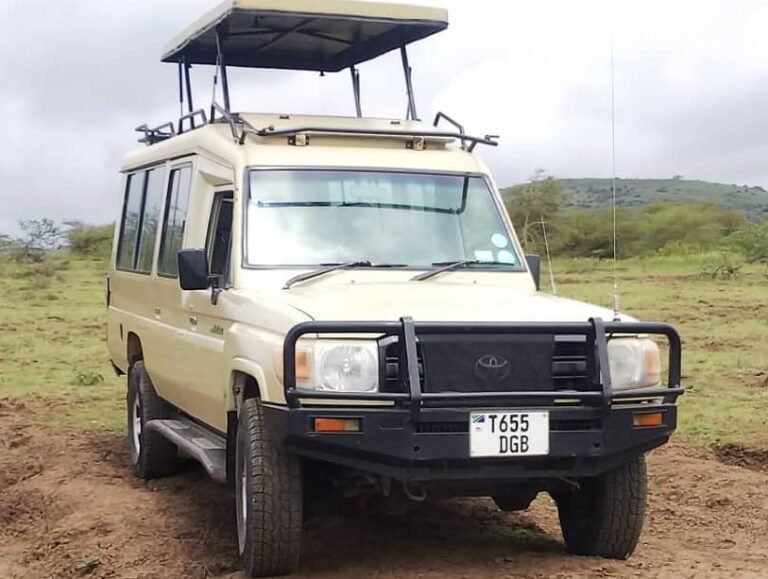
A typical Serengeti National Park safari experience is centered around game drives. These are conducted in specially adapted 4×4 safari vehicles, usually open-sided or with pop-up roofs for optimal viewing and photography.
Key Elements of Your Serengeti Safari:
- Game Drives: These are the primary activity. You’ll venture out in the early morning and late afternoon, the best times for wildlife activity. Drives can last from a few hours to a full day, often with a packed lunch.
- Accommodation: Options range from luxury tented camps that offer an authentic bush experience with comfortable amenities, to lodges with more permanent structures and facilities. Some camps are mobile, following the migration.
- Guides: Your experienced safari guide is crucial. They possess deep knowledge of the park, animal behavior, and tracking skills, significantly enhancing your wildlife encounters.
- Duration: Most Serengeti safaris range from 3 to 5 days, allowing ample time to explore different regions and witness diverse wildlife. Longer stays offer deeper exploration.
- Meals: Typically included, ranging from picnic lunches during full-day drives to delicious dinners served at your camp or lodge.
- Park Fees: These are mandatory and contribute to conservation efforts. They are usually included in your safari package price.
Beyond game drives, some camps and lodges offer additional activities like guided bush walks (in designated areas and with armed rangers), hot air balloon safaris at sunrise (a truly magical experience over the plains), and cultural visits to Maasai villages.
Wildlife Viewing Highlights: Beyond the Big Five
While the ‘Big Five’ (lion, leopard, elephant, rhino, buffalo) are often a primary focus, the Serengeti offers so much more. On your Serengeti National Park safari, keep an eye out for:
- Predators: Lions are abundant, often seen in large prides. Cheetahs are frequently spotted on the open plains. Leopards are more elusive, often found in trees or rocky outcrops. Hyenas, wild dogs, and jackals are also common.
- Herbivores: The sheer numbers of wildebeest and zebras during the migration are astonishing. Giraffes are a common sight, as are elephants, buffaloes, hippos, and a variety of antelopes.
- Birds: Over 500 species, including ostriches, secretary birds, kori bustards, eagles, vultures, and numerous smaller colorful birds.
- Reptiles: Crocodiles are famously seen along the Mara and Grumeti rivers during migration crossings. Various lizards and snakes are also present.
For those planning a Serengeti National Park safari in 2026-2027, we recommend focusing on the regions that best suit your interests. If predator sightings are paramount, the central Serengeti is excellent year-round. For the migration spectacle, timing your visit to coincide with the river crossings or calving season in the north or south is key.
Accommodation Options for Your Serengeti Safari
The Serengeti offers a wide spectrum of accommodation, catering to different budgets and preferences. Top Guide Adventures partners with a variety of camps and lodges to ensure comfort and authenticity.
Accommodation Tiers:
- Budget/Mid-Range: These options typically include comfortable tented camps with shared bathroom facilities or basic lodges. They offer a good safari experience at a more accessible price point. Perfect for those prioritizing more days in the park over luxury amenities.
- Mid-Range/Luxury: Often feature en-suite bathrooms, comfortable beds, and excellent dining. Tented camps in this category offer a blend of authentic bush living with high levels of comfort, including private verandas and gourmet meals.
- High-End/Luxury: These are top-tier lodges and exclusive tented camps offering unparalleled service, spacious suites, private plunge pools, fine dining, and often personalized experiences. Many are located in prime wildlife areas.
- Mobile Tented Camps: These camps move seasonally to follow the Great Migration, offering guests the closest possible proximity to the action. They provide a true wilderness experience with excellent comfort.
When booking your Serengeti National Park safari for 2026-2027, consider how much time you’ll spend at your accommodation versus on game drives. For migration viewing, a mobile camp might be ideal. For guaranteed predator sightings, a lodge or permanent camp in the central Serengeti could be perfect.
Planning Your Serengeti National Park Safari: Key Considerations
A successful Serengeti National Park safari requires careful planning. Here are essential factors to consider:
Essential Planning Steps:
- When to Go: As discussed, align your dates with the Great Migration, calving season, or dry season based on your wildlife interests.
- Duration: A minimum of 3-4 days is recommended for the Serengeti alone, but combining it with other parks like the Ngorongoro Crater or Tarangire offers a more comprehensive Northern Circuit experience.
- Budget: Safari costs vary significantly. A Serengeti National Park safari can range from $250 to over $1000 per person per day, depending on accommodation, vehicle type, and inclusions. Top Guide Adventures provides transparent pricing.
- Packing: Light, neutral-colored clothing is essential. Layers are recommended for cooler mornings and evenings. Binoculars, a good camera, sunscreen, insect repellent, and a hat are must-haves.
- Health: Consult your doctor about malaria prophylaxis and any necessary vaccinations well in advance of your 2026 or 2027 safari.
- Travel Insurance: Comprehensive travel insurance is highly recommended.
Booking your safari well in advance, especially for peak seasons in 2026 and 2027, is crucial. Popular camps and lodges fill up quickly. Top Guide Adventures can assist with all these arrangements, ensuring a stress-free planning process.
Serengeti Safari Costs and Budgeting for 2026-2027
Understanding the potential costs is vital for budgeting your Serengeti National Park safari. Prices are typically quoted per person per day and include accommodation, park fees, all meals, game drives in a 4×4 vehicle with a driver-guide, and transfers within the safari circuit.
Here’s a general breakdown of what to expect for 2026-2027 safaris:
Estimated Daily Safari Costs (Per Person):
- Budget Safaris: $250 – $350 per day. Focus on basic but clean tented camps or lodges, often with shared facilities or more distant locations.
- Mid-Range Safaris: $350 – $600 per day. Includes comfortable tented camps with en-suite bathrooms and good amenities, or well-appointed lodges.
- Luxury Safaris: $600 – $1000+ per day. Features high-end lodges, exclusive tented camps, premium services, and often prime locations.
Additional costs to consider:
- International Flights: To Kilimanjaro International Airport (JRO).
- Visa Fees: For Tanzania.
- Tips for Guides and Staff: A customary practice.
- Drinks: Unless specified, alcoholic beverages and sometimes soft drinks are extra.
- Optional Activities: Hot air balloon safaris (around $500-$600 per person), cultural visits.
- Pre/Post Safari Accommodation: In Arusha or Moshi.
Top Guide Adventures offers transparent pricing and can provide detailed quotes for your personalized Serengeti National Park safari in 2026 or 2027. We work with you to create an itinerary that meets your budget while delivering an exceptional wildlife experience.
Crafting Your Itinerary: Sample Serengeti Safari Options
To give you a clearer picture, here are sample itinerary structures for a Serengeti National Park safari. These can be customized extensively by Top Guide Adventures.
Sample 4-Day Serengeti Safari (Classic Northern Circuit Focus):
- Day 1: Arusha to Tarangire National Park. Drive to Tarangire, known for its large elephant herds and baobab trees. Afternoon game drive. Overnight near Tarangire.
- Day 2: Tarangire to Serengeti National Park. Morning game drive in Tarangire, then drive to the Serengeti, perhaps stopping at a Maasai village en route (optional). Arrive in the central Serengeti (Seronera) for an afternoon game drive. Overnight in Seronera.
- Day 3: Full Day in Serengeti. Explore the central Serengeti, focusing on predator sightings. Optional hot air balloon safari at sunrise. Continue game drives throughout the day. Overnight in Seronera.
- Day 4: Serengeti to Arusha. Morning game drive in Serengeti as you drive towards the exit. Continue to Arusha for your onward journey or overnight stay.
Sample 5-Day Serengeti & Ngorongoro Crater Safari:
- Day 1: Arusha to Ngorongoro Conservation Area. Drive to the Ngorongoro Conservation Area. Visit a Maasai village. Overnight on the crater rim or nearby.
- Day 2: Ngorongoro Crater Tour & Transfer to Serengeti. Descend into the Ngorongoro Crater for a morning game drive. The crater boasts high wildlife density. After lunch, drive to the Serengeti. Overnight in central Serengeti.
- Day 3: Serengeti Exploration. Full day of game drives in the central Serengeti, searching for lions, leopards, and cheetahs. Overnight in central Serengeti.
- Day 4: Serengeti to Lake Manyara National Park. Morning game drive in Serengeti, then drive towards Lake Manyara National Park. Afternoon game drive in Lake Manyara, famous for its tree-climbing lions and diverse birdlife. Overnight near Lake Manyara.
- Day 5: Lake Manyara to Arusha. Morning game drive in Lake Manyara, then drive back to Arusha.
These are just examples. For a Serengeti National Park safari focused purely on the Great Migration, you might spend all 5 days within the Serengeti, possibly splitting time between the northern and central sectors depending on the season. Top Guide Adventures excels at tailoring these itineraries to create your ideal Serengeti National Park safari in 2026-2027.
Why Choose Top Guide Adventures for Your Serengeti Safari?
Choosing the right tour operator is paramount for an unforgettable Serengeti National Park safari. Top Guide Adventures is committed to providing exceptional service, personalized attention, and authentic experiences.
Our Commitment to Your Serengeti Safari:
- Local Expertise: As a trusted Tanzanian tour company, we have intimate knowledge of the Serengeti and its wildlife.
- Personalized Service: We offer dedicated support from your first inquiry to your return home, ensuring every detail of your 2026-2027 safari is perfect.
- Quality Vehicles & Guides: We use well-maintained 4×4 safari vehicles and employ experienced, knowledgeable guides passionate about wildlife and conservation.
- Tailor-Made Itineraries: We design safaris that match your interests, budget, and travel style, whether you seek luxury or adventure.
- Commitment to Conservation: We support sustainable tourism practices that benefit local communities and wildlife preservation efforts.
We understand that planning a safari can be complex. Our team is here to answer all your questions, provide expert advice, and craft a Serengeti National Park safari experience that exceeds your expectations. Whether you are planning for 2026 or 2027, we are ready to help you book your dream African adventure.
Booking Your Serengeti National Park Safari in 2026-2027
The best time to book your Serengeti National Park safari is typically 6-12 months in advance, especially if you are planning to travel during the peak migration seasons (July-October) or the calving season (January-March) for 2026 or 2027. This ensures availability of preferred accommodations and safari vehicles.
To begin planning your personalized Serengeti National Park safari, please reach out to Top Guide Adventures. We are dedicated to creating an extraordinary journey for you. You can contact us via:
- WhatsApp: +255616946642
- Email: topguideadventures@gmail.com
- Backup Email: info@topguideadventurestanzania.com
Let us help you create the Serengeti National Park safari of your dreams, filled with incredible wildlife, stunning landscapes, and unforgettable memories. We look forward to welcoming you to Tanzania in 2026 or 2027!
Check Availability for Serengeti National Park Safari: Your Ultimate Guide 2026-2027
Ready to compare dates, prices, and the best option for your group? Send the package name and travel month so the team can reply with a clear quote, availability, and what is included.
Serengeti National Park Game Drive Prices Explained For Adventures 2026-2027
Planning a Serengeti safari in 2026 or 2027? This guide breaks down Serengeti National Park game drive prices, explaining all the factors that influence your safari cost. Discover what's...
View package details
Serengeti Luxury Safari Cost Vs. Budget Safaris: Your Comparison Guide
This guide breaks down the cost differences between luxury and budget safaris in the Serengeti for 2026-2027. Understand what you get for your money, from accommodation and transport to...
View package details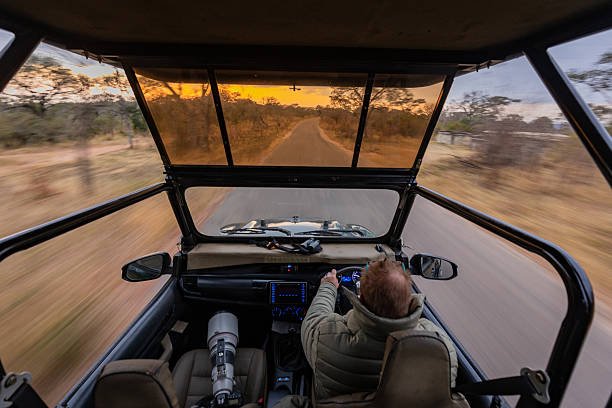
Tanzania National Park Entry Fees: A Complete Guide For 2026-2027
Planning a Tanzanian safari? This guide breaks down the 2026-2027 entry fees for all major national parks, helping you budget effectively for Serengeti, Ngorongoro, and beyond.
View package details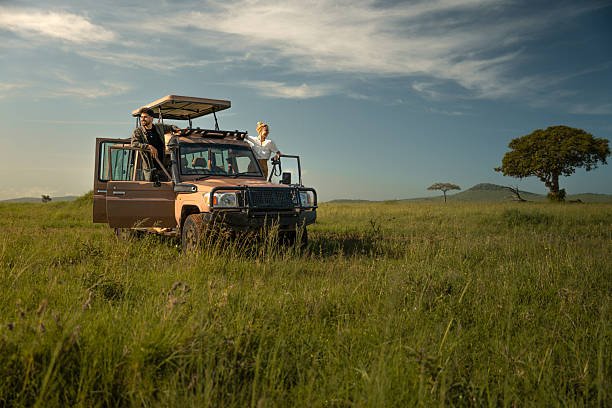
Tanzania Budget Safari Prices: Your Guide To Affordable Adventures 2026-2027
Planning a budget safari in Tanzania for 2026 or 2027? Understand the typical price ranges, what influences costs, and how to get the most value for your money. This guide breaks down the...
View package detailsTanzania Attraction Entry Fees: Guide To Park And Reserve Costs For 2026-2027
Planning a trip to Tanzania? This comprehensive guide details the essential Tanzania attraction entry fees for 2026-2027, covering national parks, conservation areas, and cultural sites...
View package detailsSaadani National Park Entry Fees And Safari Prices For 2026-2027
Planning a safari to Saadani National Park? This guide details the essential entry fees and safari package prices for 2026-2027, helping you budget for your unforgettable Tanzanian...
View package details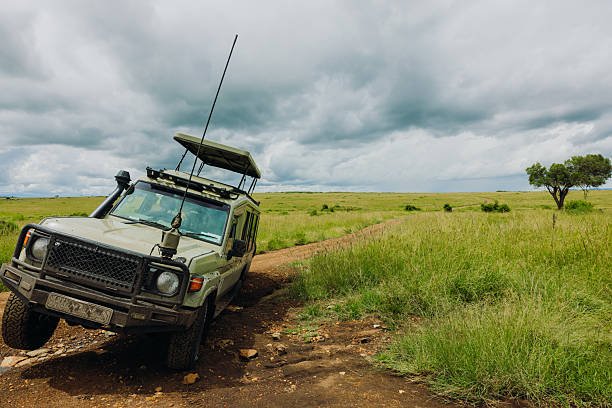
Katavi National Park: Tanzanias Untamed Wilderness Safari Guide 2026-2027
Katavi National Park offers an unparalleled safari experience in Tanzania's remote wilderness. This guide explores its vast landscapes, abundant wildlife, best visiting times for 2026-2027...
View package details
Mikumi National Park Entry Fees And Safari Prices 2026-2027
Planning a safari to Mikumi National Park? This guide details the essential entry fees, conservation charges, and safari package prices for 2026-2027, helping you budget for an...
View package details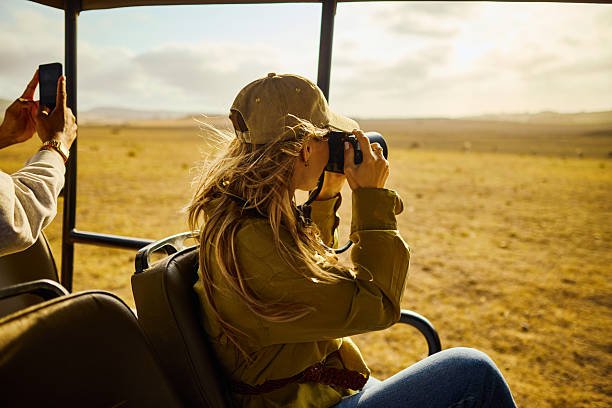
Mikumi National Park: Your Ultimate Safari Guide For 2026-2027
Mikumi National Park offers incredible wildlife viewing with its open plains and abundant animals, making it a top choice for Tanzania safaris. This guide covers everything you need to know...
View package details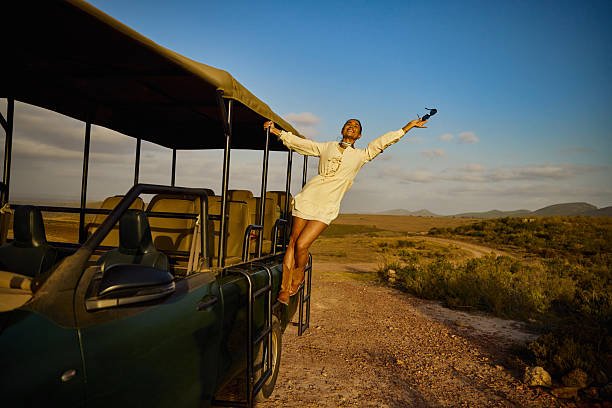
Saadani National Park: Tanzanias Coastal Wilderness Adventure In 2026-2027
Discover Saadani National Park, Tanzania's only coastal wildlife sanctuary where the African bush meets the Indian Ocean. This guide covers wildlife, activities, best times to visit, and...
View package details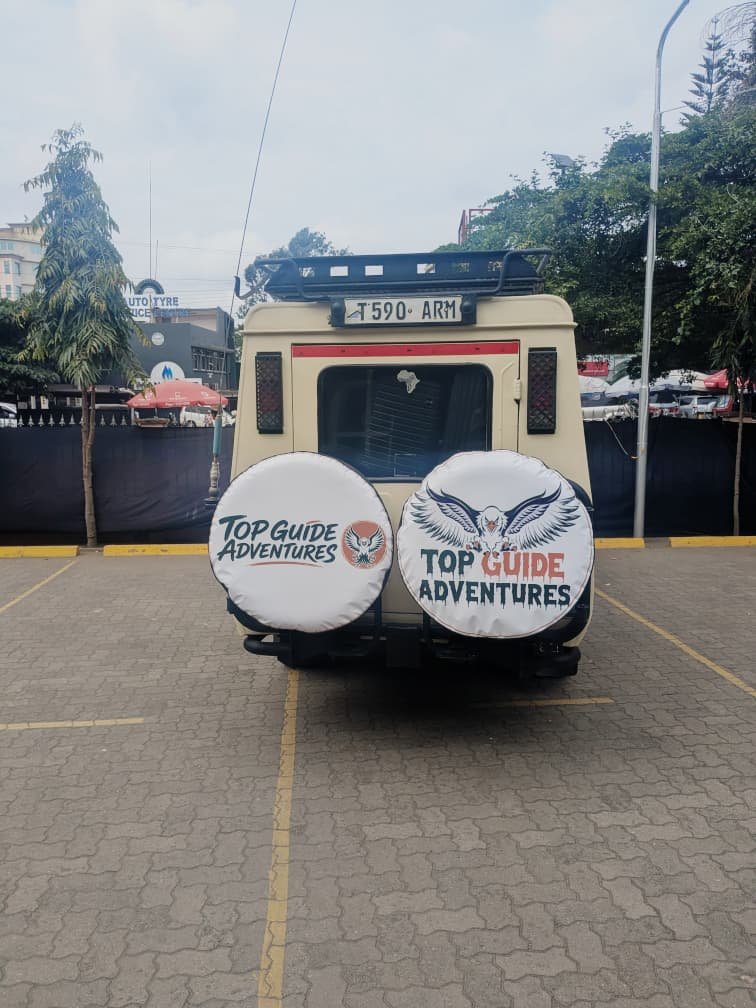
Ruaha National Park Camping Fees: Your Complete Guide 2026-2027
Planning a safari in Ruaha National Park? This comprehensive guide details all the essential camping fees for 2026-2027, including park entry, camping permits, and conservation charges, to...
View package detailsTanzania Safari Prices Including Park Fees: A Comprehensive Guide 2026-2027
Planning a Tanzania safari means understanding the total cost, which heavily relies on park fees. This guide breaks down typical Tanzania safari prices, detailing what park entrance fees...
View package detailsNo related package matches those filters. Clear one or more filters to see the other topic-matched options.



