
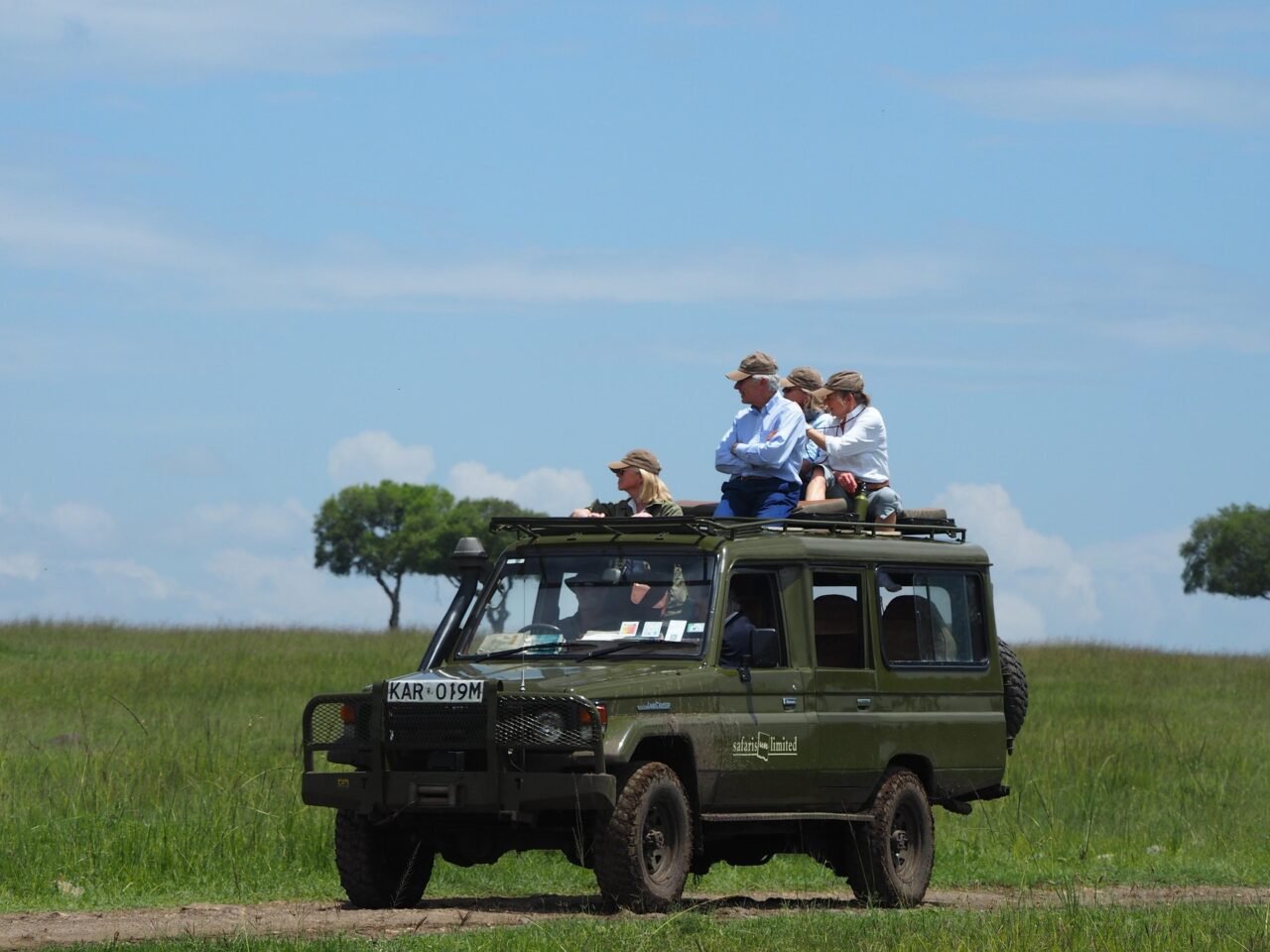
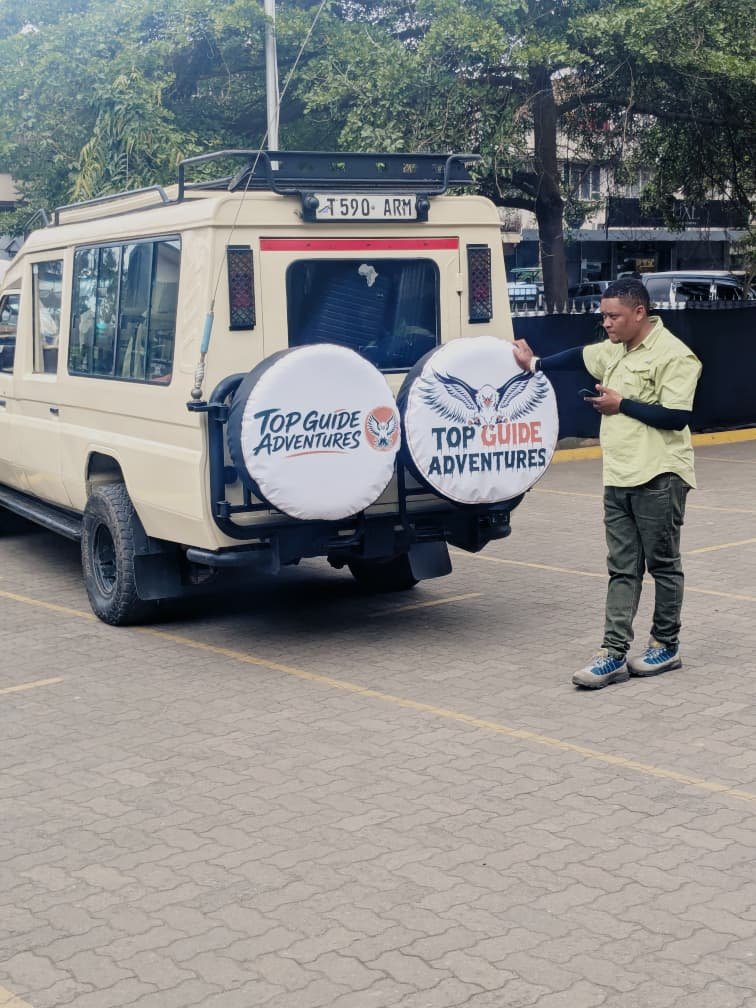
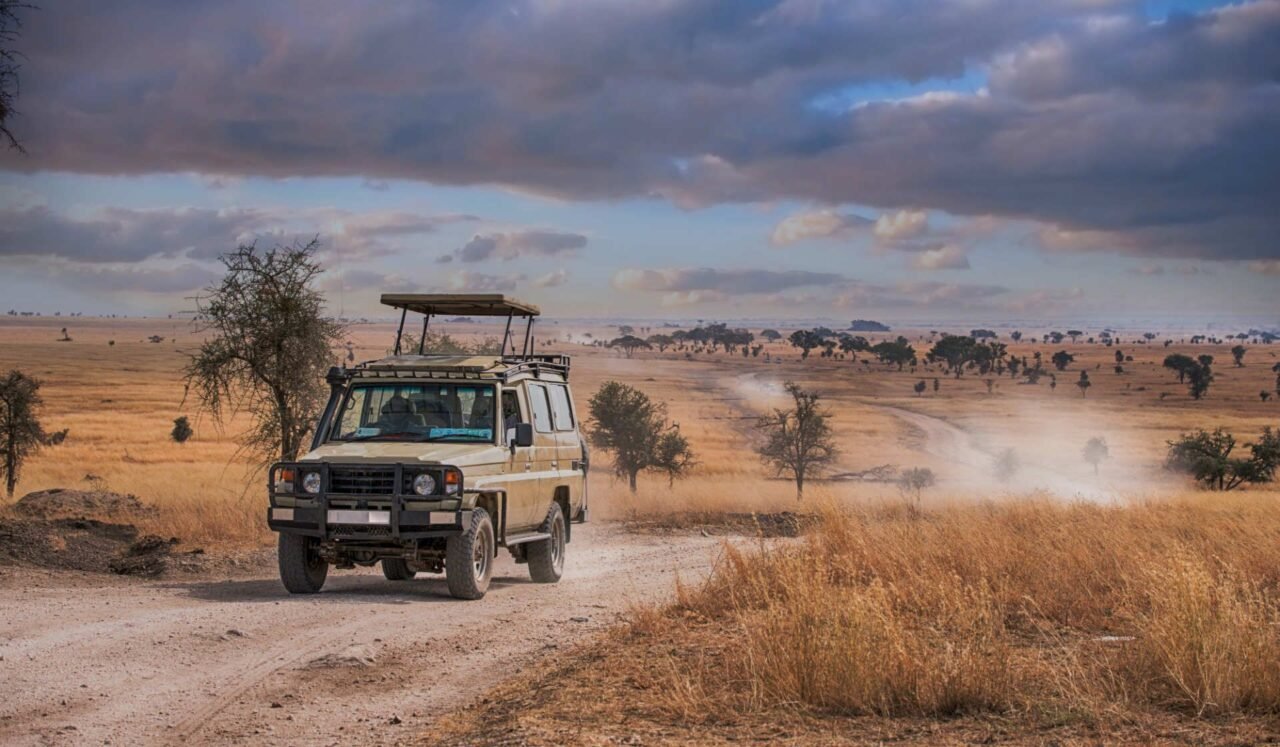
A Serengeti Great Migration safari in 2026-2027 offers a chance to witness one of Earth’s most spectacular wildlife events, involving millions of wildebeest, zebras, and gazelles moving across the Serengeti ecosystem in search of fresh grazing. The best time to see this phenomenon depends on the specific location within the Serengeti and the phase of the migration, typically peaking in June-July for river crossings in the western corridor and December-March for calving in the southern plains. Planning a safari involves choosing the right camps, lodges, and safari operators like Top Guide Adventures to ensure an optimal viewing experience and comfortable accommodation.
Understanding the Serengeti Great Migration
The Serengeti Great Migration is a year-round cycle, a constant pursuit of greener pastures and water that drives over 1.5 million wildebeest, hundreds of thousands of zebras, and countless gazelles across the vast plains of the Serengeti ecosystem. This colossal movement is not a single event but a continuous flow, dictated by rainfall patterns and the availability of food. For travelers, understanding this cycle is key to planning a Serengeti Great Migration safari that maximizes the chances of witnessing dramatic wildlife encounters. The Serengeti National Park in Tanzania, along with Kenya’s Maasai Mara National Reserve, forms the heart of this incredible spectacle. Each month brings the herds to different areas, offering unique viewing opportunities, from the dramatic river crossings to the tender moments of calving season.
The Ecosystem and Its Nomads
The Serengeti ecosystem is a complex and dynamic environment, stretching over 12,000 square miles. It encompasses not only the Serengeti National Park but also the Ngorongoro Conservation Area, the Maasai Mara, and various protected areas. This vast expanse supports a rich diversity of wildlife, but it is the sheer numbers of the migrating herbivores that define this specific natural wonder. The wildebeest, the primary component of the migration, are followed by zebras and various antelope species, all dependent on the same resources. Predators, such as lions, cheetahs, leopards, hyenas, and wild dogs, are never far behind, creating a thrilling predator-prey drama that plays out daily.
Why is the Migration a Must-See?
Witnessing the Serengeti Great Migration is often described as a life-changing experience. The sheer scale of the movement is almost incomprehensible – a river of life flowing across the plains. The drama of the river crossings, where wildebeest face crocodiles and the treacherous currents of rivers like the Grumeti and Mara, is particularly iconic. The plains also come alive with the sounds and sights of millions of animals, a symphony of nature that is both humbling and awe-inspiring. For photographers, it offers unparalleled opportunities to capture dramatic wildlife scenes. For nature enthusiasts, it’s a profound lesson in the power and resilience of the natural world.
The Annual Migration Cycle: A Month-by-Month Guide
The exact timing of the Serengeti Great Migration can vary slightly each year due to rainfall patterns, but the general cycle is remarkably consistent. Knowing where the herds are likely to be during your 2026-2027 safari is crucial for planning. Here’s a breakdown of what you can expect throughout the year:
January – March: The Southern Plains and Calving Season
As the year begins, the herds typically gather on the southern Serengeti plains, particularly around the Seronera and Ndutu areas (which straddle the Serengeti and Ngorongoro Conservation Area border). This is the calving season, a time of vulnerability and intense activity. Approximately 500,000 wildebeest calves are born within a few weeks, usually in February. The short rains have usually replenished the grasslands, providing abundant food. This period is excellent for spotting predators, as they are drawn to the easy prey of newborn calves. It’s a fantastic time for a Serengeti Great Migration safari focused on predator-prey interactions and the birth of new life.
April – May: The Advance North and Long Rains
This period is often characterized by the long rains, which can make some areas impassable for standard safari vehicles. The herds begin to move northward, driven by the need for fresh grazing and the drying grasses of the south. While this is generally considered a low season for tourism due to the rains, it can offer a more exclusive safari experience with fewer crowds. The herds are spread out as they move, and finding them can be more challenging, but the lush green landscapes are beautiful.
June – July: Western Corridor and River Crossings
By June, the herds have typically reached the western corridor of the Serengeti, concentrating along the Grumeti River. This is a prime time for witnessing dramatic river crossings. The Grumeti River is wide and its banks are steep, making for challenging crossings for the animals. Crocodiles often lie in wait, creating thrilling spectacles. This is one of the most sought-after times for a Serengeti Great Migration safari, and bookings for 2026-2027 should be made well in advance.
July – October: The Mara River and Northern Serengeti
The herds continue their journey north into the Kogatende and Lamai areas of the northern Serengeti. This is the period when the most famous and dramatic river crossings occur – those of the Mara River. The Mara River is larger and faster-flowing than the Grumeti, and the crossings are truly impressive, often involving hundreds or thousands of animals plunging into the water. This is peak season, with abundant wildlife and incredible photographic opportunities. The northern Serengeti offers a classic safari experience during these months.
November – December: Return South and Short Rains
As the short rains begin in November, the herds start to turn south, moving back towards the southern plains. They typically traverse the central Serengeti and eastern plains during this period. The landscape transforms with the arrival of the rains, becoming green and vibrant once more. This is a good time to see the migration in a more dispersed pattern, with animals spread across a wider area, often found in the central and eastern parts of the park.
Key Takeaway for 2026-2027 Planning:
For dramatic river crossings, aim for June-July (Grumeti River) and July-October (Mara River). For calving season and predator action, target February-March. The shoulder seasons (April-May, November) can offer fewer crowds and beautiful landscapes.
Choosing Your Serengeti Great Migration Safari Itinerary
Designing the perfect Serengeti Great Migration safari itinerary depends on your interests, budget, and the time of year you plan to travel. Top Guide Adventures specializes in crafting tailor-made journeys that put you in the best position to witness this natural phenomenon.
Classic Serengeti Itineraries
Most Serengeti Great Migration safaris range from 5 to 10 days, often combined with other iconic Tanzanian destinations like the Ngorongoro Crater or Tarangire National Park. A typical itinerary might look like this:
Sample 7-Day Serengeti Migration Safari (July-October Focus)
- Day 1: Arrival in Arusha/Kilimanjaro International Airport (JRO). Meet your guide, brief on your safari, and overnight in Arusha.
- Day 2: Arusha to Tarangire National Park. Drive to Tarangire, known for its large elephant herds and baobab trees. Game drive and overnight in a lodge/camp.
- Day 3: Tarangire to Central Serengeti (Seronera). Morning game drive in Tarangire, then drive to the central Serengeti. Afternoon game drive in Seronera, a region famous for its big cats and resident wildlife. Overnight in a lodge/camp.
- Day 4: Central Serengeti Exploration. Full day of game drives in the Seronera area, looking for predators and diverse wildlife.
- Day 5: Central Serengeti to Northern Serengeti (Kogatende/Lamai). Drive towards the northern sector, following the migration if present. Afternoon game drive. Overnight in a mobile camp or lodge.
- Day 6: Northern Serengeti – Mara River Crossings. Full day dedicated to searching for and witnessing the dramatic Mara River crossings. This is prime time for the Serengeti Great Migration safari. Overnight in the north.
- Day 7: Northern Serengeti to Arusha. Morning game drive, then fly from Kogatende airstrip back to Arusha for your onward journey or departure.
Tailoring Your 2026-2027 Safari
At Top Guide Adventures, we understand that every traveler is unique. For your 2026-2027 Serengeti Great Migration safari, we can customize your itinerary based on:
- Time of Year: Focusing on the best locations for the migration during your travel dates.
- Interests: Whether you’re passionate about photography, birdwatching, predator behavior, or simply experiencing the vastness of the plains.
- Pace: Some prefer to move locations daily, while others enjoy spending more time in one area.
- Accommodation Style: From comfortable mid-range lodges and tented camps to luxury mobile camps that follow the migration.
- Budget: We offer a range of options to suit different financial plans.
For those interested in combining the migration with other Tanzanian highlights, consider adding days for:
- Ngorongoro Crater: A UNESCO World Heritage Site offering incredible wildlife density.
- Tarangire National Park: Famous for its large elephant herds and baobab trees.
- Lake Manyara National Park: Known for its tree-climbing lions and abundant birdlife.
Planning a 2026-2027 Serengeti Great Migration safari with us is a collaborative process. We’ll discuss your vision and use our expertise to create an unforgettable adventure. You can reach us via WhatsApp at +255616946642 or email at topguideadventures@gmail.com.
Accommodation Options for Your Migration Safari
Your choice of accommodation significantly impacts your Serengeti Great Migration safari experience. Options range from permanent lodges to mobile tented camps that move with the herds. Top Guide Adventures partners with a variety of establishments to suit different preferences and budgets for 2026-2027 trips.
Permanent Lodges and Tented Camps
These are fixed structures offering amenities like en-suite bathrooms, comfortable beds, and often swimming pools and restaurants. They provide a consistent level of comfort and are strategically located within or near the park. Examples include:
- Seronera Area: Offers lodges and camps for accessing the central Serengeti’s big cat action.
- Kogatende/Lamai Area: Lodges and camps here are ideal for witnessing the Mara River crossings in the north.
- Southern Plains (Ndutu): Camps are set up here during the calving season, offering close proximity to the herds.
Mobile Tented Camps
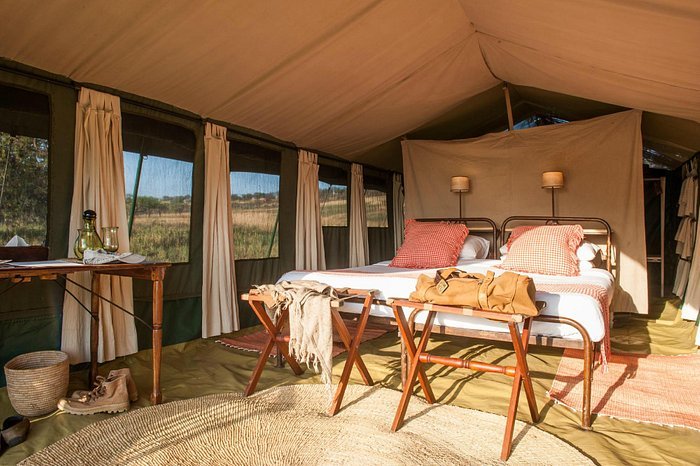
These are perhaps the most exciting accommodation option for a Serengeti Great Migration safari. Mobile camps are erected and dismantled as the migration moves, ensuring you are always as close as possible to the action. They offer a more intimate and adventurous experience, with canvas walls separating you from the African night, but still providing comfortable beds, en-suite facilities (often bucket showers and safari toilets), and delicious meals prepared by camp chefs. Staying in a mobile camp during the peak migration seasons of 2026 or 2027 offers an unparalleled connection to the wilderness.
Luxury vs. Mid-Range vs. Budget
Top Guide Adventures can cater to various budgets for your 2026-2027 Serengeti Great Migration safari:
- Luxury: High-end lodges and exclusive tented camps with premium services, gourmet dining, and private guides. Expect costs to be higher, especially during peak migration times.
- Mid-Range: Comfortable lodges and well-appointed tented camps offering a great balance of comfort and authentic safari experience. This is often the most popular choice.
- Budget: While true budget options in the Serengeti can be limited due to park fees and logistics, we can arrange more basic tented camps or utilize public campsites with camping equipment for a more rustic and affordable adventure.
When you inquire about your 2026-2027 trip, please let us know your preferred accommodation style and budget, and we will propose suitable options.
Wildlife Beyond the Migration Herds
While the migration is the star attraction, the Serengeti ecosystem teems with other wildlife that makes any Serengeti Great Migration safari a rich experience. The park is home to the “Big Five” – lion, leopard, elephant, rhino, and buffalo – and many other fascinating species.
The Predators
The migration attracts a formidable array of predators. Lions are abundant, often seen lounging in the shade or on kopjes (rocky outcrops). Cheetahs, the fastest land animals, are frequently spotted on the open plains hunting gazelles. Leopards are more elusive, often found in trees along riverbanks or in denser bush. Hyenas and wild dogs also play crucial roles in the ecosystem, with pack hunts providing thrilling viewing opportunities.
Other Herbivores and Ungulates
Besides wildebeest and zebras, you’ll encounter numerous other herbivores. Topi, hartebeest, eland, Thomson’s gazelles, and Grant’s gazelles are common sightings. Buffalo herds can be seen grazing in various parts of the park. Giraffes are a common sight, gracefully browsing on acacia trees.
Birds of the Serengeti
The Serengeti is a paradise for birdwatchers, boasting over 500 species. Look out for ostriches, secretary birds, kori bustards, various eagles, vultures, hornbills, and colorful smaller birds. The presence of the migration also attracts many bird species that feed on insects stirred up by the herds or scavenge on carcasses.
Reptiles and Smaller Mammals
While less commonly sought after, the Serengeti is also home to various reptiles, including monitor lizards and snakes. Smaller mammals like mongoose, dik-diks, warthogs, and baboons are frequently encountered during game drives.
Planning Your 2026-2027 Serengeti Great Migration Safari: Practical Tips
A successful Serengeti Great Migration safari requires careful planning. Here are some essential tips to help you prepare for your 2026-2027 adventure:
Best Time to Visit (Revisited)
As detailed earlier, the “best” time depends on what you want to see. For iconic river crossings, aim for July-October in the north. For calving season, target February-March in the south. If you prefer fewer crowds and greener landscapes, consider the shoulder months of April-May or November.
Booking Your Safari
The Serengeti Great Migration is a world-renowned event, and popular lodges and mobile camps get booked up quickly, especially for peak seasons in 2026 and 2027. It is highly recommended to book your safari at least 6-12 months in advance, particularly if you are traveling during the prime migration months.
Top Guide Adventures is your trusted partner for organizing your 2026-2027 Serengeti Great Migration safari. We handle all the logistics, from park permits and accommodation to vehicle hire and guide arrangements. Contact us today to start planning:
- WhatsApp: +255616946642
- Email: topguideadventures@gmail.com
- Backup Email: info@topguideadventurestanzania.com
What to Pack
Packing for a safari requires practicality and comfort:
- Clothing: Neutral-colored clothing (khaki, beige, olive green) is best to avoid startling wildlife. Pack layers, as mornings and evenings can be cool, while days are warm. Include long-sleeved shirts and trousers for sun and insect protection.
- Footwear: Comfortable walking shoes or hiking boots (if doing any walking safaris), plus sandals or comfortable shoes for relaxing at camp.
- Sun Protection: A wide-brimmed hat, sunglasses, and high SPF sunscreen are essential.
- Insect Repellent: Especially important for evenings.
- Camera Gear: Bring extra batteries, memory cards, and a good zoom lens. A camera with good low-light capabilities is beneficial.
- Binoculars: Essential for spotting distant wildlife.
- Personal Items: Prescription medications, a small first-aid kit, hand sanitizer, and any personal toiletries.
- Adapter: For charging electronics (Type G is common in Tanzania).
Health and Vaccinations
Consult your doctor or a travel clinic well in advance of your trip regarding recommended vaccinations and malaria precautions. Malaria is present in Tanzania, so antimalarial medication is often advised. Yellow fever vaccination may be required depending on your travel route. Ensure your routine vaccinations are up to date.
Visa Requirements
Most nationalities require a visa to enter Tanzania. This can often be obtained online in advance (e-visa) or upon arrival at Kilimanjaro International Airport (JRO). Check the latest requirements with your country’s Tanzanian embassy.
The Role of Your Safari Guide
Your safari guide is arguably the most critical element of your Serengeti Great Migration safari experience. A good guide does more than just drive; they are knowledgeable, experienced, and passionate about the wildlife and the environment.
Expertise and Knowledge
Top Guide Adventures employs highly trained and experienced guides who possess deep knowledge of animal behavior, tracking, and the ecosystem. They can interpret animal signs, predict movements, and position the vehicle for the best viewing opportunities. They are also invaluable for identifying different species, explaining their ecological roles, and sharing insights into local culture and history.
Safety and Comfort
Your guide is responsible for your safety. They understand the behavior of wildlife and know how to maintain a safe distance. They also ensure your vehicle is in good condition and navigate the often challenging park roads. Their goal is to make your Serengeti Great Migration safari as comfortable and enjoyable as possible.
Customization and Flexibility
A great guide will adapt the safari to your interests. If you spend too long watching a pride of lions, they will accommodate. If you’re keen on finding a specific bird or animal, they will use their expertise to try and locate it. This flexibility is what turns a good safari into an exceptional one.
Photography Tips for the Great Migration
The Serengeti Great Migration offers some of the most incredible photographic opportunities on Earth. To make the most of your shots in 2026-2027, consider these tips:
- Shoot in RAW: This gives you maximum flexibility in post-processing.
- Use a Zoom Lens: A telephoto lens (200-400mm or more) is essential for capturing wildlife details from a safe distance.
- Capture the Scale: Include elements like acacia trees or vehicles in your frame to convey the immense size of the migration herds.
- Look for Action: River crossings, predator hunts, and interactions between animals make for dramatic photos.
- Morning and Evening Light: The “golden hours” around sunrise and sunset provide beautiful, soft light and long shadows.
- Patience is Key: Wait for the right moment. Sometimes the best shots come after a period of patient observation.
- Protect Your Gear: Dust is prevalent. Keep your camera in a padded bag when not in use and use lens cloths to clean your equipment.
The Impact of Climate Change on the Migration
Climate change is a growing concern for the future of the Serengeti Great Migration. Changes in rainfall patterns can affect the timing and routes of the herds, and increased temperatures can impact vegetation. While the migration is a resilient natural phenomenon, understanding these potential impacts is important for conservation efforts and for travelers to appreciate the delicate balance of this ecosystem.
For your 2026-2027 safaris, Top Guide Adventures is committed to sustainable tourism practices that help protect this incredible environment for future generations. We work with lodges and camps that share this commitment.
Serengeti National Park vs. Maasai Mara (Kenya)
Many travelers wonder about the difference between experiencing the migration in Tanzania’s Serengeti and Kenya’s Maasai Mara. Both are part of the same ecosystem, and the migration moves between them.
- Serengeti (Tanzania): Generally offers a larger park area, more diverse landscapes, and iconic calving grounds in the south and dramatic river crossings in the north. The migration is present year-round in different parts of the Serengeti.
- Maasai Mara (Kenya): Famous for its high concentration of predators and the spectacular Mara River crossings, often peaking between July and October. The Mara is smaller than the Serengeti but incredibly rich in wildlife.
Top Guide Adventures focuses on Tanzanian safaris, including the Serengeti. We can help you plan an unparalleled Serengeti Great Migration safari experience within Tanzania, often combined with other spectacular Tanzanian parks. If you are considering a multi-country trip, we can discuss how to best incorporate both experiences.
Costs and Budgeting for Your Serengeti Great Migration Safari (2026-2027)
The cost of a Serengeti Great Migration safari can vary significantly based on several factors. For planning your 2026-2027 trip, consider these elements:
Key Cost Factors:
- Time of Year: Peak seasons (July-October, February-March) are generally more expensive due to higher demand.
- Duration: Longer safaris naturally cost more.
- Accommodation: Luxury lodges and exclusive mobile camps are pricier than mid-range or budget options.
- Vehicle and Guide: Private safari vehicles and guides are more expensive than shared options.
- Park Fees: Serengeti National Park fees are substantial and are charged per person per day.
- Inclusions: Full board, drinks, park fees, activities, and guide services all impact the total price.
Estimated Price Ranges for 2026-2027 (Per Person, Per Day):
These are approximate ranges and can fluctuate. Top Guide Adventures provides personalized quotes based on your specific itinerary.
- Budget/Camping Safaris: $250 – $400 USD per person per day. This typically involves staying in public campsites with basic facilities and may include some shared vehicle use.
- Mid-Range Safaris: $400 – $700 USD per person per day. This includes comfortable lodges and tented camps, private vehicles, and often more inclusive packages.
- Luxury Safaris: $700 – $1500+ USD per person per day. This covers high-end lodges, exclusive mobile camps, premium services, and often private charters or specialized guides.
Note: These estimates usually exclude international flights, visa fees, travel insurance, tips, and personal expenses. For a detailed and accurate quote for your 2026-2027 Serengeti Great Migration safari, please contact Top Guide Adventures directly.
Get Your Custom Quote for 2026-2027!
Ready to plan your dream Serengeti Great Migration safari? We offer personalized itineraries and competitive pricing for 2026 and 2027 trips. Contact us for a no-obligation quote:
WhatsApp: +255616946642
Email: topguideadventures@gmail.com
Conservation and Responsible Tourism
The Serengeti Great Migration is a natural treasure that requires careful conservation. Top Guide Adventures is dedicated to promoting responsible tourism practices that minimize our impact on the environment and support local communities.
- Respect Wildlife: Maintain a safe distance from animals, never feed them, and avoid disturbing their natural behavior.
- Leave No Trace: Pack out everything you pack in, and dispose of waste responsibly.
- Support Local Communities: We partner with lodges and suppliers that employ local staff and contribute to community development.
- Choose Sustainable Operators: Opt for tour operators like Top Guide Adventures that prioritize eco-friendly practices.
By choosing a responsible tour operator for your 2026-2027 Serengeti Great Migration safari, you contribute to the preservation of this magnificent ecosystem for generations to come.
Why Choose Top Guide Adventures for Your 2026-2027 Migration Safari?
As one of Tanzania’s trusted tour companies, Top Guide Adventures offers unparalleled expertise and personalized service for your Serengeti Great Migration safari. We are passionate about showcasing the best of Tanzania and ensuring our clients have an unforgettable experience.
- Local Expertise: We are based in Tanzania and have an intimate understanding of the parks, the migration, and local logistics.
- Tailor-Made Itineraries: We craft each safari to meet your specific interests, budget, and travel style.
- Experienced Guides: Our guides are knowledgeable, professional, and dedicated to providing exceptional game viewing.
- Quality Accommodation: We partner with a range of carefully selected lodges and camps to ensure comfort and authentic experiences.
- Commitment to Value: We offer competitive pricing without compromising on quality or service for your 2026-2027 adventures.
- 24/7 Support: From initial planning to your departure, we provide dedicated support.
Let us help you plan the Serengeti Great Migration safari of your dreams in 2026 or 2027. Contact us today to begin your journey:
WhatsApp: +255616946642
Email: topguideadventures@gmail.com
Backup Email: info@topguideadventurestanzania.com
Visit our website for more information on our Tanzania safari tours: Top Guide Adventures Tanzania.
“,
“faq_schema”: [
{
“question”: “When is the best time to see the Serengeti Great Migration in 2026-2027?”,
“answer”: “The best time to see the Serengeti Great Migration in 2026-2027 depends on what you want to witness. For dramatic river crossings, aim for July to October in the northern Serengeti (Mara River). For the calving season and predator action, February to March in the southern Serengeti (Ndutu area) is ideal. The herds are on the move year-round, so other times offer unique viewing opportunities too.”
},
{
“question”: “What is included in a typical Serengeti Great Migration safari package?”,
“answer”: “A typical Serengeti Great Migration safari package from Top Guide Adventures usually includes park entrance fees, accommodation (lodges or tented camps), all meals during the safari, a 4×4 safari vehicle with a professional driver-guide, and airport transfers. Specific inclusions can vary, so it’s best to request a detailed itinerary and quote.”
},
{
“question”: “How much does a Serengeti Great Migration safari cost in 2026-2027?”,
“answer”: “The cost for a Serengeti Great Migration safari in 2026-2027 typically ranges from $250-$400 USD per person per day for budget/camping safaris, $400-$700 USD for mid-range options, and $700-$1500+ USD for luxury experiences. Prices depend on accommodation, duration, and inclusions. Contact Top Guide Adventures for a personalized quote.”
},
{
“question”: “What wildlife can I expect to see besides the migrating herds?”,
“answer”: “Besides the millions of wildebeest and zebras, the Serengeti is home to the Big Five (lion, leopard, elephant, rhino, buffalo), cheetahs, hyenas, wild dogs, giraffes, hippos, crocodiles, and over 500 species of birds. The concentration of predators during the migration is particularly high.”
},
{
“question”: “Do I need special vaccinations for a Serengeti safari in 2026-2027?”,
“answer”: “It is recommended to consult your doctor or a travel clinic about vaccinations and malaria precautions for Tanzania. Malaria prophylaxis is often advised, and Yellow Fever vaccination may be required depending on your travel route. Ensure your routine vaccinations are up to date before your 2026-2027 safari.”
}
]
}
Check Availability for Serengeti Great Migration Safari 2026-2027
Ready to compare dates, prices, and the best option for your group? Send the package name and travel month so the team can reply with a clear quote, availability, and what is included.
Affordable Serengeti Safari Packages With Park Fees Included 2026-2027
Affordable Serengeti Safari Packages with Park Fees Included is explained with current 2026-2027 planning, price, itinerary and booking information.
View package details
Serengeti Balloon Safari Price And Booking Guide For 2026-2027
Discover the pricing and booking essentials for a Serengeti balloon safari in 2026-2027. This guide covers cost factors, inclusions, and the booking process for an unforgettable aerial...
View package details
How Much Does A Serengeti Safari Cost? | Top Guide Adventures 2026-2027
Planning a Serengeti safari is a dream for many travelers. Understanding the potential costs involved is crucial for budgeting and making informed decisions. This comprehensive guide breaks...
View package details
Serengeti National Park Entry Fees And Safari Prices Guide 2026-2027
Understand the costs involved in a Serengeti safari, including park entry fees and typical safari package prices for 2026-2027. This guide provides clear pricing information and factors...
View package detailsBunda Hills Serengeti Safari Cost, Activities & Travel Guide 2026-2027
Bunda Hills Serengeti Safari Cost, Activities & Travel Guide is explained with current 2026-2027 planning, price, itinerary and booking information.
View package details
Private Southern Serengeti Calving Safari: Your Ultimate Guide 2026-2027
Discover the magic of a private Southern Serengeti calving safari in 2026-2027. This guide details the best times to go, what to expect, and how Top Guide Adventures crafts your perfect...
View package details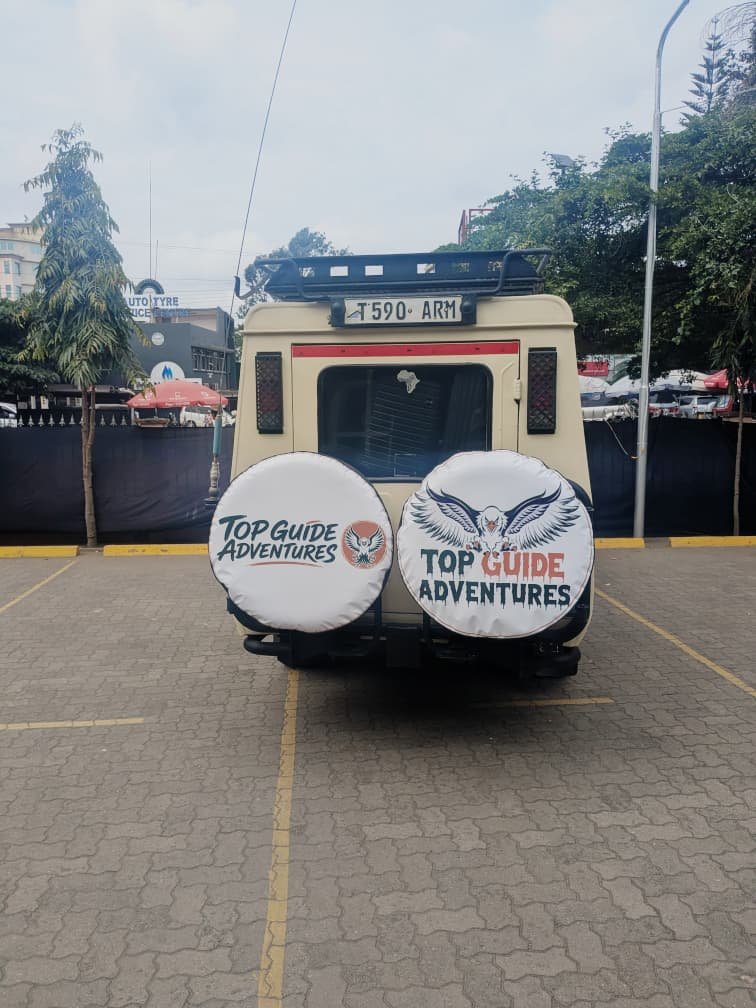
Best Lamadi Gateway To Serengeti Safari In Simiyu, Tanzania | Top Guide
Explore Lamadi as a prime gateway for your Serengeti safari in Simiyu, Tanzania, with detailed planning for 2026-2027. Top Guide Adventures provides expert insights into this strategic...
View package detailsSerengeti National Park Fees For Foreigners And Residents 2026-2027
Planning a safari to the iconic Serengeti National Park? This guide breaks down the essential park fees for both international visitors and Tanzanian residents for the 2026-2027 seasons...
View package details
Complete Serengeti National Park Price Guide 2026-2027
Complete Serengeti National Park Price Guide is explained with current 2026-2027 planning, price, itinerary and booking information.
View package details
Serengeti Camping Fees And Accommodation Costs 2026-2027
Serengeti Camping Fees and Accommodation Costs is explained with current 2026-2027 planning, price, itinerary and booking information.
View package details
Saanane Island Safari Cost: Your Complete Guide For 2026-2027
Planning a safari to Saanane Island National Park? This comprehensive guide details the costs involved, from park fees to accommodation and activity expenses, helping you budget for your...
View package details
Rubondo Island Safari Cost: Planning Your Trip 2026-2027
Planning a safari to Rubondo Island National Park? This comprehensive guide breaks down the typical costs involved for 2026-2027 trips, covering accommodation, activities, park fees, and...
View package detailsNo related package matches those filters. Clear one or more filters to see the other topic-matched options.



