
.orscg-article{–orscg-text:#152033;–orscg-muted:#5c6878;–orscg-line:#e4e8ee;–orscg-accent:#0b6b4f;–orscg-accent2:#c75b12;–orscg-soft:#f6faf7;–orscg-warm:#fff7ef;max-width:1120px;margin:0 auto;color:var(–orscg-text);font-family:inherit;line-height:1.76}.orscg-article *{box-sizing:border-box}.orscg-article-intro{padding:30px 26px;margin:0 0 32px;border:1px solid var(–orscg-line);border-radius:22px;background:linear-gradient(135deg,#fff 0%,var(–orscg-soft) 65%,var(–orscg-warm) 100%)}.orscg-updated{display:inline-block;margin:0 0 14px;padding:6px 12px;border:1px solid rgba(11,107,79,.18);border-radius:999px;background:#fff;color:var(–orscg-accent);font-size:13px;font-weight:800}.orscg-article-intro h2{font-family:’Trebuchet MS’,Arial,sans-serif;margin:0 0 14px;font-size:clamp(30px,4vw,52px);line-height:1.08;color:var(–orscg-text);letter-spacing:-.03em}.orscg-lead{max-width:900px;margin:0 0 18px;font-size:clamp(17px,2vw,21px);color:var(–orscg-muted)}.orscg-contact-mini{font-weight:800;margin:0}.orscg-contact-mini a,.orscg-content a{color:var(–orscg-accent);text-decoration:none}.orscg-contact-mini a:hover,.orscg-content a:hover{text-decoration:underline}.orscg-hero-price{margin:18px 0 0;padding:14px 16px;border:1px solid rgba(199,91,18,.28);border-radius:14px;background:#fff;color:#733809;font-weight:650}.orscg-content{font-size:17px}.orscg-content h2{font-family:’Trebuchet MS’,Arial,sans-serif;margin:44px 0 15px;font-size:clamp(25px,3vw,38px);line-height:1.17;color:var(–orscg-text);letter-spacing:-.02em}.orscg-content h2:first-child{margin-top:0}.orscg-content h3{margin:28px 0 12px;font-size:clamp(20px,2.1vw,27px);line-height:1.25;color:var(–orscg-text)}.orscg-content p{margin:0 0 18px}.orscg-content ul,.orscg-content ol{margin:0 0 24px;padding-left:24px}.orscg-content li{margin:8px 0}.orscg-content table,.orscg-table{width:100%;border-collapse:separate;border-spacing:0;margin:25px 0;font-size:16px;border:1px solid var(–orscg-line);border-radius:0;overflow:hidden;background:#fff;box-shadow:0 10px 24px rgba(15,23,42,.05)}.orscg-content th,.orscg-content td{border:0;border-bottom:1px solid var(–orscg-line);padding:13px 14px;text-align:left;vertical-align:top}.orscg-content tr:last-child td{border-bottom:0}.orscg-content th{background:var(–orscg-soft);font-weight:850;color:#10251d}.orscg-price-box{margin:30px 0;padding:24px;border:0;border-top:3px solid var(–orscg-accent2);border-bottom:1px solid rgba(199,91,18,.28);border-radius:0;background:linear-gradient(135deg,#fff,var(–orscg-warm));box-shadow:0 12px 26px rgba(15,23,42,.06)}.orscg-price-box h2{margin-top:0}.orscg-price-table th{background:#fff1e3}.orscg-price-table td:first-child{font-weight:800;color:#733809}.orscg-anchor-target{display:block;position:relative;top:-115px;visibility:hidden;height:0;overflow:hidden}.orscg-content h2[data-orscg-anchor]{scroll-margin-top:120px}.orscg-toc,.orscg-company-links{margin:24px 0;padding:22px 24px;border:1px solid var(–orscg-line);border-radius:18px;background:#fff;box-shadow:0 10px 28px rgba(15,23,42,.04)}.orscg-toc h2,.orscg-company-links h2{margin-top:0}.orscg-toc ol{columns:2;column-gap:34px}.orscg-toc li{break-inside:avoid}.orscg-toc a{cursor:pointer;font-weight:700}.orscg-note,.orscg-checklist,.orscg-itinerary,.orscg-faq,.orscg-map,.orscg-pro-block{margin:28px 0;padding:22px 24px;border:0;border-top:1px solid var(–orscg-line);border-bottom:1px solid var(–orscg-line);border-left:5px solid var(–orscg-accent);border-radius:0;background:var(–orscg-soft)}.orscg-itinerary{border-left-color:var(–orscg-accent2);background:#fffaf5}.orscg-pro-block{background:linear-gradient(135deg,#fff,var(–orscg-soft));box-shadow:0 10px 28px rgba(15,23,42,.04)}.orscg-top-images{display:grid;grid-template-columns:repeat(auto-fit,minmax(220px,1fr));gap:16px;margin:0 0 30px}.orscg-featured-image{margin:0;aspect-ratio:16/10;overflow:hidden;border-radius:18px;background:#eef2f0}.orscg-featured-image img{display:block;width:100%;height:100%;object-fit:cover;object-position:center;border-radius:18px;box-shadow:0 12px 30px rgba(15,23,42,.10)}.orscg-simple-cta{margin:46px 0 0;padding:28px;border:0;border-top:3px solid var(–orscg-accent);border-bottom:1px solid rgba(11,107,79,.20);border-radius:0;background:linear-gradient(135deg,var(–orscg-soft),#fff);box-shadow:0 14px 30px rgba(15,23,42,.07)}.orscg-direct-answer{margin:0 0 30px;padding:22px 24px;border:0;border-top:1px solid rgba(11,107,79,.25);border-bottom:1px solid rgba(11,107,79,.25);border-left:6px solid var(–orscg-accent);border-radius:0;background:linear-gradient(135deg,#fff,var(–orscg-soft));box-shadow:0 12px 26px rgba(15,23,42,.06);font-size:18px}.orscg-direct-answer p:last-child{margin-bottom:0}.orscg-simple-cta h2{font-family:’Trebuchet MS’,Arial,sans-serif;margin:0 0 12px;font-size:clamp(24px,3vw,34px);line-height:1.2}.orscg-simple-cta p{margin:0 0 16px}.orscg-related-packages{position:relative;margin:48px 0 0;padding:30px 0 8px;border:0;border-top:3px solid var(–orscg-accent);border-bottom:1px solid var(–orscg-line);border-radius:0;background:linear-gradient(180deg,#fff 0%,#f7faf8 100%);box-shadow:none}.orscg-related-packages h2{margin:0 0 8px}.orscg-related-packages p{margin:0;color:var(–orscg-muted)}.orscg-related-heading{display:flex;align-items:flex-end;justify-content:space-between;gap:18px;margin-bottom:22px}.orscg-package-explorer{display:grid;grid-template-columns:minmax(220px,270px) minmax(0,1fr);gap:24px;align-items:start}.orscg-package-filters{position:sticky;top:92px;border:1px solid var(–orscg-line);border-top:4px solid var(–orscg-accent);border-radius:0;background:#fff;box-shadow:0 12px 28px rgba(15,23,42,.07)}.orscg-filter-mobile-toggle{display:none;width:100%;padding:14px 16px;border:0;border-bottom:1px solid var(–orscg-line);border-radius:0;background:#fff;color:var(–orscg-text);font:inherit;font-weight:850;text-align:left;cursor:pointer}.orscg-filter-panel-head{display:flex;align-items:center;justify-content:space-between;gap:12px;padding:16px 17px;border-bottom:1px solid var(–orscg-line)}.orscg-filter-panel-head strong{font-size:18px}.orscg-filter-panel-head button,.orscg-package-results-head button{padding:0;border:0;background:transparent;color:var(–orscg-accent);font:inherit;font-size:13px;font-weight:800;cursor:pointer}.orscg-filter-group{margin:0;padding:16px 17px;border:0;border-bottom:1px solid var(–orscg-line)}.orscg-filter-group:last-child{border-bottom:0}.orscg-filter-group legend{display:block;width:100%;margin:0 0 10px;padding:0;color:var(–orscg-text);font-size:15px;font-weight:900}.orscg-filter-group label{display:grid;grid-template-columns:18px minmax(0,1fr) auto;align-items:center;gap:9px;margin:9px 0;color:var(–orscg-text);font-size:14px;line-height:1.35;cursor:pointer}.orscg-filter-group input{width:16px;height:16px;margin:0;accent-color:var(–orscg-accent)}.orscg-filter-group b{min-width:24px;color:var(–orscg-muted);font-size:12px;font-weight:700;text-align:right}.orscg-package-results{min-width:0}.orscg-package-results-head{display:flex;align-items:center;justify-content:space-between;gap:14px;margin:0 0 12px;padding:12px 0;border-top:1px solid var(–orscg-line);border-bottom:1px solid var(–orscg-line)}.orscg-package-results-head strong{font-size:15px}.orscg-package-list{display:grid;gap:16px}.orscg-package-card{display:grid;grid-template-columns:minmax(190px,245px) minmax(0,1fr);min-width:0;overflow:hidden;border:1px solid var(–orscg-line);border-left:4px solid var(–orscg-accent);border-radius:0;background:#fff;color:var(–orscg-text);box-shadow:0 12px 26px rgba(15,23,42,.07);transition:transform .18s ease,box-shadow .18s ease}.orscg-package-card[hidden]{display:none!important}.orscg-package-card:hover{transform:translateY(-2px);box-shadow:0 17px 32px rgba(15,23,42,.11)}.orscg-package-card-image{display:block;min-height:185px;overflow:hidden;background:#eaf0ec;text-decoration:none!important}.orscg-package-card-image img{display:block;width:100%;height:100%;min-height:185px;object-fit:cover;object-position:center}.orscg-package-image-placeholder{display:block;width:100%;height:100%;min-height:185px;background:linear-gradient(135deg,#e8f1ec,#fff3e7)}.orscg-package-card-body{display:flex;min-width:0;flex-direction:column;padding:18px 20px}.orscg-package-meta{display:flex;flex-wrap:wrap;gap:7px;margin:0 0 10px}.orscg-package-meta span{display:inline-flex;padding:4px 8px;border:1px solid rgba(11,107,79,.18);border-radius:0;background:var(–orscg-soft);color:#21463b;font-size:12px;font-weight:800;line-height:1.2}.orscg-package-card h3{margin:0 0 8px!important;font-size:clamp(19px,2vw,25px)!important;line-height:1.25}.orscg-package-card h3 a{color:var(–orscg-text)!important;text-decoration:none!important}.orscg-package-card h3 a:hover{color:var(–orscg-accent)!important}.orscg-package-card .orscg-package-summary{margin:0 0 14px;color:var(–orscg-muted);font-size:14px;line-height:1.58}.orscg-package-view{display:inline-flex;align-items:center;gap:7px;margin-top:auto;color:var(–orscg-accent)!important;text-decoration:none!important;font-size:14px;font-weight:900}.orscg-package-view:hover{text-decoration:underline!important}.orscg-package-empty{padding:24px;border:1px dashed var(–orscg-line);background:#fff;text-align:center}.orscg-filter-panel.is-open{display:block}.orscg-cta-links{display:flex;flex-wrap:wrap;gap:12px}.orscg-btn{display:inline-flex;align-items:center;justify-content:center;padding:12px 19px;border-radius:0;background:var(–orscg-accent);color:#fff!important;text-decoration:none!important;font-weight:850;box-shadow:4px 4px 0 rgba(11,107,79,.18)}.orscg-btn-light{background:#fff;color:var(–orscg-accent)!important;border:1px solid var(–orscg-accent);box-shadow:none}@media(max-width:980px){.orscg-package-explorer{grid-template-columns:220px minmax(0,1fr)}.orscg-package-card{grid-template-columns:190px minmax(0,1fr)}}@media(max-width:760px){.orscg-article-intro{padding:24px 18px}.orscg-toc ol{columns:1}.orscg-content{font-size:16px}.orscg-content table,.orscg-table{display:block;overflow-x:auto}.orscg-simple-cta,.orscg-price-box,.orscg-related-packages{padding:20px}.orscg-cta-links{display:block}.orscg-btn{margin:0 8px 8px 0}.orscg-top-images{grid-template-columns:1fr}.orscg-related-heading{align-items:flex-start}.orscg-package-explorer{grid-template-columns:1fr}.orscg-package-filters{position:static}.orscg-filter-mobile-toggle{display:block}.orscg-filter-panel{display:none}.orscg-filter-panel.is-open{display:block}.orscg-package-card{grid-template-columns:1fr}.orscg-package-card-image,.orscg-package-card-image img,.orscg-package-image-placeholder{min-height:210px}.orscg-package-results-head{align-items:flex-start}}
/* v3.17.24 related package explorer: stronger existing-page topic matching, three-column desktop grid and old-page live refresh */
.orscg-related-packages{padding:34px 0 12px;overflow:visible}.orscg-related-heading{align-items:flex-start;margin-bottom:26px}.orscg-related-heading>div{max-width:880px}.orscg-related-heading h2{font-size:clamp(27px,3vw,40px);line-height:1.14}.orscg-related-heading p{max-width:830px;line-height:1.65}.orscg-package-explorer{grid-template-columns:minmax(238px,270px) minmax(0,1fr);gap:28px}.orscg-package-filters{top:84px;max-height:calc(100vh – 104px);overflow:auto;scrollbar-width:thin}.orscg-filter-mobile-toggle{align-items:center;justify-content:space-between;gap:16px}.orscg-filter-mobile-toggle small{color:var(–orscg-muted);font-size:12px;font-weight:750}.orscg-filter-panel-head{align-items:flex-start;padding:18px}.orscg-filter-panel-head>div{display:grid;gap:3px}.orscg-filter-panel-head span{color:var(–orscg-muted);font-size:12px}.orscg-filter-group{padding:0}.orscg-filter-group legend{margin:0}.orscg-filter-group-toggle{display:flex;width:100%;align-items:center;justify-content:space-between;gap:14px;padding:14px 17px;border:0;background:#fff;color:var(–orscg-text);font:inherit;font-size:15px;font-weight:900;text-align:left;cursor:pointer}.orscg-filter-group-toggle i{position:relative;width:14px;height:14px;flex:0 0 14px}.orscg-filter-group-toggle i:before,.orscg-filter-group-toggle i:after{content:””;position:absolute;left:1px;top:6px;width:12px;height:2px;background:var(–orscg-accent);transition:transform .18s ease}.orscg-filter-group-toggle i:after{transform:rotate(90deg)}.orscg-filter-group.is-expanded .orscg-filter-group-toggle i:after{transform:rotate(0)}.orscg-filter-options{padding:0 17px 14px}.orscg-filter-group:not(.is-expanded) .orscg-filter-options{display:none}.orscg-filter-group label{margin:5px -7px;padding:8px 7px;transition:background .16s ease}.orscg-filter-group label:hover{background:var(–orscg-soft)}.orscg-filter-group label:has(input:checked){background:#eef8f3;color:#123b2f;font-weight:800}.orscg-package-results-head{align-items:flex-start;margin-bottom:18px;padding:14px 0}.orscg-package-results-head>div{min-width:0}.orscg-package-results-head>button{flex:0 0 auto;margin-top:2px}.orscg-active-filters{display:flex;flex-wrap:wrap;gap:6px;margin-top:8px}.orscg-active-filters:empty{display:none}.orscg-active-filter-chip{display:inline-flex;align-items:center;padding:4px 8px;border:1px solid rgba(11,107,79,.18);background:var(–orscg-soft);color:#21463b;font-size:12px;font-weight:750}.orscg-package-list{grid-template-columns:repeat(3,minmax(0,1fr));gap:20px;align-items:stretch}.orscg-package-card{position:relative;display:grid;grid-template-columns:1fr;grid-template-rows:auto 1fr;height:100%;border-left:1px solid var(–orscg-line);border-top:4px solid var(–orscg-accent);cursor:pointer;outline:none}.orscg-package-card:focus-visible{box-shadow:0 0 0 3px rgba(11,107,79,.2),0 17px 32px rgba(15,23,42,.11)}.orscg-package-card-image{min-height:0;aspect-ratio:16/9}.orscg-package-card-image img,.orscg-package-image-placeholder{width:100%;height:100%;min-height:0;aspect-ratio:16/9}.orscg-package-card-body{height:100%;padding:18px 19px 19px}.orscg-package-card h3{font-size:clamp(18px,1.7vw,23px)!important}.orscg-package-summary{display:-webkit-box;overflow:hidden;-webkit-box-orient:vertical;-webkit-line-clamp:3}.orscg-package-view{padding-top:4px}.orscg-package-card.is-filtered-in{animation:orscgPackageReveal .22s ease both}@keyframes orscgPackageReveal{from{opacity:.35;transform:translateY(5px)}to{opacity:1;transform:none}}@media(max-width:1050px){.orscg-package-explorer{grid-template-columns:220px minmax(0,1fr);gap:20px}.orscg-package-list{grid-template-columns:repeat(2,minmax(0,1fr))}}@media(max-width:760px){.orscg-related-packages{padding:24px 0 8px}.orscg-package-explorer{grid-template-columns:1fr}.orscg-package-filters{max-height:none;overflow:visible}.orscg-filter-mobile-toggle{display:flex}.orscg-package-list{grid-template-columns:1fr;gap:16px}.orscg-package-card-image{aspect-ratio:16/10}.orscg-package-card-image img,.orscg-package-image-placeholder{aspect-ratio:16/10}.orscg-package-results-head{gap:10px}.orscg-package-results-head>button{white-space:nowrap}}@media(max-width:430px){.orscg-package-results-head{display:grid;grid-template-columns:1fr}.orscg-package-results-head>button{justify-self:start}.orscg-filter-mobile-toggle{padding:14px}.orscg-package-card-body{padding:16px}}
Sapo National Park offers a unique eco-tourism experience in Tanzania, focusing on conservation and low-impact wildlife viewing. For 2026-2027, expect to explore pristine rainforests, encounter diverse wildlife including primates and rare birds, and engage in responsible travel practices. Planning your visit involves understanding the best times to go, the types of activities available, and how to support local conservation efforts through reputable tour operators like Top Guide Adventures.
Sapo National Park: Tanzania’s Verdant Eco-Tourism Frontier
located in the lush southeastern corner of Tanzania, Sapo National Park represents a departure from the iconic savanna landscapes for which the country is globally renowned. Instead, Sapo protects a significant and rare tract of coastal rainforest, offering a profoundly different yet equally interesting safari experience. Its dense, ancient canopy shelters an extraordinary level of biodiversity, making it a vital sanctuary for numerous species, many of which are endemic or critically endangered. This ecological significance underpins Sapo’s role as a premier destination for eco-tourism, attracting discerning travelers eager to experience themselves in nature’s raw beauty and contribute to its preservation. The park’s very existence is a testament to Tanzania’s dedication to safeguarding its natural heritage, with eco-tourism forming a cornerstone of its conservation strategy for the foreseeable future, particularly as we look towards 2026 and 2027.
Why Sapo National Park is a Premier Eco-Tourism Destination
The allure of Sapo National Park for the eco-conscious traveler is multifaceted, stemming from its unique environment, unwavering commitment to conservation, and the authentic experiences it offers:
- A Realm of Pristine Rainforest: Sapo is a crucial remnant of East Africa’s coastal rainforests, harboring a rich mix of life distinct from the open woodlands and savannas. This unique ecosystem provides a sanctuary for specialized flora and fauna.
- Conservation at its Core: Eco-tourism in Sapo is inextricably linked to active conservation. Your journey directly supports the protection of this fragile habitat and its inhabitants, funding vital research and anti-poaching initiatives.
- Exceptional Wildlife Encounters: Beyond the presence of larger mammals like elephants and buffalo, Sapo is celebrated for its vibrant primate communities. Expect encounters with various monkey species, and with dedication, the possibility of spotting elusive chimpanzees. The park is also a birdwatcher’s paradise, boasting an impressive avian diversity.
- Low-Impact Exploration: Activities are thoughtfully designed to minimize disturbance. Emphasis is placed on guided walking safaris, intimate birdwatching excursions, and in-depth nature walks that encourage close observation and appreciation of the rainforest’s subtle wonders.
- Meaningful Community Integration: Responsible eco-tourism in Sapo actively seeks to benefit local communities. Sustainable tourism models create economic opportunities that foster a shared commitment to conservation, ensuring that the park’s protection is a community-wide endeavor.
Crafting Your 2026-2027 Sapo National Park Eco-Adventure
A successful and rewarding eco-tourism expedition to Sapo National Park hinges on meticulous planning. Understanding the optimal times to visit, the necessary preparations, and the spectrum of available activities will significantly enrich your adventure.
Navigating Sapo’s Seasons: Best Times for Wildlife Viewing
Sapo National Park experiences a tropical climate characterized by distinct wet and dry seasons. For the most conducive wildlife viewing and accessibility, the dry seasons are highly recommended:
- June to October: This primary dry season typically offers abundant sunshine, pleasant temperatures, and easier trekking conditions. It’s an ideal period for spotting wildlife, as animals often congregate near reliable water sources.
- December to February: A shorter dry spell occurs during these months, also presenting favorable conditions for exploration and wildlife observation.
The wet seasons (November and March to May) bring heavier rainfall, which can render some trails challenging and may reduce wildlife visibility due to denser foliage. However, these periods transform the landscape into a lush paradise, making them exceptionally rewarding for dedicated birdwatchers and photographers seeking dramatic scenery, often with fewer crowds.
Journeying to Sapo National Park
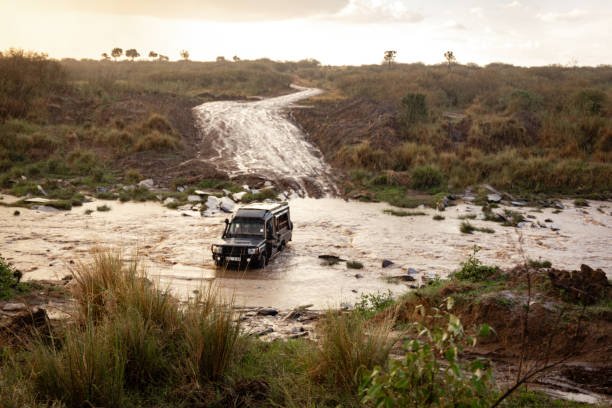
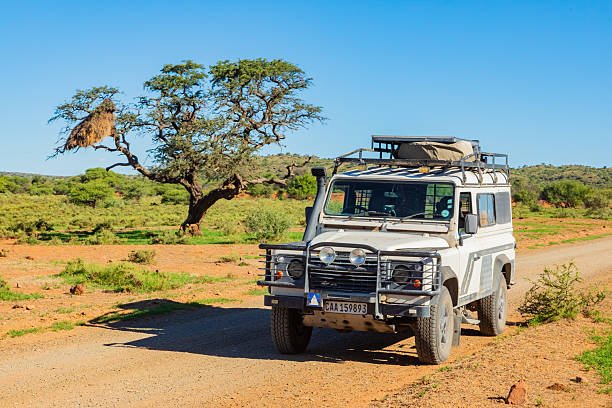
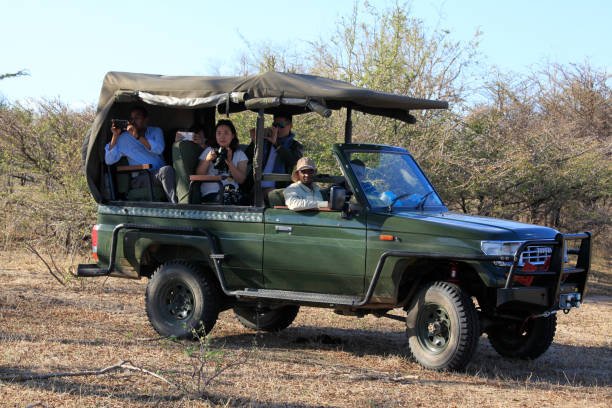
Access to Sapo National Park is primarily overland, typically starting from Dar es Salaam or Mtwara. The journey can be lengthy and invariably requires a robust 4×4 vehicle, particularly during the rainy periods when road conditions can deteriorate significantly. Most reputable eco-tourism packages, including those meticulously arranged by Top Guide Adventures, will coordinate smooth transportation from major cities or airports, ensuring a safe and comfortable transfer to the park’s gateway.
When planning your 2026-2027 expedition, factor in the road conditions. Partnering with an experienced operator like Top Guide Adventures guarantees you the appropriate vehicle and guides who possess intimate knowledge of the routes and park access.
Sapo’s Sustainable Accommodation Choices
Accommodation options within and surrounding Sapo National Park predominantly feature eco-lodges and well-appointed tented camps. These establishments are thoughtfully designed to harmonize with the natural environment and operate under stringent sustainable principles:
- Eco-Lodges: These offer comfortable stays while strictly adhering to environmental protocols, often powered by solar energy and implementing comprehensive waste management systems.
- Tented Camps: Providing a more intimate connection with nature, these camps offer a rustic yet comfortable experience, ensuring safety and essential amenities are met.
When making your booking for 2026 or 2027, it is highly advisable to inquire about the specific sustainability practices of your chosen accommodation to ensure alignment with your eco-tourism values.
in-depth Eco-Tourism Activities in Sapo National Park
The activities available in Sapo National Park are carefully curated to foster an intimate and educational engagement with the rainforest ecosystem, all while upholding the highest standards of environmental stewardship.
The Art of Guided Walking Safaris
Walking safaris are the quintessential Sapo experience. Accompanied by expert rangers and knowledgeable guides, you will traverse the forest trails on foot. This in-depth approach allows for a profound appreciation of the intricate details of the rainforest – the diverse flora, the fascinating insect life, and the subtle sounds and smells that might be overlooked from a vehicle. Keep a keen eye out for various species of monkeys, elusive forest antelopes, and an astonishing array of vibrant birdlife.
Intensive Primate Tracking Expeditions
Sapo National Park is a globally significant sanctuary for primates. Specially arranged tracking excursions offer unparalleled opportunities to observe species such as the Angolan colobus, Sykes’ monkey, and the striking red-tailed monkey in their natural, undisturbed habitat. With the guidance of experienced trackers, there is also the potential, though not guaranteed, to encounter chimpanzees on a deeper trek into the park’s interior.
Dedicated Birdwatching Tours
With an impressive list of over 400 recorded avian species, Sapo National Park is a veritable paradise for ornithologists and casual birdwatchers alike. The dense forest canopy teems with unique and vibrantly colored birds. Expert-led birdwatching tours are designed to help you identify a wide spectrum of forest dwellers, majestic raptors, and waterbirds found along the park’s pristine rivers and watercourses.
Fascinating Botanical Explorations
The rainforest itself is a star attraction in Sapo. Guided botanical tours explore the park’s rich plant diversity, highlighting medicinal plants that have been utilized by local communities for generations. These tours offer insights into the ecological significance of various tree species and the complex, interdependent relationships that define the forest ecosystem.
Embracing Responsible Travel in Sapo National Park
As a conscientious eco-tourist, your presence and actions have a tangible impact on the delicate environment and the well-being of local communities. Adhering to responsible travel principles is paramount to ensuring the preservation of Sapo National Park for generations to come.
Core Principles for Eco-Tourists in Sapo:
- Respect Wildlife from a Distance: Always maintain a safe and respectful distance from all animals. Never attempt to feed wildlife, as this disrupts their natural foraging behaviors and dietary needs.
- Adhere to Designated Trails: Stick strictly to marked paths to prevent habitat erosion and avoid disturbing sensitive ecological zones.
- Minimize Your Footprint: Practice the ‘Leave No Trace’ philosophy. Carry out everything you bring in, and actively avoid single-use plastics by opting for reusable alternatives.
- Conserve Natural Resources: Be mindful of your water and energy consumption during your stay at lodges and camps.
- Foster Positive Community Engagement: Support local economies by purchasing authentic crafts and services ethically. Ensure fair compensation for goods and labor.
- Practice Respectful Photography: Always seek explicit permission before photographing local people. Avoid intrusive or disruptive photography of wildlife.
Supporting Conservation and Community Initiatives
Top Guide Adventures is deeply committed to bolstering conservation efforts within and around Sapo National Park. A significant portion of the revenue generated from our Sapo National Park eco-tourism packages is directly channeled into critical areas such as park management, funding anti-poaching patrols, and supporting vital community development projects. By selecting a responsible tour operator, you become an active participant in these crucial conservation endeavors.
For travelers planning their visits in 2026-2027, we encourage you to inquire about the specific conservation projects and community partnerships that your chosen operator supports. Transparency in these initiatives ensures that your journey contributes meaningfully to positive outcomes.
Why Top Guide Adventures is Your Premier Partner for Sapo Safaris
Selecting the right tour operator is fundamental to experiencing an authentic, enriching, and truly responsible eco-tourism journey in Sapo National Park. Top Guide Adventures offers a comprehensive suite of services meticulously designed to cater to the discerning eco-conscious traveler:
What Our Sapo National Park Eco-Tourism Packages Encompass:
- Bespoke Itinerary Design: We specialize in crafting personalized Sapo National Park tours tailored precisely to your interests, whether your passion lies in primate tracking, birdwatching, botanical exploration, or a comprehensive rainforest immersion.
- Expert Local Guides: Our guides are not merely knowledgeable; they are deeply connected to Sapo, possessing intimate understanding of its unique flora, fauna, cultural heritage, and the nuances of conservation efforts.
- Commitment to Sustainable Lodging: We exclusively partner with eco-lodges and tented camps that demonstrate a profound commitment to environmental stewardship and sustainable operational practices.
- smooth Logistics Management: From your initial airport transfers to park entry permits, internal transportation, and ensuring the provision of specialized 4×4 vehicles for your 2026-2027 safaris, we meticulously manage every logistical detail.
- Facilitating Authentic Community Connections: Where appropriate and ethically sound, we facilitate meaningful and respectful interactions with local communities, fostering mutual understanding and appreciation.
- Dedicated, Personalized Support: Throughout your entire journey, you will receive unwavering, personalized support from our team, ensuring a safe, smooth, and profoundly memorable experience.
Our unwavering commitment ensures that your Sapo National Park safari in 2026-2027 is not only an exhilarating adventure but also a significant contribution to conservation and the upliftment of local livelihoods.
Essential Packing List for Your Sapo Rainforest Adventure
Proper preparation is key to comfort and safety when exploring Sapo National Park’s unique rainforest environment. Consider including the following items in your packing list:
- Lightweight, Quick-Drying Apparel: Long-sleeved shirts and trousers are highly recommended for protection against insects and the sun. Opt for neutral, earthy colors to blend with the environment.
- Reliable Rain Gear: A high-quality waterproof jacket or poncho is indispensable, regardless of the season.
- Sturdy Hiking Boots: Waterproof and well-broken-in hiking boots are essential for navigating the often-uneven forest trails safely.
- Effective Insect Repellent: A repellent containing a high percentage of DEET is advisable for protection against mosquitoes and other biting insects.
- Sun Protection Essentials: High SPF sunscreen, a wide-brimmed hat, and quality sunglasses are crucial for sunny days.
- High-Quality Binoculars: Indispensable for enhanced wildlife and bird spotting in the dense forest.
- Camera Gear: Bring your camera with ample extra batteries, memory cards, and protective casing.
- Personal First-Aid Kit: Include essential medical supplies and any personal prescriptions.
- Reusable Water Bottle: To minimize plastic waste and stay hydrated.
The Evolving Landscape of Sapo National Park Eco-Tourism (2026-2027 and Beyond)
The trajectory for Sapo National Park’s eco-tourism, extending through 2026 and 2027 and into the future, is firmly set on enhancing sustainable practices and achieving even greater conservation successes. Future developments focus on infrastructure improvements that prioritize minimal environmental impact, expanding vital research into the park’s rich biodiversity, and strengthening community-led conservation initiatives. Visitors can anticipate an increasingly refined and impactful experience that harmoniously balances thrilling adventure with a profound respect for the natural world.
Top Guide Adventures remains dedicated to leading the way in responsible tourism in Tanzania, ensuring our Sapo National Park tours continue to serve as a benchmark for sustainable and ethical travel. We strongly advise travelers to book their Sapo National Park eco-tourism adventures well in advance for the 2026-2027 seasons to secure preferred dates and accommodations.
Are you ready to uncover the extraordinary wonders of Sapo National Park? Connect with us today to begin crafting your personalized eco-adventure. Reach us via WhatsApp at +255616946642, send an email to topguideadventures@gmail.com, or use our alternative email at info@topguideadventures.com. Let Top Guide Adventures be your trusted partner for an unparalleled journey into Tanzania’s verdant heart.
Check Availability for Sapo National Park Eco-Tourism Guide: A Adventure 2026-2027
Ready to compare dates, prices, and the best option for your group? Send the package name and travel month so the team can reply with a clear quote, availability, and what is included.

Taï National Park Eco-Tourism Guide For : Experience West African Rainforests
start an unforgettable eco-tourism journey to Taï National Park in Côte d'Ivoire. This 2026-2027 guide details how to experience its unique rainforests, incredible primate populations, and...
View package details
Arusha National Park 2026-2027
Arusha National Park is explained with current 2026-2027 planning, price, itinerary and booking information.
View package details
Arusha National Park Activities Prices 2026-2027
Arusha National Park Activities Prices is explained with current 2026-2027 planning, price, itinerary and booking information.
View package details
Arusha National Park Day Trip: Your Complete Guide For Adventures 2026-2027
Explore Arusha National Park on a memorable day trip. This guide covers everything from wildlife viewing and canoeing on Momella Lakes to hiking Mount Meru's lower slopes, perfect for a...
View package details
Arusha National Park Entrance Fee Guide | Top Adventures 2026-2027
Planning a safari to Arusha National Park? Understand the entrance fees for 2026-2027, including rates for adults, children, and different nationalities, to budget your trip effectively...
View package details
Best Time To Visit Katavi National Park 2026-2027
Best Time to Visit Katavi National Park is explained with current 2026-2027 planning, price, itinerary and booking information.
View package details
Best Time To Visit Tarangire National Park: A Detailed Guide 2026-2027
The best time to visit Tarangire National Park for optimal wildlife viewing, particularly its famous elephant herds and birdlife, is during the dry seasons: June to October and December to...
View package details
Burigi-Chato National Park Safari: Your Ultimate Guide For Adventures
start an unforgettable journey to Burigi-Chato National Park, Tanzania's newest gem. This comprehensive guide covers everything you need for an extraordinary safari experience in 2026-2027.
View package details
Complete Serengeti National Park Price Guide 2026-2027
Complete Serengeti National Park Price Guide is explained with current 2026-2027 planning, price, itinerary and booking information.
View package details
Gombe National Park Chimpanzee Trekking 2026-2027
Gombe National Park Chimpanzee Trekking is explained with current 2026-2027 planning, price, itinerary and booking information.
View package details
Gombe National Park Entry Fees: Your Comprehensive Guide 2026-2027
Planning a trip to Gombe National Park? This guide breaks down the essential entry fees for 2026-2027, including park fees, conservation fees, and camping permits, to help you budget...
View package details
Gombe National Park Tour Prices: Safari Cost Guide 2026-2027
Discover the cost of a Gombe National Park tour, focusing on chimpanzee trekking experiences. This guide details factors influencing prices for 2026-2027, including accommodation, duration...
View package detailsNo closely related package is available for this topic yet.



