
Arusha National Park offers a compact yet incredibly diverse safari experience in Tanzania, renowned for its stunning Mount Meru backdrop, the alkaline Momella Lakes, Ngurdoto Crater, and abundant wildlife including giraffes, zebras, buffalos, and diverse birdlife, making it an ideal day trip or a starting point for longer Northern Circuit safaris, with best viewing seasons generally aligning with the dry periods of June to October and December to February.

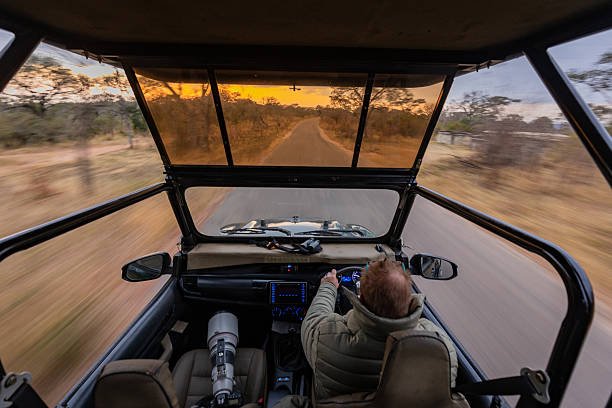
Discover the Magic of Arusha National Park
located in the northern reaches of Tanzania, Arusha National Park stands as a jewel, often overshadowed by its more famous neighbors like the Serengeti and Ngorongoro Crater. Yet, for those seeking a concentrated dose of Tanzania’s natural splendor, this park is an unparalleled destination. It’s a place where the iconic silhouette of Mount Meru dominates the skyline, and the vibrant hues of the Momella Lakes create a painterly landscape. Arusha National Park is not just a stopover; it’s a destination in its own right, offering a unique blend of safari experiences, hiking opportunities, and impressive scenery that promises an unforgettable adventure, especially as we look towards planning for 2026 and 2027.
This park is a microcosm of Tanzania’s vast biodiversity. Within its relatively small area, you can encounter a surprising array of habitats, from verdant montane forests and rugged volcanic craters to shimmering alkaline lakes. The wildlife is plentiful, though perhaps not in the sheer numbers of the Serengeti during the Great Migration. Here, the focus shifts to intimate encounters with species like the graceful giraffes, herds of zebras and wildebeest, formidable Cape buffaloes, and a dazzling variety of birds. For the adventurous, the park offers the chance to climb Mount Meru, a challenging yet rewarding trek with panoramic views that stretch all the way to Kilimanjaro on a clear day.
Planning a visit to Arusha National Park in 2026 or 2027 means choosing a safari experience that is both accessible and rich in natural wonders. Whether you’re on a tight schedule and looking for an incredible day trip, or you’re starting your grand Northern Circuit adventure, Arusha National Park provides a perfect introduction to the magic of Tanzanian wildlife and landscapes. Top Guide Adventures is dedicated to crafting bespoke journeys that highlight the best of this park and the wider Tanzanian wilderness, ensuring your trip is tailored to your specific interests and desires.
The Unique Appeal of Arusha National Park
What truly sets Arusha National Park apart is its remarkable diversity compressed into a manageable space. Unlike vast, sprawling parks where days are spent traversing long distances, Arusha National Park allows visitors to experience multiple ecosystems and encounter a wide range of flora and fauna within a single day. This makes it an exceptionally rewarding destination for those with limited time or for travelers who appreciate variety.
Geographical Marvels: Mount Meru and the Momella Lakes
The park’s most striking geographical feature is undoubtedly Mount Meru, a dormant stratovolcano that stands as the fifth highest mountain in Africa. Its imposing presence provides a dramatic backdrop to the park and is a significant draw for trekkers. The slopes of Mount Meru are cloaked in dense forest, supporting unique wildlife and offering a different kind of safari experience – one that involves hiking and exploring on foot.
Complementing the mountain’s grandeur are the Momella Lakes, a series of seven shallow alkaline lakes. Each lake possesses a distinct color, ranging from vibrant turquoise to emerald green and milky blue, depending on the algae content and mineral composition. These lakes are a haven for birdlife, particularly flamingos, which gather in large numbers, creating a spectacular spectacle of pink. The shores also attract herbivores like zebras, giraffes, and buffaloes who come to drink and graze, offering fantastic photographic opportunities.
The Ngurdoto Crater: A Miniature Ngorongoro
Resembling a smaller version of the famous Ngorongoro Crater, the Ngurdoto Crater is another significant landmark within the park. This sunken volcanic caldera, with its steep, forested walls, is home to a rich concentration of wildlife. While visitors cannot drive down into the crater itself, designated viewpoints along its rim offer stunning vistas of the crater floor, where herds of buffalo, warthogs, and various antelopes can be observed grazing amidst the lush vegetation. Rangers often conduct walks along the crater rim, providing a closer, more intimate perspective.
Montane Forests and Savannah Plains
Arusha National Park encompasses a variety of habitats, including vibrant montane forests, open savannah grasslands, and marshy wetlands. The montane forests, particularly on the slopes of Mount Meru, are home to primates like the black and white colobus monkeys and Sykes monkeys. As you descend from the higher altitudes, the landscape transitions into open plains dotted with acacia trees, where larger mammals congregate. This ecological diversity supports a surprising richness of species, making every exploration a new discovery.
Wildlife Encounters in Arusha National Park
While Arusha National Park may not boast the sheer density of the Big Five as seen in some other Tanzanian parks, it offers rewarding and unique wildlife viewing opportunities. The park’s manageable size and varied habitats mean that game drives can be highly productive, often leading to close and personal encounters with its inhabitants.
Iconic Residents: Giraffes and Zebras
The park is particularly famous for its resident Masai giraffes. These magnificent creatures are often seen browsing on the acacia trees that dot the plains, their long necks reaching for the freshest leaves. Their striking patterns and gentle demeanor make them a favorite subject for photographers. Alongside them, large herds of zebras are a common sight, their distinctive stripes creating a mesmerizing visual against the green and brown landscape. They often graze in open areas, making them easily visible during game drives.
Herds of Buffalo and Other Ungulates
The park is also home to substantial populations of Cape buffaloes, often found in herds near water sources or grazing in the grasslands. These powerful bovines are a common sight, particularly around the Ngurdoto Crater and the Momella Lakes. Other notable ungulates include various species of antelopes, such as waterbucks, bushbucks, and dik-diks, which are more elusive and often found in denser vegetation or woodland areas. Warthogs, with their characteristic bristly manes and upturned tails, are also common and can be seen foraging in groups or individually.
Primates and Forest Dwellers
The montane forests of Arusha National Park are a sanctuary for primates. The black and white colobus monkeys are particularly noteworthy. These striking black and white primates are often seen leaping through the trees, their long, flowing coats making them unmistakable. Sykes monkeys are also present, often found in the same forest habitats. Their presence adds another dimension to the park’s biodiversity, offering opportunities for primate spotting for those interested.
Avian Paradise: Birdwatching Opportunities
Arusha National Park is a paradise for birdwatchers. With over 400 recorded bird species, the park offers a diverse range of avian life, from water birds congregating at the Momella Lakes to forest dwellers and raptors soaring overhead. Flamingos are a major attraction at the Momella Lakes, often appearing in large flocks, painting the water’s edge in shades of pink. Other water birds include various species of ducks, geese, herons, and storks. In the forests and woodlands, keen observers can spot turacos, hornbills, barbets, and sunbirds. The park’s varied habitats ensure a rich mix of species throughout the year, making it a prime location for ornithological exploration.
The Elusive Leopard and Other Predators
While not guaranteed, Arusha National Park is known to be home to leopards. These elusive big cats are primarily nocturnal and inhabit the denser forest areas, making sightings rare but incredibly rewarding. Other predators include hyenas and jackals, which can sometimes be seen scavenging or hunting. The presence of these predators, even if rarely seen, contributes to the park’s complex ecosystem and adds an element of wildness to the safari experience.
Activities and Experiences in Arusha National Park
Arusha National Park offers more than just traditional game drives. Its unique geography and diverse ecosystems allow for a variety of activities that cater to different interests, from adventurous trekkers to nature enthusiasts and photographers.
Game Drives: Exploring the Plains and Crater Rim
Classic game drives are a primary way to explore Arusha National Park. Vehicles traverse the park’s network of tracks, leading visitors to prime wildlife viewing spots. The routes around the Momella Lakes and the rim of the Ngurdoto Crater are particularly popular. Game drives are typically conducted in open-sided 4×4 safari vehicles, offering unobstructed views of the landscape and its inhabitants. A typical full-day game drive can cover a significant portion of the park, allowing for encounters with giraffes, zebras, buffaloes, warthogs, and a multitude of bird species.
Walking Safaris: An Intimate Encounter with Nature
One of the park’s most distinctive offerings is the walking safari. Unlike most Tanzanian parks where walking is restricted, Arusha National Park permits guided walks, offering a more intimate and engaging way to experience the environment. Led by armed rangers, these walks allow you to feel the pulse of the wilderness, observe smaller details often missed from a vehicle, and learn about the flora, tracks, and signs of wildlife. Walks are typically offered around the Momella Gate area and along the base and slopes of Mount Meru
Check Availability for Arusha National Park 2026-2027
Ready to compare dates, prices, and the best option for your group? Send the package name and travel month so the team can reply with a clear quote, availability, and what is included.
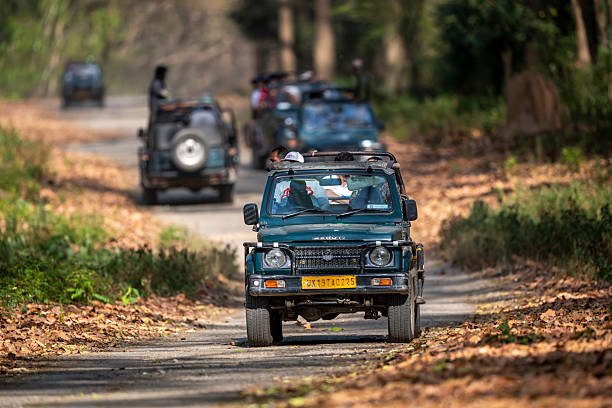
Best Ngorongoro Conservation Area Safari In Arusha, Tanzania 2026-2027
Best Ngorongoro Conservation Area Safari in Arusha, Tanzania 2026-2027 is explained with current 2026-2027 planning, price, itinerary and booking information.
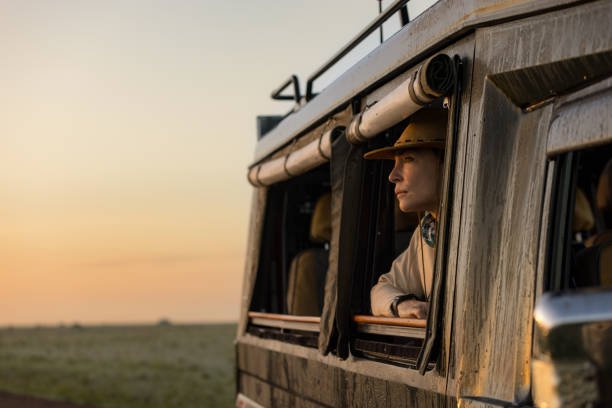
Flying Into Kilimanjaro, Arusha, Dar Or Zanzibar: Which Airport? Guide
Deciding which Tanzanian airport to fly into – Kilimanjaro (JRO), Arusha (ARK), Dar es Salaam (DAR), or Zanzibar (ZNZ) – depends entirely on your primary destination and activities. JRO is…
No related package matches those filters. Clear one or more filters to see the other topic-matched options.



