
A Mkomazi National Park safari offers a distinctive wildlife viewing experience, particularly for those seeking to see endangered species like the black rhino and reintroduced wild dogs, alongside a rich diversity of other animals and a dramatic semi-arid landscape, making it a prime destination for conservation-focused tourism in Tanzania, especially for planning your 2026 or 2027 adventures.
Discover Mkomazi National Park: A Conservation Jewel
Mkomazi National Park stands as a testament to successful conservation efforts, located in the semi-arid region of northern Tanzania. Unlike its more famous counterparts such as the Serengeti or Ngorongoro Crater, Mkomazi offers a more exclusive and raw safari experience. Its vast, rugged terrain is a sanctuary for a variety of wildlife, including iconic species that are crucial to conservation initiatives. For travelers looking for an off-the-beaten-path adventure that directly supports important ecological work, a Mkomazi National Park safari is an unparalleled choice. As we look towards 2026 and 2027, the park continues to be a vital hub for wildlife protection and a rewarding destination for discerning visitors.
The Genesis of Mkomazi: From Ranch to Reserve
The story of Mkomazi is deeply intertwined with conservation history. Originally established as a game reserve in 1951, it faced significant challenges due to poaching and habitat degradation. However, a pivotal moment came with the involvement of the George Adamson Wildlife Preservation Trust and the Mkomazi Project, spearheaded by Tony Fitzjohn and his late wife, Donna. Their dedication transformed the park from a struggling reserve into a thriving sanctuary. This intensive conservation work, particularly focused on breeding programs for endangered species, has laid the foundation for the incredible Mkomazi National Park safari experiences available today. The success in reintroducing predators like the African wild dog and protecting black rhinos highlights the park’s unique appeal and its importance in the broader Tanzanian conservation landscape.
Geographical Significance and Landscape
Mkomazi National Park covers an expansive area of approximately 3,245 square kilometers (1,253 sq mi) in the north of Tanzania, bordering Kenya. Its landscape is characterized by dry grasslands, acacia woodlands, and rugged hills, including the imposing Usambara Mountains to the southeast and the Pare Mountains to the west. The park’s semi-arid climate means that water sources are often concentrated around boreholes and seasonal rivers, influencing wildlife movements and making game viewing concentrated in certain areas, especially during the dry season. This dramatic scenery provides a stunning backdrop for any Mkomazi National Park safari, offering a sense of wildness and remoteness that is increasingly rare.
Why Choose a Mkomazi National Park Safari?
Mkomazi offers a unique proposition for safari-goers, differentiating itself from the more popular Tanzanian parks through its focus on conservation and its less-crowded atmosphere. Planning a Mkomazi National Park safari in 2026-2027 means choosing an experience that is both authentic and impactful.
Witnessing Conservation Success Stories
The most compelling reason to visit Mkomazi is to witness firsthand the results of dedicated conservation efforts. The park is renowned for its successful breeding programs for the endangered black rhino and the African wild dog. Seeing these magnificent animals thriving in their natural, protected habitat is an incredibly rewarding experience. A Mkomazi National Park safari provides an opportunity to learn about the challenges and triumphs of wildlife conservation, often with guides who are deeply involved in these initiatives. The park’s commitment to these species makes it a crucial destination for anyone interested in the future of African wildlife.
Exclusive Wildlife Encounters
Compared to the heavily trafficked national parks, Mkomazi offers a more intimate wildlife viewing experience. With fewer vehicles and a more spread-out landscape, you are likely to have sightings all to yourself, allowing for unhurried observation and photography. While it may not boast the sheer density of megafauna found in the Serengeti during the Great Migration, Mkomazi offers a rich diversity of species, including elephants, giraffes, zebras, various antelopes, lions, leopards, cheetahs, and a remarkable array of birdlife. The chance to see a pack of wild dogs or a critically endangered black rhino in such a setting is a highlight of any Mkomazi National Park safari.
The Thrill of the Undiscovered
Mkomazi provides an adventure for those who seek to explore beyond the typical safari circuit. Its rugged beauty and the sense of pioneering discovery make it appealing. For travelers in 2026 or 2027 looking for something different, Mkomazi offers a raw, untamed African wilderness that is both challenging and profoundly beautiful. The park’s relative remoteness ensures a sense of solitude and a genuine connection with nature.
Key Wildlife to Spot on Your Mkomazi National Park Safari
Mkomazi National Park is home to a diverse range of wildlife, with a particular emphasis on species that benefit from its dedicated conservation programs. While planning your Mkomazi National Park safari, knowing what to look for can enhance your experience.
The Iconic Black Rhino
Mkomazi is one of Tanzania’s most important strongholds for the black rhino. A dedicated sanctuary within the park houses a breeding population of these critically endangered animals. Seeing a black rhino, with its distinctive hooked lip and powerful build, is a rare privilege. These sightings are often facilitated by experienced guides who know the rhinos’ territories and habits. The conservation success with black rhinos in Mkomazi is a major draw for visitors interested in conservation tourism.
The Reintroduced African Wild Dog
Another significant conservation success in Mkomazi is the reintroduction of the African wild dog (also known as the painted wolf). Once extinct in the area due to human conflict and disease, these highly social and efficient predators are now establishing packs within the park. Observing a pack of wild dogs on the hunt is a spectacular sight, showcasing their intelligence and cooperative hunting strategies. A Mkomazi National Park safari offers one of the best chances in Tanzania to witness these magnificent animals.
Other Mammal Sightings
Beyond the flagship species, Mkomazi teems with other wildlife:
- Large Mammals: Herds of elephants are often seen, especially near water sources. Giraffes, zebras, wildebeest, hartebeest, and various gazelles graze across the plains.
- Predators: Lions are present, though often elusive. Leopards and cheetahs can also be spotted, particularly in the early mornings and late afternoons. Smaller predators like bat-eared foxes and various mongooses are also common.
- Reptiles and Birds: The park is also home to a variety of reptiles and a rich birdlife, with over 450 species recorded, including ostriches, secretary birds, kori bustards, and numerous smaller birds of prey and water birds.
The diversity of wildlife ensures that every Mkomazi National Park safari is unique and full of potential discoveries.
Planning Your Mkomazi National Park Safari in 2026-2027
Successful planning is key to enjoying your Mkomazi National Park safari. Considering the best time to visit, accommodation options, and how to get there will ensure a smooth and memorable trip for 2026 or 2027.
Best Time to Visit Mkomazi
Mkomazi’s climate is semi-arid, with distinct dry and wet seasons. The best time for a Mkomazi National Park safari is generally during the dry seasons, which typically run from June to October and from December to February.
- Dry Season (June-October): This is the prime time for wildlife viewing. Animals congregate around permanent water sources, making them easier to spot. The vegetation is less dense, offering clearer views. The weather is generally sunny and pleasant.
- Short Rains (November): Occasional rains can occur, which may make some roads temporarily impassable.
- Long Rains (March-May): This is the low season. The landscape becomes lush and green, which is beautiful but can make wildlife spotting more challenging. Some camps may close, and travel can be more difficult due to muddy roads. However, it’s a great time for birdwatching and offers a more budget-friendly option.
For those planning a Mkomazi National Park safari in 2026 or 2027, the dry months will offer the most predictable and rewarding wildlife encounters.
Getting to Mkomazi National Park
Mkomazi is accessible by road and, to a lesser extent, by air. The most common access point is from Moshi or Arusha.
- By Road: From Arusha or Moshi, you can drive to the park’s main gate. The journey takes approximately 4-5 hours, depending on road conditions and the specific gate you are entering. Roads within the park can be rough, especially during the rainy season, requiring a 4×4 vehicle.
- By Air: Chartered light aircraft can fly into Mkomazi’s airstrip, offering a quicker but more expensive option, often used for fly-in safaris.
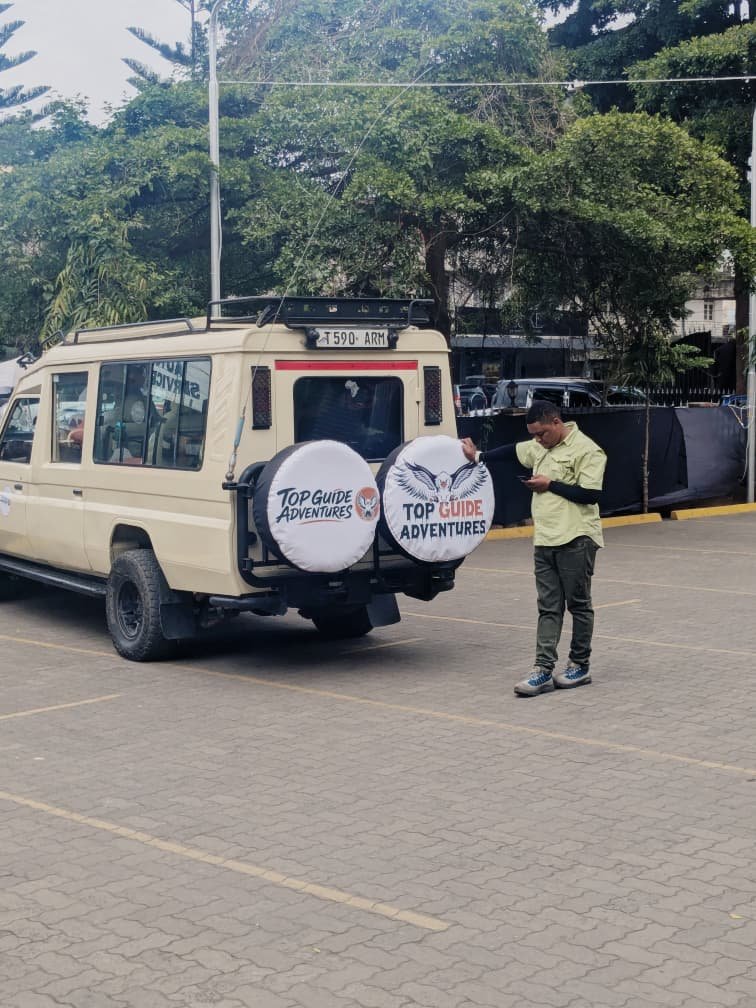
Top Guide Adventures can arrange all necessary transportation for your Mkomazi National Park safari, ensuring a comfortable journey.
Accommodation Options
Accommodation in Mkomazi is focused on providing an in-depth experience while respecting the park’s conservation ethos. Options are limited but high quality:
- Mkomazi Tented Camp: This is the primary accommodation within the park, offering comfortable tents with en-suite facilities. It provides a fantastic base for exploring the park and often runs on solar power to minimize environmental impact.
- Self-Catering and Campsites: Basic self-catering facilities and designated campsites are available for budget travelers or those who prefer a more rustic experience.
Booking accommodation well in advance is recommended, especially for peak season travel in 2026 and 2027.
Activities on a Mkomazi National Park Safari
Beyond standard game drives, Mkomazi offers a range of activities that deepen the safari experience and highlight its conservation focus.
Game Drives
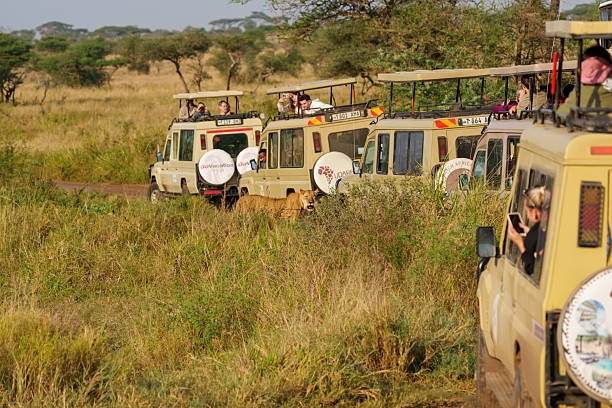
Game drives are the cornerstone of any Mkomazi National Park safari. These can be conducted in open-top 4×4 safari vehicles, allowing for excellent visibility and photography. Early morning and late afternoon drives are typically the most productive for spotting wildlife. Experienced guides will lead you to areas where animals are frequently seen, sharing their knowledge of animal behavior and the park’s ecosystem.
Walking Safaris
For a more intimate connection with the bush, walking safaris are a highly recommended activity in Mkomazi. Accompanied by an armed ranger and a knowledgeable guide, you can explore the smaller details of the savanna, track animals on foot, and learn about the flora and fauna in a way that is not possible from a vehicle. Walking safaris offer a unique perspective on the Mkomazi landscape and its inhabitants.
Rhino and Wild Dog Tracking
Given Mkomazi’s importance for black rhinos and wild dogs, guided tracking excursions focusing on these species are often available. These activities are conducted with utmost care to minimize disturbance to the animals and are led by rangers who understand the conservation needs of these populations. This offers an unparalleled opportunity to learn about and potentially observe these magnificent, endangered animals.
Birdwatching
Mkomazi is a haven for birdwatchers, with over 450 species recorded. The dry, open habitats support a variety of ground birds, raptors, and acacia-loving species. The park’s diverse vegetation zones attract a wide range of avian life, making it an excellent destination for dedicated birding trips or for general visitors who enjoy spotting different bird species.
Conservation Education and Visitor Centre
Mkomazi often features a visitor center or information point where you can learn more about the park’s history, conservation challenges, and successes. Engaging with these resources can significantly enrich your understanding and appreciation of the Mkomazi National Park safari experience.
The Conservation Impact of Your Visit
Choosing Mkomazi National Park for your safari in 2026-2027 means your travel directly contributes to vital conservation work. The park operates largely on revenue generated from tourism and donations, making every visitor an important stakeholder in its protection.
Supporting Endangered Species Breeding Programs
The income generated from park fees and tourism activities directly funds the protection of black rhinos and the care of reintroduced wild dogs. Your visit helps ensure these programs can continue their critical work, safeguarding species that are on the brink of extinction elsewhere. This makes a Mkomazi National Park safari a trip with a purpose.
Community Engagement and Anti-Poaching Efforts
Conservation in Mkomazi also involves working with local communities and maintaining robust anti-poaching patrols. Tourism revenue can support local employment and provide resources for rangers who patrol the vast park, protecting wildlife from illegal activities. Your presence acts as a deterrent to poaching and supports the sustainable management of this precious ecosystem.
Sustainable Tourism Practices
Mkomazi strives to maintain low-impact tourism. Accommodation and activities are designed to minimize environmental footprints. By choosing Mkomazi, you are supporting a model of tourism that prioritizes ecological integrity and long-term sustainability, ensuring the park remains wild and beautiful for future generations and for safaris in 2027 and beyond.
What to Pack for Your Mkomazi National Park Safari
Packing appropriately ensures comfort and readiness for the diverse conditions you might encounter on a Mkomazi National Park safari. Focus on practical, neutral-colored clothing suitable for a warm climate.
Clothing Essentials
- Lightweight, breathable clothing: Long-sleeved shirts and trousers in neutral colors (khaki, beige, olive green) are ideal for protection from the sun and insects, and for blending into the environment. Avoid bright colors.
- Warm layers: Evenings and early mornings can be cool, especially during the dry season. Pack a fleece jacket or a warm sweater.
- Comfortable walking shoes: Sturdy, closed-toe shoes are essential for walking safaris and around camp.
- Sandals or flip-flops: For relaxing at the lodge or camp.
- Sun hat: A wide-brimmed hat is crucial for sun protection.
- Swimsuit: If your accommodation has a pool.
Health and Safety
- Insect repellent: With a high concentration of DEET or picaridin.
- Sunscreen: High SPF.
- Personal first-aid kit: Including any personal medications.
- Malaria prophylaxis: Consult your doctor regarding necessary precautions for Tanzania.
- Hand sanitizer.
Gear and Accessories
- Binoculars: Essential for spotting wildlife at a distance.
- Camera and extra batteries/memory cards: To capture the incredible sights.
- Power bank or universal adapter: For charging electronics.
- Reusable water bottle: To minimize plastic waste.
- Small backpack: For day trips and walks.
- Torch or headlamp: Useful for navigating at night.
Remember to check specific recommendations from your tour operator for your Mkomazi National Park safari.
Comparing Mkomazi with Other Tanzanian Parks
To fully appreciate what Mkomazi National Park offers, it helps to compare it with other popular Tanzanian safari destinations. Each park provides a unique experience, catering to different interests and expectations for a 2026-2027 trip.
Mkomazi vs. Serengeti
- Serengeti: Famous for the Great Migration, vast open plains, and incredibly high densities of predators and prey. It offers classic savanna safari experiences and is ideal for witnessing large herds.
- Mkomazi: Offers a more exclusive, conservation-focused experience. It excels in seeing specific endangered species like rhinos and wild dogs and provides a rugged, less-crowded landscape.
A Mkomazi National Park safari is for those seeking unique conservation stories and solitude, while Serengeti is for the quintessential large-herd migration experience.
Mkomazi vs. Ngorongoro Crater
- Ngorongoro Crater: A UNESCO World Heritage Site known for its unique caldera ecosystem supporting a high concentration of wildlife, including the Big Five, in a relatively small area. It offers dramatic scenery and reliable sightings.
- Mkomazi: Provides a broader, more naturalistic safari experience across a vast landscape. It focuses on conservation breeding programs and offers a sense of true wilderness exploration away from tourist hubs.
While Ngorongoro offers a concentrated wildlife spectacle, Mkomazi promises a deeper engagement with conservation and a more expansive wild environment.
Mkomazi vs. Tarangire
- Tarangire: Renowned for its large elephant herds and iconic baobab trees. It’s particularly spectacular during the dry season when elephants gather around the Tarangire River.
- Mkomazi: Offers a different kind of landscape and wildlife focus. While elephants are present, Mkomazi’s unique selling points are its rhinos, wild dogs, and its role as a conservation sanctuary.
Choosing between Mkomazi and Tarangire depends on whether you prioritize seeing specific endangered species and supporting conservation, or large elephant populations in a classic savanna setting.
Mkomazi vs. Selous Game Reserve (Nyerere National Park)
- Selous (Nyerere NP): One of Africa’s largest game reserves, offering diverse landscapes including the Rufiji River. It’s known for boat safaris, walking safaris, and significant populations of wild dogs and elephants.
- Mkomazi: While also offering walking safaris and hosting wild dogs, Mkomazi’s conservation focus on black rhinos is a key differentiator. Its landscape is more arid and mountainous compared to Selous’s riverine and miombo woodland areas.
Both offer excellent opportunities for walking safaris and seeing wild dogs, but Mkomazi is the go-to for black rhino conservation efforts.
Ultimately, a Mkomazi National Park safari is ideal for travelers who are passionate about wildlife conservation, seek a more exclusive and less crowded experience, and are interested in seeing species that are critical to conservation efforts. It complements, rather than replaces, the iconic parks, offering a unique perspective on Tanzania’s natural heritage for your 2026-2027 travel plans.
Responsible Tourism in Mkomazi
As a visitor to Mkomazi National Park, practicing responsible tourism is paramount to supporting its conservation mission and ensuring a positive impact. This is especially important as we look towards increasing visitor numbers in 2026 and 2027.
Respect Wildlife and Habitats
- Maintain distance: Always keep a safe and respectful distance from all wildlife, especially rhinos and wild dogs. Never attempt to feed animals.
- Stay on designated tracks: During game drives, stick to existing roads to minimize habitat disturbance. For walking safaris, always follow your guide’s instructions.
- Minimize noise: Avoid loud noises that can stress wildlife.
Support Local Communities and Conservation
- Purchase local crafts: If opportunities arise, support local artisans.
- Choose eco-friendly lodges: Opt for accommodations that demonstrate a commitment to sustainability.
- Learn about conservation: Engage with park staff and guides to understand the conservation challenges and how your visit contributes.
Minimize Your Environmental Footprint
- Reduce waste: Carry out all litter. Use reusable water bottles and avoid single-use plastics.
- Conserve water and energy: Be mindful of your consumption, especially in lodges that rely on sustainable resources.
By adhering to these principles, your Mkomazi National Park safari becomes a force for good, contributing to the long-term protection of this unique ecosystem.
Planning Your 2026-2027 Mkomazi Safari with Top Guide Adventures
Top Guide Adventures specializes in creating personalized and impactful safari experiences across Tanzania, including exceptional journeys to Mkomazi National Park. We understand the unique appeal of Mkomazi and are dedicated to ensuring your 2026 or 2027 safari is both memorable and meaningful.
Tailor-Made Itineraries
We craft bespoke Mkomazi National Park safari itineraries based on your interests, budget, and desired travel style. Whether you are keen on maximizing wildlife sightings, focusing on conservation efforts, or combining Mkomazi with other Tanzanian highlights, we design a trip that perfectly suits you.
Expert Guides and Logistics
Our team of experienced guides are passionate about Tanzania’s wildlife and conservation. They possess in-depth knowledge of Mkomazi National Park, its wildlife, and its ecological significance, ensuring you gain the most from your safari. We handle all logistical aspects, from park permits and accommodation bookings to transportation and guiding services, allowing you to relax and enjoy the adventure.
Commitment to Conservation
As a responsible tour operator, Top Guide Adventures is committed to sustainable tourism. We work with lodges and operators who share our conservation ethos and ensure that our tours contribute positively to the protection of Mkomazi and its inhabitants. Choosing us for your Mkomazi National Park safari means choosing a partner dedicated to preserving this natural treasure.
Contact Us to Plan Your Mkomazi Safari
Ready to explore the conservation wonders of Mkomazi National Park? Get in touch with our expert team to start planning your unforgettable safari for 2026 or 2027. We are here to answer all your questions and help you create the perfect Tanzanian adventure.
Check Availability for Mkomazi National Park Safari 2026-2027
Ready to compare dates, prices, and the best option for your group? Send the package name and travel month so the team can reply with a clear quote, availability, and what is included.

Saadani National Park Entry Fees And Safari Prices For 2026-2027
Planning a safari to Saadani National Park? This guide details the essential entry fees and safari package prices for 2026-2027, helping you budget for your unforgettable Tanzanian...
View package details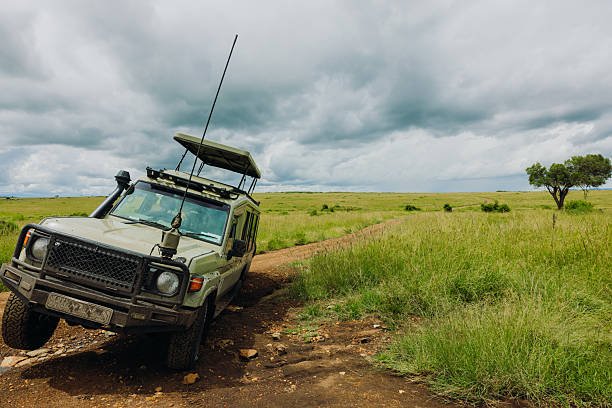
Katavi National Park: Tanzanias Untamed Wilderness Safari Guide 2026-2027
Katavi National Park offers an unparalleled safari experience in Tanzania's remote wilderness. This guide explores its vast landscapes, abundant wildlife, best visiting times for 2026-2027...
View package details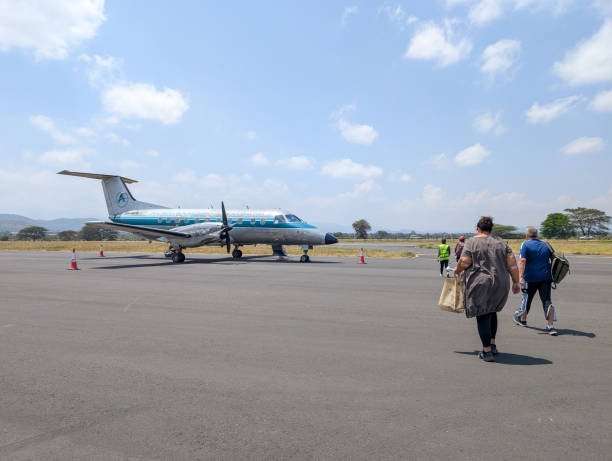
Mikumi National Park Entry Fees And Safari Prices 2026-2027
Planning a safari to Mikumi National Park? This guide details the essential entry fees, conservation charges, and safari package prices for 2026-2027, helping you budget for an...
View package details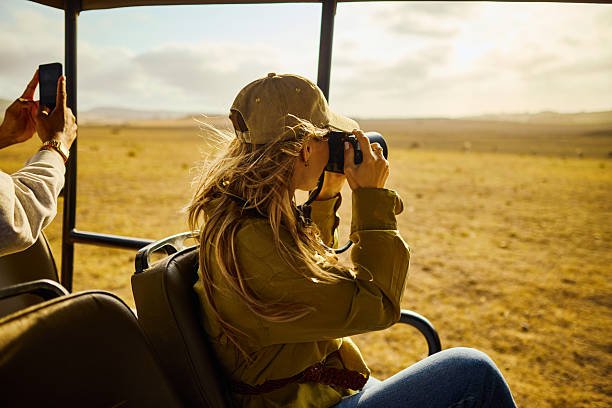
Mikumi National Park: Your Ultimate Safari Guide For 2026-2027
Mikumi National Park offers incredible wildlife viewing with its open plains and abundant animals, making it a top choice for Tanzania safaris. This guide covers everything you need to know...
View package details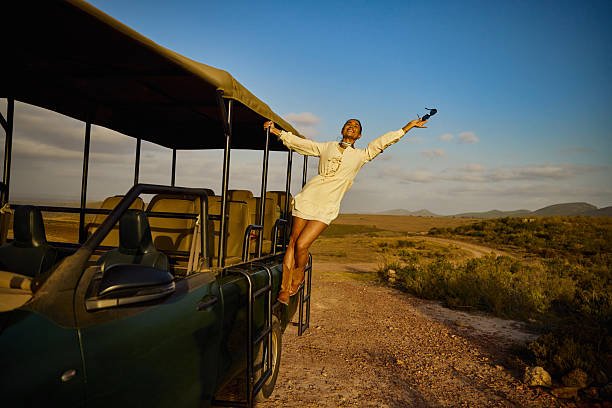
Saadani National Park: Tanzanias Coastal Wilderness Adventure In 2026-2027
Discover Saadani National Park, Tanzania's only coastal wildlife sanctuary where the African bush meets the Indian Ocean. This guide covers wildlife, activities, best times to visit, and...
View package details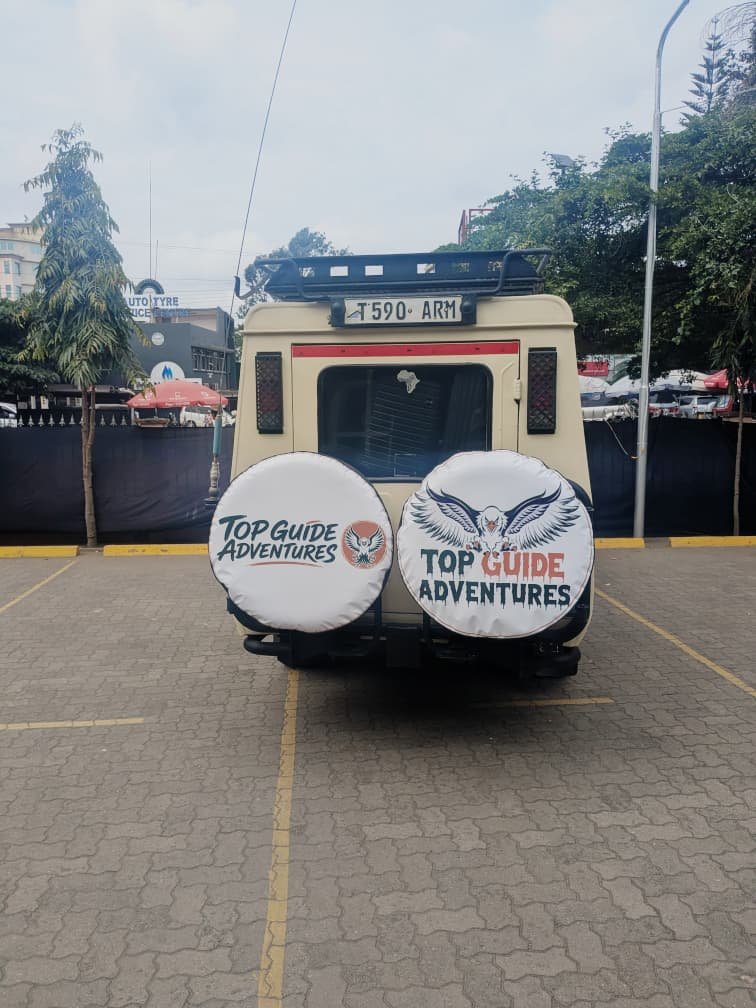
Ruaha National Park Camping Fees: Your Complete Guide 2026-2027
Planning a safari in Ruaha National Park? This comprehensive guide details all the essential camping fees for 2026-2027, including park entry, camping permits, and conservation charges, to...
View package details
Serengeti National Park Game Drive Prices Explained For Adventures 2026-2027
Planning a Serengeti safari in 2026 or 2027? This guide breaks down Serengeti National Park game drive prices, explaining all the factors that influence your safari cost. Discover what's...
View package details
Tanzania Safari Prices Including Park Fees: A Comprehensive Guide 2026-2027
Planning a Tanzania safari means understanding the total cost, which heavily relies on park fees. This guide breaks down typical Tanzania safari prices, detailing what park entrance fees...
View package details
Tanzania National Park Entry Fees: A Complete Guide For 2026-2027
Planning a Tanzanian safari? This guide breaks down the 2026-2027 entry fees for all major national parks, helping you budget effectively for Serengeti, Ngorongoro, and beyond.
View package details
Tanzania Private Safari Prices 2026-2027
Tanzania Private Safari Prices is explained with current 2026-2027 planning, price, itinerary and booking information.
View package details
Tanzania Photography Safari Prices: Your Comprehensive Guide 2026-2027
Planning a photography safari in Tanzania for 2026 or 2027? This guide breaks down the expected costs, helping you budget for an unforgettable wildlife photography adventure. Learn what...
View package details
Tanzania Wildlife Safari Cost Breakdown: Your Budget Guide 2026-2027
Planning a Tanzania wildlife safari involves understanding the key cost components. This guide provides a detailed breakdown for 2026-2027, covering everything from park fees and...
View package detailsNo related package matches those filters. Clear one or more filters to see the other topic-matched options.



