
A Mikumi National Park safari offers exceptional wildlife viewing opportunities, often compared to the Serengeti but with fewer crowds and more accessible pricing, making it ideal for travelers seeking diverse ecosystems and abundant animals like elephants, lions, giraffes, and zebras. Planning a Mikumi safari for 2026 or 2027 involves considering the best time to visit, typical safari durations which often range from 2 to 4 days, understanding accommodation options from park lodges to nearby tented camps, and knowing that it’s a prime destination within Tanzania’s southern circuit, easily combined with other parks like Ruaha or Selous (Nyerere National Park).
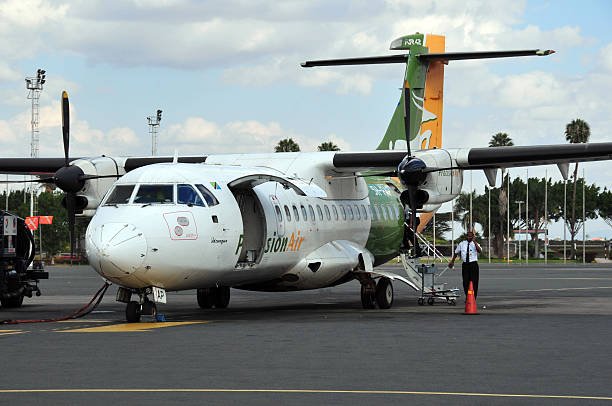
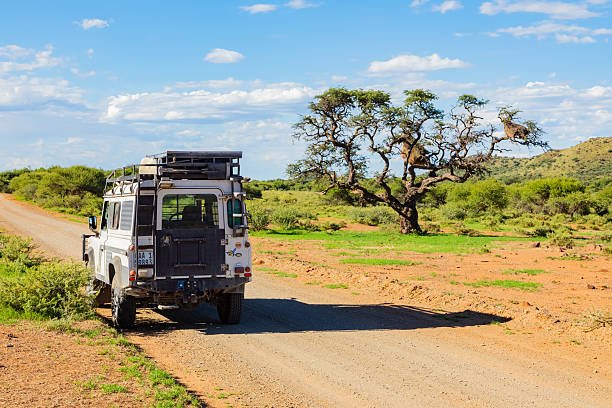
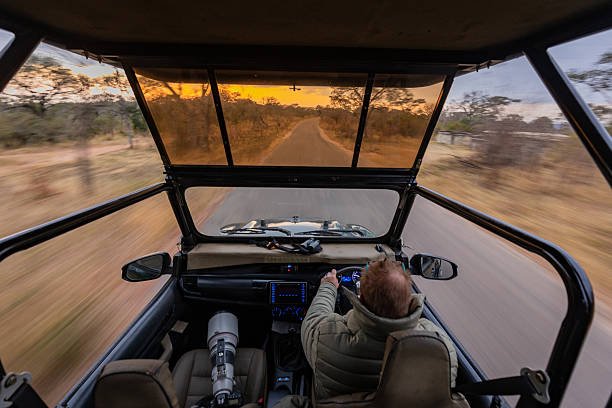
Mikumi National Park: Tanzania’s “Little Serengeti”
Mikumi National Park stands as a testament to Tanzania’s incredible biodiversity, often earning the nickname “Little Serengeti” due to its open grasslands and abundant wildlife that roams freely, reminiscent of its more famous northern counterpart. Located in the heart of Tanzania, it forms part of the vast Selous ecosystem, one of Africa’s largest conservation areas. This proximity means Mikumi benefits from migratory patterns and a consistently high density of animals, offering visitors a remarkably rewarding safari experience. For those planning a trip in 2026 or 2027, Mikumi presents a compelling option, balancing accessibility with the raw beauty of the African wilderness.
The park’s landscape is predominantly characterized by the Miombo woodlands, open savannahs, and floodplains, interspersed with acacia trees. This varied terrain supports a rich variety of fauna. Unlike some of the more frequently visited parks in the north, Mikumi is often less crowded, providing a more intimate and authentic safari encounter. Its relatively easy accessibility from Dar es Salaam, Tanzania’s largest city and a major transport hub, further enhances its appeal for both short and extended safari itineraries. Whether you are a first-time visitor to Tanzania or a seasoned safari-goer, Mikumi National Park promises a memorable adventure.
Why Choose Mikumi National Park for Your 2026-2027 Safari?
When considering a Tanzanian safari for the upcoming years, several factors make Mikumi National Park a standout choice:
- Abundant Wildlife Year-Round: Mikumi boasts a stable population of resident wildlife, ensuring excellent viewing opportunities regardless of the season. Its open plains make spotting animals relatively easy.
- Proximity and Accessibility: Situated just a 4-5 hour drive from Dar es Salaam, Mikumi is perfect for those with limited time or as a convenient starting or ending point for a longer southern circuit safari.
- Diverse Ecosystems: From the vast floodplains to the Miombo woodlands and the Kikoboga swamp, Mikumi offers varied habitats that support a wide array of species.
- Fewer Crowds: Compared to the Serengeti and Ngorongoro Crater, Mikumi typically experiences fewer tourists, offering a more personal and less rushed wildlife viewing experience.
- Cost-Effectiveness: Generally, safaris in Mikumi can be more budget-friendly than those in the northern circuit parks, allowing travelers to experience Tanzania’s wildlife wonders without an exorbitant cost, especially when booking for 2026 or 2027.
- The “Big Four”: While the leopard is elusive, Mikumi is home to elephants, lions, buffaloes, and rhinos (though rhinos are rare and protected within specific areas), alongside numerous other herbivores and a rich birdlife.
The park’s well-maintained road network allows for easy game drives, and its central location within the southern safari circuit makes it a logical inclusion in a multi-park itinerary. For travelers looking to explore beyond the typical northern circuit, Mikumi opens up a different, yet equally stunning, facet of Tanzania’s natural heritage.
The Best Time to Visit Mikumi National Park in 2026-2027
Timing your safari can significantly impact your experience. Mikumi National Park experiences two main seasons, each offering distinct advantages for wildlife viewing and overall travel comfort.
Dry Season (June to October)
The dry season is widely considered the prime time for a Mikumi National Park safari. During these months:
- Wildlife Concentration: As water sources become scarce, animals tend to congregate around the remaining waterholes and the Mkata River floodplains, making them easier to spot.
- Vegetation: The vegetation thins out, providing better visibility across the savannah.
- Pleasant Weather: Skies are generally clear, with lower humidity and comfortable temperatures during the day, though evenings can be cool.
- Road Conditions: Roads within the park are in excellent condition, facilitating smooth game drives.
This period, especially July to October, is peak season, so booking your Mikumi safari for 2026 or 2027 well in advance is highly recommended to secure preferred accommodation and ensure availability.
Wet Season (November to May)
The wet season, also known as the green season, brings its own unique charm and benefits:
- Lush Landscapes: The park transforms into a vibrant green paradise, with stunning scenery and a profusion of wildflowers.
- Birdwatching: Migratory birds arrive, making this an excellent time for bird enthusiasts. The birdlife is particularly spectacular from November to April.
- Fewer Tourists: This is the low or shoulder season, meaning fewer visitors and potentially lower prices for accommodation and tours.
- Calving Season: Many herbivores give birth during the early wet season (typically January and February), offering opportunities to see young animals.
While game viewing can be slightly more challenging due to thicker vegetation and scattered animals, the beauty of the landscape and the reduced crowds can make for a very rewarding experience. The rains are often in short, heavy bursts, usually in the afternoon, leaving mornings and evenings clear for game drives. For those looking for a more budget-friendly Mikumi safari in 2026-2027, the wet season can be an excellent choice.
Wildlife of Mikumi National Park: What to Expect
Mikumi National Park is renowned for its diverse and plentiful wildlife, offering visitors a chance to witness iconic African species in their natural habitat. The park is a sanctuary for a wide range of animals, from the smallest insects to the largest land mammals.
The “Big Four” and Beyond
While the leopard is notoriously shy, Mikumi is one of the few parks where you have a reasonable chance of spotting it, especially on early morning or late evening drives. The other members of the “Big Four” are commonly seen:
- Elephants: Large herds of elephants are a common sight, often seen near water sources or foraging in the woodlands.
- Lions: Mikumi is famous for its lion prides, which often bask on the savannah or can be found resting in the shade of acacia trees. They are less prone to climbing trees than their counterparts in Lake Manyara but are still a magnificent sight.
- Buffalo: Huge herds of buffalo can be found grazing on the open plains, often near water.
- Rhino: While rhinos are present, they are extremely rare and protected within a specific sanctuary area of the park. Sightings are exceptionally uncommon.
Herbivores Galore
The plains of Mikumi teem with a variety of herbivores, providing a constant source of activity and a rich food base for predators:
- Giraffes: The park’s iconic Masai giraffes are a frequent and graceful sight, often seen browsing on acacia leaves.
- Zebras: Large herds of zebras are a common feature of the Mikumi landscape.
- Wildebeest: Blue wildebeest are abundant, particularly during certain times of the year.
- Antelopes: Numerous antelope species inhabit the park, including impala, greater kudu, eland, sable antelope, hartebeest, and waterbuck.
- Warthogs: The common warthog is often seen rooting for food in the grasslands.
Predators and Smaller Mammals
Beyond the lions, Mikumi is home to other predators and smaller mammals:
- Wild Dogs: African wild dogs are present, though sightings are rare.
- Cheetahs: Cheetahs can occasionally be spotted on the open plains, hunting.
- Hyenas: Spotted hyenas are common and can be seen scavenging or hunting.
- Crocodiles: Large Nile crocodiles inhabit the Mkata River and surrounding swamps.
- Baboons and Monkeys: Olive baboons and various monkey species, such as the yellow baboon and vervet monkey, are frequently encountered.
Birdlife
Mikumi National Park is a paradise for birdwatchers, with over 400 recorded species. The birdlife is particularly vibrant during the wet season when migratory birds are present. Key species include:
- Secretary birds
- Kestrels
- Hornbills (various species)
- Guinea fowl
- Lilac-breasted rollers
- Fish eagles
- Kingfishers
- Cranes
The Mkata floodplains and the Hippo pools are excellent spots for birdwatching, offering diverse avian life.
Activities and Experiences on a Mikumi National Park Safari
A safari in Mikumi National Park is primarily focused on game drives, but the experience can be enriched with other activities and considerations.
Game Drives
Game drives are the cornerstone of any Mikumi National Park safari. The park’s open terrain and well-maintained road network make it ideal for exploring in a 4×4 safari vehicle.
- Morning Drives: These typically start at sunrise, the best time to catch predators on the move and animals actively feeding before the heat of the day.
- Afternoon/Evening Drives: Drives continue until sunset, offering chances to see nocturnal animals beginning to stir. Special permits are required for night game drives, which are usually offered by lodges just outside the park boundaries.
- Full-Day Drives: For those wanting to maximize their time, a full-day game drive allows for exploration of different sections of the park, often including a picnic lunch.
The Mkata Plains are the heart of game viewing, offering panoramic vistas and abundant wildlife sightings. The Udzungwa Mountains National Park, bordering Mikumi to the south, offers opportunities for guided nature walks and birdwatching, though these are separate activities requiring different permits and arrangements.
Photography
Mikumi is a photographer’s dream. The open plains and readily visible wildlife provide ample opportunities for capturing stunning wildlife images. Early morning and late afternoon light offer the best conditions for photography, with golden hues and softer shadows. The presence of large herds and iconic species like lions and elephants ensures that photographers will have plenty of subjects.
Birdwatching
As mentioned, Mikumi is a significant birding destination. Dedicated birdwatching excursions can be arranged, focusing on the diverse avian species present, especially during the migratory season from November to April. The Hippo pools are a particularly popular spot for observing water birds.
Cultural Encounters
While Mikumi National Park itself is focused on wildlife, nearby communities offer opportunities for cultural interactions. These might include visits to local villages or markets, providing insight into the daily lives of the Tanzanian people. Such excursions are typically arranged as part of a broader tour package.
Planning Your Mikumi National Park Safari Itinerary for 2026-2027
A well-planned itinerary is key to a successful Mikumi National Park safari. The duration and focus of your trip will depend on your interests and overall travel plans in Tanzania.
Typical Safari Durations
- 1-Night/2-Day Safari: This is a short but rewarding introduction, often taken as a quick getaway from Dar es Salaam. It allows for two substantial game drives and a glimpse of the park’s highlights.
- 2-Nights/3-Day Safari: This is a popular choice, offering a more relaxed pace and the chance to explore different areas of the park. It allows for more in-depth game viewing and a better chance of spotting a wider variety of animals.
- 3-Nights/4-Day Safari: Ideal for dedicated wildlife enthusiasts or those combining Mikumi with other southern circuit parks. This duration allows for deeper exploration and potentially venturing into less-visited areas.
Sample Itinerary: 3-Day Mikumi Explorer (2026-2027)
Day 1: Arrival in Mikumi & Afternoon Game Drive
Depart from Dar es Salaam after breakfast and drive to Mikumi National Park (approx. 4-5 hours). Check into your lodge or camp. After lunch, start your first thrilling game drive in the Mkata Plains, searching for lions, elephants, giraffes, and zebras.
Day 2: Full Day Game Drive in Mikumi
Spend the entire day exploring Mikumi National Park. Enjoy a picnic lunch amidst the wilderness. Focus on different sectors of the park, seeking out elusive predators and diverse antelope species. Your guide will help you discover the best wildlife viewing spots.
Day 3: Morning Game Drive & Departure
Enjoy an early morning game drive, a prime time for wildlife activity. After breakfast, begin your journey back to Dar es Salaam, with a stop for lunch en route. You’ll arrive back in Dar es Salaam in the late afternoon.
Combining Mikumi with Other Parks
Mikumi is an excellent gateway to the southern circuit. It can be seamlessly combined with:
- Ruaha National Park: Tanzania’s largest national park, known for its dramatic landscapes and
Check Availability for Mikumi National Park Safari 2026-2027
Ready to compare dates, prices, and the best option for your group? Send the package name and travel month so the team can reply with a clear quote, availability, and what is included.
12 closely related packages
Mikumi National Park Day Trip Cost: Planning Your Safari Adventure 2026-2027
Planning a day trip to Mikumi National Park? This guide breaks down the expected Mikumi National Park day trip cost for 2026-2027, covering essential inclusions and how to get the best...
View package details
Affordable Mikumi Safari Prices: Your Guide To Budget-Friendly Adventures
Planning an affordable safari in Mikumi National Park? This guide breaks down Mikumi safari prices for 2026-2027, detailing what influences costs and how to find the best value for your...
View package details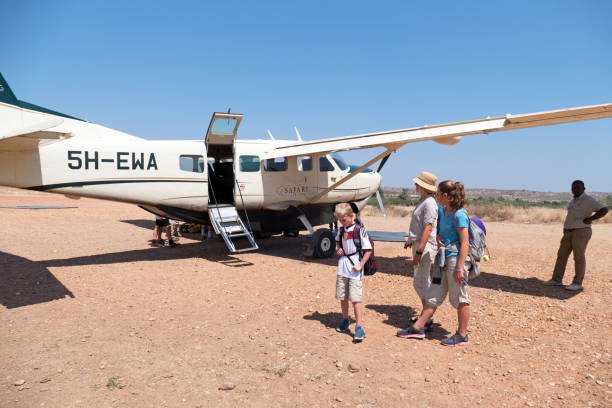
Mikumi Safari Package Costs: Your Planning Guide 2026-2027
Planning a safari to Mikumi National Park? Understand the costs involved in Mikumi safari packages for 2026-2027, including what influences pricing and how to get the best value for your...
View package details
Mikumi Camping Fees: Your Guide To Safari Costs 2026-2027
Planning a safari in Mikumi National Park and need to know about camping fees? This comprehensive guide breaks down the costs for park entry, camping permits, and associated expenses for...
View package detailsMikumi Safari Cost From Dar Es Salaam: Your Guide 2026-2027
Planning a Mikumi safari from Dar es Salaam? This guide details the typical costs for 2026-2027, breaking down what influences your safari budget, what's usually included, and how to get...
View package detailsMikumi Game Drive Prices: Your Essential Guide 2026-2027
This comprehensive guide breaks down Mikumi game drive prices for 2026-2027, detailing what influences costs, typical inclusions, and how to get the best value for your Tanzania safari...
View package details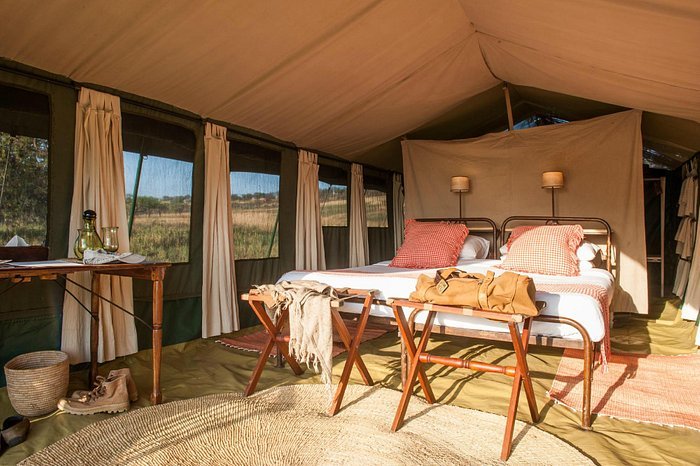
Mkomazi National Park: Your Ultimate Tanzania Safari Guide 2026-2027
Mkomazi National Park is a vast, semi-arid wilderness in northern Tanzania, celebrated for its successful conservation efforts, particularly with endangered black rhinos and reintroduced...
View package details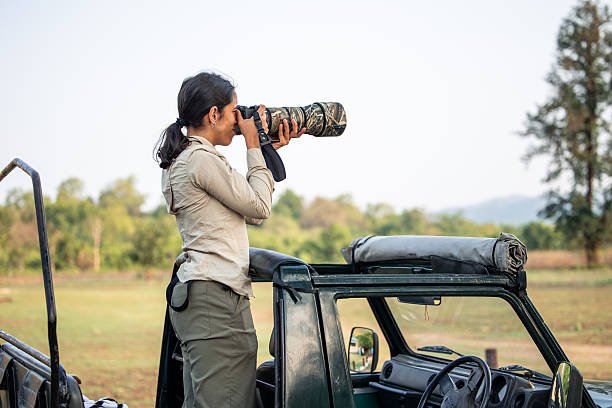
Gombe National Park Tour Prices: Safari Cost Guide 2026-2027
Discover the cost of a Gombe National Park tour, focusing on chimpanzee trekking experiences. This guide details factors influencing prices for 2026-2027, including accommodation, duration...
View package details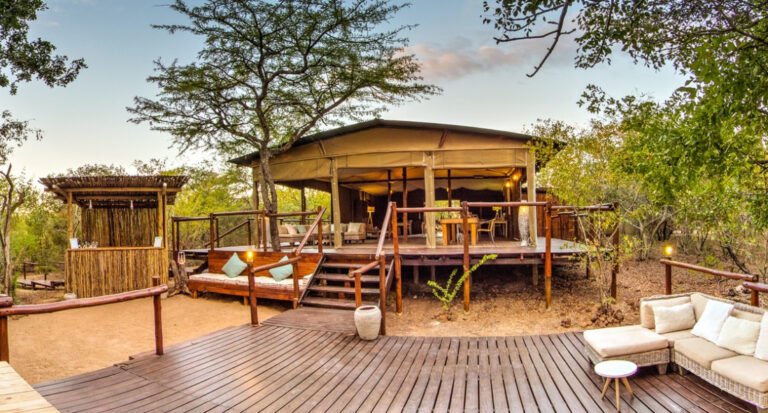
Katavi National Park Tour Cost: Planning Your Safari Budget 2026-2027
Discover the estimated costs for a Katavi National Park safari tour in 2026-2027. This guide breaks down pricing factors, typical inclusions, and how to budget for your adventure in...
View package detailsKatavi National Park Entry Fees And Safari Prices For 2026-2027
Planning a safari to Katavi National Park? This guide details the essential entry fees and safari package prices for 2026-2027, helping you budget for an unforgettable adventure in one of...
View package detailsNyerere National Park Entry Fees And Safari Prices For 2026-2027
Planning a safari to Nyerere National Park (formerly Selous Game Reserve) involves understanding various entry fees and safari package prices. This guide details the costs for 2026-2027...
View package details
Nyerere National Park (Selous): Your Ultimate Tanzania Safari Guide 2026-2027
Explore Nyerere National Park (formerly Selous Game Reserve), Tanzania's largest protected area, offering diverse wildlife, unique safari experiences like boat safaris, and vast, untamed...
View package detailsNo related package matches those filters. Clear one or more filters to see the other topic-matched options.



