
Mikumi National Park camping fees for 2026-2027 typically include a daily park entry fee per person, a camping fee per person per night, and vehicle entry fees, with exact amounts set by Tanzania National Parks Authority (TANAPA). These fees are crucial for budgeting your safari, alongside costs for accommodation, guides, transport, and meals. Expect to pay approximately $50-$60 USD per person per day for park entry and camping in designated campsites, with potential variations for different campsite types and nationalities.
Understanding Mikumi Camping Fees: A Comprehensive 2026-2027 Breakdown
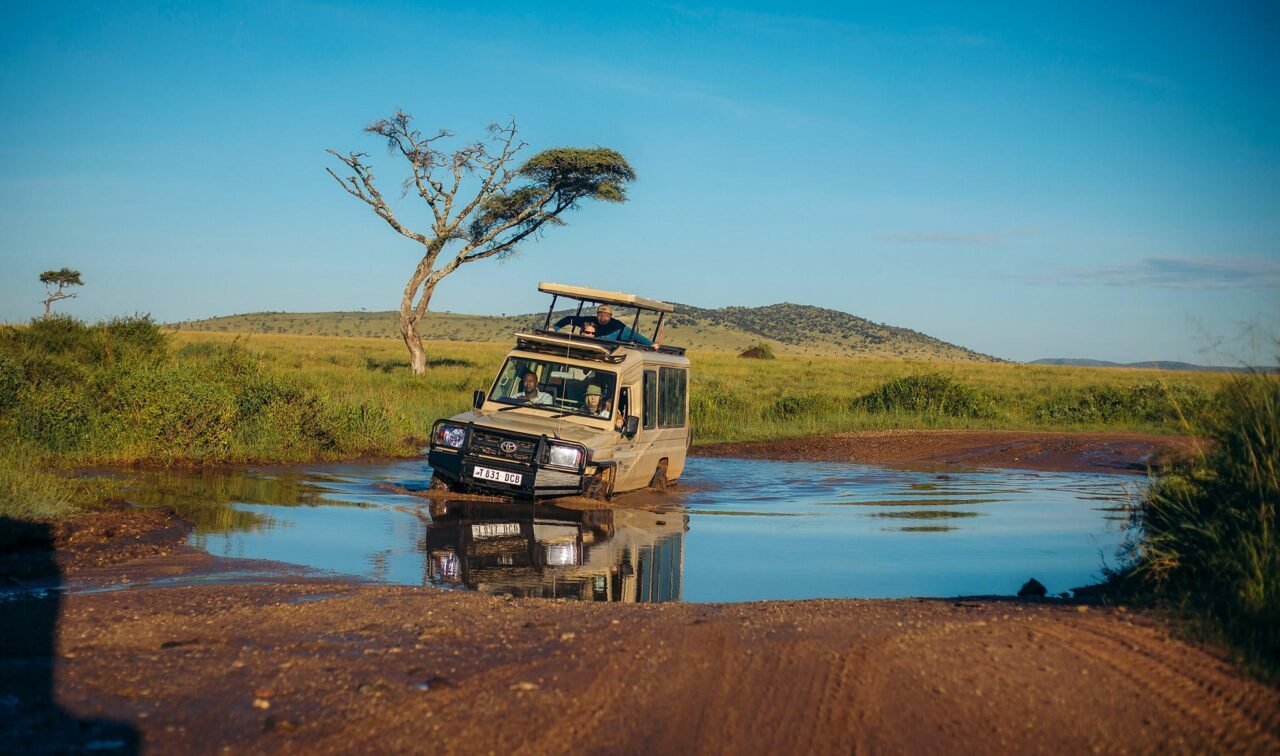
For many travelers seeking an authentic and budget-friendly safari experience in Tanzania, camping within national parks is a highly attractive option. Mikumi National Park, often called the ‘Serengeti of the South’ due to its abundant wildlife and open plains, offers excellent opportunities for camping. However, planning a safari involves understanding all associated costs, and Mikumi camping fees are a significant component of your overall safari budget. This guide will detail the various fees you can expect to encounter for Mikumi camping fees in the 2026-2027 travel seasons, providing clarity to help you plan your adventure with Top Guide Adventures.
TANAPA (Tanzania National Parks Authority) is responsible for setting and collecting all fees within national parks. These fees are subject to change, though significant increases are usually announced well in advance. For 2026 and 2027, it is essential to budget based on current rates while staying informed of any potential updates. Our aim at Top Guide Adventures is to provide transparent information so you can make informed decisions about your dream safari.
Key Components of Mikumi Camping Fees
When you decide to camp inside Mikumi National Park, your expenses will generally fall into several categories:
- Park Entry Fees: A daily fee charged to every visitor entering the park.
- Camping Fees: A nightly fee for each person staying at a designated campsite within the park.
- Vehicle Fees: A fee for the safari vehicle entering the park, often charged per day or per entry.
- Special Campsite Fees (if applicable): Some parks have designated public campsites and special (more secluded/basic) campsites, with the latter often incurring higher fees.
Understanding these individual components is key to grasping the total Mikumi camping fees structure. We will explore each in more detail.
Park Entry Fees for Mikumi National Park (2026-2027)
The park entry fee is a mandatory charge for every person, regardless of age, for each 24-hour period spent inside Mikumi National Park. These fees are vital for park conservation, infrastructure development, and anti-poaching efforts.
Fee Structure by Nationality
TANAPA distinguishes fees based on nationality to cater to different traveler demographics. For 2026-2027, you can generally expect the following:
- Foreign Non-Residents: This category typically faces the highest park entry fees, reflecting international visitor pricing. Historically, this has been around $50 USD per person per day.
- Foreign Residents: Individuals residing in Tanzania with valid work permits or residency status often pay a reduced fee compared to non-residents. This might be in the range of $30 USD per person per day.
- Tanzanian Citizens: Citizens of Tanzania pay the lowest fees, often around 10,000 TZS per person per day.
It is crucial to have proof of your residency status if you are applying for the resident rate. For most international travelers booking through Top Guide Adventures, the Foreign Non-Resident fee of approximately $50 USD per person per day will apply to your Mikumi camping fees calculation.
Duration and Calculation
The park entry fee is charged on a 24-hour basis. If your safari extends beyond a full 24-hour period on your final day, you may be charged for an additional day. For example, if you enter the park at 10:00 AM on day one and exit at 4:00 PM on day two, you will be charged for two full days of park entry. This is a standard practice across most Tanzanian national parks.
Mikumi National Park Camping Fees Per Night (2026-2027)
In addition to park entry, there is a separate fee for the privilege of camping within the park boundaries. These Mikumi camping fees directly contribute to the upkeep of campsites and associated facilities.
Designated Campsites and Their Costs
Mikumi National Park has several designated campsites. The most common are the public campsites, which offer basic facilities. For 2026-2027, expect the following rates:
- Public Campsites: These are the most accessible and affordable camping options. The fee is typically around $30 USD per person per night for Foreign Non-Residents.
- Special Campsites: Mikumi also has a few special campsites, which are often more remote and offer a more exclusive, wild camping experience. These may incur higher fees, potentially ranging from $50 to $100 USD per person per night, depending on the specific site and its location.
Top Guide Adventures often recommends specific campsites based on your itinerary and desired level of comfort or seclusion. When discussing your safari plans for 2026 or 2027, we will clarify which campsite type is included in your package and the associated Mikumi camping fees.
What Do Camping Fees Cover?
The camping fees generally cover the right to pitch your tent at a designated site. Basic facilities often include:
- A cleared area for tents.
- Access to a basic ablution block (pit latrine or long-drop toilet).
- Sometimes, a simple cooking area or shelter.
- Limited water availability (often requiring purification or bringing your own).
It’s important to note that these are basic facilities. There are no luxurious amenities like hot showers or electricity at most public campsites. This is part of the wild camping experience that many travelers cherish.
Vehicle Entry Fees for Mikumi Safaris (2026-2027)
Safari vehicles also incur fees for entering and operating within the national park. These fees are typically paid by the tour operator but are factored into the overall safari cost.
Standard Fees and Considerations
For a standard safari vehicle (e.g., a 4×4 Land Cruiser), the vehicle entry fee is usually charged per day. While the exact amount can fluctuate, expect it to be in the region of $30-$40 USD per vehicle per day for 2026-2027. This fee is essential for maintaining park roads and supporting the park’s operational needs.
When you book a safari with Top Guide Adventures, all necessary vehicle entry fees are included in your package, ensuring a hassle-free experience. We manage these payments directly with TANAPA.
Total Estimated Mikumi Camping Fees for a Safari (2026-2027)
To give you a clearer picture, let’s estimate the total Mikumi camping fees for a typical safari scenario for a foreign non-resident traveler in 2026-2027.
Consider a 3-day/2-night safari staying in a public campsite:
- Park Entry Fee: $50 USD/person/day x 3 days = $150 USD per person
- Camping Fee: $30 USD/person/night x 2 nights = $60 USD per person
- Vehicle Fee: $35 USD/vehicle/day x 3 days = $105 USD per vehicle (this cost is shared among travelers in the vehicle)
Total Per Person (excluding shared vehicle fee): $150 + $60 = $210 USD
Total Per Person (including shared vehicle fee, assuming 4 people): $210 + ($105 / 4) = $210 + $26.25 = $236.25 USD
This calculation provides a baseline. Your actual costs will depend on the duration of your stay, the type of campsite chosen, and the number of people in your group. These figures are estimates for 2026-2027 and are subject to TANAPA’s official rates.
Important Note on Fees
All fees are subject to change by TANAPA. While we strive to provide the most current information for 2026-2027, it is always best to confirm the latest rates with Top Guide Adventures at the time of booking. We include all mandatory park and camping fees in our safari quotes to ensure full transparency.
Choosing Your Campsite in Mikumi
Mikumi National Park offers a few different camping experiences, each with its own characteristics and associated Mikumi camping fees. Understanding these options helps in tailoring your safari to your preferences.
Public Campsites
These are the most common and widely used campsites. They are strategically located within the park to offer relatively easy access to game drive routes.
- Facilities: Basic. Expect pit latrines, a communal washing area, and sometimes a simple shelter for cooking.
- Atmosphere: Can be busier, especially during peak seasons. You might share the campsite with other safari groups.
- Cost: Generally the most affordable option, around $30 USD per person per night for foreign non-residents.
- Examples: Kikobogo, Msingisi.
Special Campsites
These are fewer in number and are often situated in more remote or scenic locations. They are designed for a more exclusive and wild camping experience.
- Facilities: Minimal to none. You might just get a designated clearing. You will need to be entirely self-sufficient.
- Atmosphere: Very private, offering a true wilderness feel. Ideal for those seeking solitude and a deeper connection with nature.
- Cost: Higher than public campsites, potentially ranging from $50 to $100 USD per person per night.
- Examples: Some special campsites might be available in more secluded areas, offering unparalleled night sky views and wildlife proximity.
Top Guide Adventures can help you select the best campsite based on your interests, whether you prioritize budget, convenience, or a remote wilderness experience for your 2026-2027 safari.
What to Bring for Camping in Mikumi
Camping in Mikumi is a fantastic way to experience the wild, but it requires preparation. Your packing list should focus on essentials for self-sufficiency, especially if you opt for a special campsite.
Essential Camping Gear
- Tent: A sturdy, waterproof tent suitable for safari conditions.
- Sleeping Bag and Mat: For warmth and comfort.
- Headlamp/Torch: Essential for navigating at night.
- Insect Repellent: Crucial for protection against mosquitoes and other insects.
- Sunscreen and Hat: For protection against the strong African sun.
- Reusable Water Bottle: Staying hydrated is key.
- Basic First-Aid Kit: For minor injuries.
- Toiletries: Biodegradable options are preferred.
- Warm Clothing: Evenings can get cool.
- Camera and Binoculars: To capture memories and spot wildlife.
Top Guide Adventures provides safari vehicles equipped for camping, often including cooking equipment and camping chairs. We will discuss specific inclusions for your 2026-2027 safari during the planning phase.
Beyond Camping Fees: Other Safari Costs in Mikumi
While Mikumi camping fees are a significant part of your budget, they are not the only expenses. A comprehensive safari budget must account for several other elements.
Accommodation (if not camping)
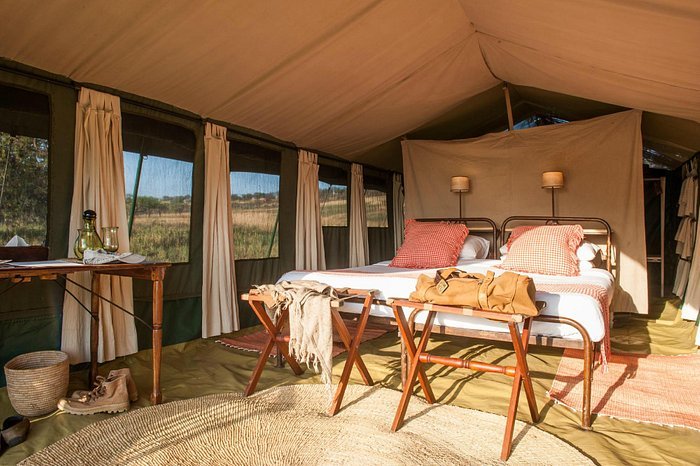
Mikumi offers a range of lodges and tented camps, from mid-range to luxury. These options provide more comfort and amenities than public campsites but come at a higher price point. Lodge fees can range from $100 to $500+ USD per person per night, depending on the standard.
Safari Vehicle and Guide
A reliable 4×4 safari vehicle and an experienced guide are indispensable. The cost typically includes the vehicle, fuel, and the guide’s fee. This is often quoted as a daily rate, ranging from $250 to $400 USD per day per vehicle, shared among passengers.
Meals and Drinks
If you are camping, you will need to budget for food. This can be done through:
- Self-Catering: Buying supplies and cooking yourself (requires planning and a suitable vehicle).
- Camp Cook: Hiring a cook to prepare meals for your group.
- Picnic Lunches: Often provided by tour operators for day trips or lunch breaks.
For lodge-based safaris, meals are usually included in the accommodation price, but drinks are often extra.
Tips for Guides and Staff
Tipping is customary and appreciated in Tanzania. Budget for tips for your safari guide and any camp staff who assist you. A general guideline is $20-$30 USD per day for the guide, shared among the guests, and smaller amounts for other staff.
Other Potential Costs
- Gratuities for lodge staff.
- Souvenirs and personal shopping.
- Travel Insurance (highly recommended).
- Visa fees for Tanzania.
- Gratuities for lodge staff.
- Internal flights if applicable.
Top Guide Adventures aims to provide detailed quotes that clearly outline what is included and excluded, helping you manage all aspects of your safari budget for 2026-2027.
Maximizing Your Safari Experience: Tips for 2026-2027
Planning a safari is exciting, and with a little foresight, you can ensure your trip to Mikumi is unforgettable and within your budget.
Booking in Advance
For 2026 and 2027 safaris, especially during peak seasons (June-October and December-February), booking well in advance is highly recommended. This secures your preferred accommodation, campsites, and guides, and can sometimes help lock in current pricing before any potential increases.
Choosing the Right Time to Visit
Mikumi is a year-round destination, but wildlife viewing conditions vary:
- Dry Season (June-October): Best for game viewing as animals congregate around water sources. This is also peak tourist season, meaning higher demand and potentially busier campsites.
- Green Season (November-May): Lush landscapes, fewer crowds, and lower prices (outside of Christmas/New Year). Birdwatching is excellent during this period. The shoulder months (April-May and November) can offer a good balance of conditions and fewer crowds.
Consider the Mikumi camping fees and overall safari costs, which might see slight variations between seasons, though park fees are generally stable.
Working with a Trusted Tour Operator
A reputable tour operator like Top Guide Adventures simplifies the planning process immensely. We handle:
- Arranging park permits and campsite bookings.
- Providing experienced guides and suitable safari vehicles.
- Planning logistics, including routes and meal arrangements.
- Ensuring all Mikumi camping fees and park charges are correctly accounted for in your quote.
Our team is dedicated to creating personalized itineraries that match your interests and budget for your 2026-2027 Tanzanian adventure.
Mikumi National Park: A Gem in Southern Tanzania
Mikumi National Park is the fourth-largest park in Tanzania and is renowned for its accessibility and diverse wildlife. Located in the south-central part of the country, it forms part of the larger Selous ecosystem.
Wildlife Highlights
Mikumi boasts a spectacular array of wildlife, including:
- The Big Four: Lion, Leopard, Elephant, and Buffalo are commonly sighted. While Rhinos are present, they are more elusive.
- Herds: Large herds of wildebeest, zebras, giraffes, and various antelopes (like impala, kudu, and eland) roam the plains.
- Birds: Over 400 bird species have been recorded, making it a haven for birdwatchers.
- Unique Sightings: The park is famous for its large pythons, often seen basking or crossing the roads.
The Landscape
The park’s landscape is characterized by:
- Open Plains: Similar to the Serengeti, vast grasslands dominate, offering excellent game viewing.
- Miombo Woodlands: Denser forests that provide habitat for different species.
- River Valleys: Lush areas supporting diverse flora and fauna.
- The Mkata Floodplain: A central, highly productive area known for its abundant wildlife.
Camping in Mikumi allows you to be right in the heart of this stunning natural environment, waking up to the sounds of the bush.
Comparing Camping vs. Lodge Safaris in Mikumi
The choice between camping and staying in lodges significantly impacts your budget and overall safari experience. Understanding the differences is key to planning your 2026-2027 trip.
Camping Safari Advantages
- Cost-Effective: Significantly cheaper than lodge stays, especially when considering the Mikumi camping fees versus accommodation rates.
- Authentic Experience: Offers a closer connection to nature, the sights, and sounds of the African bush.
- Flexibility: Can allow for more spontaneous game drives and exploration.
- Unique Atmosphere: Enjoying evenings around a campfire under the stars is a memorable part of the experience.
Lodge Safari Advantages
- Comfort and Amenities: Provides comfortable beds, private bathrooms, hot showers, and often swimming pools and restaurants.
- Convenience: Meals are prepared for you, and facilities are readily available.
- Security: Lodges are often fenced and have staff providing a higher level of security.
- Relaxation: Offers a more relaxed pace with opportunities to unwind in comfort after game drives.
Cost Comparison (Illustrative for 2026-2027)
For a 3-day/2-night safari per person (Foreign Non-Resident):
- Camping Safari: Approx. $236 USD (including shared vehicle fee, park entry, and public campsite fees). This excludes meals if not provided, tips, and personal expenses.
- Mid-Range Lodge Safari: Approx. $600 – $900 USD (including park entry, vehicle, guide, and mid-range lodge accommodation with meals).
- Luxury Lodge Safari: Approx. $1000+ USD (including premium lodge accommodation, all park fees, private vehicle, guide, and meals/drinks).
The Mikumi camping fees make camping a very attractive option for budget-conscious travelers or those seeking a more rustic adventure in 2026-2027.
Frequently Asked Questions About Mikumi Camping Fees
Here are some common questions travelers have regarding Mikumi camping fees and safari planning.
Q1: Are Mikumi camping fees negotiable?
A: No, Mikumi camping fees are set by TANAPA and are non-negotiable. Tour operators like Top Guide Adventures include these official rates in their quotes. We advise against operators offering significant discounts on park and camping fees, as this may indicate non-compliance or lower quality service.
Q2: Can I camp anywhere in Mikumi National Park?
A: No, you must camp only in designated campsites. Camping outside these areas is strictly prohibited and can result in penalties. TANAPA manages these sites to ensure conservation and safety.
Q3: Do I need to book campsites in advance?
A: Yes, especially for special campsites and during peak seasons (June-October, December-February) for 2026-2027. Advance booking is highly recommended to secure your spot. Top Guide Adventures handles all necessary bookings as part of your safari package.
Q4: What is the difference between public and special campsites in Mikumi?
A: Public campsites are more basic, often busier, and cheaper (approx. $30 USD pp/night). Special campsites are more secluded, offer a wilder experience, have minimal facilities, and are more expensive (approx. $50-$100 USD pp/night).
Q5: Are meals included when camping in Mikumi?
A: This depends on your safari package. If you book a camping safari with Top Guide Adventures, we can arrange for a cook to accompany you and prepare meals, or we can provide picnic lunches. If you are self-driving or booking only park services, you would need to arrange your own food supplies and cooking.
Q6: What currency are the Mikumi camping fees charged in?
A: Fees for foreign visitors are typically quoted and paid in USD. Tanzanian citizens pay in Tanzanian Shillings (TZS).
Q7: Will Mikumi camping fees change significantly in 2026-2027?
A: TANAPA reviews fees periodically. While minor adjustments are possible, major hikes are usually announced in advance. We monitor these changes closely to provide accurate pricing for your 2026-2027 trips.
Q8: Can I pay the Mikumi camping fees directly at the park gate?
A: While some fees can be paid at the gate, it’s generally more efficient and recommended to have your tour operator handle all payments in advance. This ensures smooth entry and campsite allocation, especially for special campsites.
Planning Your 2026-2027 Mikumi Safari with Top Guide Adventures
Choosing Top Guide Adventures for your Mikumi safari means partnering with a team that understands the intricacies of Tanzanian travel, including all the necessary Mikumi camping fees. We are committed to providing exceptional service, personalized itineraries, and transparent pricing.
Our Commitment to You
- Expert Guidance: Benefit from our extensive knowledge of Mikumi and other Tanzanian parks.
- Tailor-Made Itineraries: We craft safaris that fit your interests, pace, and budget, whether you prefer camping or lodge stays.
- Transparent Pricing: All costs, including park entry, camping fees, vehicle hire, guide services, and accommodation, are clearly outlined in your quote.
- Support: We offer dedicated support from the moment you inquire until after your safari concludes.
We are excited to help you plan an unforgettable adventure for 2026 or 2027. Whether you dream of sleeping under the stars in a Mikumi campsite or enjoying the comforts of a lodge, we can make it happen.
Ready to Plan Your Mikumi Adventure?
Contact Top Guide Adventures today to discuss your dream safari! We will provide a detailed itinerary and a clear quote that includes all relevant Mikumi camping fees and other essential costs for your 2026-2027 trip.
WhatsApp: +255616946642
Email: topguideadventures@gmail.com
Backup Email: info@topguideadventurestanzania.com
Visit our website for more information on our services and sample itineraries: Top Guide Adventures Tanzania.
By understanding the breakdown of Mikumi camping fees and other associated costs, you can confidently plan your safari for 2026-2027. Let Top Guide Adventures guide you through the planning process, ensuring a smooth and incredible wildlife experience in the heart of Tanzania.
Check Availability for Mikumi Camping Fees: Your Guide To Safari Costs 2026-2027
Ready to compare dates, prices, and the best option for your group? Send the package name and travel month so the team can reply with a clear quote, availability, and what is included.
Tanzania Camping Fees Guide: Understanding Safari Costs For 2026-2027
Planning a Tanzania safari in 2026 or 2027? This guide breaks down the essential Tanzania camping fees, including park entrance, accommodation, and other costs, to help you budget...
View package detailsSaadani Camping Fees Explained For Safaris | Top Guide Adventures 2026-2027
Planning a camping trip to Saadani National Park? This guide breaks down the essential camping fees for 2026-2027, including park entry, campsite charges, and activity costs, helping you...
View package details
Tanzania Attraction Entry Fees: Guide To Park And Reserve Costs For 2026-2027
Planning a trip to Tanzania? This comprehensive guide details the essential Tanzania attraction entry fees for 2026-2027, covering national parks, conservation areas, and cultural sites...
View package details
Tanzania Safari Prices Including Park Fees: A Comprehensive Guide 2026-2027
Planning a Tanzania safari means understanding the total cost, which heavily relies on park fees. This guide breaks down typical Tanzania safari prices, detailing what park entrance fees...
View package details
Tanzania Conservation Fees Explained: Your Guide 2026-2027
Demystifying Tanzania's conservation fees is crucial for planning your safari or climb. This guide details the essential costs for national parks, reserves, and Mount Kilimanjaro for...
View package details
Tanzania National Park Entry Fees: A Complete Guide For 2026-2027
Planning a Tanzanian safari? This guide breaks down the 2026-2027 entry fees for all major national parks, helping you budget effectively for Serengeti, Ngorongoro, and beyond.
View package detailsMkomazi National Park Entry Fees: Your Guide 2026-2027
Planning a safari to Mkomazi National Park? This comprehensive guide details the latest entry fees for 2026-2027, covering adults, children, and vehicle charges, helping you budget...
View package details
Serengeti Luxury Safari Cost Vs. Budget Safaris: Your Comparison Guide
This guide breaks down the cost differences between luxury and budget safaris in the Serengeti for 2026-2027. Understand what you get for your money, from accommodation and transport to...
View package details
Serengeti National Park Game Drive Prices Explained For Adventures 2026-2027
Planning a Serengeti safari in 2026 or 2027? This guide breaks down Serengeti National Park game drive prices, explaining all the factors that influence your safari cost. Discover what's...
View package detailsTanzania Group Safari Cost Guide
Planning a Tanzania group safari in 2026-2027? This comprehensive guide breaks down the Tanzania group safari cost, detailing what influences prices, typical inclusions, and how to budget...
View package details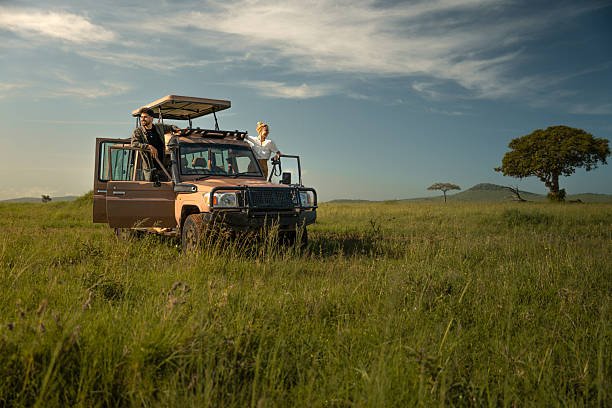
Tanzania Budget Safari Prices: Your Guide To Affordable Adventures 2026-2027
Planning a budget safari in Tanzania for 2026 or 2027? Understand the typical price ranges, what influences costs, and how to get the most value for your money. This guide breaks down the...
View package details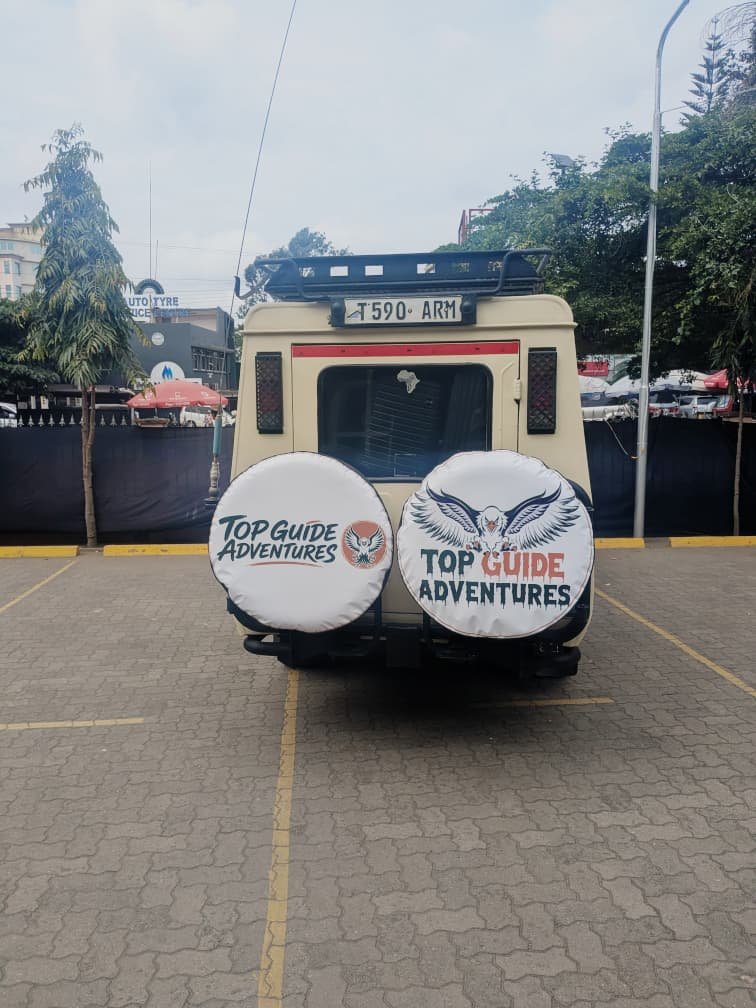
Tanzania Family Safari Cost: Planning Your Adventure 2026-2027
Planning a family safari in Tanzania for 2026 or 2027? This comprehensive guide breaks down the Tanzania family safari cost, detailing what influences your budget, typical price ranges, and...
View package detailsNo related package matches those filters. Clear one or more filters to see the other topic-matched options.



