
Malawi offers a rich travel experience focused on its stunning freshwater lake, diverse wildlife parks, and welcoming culture, making it an ideal destination for travelers seeking authentic African adventures, particularly for trips planned for 2026 and 2027. Key highlights include exploring Lake Malawi National Park, spotting elephants and lions in Majete Wildlife Reserve, experiencing local village life, and hiking in the Mulanje Massif, all supported by a growing tourism infrastructure and the genuine warmth of its people.
Discovering Malawi: The Warm Heart of Africa Awaits
Malawi, often affectionately called the “Warm Heart of Africa,” is a landlocked country in Southeastern Africa that punches well above its weight in terms of natural beauty, cultural richness, and authentic travel experiences. Unlike some of its more famous neighbours, Malawi offers a more intimate and less crowded encounter with the continent, characterized by incredibly friendly locals, impressive landscapes, and a diverse array of activities. For travelers planning their next big trip, especially looking towards 2026 and 2027, Malawi presents a compelling case for an unforgettable journey.
This comprehensive guide is designed to provide you with all the essential information needed to plan your Malawi adventure. We will explore its most iconic attractions, from the vast, shimmering expanse of Lake Malawi to the re-emerging wildlife populations in its national parks. You’ll learn about the best times to visit, how to get around, what to pack, and how to engage respectfully with Malawian culture. Whether you’re an avid wildlife enthusiast, a water sports lover, a cultural explorer, or simply seeking a serene escape, Malawi has something profound to offer.
At Top Guide Adventures, we specialize in crafting tailor-made journeys across East Africa, and while our primary focus is Tanzania, we understand the interconnectedness of regional travel and the unique allure of destinations like Malawi. We believe in providing personalized attention and dedicated support to ensure every client’s adventure is as smooth and enriching as possible. As you consider Malawi for your 2026 or 2027 travels, let this guide be your first step towards discovering its magic.
Why Choose Malawi for Your 2026-2027 Travels?
The decision to visit Malawi is often driven by a desire for a more authentic and less commercialized African travel experience. In an era where sustainable and responsible tourism is increasingly valued, Malawi stands out. Here’s why it should be high on your list for 2026-2027:
- Lake Malawi’s Unrivaled Beauty: Covering about a third of the country, this vast freshwater lake is the dominant feature and a primary draw. Its clear, warm waters, dotted with tropical fish and sandy beaches, offer unparalleled opportunities for relaxation and recreation.
- Revitalized Wildlife Destinations: Significant conservation efforts in recent years have transformed parks like Majete Wildlife Reserve into thriving wildlife havens, offering incredible safari experiences that rival those in more established parks. Liwonde National Park and Nyika National Park also offer unique ecosystems.
- Rich Cultural Encounters: Malawians are renowned for their friendliness and hospitality. Opportunities to visit local villages, interact with communities, and learn about traditional ways of life are abundant and genuinely enriching.
- Stunning Natural Landscapes: Beyond the lake, Malawi boasts dramatic highlands like the Mulanje Massif and the Zomba Plateau, offering excellent hiking, birdwatching, and scenic viewpoints.
- Affordability and Value: Compared to many other safari destinations in Africa, Malawi generally offers better value for money, making it an accessible option for a wider range of travelers planning for 2026-2027.
- Less Crowded Experience: Malawi’s tourism sector is still developing, meaning you’re less likely to encounter large tourist crowds, allowing for more personal and intimate interactions with nature and culture.
Planning Your Malawi Adventure: Best Time to Visit (2026-2027)
Understanding Malawi’s climate is crucial for planning your trip. The country has distinct seasons that impact wildlife viewing, activities, and overall travel comfort. The general best time to visit for most activities, including safaris and lake-based excursions, is during the dry season.
The Dry Season (May to October)
This is widely considered the prime time to visit Malawi. The weather is pleasant, with sunny days and cooler evenings, especially in the highlands. Rainfall is minimal to non-existent, making travel easier and improving wildlife viewing opportunities.
- May-June: The end of the rainy season. Landscapes are still green and lush, and the air is fresh. Wildlife begins to congregate around water sources as smaller pools dry up. Temperatures are moderate.
- July-September: Peak dry season. Vegetation thins out, making animals easier to spot. Water sources are critical for wildlife, concentrating animals. This is the busiest period, so booking accommodation and activities in advance for Malawi trips in 2026 and 2027 is advisable. Temperatures are cooler, particularly in the mornings and evenings.
- October: The hottest month before the rains return. Wildlife viewing remains excellent as animals seek out remaining water. The landscape starts to look parched, adding to the drama of wildlife sightings.
The Green Season (November to April)
This is the rainy season, characterized by higher humidity and temperatures. While not ideal for all types of travel, it offers distinct advantages:
- November-December: The rains begin, often starting as afternoon thunderstorms. The landscape transforms into a vibrant green. Birdwatching is exceptional as migratory birds arrive, and resident birds are in breeding plumage. It’s a great time for photographers.
- January-April: The wettest months. Heavy rainfall can occur, potentially making some roads impassable, especially in remote areas. However, it’s an excellent time for budget travelers as prices for accommodation may be lower. Newborn animals are often seen during this period. The period leading up to April can still offer good viewing before the heaviest rains set in.
Considerations for 2026-2027 Planning:
- Peak Season (July-September): Expect higher prices and need to book well in advance for popular lodges and activities. Ideal for reliable wildlife sightings and comfortable weather.
- Shoulder Seasons (May-June, October): Offer a good balance of decent weather, fewer crowds, and potentially lower prices. Wildlife viewing is still strong.
- Green Season (November-April): Best for birdwatchers, photographers, and budget-conscious travelers. Be prepared for potential rain and occasional travel disruptions. Some lodges may close or offer reduced services.
Getting to Malawi
Malawi is accessible by air and, to a lesser extent, by road. International flights typically arrive at Kamuzu International Airport (LLW) in Lilongwe, the capital city, or Chileka International Airport (BLZ) near Blantyre in the south.
- By Air: Major airlines serving Malawi include Ethiopian Airlines, Kenya Airways, and South African Airways, often with connections through their respective hubs (Addis Ababa, Nairobi, Johannesburg). Direct flights from Europe are rare, making a connecting flight the most common route. For 2026-2027 travel, it’s wise to book international flights several months in advance, especially if traveling during peak season.
- By Road: Overland travel is possible from neighbouring countries such as Tanzania, Zambia, and Mozambique. Border crossings can be an adventure in themselves, requiring patience and proper documentation. If arriving from Tanzania, you might consider a route that takes you through the scenic southern highlands after crossing the border.
For smooth travel, especially if combining Malawi with other East African destinations, consider working with a reputable tour operator like Top Guide Adventures who can assist with flight bookings and onward travel arrangements. Contacting us via WhatsApp +255616946642 or Email info@topguideadventures.com can help streamline your international and domestic travel plans.
Navigating Malawi: Transportation Within the Country
Getting around Malawi offers a range of options, from private transfers to more adventurous local transport. The choice often depends on your budget, time, and desired level of comfort.
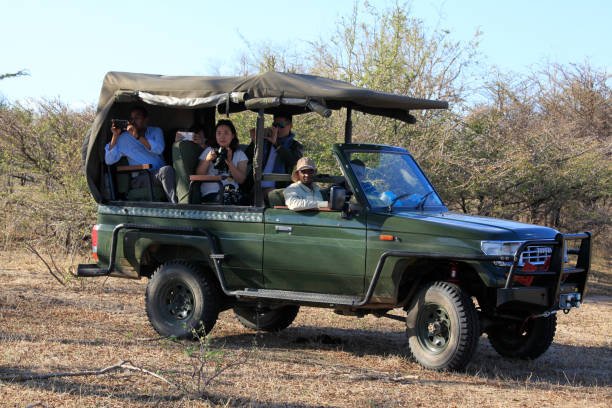
- Private Vehicles: For the most comfortable and flexible travel, hiring a private 4×4 vehicle with a driver is recommended. This is ideal for reaching remote areas, national parks, and for those who prioritize convenience and security. Tour operators can arrange these.
- Public Transport: Malawi has an extensive network of minibuses (matolas) that connect most towns and villages. This is the most budget-friendly option and offers a very local experience, but it can be slow, crowded, and less comfortable. Long-distance buses are also available between major cities.
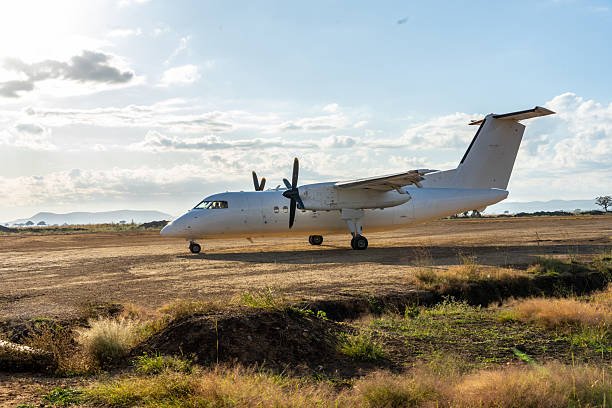
- Domestic Flights: There are limited domestic flights, primarily between Lilongwe and Blantyre, and sometimes to smaller airstrips serving tourist areas like Likoma Island. These can save significant travel time but are more expensive.
- Water Transport: On Lake Malawi, ferries and water taxis are used for inter-island travel and reaching lakeside communities. The Ilala ferry, while slow, offers a unique way to experience the lake.
When planning your Malawi itinerary for 2026 or 2027, factor in travel times, as distances can be deceiving on the map, and road conditions can vary. For comprehensive safari and lake tours, relying on a tour operator for logistics is highly recommended.
Malawi’s Crown Jewel: Lake Malawi National Park
No visit to Malawi is complete without experiencing the impressive beauty and vibrant life of Lake Malawi. Designated a UNESCO World Heritage Site, Lake Malawi National Park is a haven for biodiversity, particularly its endemic cichlid fish.
Activities on and around the Lake:
- Snorkeling and Diving: The crystal-clear waters teem with hundreds of species of colourful cichlids, making it a world-class destination for snorkeling and diving. Popular spots include Cape Maclear and the islands like Mumbo and Domwe.
- Kayaking and Paddleboarding: Explore the calm bays and get close to the shoreline at your own pace. Sunrise and sunset paddles offer particularly magical views.
- Boat Trips: Take a boat excursion to explore nearby islands, visit fishing villages, or enjoy a sunset cruise with sundowner drinks.
- Relaxing on Beaches: Many lodges and campsites offer beautiful sandy beaches perfect for sunbathing, swimming, and simply unwinding.
- Visiting Fishing Villages: Experience the daily life of the local communities who depend on the lake for their livelihood. Witness traditional fishing methods and vibrant markets.
Where to Stay on Lake Malawi:
Accommodation ranges from rustic beach bandas to luxurious lodges:
- Cape Maclear: A popular hub with a range of guesthouses and lodges, offering easy access to activities and a lively atmosphere.
- Likoma Island: Home to the stunning Kaya Mawa lodge, offering a more exclusive and luxurious experience with unique architecture and activities.
- Nkhata Bay: Known for its backpacker-friendly vibe and beautiful bay, offering a more relaxed atmosphere.
- Southern Lakeshore: Numerous resorts and lodges are scattered along the southern coast, providing various levels of comfort and access to different parts of the lake.
For those planning a Malawi trip in 2026 or 2027, booking lakeside accommodation, especially during the dry season, is essential. Consider a multi-day stay to truly appreciate the tranquility and diverse offerings of Lake Malawi.
Wildlife Adventures in Malawi’s National Parks
While not as globally renowned as some of its neighbours, Malawi’s commitment to conservation has led to remarkable recoveries in its wildlife populations. This makes its parks increasingly exciting destinations for safari-goers.
Majete Wildlife Reserve: A Conservation Success Story
Once decimated by poaching, Majete has been revitalized by African Parks and is now a sanctuary for the “Big Five” (lion, leopard, elephant, rhino, buffalo) and many other species. It offers a thrilling and less crowded safari experience.
- Activities: Game drives (day and night), guided bush walks, boat safaris on the Shire River.
- Wildlife: Excellent chances to see elephants, rhinos, lions, leopards, buffalo, hippos, crocodiles, and a variety of antelope.
- Accommodation: Options range from comfortable lodges to more exclusive tented camps.
Liwonde National Park: The Jewel of the Shire River
Malawi’s largest park, Liwonde, is famed for its large elephant population and abundant birdlife. The Shire River is its lifeblood, offering unique game viewing opportunities from the water.
- Activities: Game drives, boat safaris (highly recommended), walking safaris, birdwatching.
- Wildlife: Large herds of elephants, hippos, crocodiles, and a good chance of spotting lions and leopards. It’s a birdwatcher’s paradise.
- Accommodation: Several lodges are situated along the Shire River, offering stunning views and excellent game viewing directly from the property.
Nyika National Park: The “Wild” Plateau
A unique high-altitude plateau with rolling grasslands, montane forests, and dramatic rock formations. Nyika offers a different kind of safari experience, with opportunities to see roan antelope, zebra, eland, and leopards, as well as abundant birdlife and wildflowers in the rainy season.
- Activities: Game drives, guided walks, mountain biking, horse riding.
- Wildlife: Known for its large herds of roan antelope, zebra, and eland. Leopards are present but elusive. Excellent for birding.
- Landscape: Vast, open grasslands with stunning vistas, making it feel wild and remote.
Planning a safari in Malawi for 2026 or 2027 offers the chance to witness conservation success stories firsthand. Booking game drives and walking safaris in advance is recommended, especially for popular parks like Majete and Liwonde.
Cultural Experiences and Local Life
The true heart of Malawi lies in its people. Their warmth, resilience, and welcoming nature are consistently highlighted by visitors. Engaging with local culture offers a deeper understanding and appreciation of the country.
- Village Visits: Many lodges and tour operators can arrange visits to nearby villages. This provides an opportunity to see traditional housing, farming practices, and daily life. It’s important to approach these visits with respect and sensitivity, often facilitated by a local guide who can help with introductions and translations.
- Local Markets: Bustling markets are found in towns and cities across Malawi. They are vibrant hubs of activity where you can find fresh produce, local crafts, textiles, and everyday goods. It’s a great place to observe local life and perhaps purchase souvenirs.
- Traditional Dance and Music: Witnessing traditional Malawian dance performances is a interesting experience, showcasing the country’s rich cultural heritage through energetic movements and rhythmic music.
- Craftsmanship: Look out for local crafts such as wood carvings, pottery, and colourful textiles (like Chitenje). Buying directly from artisans supports local economies.
When interacting with locals, a smile and a greeting in Chichewa (like Muli bwanji? – How are you?) go a long way. Learning a few basic phrases can significantly enhance your interactions during your Malawi travels in 2026-2027.
Adventure in the Highlands: Mulanje and Zomba
For those seeking more active pursuits and dramatic scenery, Malawi’s highlands offer incredible opportunities.
Mount Mulanje
This is Malawi’s highest mountain, a massive granite massif rising dramatically from the surrounding plains. It’s a popular destination for hikers and climbers, offering a network of trails ranging from day hikes to multi-day treks.
- Hiking: Trails lead through montane forests, grasslands, and past dramatic rock formations. Popular routes include the Sapitwa Peak trail (the highest point) and treks to waterfalls and scenic viewpoints.
- Guides and Porters: Hiring local guides and porters is mandatory for most treks and highly recommended for safety and navigation. They are essential for multi-day expeditions.
- Accommodation: Basic mountain huts are available along the trails, requiring booking in advance. Camping is also an option.
Trekking Mount Mulanje is a rewarding challenge, offering solitude and spectacular views. Consider this for your 2026 or 2027 adventure itinerary if you enjoy mountain environments.
Zomba Plateau
Once the colonial capital, Zomba offers a cooler climate and beautiful scenery. The plateau is characterized by forests, streams, and viewpoints offering panoramic vistas over the surrounding plains.
- Activities: Hiking to viewpoints like Queen’s View and Emperor’s View, exploring waterfalls, horse riding, and enjoying the cool, fresh air.
- Wildlife: While not a primary wildlife destination, you might spot various bird species, monkeys, and small antelope.
- Accommodation: The historic Sunbird Ku Chawe hotel sits on the edge of the plateau, offering stunning views, with other guesthouses available in Zomba town.
Practical Information for Travelers
To ensure a smooth and enjoyable trip to Malawi, consider the following practical aspects.
Visa Requirements
Visa requirements can change, so it’s essential to check the latest regulations for your nationality well in advance of your 2026-2027 Malawi trip. Many nationalities can obtain a visa on arrival, while others may need to apply in advance through a Malawian embassy or consulate. E-visas are also becoming more common.
Health and Vaccinations
Consult your doctor or a travel clinic at least 4-6 weeks before your departure regarding recommended vaccinations and malaria prevention. Malaria is present in Malawi, particularly in the lake regions and lower-lying areas. Use insect repellent, wear long sleeves and trousers during dawn and dusk, and consider prophylaxis. Ensure your routine vaccinations are up to date.
Currency and Money Matters
The local currency is the Malawian Kwacha (MWK).);
- ATMs: Available in major towns like Lilongwe, Blantyre, and Mzuzu, but can be unreliable and may have withdrawal limits. It’s wise not to rely solely on ATMs.
- Credit Cards: Accepted in larger hotels, some lodges, and major tour operators, but cash is preferred for smaller purchases, markets, and local transport.
- US Dollars and Euros: Widely accepted and can be exchanged for local currency. It’s advisable to carry smaller denominations of USD for easy exchange.
Tip: Always inform your bank of your travel plans to avoid issues with your cards. Carry enough cash for your needs, especially if venturing to more remote areas.
What to Pack
Packing light and smart is key for travel in Malawi. Consider the climate and planned activities:
- Clothing: Lightweight, breathable clothing (cotton, linen). Neutral colours are best for safaris. Include long-sleeved shirts and trousers for sun and insect protection, especially in the evenings. A fleece or warm jacket is useful for cooler evenings, particularly in the highlands or during the dry season.
- Footwear: Comfortable walking shoes or hiking boots for exploring, sandals or flip-flops for relaxing.
- Sun Protection: High SPF sunscreen, a wide-brimmed hat, and sunglasses are essential.
- Insect Repellent: With DEET or Picaridin.
- Health Kit: Basic first-aid supplies, any personal medications, hand sanitizer.
- Electronics: Camera, power bank, universal travel adapter (Malawi uses Type G sockets, the same as the UK).
- Documents: Passport, visa (if required), flight details, travel insurance information, copies of important documents.
- Miscellaneous: Small backpack for day trips, reusable water bottle, binoculars for wildlife viewing.
Safety and Security
Malawi is generally considered a safe country for tourists, known for its friendly population. However, like anywhere, it’s wise to exercise common sense precautions:
- Be aware of your surroundings, especially in crowded markets or bus stations.
- Avoid displaying expensive valuables openly.
- Do not walk alone at night in towns or cities.
- Secure your accommodation and belongings.
- If driving, be cautious of road conditions and avoid driving after dark.
- Trust your instincts and follow advice from local guides or reputable tour operators.
Sample Itinerary Ideas for 2026-2027
To help you visualize a trip, here are a couple of sample itinerary concepts. These can be fully customized by Top Guide Adventures to match your interests and budget for your Malawi adventure in 2026 or 2027.
Option 1: Classic Malawi Explorer (10 Days)
- Days 1-3: Lilongwe & surrounds. Arrive in Lilongwe, explore the capital, visit local markets, and perhaps a cultural center. Day trip to a nearby village or wildlife sanctuary.
- Days 4-6: Lake Malawi (Cape Maclear). Transfer to the southern shores of Lake Malawi. Enjoy swimming, snorkeling, kayaking, and relaxing on the beach. Sunset boat trips.
- Days 7-9: Majete Wildlife Reserve. Travel to Majete for thrilling game drives and bush walks, focusing on spotting the Big Five and other wildlife.
- Day 10: Departure. Transfer back to Lilongwe for your onward flight.
Option 2: Southern Malawi Discovery (14 Days)
- Days 1-2: Blantyre & Zomba Plateau. Arrive in Blantyre, explore the commercial hub, then head to the cooler Zomba Plateau for hiking and scenic views.
- Days 3-5: Mount Mulanje. Trekking adventure on Mount Mulanje, with guided hikes to viewpoints or waterfalls. Overnight in mountain huts.
- Days 6-9: Lake Malawi (Southern Shores/Likoma Island). Journey to the lake. Choose between the lively Cape Maclear or the more exclusive Likoma Island for water activities and relaxation.
- Days 10-13: Liwonde National Park & Majete Wildlife Reserve. Experience both parks with game drives and boat safaris, focusing on elephants, hippos, and the Big Five.
- Day 14: Departure. Transfer to Lilongwe (or Blantyre depending on flight schedule) for departure.
These are just starting points. We can tailor every aspect to your preferences, whether you want more time on the lake, deeper safari experiences, or more cultural immersion for your Malawi holiday in 2026 or 2027.
Responsible Tourism in Malawi
As you plan your trip, consider how to travel responsibly to support Malawi’s conservation efforts and local communities.
- Support Local Communities: Purchase locally made crafts, eat at local restaurants, and choose lodges that employ local staff and contribute to community projects.
- Respect Wildlife: Maintain a safe distance from animals on safari, never feed them, and avoid using flash photography. Follow the guidance of your safari guides.
- Conserve Resources: Be mindful of water and electricity usage, especially in lodges where resources may be limited.
- Cultural Sensitivity: Dress modestly when visiting villages or religious sites. Always ask permission before taking photographs of people.
- Choose Eco-Friendly Operators: Partner with tour operators who demonstrate a commitment to sustainable tourism practices.
Top Guide Adventures is committed to responsible travel principles. We encourage our clients to engage with Malawi in a way that benefits both the traveler and the destination, ensuring that the beauty and culture of Malawi are preserved for future generations, including those planning trips in 2026 and 2027.
Why Top Guide Adventures is Your Partner for Malawi
While Top Guide Adventures is best known for its exceptional Tanzania tours, our expertise in East African travel extends to understanding the nuances of neighbouring countries like Malawi. We believe in offering complete, personalized travel experiences with dedicated support.
For your Malawi adventure in 2026-2027, we can leverage our regional knowledge to help you craft an unforgettable journey. Whether you’re looking for a safari combined with lake relaxation, or a cultural deep-dive, we offer:
- Tailor-Made Itineraries: We design trips based on your specific interests, budget, and travel style.
- Personal Attention: From your first inquiry to your return home, you receive dedicated support.
- Logistical Expertise: We handle all the complex arrangements, including accommodation, transport, and activities, ensuring a smooth experience.
- Local Insights: We work with trusted local partners on the ground to provide authentic experiences.
Ready to plan your dream Malawi trip for 2026 or 2027? Get in touch with our travel experts today. We are passionate about creating memorable journeys and ensuring you experience the very best of the “Warm Heart of Africa.” Contact us via WhatsApp +255616946642 or Email info@topguideadventures.com.
Let Top Guide Adventures help you discover the magic of Malawi. Visit our website at topguideadventurestanzania.com for more information on crafting your perfect African adventure.
Check Availability for Malawi Travel Guide: Your Ultimate Adventure In The Warm Heart Of Africa
Ready to compare dates, prices, and the best option for your group? Send the package name and travel month so the team can reply with a clear quote, availability, and what is included.
Algeria Travel Guide: Discover Ancient History, Sahara Adventures & Vibrant
start an unforgettable journey through Algeria, a North African gem brimming with ancient history, dramatic desert landscapes, and a vibrant cultural mix. This guide covers everything you...
View package details
Angola Travel Guide: Your Ultimate Adventure Planning For 2026-2027
Explore Angola's diverse attractions, from its dramatic coastlines and lush interior to its rich history and vibrant cities. This comprehensive guide helps you plan your 2026-2027...
View package details
Bagamoyo Historical Tour 2026-2027
Bagamoyo Historical Tour is explained with current 2026-2027 planning, price, itinerary and booking information.
View package details
Best Arusha Guide
Arusha serves as Tanzania's primary tourism hub, making it the best starting point for exploring the country's iconic Northern Circuit, including Serengeti, Ngorongoro Crater, and Mount...
View package details
Best Cheapest Tours In Tanzania: Your Ultimate Guide For 2026-2027
Discover how to find the best cheapest tours in Tanzania for 2026-2027. This guide covers budget-friendly safaris, Kilimanjaro climbs, and Zanzibar holidays, detailing what to expect, how...
View package details
Best Hadzabe Tour 2026-2027
Best hadzabe tour is explained with current 2026-2027 planning, price, itinerary and booking information.
View package detailsBest Kibo Hut 2026-2027
Best kibo hut is explained with current 2026-2027 planning, price, itinerary and booking information.
View package details
Best Kili Routes 2026-2027
Best kili routes is explained with current 2026-2027 planning, price, itinerary and booking information.
View package details
Best Kilimandscharo Routen Guide
Choosing the best Kilimanjaro route is crucial for your summit success and overall experience. This guide details the top routes, comparing their difficulty, scenery, acclimatization, and...
View package details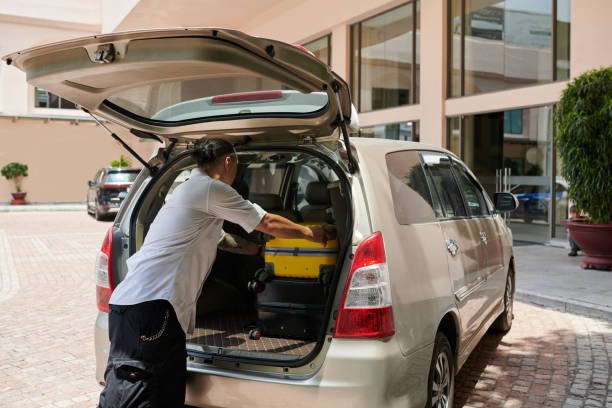
Best Kilimanjaro Climb Cost 2026-2027
Best kilimanjaro climb cost is explained with current 2026-2027 planning, price, itinerary and booking information.
View package details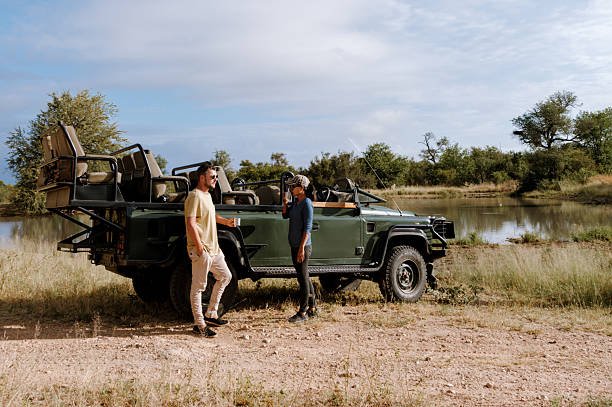
Best Kilimanjaro Climb Costs 2026-2027
Best kilimanjaro climb costs is explained with current 2026-2027 planning, price, itinerary and booking information.
View package details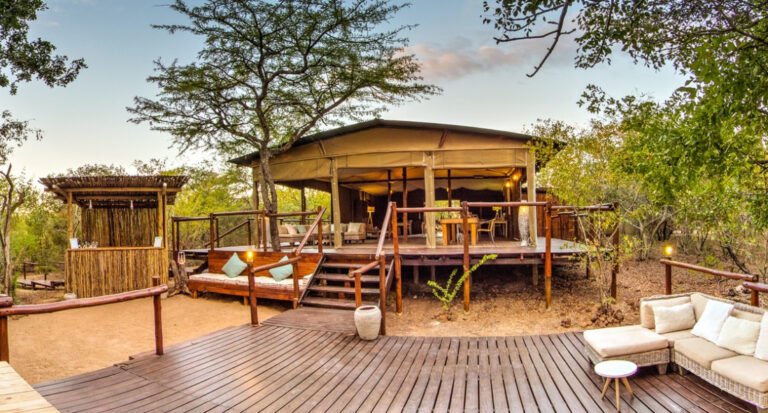
Best Kilimanjaro Climb Packages 2026-2027
Best kilimanjaro climb packages is explained with current 2026-2027 planning, price, itinerary and booking information.
View package detailsNo closely related package is available for this topic yet.



